Artwork
Ecce Homo
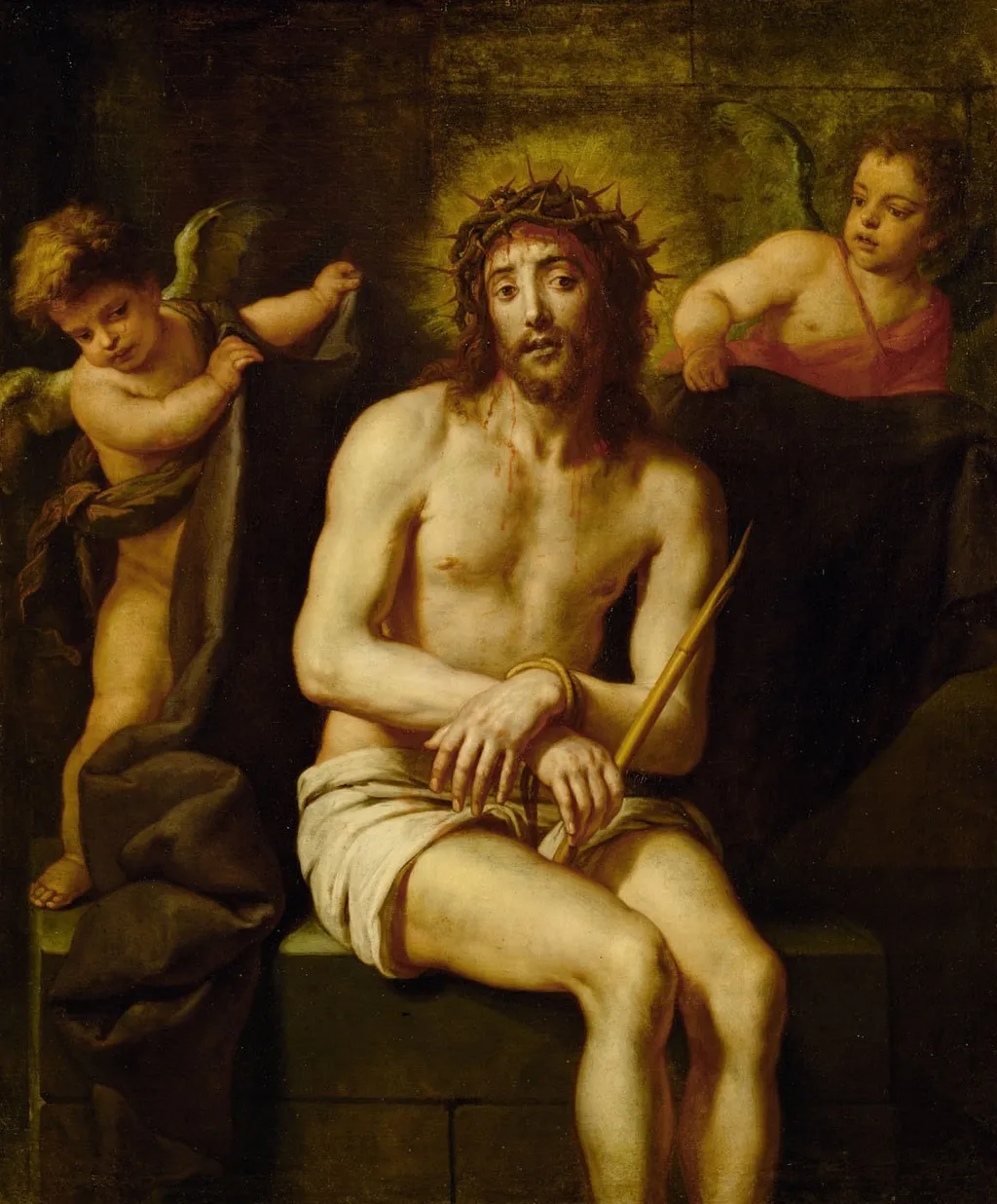
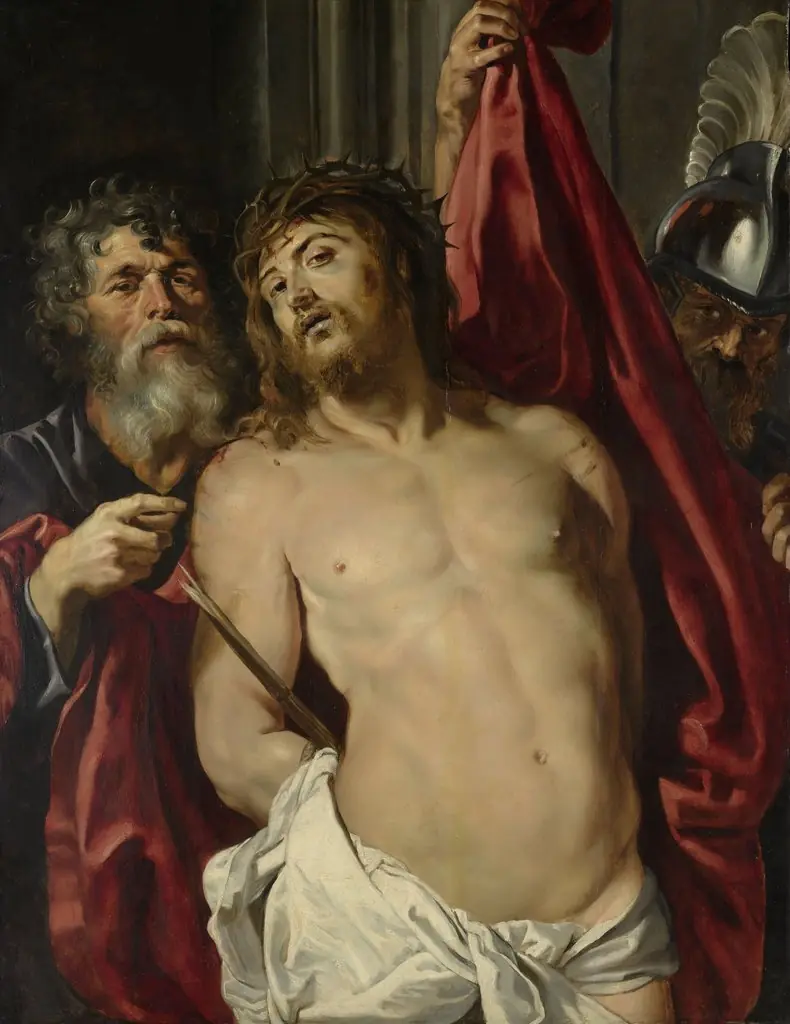
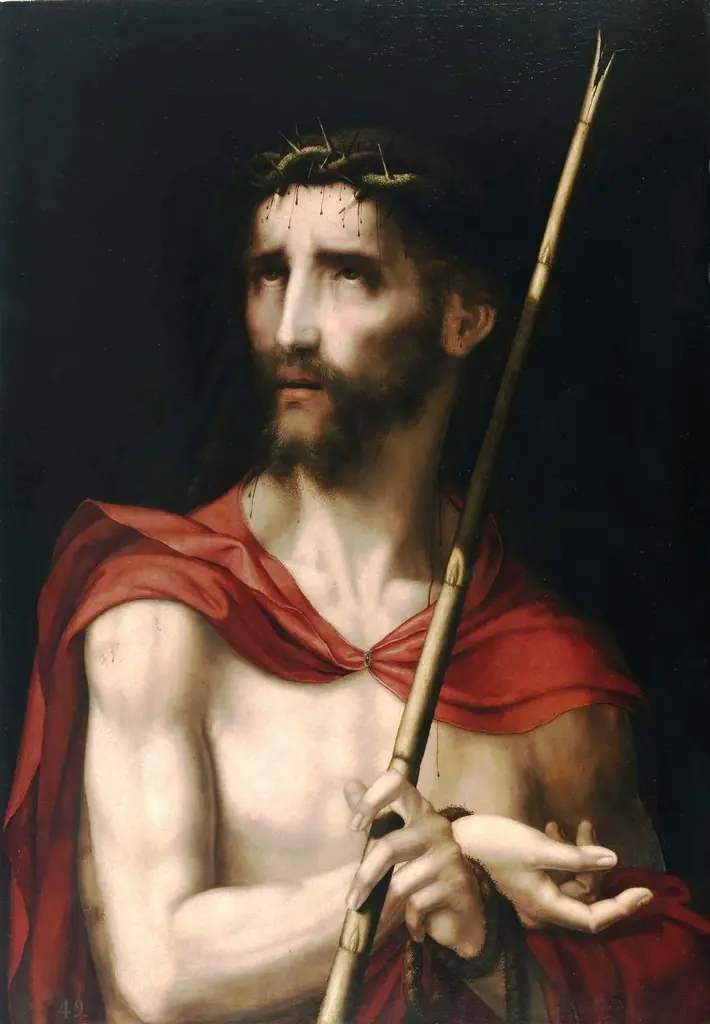
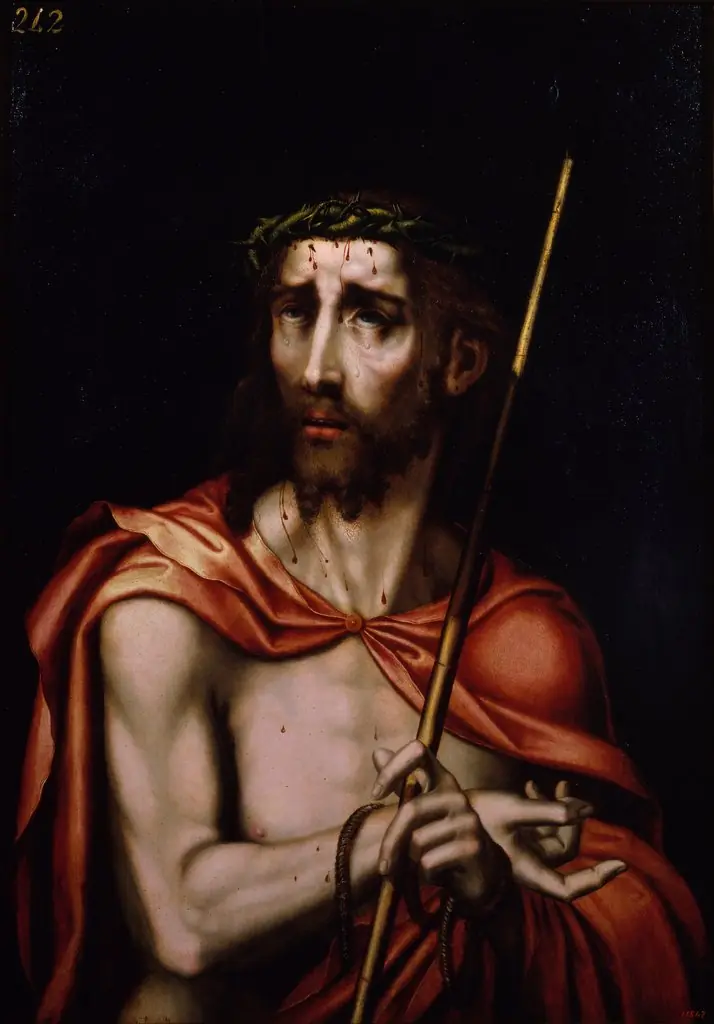
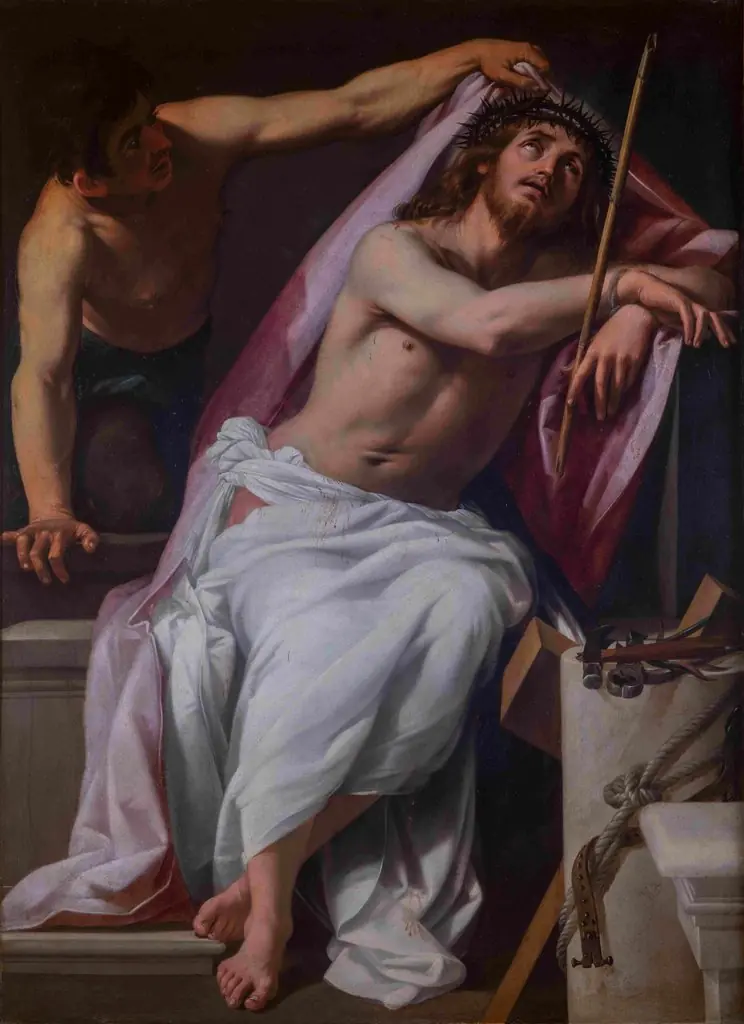
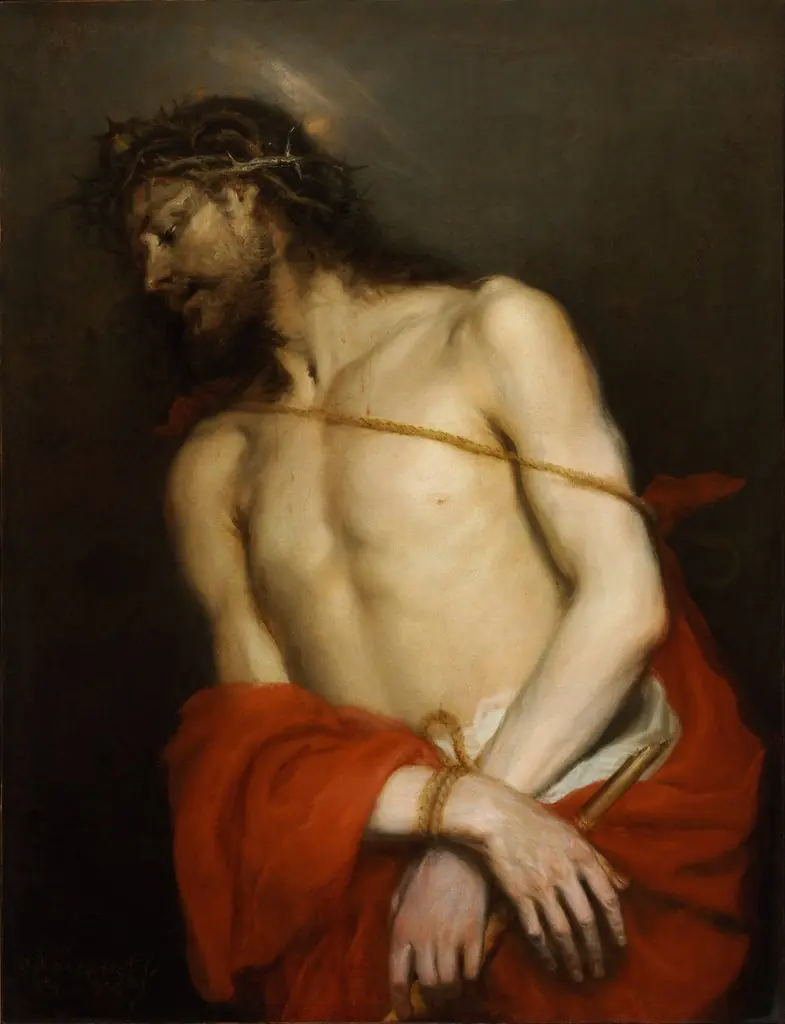
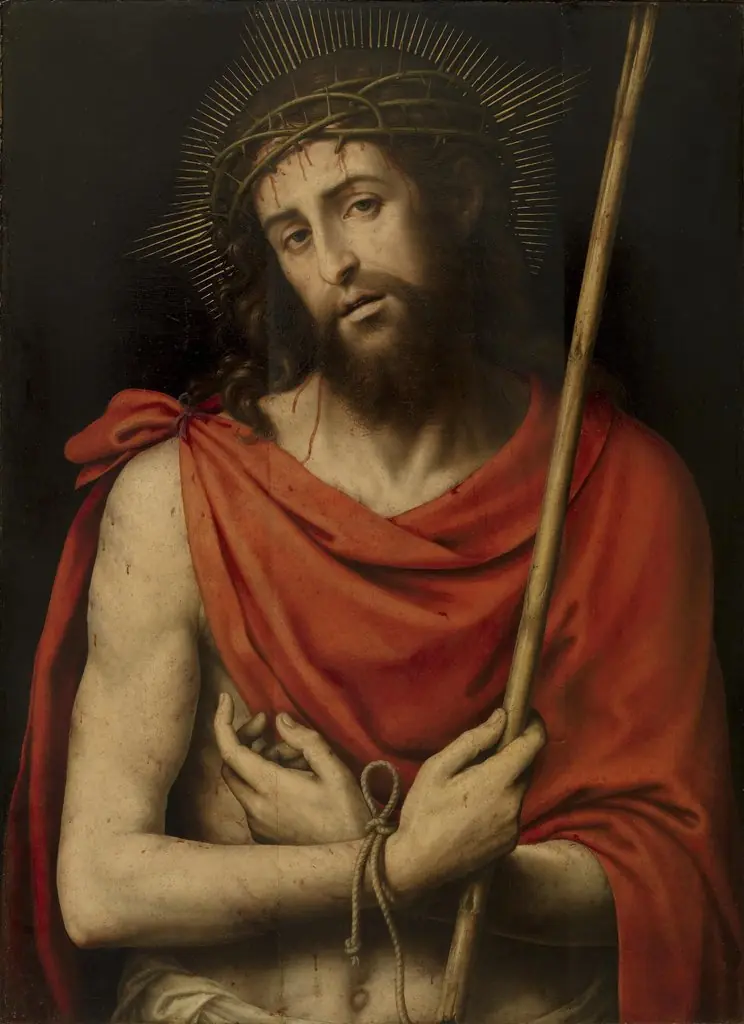
Ecce Homo is an oil painting by the Flemish Baroque painting artist Gaspar de Crayer. It dates from 1650 and is held in the collection of the Kunsthistorisches Museum.
About this work
Subject & Meaning
’ It emphasizes the theological theme of suffering and mockery of Christ’s kingship, a common subject in Counter‑Reformation religious art.
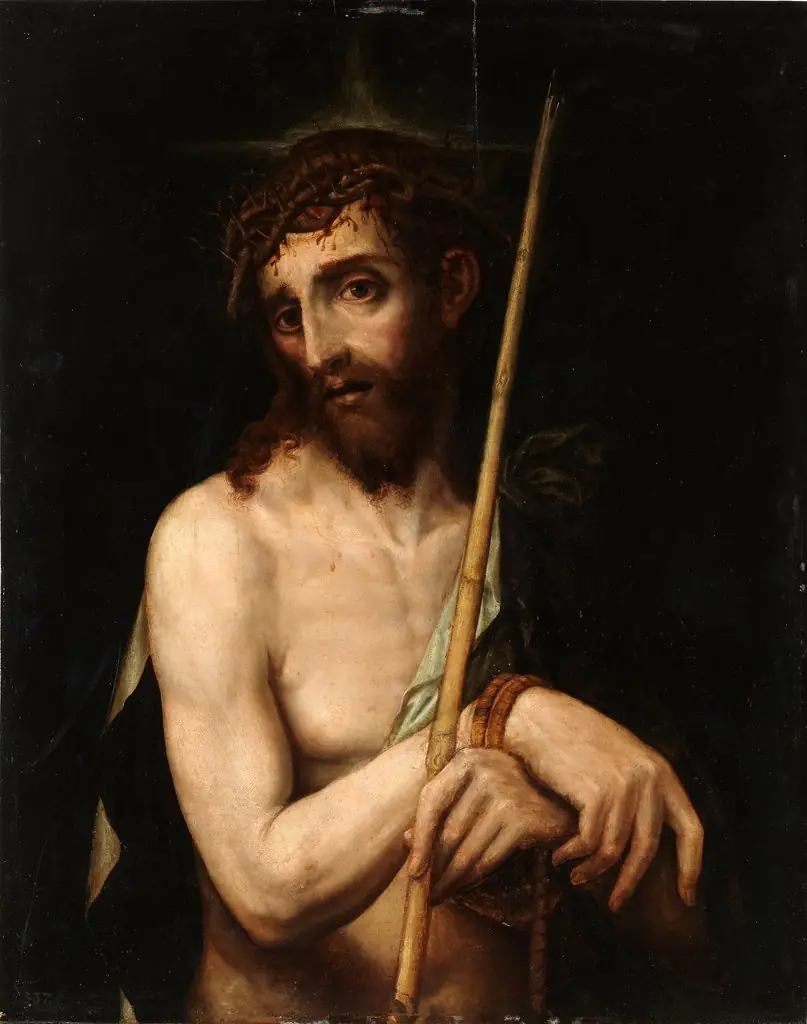
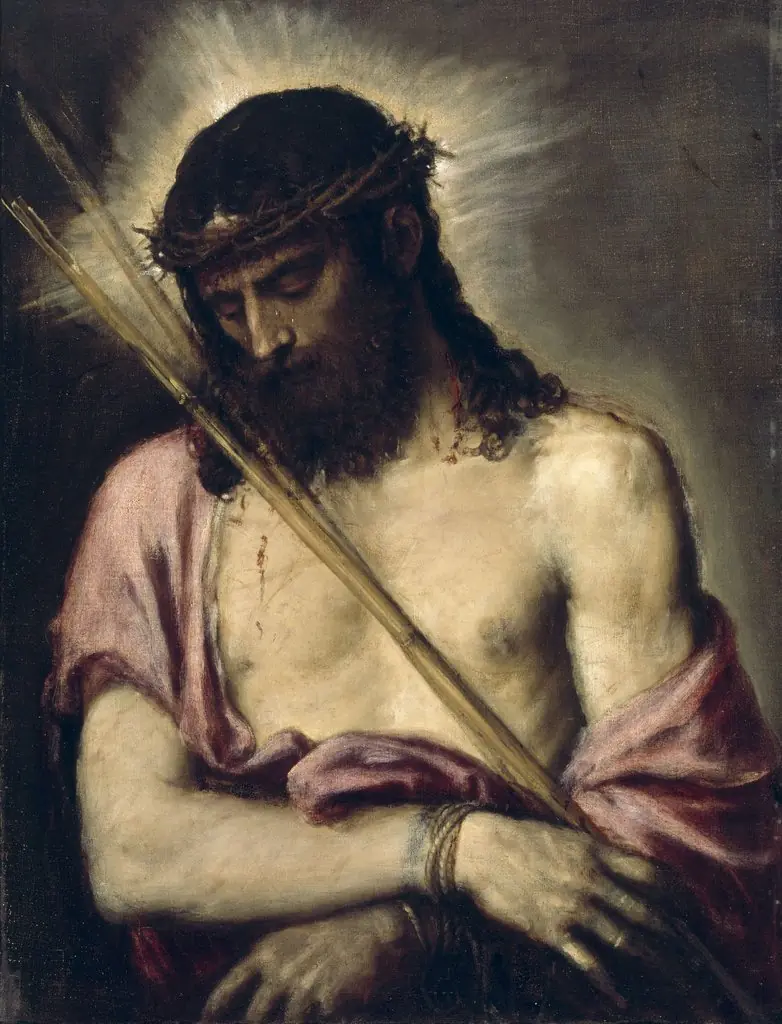
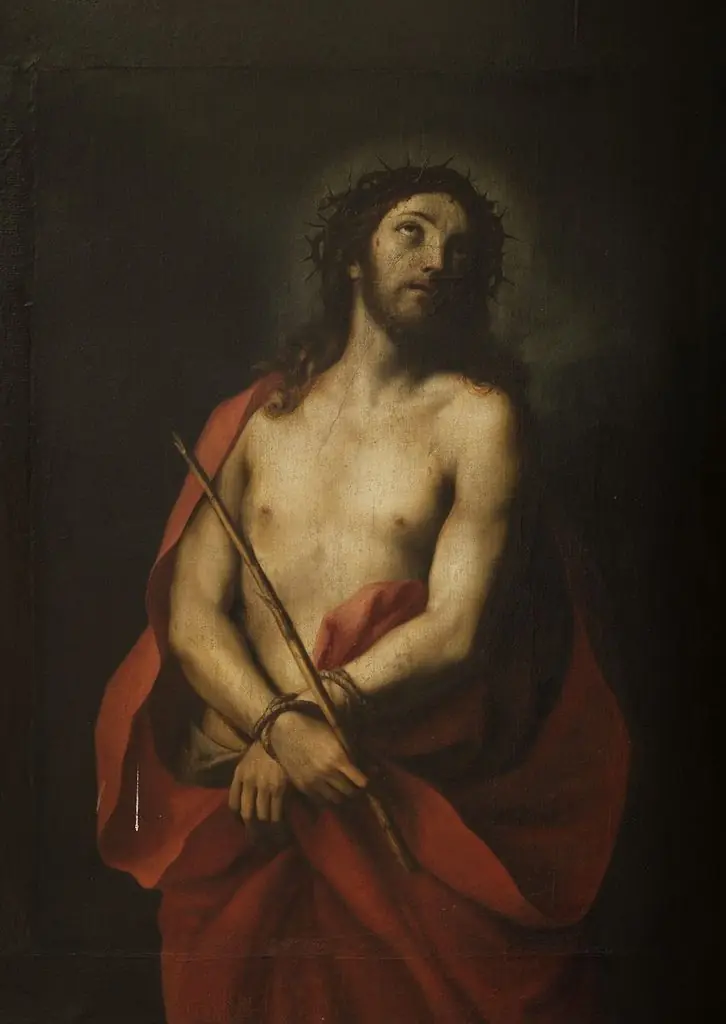
The work portrays the moment of Christ’s condemnation, focusing on the figure presented to the crowd as ‘Ecce Homo.’ It emphasizes the theological theme of suffering and mockery of Christ’s kingship, a common subject in Counter‑Reformation religious art. The composition isolates the central figure, highlighting his humility and the crowd’s indifference, thereby underscoring the narrative of sacrificial redemption.
Technique & Style
Executed in 1650, this religious painting by Gaspar de Crayer utilizes oil paint applied to a canvas support. The work measures 147.5 cm in height and 121.5 cm in width. Visually, the composition depicts the Ecce Homo scene featuring Jesus Christ as the central subject. The piece is classified as a painting within the religious genre.
History & Provenance
The painting Ecce Homo by Gaspar de Crayer was created in 1650 as an oil on canvas work measuring 147.5 by 121.5 cm. It portrays the moment of Christ being presented to the crowd, a subject drawn from the Passion narrative. The composition entered the collection of Archduke Leopold Wilhelm of Austria, who commissioned or acquired the piece for his personal holdings before it was later incorporated into the Kunsthistorisches Museum's holdings. The work has remained in the museum's collection since its acquisition, forming part of its religious art assemblage.
Gaspar de Crayer's oil painting Ecce Homo, created in 1650, is held in the collection of the Kunsthistorisches Museum in Vienna. The work was formerly part of the holdings of Archduke Leopold Wilhelm of Austria before entering the museum's inventory. The provided sources do not list a specific accession number or detail any past or future exhibition history for this artwork.
Overview
Created circa 1650 by the Flemish artist Gaspar de Crayer, this oil painting portrays the biblical moment when Pontius Pilate presents a scourged Jesus to the assembled crowd. The work belongs to the Kunsthistorisches Museum’s collection and exemplifies de Crayer’s output of religious subjects during the Counter‑Reformation.
Context
The painting was created during the Counter‑Reformation, a period when Catholic artists emphasized emotionally resonant depictions of Christ’s Passion to reinforce faith. De Crayer’s choice of a direct, confrontational gaze and the inclusion of cherubs align with contemporary efforts to make sacred narratives accessible and spiritually moving for viewers.
Artist & collection
Artist
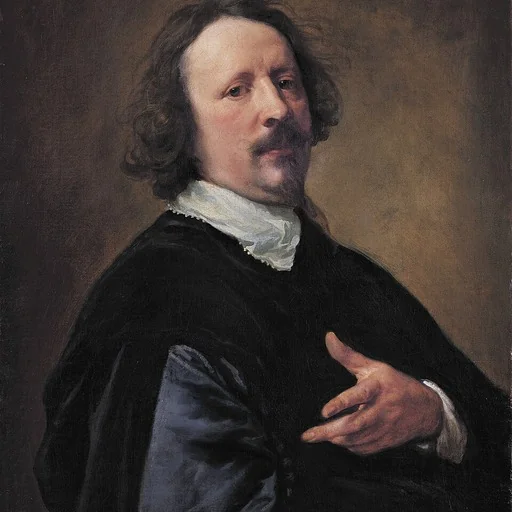
Gaspar de Crayer or Jasper de Crayer (18 November 1584 – 27 January 1669) was a Flemish painter known for his many Counter-Reformation altarpieces and portraits.

 The Meeting of Alexander the Great and Diogenes
 Philip IV (1605–1665) in Parade Armor
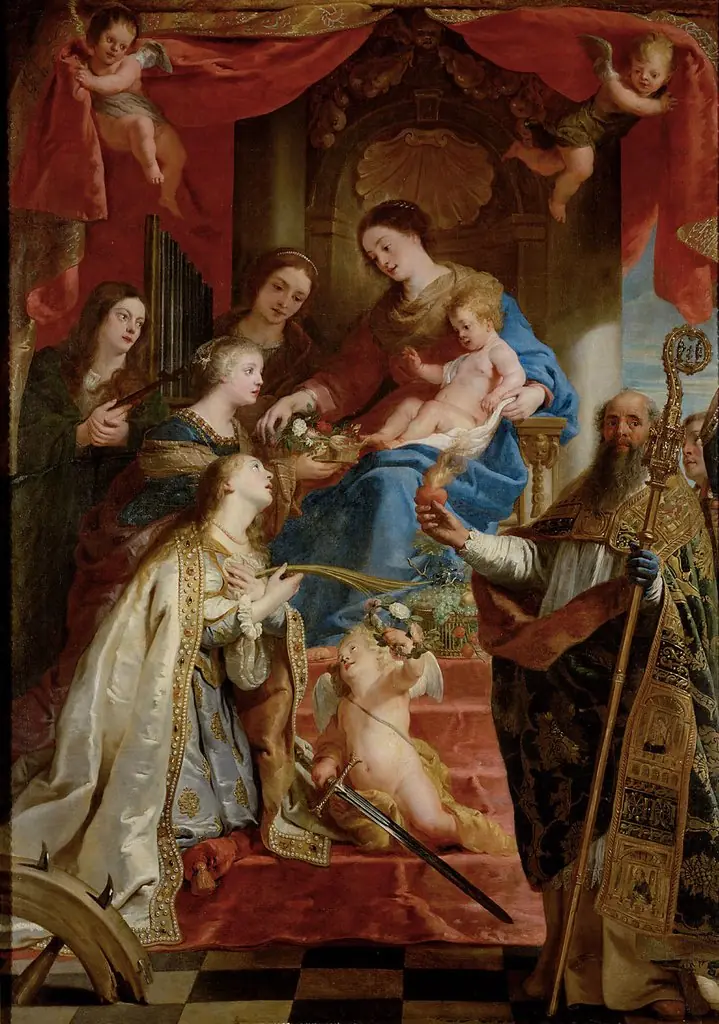 Virgin with child and saints Maria Magdalen, Cecilia, Dorothea, Catharina and Augustine
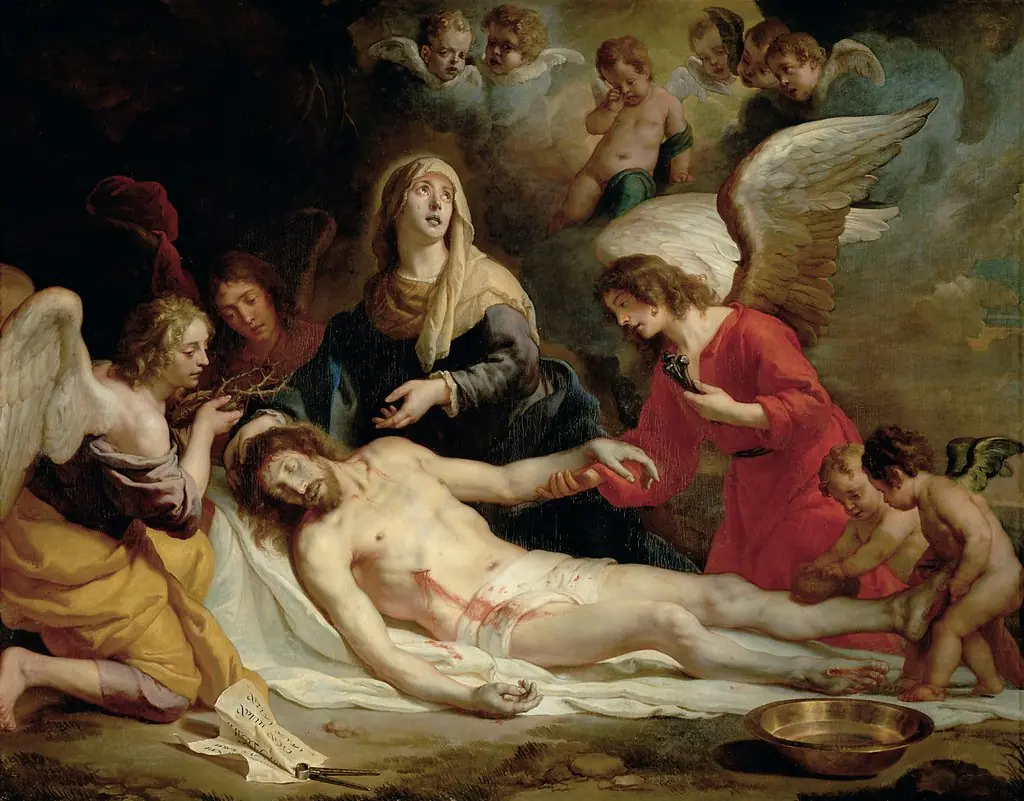 Lamentation
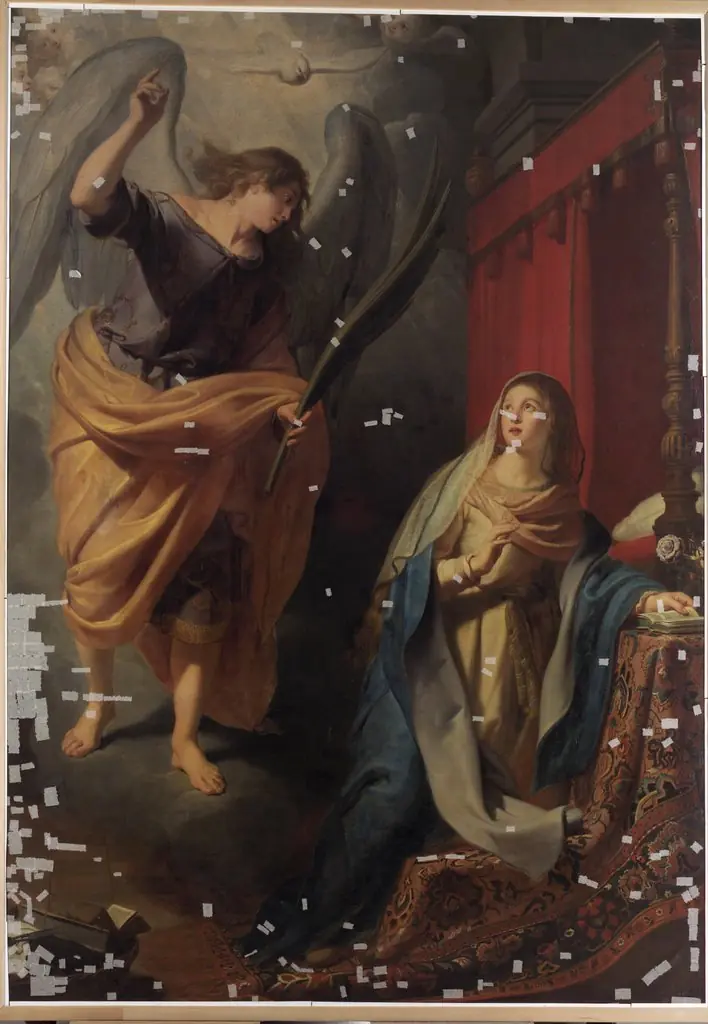 The Annunciation
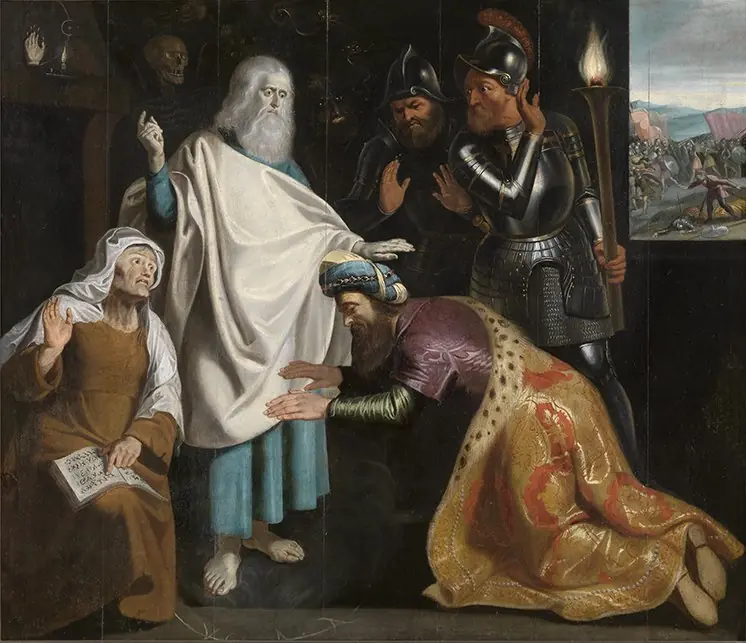 The ghost of Samuel appears to the witch of Endor; Saul falls prostrate to the ground (1 Samuel 28:3-20)
 The adoration of the shepherds
 The descent from the cross