Artwork
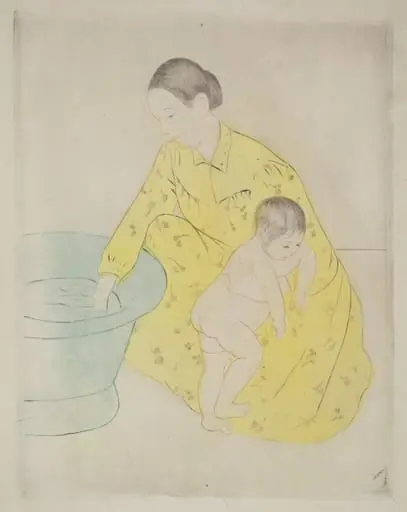
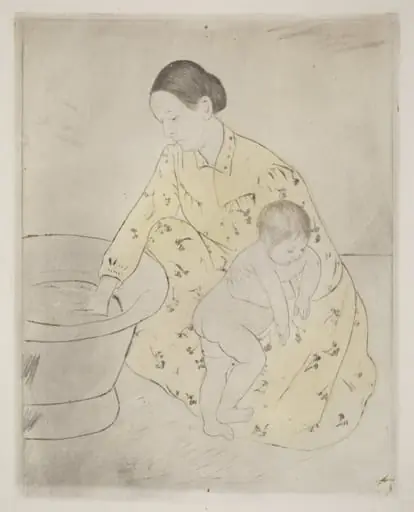
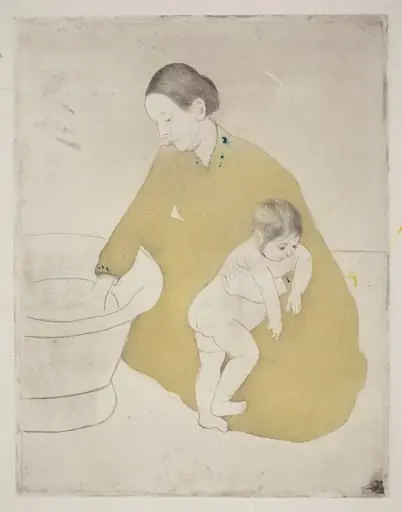
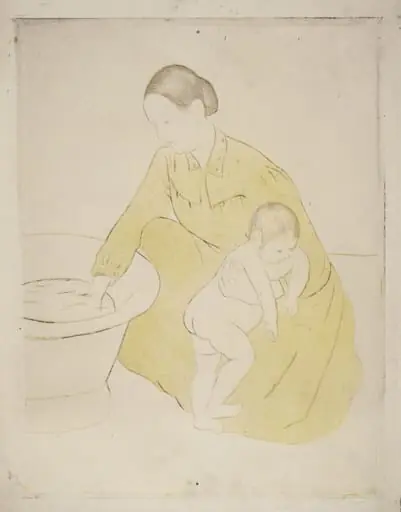
The Child's Bath
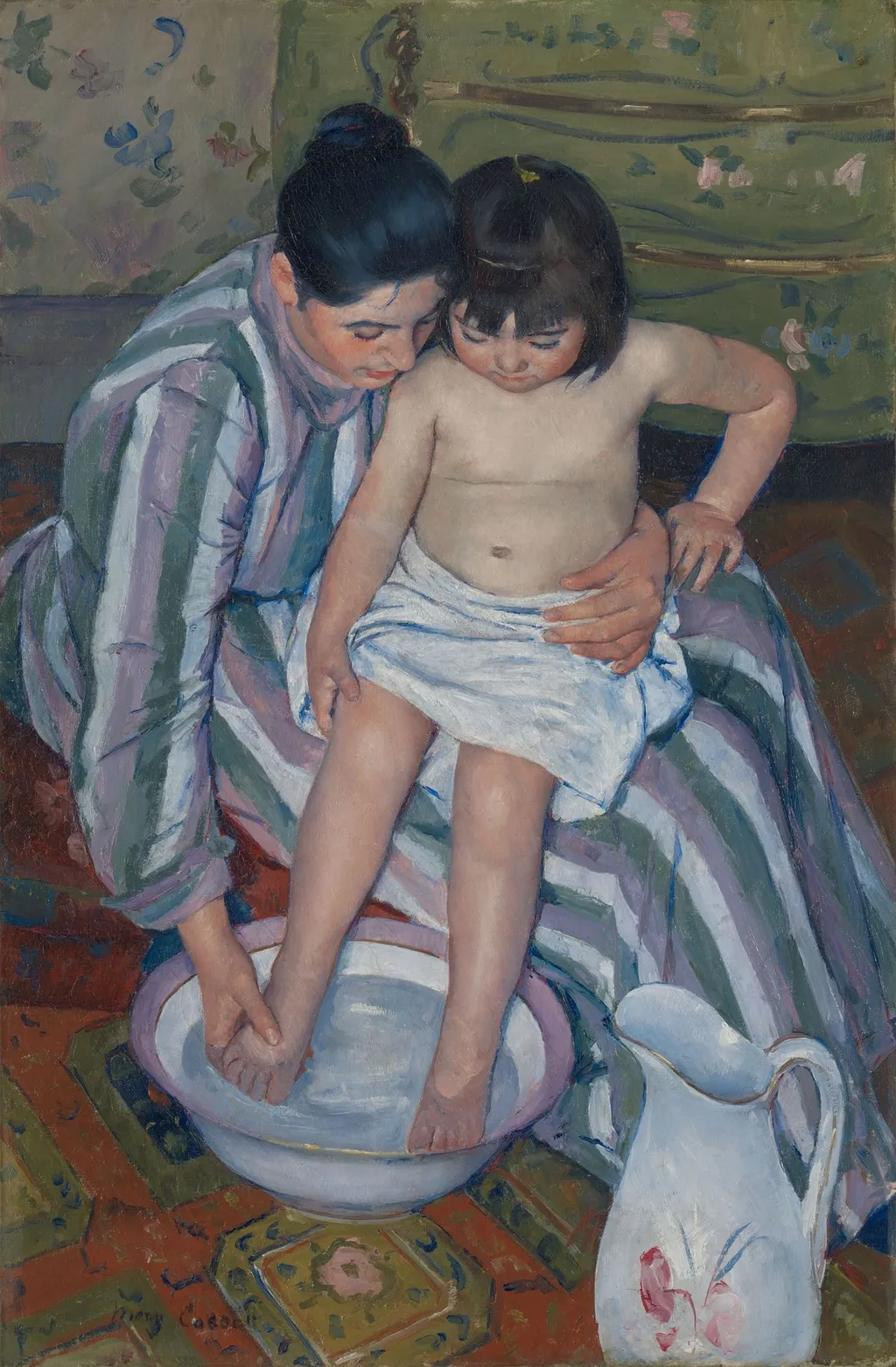
The Child's Bath is an oil painting by the Impressionist artist Mary Cassatt. It dates from 1897 and is held in the collection of the Art Institute of Chicago.
About this work
The Child's Bath is a painting by Mary Cassatt. It's an oil painting from 1893.
The painting shows Cassatt's interest in depicting bathing and motherhood. This interest is a common theme in her work, and it's notable that she was inspired by Japanese Woodcut prints and Edgar Degas.
You can learn more about the artist who created this painting, Mary Cassatt.
Subject & Meaning
Cassatt's composition merges domestic realism with symbolic weight, elevating an everyday ritual into an emblem of modern motherhood.
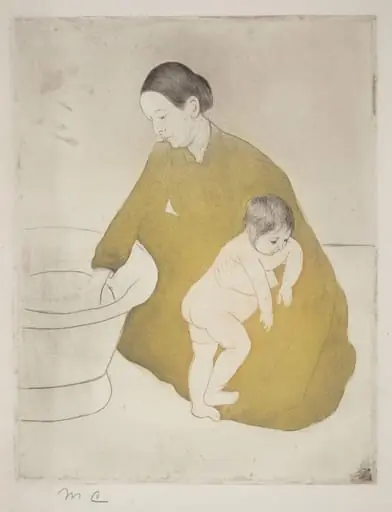
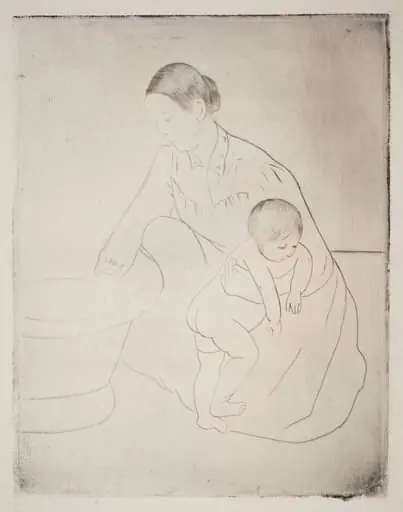
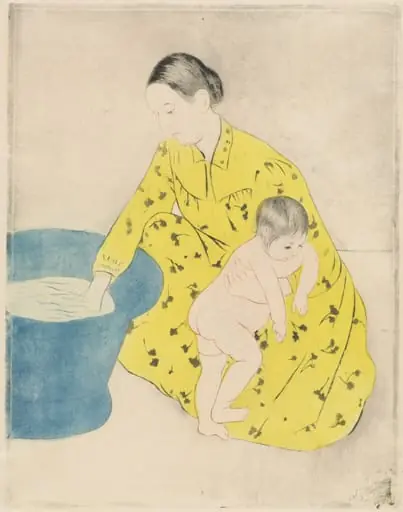
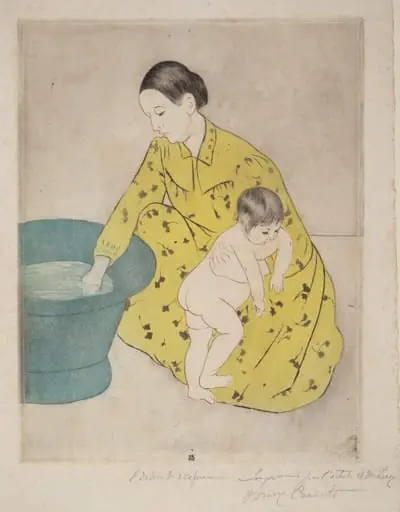
The Child's Bath centers on an intimate, quotidian scene of maternal care: a mother bathing her young child. Cassatt's composition merges domestic realism with symbolic weight, elevating an everyday ritual into an emblem of modern motherhood. The partially undressed child, its nudity rendered natural and pure rather than erotic, symbolizes innocence and vulnerability, while the mother's fully clothed form underscores the moral and protective dimensions of caregiving.
Their interlocking gestures, hands meeting on knee and foot in the basin, convey emotional and physical intimacy, transforming routine touch into a language of security and affection.
Cassatt's overhead perspective, inspired by Japanese woodcuts and Degas, focuses attention on the act itself. The obscured faces and reflected gazes in the water shift emphasis from individual identity to the shared, almost sacred quality of the moment, aligning the scene with broader Impressionist and Japoniste interests in reframing the ordinary as significant.
Technique & Style
Executed in 1897, The Child's Bath is an oil painting on canvas that exemplifies Mary Cassatt's synthesis of Impressionist technique and Japanese aesthetic principles. The composition uses a high-angle, bird's-eye perspective to create a sense of hovering above the intimate domestic scene, a viewpoint inspired by Japanese woodblock prints and the work of Edgar Degas. Cassatt employs layered, rough brushstrokes to delineate figures with thick outlines, distinguishing the subjects from the complex, patterned background of floral wallpaper and the mother's vertically striped dress.
These textured strokes model the faces and create depth despite the flattened spatial effect of the ornate surroundings. The artist carefully balances geometric resonances, echoing the oval shapes of the heads and basin while using the linear limbs to unify the composition. This handling emphasizes the tactile reality of the bathing ritual while maintaining a decorative clarity.
History & Provenance
Mary Cassatt created The Child's Bath in 1897 as an oil painting on canvas. The work emerged from her broader exploration of mother-child themes, which she began specializing in after 1887, and was influenced by an 1890 exhibition of Japanese woodblock prints in Paris as well as the work of Edgar Degas. The painting entered the collection of the art dealer Paul Durand-Ruel and was subsequently acquired by the Art Institute of Chicago in 1910, where it has remained a prominent piece of the museum's collection.
The painting's documented exhibition history includes two earlier presentations: "Discovering the Impressionists: Paul Durand-Ruel and the New Painting" and "Exposition de Tableaux, Pastels et Gravures de Mary Cassatt." Since entering the Art Institute's holdings, it has become one of the most popular works in the museum's collection. No specific accession number is provided in the available sources.
Context
Mary Cassatt's The Child's Bath occupies a pivotal place in art history as a synthesis of Impressionist technique and modern domestic subject matter. Scholars highlight its departure from traditional religious depictions of motherhood, recasting the Madonna and Child in a secular, intimate context. The work's high-angle perspective and flattened composition reflect Cassatt's absorption of Japanese woodblock prints, an influence shared with Edgar Degas, while its layered brushwork and patterned surfaces align it with Impressionist experiments in light and texture.
Its acquisition by the Art Institute of Chicago in 1910 cemented its status as a cornerstone of American Impressionism and a touchstone for later explorations of maternal intimacy in modern art.
Legacy
Mary Cassatt's The Child's Bath has secured a lasting reputation as one of the most celebrated works in the Art Institute of Chicago, where it has been a cornerstone of the collection since its acquisition in 1910. Its innovative composition, particularly the high-angle perspective inspired by Japanese woodblock prints, reshaped modern depictions of intimate domestic scenes, influencing later artists' approaches to viewpoint and emotional intimacy.
The painting's legacy extends beyond its stylistic innovations. By recasting the mother-child bond in a secular, naturalistic context, Cassatt redefined a theme traditionally tied to religious iconography, aligning it with contemporary ideals of hygiene and maternal care. This shift resonated with nineteenth-century public health discourses and feminist interpretations of women's roles, cementing the work's place in both art-historical and social narratives. Its enduring popularity reflects its ability to merge technical daring with universal themes of tenderness and protection.
Overview
Mary Cassatt's 1893 oil painting, The Child's Bath, presents an intimate domestic scene, characteristic of her artistic output. The work depicts a woman bathing a child, a subject that frequently engaged Cassatt throughout her career. It showcases her distinctive approach to portraying the tender bond between mother and child, rendered with a particular visual perspective that sets it apart from some of her other works.
Own this work as a print
Artist & collection
Artist
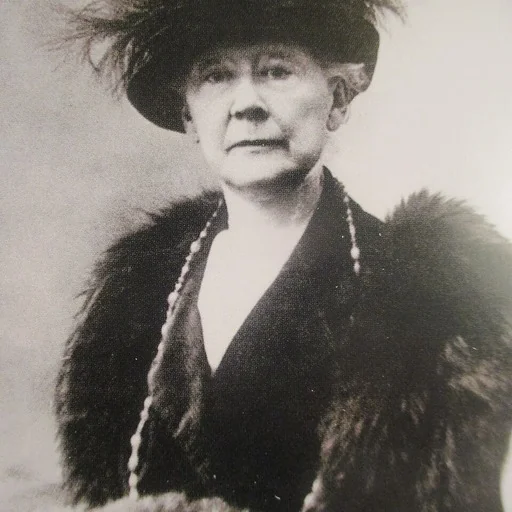
Mary Stevenson Cassatt (; May 22, 1844 – June 14, 1926) was an American painter and printmaker.

![The Bath [recto], by Mary Cassatt](https://artifactworldgallery.com/img/mary-cassatt--the-bath-recto--67276d728e4d9c9f-w320.webp)