Artwork
The Archangel Gabriel
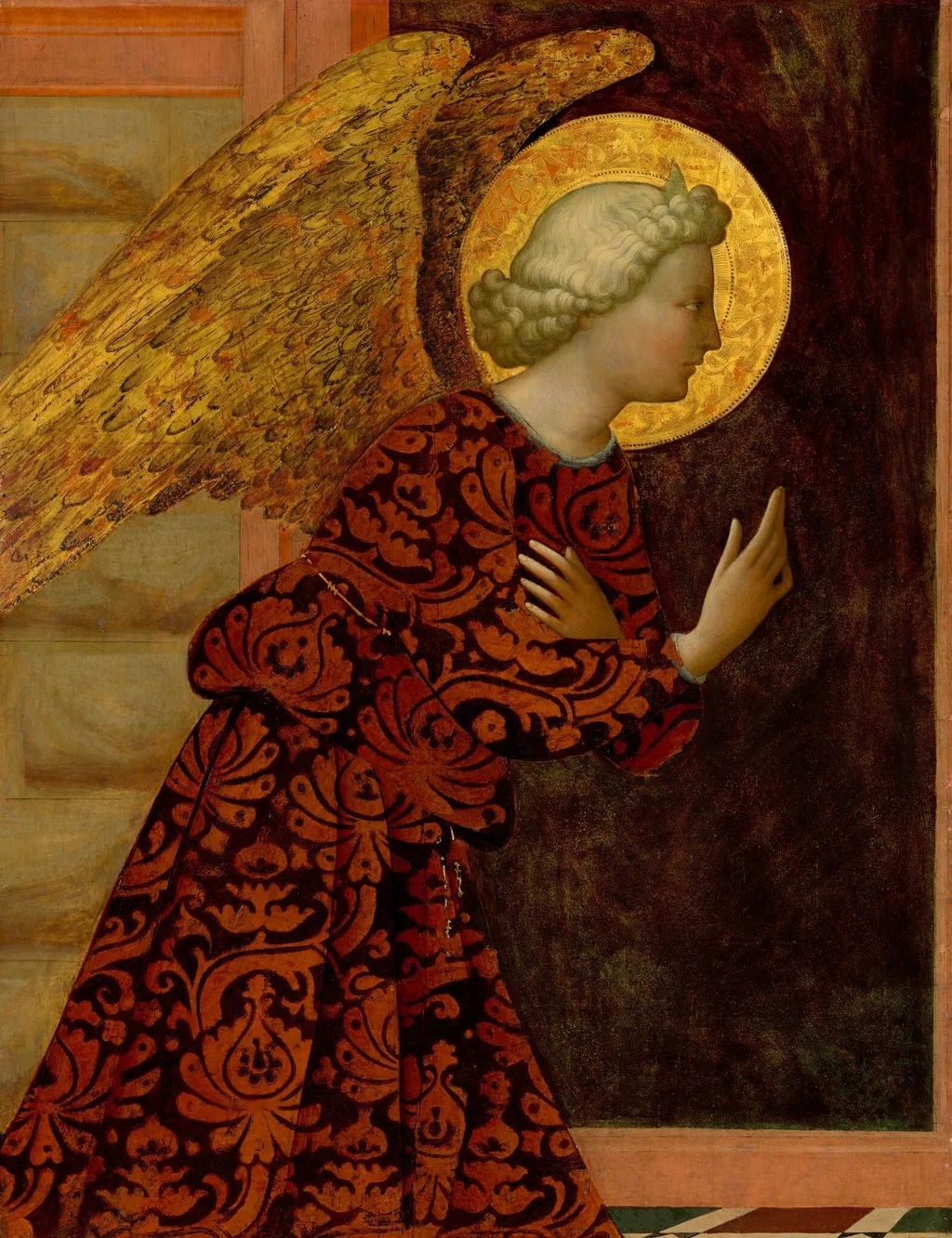
The Archangel Gabriel is a color painting by the Early Renaissance artist Masolino da Panicale. It dates from 1430 and is held in the collection of the National Gallery of Art.
About this work
Subject & Meaning
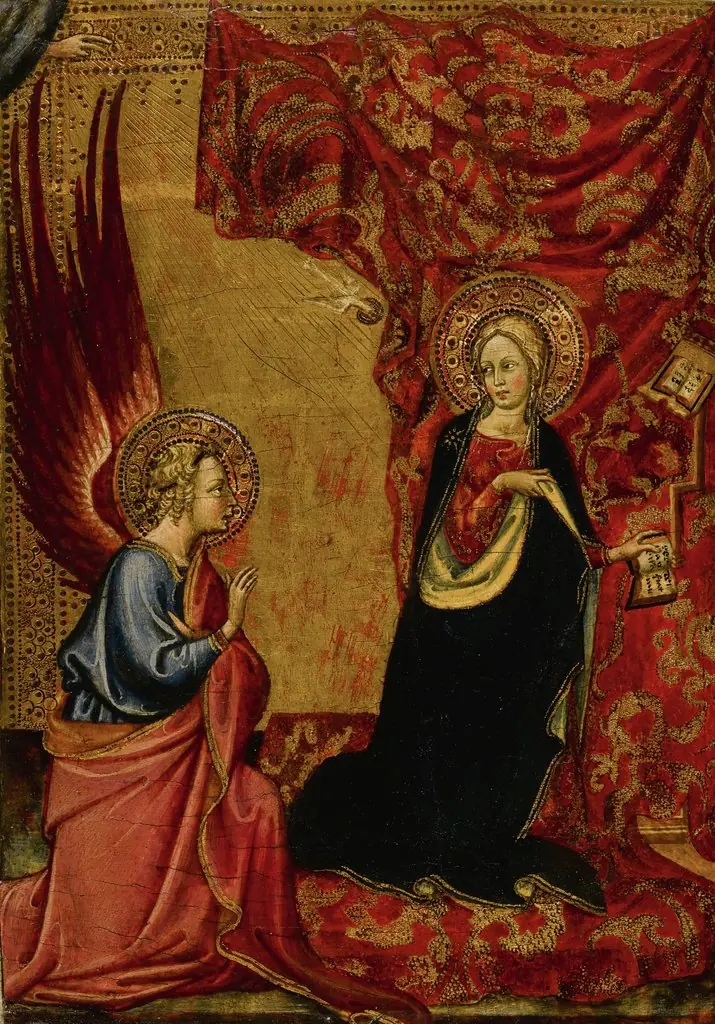
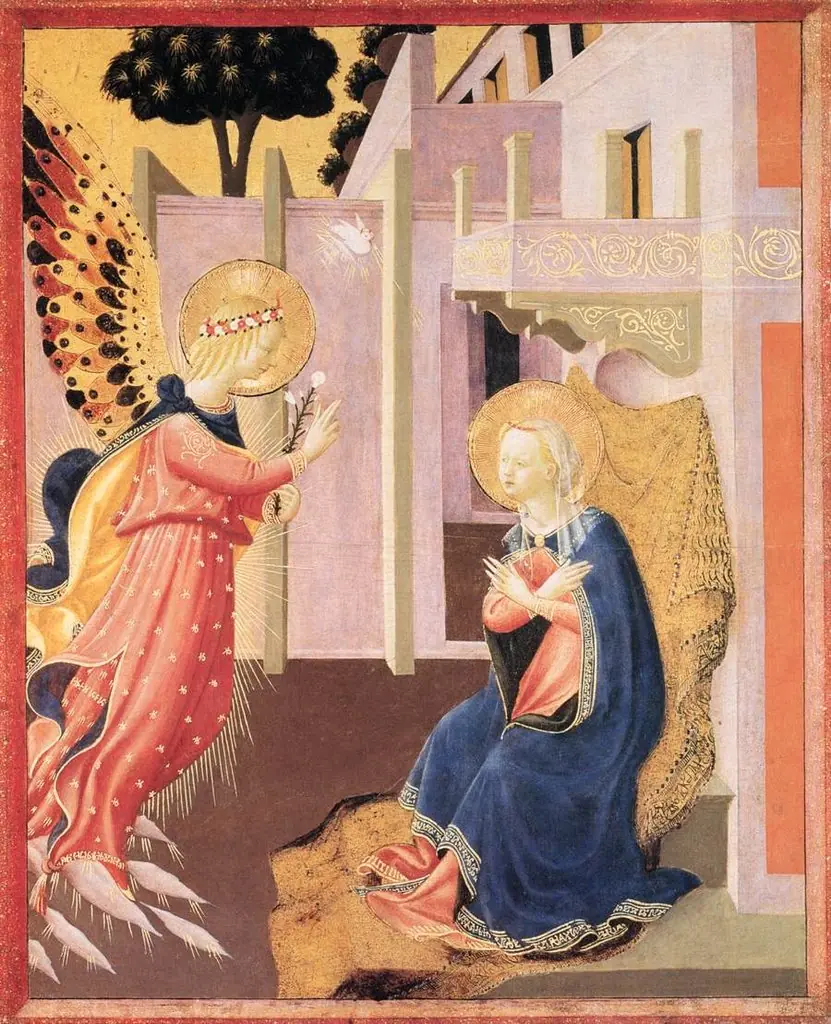
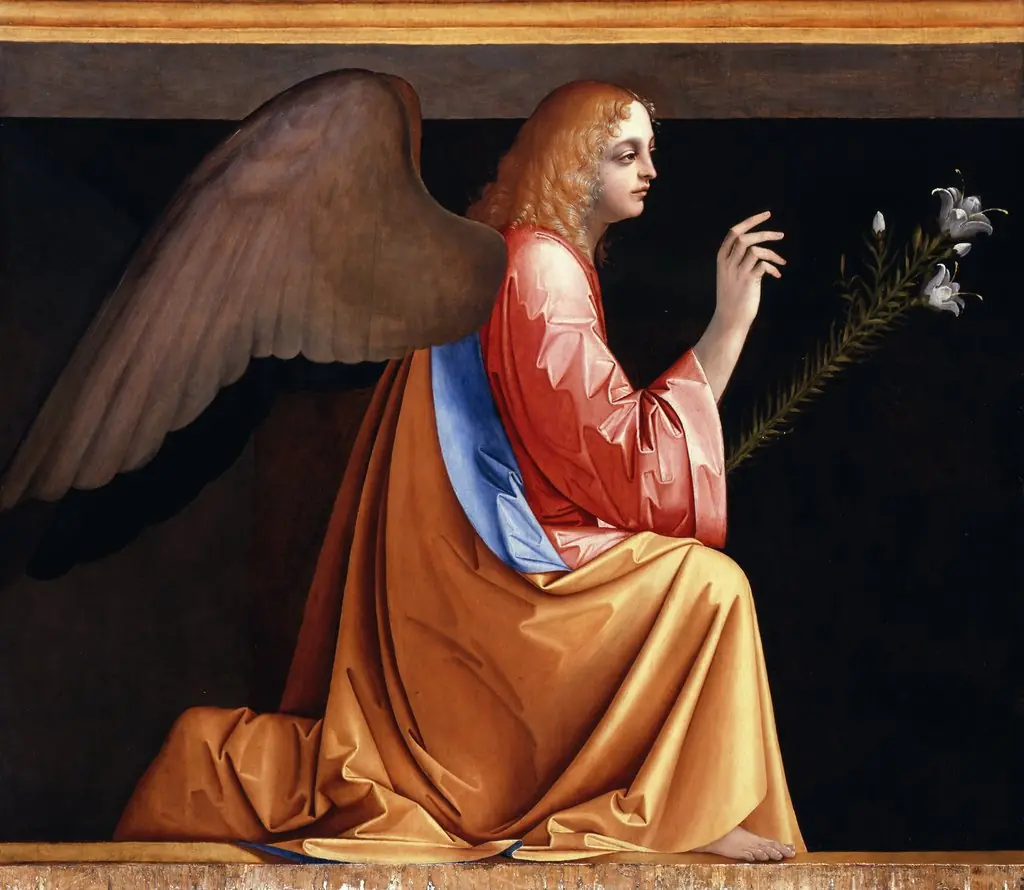
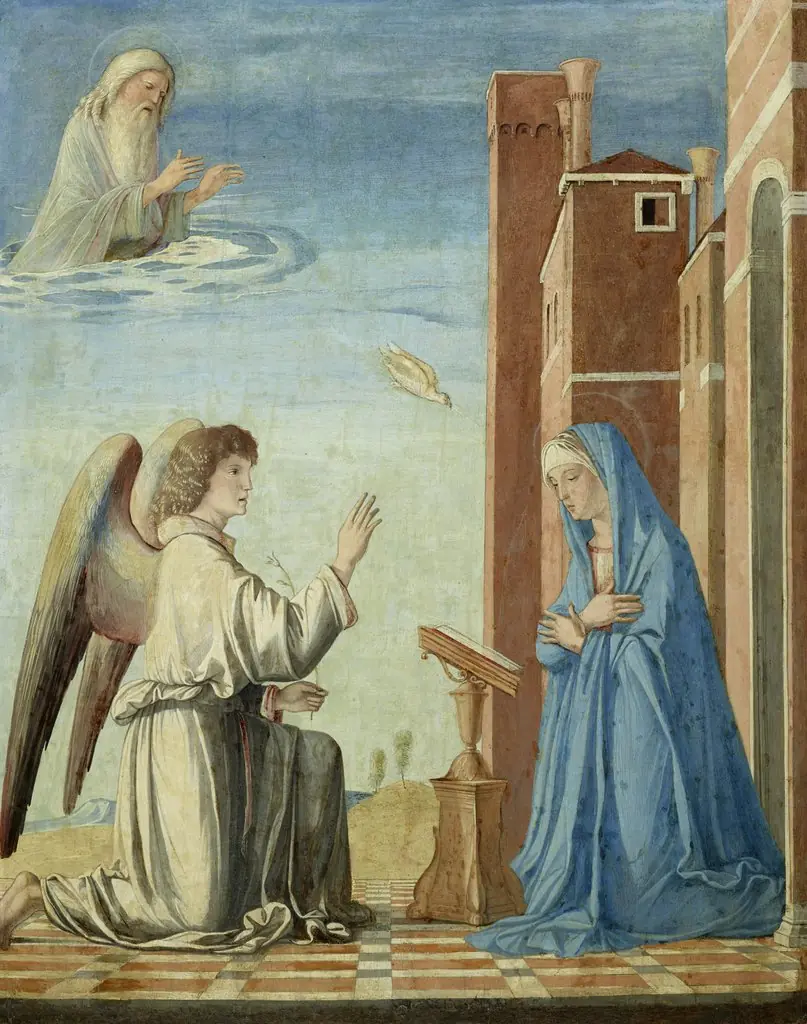
The Archangel Gabriel appears in Masolino da Panicale’s 1450 tempera panel, titled The Archangel Gabriel, as part of a composition of the Annunciation.
The Archangel Gabriel appears in Masolino da Panicale’s 1450 tempera panel, titled The Archangel Gabriel, as part of a composition of the Annunciation. The work belongs to the religious genre and was originally owned by Count Gustav Adolf Wilhelm von Ingenheim before passing to the Samuel H. Kress Foundation and the National Gallery of Art. In the painting Gabriel is identified as the heavenly messenger announcing the Incarnation, a common iconographic theme in early Renaissance art. The depiction emphasizes his role as a divine herald through traditional attributes associated with the Annunciation narrative.
History & Provenance
Attributed to Masolino da Panicale, The Archangel Gabriel is a tempera on poplar panel painting dated to 1450. The work's documented ownership begins with Count Gustav Adolf Wilhelm von Ingenheim of Berlin and Ober-Rengersdorf, who likely acquired the piece during his trips to Italy between 1816 and 1824. By 1929, the panel was located in Ober-Rengersdorf before being sold in May 1936 by the Count's descendants to Duveen Brothers, Inc.
Following this transaction, the Samuel H. Kress Foundation purchased the painting in May 1936 and subsequently gifted it to the National Gallery of Art in Washington, D.C., in 1939.
Context
The painting’s provenance has been examined by scholars such as Karl August Böttiger, who noted it in 1827, Richard Offner, who referenced it in his 1960 corpus, and Bernard Berenson, whose 1929 correspondence records its location in Ober‑Rengersdorf. After remaining in private hands, it was sold to the Samuel H. Kress Foundation in May 1936 and donated to the National Gallery of Art in 1939, where it now forms part of the Kress Collection.
Overview
This painting, titled The Archangel Gabriel, was created by Masolino da Panicale around 1430. Executed in tempera on a poplar panel, the work presents the celestial messenger central to the Annunciation narrative. The figure is rendered with a serene demeanor, adorned with a golden halo and expansive wings, signifying his divine role. His presence is depicted with a quiet solemnity, characteristic of early Renaissance religious art.
Technique & Style
Masolino employed tempera paint for this panel, a common medium during the early Renaissance. This technique involves mixing powdered pigments with egg yolk as a binder, applied in thin, quick-drying layers. The method allowed for precise detail, evident in the delicate features of Gabriel's face and the elaborate patterns adorning his garments.
The use of gold leaf for the halo further highlights the figure's sanctity and reflects traditional artistic practices of the era.
Own this work as a print
Artist & collection

Artist
Masolino da Panicale spent his life painting stories on walls and panels for churches in central Italy.