Artwork
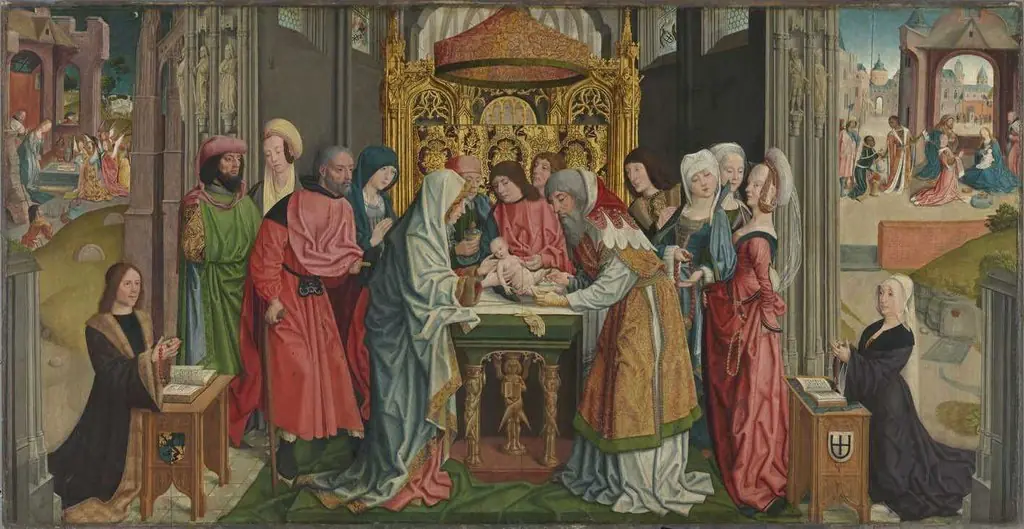
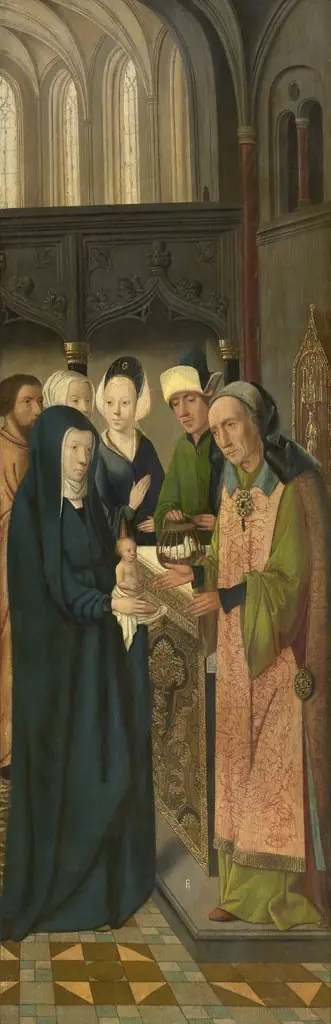
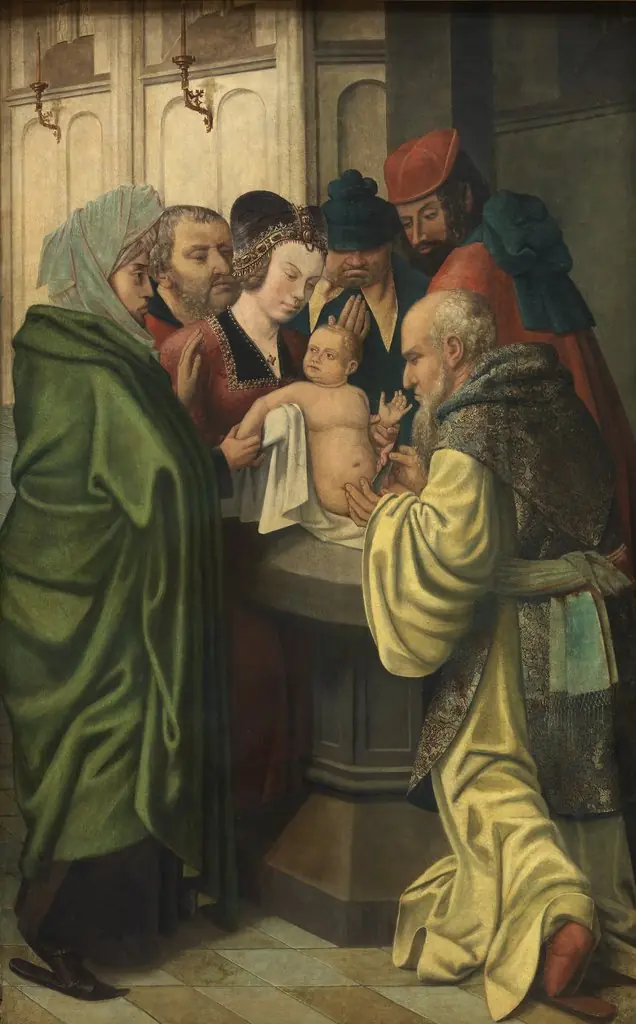
Panel of an altarpiece with the Circumcision (inner wing) and the Resurrection (outer wing)
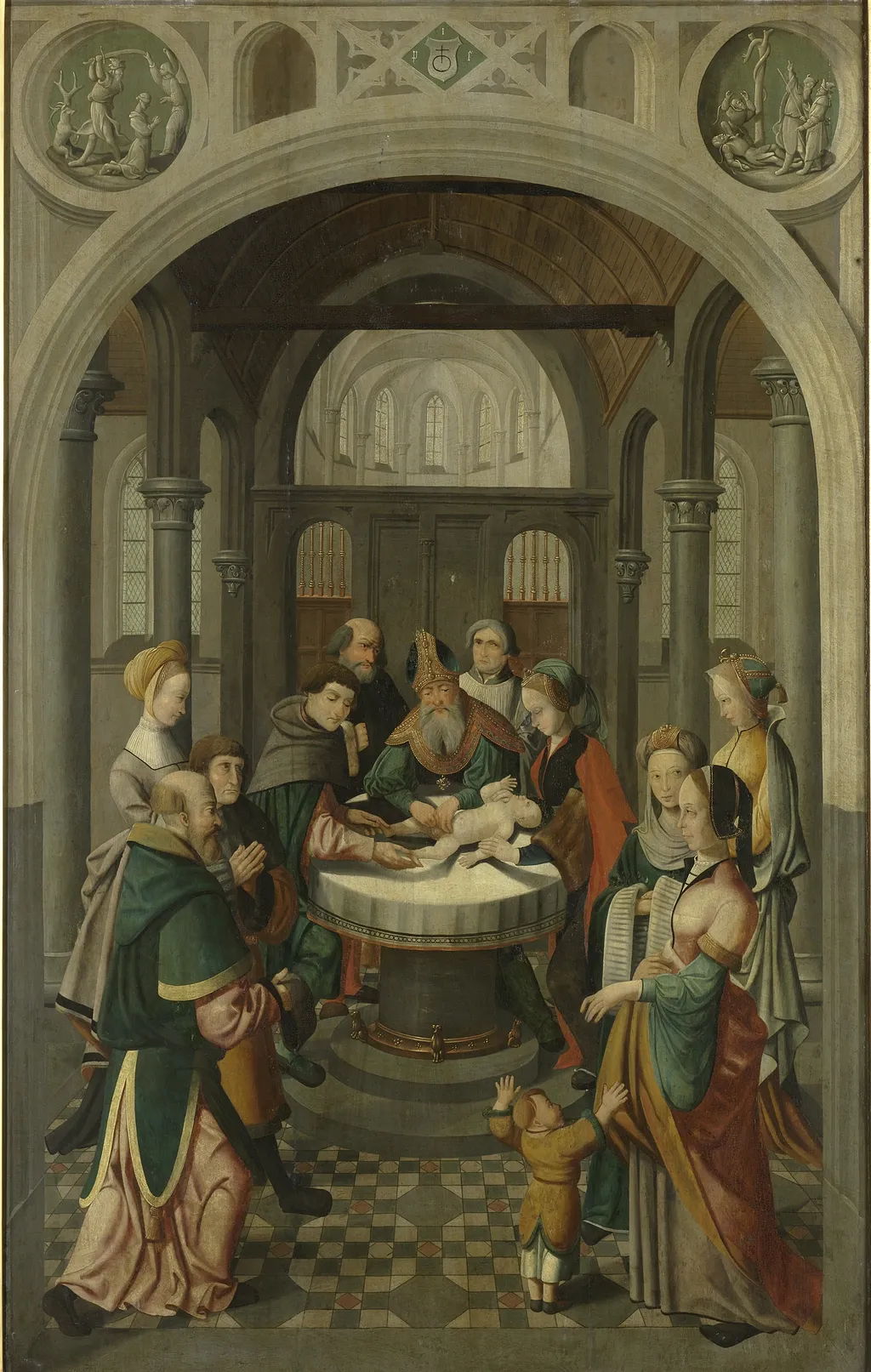
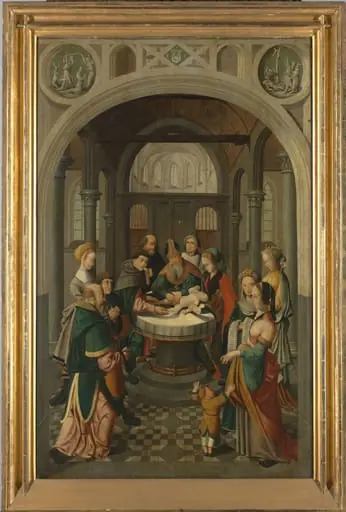
Panel of an altarpiece with the Circumcision (inner wing) and the Resurrection (outer wing) is an oil painting by the Northern Renaissance artist Master of Alkmaar. It is held in the collection of the Rijksmuseum.
About this work
Subject & Meaning
The outer wing shows the Resurrection, where Christ emerges from a sealed tomb while soldiers lie unconscious, emphasizing triumph over death.
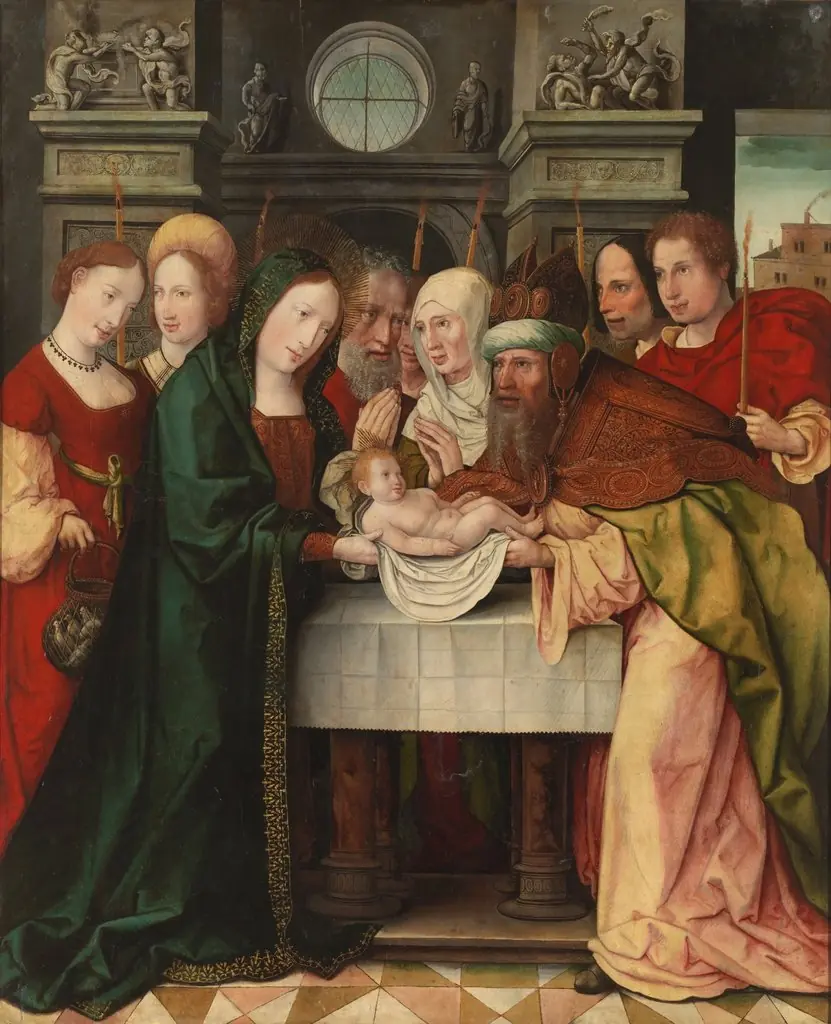
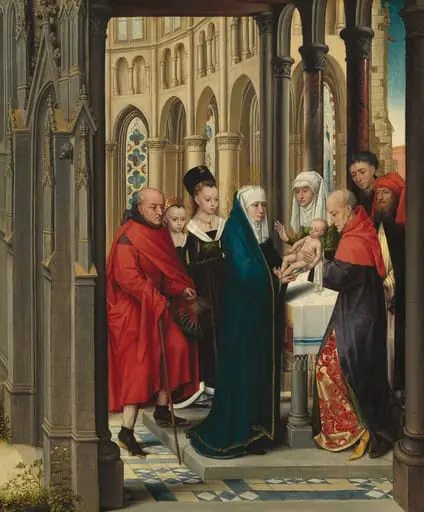
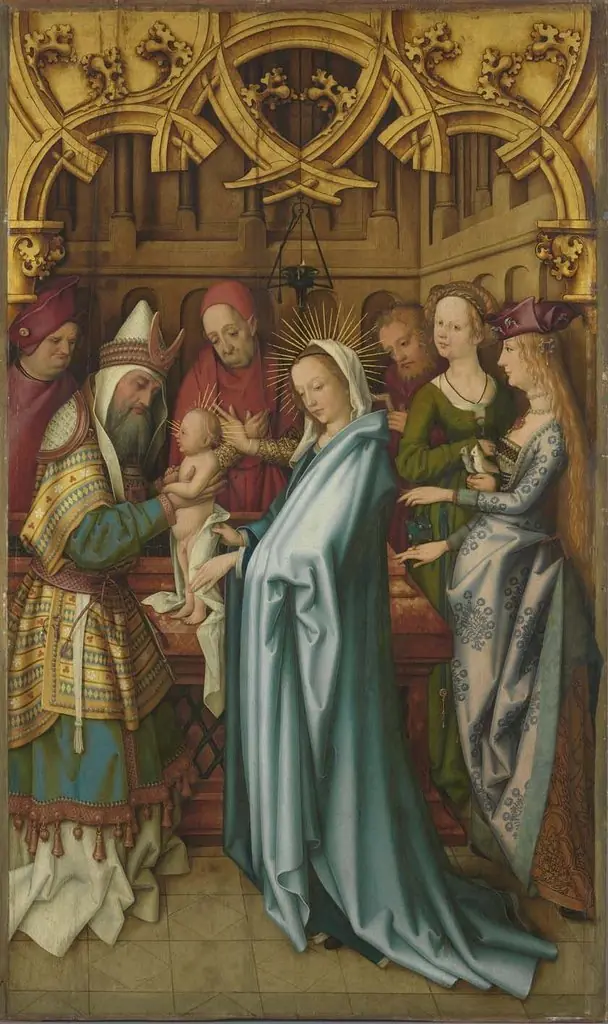
The inner wing depicts the Circumcision of Christ, showing the infant Jesus held at the altar as Simeon performs the Jewish rite of circumcision, with Mary and Joseph present. The outer wing shows the Resurrection, where Christ emerges from a sealed tomb while soldiers lie unconscious, emphasizing triumph over death. Together, the paired scenes articulate core Christian themes: the Incarnation’s physical entry into Jewish law and its fulfillment through Christ’s victory over sin and mortality.
The juxtaposition underscores the theological link between the Old Covenant’s rites and the New Covenant’s promise of redemption.
Technique & Style
The wings are executed in oil paint on oak panels, with the inner Circumcision panel measuring 133.5 cm in height and 85 cm in width, and the outer Resurrection panel sharing the same dimensions. Handling is meticulous, characteristic of the Master of Alkmaar’s refined Northern Renaissance style, with precise delineation of figures and ornament. The composition balances narrative clarity and spatial illusion, using controlled linear rhythms to guide the viewer’s eye across the scenes.
Stylistic hallmarks include delicately modeled faces, crisp drapery folds, and a restrained palette that emphasizes luminous flesh tones and deep, saturated hues in the garments and backgrounds.
History & Provenance
The wings were documented in the collection of Dirk Margarethus Alewijn by 1527, placing the work’s creation no later than that year. The Master of Alkmaar produced the panels as a pair: the inner wing depicts the Circumcision and the outer wing the Resurrection. By the early modern period the ensemble entered the holdings of the Rijksmuseum, where it remains. The single documented owner cited is Alewijn, indicating a private devotional context before institutional acquisition.
The panel is currently held in the collection of the Rijksmuseum in Amsterdam. While the specific inventory or accession number is not provided in the available records, the work is cataloged as part of the museum's holdings of religious art by the Master of Alkmaar. The painting was previously owned by Dirk Margarethus Alewijn before entering the public collection.
The provided sources do not contain any information regarding a specific exhibition history for this altarpiece panel. Consequently, no dates, venues, or curatorial contexts for past displays can be reported based on the given documentation.
Overview
This panel painting, created in 1527 by the Master of Alkmaar, features two religious scenes: the Circumcision on the inner wing and the Resurrection on the outer wing. Executed in oil paint, it exemplifies the Northern Renaissance style.
Context
Part of the Northern Renaissance, this painting reflects the artistic and religious themes prevalent in early 16th-century Netherlands, with its use of oil paint and religious subjects typical of the period.
Legacy
While the Master of Alkmaar's identity remains uncertain, the work contributes to the understanding of Northern Renaissance art, particularly the evolution of style and technique among lesser-known artists of the time.
Own this work as a print
Artist & collection
Artist
The Master of Alkmaar was a Dutch painter active around Alkmaar at the beginning of the sixteenth century.

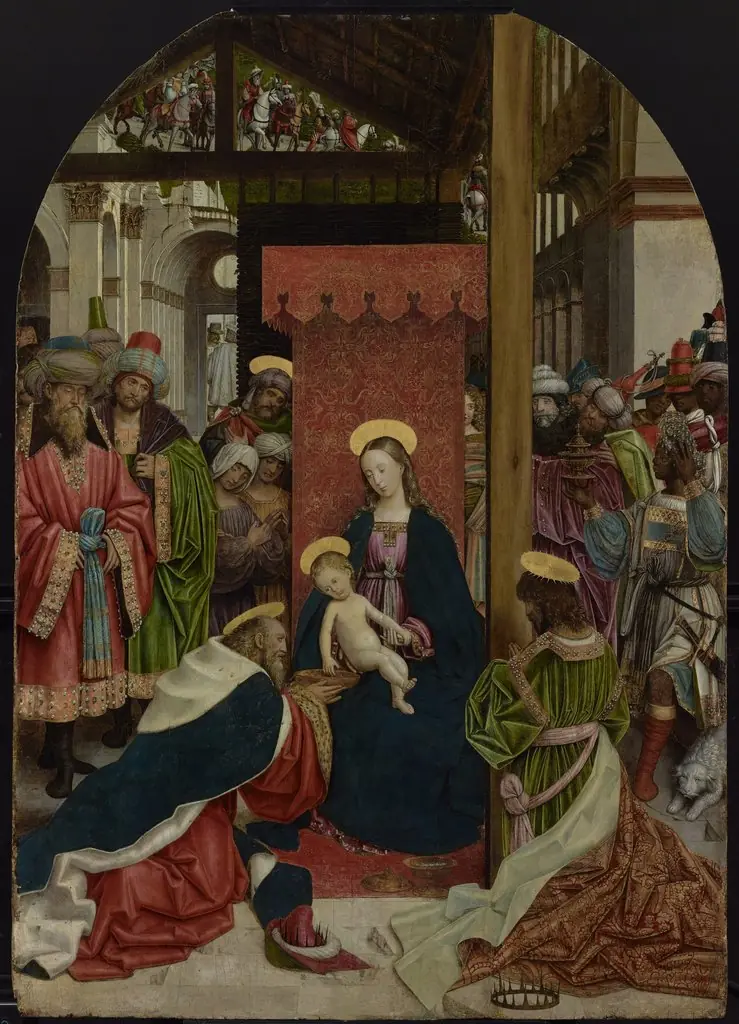
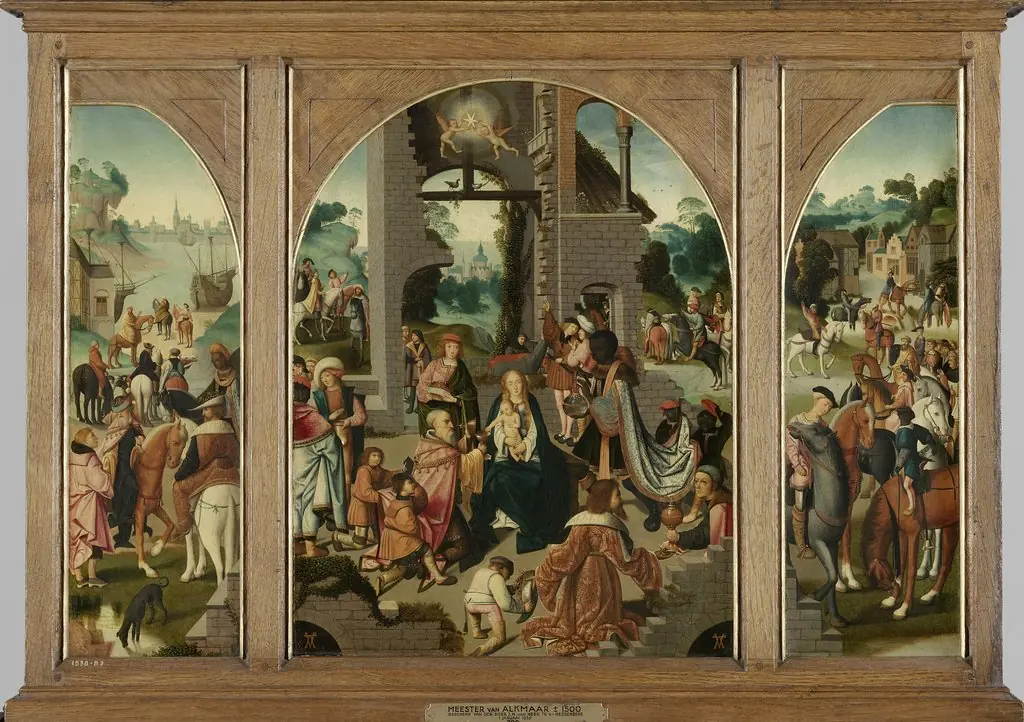 Triptych with the adoration of the Magi (centre panel and inner wings), St Antony Abbot (outer left wing) and St Adrian (outer right wing)
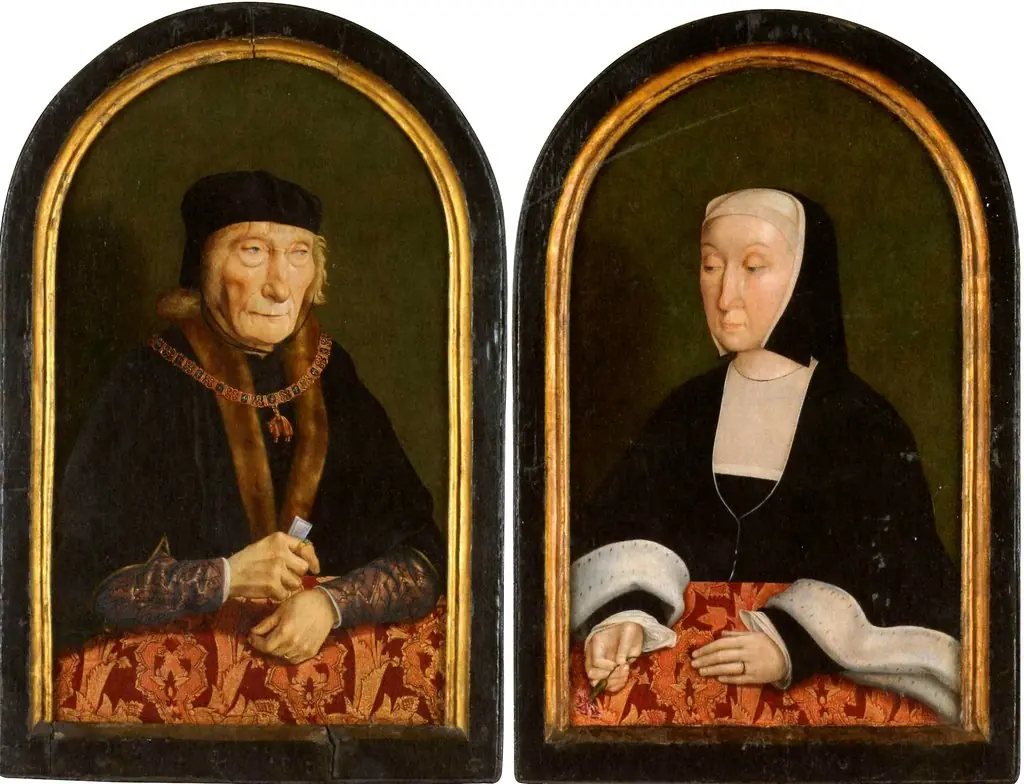 Portrait of Jan III, First Count of Egmond (1438–1516) and his wife Magdalena van Werdenburg, Countess of Egmond (1464–1538)
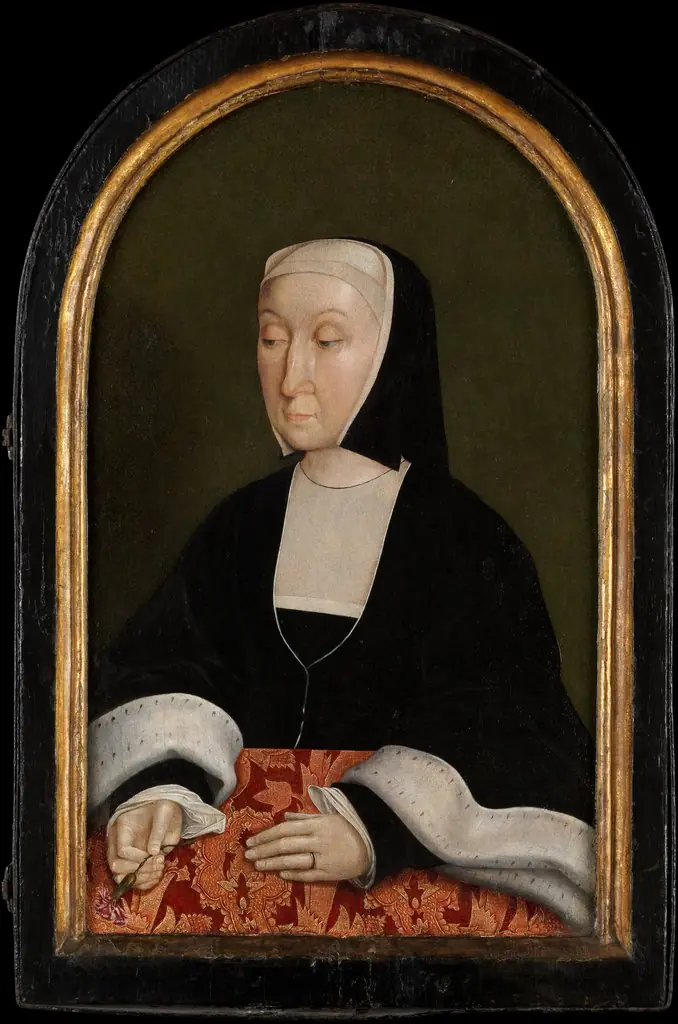 Portrait of Magdalena van Werdenburg (1464–1538), Countess of Egmond and wife of Jan (1438–1516), First Count of Egmond;
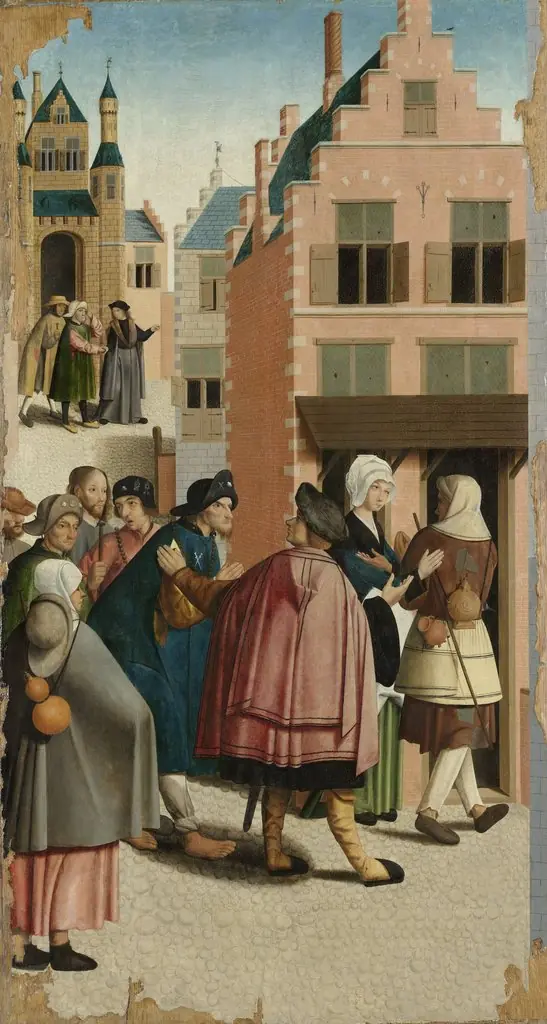 The Seven Works of Mercy
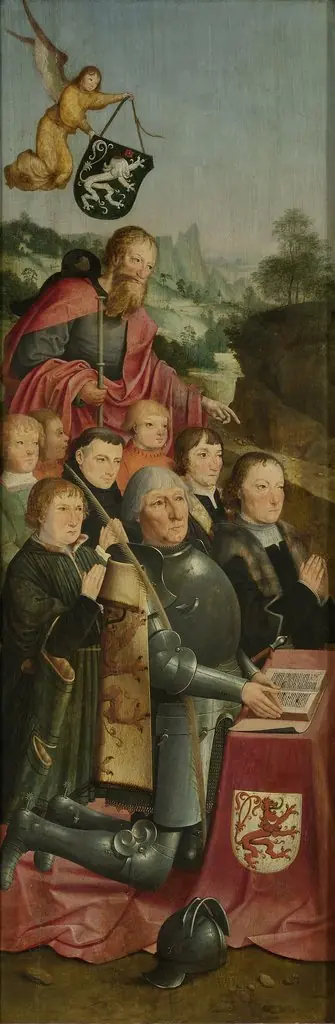 Memorial Panel with Eight Male Portraits, probably Willem Jelysz van Soutelande and Family, with Saint James the Greater and the Van Soutelande Family Crest, inner left wing of an altarpiece
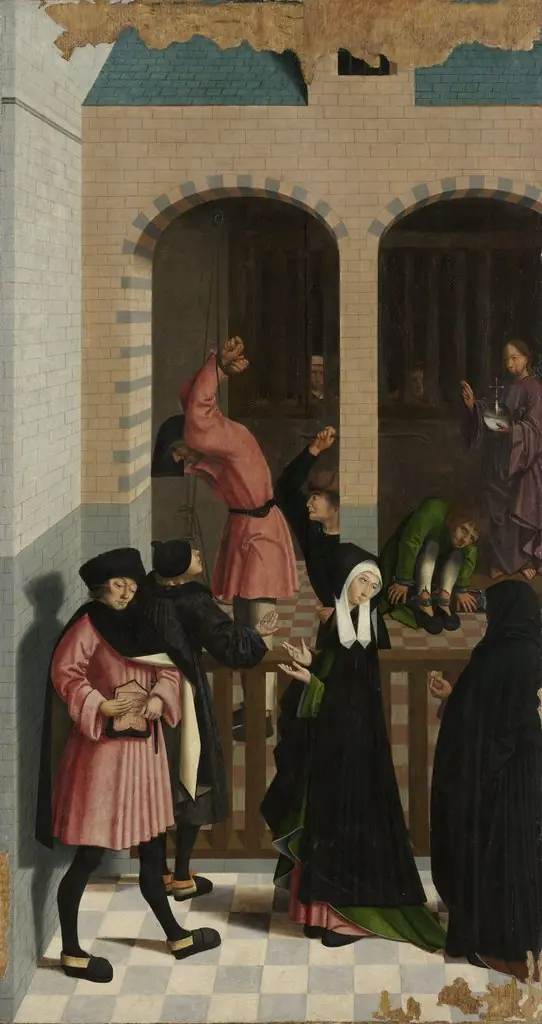 The Seven Works of Mercy
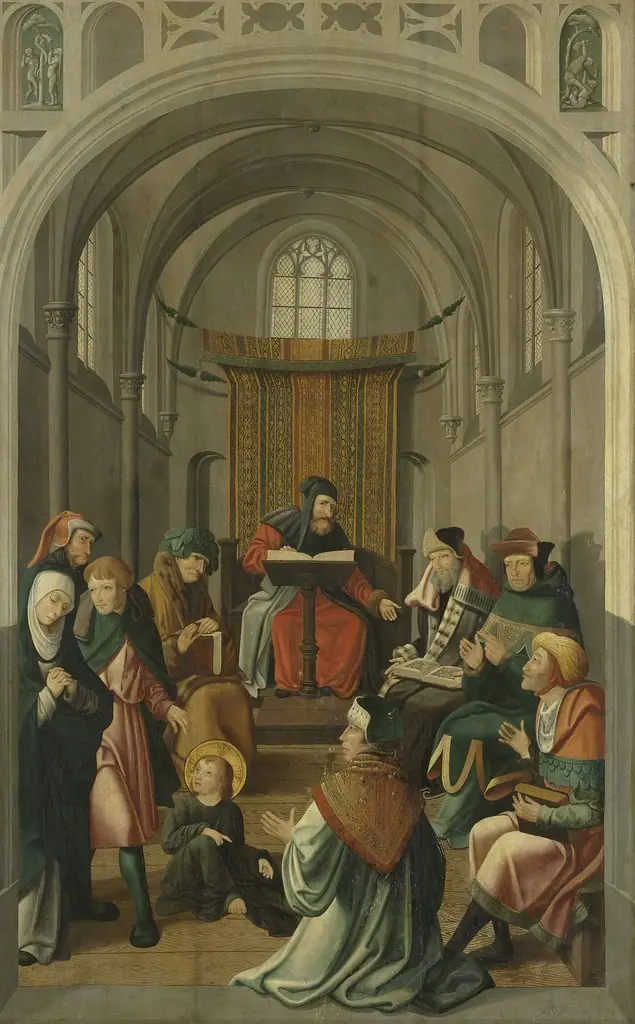 Panel of an altarpiece with Jesus disputing with the doctors in the Temple (inner wing) and Christ appearing to his mother (outer wing)
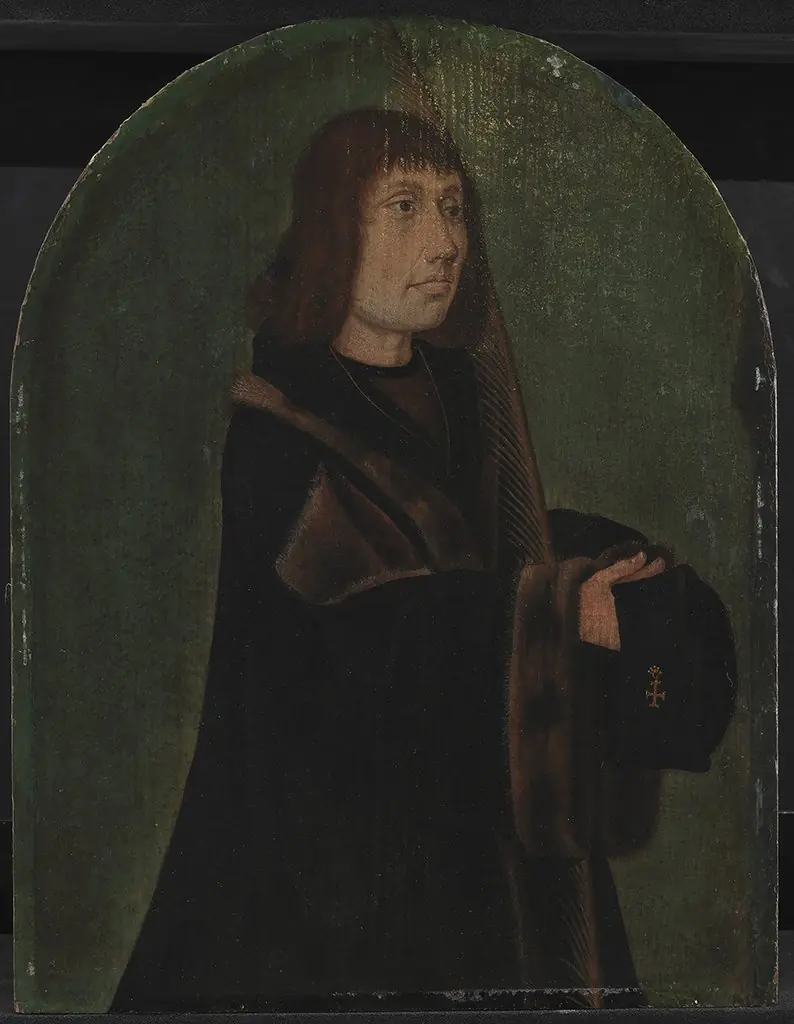 Portrait of a Man