Artwork
Death of Sophonisbe
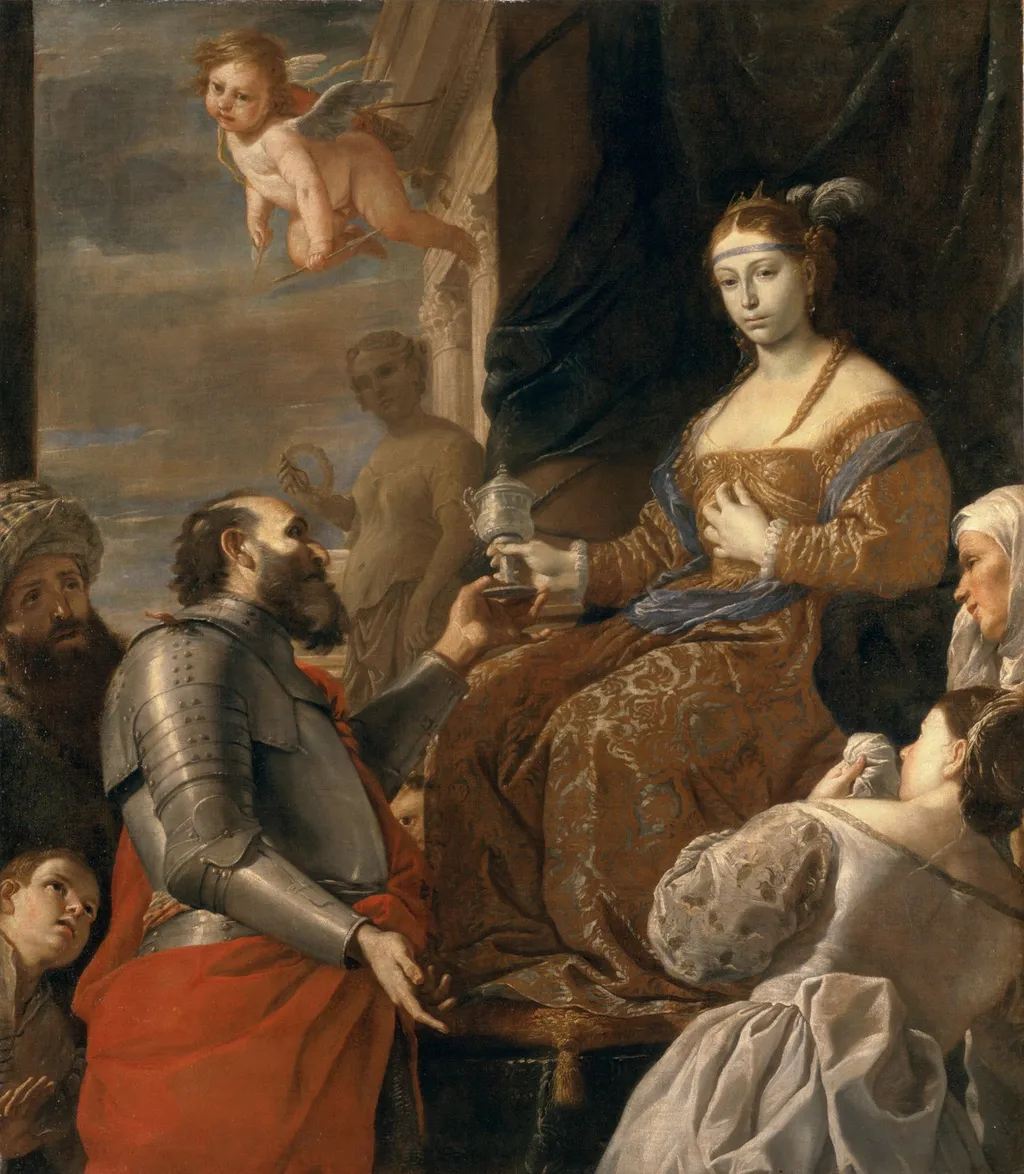
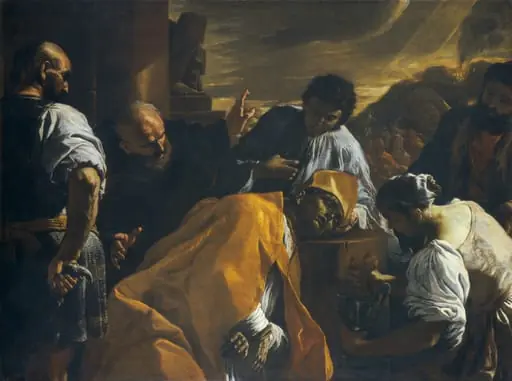
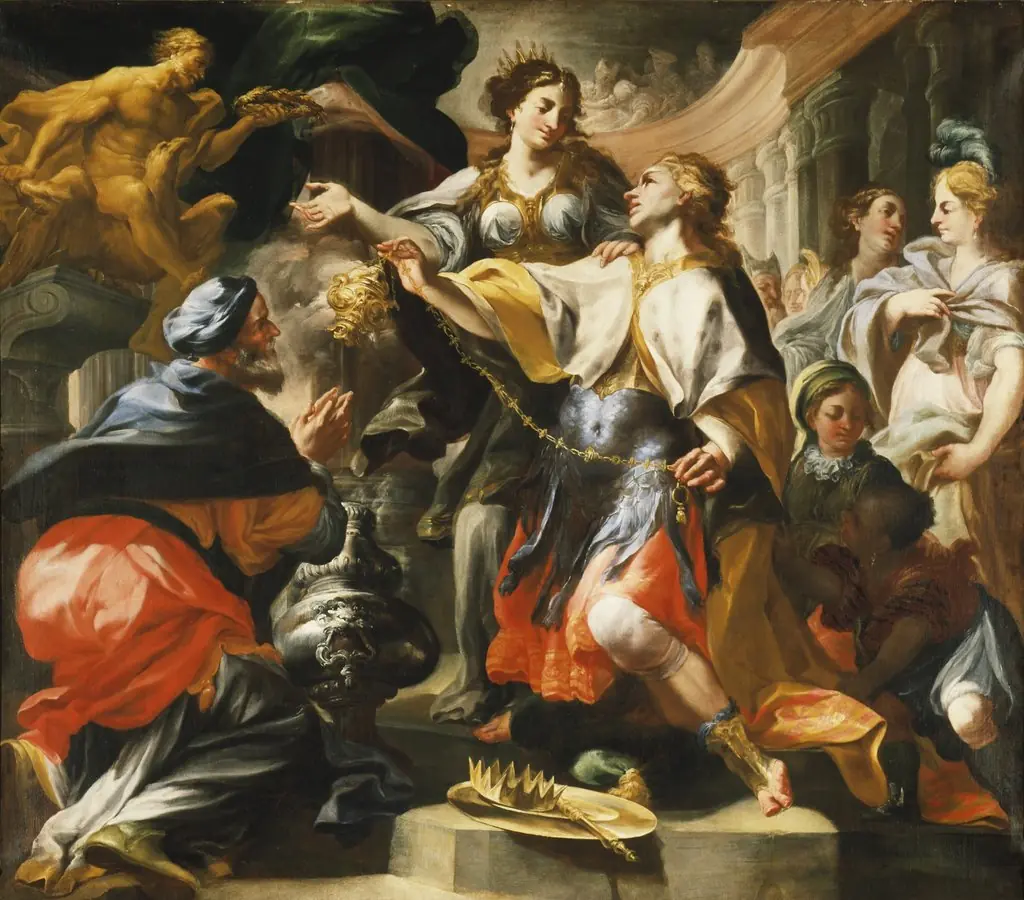
Death of Sophonisbe is an oil painting by the High Baroque Italian artist Mattia Preti. It dates from 1665 and is held in the collection of the Museum of Fine Arts of Lyon.
About this work
The painting reflects the baroque taste for intense emotion and strong contrasts.
Death of Sophonisbe is an oil painting by the Italian artist Mattia Preti. He completed it around 1665.
The work is an allegorical scene of Sophonisba’s suicide in ancient Carthage. It shows the moment she drinks poison, a dramatic choice that ends her life. The painting reflects the baroque taste for intense emotion and strong contrasts.
You can see more of Preti’s work at the Museum of Fine Arts of Lyon.
Overview
Mattia Preti, an Italian Baroque painter, created 'Death of Sophonisbe' around 1665 in oil on canvas. The work depicts the final moments of Sophonisba, a noble Carthaginian woman who chose death over capture by Roman forces. It is part of the collection at the Museum of Fine Arts in Lyon, where it remains a notable example of 17th-century narrative painting.
Subject & Meaning
The painting illustrates Sophonisba’s act of self-poisoning to avoid humiliation after the defeat of Carthage. Her choice, rooted in historical accounts, symbolizes resistance to subjugation and the preservation of dignity. Preti presents the moment with solemn gravity, emphasizing moral conviction over spectacle, aligning with classical ideals of stoic virtue.
Technique & Style
Preti employs dramatic chiaroscuro to heighten emotional tension, casting sharp contrasts between light and shadow across the figures and drapery. The composition directs the viewer’s eye toward Sophonisba’s poised gesture as she drinks the poison, while the surrounding figures react with quiet solemnity. Brushwork is controlled yet expressive, characteristic of mature Baroque narrative painting.
History & Provenance
Painted circa 1665, the work entered the collection of the Museum of Fine Arts of Lyon in the 19th century. Its journey from Italy to France reflects broader patterns of art acquisition during the post-Revolutionary period. While its early ownership is not fully documented, its presence in Lyon has ensured its preservation and continued study.
Context
Preti painted this scene during a period when classical history and moral allegory were favored subjects among European artists. The story of Sophonisba, recounted by Roman historians, resonated with contemporary ideals of female virtue and resistance. The painting aligns with broader Baroque trends that prioritized psychological depth and emotional intensity in historical subjects.
Legacy
Though not among Preti’s most widely reproduced works, 'Death of Sophonisbe' remains a significant example of his narrative skill and command of Baroque aesthetics. It contributes to the understanding of how ancient stories were reinterpreted in early modern Europe to explore themes of autonomy, honor, and sacrifice.
Own this work as a print
Artist & collection

Artist
Mattia Preti was an Italian Baroque artist who worked in Italy and Malta. He was appointed a Member of the Order of Saint John.

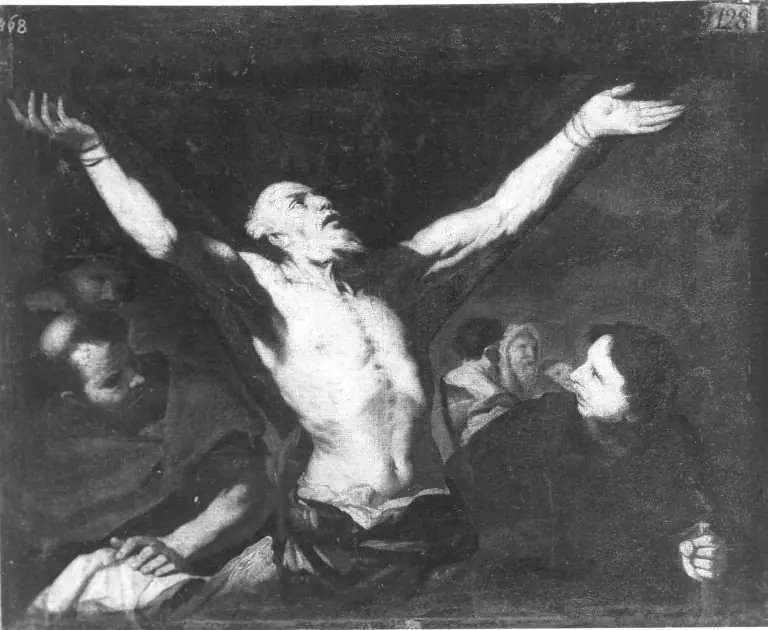
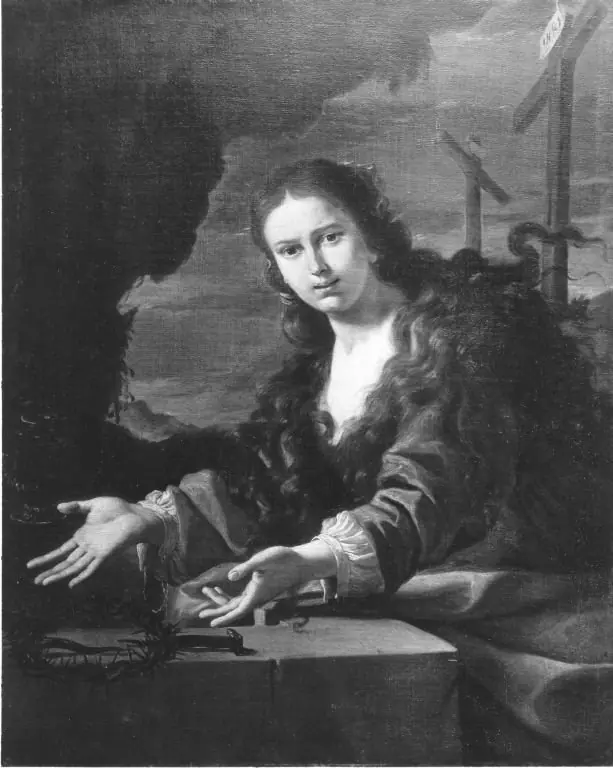
- The Magnanimity of Scipio Africanus
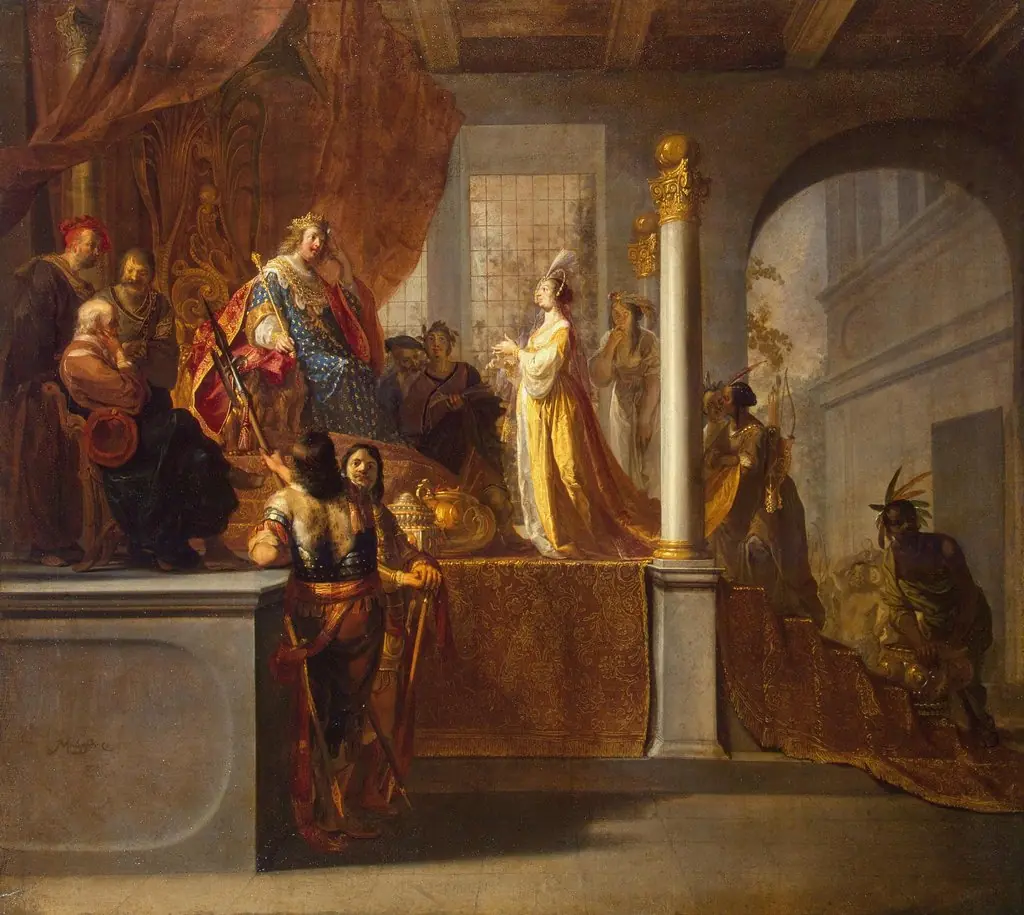 Queen of Sheba before Solomon
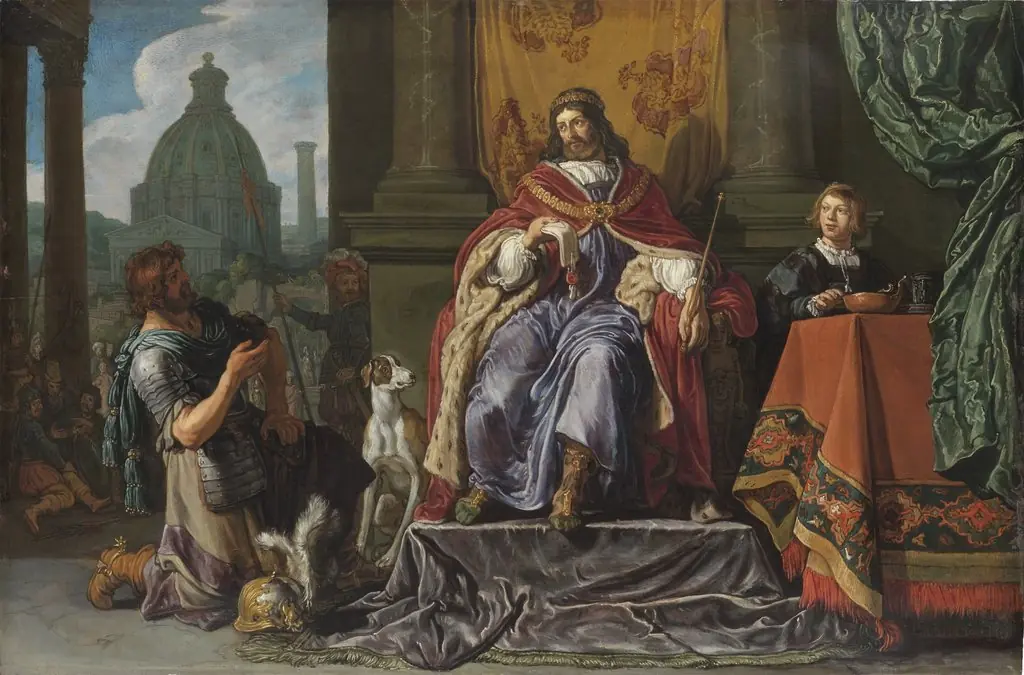 David Gives Uriah a Letter for Joab
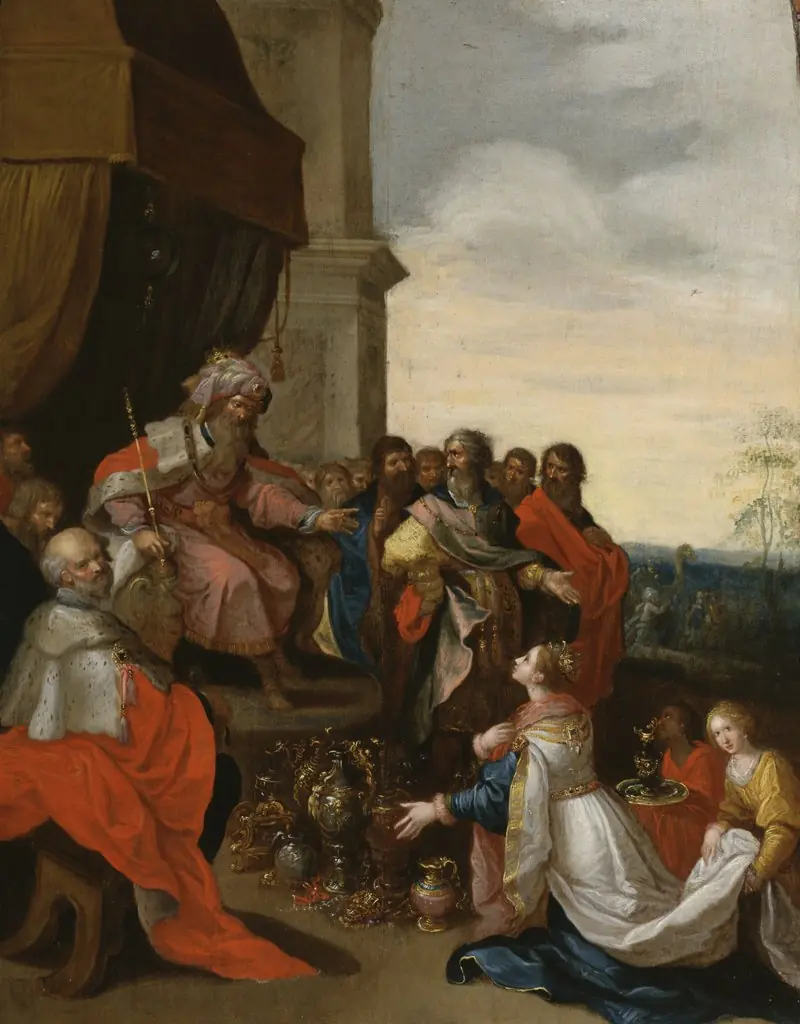 King Solomon Receiving the Queen of Sheba
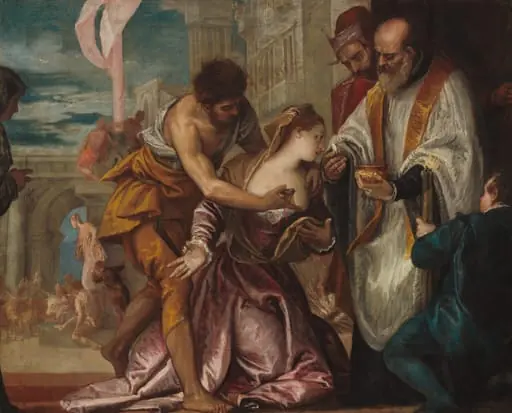 The Martyrdom and Last Communion of Saint Lucy
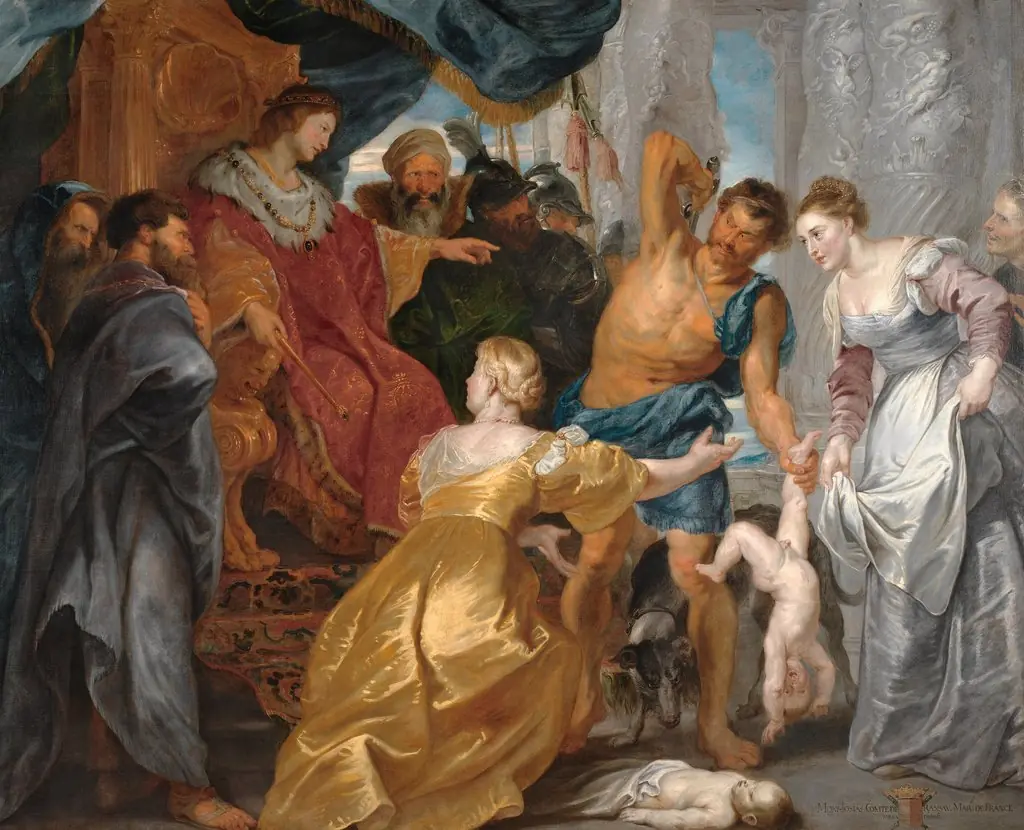 The Judgement of Solomon
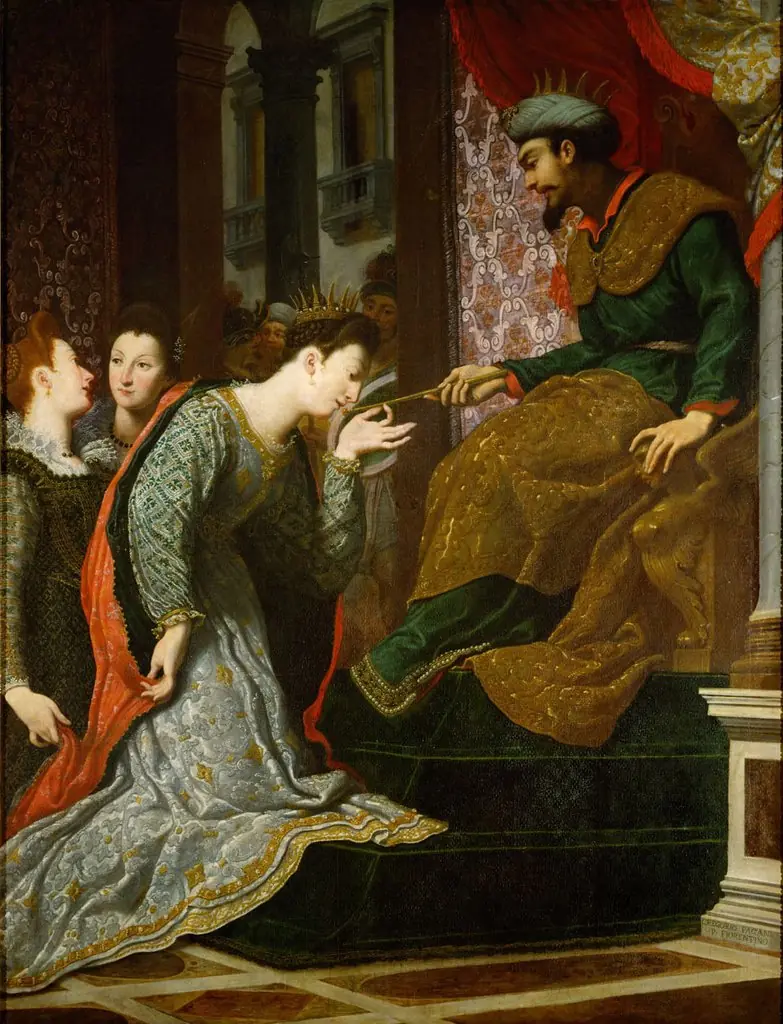 Esther vor Ahasver
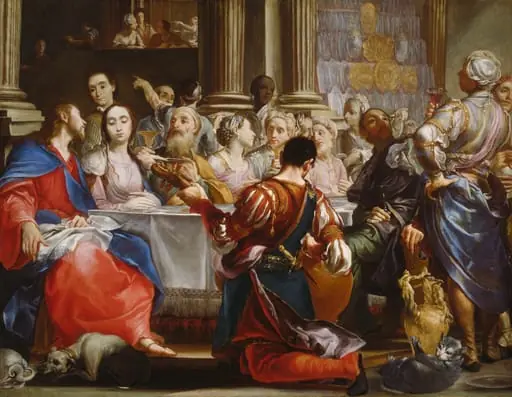 The Wedding at Cana
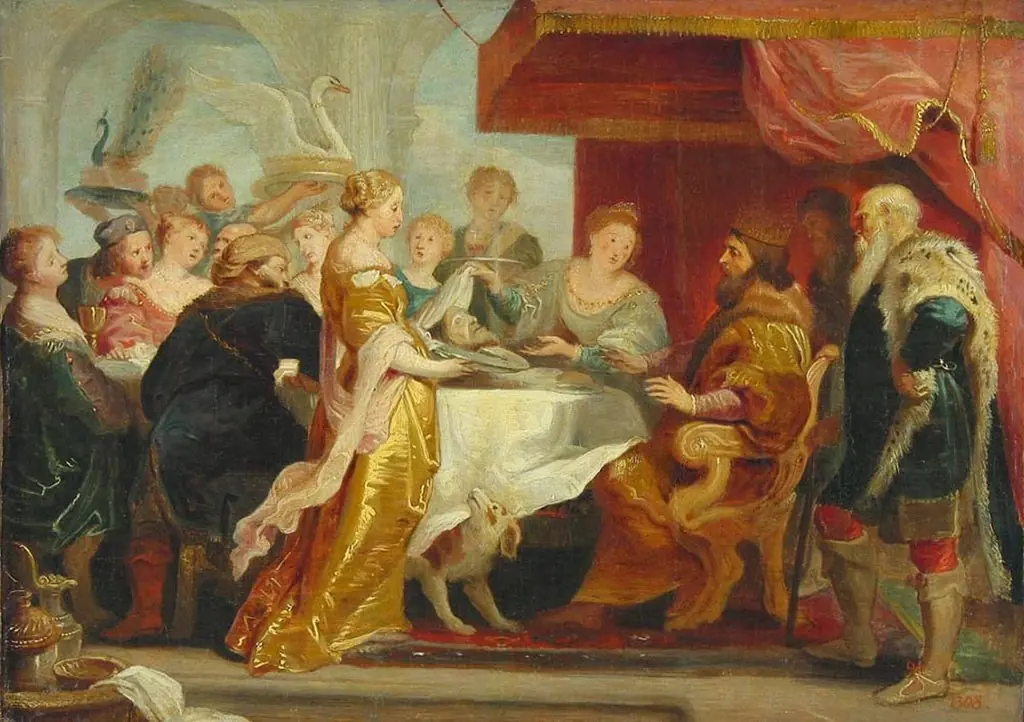 The Feast of Herod
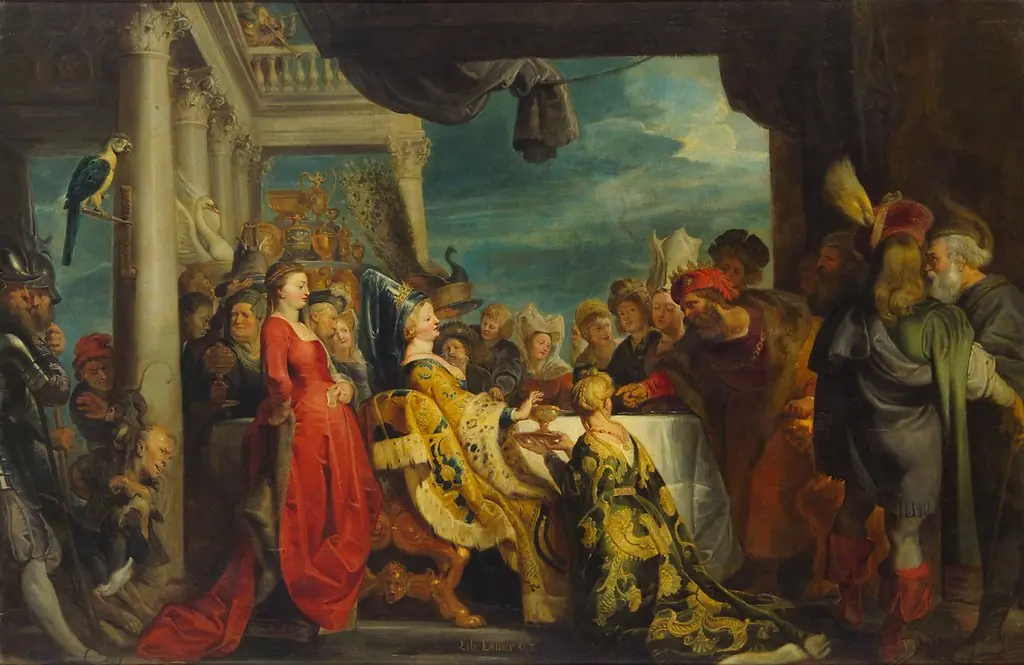 Alboin   and  Rosamunde
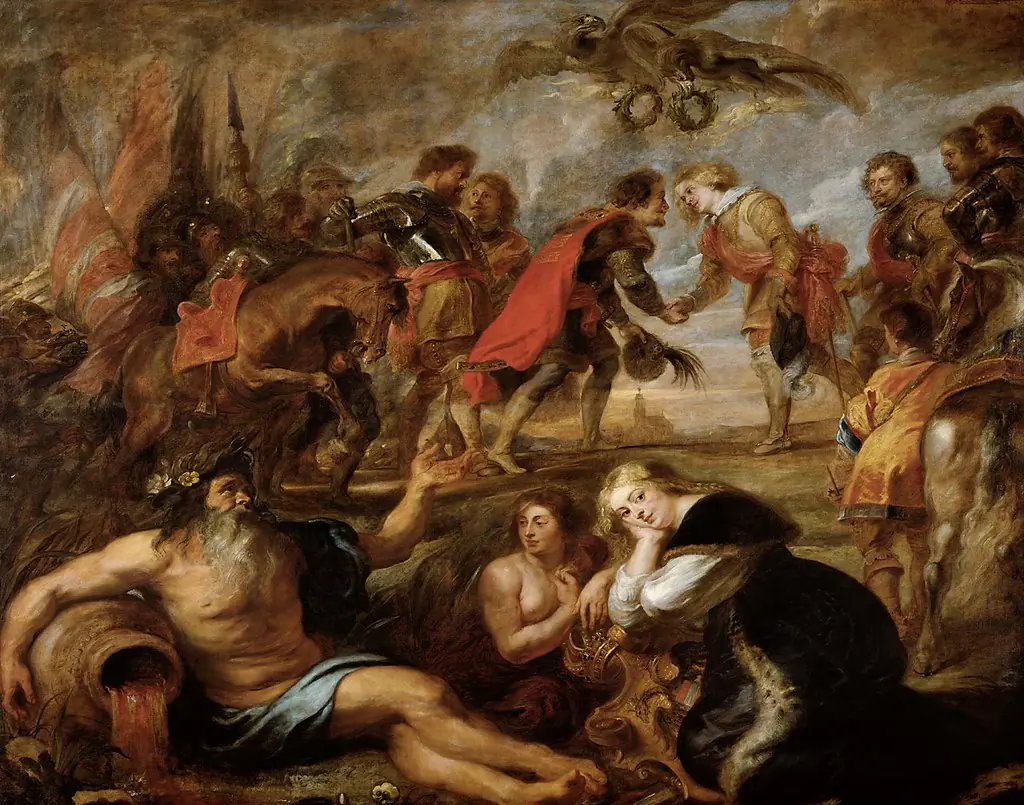 Meeting of King Ferdinand and Cardinal-infante Ferdinand at Nördlingen
 Solomon Worshiping a Pagan God