Artwork
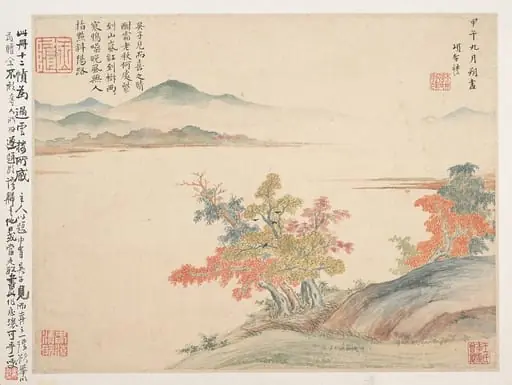
清 梅清 為澤翁倣各家山水圖 冊|Landscapes after Ancient Masters
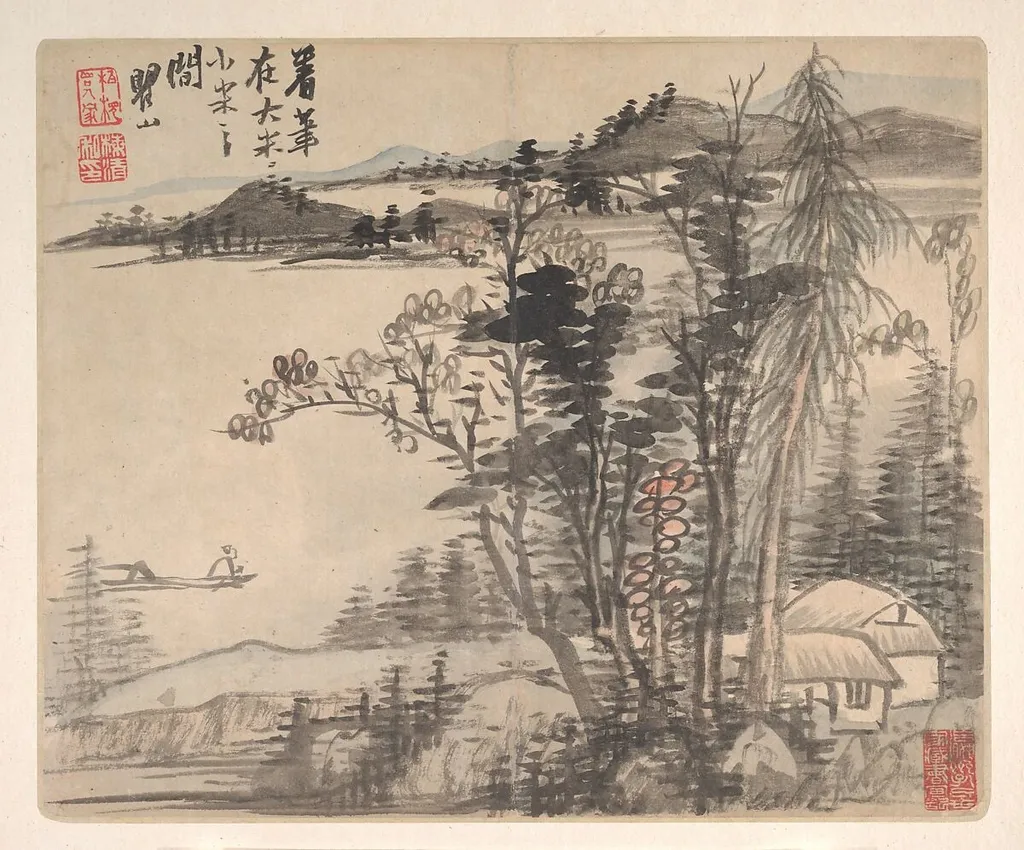
清 梅清 為澤翁倣各家山水圖 冊|Landscapes after Ancient Masters is an ink painting by the Baroque artist Mei Qing. It dates from 1693 and is held in the collection of the Metropolitan Museum of Art.
About this work
Technique & Style
Created in 1693, this album consists of twelve landscape paintings and one leaf of calligraphy executed in ink and color on paper.
Created in 1693, this album consists of twelve landscape paintings and one leaf of calligraphy executed in ink and color on paper. The work is classified as a landscape genre piece, reflecting the artist's practice of emulating various ancient masters through the medium of traditional Chinese painting materials. The album leaves measure approximately 24.8 cm in height and 29.8 cm in width.
The formal qualities of the work are defined by its format as a multi-leaf album, allowing for a sequential exploration of diverse stylistic references within a single bound volume. The combination of ink and color on paper supports the delicate rendering typical of the period's landscape traditions.
History & Provenance
The album of twelve landscape paintings and one leaf of calligraphy, titled Landscapes after Ancient Masters, was created by Mei Qing in 1693. The work was executed specifically for a patron known as Zeweng, as indicated by the dedication in the title. Executed in ink and color on paper, the album represents a study of various historical styles commissioned by this individual. The artwork is currently held in the collection of the Metropolitan Museum of Art in New York.
The album Landscapes after Ancient Masters by Mei Qing is held in the collection of the Metropolitan Museum of Art. Created in 1693, this work consists of twelve painted leaves and one leaf of calligraphy executed in ink and color on paper. The individual leaves measure approximately 24.8 cm in height and 29.8 cm in width.
While the artwork's current location and physical dimensions are documented, the provided sources do not contain specific inventory or accession numbers, nor do they list any past or current exhibition history for this piece.
Legacy
Mei Qing’s album of twelve landscape paintings, created in 1693, has been part of the Metropolitan Museum of Art collection since its acquisition, a fact that signals sustained scholarly interest in the work. The album, which combines ink and color on paper and includes a leaf of calligraphy, exemplifies the Qing‑era practice of rendering mountain‑water scenes in the manner of earlier masters. Its dimensions of 24.8 cm by 29.8 cm and its classification as a landscape painting underscore its technical and aesthetic significance.
The presence of the album in a major museum highlights its role in preserving and transmitting the tradition of ancient master imitations within Chinese art.
Overview
Mei Qing, a Qing Dynasty artist from Anhui, created Landscapes after Ancient Masters in 1693. This album comprises twelve paintings rendered in ink and color on paper, accompanied by a single leaf of calligraphy. The work exemplifies his approach to landscape art, which synthesized the study of historical painting traditions with his direct observations of the natural world, particularly the distinctive scenery of the Yellow Mountain.
Context
As a painter, calligrapher, and poet active during the Qing Dynasty, Mei Qing was rooted in the artistic traditions of his time. Hailing from Xuancheng, Anhui Province, he engaged deeply with the established conventions of landscape painting. Landscapes after Ancient Masters demonstrates his scholarly engagement with past masters, a common practice, yet it also reflects his personal interpretation and integration of real-world scenery, particularly from his extensive travels to the Yellow Mountain.
Artist & collection

Artist
Mei Qing (Chinese: 梅清; pinyin: Méi Qīng; Wade–Giles: Mei Ch'ing; ca. 1623–1697) was a Chinese landscape painter, calligrapher and poet active during the Qing Dynasty. Mei was born in Xuancheng, Anhui Province. His…

 清 倣梅清 響山泛舟圖 軸|Boating beneath Echo Hill
 Landscapes in Various Styles after Old Masters
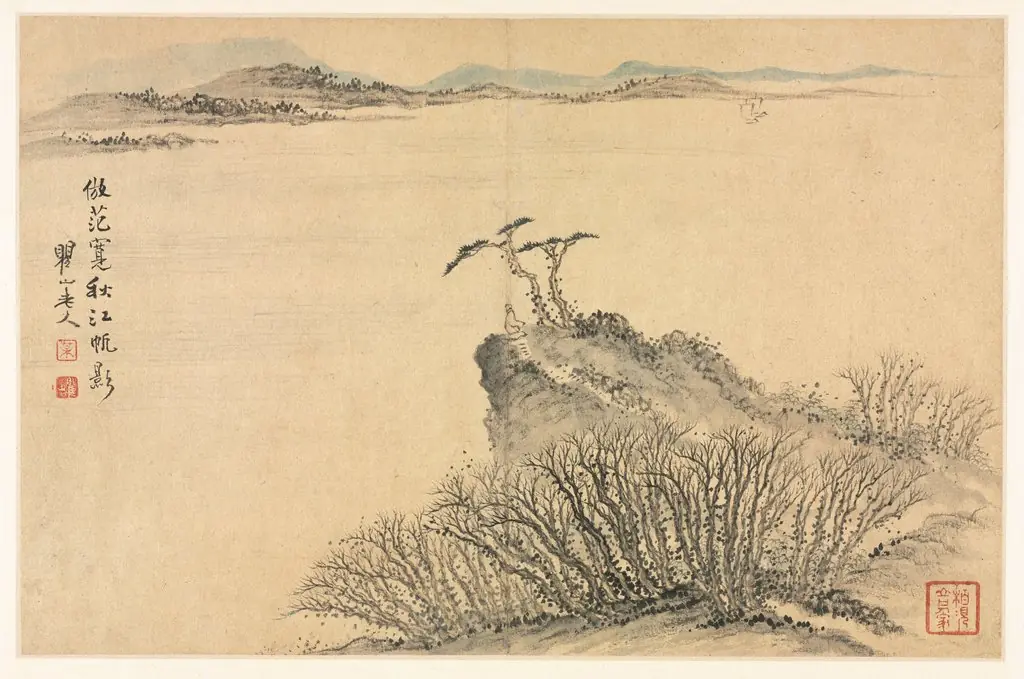 Landscapes in Various Styles after Old Masters
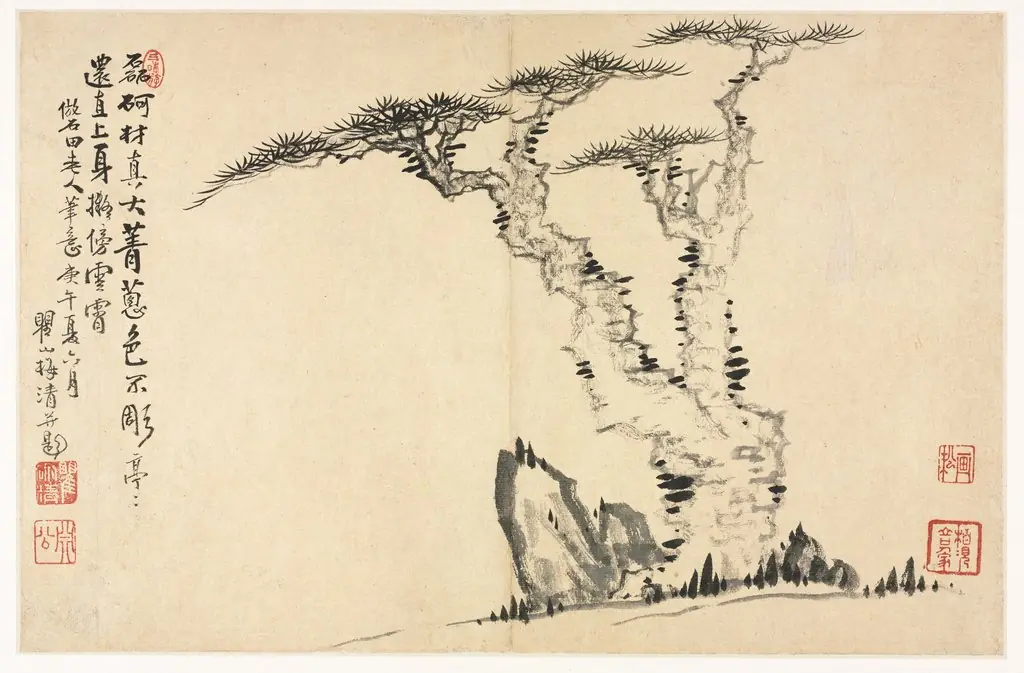 Landscapes in Various Styles after Old Masters
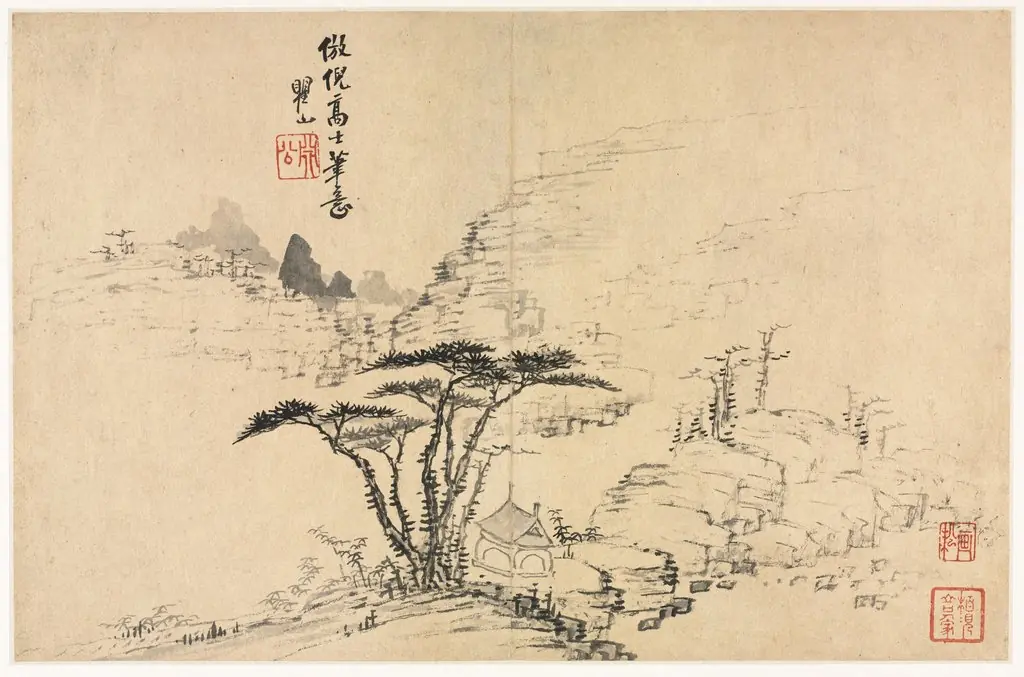 Landscapes in Various Styles after Old Masters
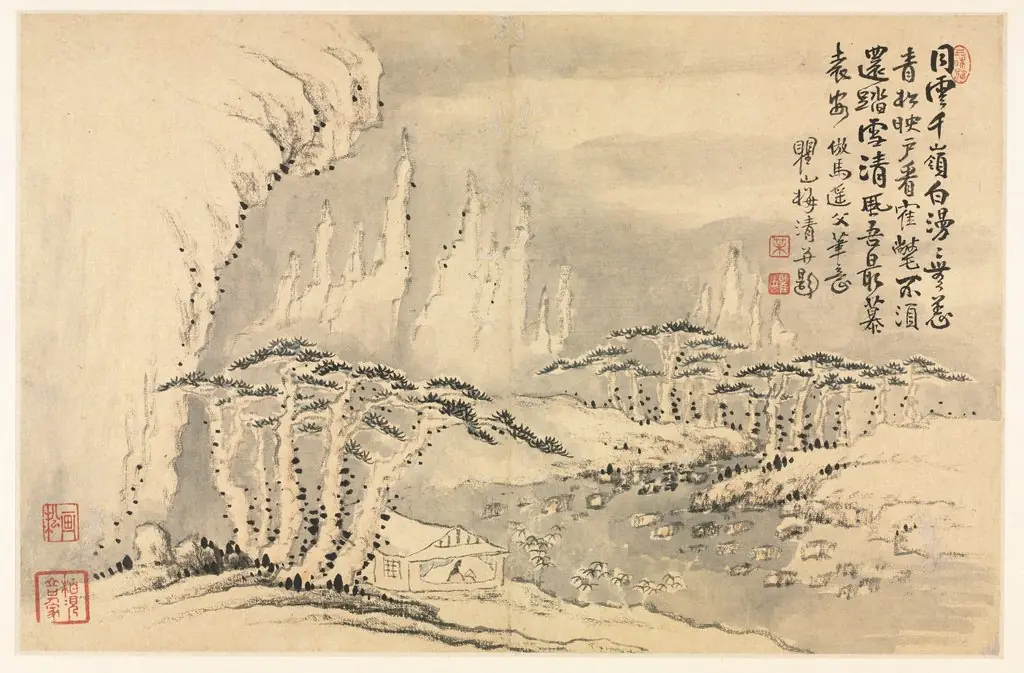 Landscapes in Various Styles after Old Masters
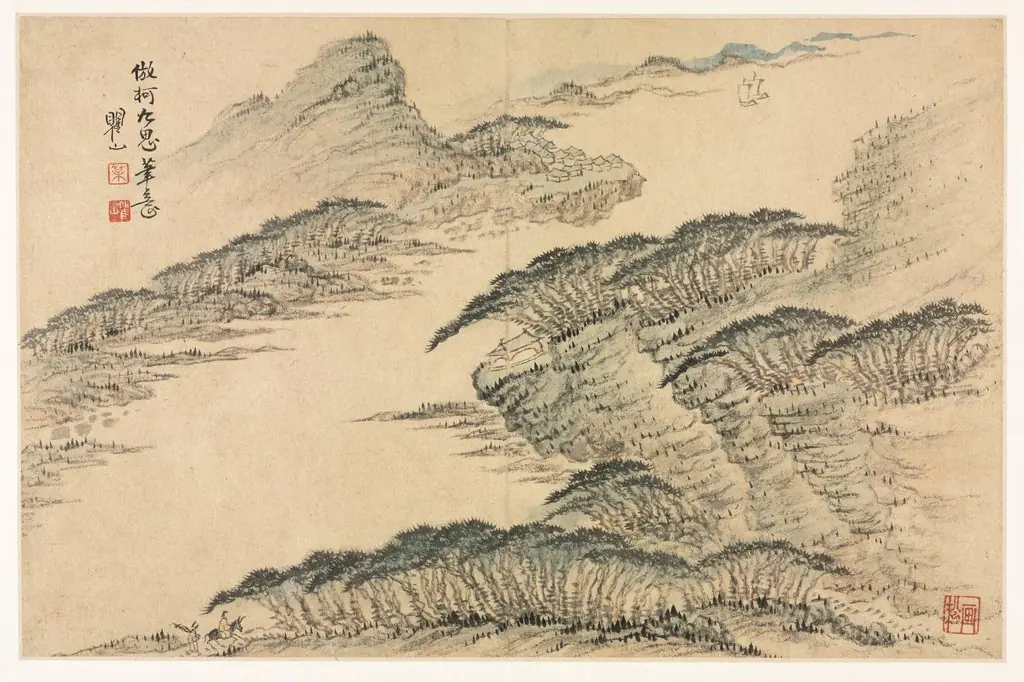 Landscapes in Various Styles after Old Masters
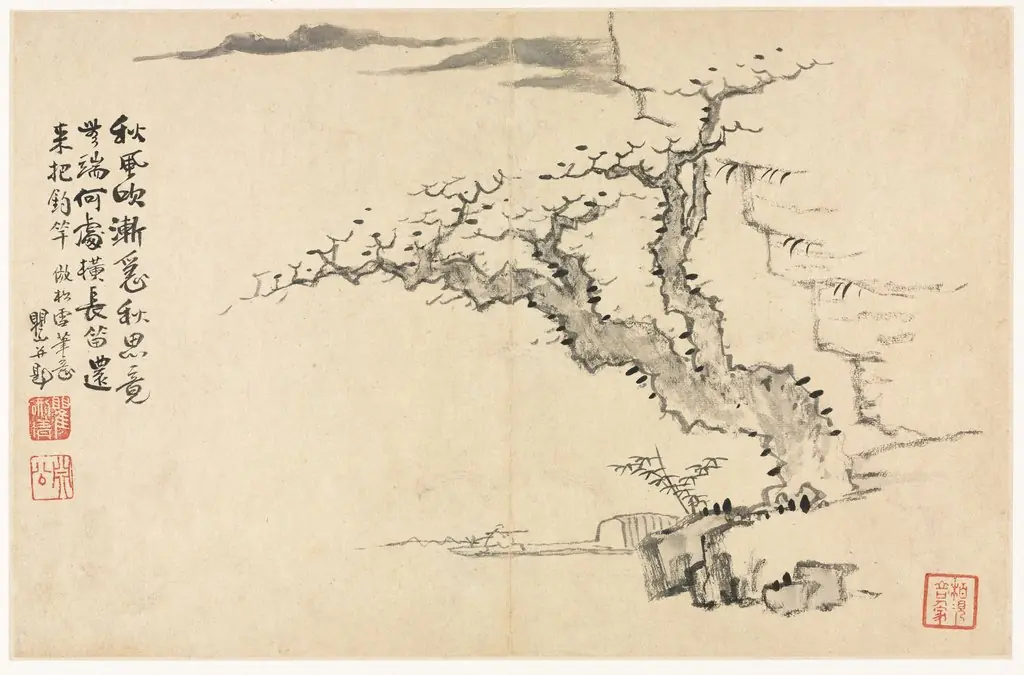 Landscapes in Various Styles after Old Masters
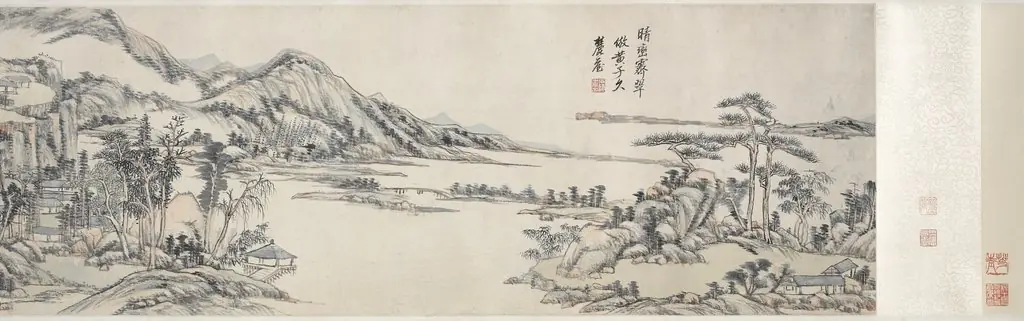 Green Peaks under Clear Sky: After Huang Gongwang
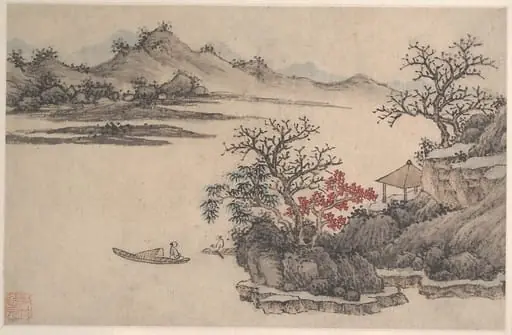 Untitled
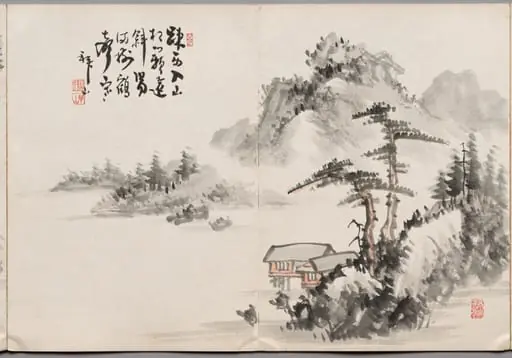 Painting One from Album of Paintings by Haizan
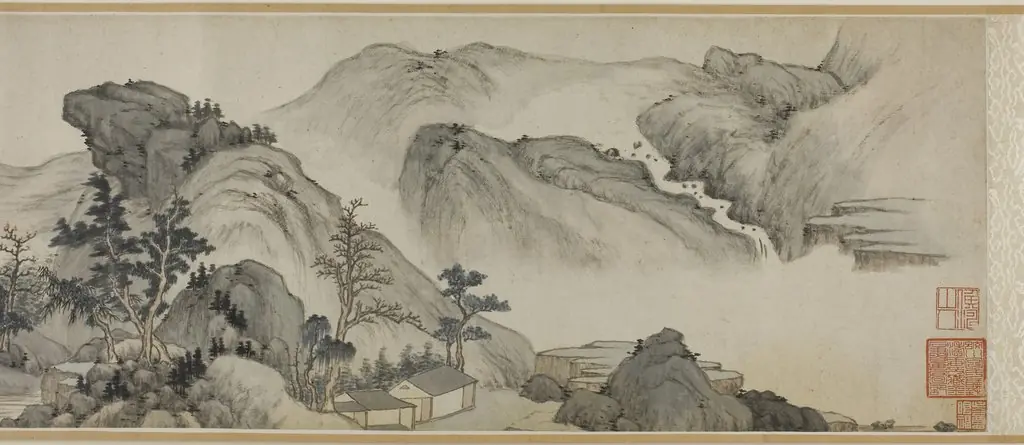 Recluse Dwellings in the Autumn Mountains
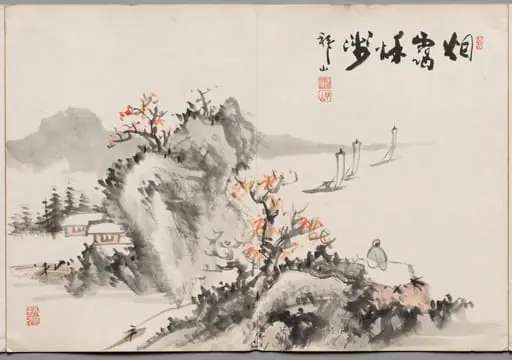 Painting Nine from Album of Paintings by Haizan
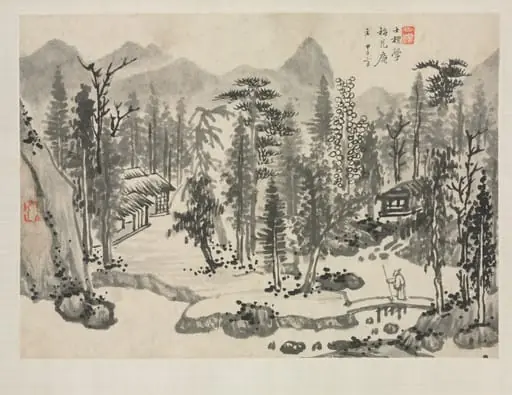 Landscape Album in Various Styles: Landscape after Wu Zhen
 明/清 項聖謨 秋景圖 冊頁|Autumn Landscape, leaf from Album for Zhou Lianggong