Artwork
The Flight into Egypt
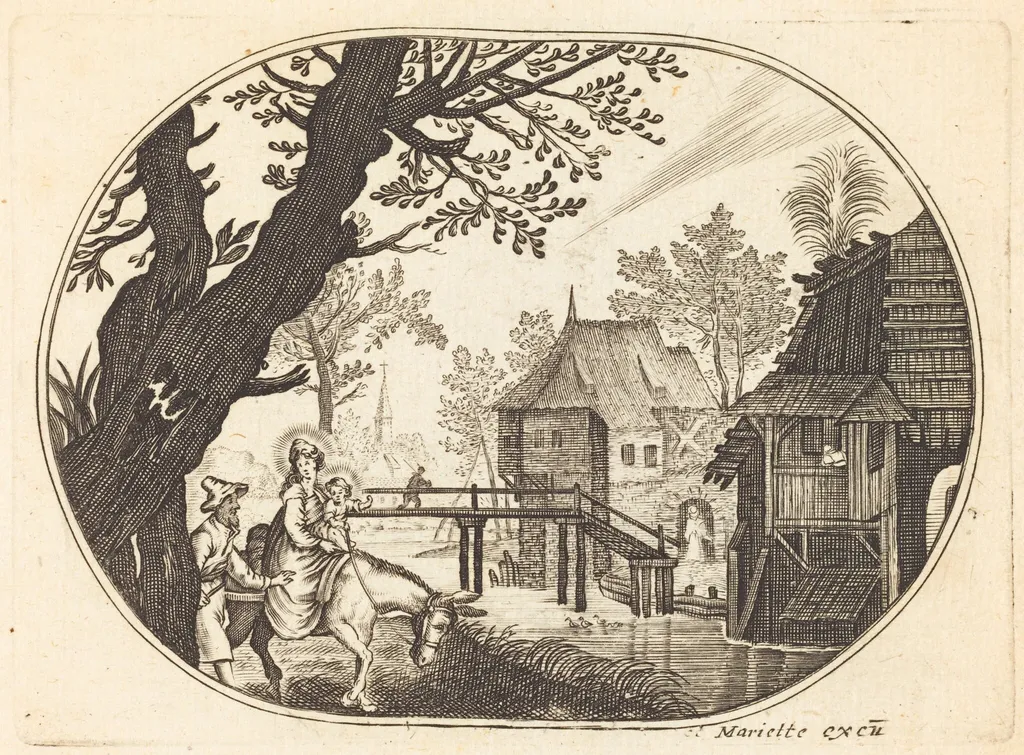
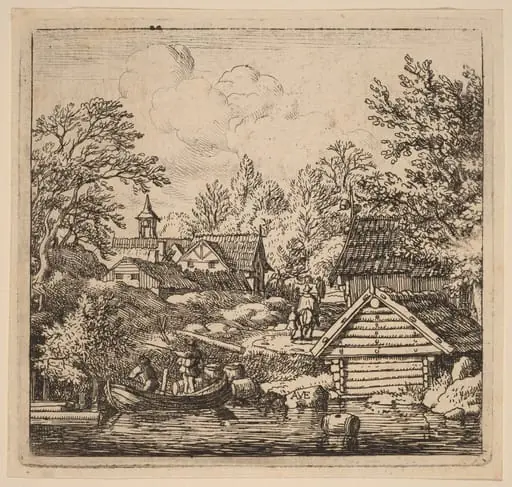
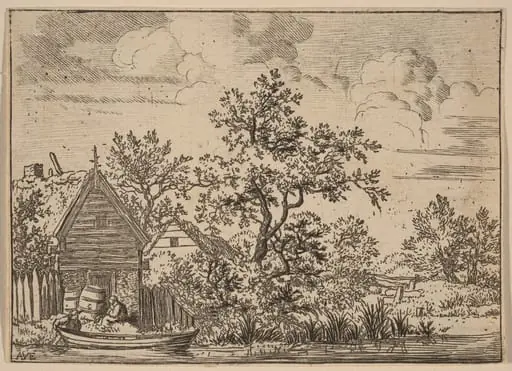
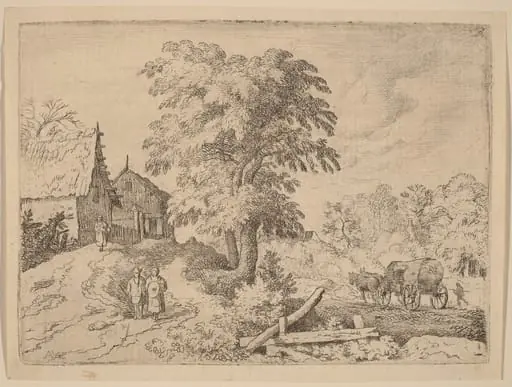
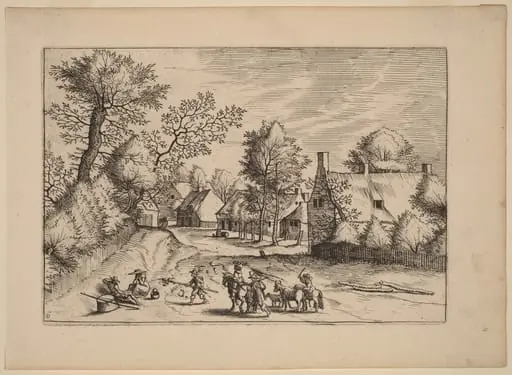
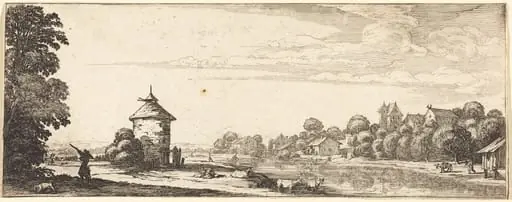
The Flight into Egypt is an ink print by the Baroque artist Balthasar Moncornet. It dates from 1634 and is held in the collection of the National Gallery of Art.
About this work
Overview
Balthasar Moncornet, a French painter and engraver active in the early 17th century, produced an engraving titled The Flight into Egypt in 1634. Executed in black‑and‑white, the print illustrates the biblical episode in which Mary, Joseph, and the infant Jesus escape to Egypt, a subject common in religious art of the period.
Subject & Meaning
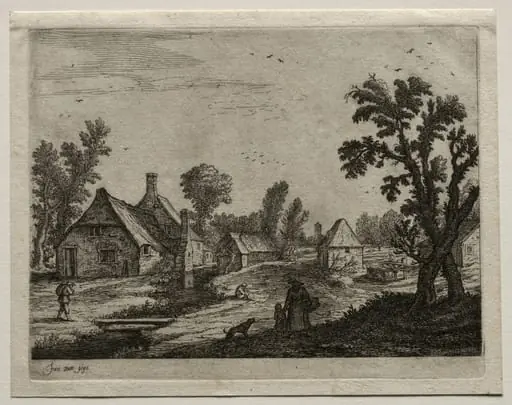
The composition centers on a modest family traveling on a donkey, moving past a small village. Mary cradles the child while Joseph walks alongside, evoking themes of protection and divine providence. The surrounding landscape, with a wooden house, a bridge, and trees, situates the holy family within a humble, everyday setting, emphasizing their vulnerability during the flight.
Technique & Style
Moncornet employs fine parallel lines that intersect to form cross‑hatching, creating tonal variation and texture across the scene. This method renders the donkey’s fur, the stone walls of the house, and the foliage with subtle gradations of shadow, demonstrating the engraver’s skill in conveying depth and material quality within the limits of the print medium.
History & Provenance
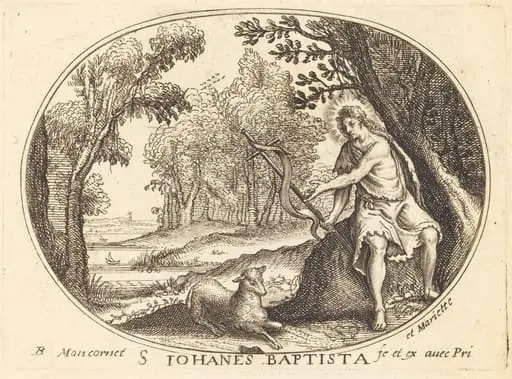
Although primarily known for portraiture of notable contemporaries, Moncornet also produced religious and historical subjects, of which this engraving is a representative example. Created in 1634, the work reflects the French Baroque interest in narrative clarity and detailed line work, and it has been documented in several 17th‑century print collections.
Own this work as a print
Artist & collection
Artist
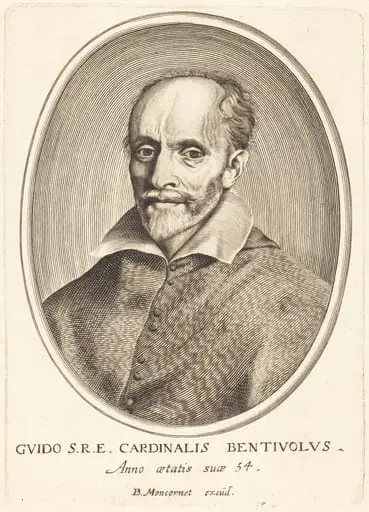
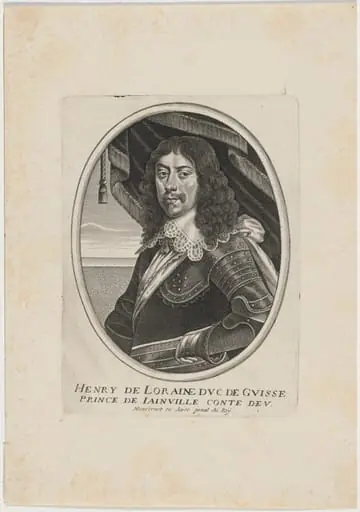
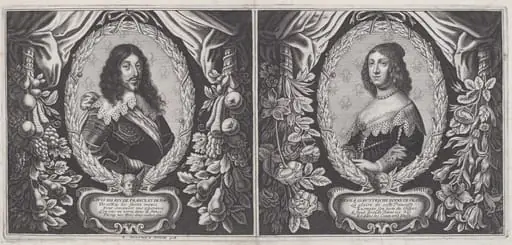
Balthasar Moncornet (1600, Rouen – 1668, Paris) was a French painter, engraver, and tapissier revered for his depictions of around 45 different prominent figures of the 17th century.