Artwork
Swallow and Lotus
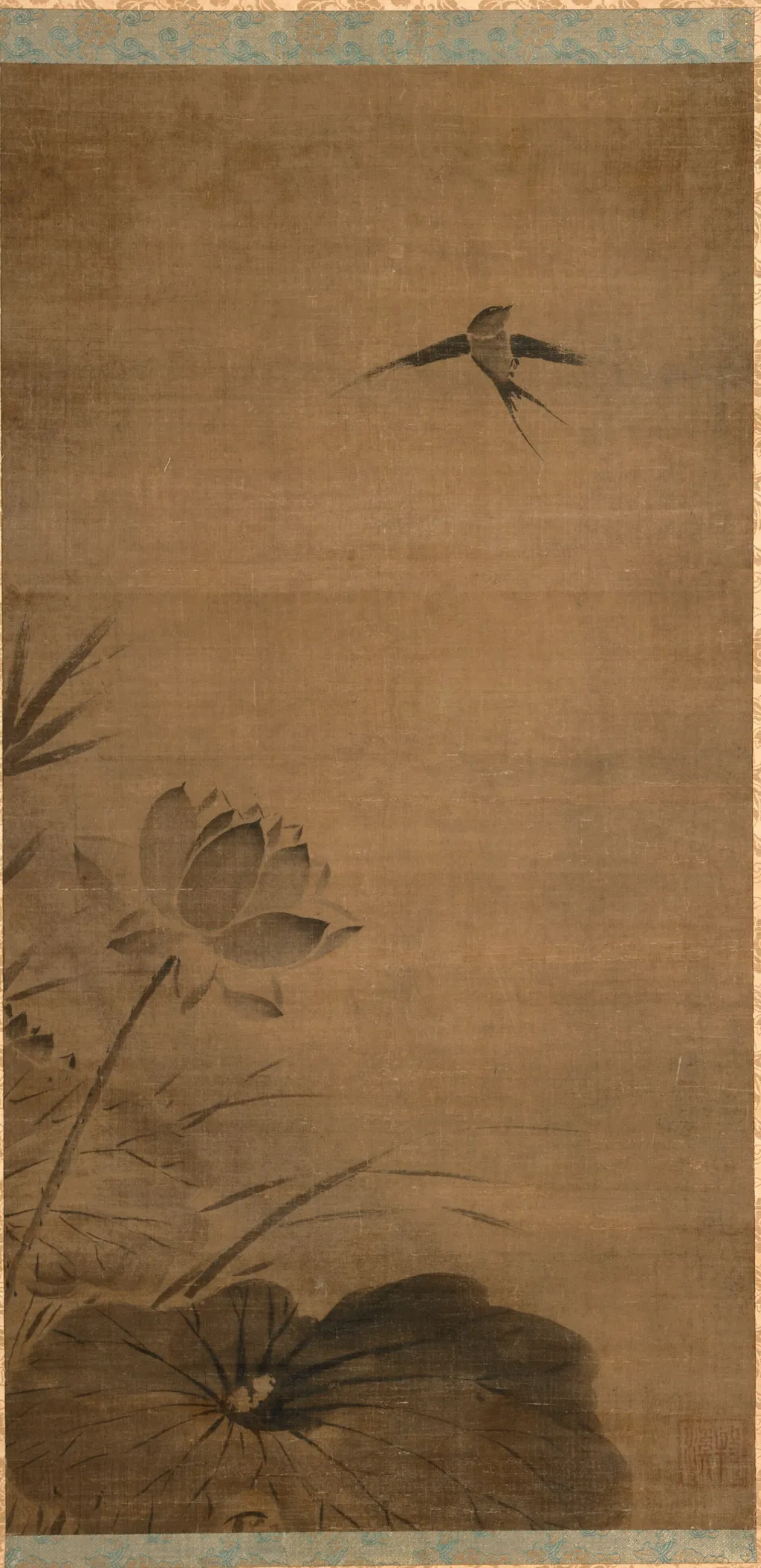
Swallow and Lotus is an unspecified painting by the Chinese Orthodox School artist Muqi. It dates from 1250 and is held in the collection of the Cleveland Museum of Art.
About this work
Technique & Style
The work is classified as a painting, indicating a traditional two-dimensional format executed on a support material typical of the period in China.
Swallow and Lotus is a painting created by the Chinese artist Muqi around 1250. The work is classified as a painting, indicating a traditional two-dimensional format executed on a support material typical of the period in China. While the specific medium and detailed handling techniques are not explicitly described in the available records, the piece is recognized as a significant example of Muqi's artistic output during the mid-thirteenth century. The artwork is currently held in the collection of the Cleveland Museum of Art.
History & Provenance
Swallow and Lotus is attributed to the monk‑painter Fachang Muqi (active circa 1220‑1280) and dated to circa 1250, having been produced in China as an ink painting. Both sources assign a date of 1250 to the work. The work later entered the holdings of the Cleveland Museum of Art, where it is recorded under accession number 1981.34 and remains in the museum’s collection. Earlier ownership, any commission, or further provenance details are not documented in the available sources.
The painting Swallow and Lotus by Muqi is held in the collection of the Cleveland Museum of Art. The work carries the accession number 1981.34 within the museum's inventory. Created in China around 1250, the piece is classified as a painting. The provided sources do not contain information regarding specific exhibitions in which this artwork has been displayed.
Legacy
Muqi's 1250 painting Swallow and Lotus established a precedent for expressive brushwork and compositional balance that resonated through subsequent Chinese ink traditions and influenced later generations of artists seeking to capture natural movement and spiritual presence. The work's integration of avian and botanical motifs within a meditative landscape framework contributed to evolving aesthetic dialogues about nature's symbolism in Chinese art, with its compositional strategies documented in later scholarly analyses of Southern Song painting conventions. Its presence in a major institutional collection has facilitated ongoing study of its technical and conceptual innovations.
Overview
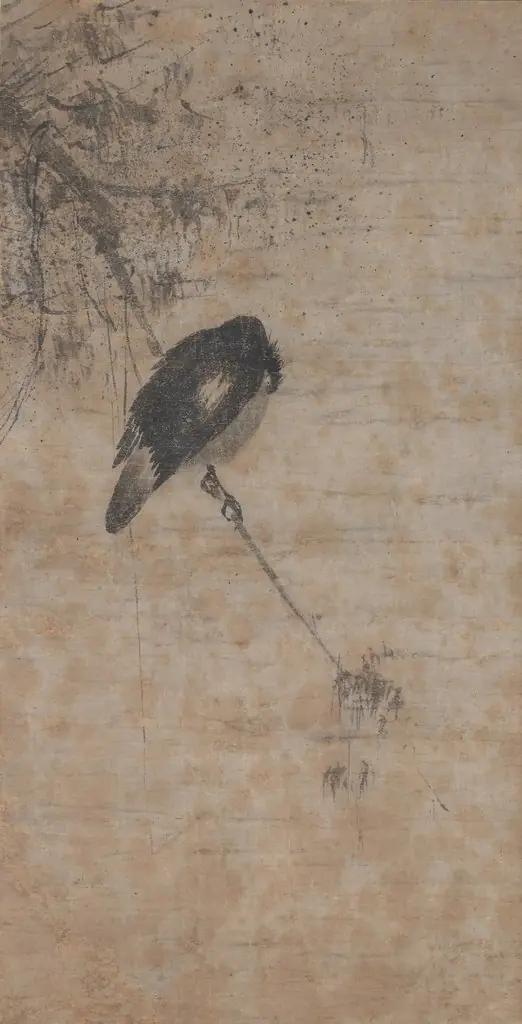
Swallow and Lotus, attributed to the Chinese monk-painter Muqi around 1250, is a modestly sized ink painting in the collection of the Cleveland Museum of Art. The composition pairs a soaring swallow with a blossoming lotus, set against an understated background that emphasizes the two central motifs.
Subject & Meaning
The work juxtaposes a swallow, a traditional symbol of spring and renewal, with a lotus, which in Buddhist iconography represents purity emerging from murky waters. Together they suggest a harmonious convergence of natural vitality and spiritual enlightenment.
Context
Muqi was a Chan Buddhist monk whose practice intertwined meditation with brushwork, favoring simplicity and spontaneity. Swallow and Lotus reflects this aesthetic, embodying the monk’s aim to convey spiritual insight through minimal yet expressive lines.
Artist & collection