Artwork
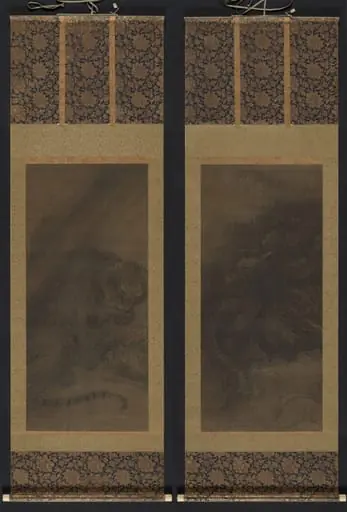
작자미상 용과 호랑이 조선 또는 일본 (에도)|簋簅痡萳 樻虎圖 朝鮮 日本 江戶|Dragon
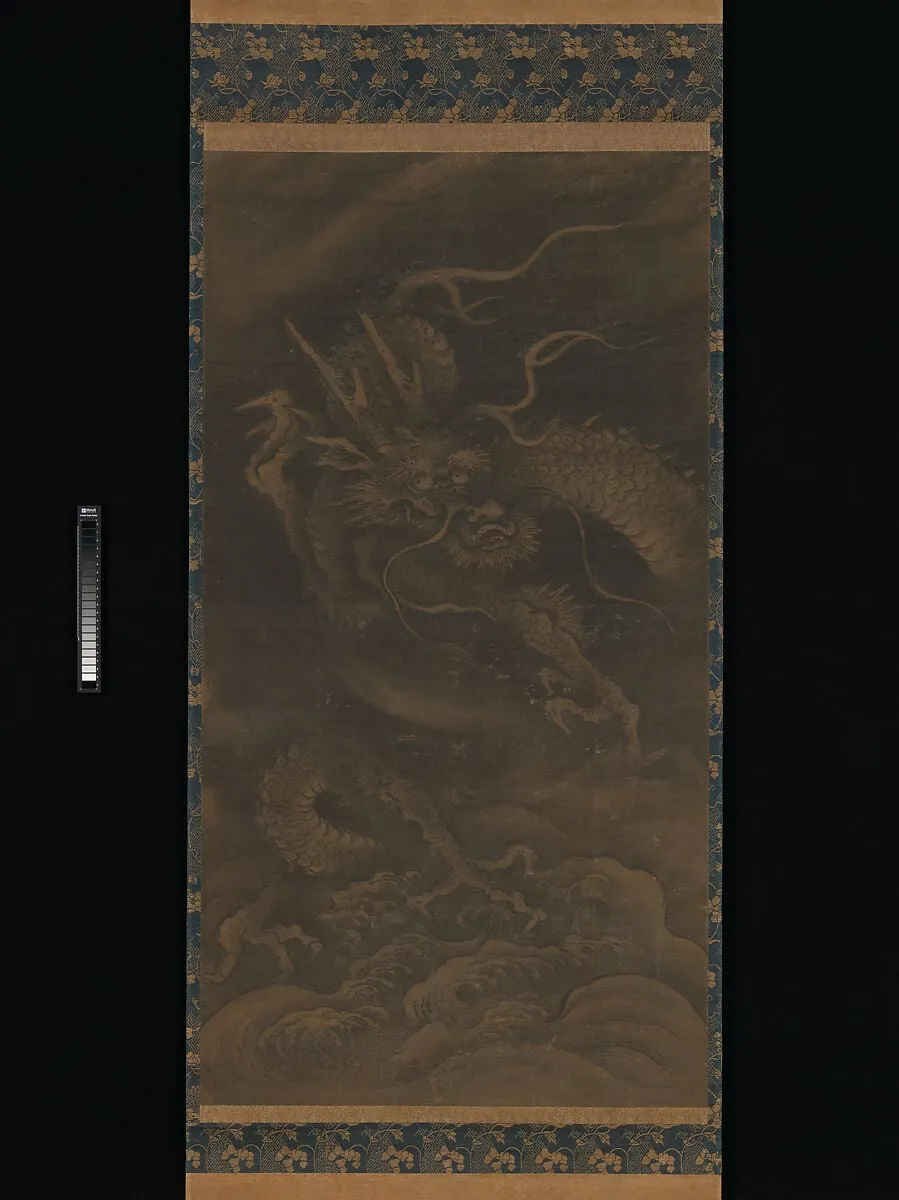
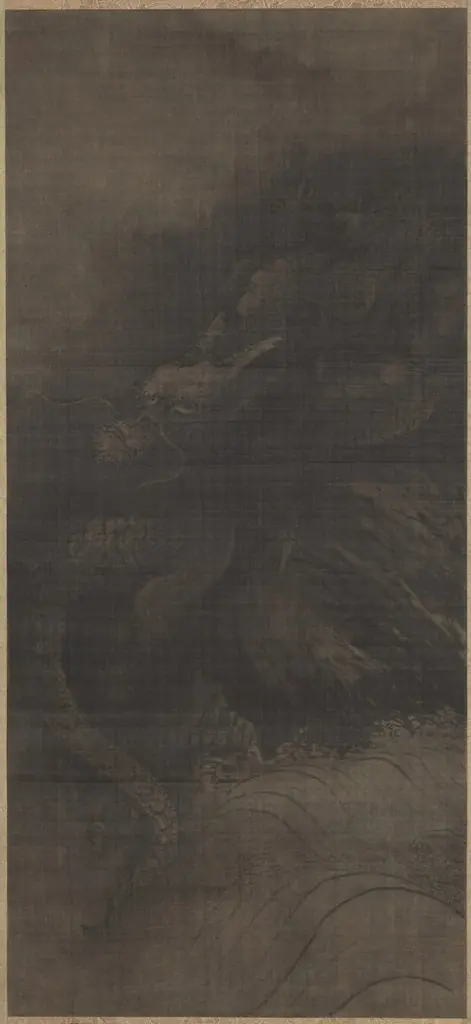
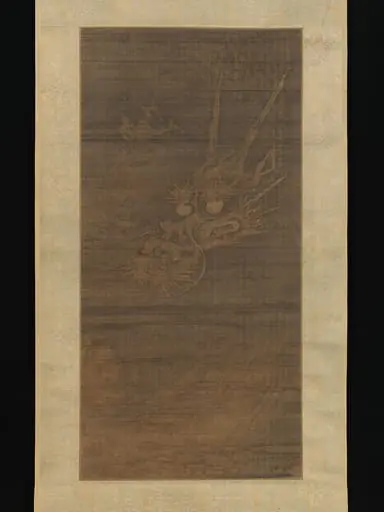
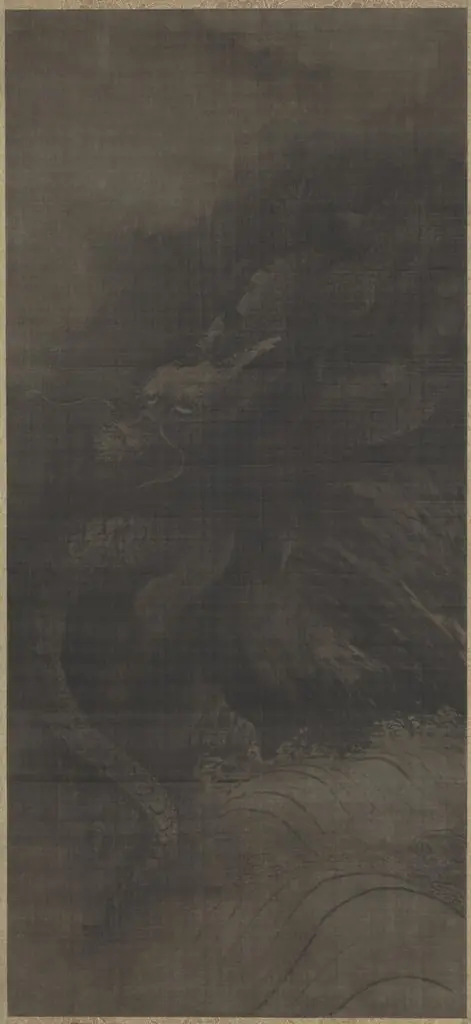
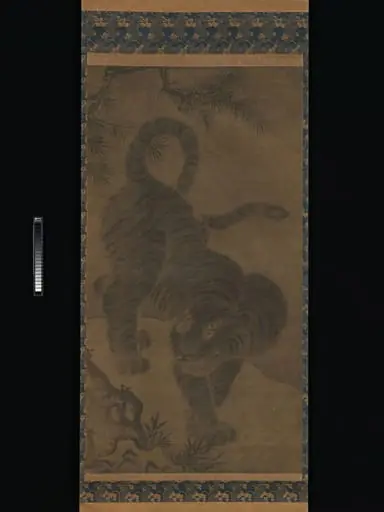
작자미상 용과 호랑이 조선 또는 일본 (에도)|簋簅痡萳 樻虎圖 朝鮮 日本 江戶|Dragon is an ink painting by the Chinese Orthodox School artist Muqi. It is held in the collection of the Metropolitan Museum of Art. This hanging scroll presents a monochrome dragon rendered in ink on pale silk.
About this work
Subject & Meaning
As a hanging scroll executed in ink on silk, the composition focuses on this legendary creature as its primary subject.
The artwork depicts a dragon, a central figure in mythological traditions. As a hanging scroll executed in ink on silk, the composition focuses on this legendary creature as its primary subject. The piece is classified within the genre of mythology, indicating that its imagery is intended to represent supernatural or legendary narratives rather than a naturalistic scene.
The depiction of the dragon serves as the core iconographic element of the work, anchoring its meaning in the symbolic power and spiritual significance traditionally associated with such beings in East Asian art.
Technique & Style
This hanging scroll is executed in ink on silk, a traditional East Asian monochrome painting format. The work measures 130.8 cm in height by 69.9 cm in width, a vertical format suited to its hanging-scroll mounting. Dated to 1599, the painting belongs to the ink-painting tradition associated with Muqi, rendered in monochrome ink that emphasizes brushwork and tonal modulation on the silk ground rather than color. The scroll depicts a dragon, a mythological subject rendered through calligraphic brush handling on silk.
The classification places the work within painting traditions of the late sixteenth century, with stylistic roots traceable to Chinese Chan (Zen) ink-monochrome painting as transmitted through Muqi's lineage into the Joseon or Edo-period context.
History & Provenance
The work titled '작자미상 용과 호랑이' (also known as '簋簅� Holand 樻虎圖' and 'Dragon') was produced in 1599 as a hanging scroll in ink on silk. It is attributed to the painter Muqi and belongs to the mythology genre, portraying a dragon. The piece originates from either Korea or Japan’s Edo period and was later acquired by the Metropolitan Museum of Art, where it remains in the museum’s collection.
Its creation is documented through museum records that note the date 1599 and the dimensions 130.8 cm × 69.9 cm.
Overview
This hanging scroll presents a monochrome dragon rendered in ink on pale silk. The creature winds through stylized clouds, its sinuous body composed of fluid brushwork that suggests motion across the empty space of the scroll.
Context
During the late 1500s, both Korean and Japanese courts valued ink scrolls that combined literary themes with visual elegance. Dragons frequently appeared in such works, embodying both protective and auspicious qualities within the cultural milieu of the time.
Artist & collection