Artwork
Tiger
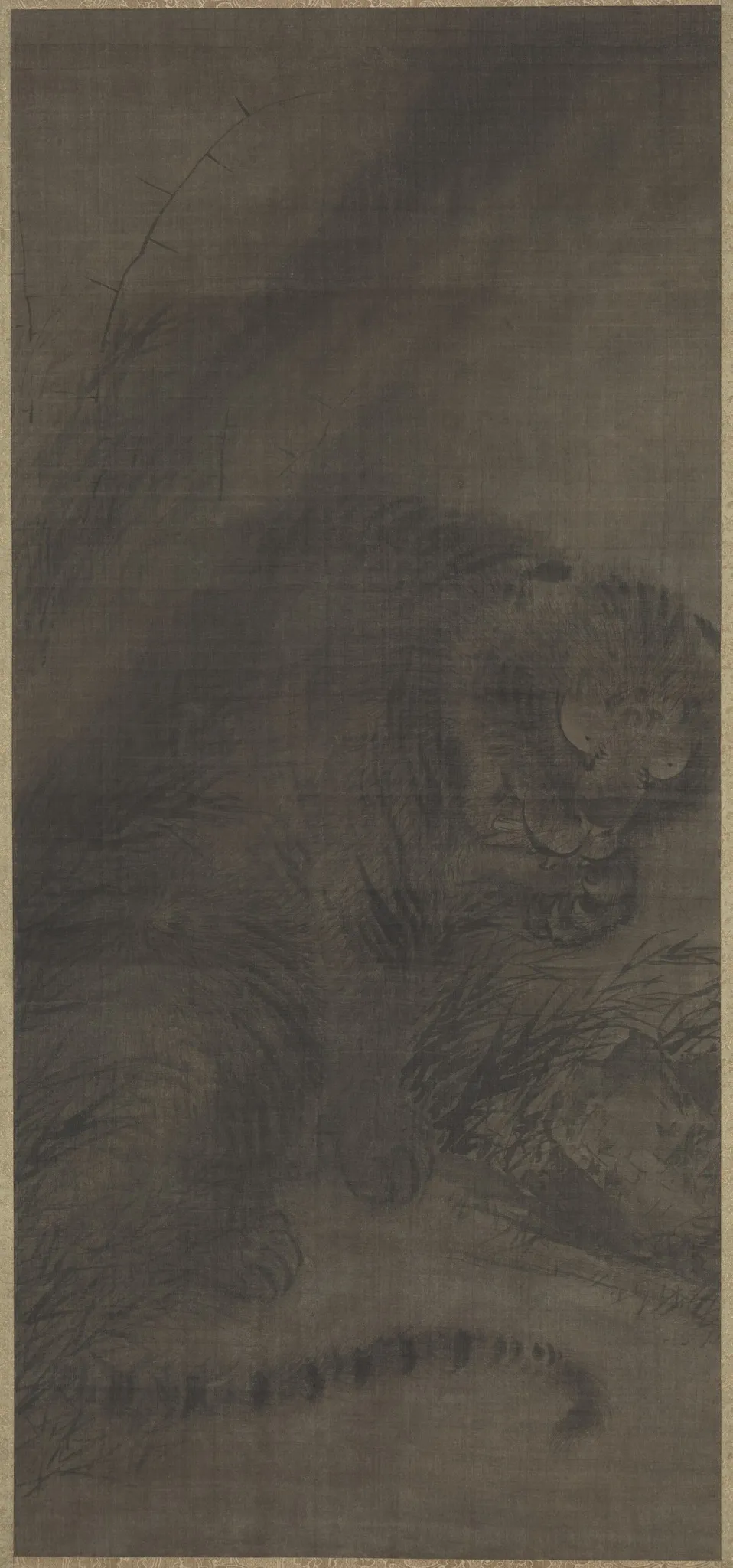
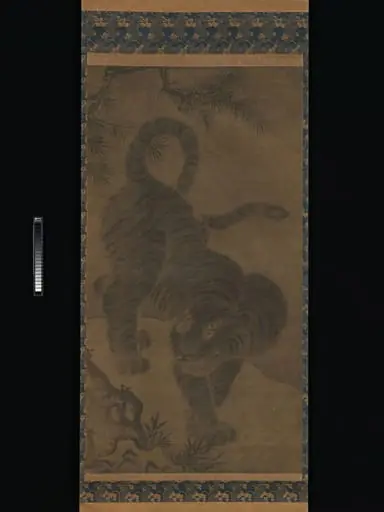
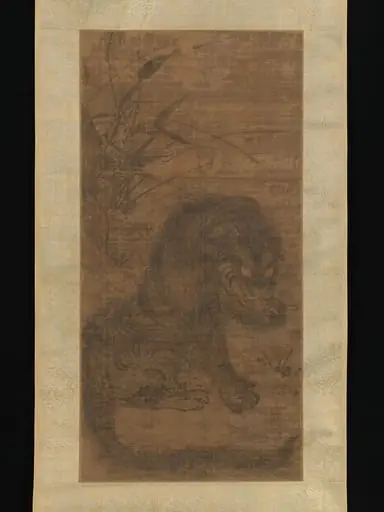
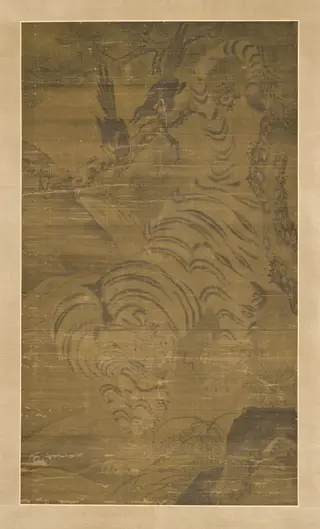
Tiger is an unspecified painting by the Chinese Orthodox School artist Muqi. It dates from 1264 and is held in the collection of the Cleveland Museum of Art.
About this work
Subject & Meaning
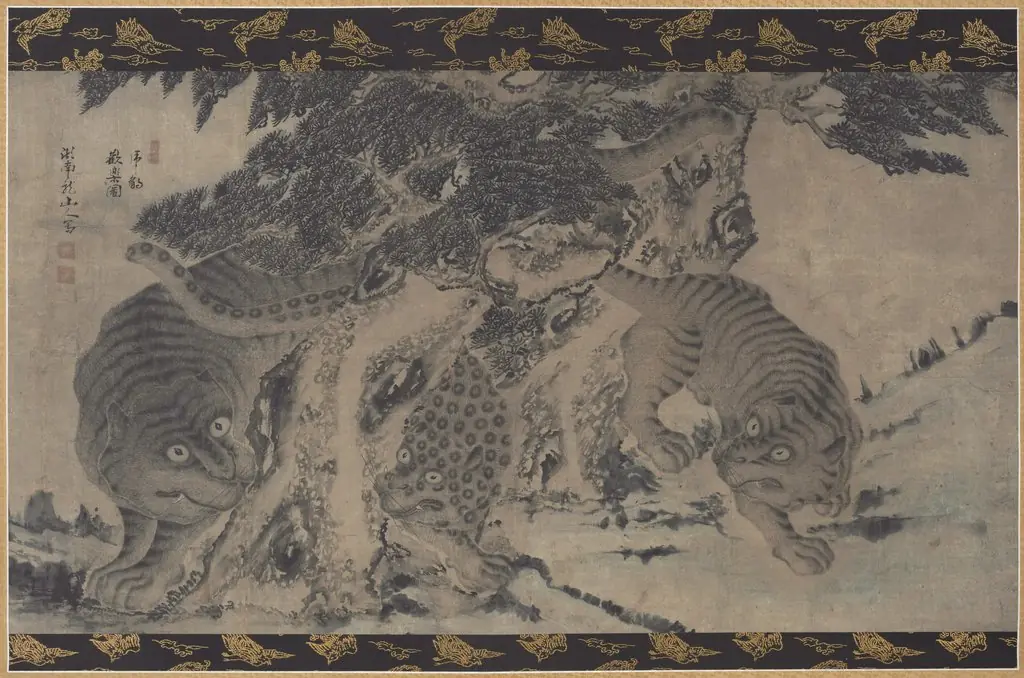
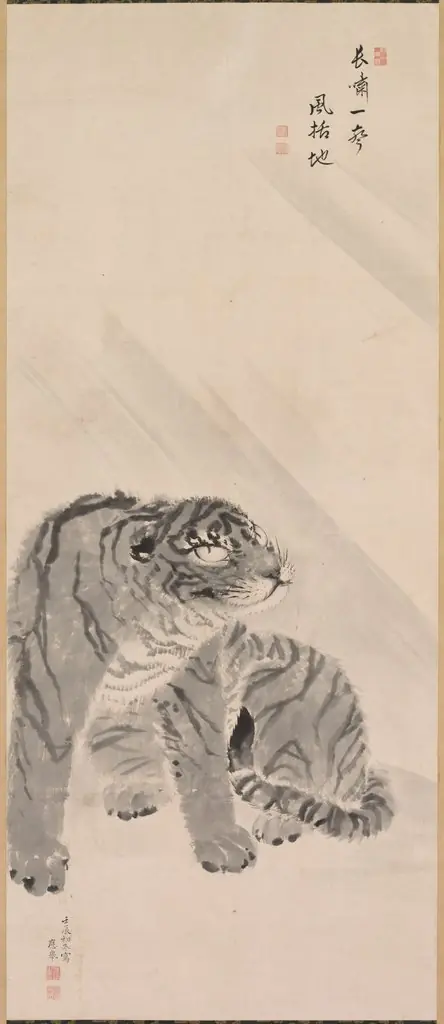
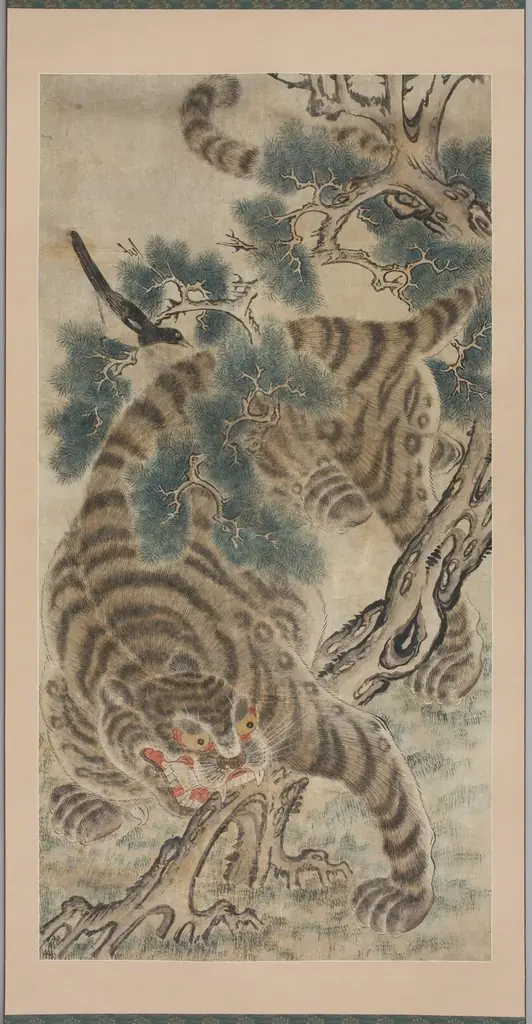
The painting depicts a tiger, a symbol of power and protection in Chinese culture, often associated with martial authority and the natural world.
The painting depicts a tiger, a symbol of power and protection in Chinese culture, often associated with martial authority and the natural world. Muqi, a prominent Yuan dynasty master of Southern Song-inspired ink painting, rendered the animal with swift, expressive brushwork that captures both its physical presence and spiritual intensity. This work reflects the Zen-influenced aesthetic of spontaneity and restraint characteristic of Chan Buddhist art, where the tiger embodies dynamic energy held in balance.
Created in 1264 in China, it exemplifies the synthesis of religious philosophy and artistic mastery of the period.
Technique & Style
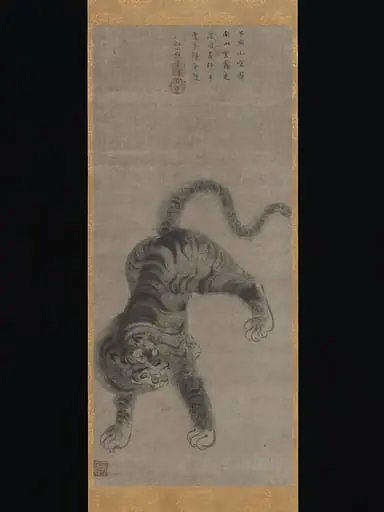
Tiger is an ink wash painting on silk, executed in the style of Southern Song dynasty master Muqi. The work depicts a crouching tiger rendered in bold, expressive brushstrokes with minimal detail, showcasing the artist's characteristic economy of line and emphasis on dynamic movement. As a hanging scroll format, it was traditionally handled with care to preserve the delicate silk support, though its condition remains stable with no documented alterations or damage noted in the provenance record.
The composition's asymmetrical balance and textural contrast between inked contours and blank space exemplify Muqi's Zen-inspired aesthetic, blending spiritual minimalism with masterful technical control of ink saturation and brush pressure.
History & Provenance
Tiger is a painting by the Chinese artist Muqi, dated to 1264. According to the catalogue record, the work was created in China in that year. The painting is held in the collection of the Cleveland Museum of Art, where it is identified by the accession number 1958.427.2.
The available sources do not provide further details about the circumstances of its commission, the original patron, or the chain of ownership between its creation in thirteenth-century China and its acquisition by the Cleveland Museum of Art in 1958.
Tiger is held in the Cleveland Museum of Art, where it is catalogued under accession number 1958.427.2. The painting was created in China in 1264 and entered the museum's collection shortly thereafter. It has been part of the institution's exhibitions focusing on Yuan dynasty art, though specific exhibition titles are not detailed in the available records.
Context
The painting Tiger by Muqi, created in 1264 in China, is recognized as a significant work within the broader context of Southern Song dynasty art. It is housed in the Cleveland Museum of Art, reflecting its enduring scholarly and cultural relevance.
Overview
Muqi’s 1264 painting titled Tiger depicts a solitary feline poised within a thicket of tall grass. The composition is dominated by deep shadows, with only faint indications of a night sky in the background. The work is part of the collection at the Cleveland Museum of Art.
Artist & collection