Artwork
Casually Created on a Spring Day
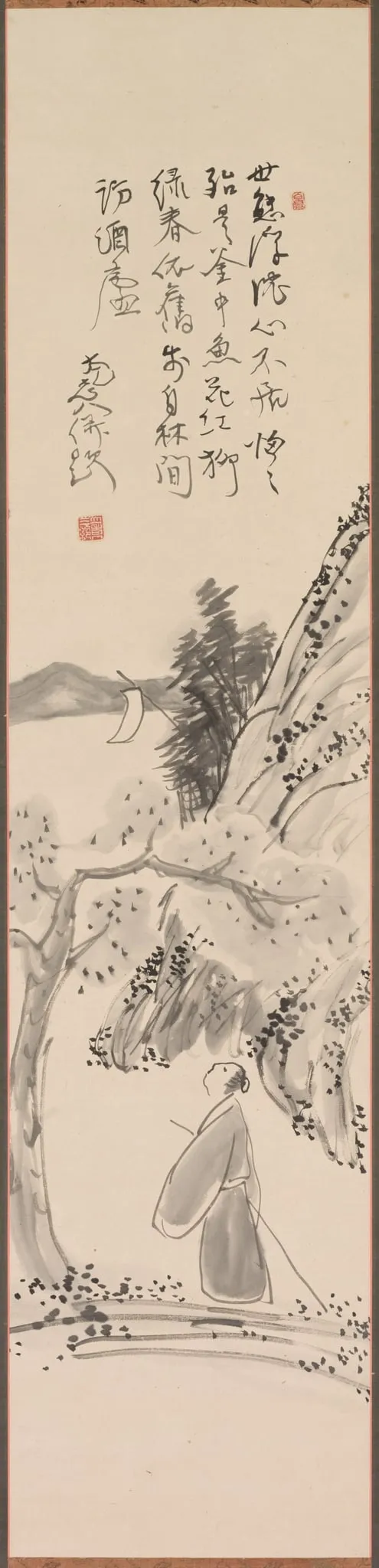
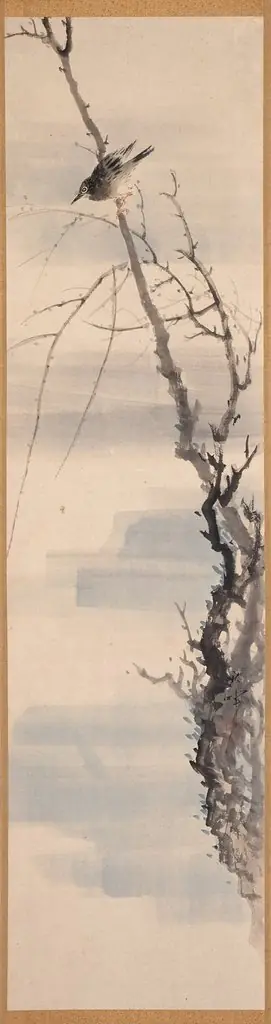
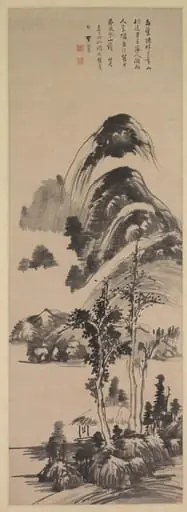
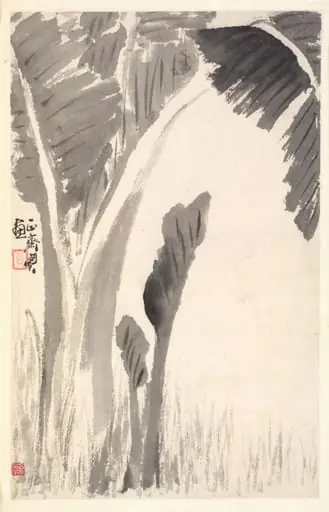
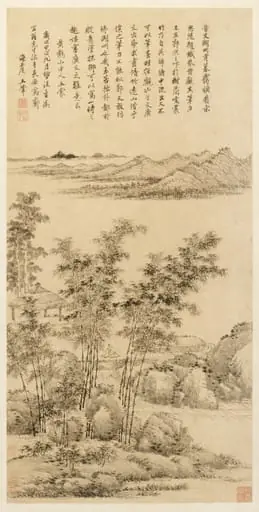
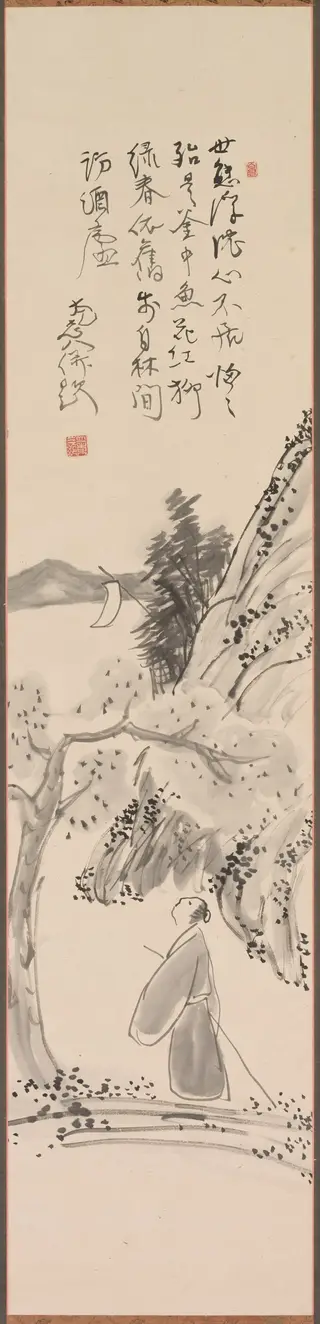
Casually Created on a Spring Day is an unspecified painting by the Nihonga artist Murase Taiitsu. It dates from 1853 and is held in the collection of the Cleveland Museum of Art.
- Accession no.
- 1981.86
- Credit line
- Gift of Dr. Kurt A. Gitter
About this work
Overview
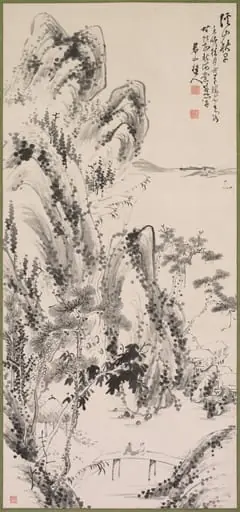
Painted in 1853 by Murase Taiitsu, this ink-on-paper work captures a solitary figure beneath a bare tree during early spring. Executed with spontaneous brushwork, the piece belongs to the literati tradition, where poetry and image intertwine. It resides in The Cleveland Museum of Art, part of a broader Japanese artistic practice that valued quiet observation over narrative detail.
Subject & Meaning
A lone figure, clad in loose robes, stands motionless beneath a skeletal branch, holding an indistinct object. The scene evokes contemplation rather than action, suggesting a pause in daily life. The vertical poem beside the figure, written in classical style, deepens the mood, offering a lyrical counterpoint to the visual stillness, hinting at transience and solitude in nature.
Technique & Style
The poem is integrated as an essential compositional element, not an afterthought, reflecting the scholar-artist ideal of unified expression.
The painting employs rapid, fluid ink strokes typical of literati aesthetics. Dark, loose clusters suggest emerging foliage or distant foliage, while the sky is rendered with diluted washes to imply mist. The figure is minimally defined, emphasizing atmosphere over detail.
The poem is integrated as an essential compositional element, not an afterthought, reflecting the scholar-artist ideal of unified expression.
History & Provenance
Created during the late Edo period, the work reflects the enduring influence of Chinese literati painting among Japanese intellectuals. Murase Taiitsu, though less widely known than contemporaries, participated in this refined tradition. The painting entered The Cleveland Museum of Art’s collection through documented acquisition, preserving its original format and inscriptions intact.
Context
In mid-19th century Japan, urban elites increasingly turned to ink painting as a retreat from social change. Artists like Murase drew from Chinese models but infused their work with local sensibilities. This piece aligns with a broader trend of introspective landscapes, where nature served as a mirror for inner reflection, distinct from the more theatrical styles of the period.
Legacy
Though not widely reproduced, the painting exemplifies the quiet persistence of literati ideals in late Edo art. Its integration of poetry and image influenced later generations seeking authenticity in artistic expression. Today, it remains a reference point for scholars studying the intersection of visual art and literary culture in pre-modern Japan.
Artist & collection