Artwork
Qua-Ta-Wa-Pea, A Shawnoe Chief
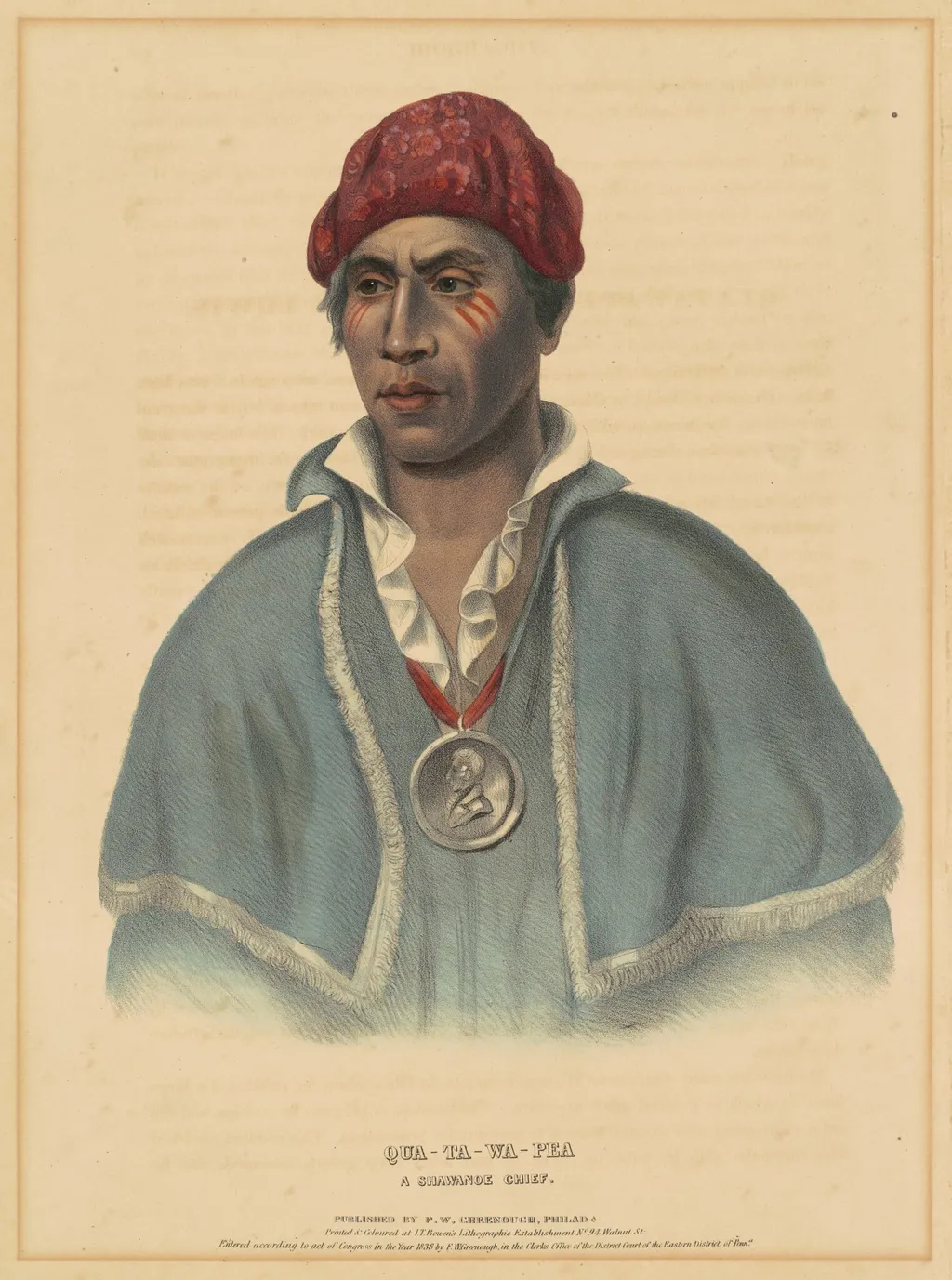
Qua-Ta-Wa-Pea, A Shawnoe Chief is an ink print by the Romanticist artist Albert Newsam. It dates from 1838 and is held in the collection of the National Gallery of Art. The hand‑colored lithograph titled Qua‑Ta‑Wa‑Pea, A Shawnoe Chief presents a seated portrait of a Shawnee leader.
- Inscription
- Inscribed:text at bottom on stone: Qua-Ta-Wa-Pea / A Shawnoe Chief / Published by F.W. Greenough, Philada. / Printed & Coloured at J.T. Bowen's Lithographic Establishment No. 94 Walnut St. / Entered according to act of Congress in the Year 1838 by F.W. Greenough, in the Clerks Office of the District Court of the Eastern District of Penna.
About this work
Overview
The hand‑colored lithograph titled Qua‑Ta‑Wa‑Pea, A Shawnoe Chief presents a seated portrait of a Shawnee leader. Rendered on wove paper, the image shows the chief in a solemn pose, his features rendered with clear line work and modest coloration that highlights his attire and a prominent medallion on his chest.
Subject & Meaning
The sitter, identified as Qua‑Ta‑Wa‑Pea, is depicted wearing a red head covering, a blue shawl draped over a white shirt, and a large ornamental medallion. The dignified expression and the decorative elements convey his status within the Shawnee community, suggesting a visual record of leadership and cultural identity.
Technique & Style
Created in 1838, the work employs lithography, a printing process that was gaining popularity in early‑19th‑century America. After the stone‑based image was printed, it was hand‑colored, allowing the artist to apply selective hues to clothing and background, a method typical of portrait lithographs of the period.
History & Provenance
The lithograph was produced by Albert Newsam, a deaf artist trained at the Pennsylvania School for the Deaf and active in Philadelphia’s print scene. Newsam’s output included portraits, medical illustrations, and sheet‑music engravings, making him a notable early practitioner of American lithography.
Context
During the 1830s, lithography expanded as a means of documenting peoples and places across the expanding United States. Portraits of Native American figures such as this chief served both ethnographic interests and a growing public curiosity about indigenous cultures, aligning with broader Romantic‑era interests in the exotic and the noble savage.
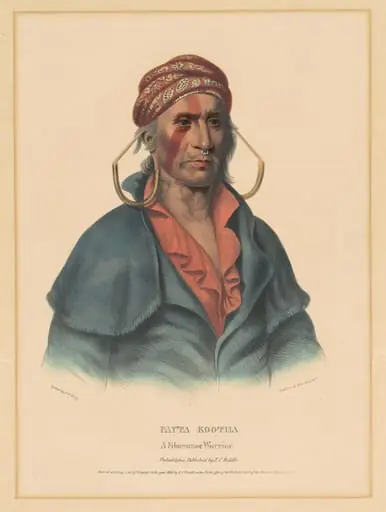
Own this work as a print
Artist & collection
Artist
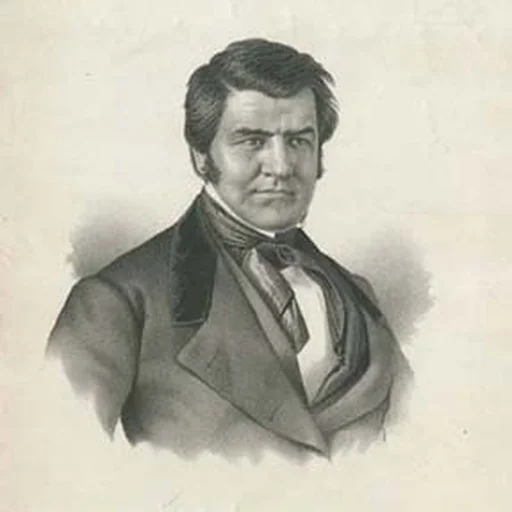
Albert Newsam (May 20, 1809 – November 20, 1864) was an American lithographer and painter.

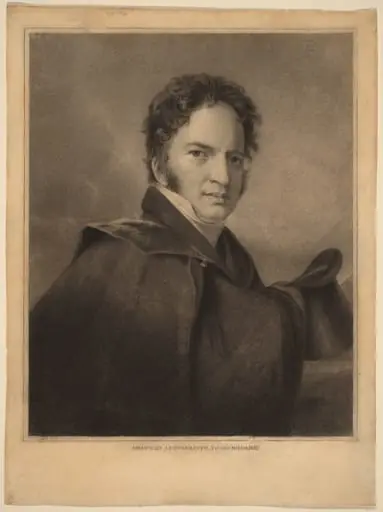
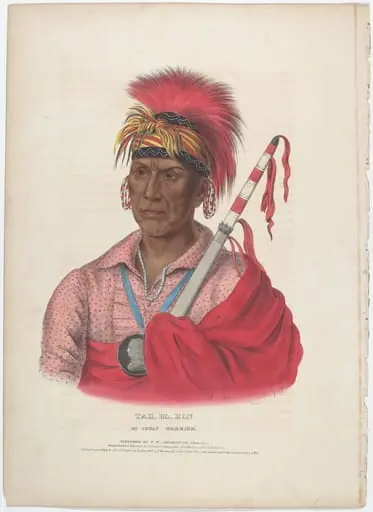 Tah-Ro-Hon, An Ioway Warrior
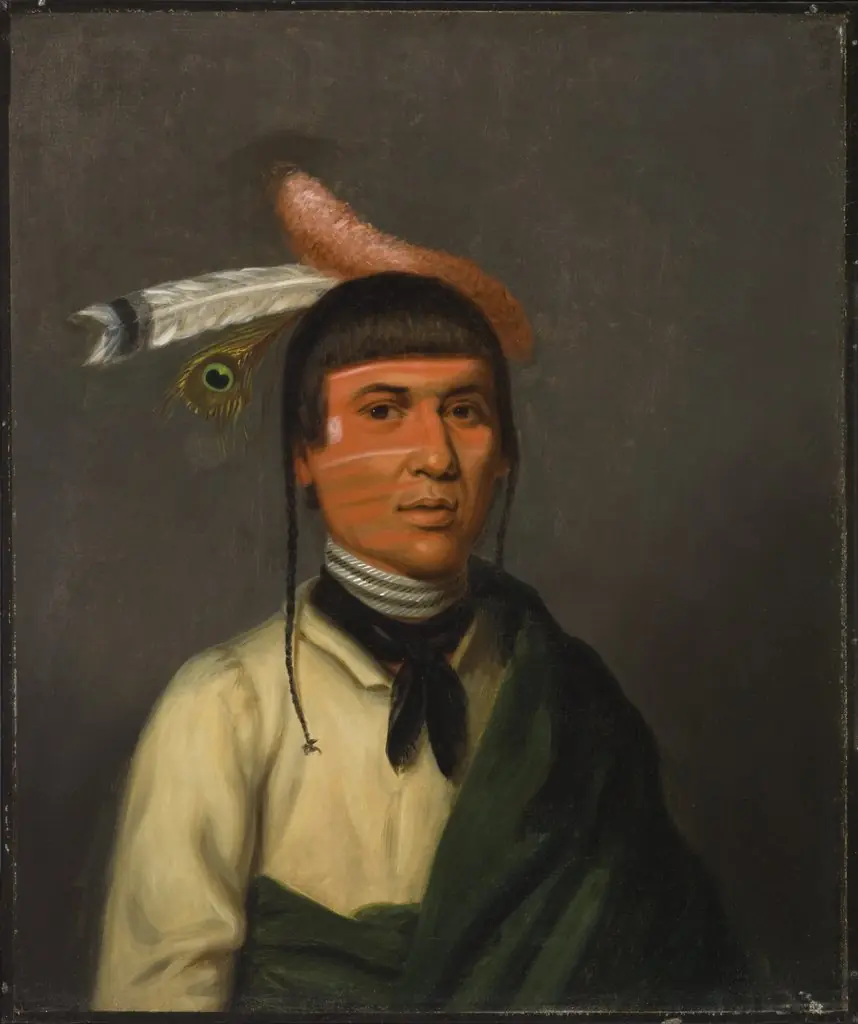 No-Tin (Wind), a Chippewa Chief
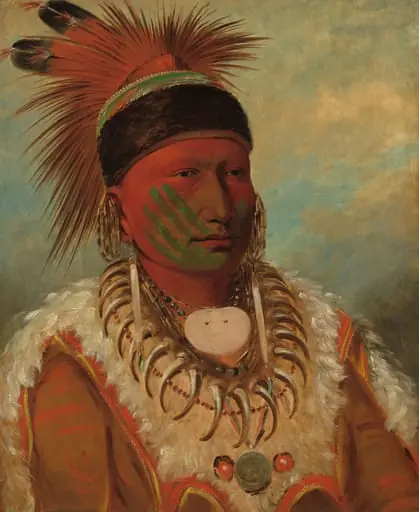 The White Cloud, Head Chief of the Iowas
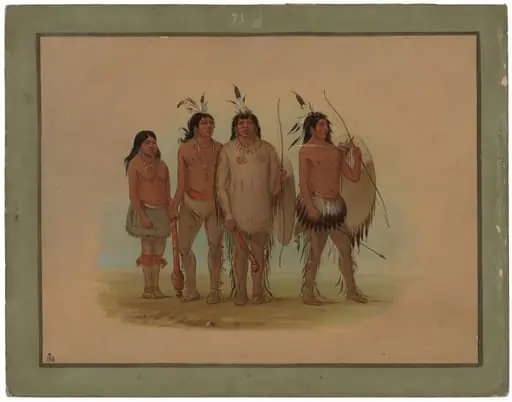 Kiowa Chief, His Wife, and Two Warriors
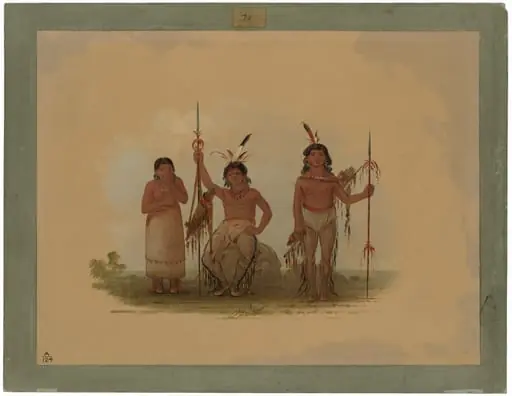 Two Arapaho Warriors and a Woman
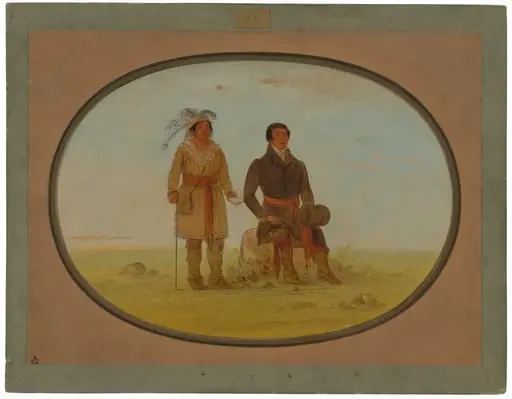 Mohigan Chief and a Missionary
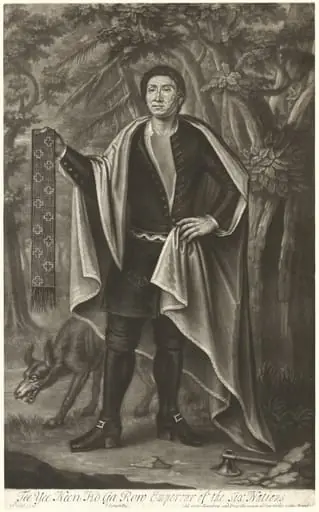 Tee Yee Neen Ho Ga Row, Emperor of the Six Nations
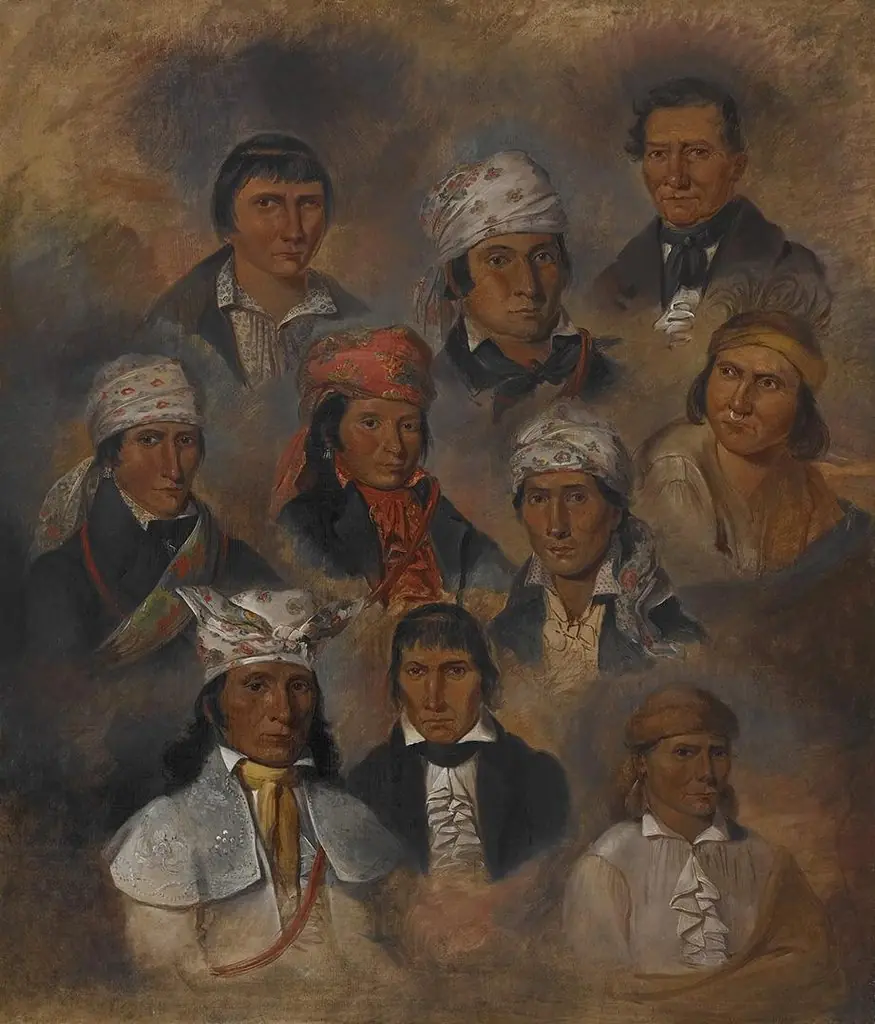 Ten Potawatomi Chiefs
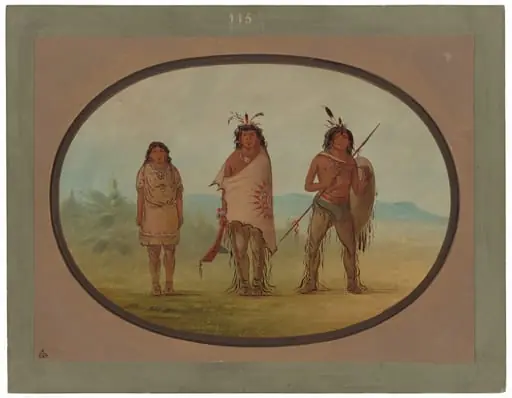 A Yuma Chief, His Daughter, and a Warrior
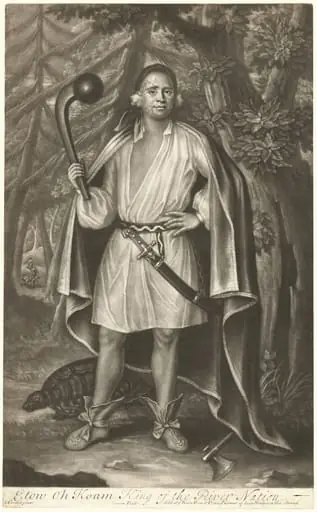 Etow Oh Koam, King of the River Nation