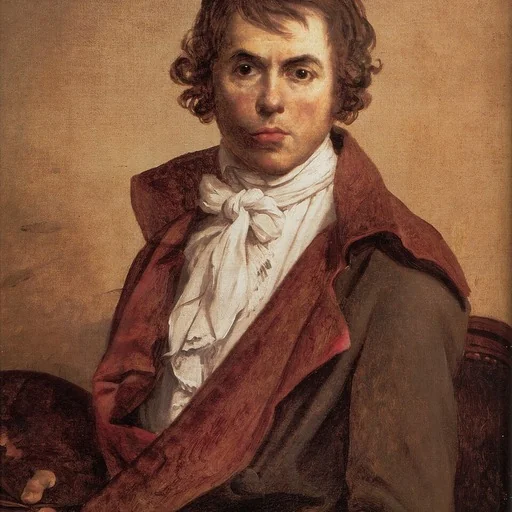
Subject
Shawl
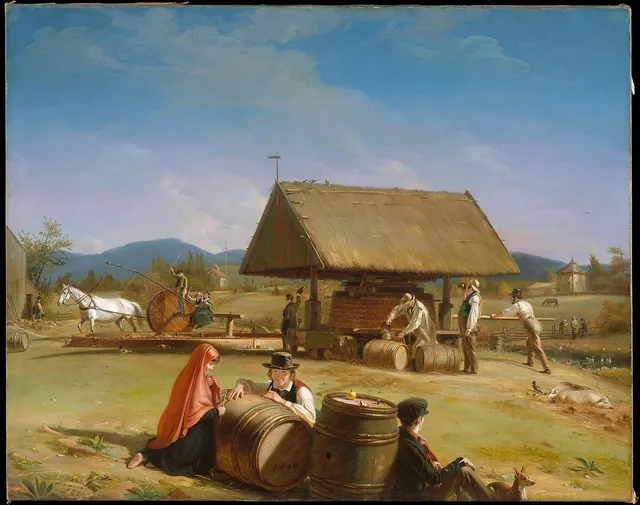
Shawl is a subject in art. The gallery holds 66 works in this subject in art, including works by Jacques-Louis David, William Sidney Mount and Pierre-Auguste Renoir.
A shawl (from Persian: شال shāl) is a simple item of clothing, loosely worn over the shoulders, upper body and arms, and sometimes also over the head. It is usually a rectangular piece of cloth, but can also be square or triangular in shape.
Key artists
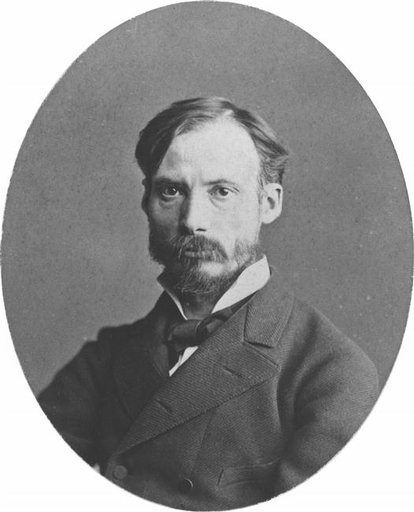
Artist
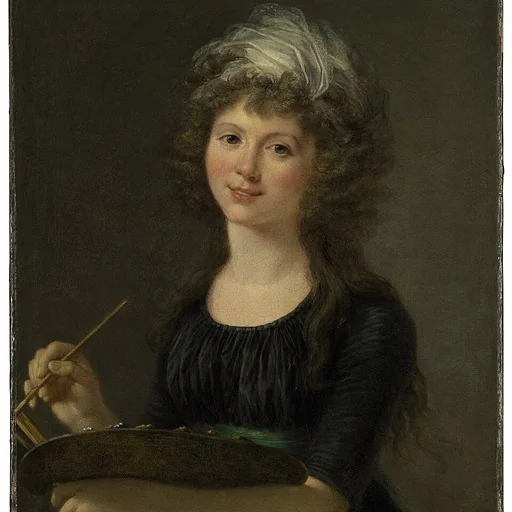
Overview
A shawl is a simple rectangular, square, or triangular textile garment, loosely worn over the shoulders, upper body, and arms, and sometimes over the head. Derived from the Persian word shāl, it has served both practical and decorative functions across numerous cultures and centuries. In Western art, the shawl recurs as a significant accessory, signaling status, fashion, cultural exchange, and identity. Its prominence in painted portraits and genre scenes from the eighteenth through nineteenth centuries reflects its role as a luxury commodity and a marker of refined taste, while its earlier and later appearances in art document global trade routes, colonial encounters, and evolving gendered dress conventions.
Iconography & meaning
In visual art, the shawl carries layered meanings tied to material, pattern, and context of wear. As a luxury item, particularly the Kashmir pashmina or shahtoosh shawl, it denotes wealth and cosmopolitan sophistication. The paisley motif, which evolved from Persian butta-jeghgha designs through Mughal and Kashmiri weaving traditions, became an iconic decorative element whose presence in portraits signaled the sitter's participation in international fashion. In religious and ritual contexts, analogous garments such as the Jewish tallit carry sacred significance, though the shawl itself in Western painting typically operates within secular iconography. The shawl's draping, whether modestly covering shoulders or slipping to reveal the upper back, could suggest propriety, seduction, or casual intimacy depending on pose and setting. In theatrical portraits, such as those of performers in character, the shawl helps construct narrative identity and period atmosphere. Its association with feminine dress in the West, established by the nineteenth century, made it a standard attribute in representations of respectable womanhood, even as its origins in South Asian and Middle Eastern male dress remind viewers of complex cross-cultural histories.
Across movements & periods
The treatment of the shawl in art tracks closely with its material history and shifting fashionability. Before its Western vogue, analogous draped garments appeared in ancient, medieval, and early modern imagery across Central Asia, India, and the Middle East, sometimes with ritual or status significance. The shawl's introduction to Western European visual culture dates to the eighteenth century, when colonial military and commercial contact brought Kashmiri and Persian textiles to France and Britain. French sources note that the term itself entered French usage around 1670, with anglicized variants persisting until about 1860. The period 1800 to 1850 marked the shawl's artistic apogee in European portraiture, coinciding with the rise of rival manufacturing centers in France, at Reims, Lyon, and Nîmes, and in Scotland at Paisley. French designers such as Amédée Couder and manufacturers like the Ternaux brothers developed distinctive styles, including the Renaissance style influenced by Islamic and Persian art, and later the flowing palm motifs of Anthony Berrus. The Jacquard loom's adoption in Europe after 1870, and the consequent mass production of paisley and other shawl patterns, diminished the garment's exclusivity and its appearance in high-status portraiture. By the late nineteenth century, the shawl had largely passed from fashionable Western women's wardrobes, though it persisted in regional folk dress and retained ceremonial or theatrical uses. In the twentieth century, its appearance in portraits of performers such as Maude Adams suggests a shift toward nostalgic or character-specific deployment rather than contemporary fashion statement.
Legacy
The shawl's later influence extends beyond its direct representation in art into broader domains of design history, material culture, and postcolonial critique. The paisley pattern, derived from Kashmiri shawl ornamentation and named after Scottish industrial imitation, became one of the most widely disseminated decorative motifs globally, persisting in textiles long after the shawl itself declined as fashionable dress. The shawl's trajectory from hand-woven luxury to mechanically reproduced commodity exemplifies larger narratives of industrialization and the globalization of taste. In recent decades, the shawl has attracted scholarly attention from historians of dress, textile specialists, and art historians examining the visual culture of empire. Works such as Monique Lévi-Strauss's studies of French cashmere shawls and Pamela Clabburn's general history have established the object's importance for understanding nineteenth-century consumption, colonial trade, and the gendering of fashion. In museum collections, shawls and their depictions serve as tangible evidence of complex entanglements between South Asian craftsmanship, European industrial innovation, and transatlantic cultural exchange. The continued presence of shawls in contemporary haute couture and in revived folk dress traditions attests to their persistent, if transformed, cultural resonance.
Works
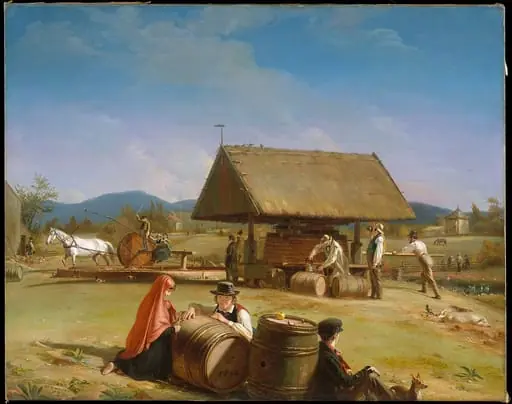 Cider Making
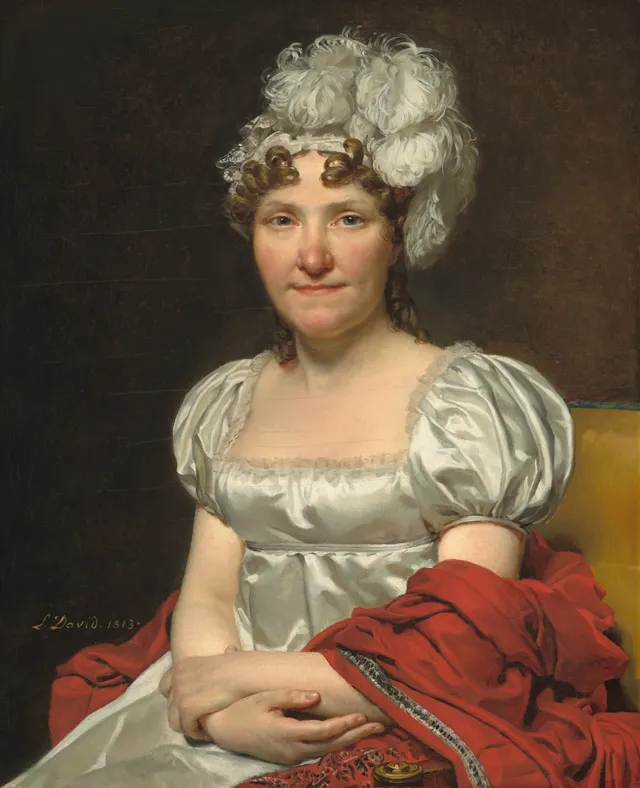
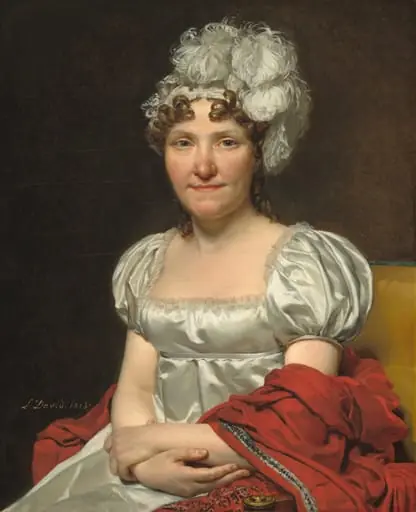 Madame David
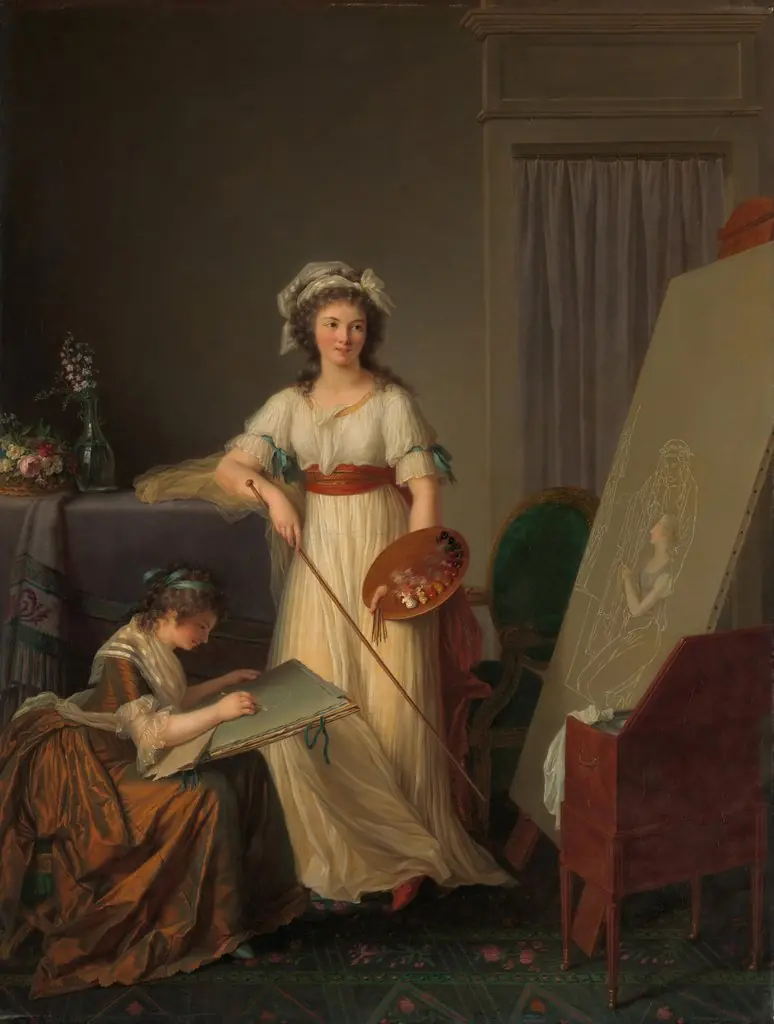 The Interior of an Atelier of a Woman Painter
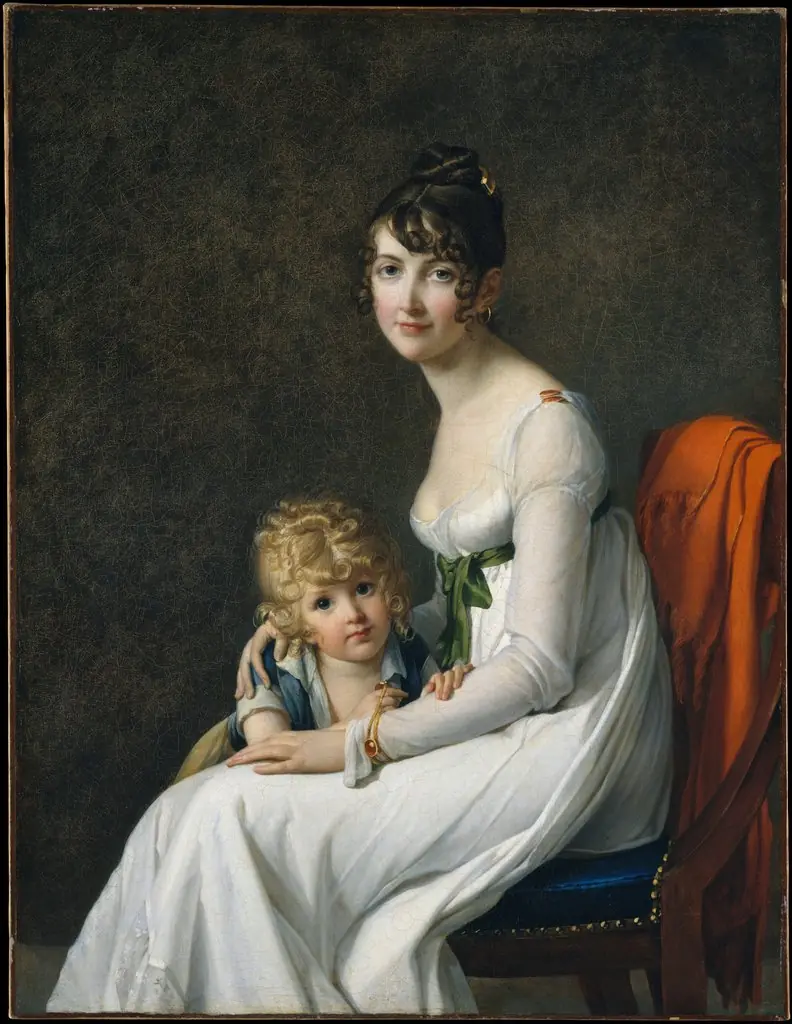 Madame Philippe Panon Desbassayns de Richemont (Jeanne Eglé Mourgue, 1778–1855) and Her Son, Eugène (1800–1859)
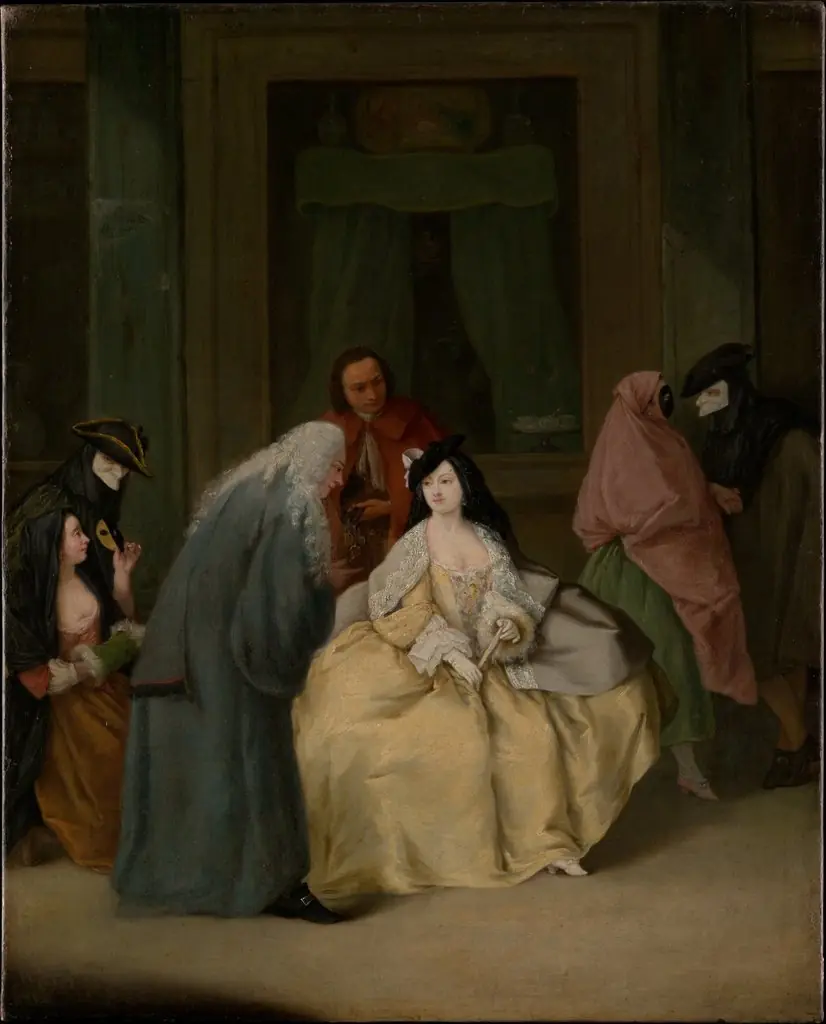 The Meeting
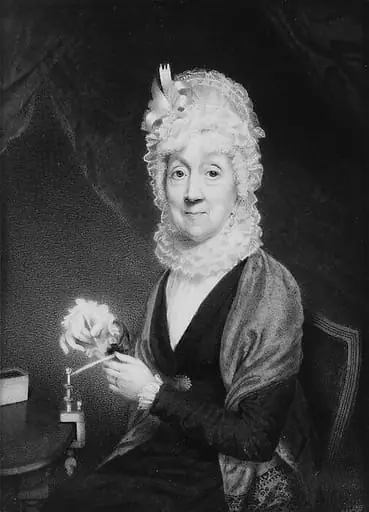 Portrait of a Lady
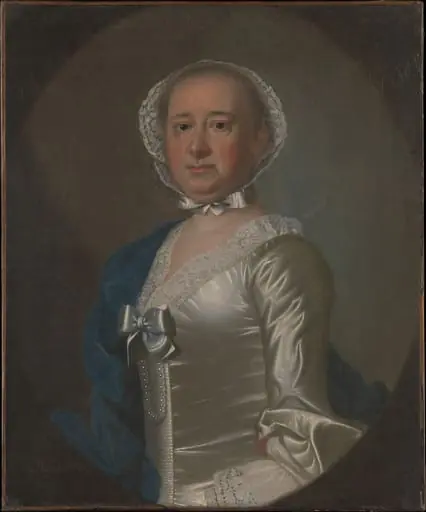 Mrs. Gabriel Manigault
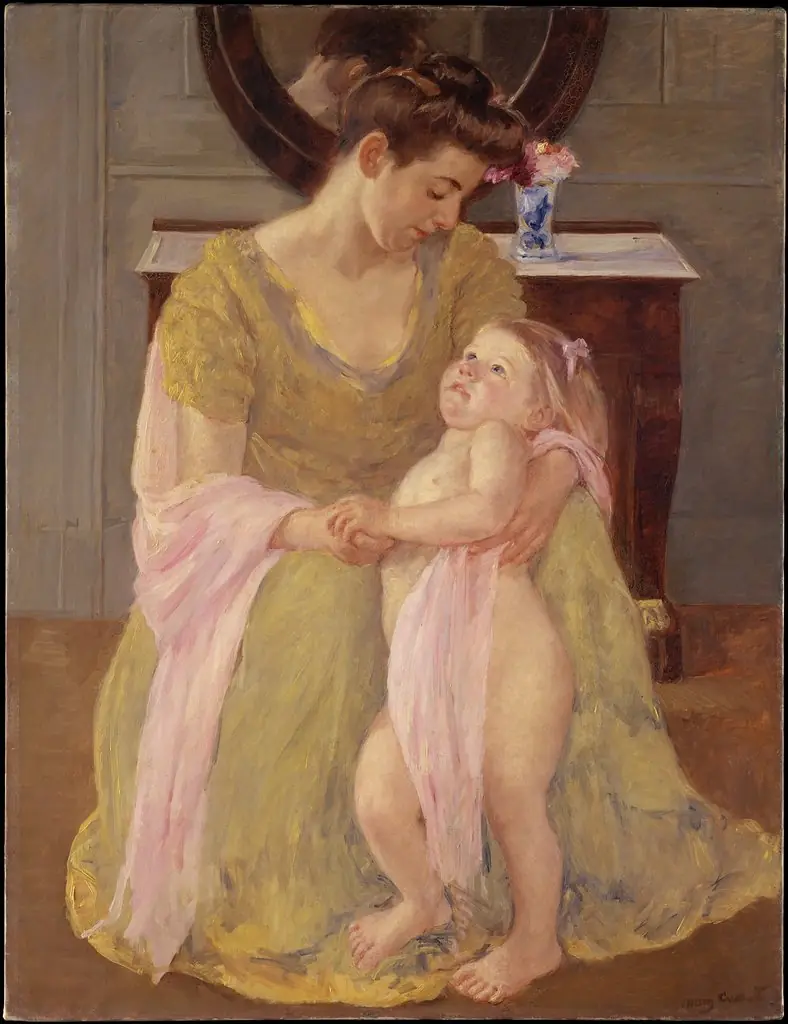 Mother and Child with a Rose Scarf
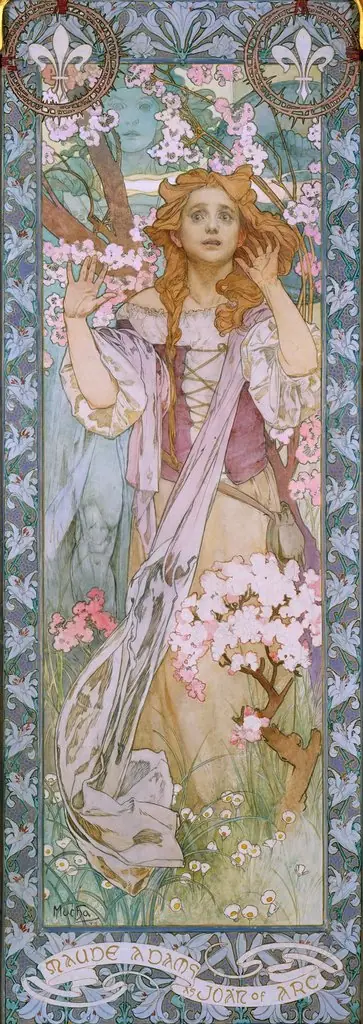 Maude Adams (1872–1953) as Joan of Arc
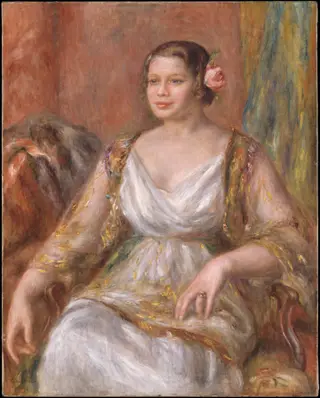 Tilla Durieux
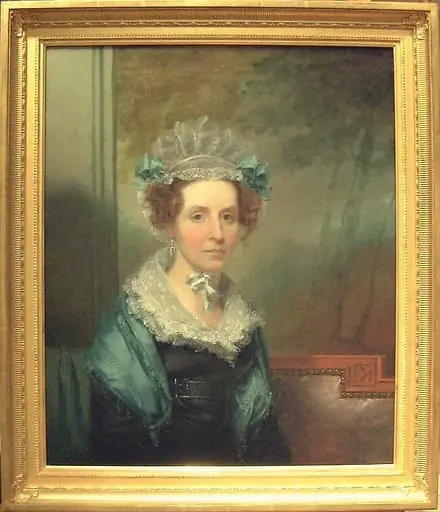 Mrs. Charles Cummings (Rebecca Pittard)
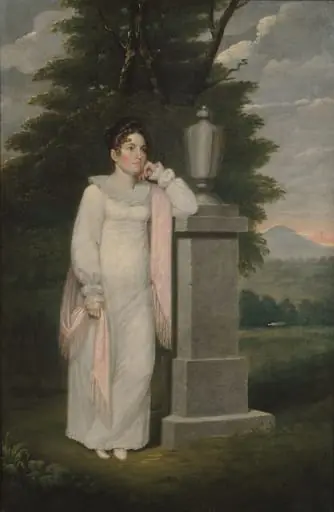 Mrs. Cephas Thompson (Olivia Leonard)
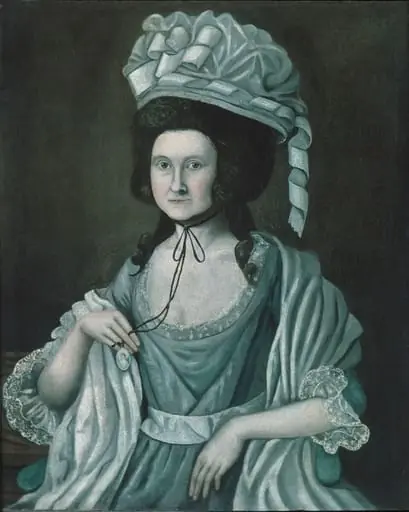 Sally Sanford Perit
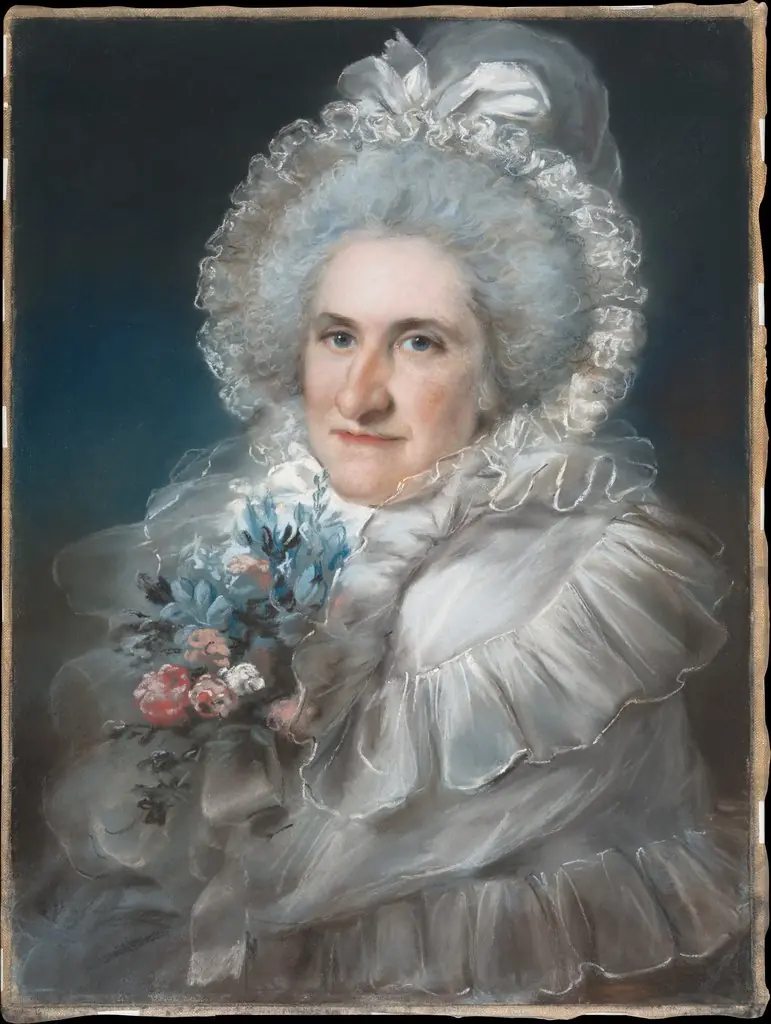 Mrs. William Man Godschall (Sarah Godschall, 1730–1795)
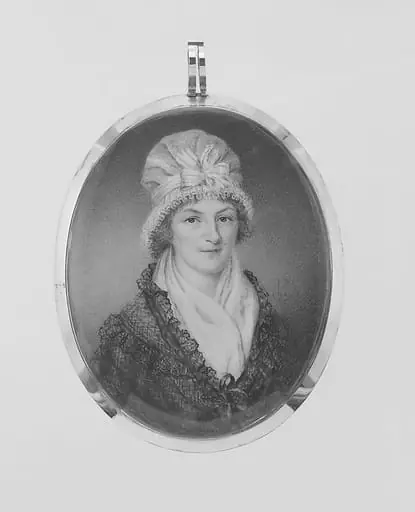 Mrs. Joseph Cooper (Mary Justice)
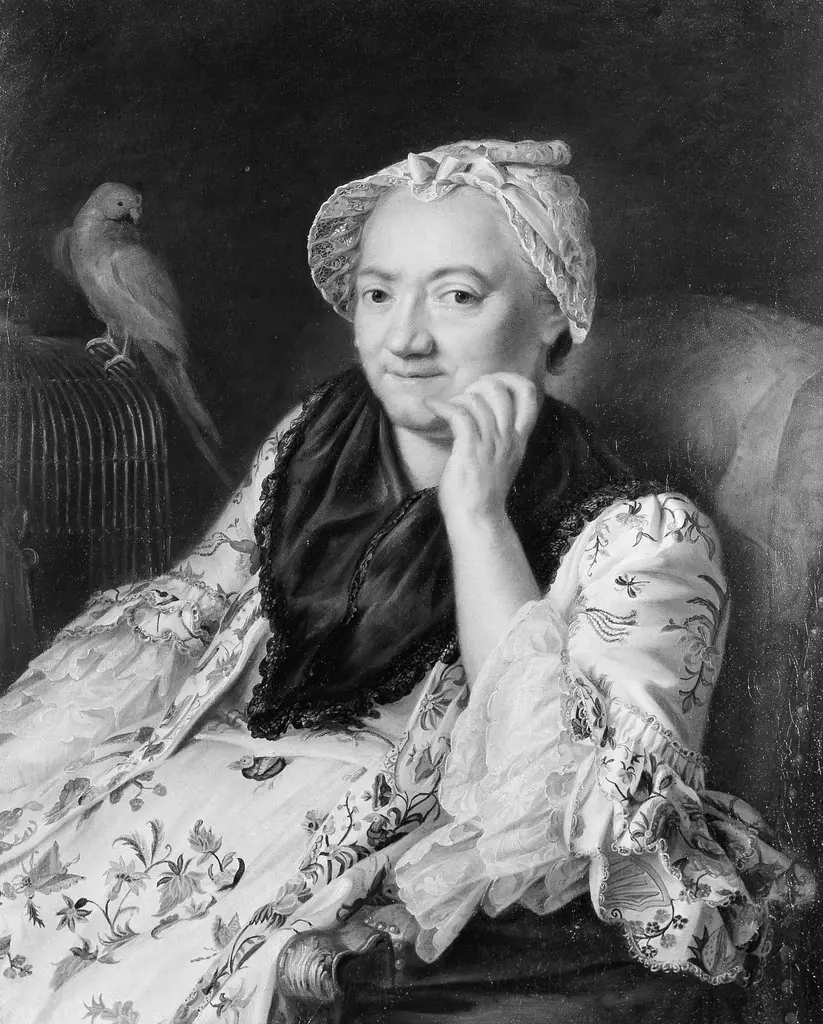 Portrait of a Woman
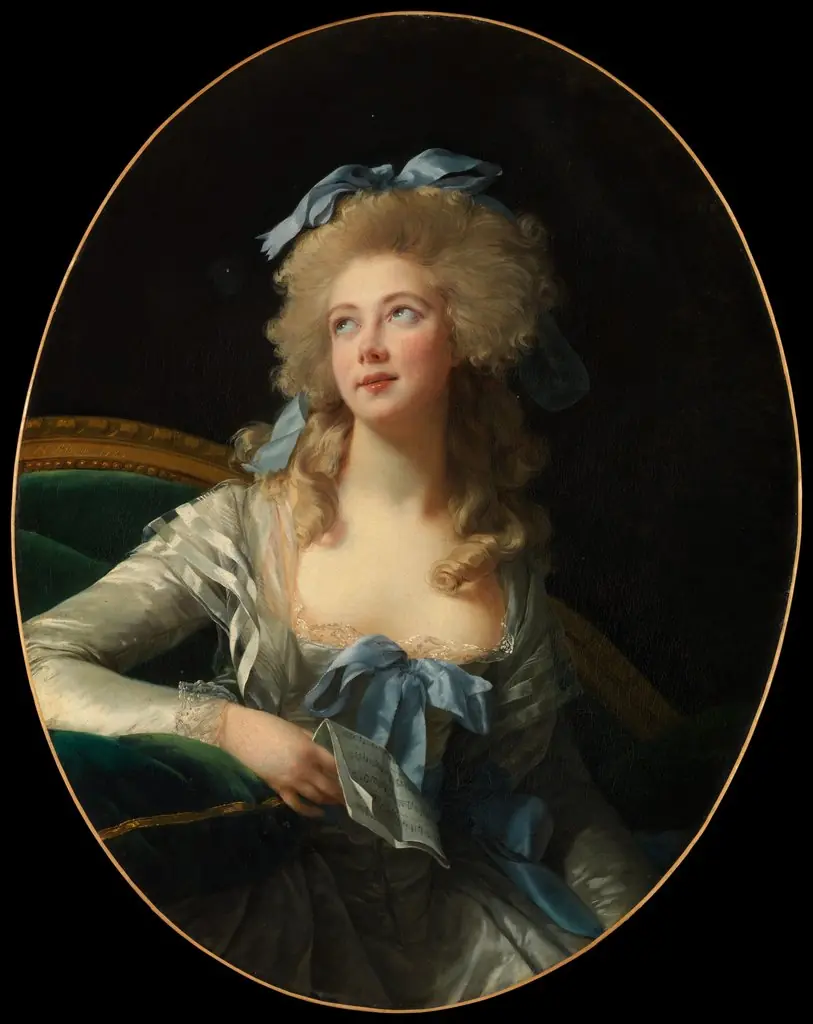 Madame Grand (Noël Catherine Verlée, 1761–1835)
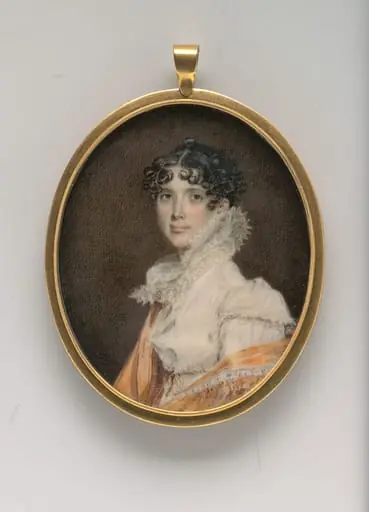 Mrs. Nathaniel Chapman (Rebekah Biddle)
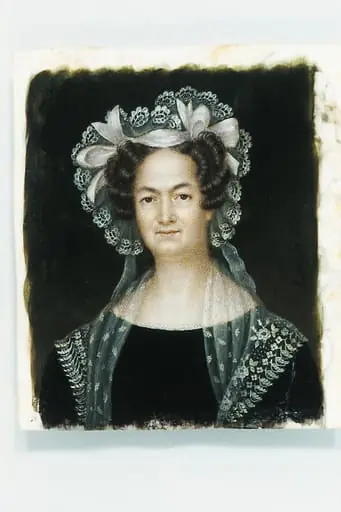 Mrs. Jacob Gerard Koch (Jane Griffith)
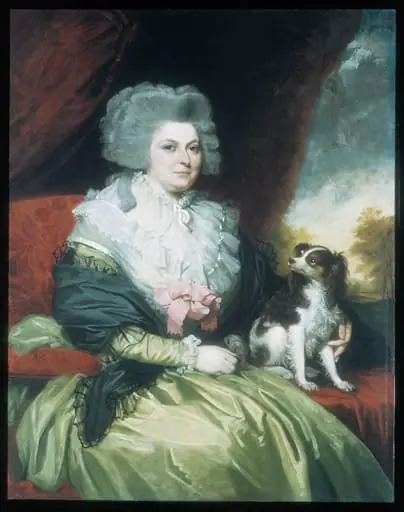 Lady with a Dog
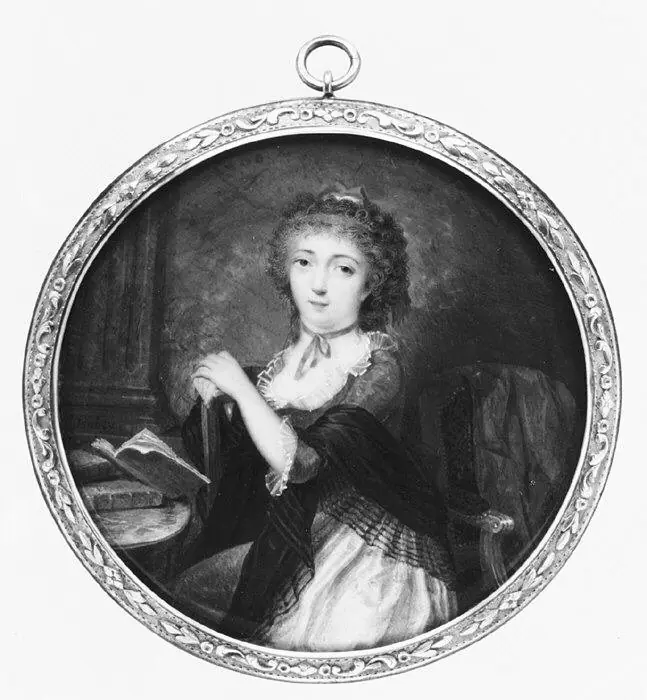 The Reader
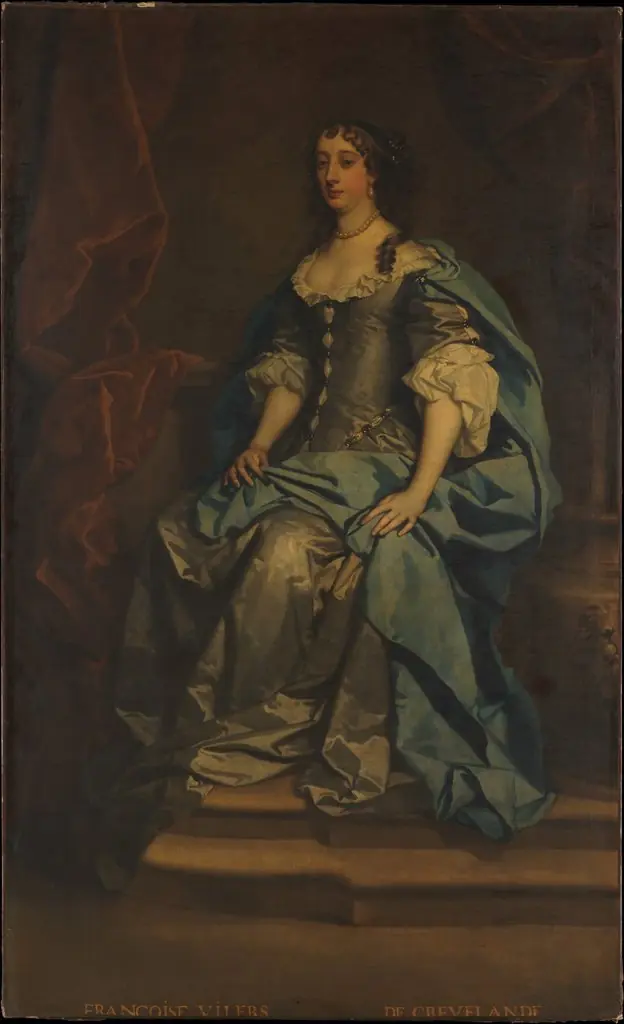 Barbara Villiers (1640–1709), Duchess of Cleveland
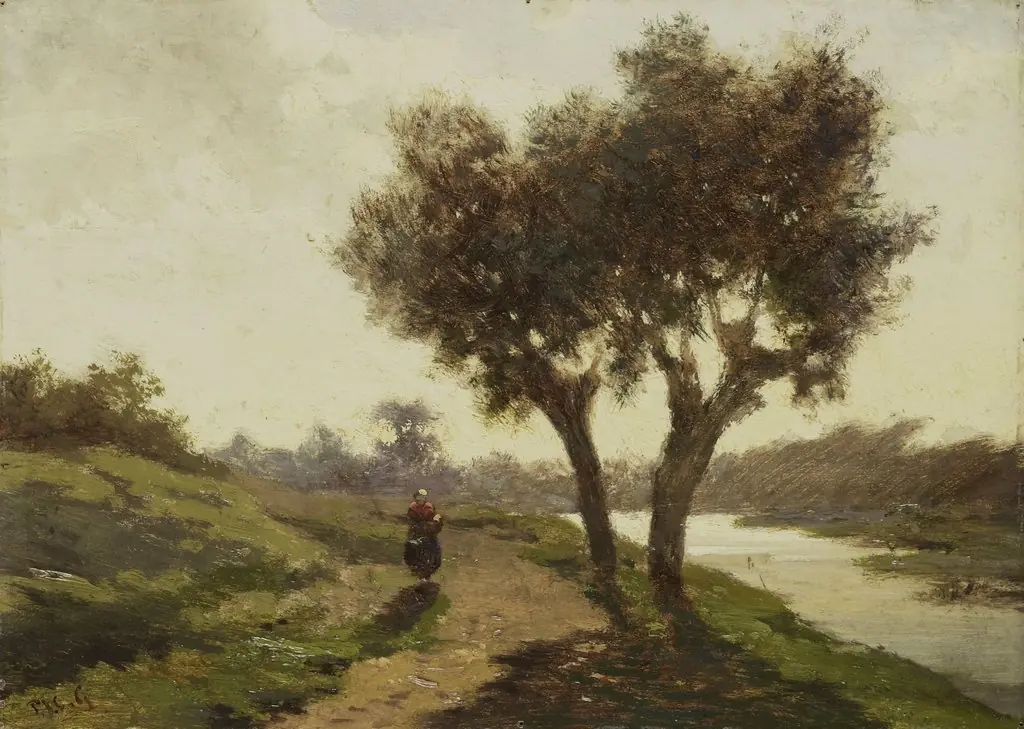 Landscape with two Trees
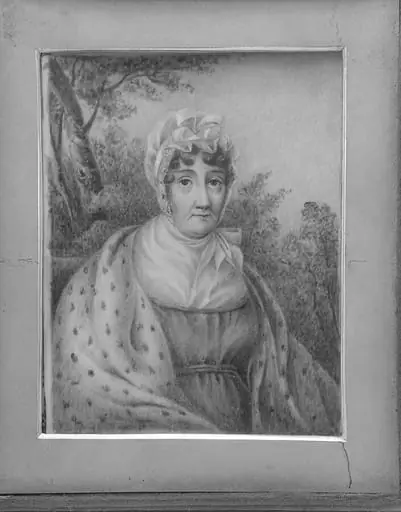 Mrs. Teakes
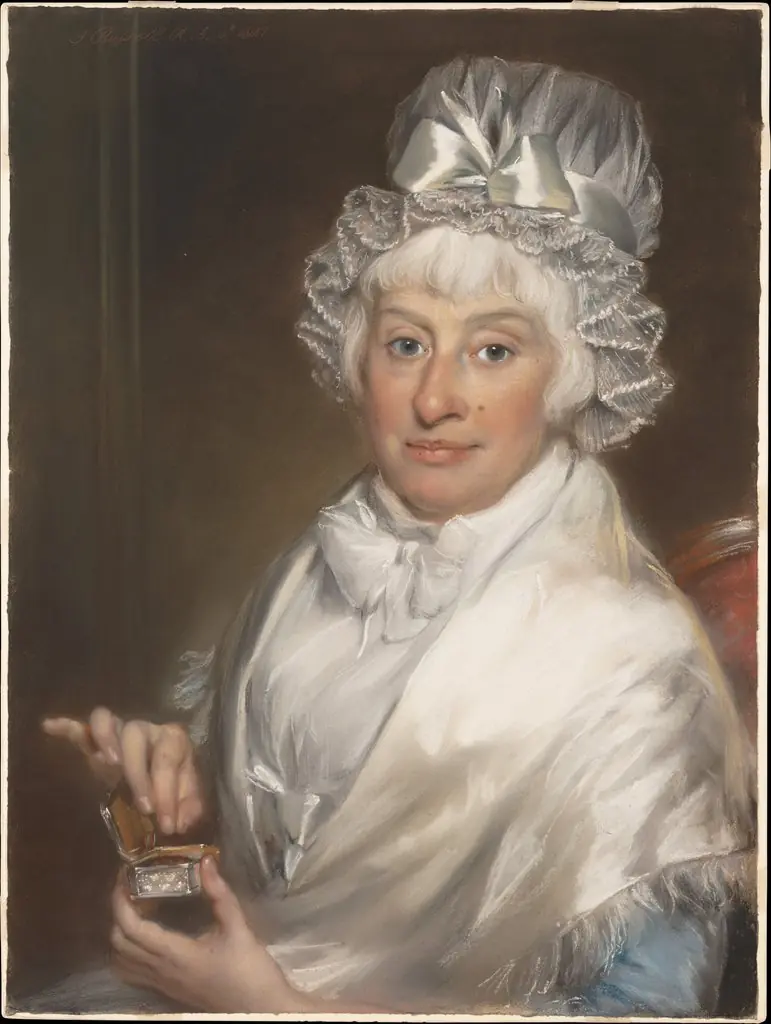 Mrs. Robert Shurlock Sr. (Ann Manwaring)
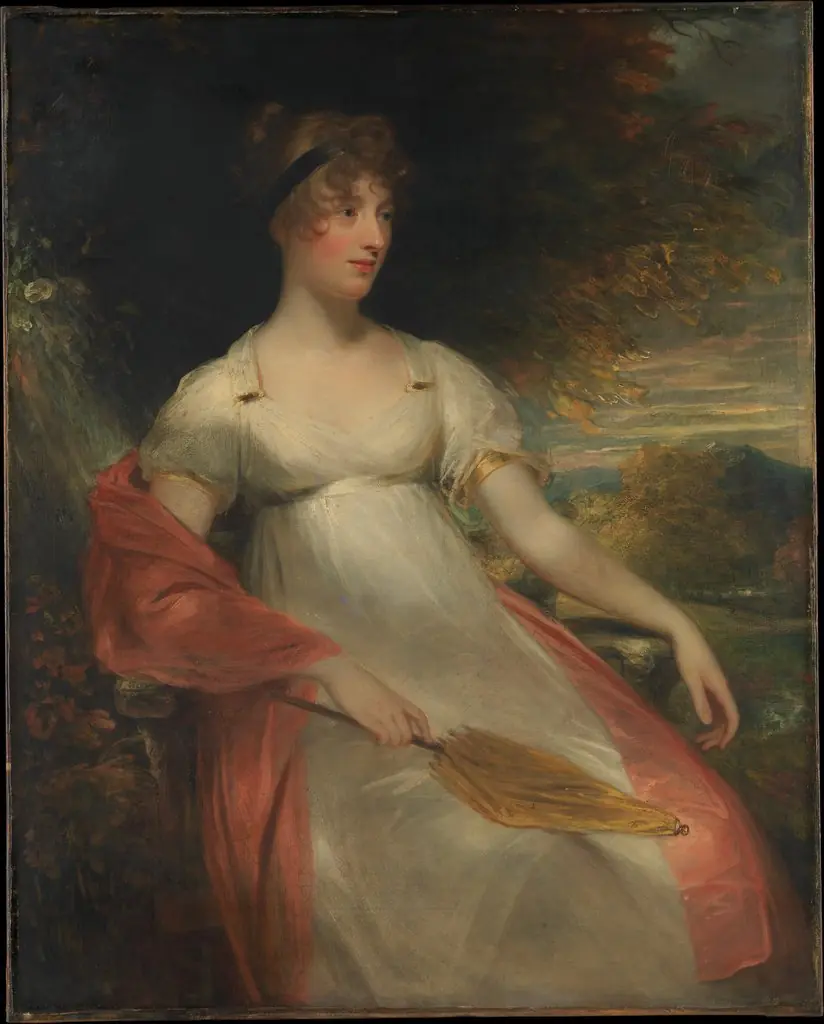 Portrait of a Woman
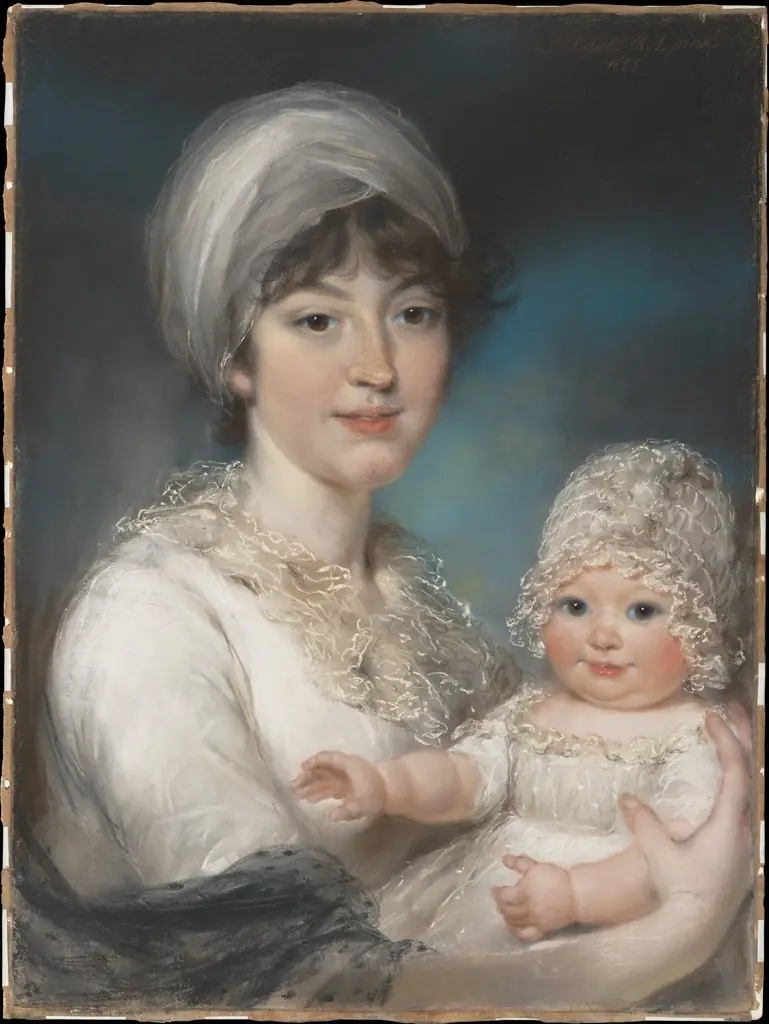 Mrs. Robert Shurlock (Henrietta Ann Jane Russell, 1775–1849) and Her Daughter Ann
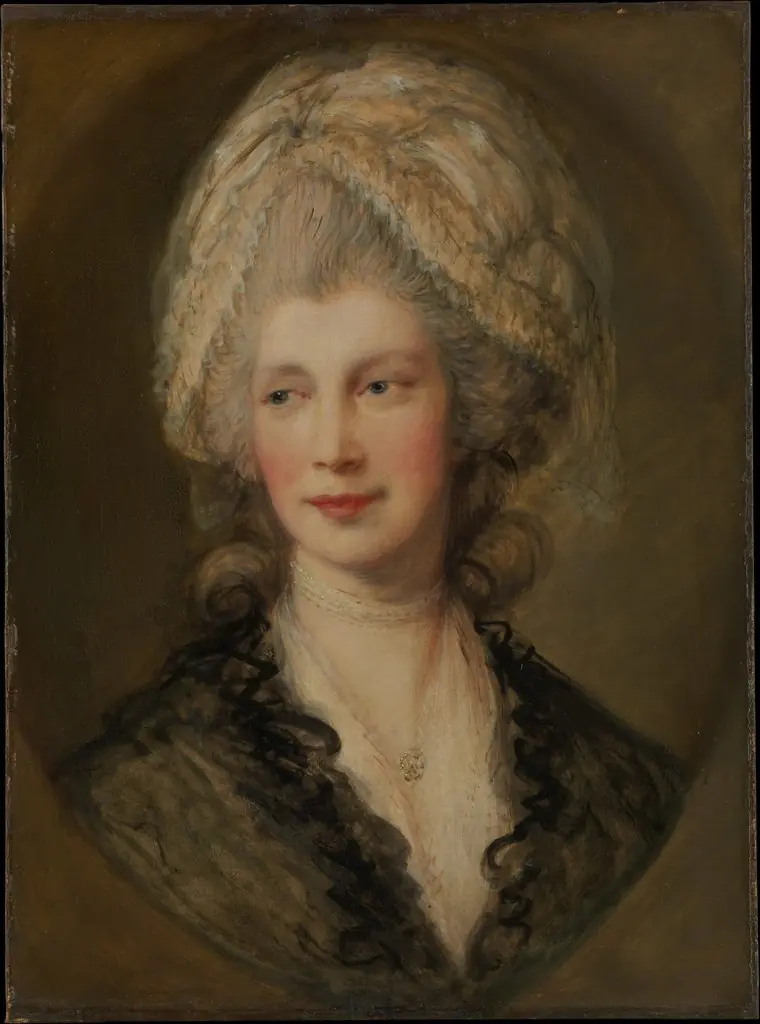 Queen Charlotte
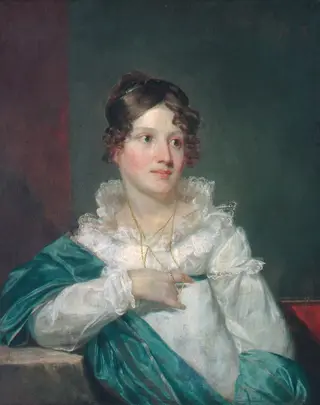 Mrs. Daniel DeSaussure Bacot
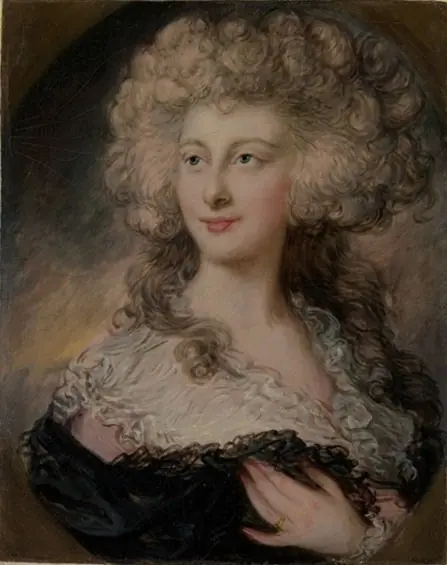 Anne Elizabeth Cholmley (1769–1788), Later Lady Mulgrave
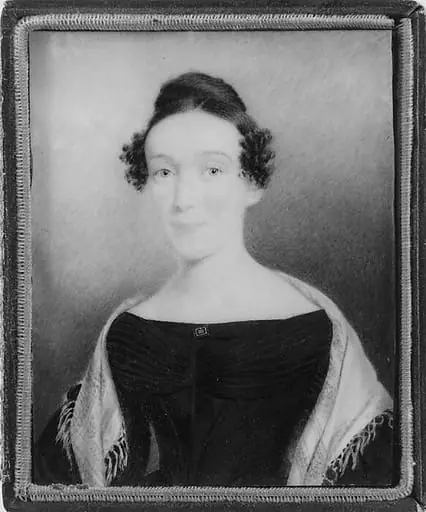 Portrait of a Lady
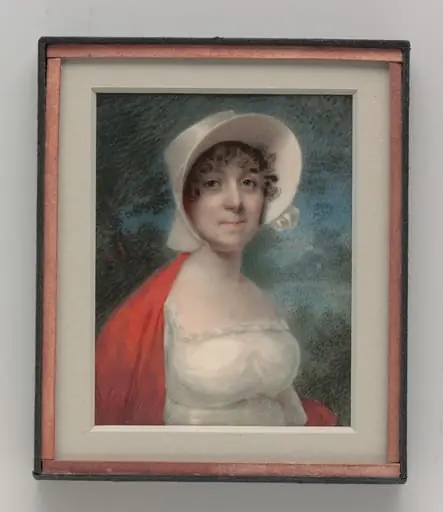 Portrait of a Lady
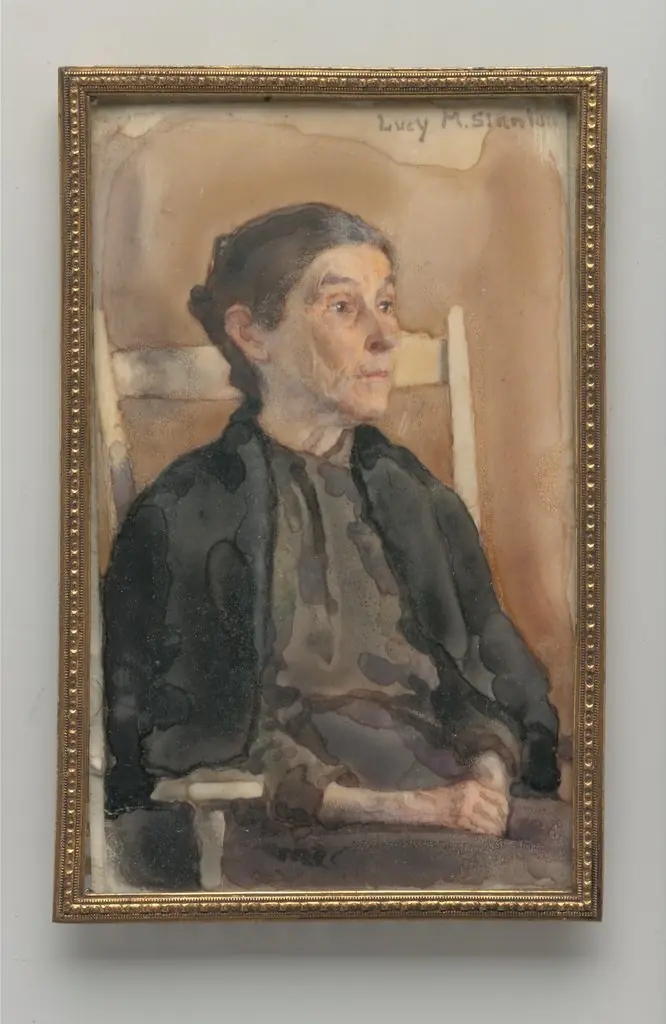 A North Carolina Mountain Woman
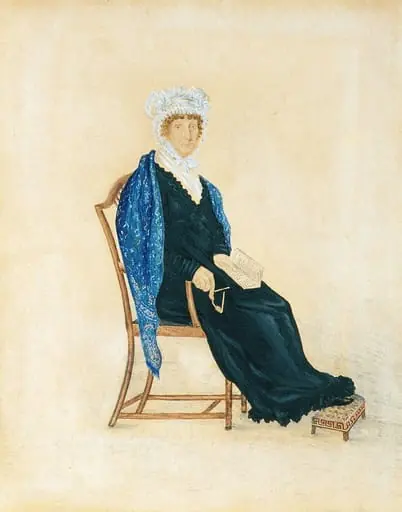 Portrait of Mrs. Crofts
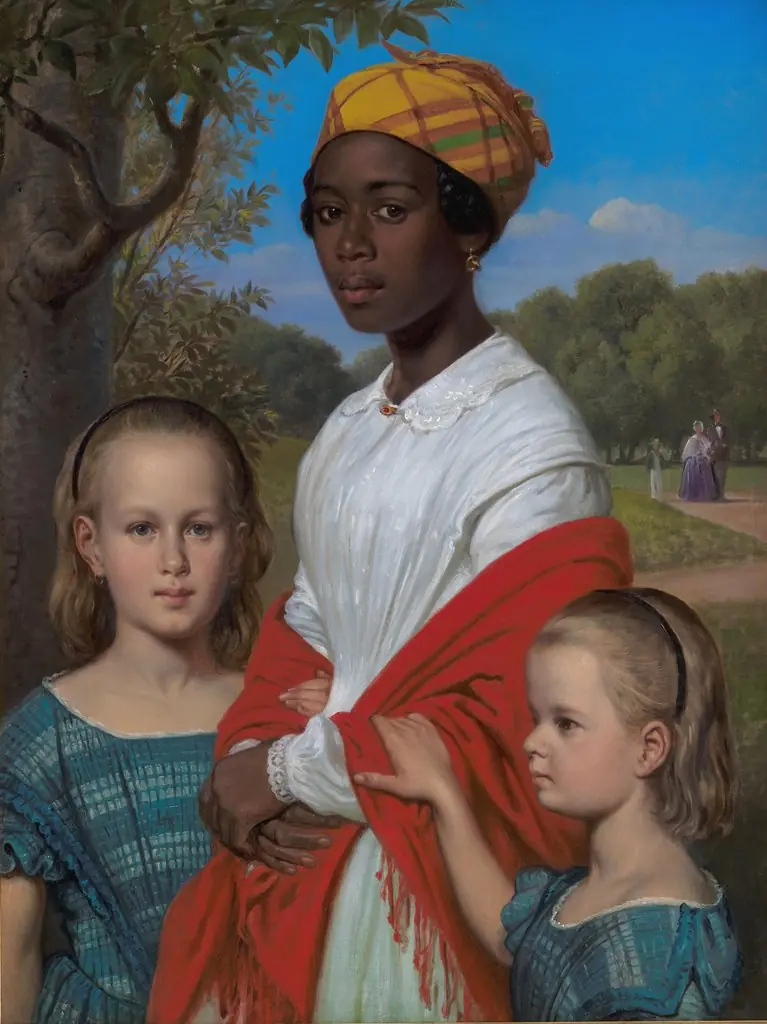 Portrait of Otto Marstrand's two daughters and their nanny
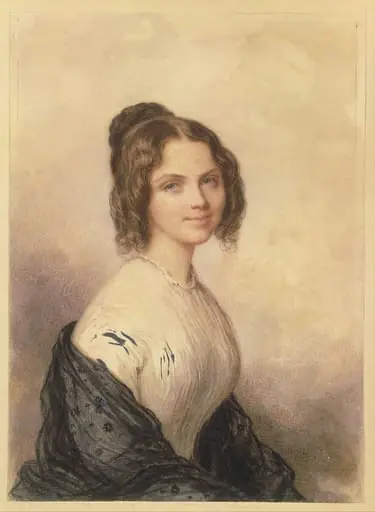 Anne Charlotte Lynch (Later Mrs. Vincenzo Botta)
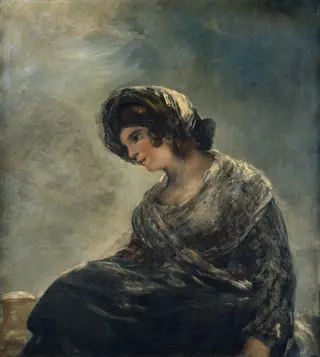 The Milkmaid of Bordeaux
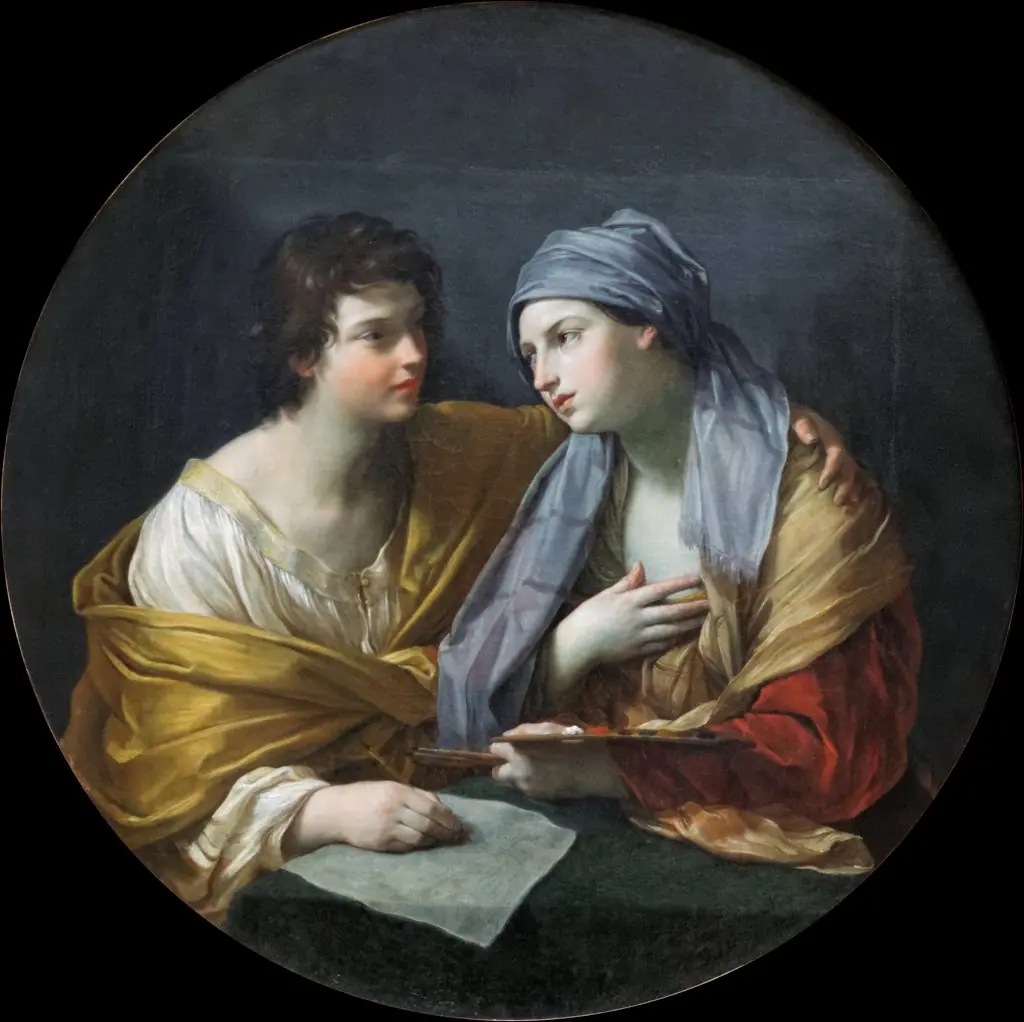 The Union of Drawing and Color
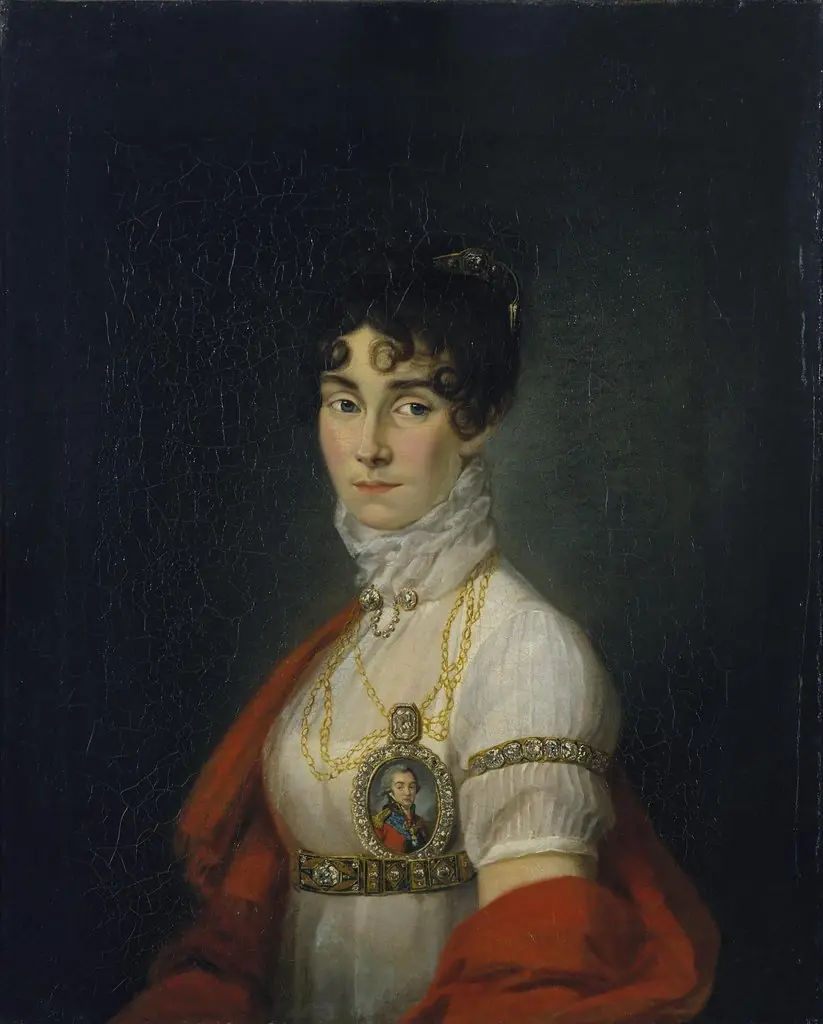 Portrait of Praskovia Kovalyova-Zhemchugova, Countess Sheremeteva (1768-1803)
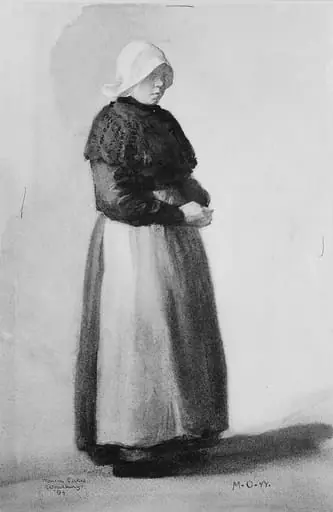 Dutch Woman
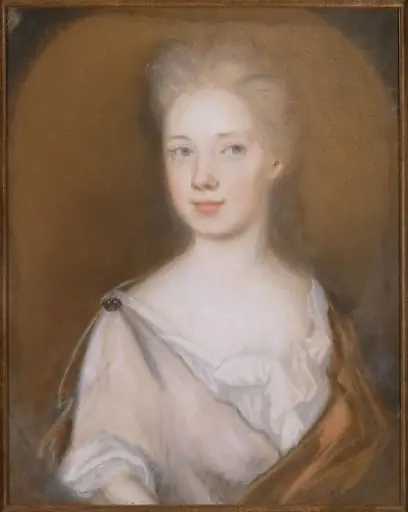 Mrs. Pierre Bacot (Marianne Fleur Du Gue)
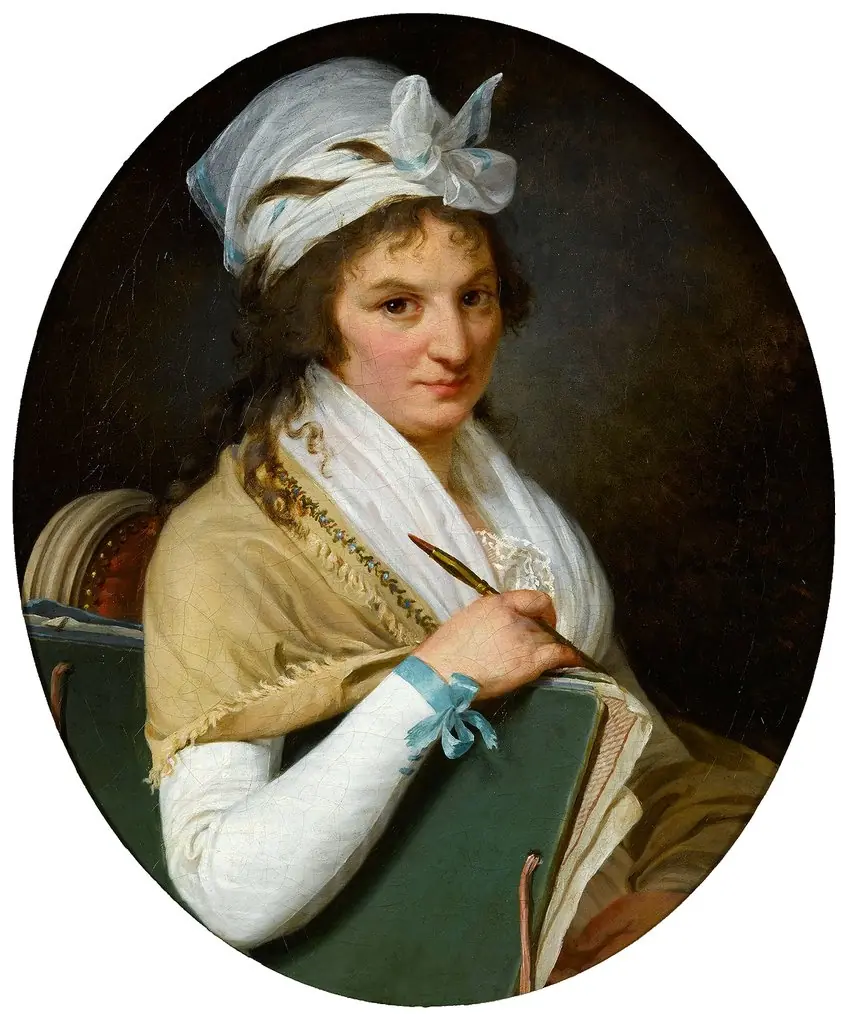 Self-portrait
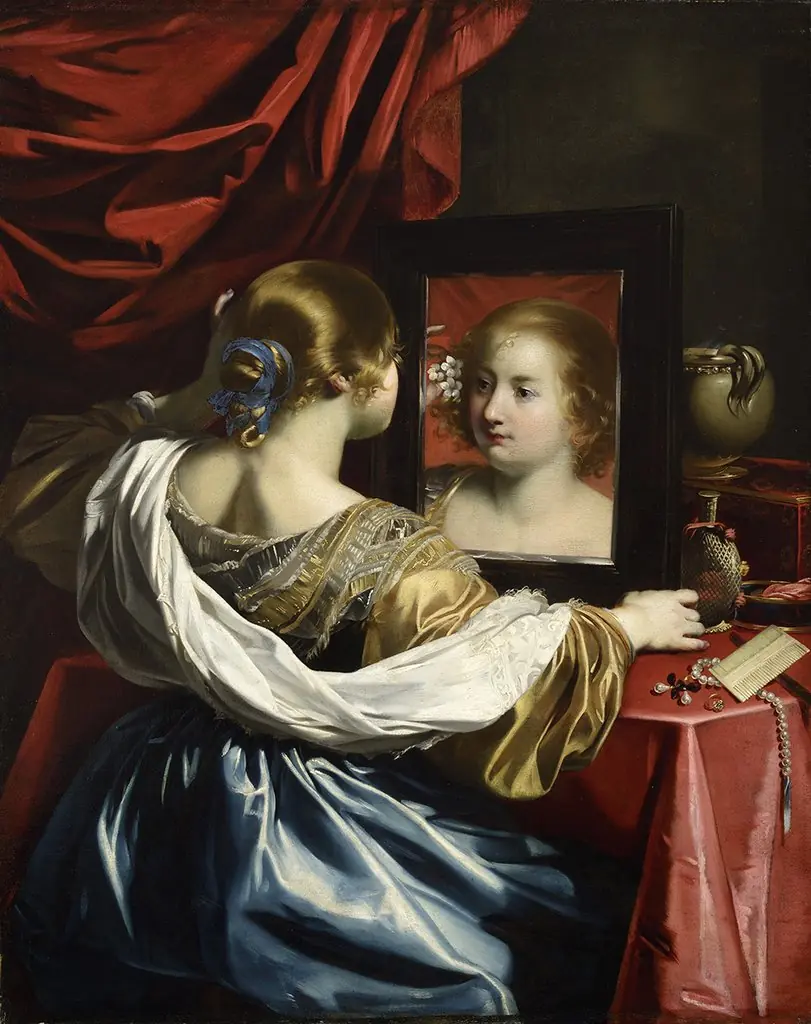 Vanity
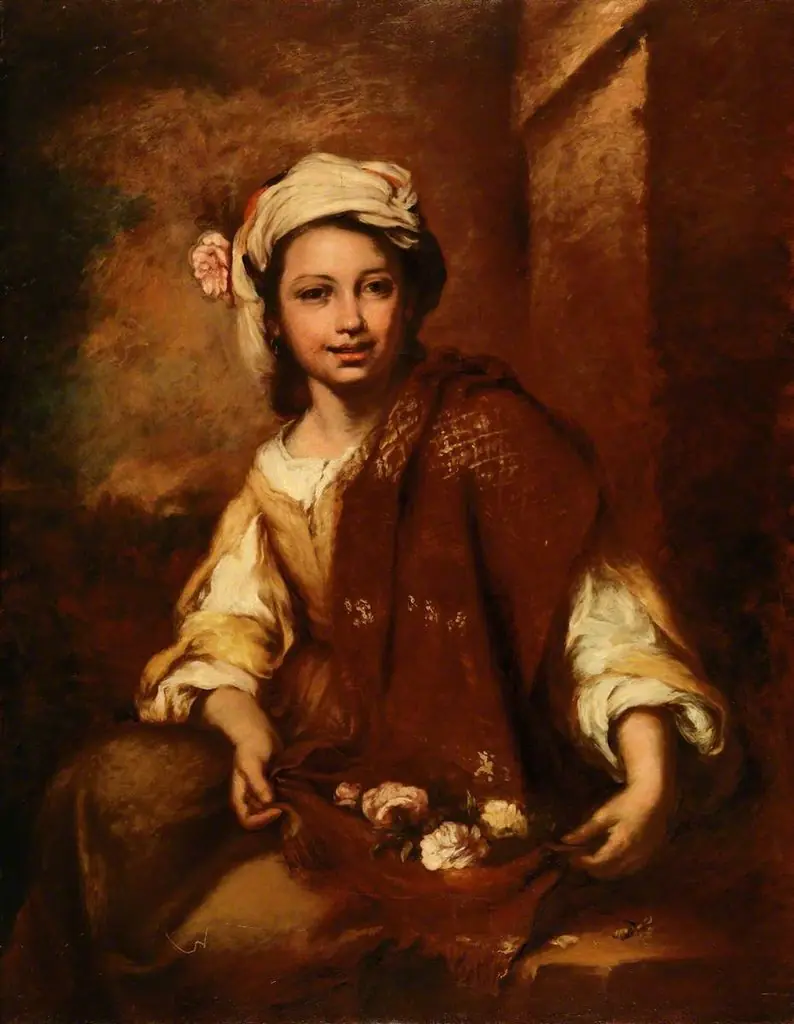 The Flower Girl
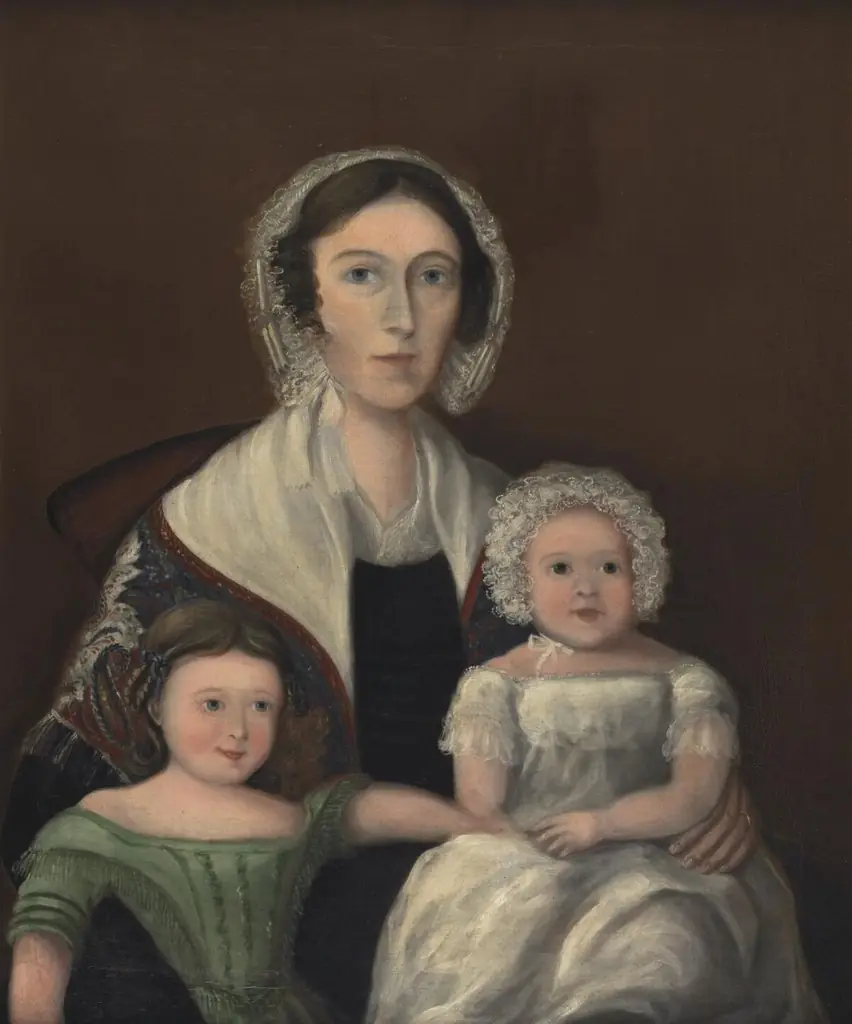 Margaret Rowlands & her children
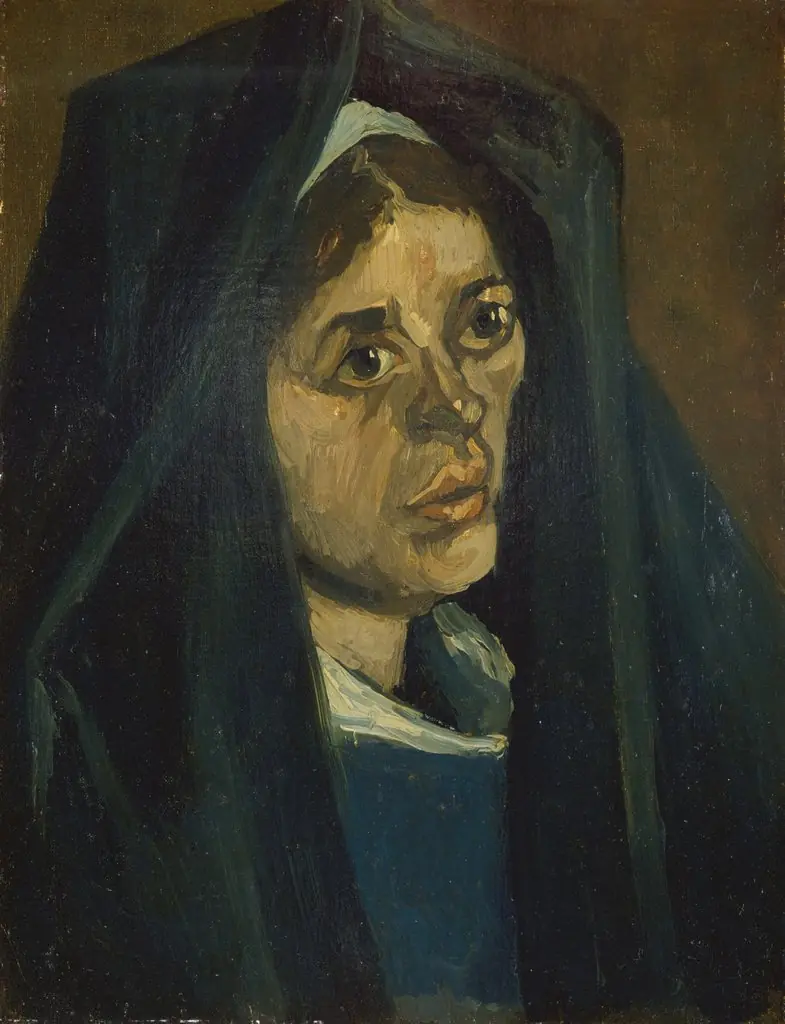 Head of a Peasant Woman with Green Shawl
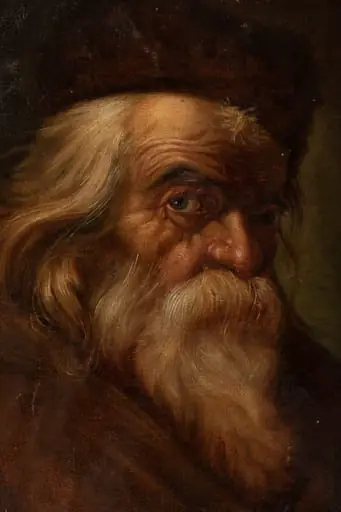 Un rus bătrân
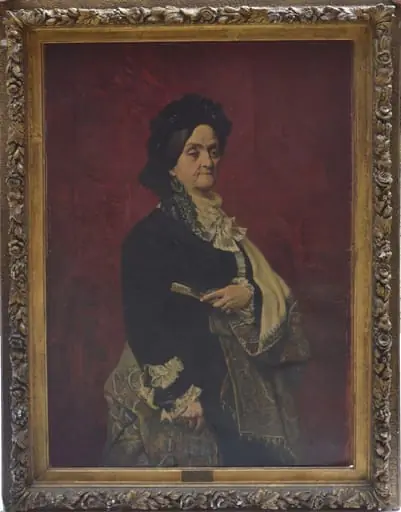 Portret (de) femeie
 Portret
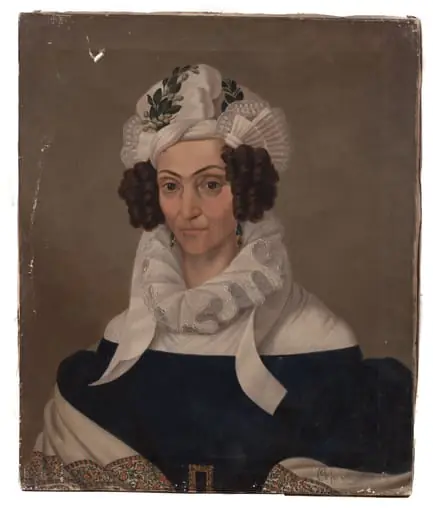 Logofeteasa Safta Cantacuzino (copie după Stawski)
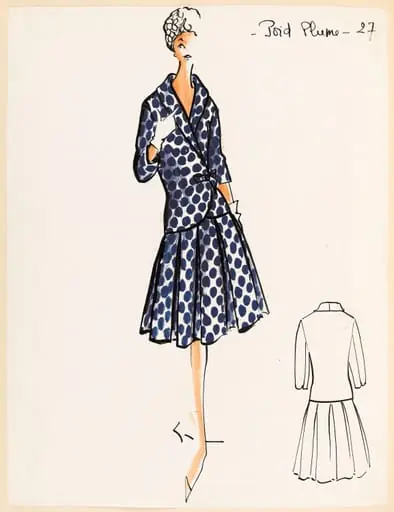 Poid plume
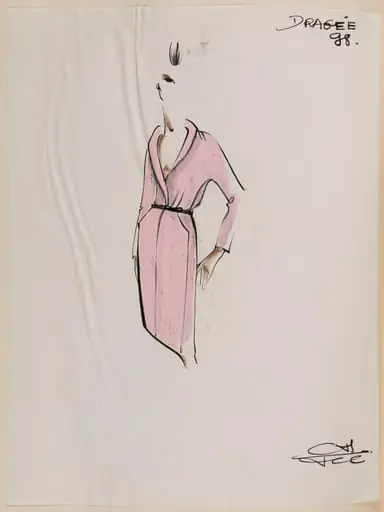 Dragée
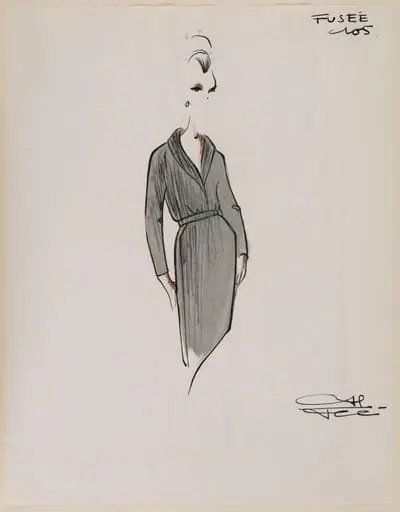 Fusée
Fusée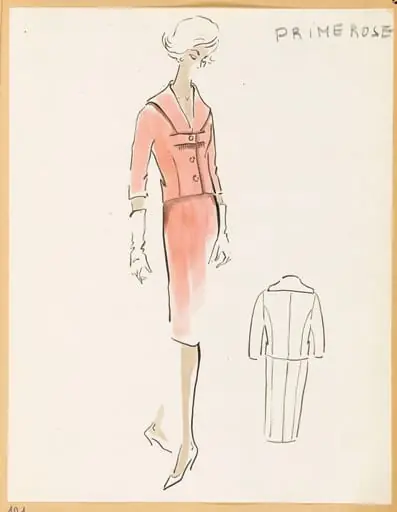 Primerose
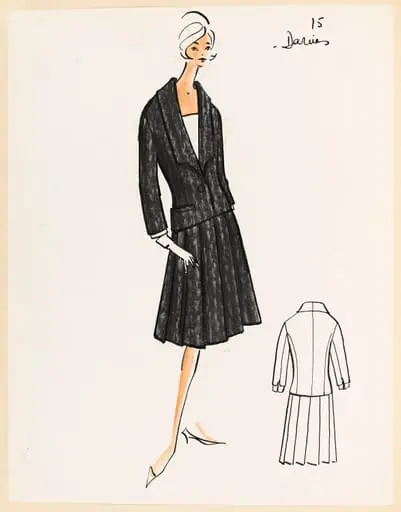 Darius
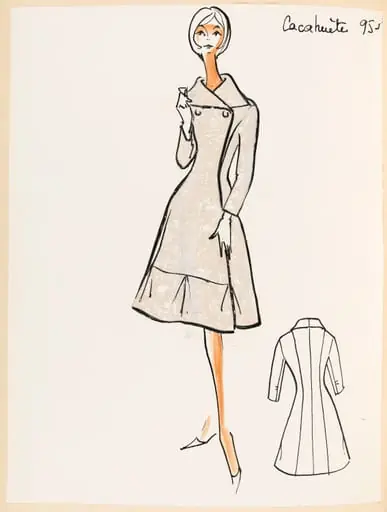 Cacahuète
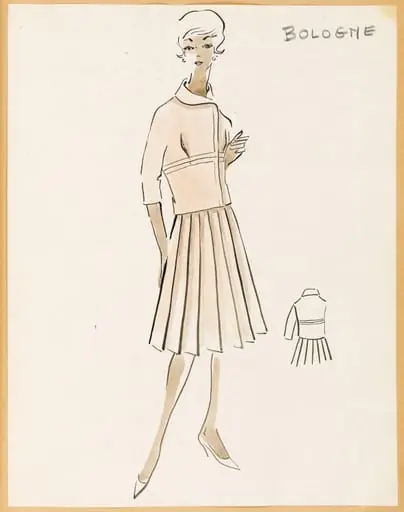 Bologne
 Maria Antoniu Catargi
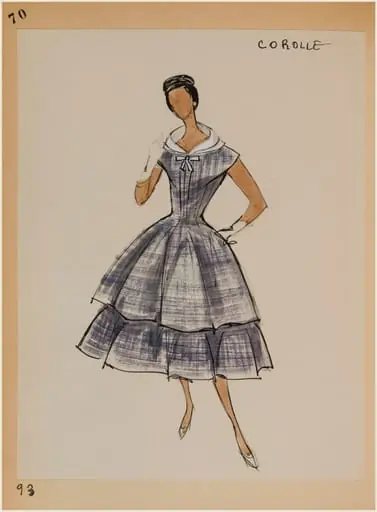 Corolle
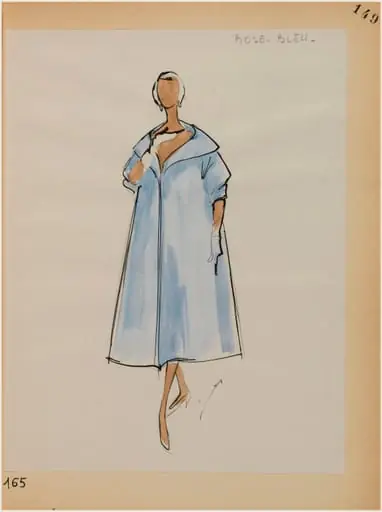 Rose bleu
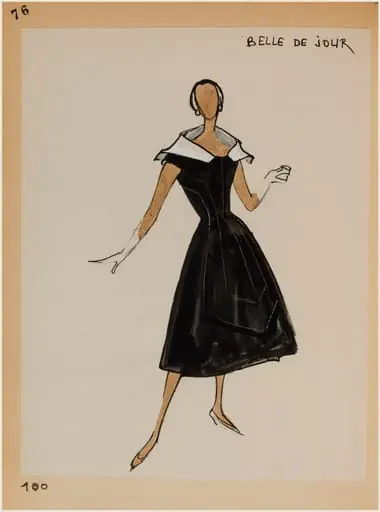 Belle de jour
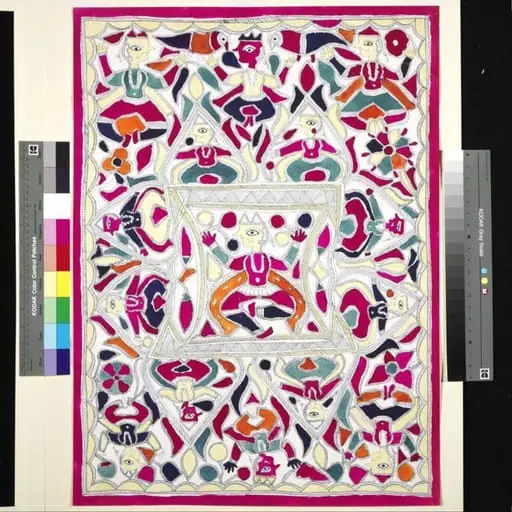 Untitled
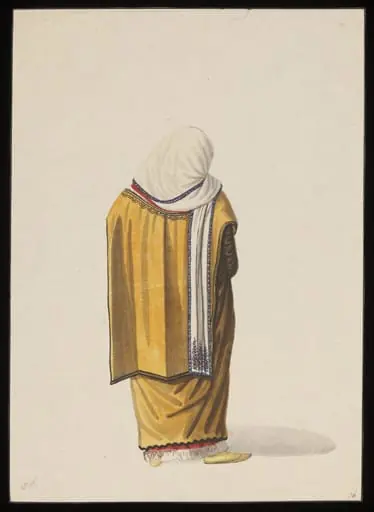 A Turkish woman, seen from the back
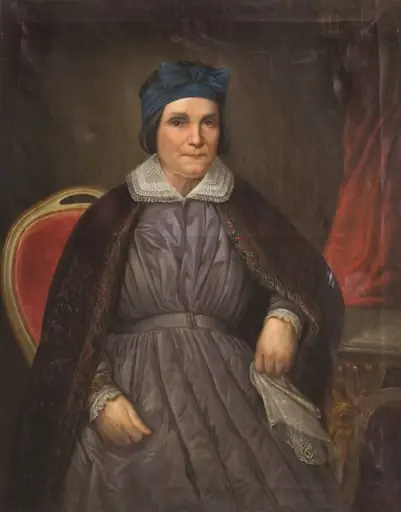 Portret de femeie
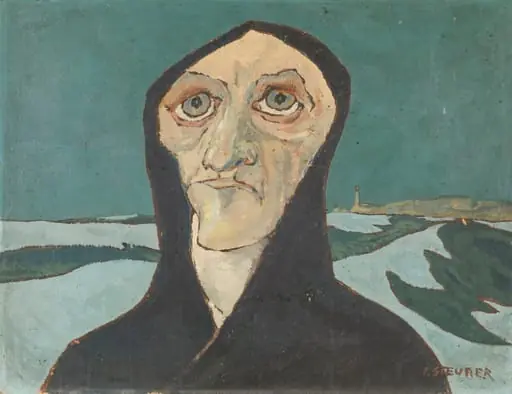 Portret de femeie
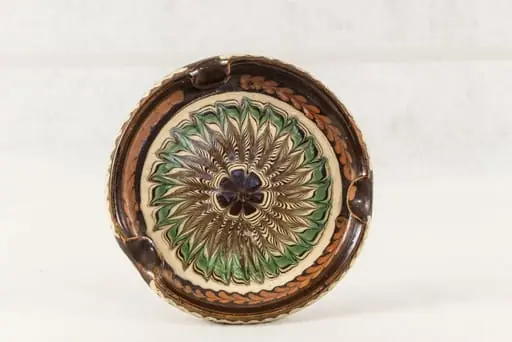 Vas de formă rotundă, smălțuit în interior, cu o buză ușor înălțată, teșită în trei locuri, decorat pe suprafața interioară prin tehnica jirăvitului cu gaița, cu motivele floarea, coada de cocoș și spicul de grâu. Pe marginea exterioară apare motivul vălurelul (șalul). Cromatică: negru, verde, alb, maro, cărămiziu.
Frequently asked questions
What is Shawl?
Shawl is a subject in art. A shawl (from Persian: شال shāl) is a simple item of clothing, loosely worn over the shoulders, upper body and arms, and sometimes also over the head.
How many Shawl works does Artifact World Gallery have?
Artifact World Gallery holds 66 public-domain Shawl works, all free to view and download.
Who are the key Shawl artists?
Key Shawl artists in the collection include Jacques-Louis David, William Sidney Mount and Pierre-Auguste Renoir.
Where can I see Shawl works?
Shawl works in the collection are held by Metropolitan Museum of Art, Palais Galliera - Musée de la Mode de la Ville de Paris and Moldova National Museum Complex.