Artwork
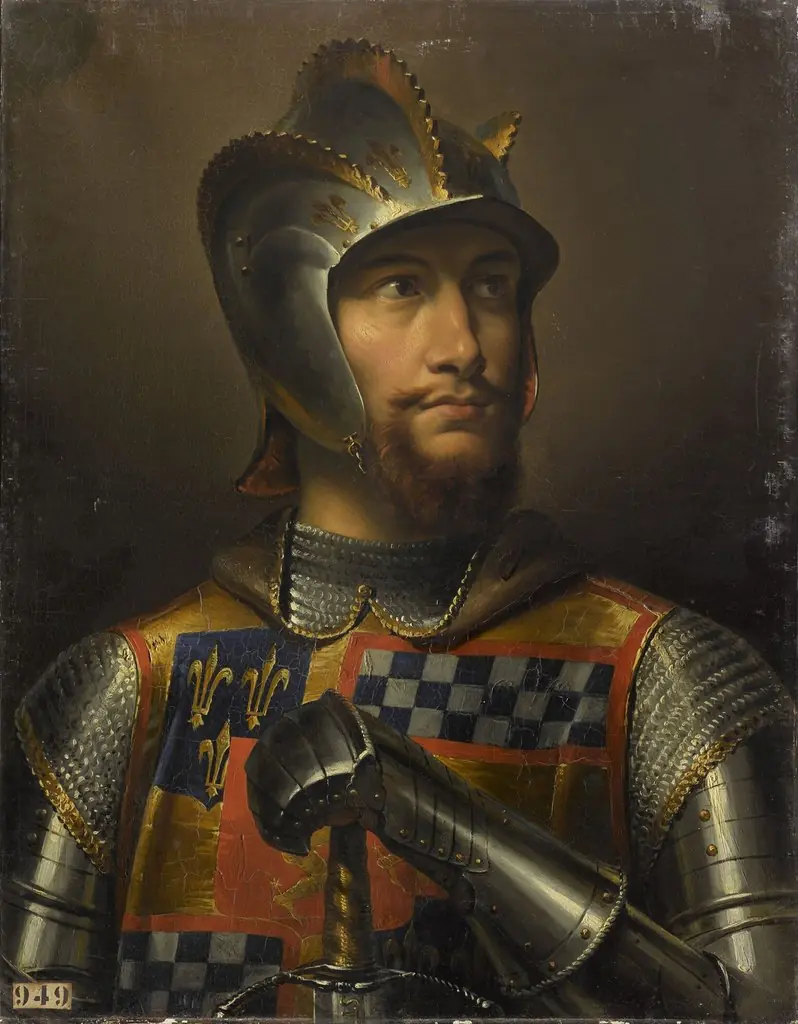
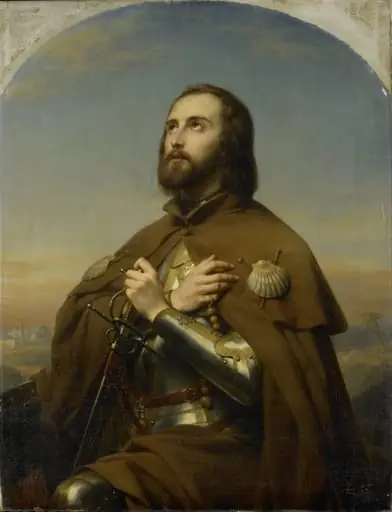
Eberhard (1445-96), Duke of Würtemberg, as a Pilgrim in the Holy Land
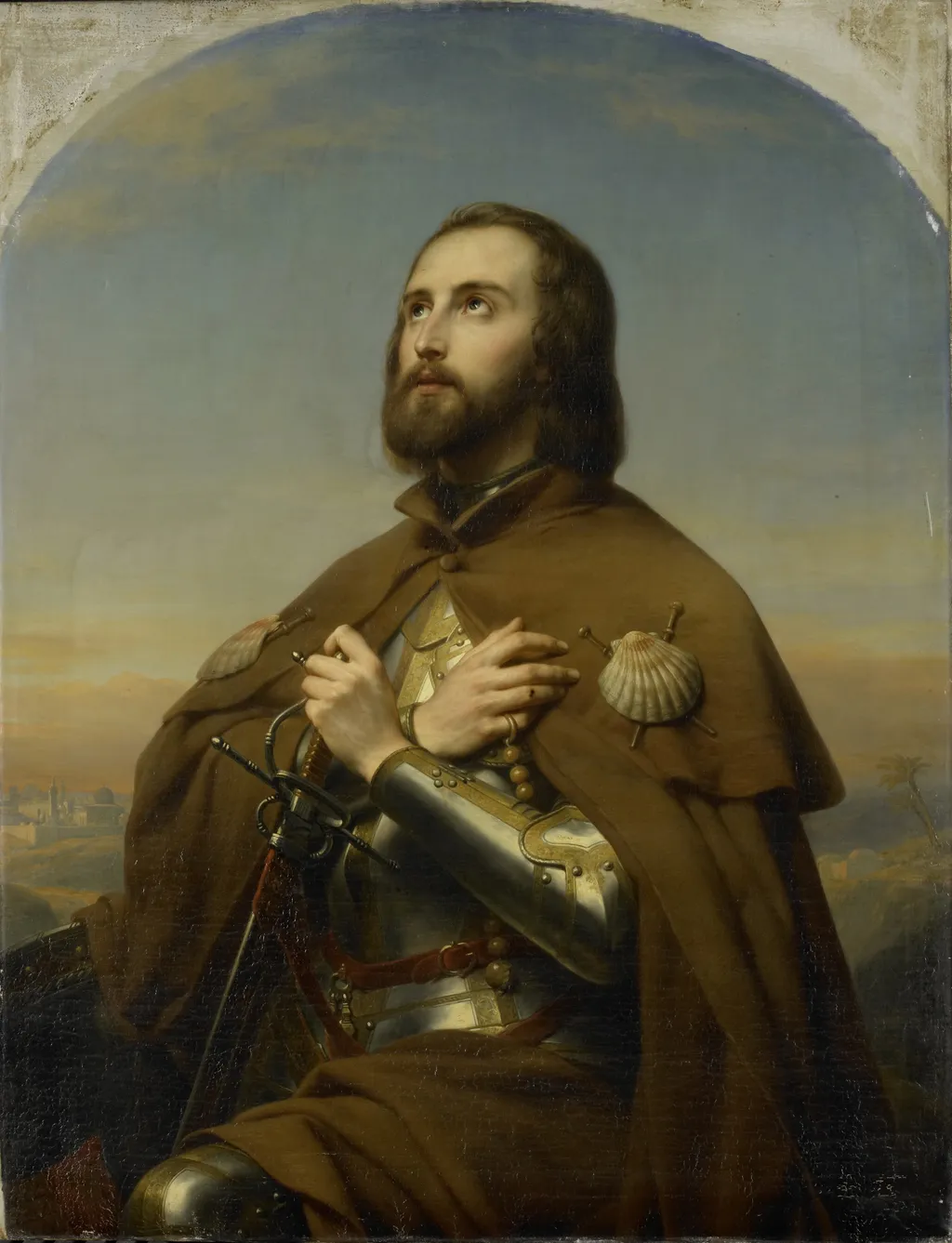
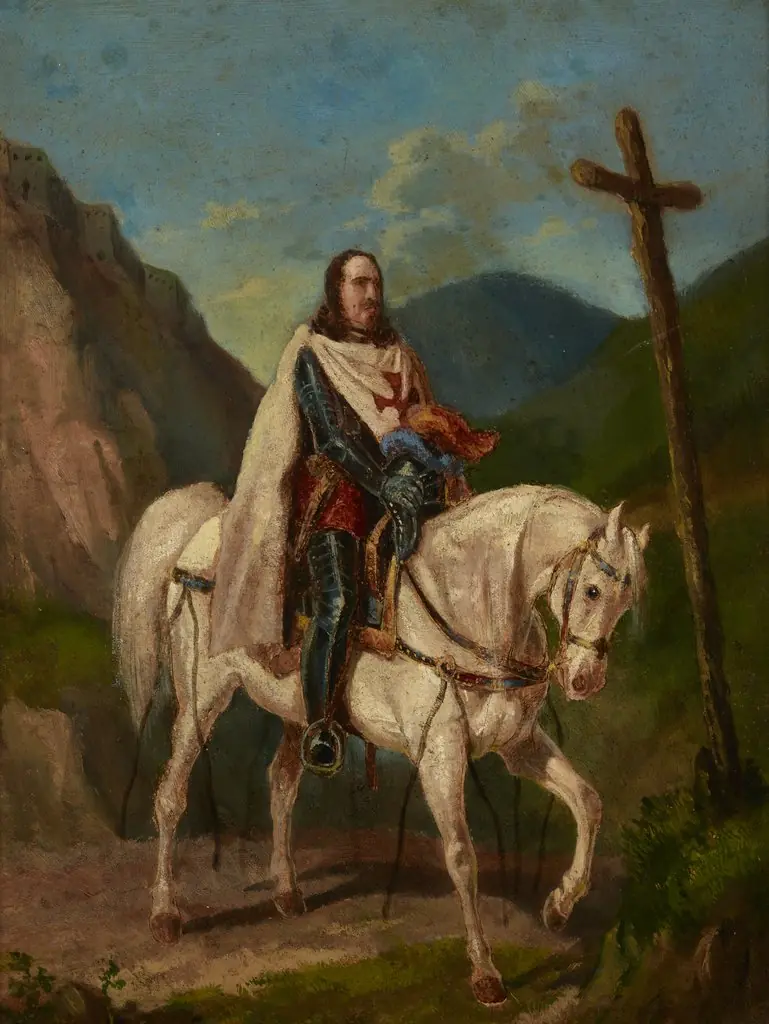
Eberhard (1445-96), Duke of Würtemberg, as a Pilgrim in the Holy Land is an oil painting by Nicaise De Keyser. It dates from 1846 and is held in the collection of the Rijksmuseum.
About this work
Subject & Meaning
The work thereby commemorates Eberhard as a pious ruler whose journey to the Holy Land was a defining expression of his faith and personal identity.
The painting is a portrait of Eberhard I, Duke of Württemberg (1445–1496), presented in the guise of a pilgrim who has travelled to the Holy Land. By depicting the late-medieval duke in pilgrim's guise, Nicaise de Keyser evokes the historical tradition of noble Holy Land pilgrimage, framing the sitter as a devout traveller to sacred Christian sites. The work thereby commemorates Eberhard as a pious ruler whose journey to the Holy Land was a defining expression of his faith and personal identity.
The portrait genre, combined with the pilgrim iconography, signals both commemoration and idealization: the duke is shown not in contemporary 15th-century court dress but in the timeless garb of a pilgrim, emphasizing his spiritual devotion and his historical association with the Crusading-era Württemberg ducal line over his secular rank.
Technique & Style
Created in 1846, the work is an oil painting executed on a canvas support. The composition functions as a portrait, depicting Eberhard I, Duke of Württemberg, in the guise of a pilgrim within the Holy Land. The physical dimensions of the canvas measure 126 cm in height and 101 cm in width.
As a painted portrait from the mid-19th century, the piece utilizes traditional oil techniques to render the historical subject.
History & Provenance
The painting was created in 1846 by Nicaise De Keyser as a portrait of Eberhard I, Duke of Württemberg, depicted as a pilgrim in the Holy Land. It is executed in oil paint on canvas. The work subsequently entered the collection of Adriaan van der Hoop, and is now held jointly by the Rijksmuseum and the Amsterdam Museum.
No information is available in the provided sources regarding the original commission, circumstances of creation, or intermediate ownership between the artist and van der Hoop.
Context
Critical reception of the work has been limited, with few contemporary reviews surviving. Scholarship situates the painting within Nicaise De Keyser's oeuvre as an example of 19th-century historicist portraiture that blends Romantic nationalism with academic precision. The artist, active in Belgium until his death in 1887, frequently depicted historical and aristocratic figures, reflecting the era's interest in national heritage.
The work's placement in both the Rijksmuseum and Amsterdam Museum collections underscores its significance within Dutch and Flemish cultural institutions, while its provenance from Adriaan van der Hoop's collection highlights 19th-century private patronage patterns.
Overview
Nicaise De Keyser’s 1846 oil painting presents Eberhard I, Duke of Württemberg (1445–1496), in the guise of a pilgrim. The work, now part of the Rijksmuseum’s collection, combines portraiture with historical narrative, a hallmark of De Keyser’s output within the Belgian Romantic‑historical tradition.
Own this work as a print
Artist & collection
Artist
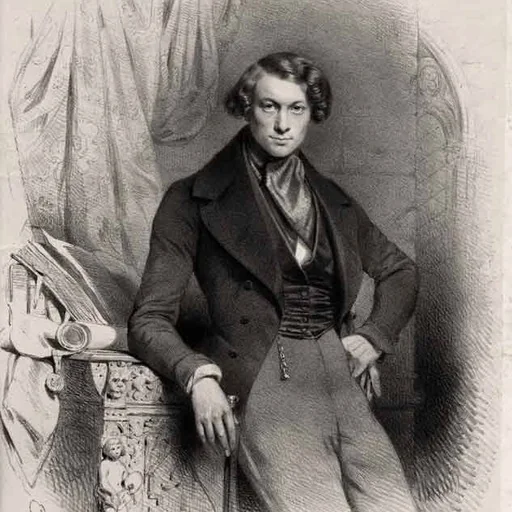
Nicaise de Keyser (alternative first names: Nicaas, Nikaas of Nicasius; 26 August 1813, Zandvliet – 17 July 1887, Antwerp) was a Belgian painter of mainly history paintings and portraits who was one of the key figures…

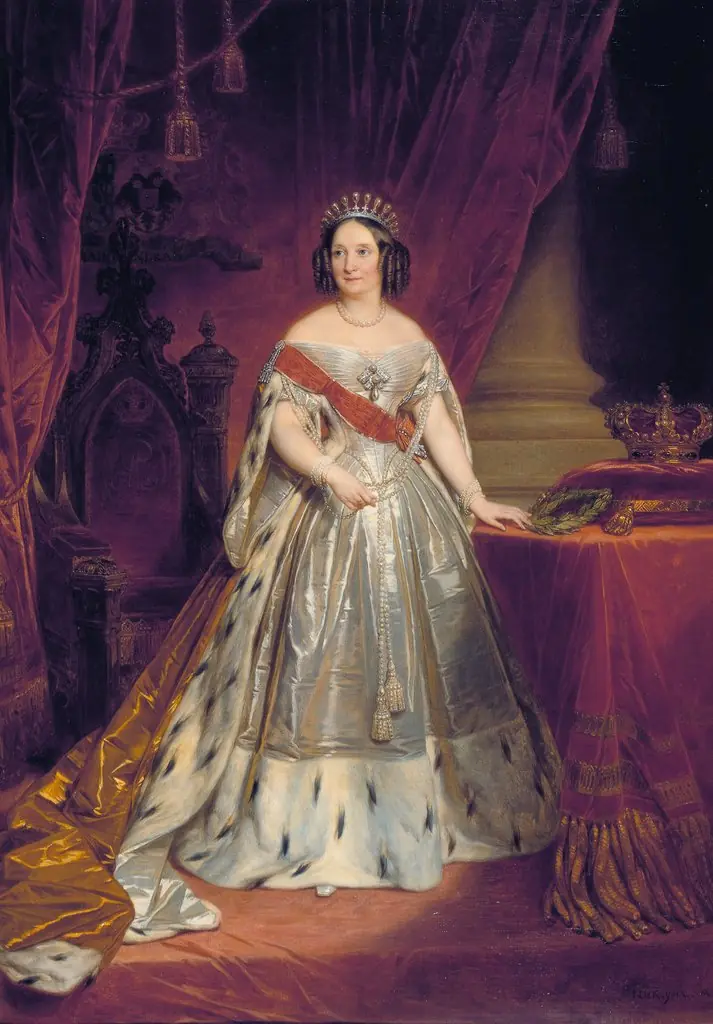 Portrait of Grand Princess Anna Pavlovna
- Eberhard (1445-96), Duke of Würtemberg, as a Pilgrim in the Holy Land
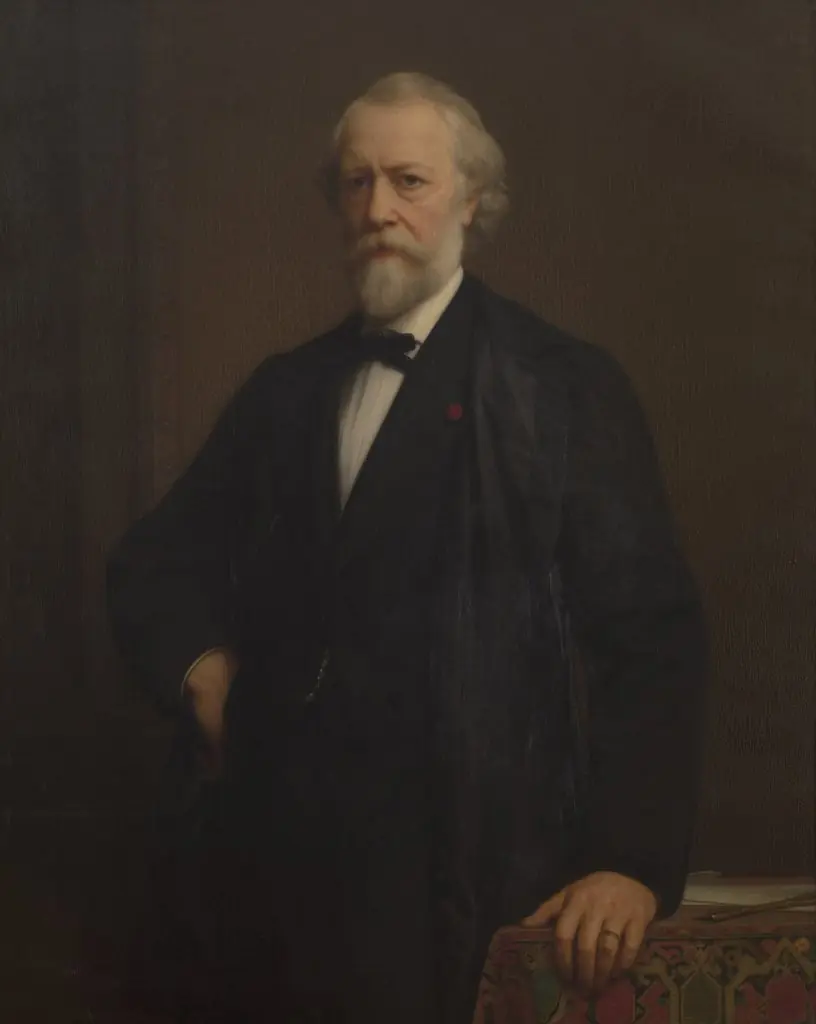 Self Portrait
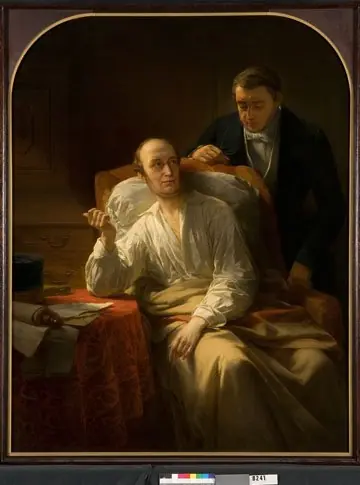 King Willem II Making his Last Will
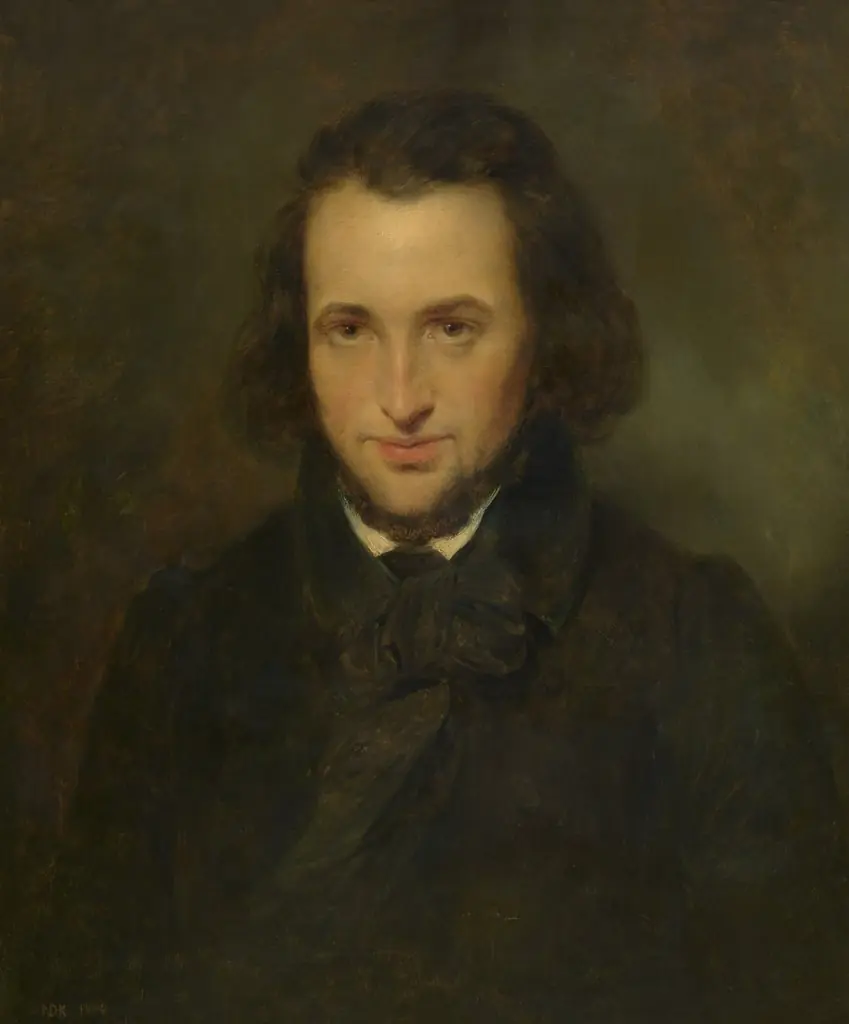 The Printer-Publisher Jozef-Ernest Buschmann
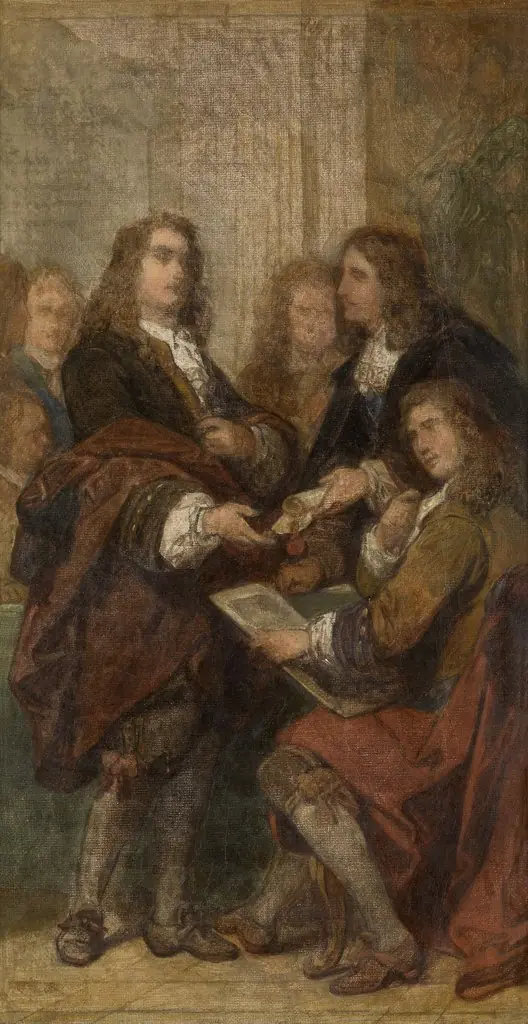 The Engraver Gerard Edelinck in Paris
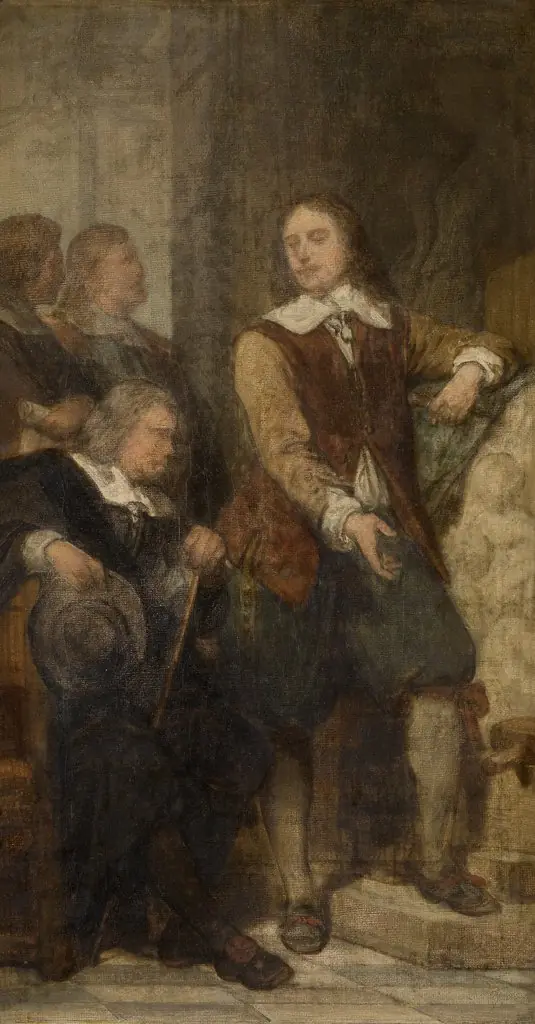 The Sculptor Artus Quellinus I in Amsterdam
 Madame Mols-de Brialmont