Artwork
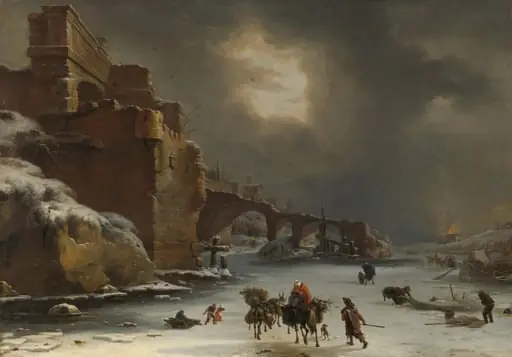
The City Wall of Haarlem in the Winter
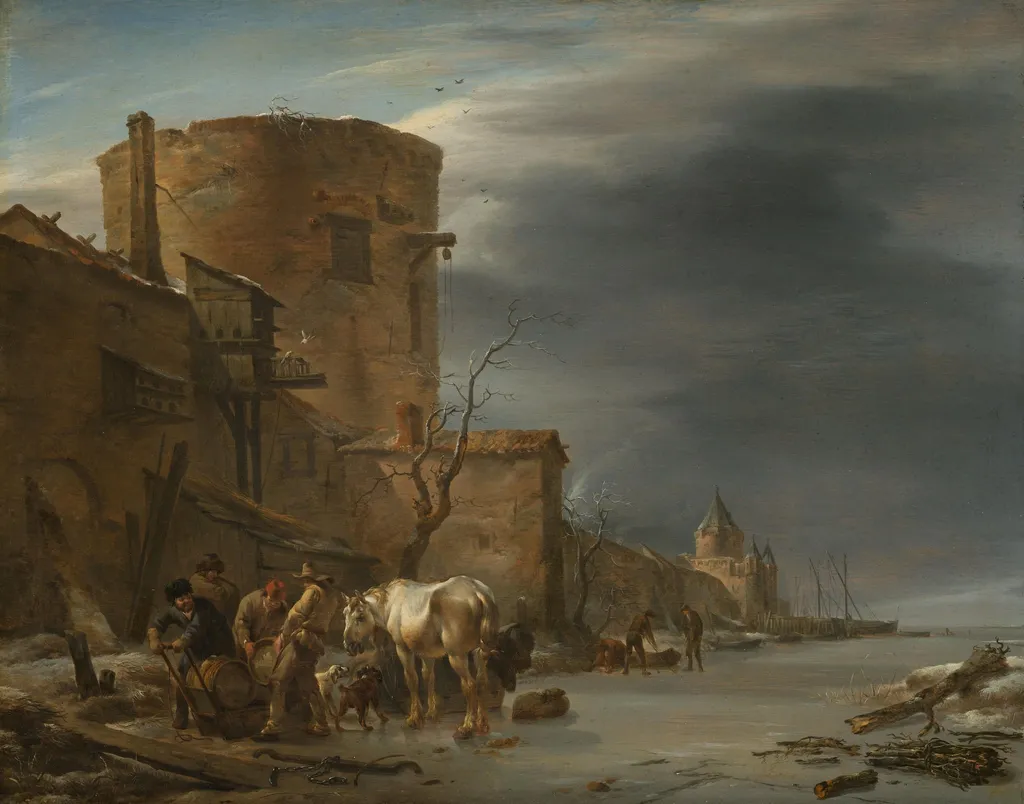
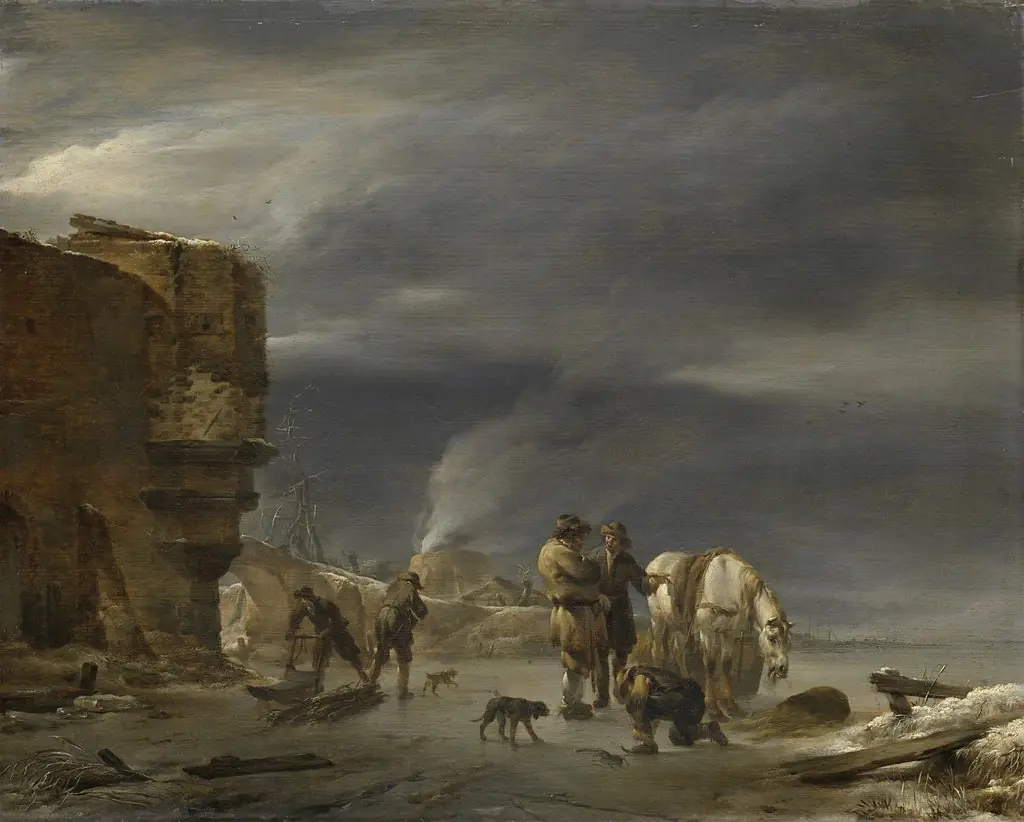
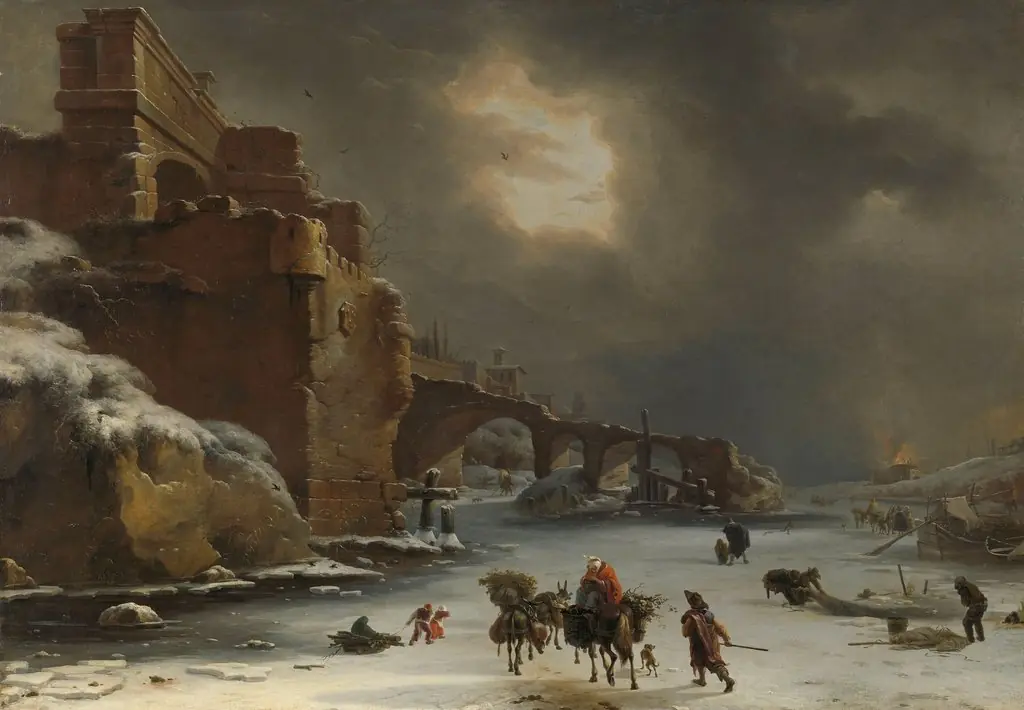
The City Wall of Haarlem in the Winter is an unspecified painting by the Baroque artist Nicolaes Pieterszoon Berchem. It dates from 1647 and is held in the collection of the Rijksmuseum. The work depicts a snow‑covered segment of Haarlem’s city wall, framing the Gasthuistoren towers and the Kleine Houtpoort gate.
About this work
History & Provenance
Nicolaes Pietersz Berchem painted The City Wall of Haarlem in the Winter in 1647, classifying it as a landscape work within the Dutch Golden Age tradition.
Nicolaes Pietersz Berchem painted The City Wall of Haarlem in the Winter in 1647, classifying it as a landscape work within the Dutch Golden Age tradition. He signed it as 'CBerghem', reflecting his adoption of the name derived from his father's birthplace in Berchem, Antwerp. The painting exemplifies his mature Italianate style, characterized by idealized rural scenery with classical ruins, golden dawn lighting, and meticulously rendered figures and animals, though it predates his documented Italian journey (1642-1645) and subsequent Westphalian trip with Jacob van Ruisdael in 1650. Berchem's prolific output included over 850 paintings, 80 etchings, and 500 drawings, with this work representing his early engagement with winter landscapes and architectural settings characteristic of Haarlem's winter scenes.
Context
The City Wall of Haarlem in the Winter (1647) is a characteristic work by Nicolaes Pietersz. Berchem, who belonged to the second generation of Dutch Italianate landscape painters and who achieved wide renown for idealized, sunlit Italianate compositions rendered in the Netherlands. Berchem’s Haarlem winter scene participates in the mid-seventeenth-century vogue for staffage-rich, Italianizing landscapes that fused northern topography with southern light and motifs. His Italian sojourns, documented between 1642-1645 and again around 1653-1655, shaped a manner marked by golden dawns, classical ruins, and pastoral figures, a formula that circulated through reproductive prints and exerted influence into the eighteenth century, notably in French Rococo painting. The Haarlem city wall functions as an atmospheric foil for staffage, aligning with Berchem’s practice of populating idealized terrain with figures and animals to heighten decorative appeal and marketability.
Legacy
Nicolaes Pieterszoon Berchem's work achieved significant fame during his lifetime and maintained a high reputation well into the eighteenth century. By the second half of the 1700s, he was considered one of the most important Dutch artists, with his Italianate landscapes influencing painters across France and England. His style is credited with paving the way for the Rococo movement, directly inspiring French masters such as François Boucher, Jean-Baptiste Oudry, Jean-Baptiste Pillement, and Jean-Honoré Fragonard. The Dutch 'Cleves Romanticism' painter Barend Cornelis Koekkoek also drew upon his work. Berchem's market value remained substantial decades after his death; in 1765, Stadtholder William V purchased a piece for 2,105 guilders, a vast sum at the time, for his gallery. His enduring legacy was further recognized with a comprehensive retrospective exhibition at the Frans Hals Museum in Haarlem during 2006-2007.
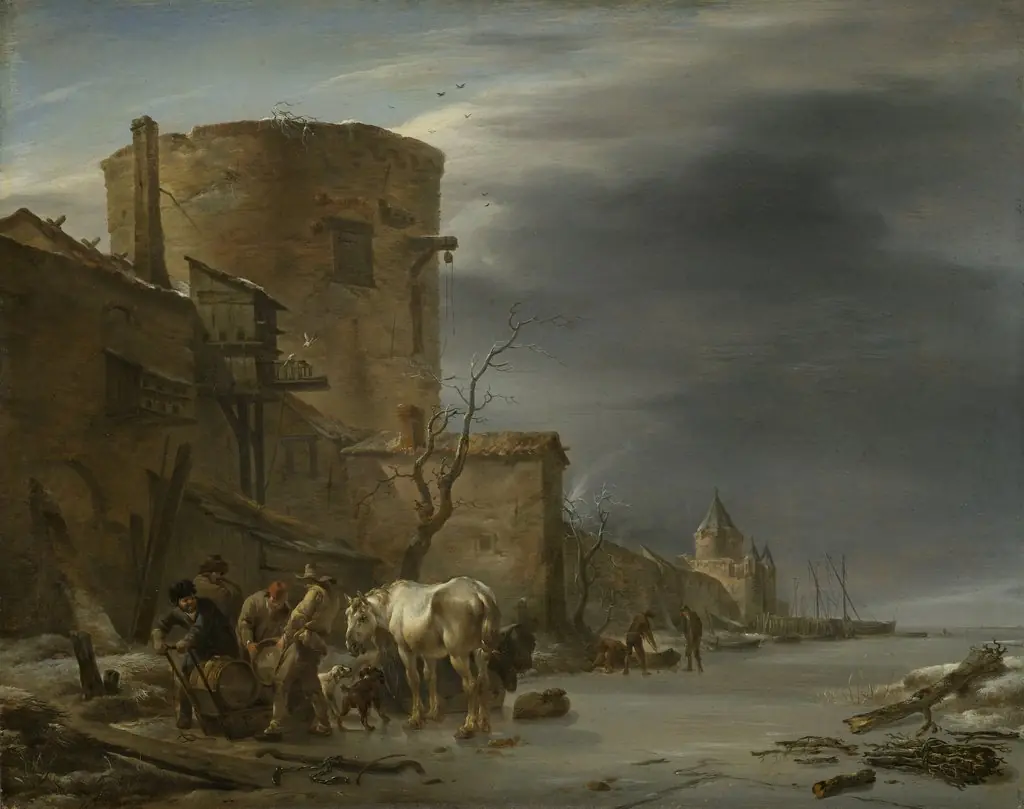
Own this work as a print
Artist & collection
Artist
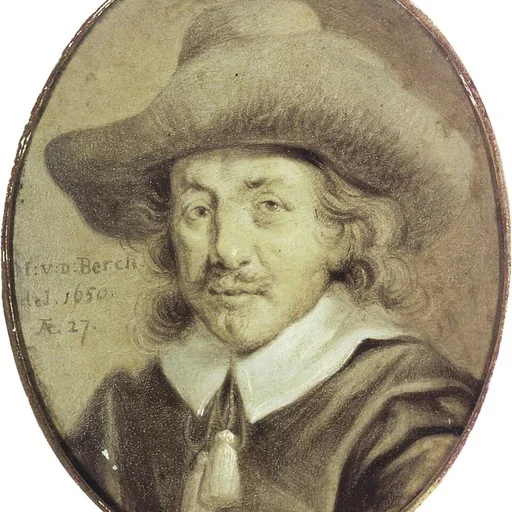
Nicolaes Pieterszoon Berchem (1 October 1620 – 18 February 1683) was a highly esteemed and prolific Dutch Golden Age painter of pastoral landscapes, populated with mythological or biblical figures, but also of a number of allegories and…