Artwork
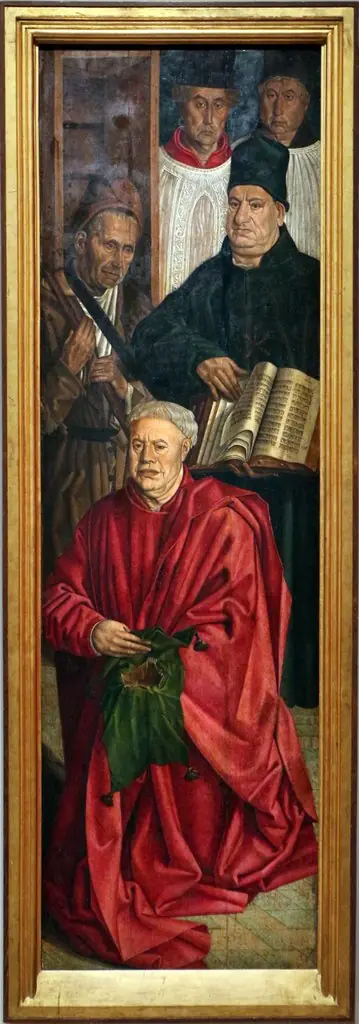
Saint Vincent Panels, third panel
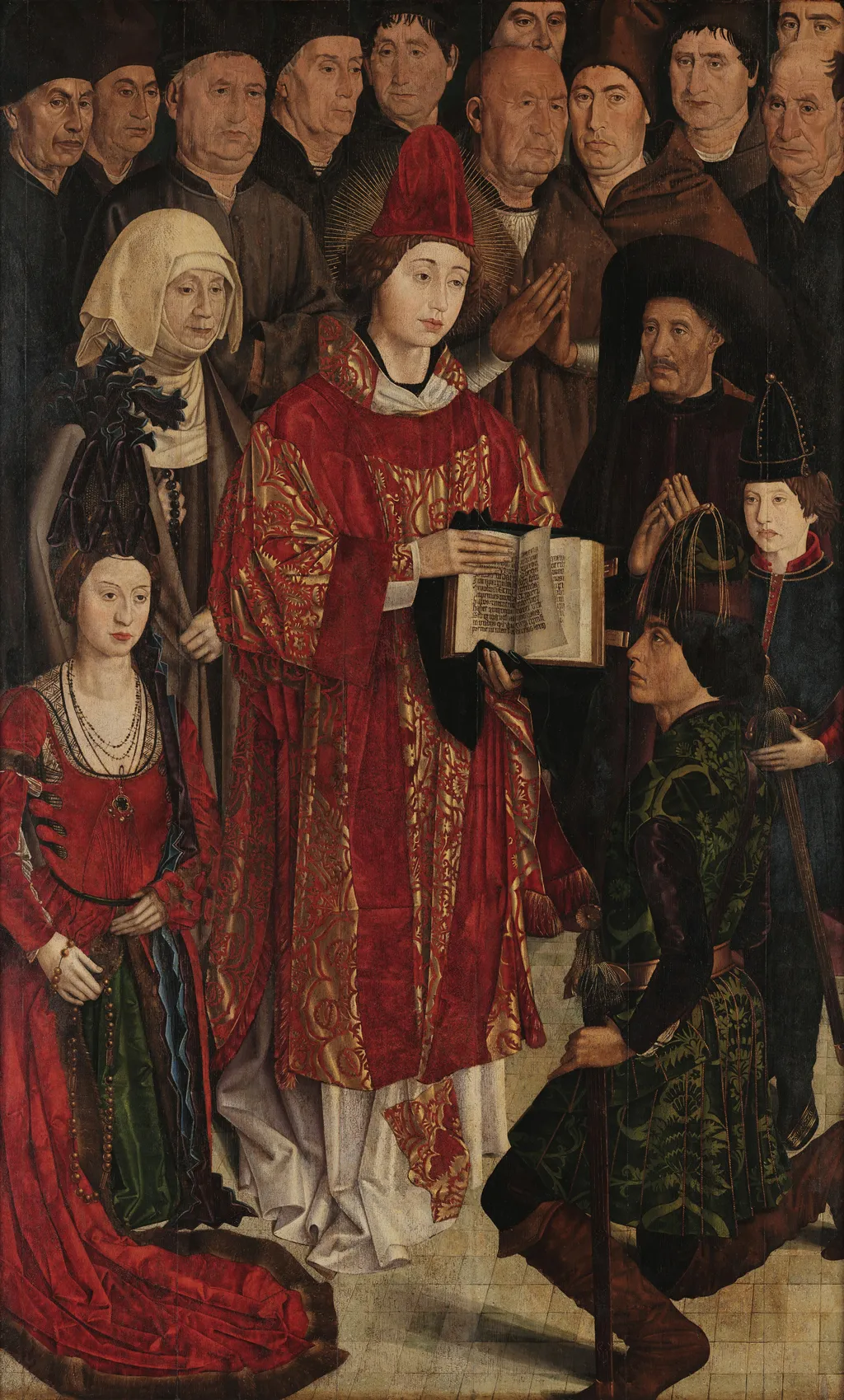
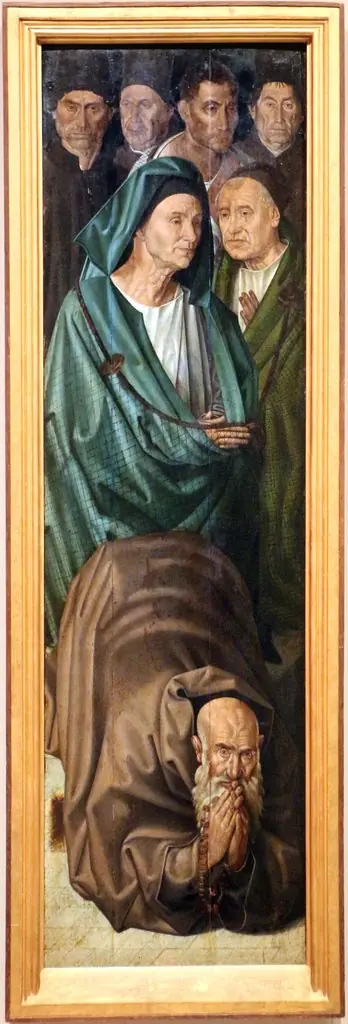
Saint Vincent Panels, third panel is an oil painting by the Northern Renaissance artist Nuno Gonçalves. It dates from 1450 and is held in the collection of the National Museum of Ancient Art.
About this work
Overview
It is now held at the National Museum of Ancient Art in Lisbon and represents the only securely attributed surviving work by the Portuguese court painter.
Painted around 1450 by Nuno Gonçalves, the third panel of the Saint Vincent Panels is an oil-on-panel work originally part of a larger polyptych. It is now held at the National Museum of Ancient Art in Lisbon and represents the only securely attributed surviving work by the Portuguese court painter. Its composition and execution reflect the influence of Northern Renaissance techniques adapted to Portuguese devotional traditions.
Subject & Meaning
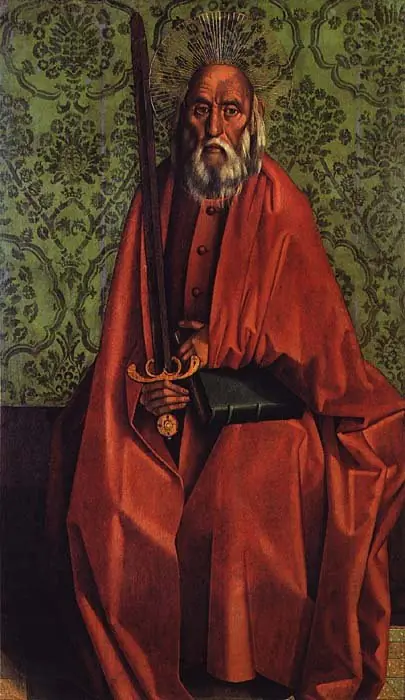
The central figure, clad in a red robe and holding an open book, is traditionally identified as Saint Vincent, the patron saint of Lisbon. Surrounding him are figures from Portuguese society, clergy, nobility, and commoners, gathered in silent veneration. The arrangement suggests a spiritual assembly, possibly symbolizing the unity of the realm under divine guidance, with each figure’s gaze reinforcing a mood of solemn devotion.
Technique & Style
Gonçalves employed oil paint with meticulous attention to surface detail and subtle gradations of light, achieving a lifelike texture in fabrics and skin. The figures are rendered with restrained naturalism, their postures and expressions conveying psychological depth. The background is flat and unadorned, directing focus entirely to the group, a compositional choice aligned with Northern European portraiture of the period.
History & Provenance
The panels were likely commissioned for a religious institution in Lisbon, possibly the Cathedral or a royal chapel. They remained in situ until the 18th century, after which they were moved to the royal collection. Their attribution to Gonçalves was confirmed in the 19th century through archival records linking him to the Portuguese court during the reign of Afonso V, solidifying their status as key artifacts of early Portuguese art.
Context
Created during a period of Portuguese maritime expansion, the panel reflects the intertwining of religious devotion and national identity. The inclusion of diverse social classes around the saint may have served to legitimize royal authority through spiritual association. The work stands apart from contemporary Iberian painting in its intimate, non-narrative grouping, emphasizing presence over story.
Legacy
Nuno Gonçalves’s Saint Vincent Panels are regarded as the foundational work of Portuguese painting. Their survival and detailed portraiture offer rare insight into 15th-century Portuguese society and artistic practice. Though few works from the era remain, this panel continues to inform scholarly understanding of how local traditions absorbed and transformed Northern European techniques.
Own this work as a print
Artist & collection
Artist
Nuno Gonçalves (c. 1425 – c. 1491, fl. 1450–71) was court painter to Afonso V of Portugal from 1450 to 1471. Gonçalves is widely considered the most accomplished Portuguese painter of the 15th century. His surviving…

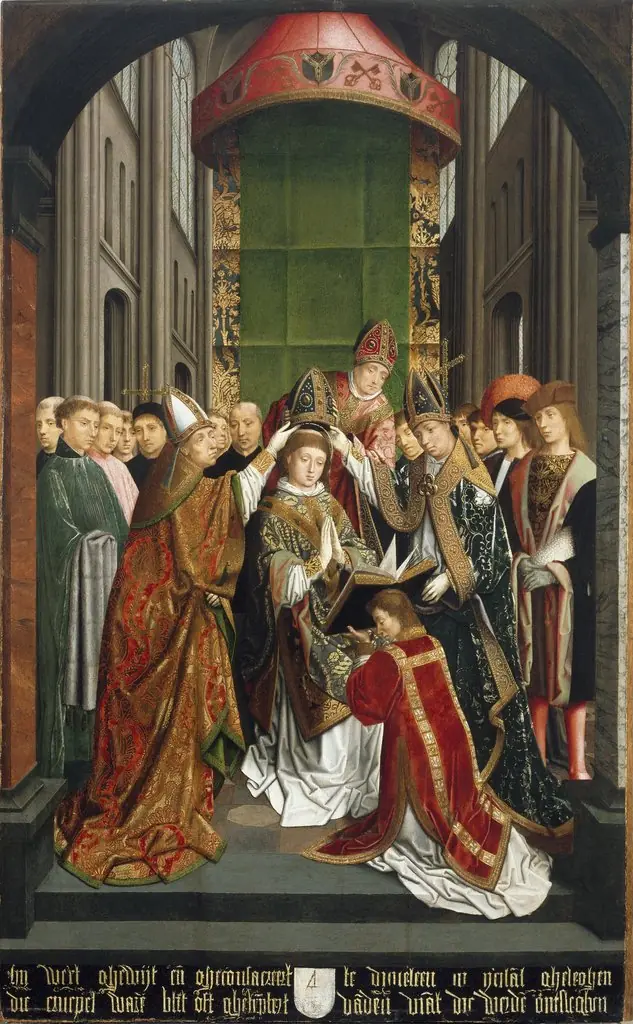 The Enthronement of Saint Romold as Bishop of Dublin
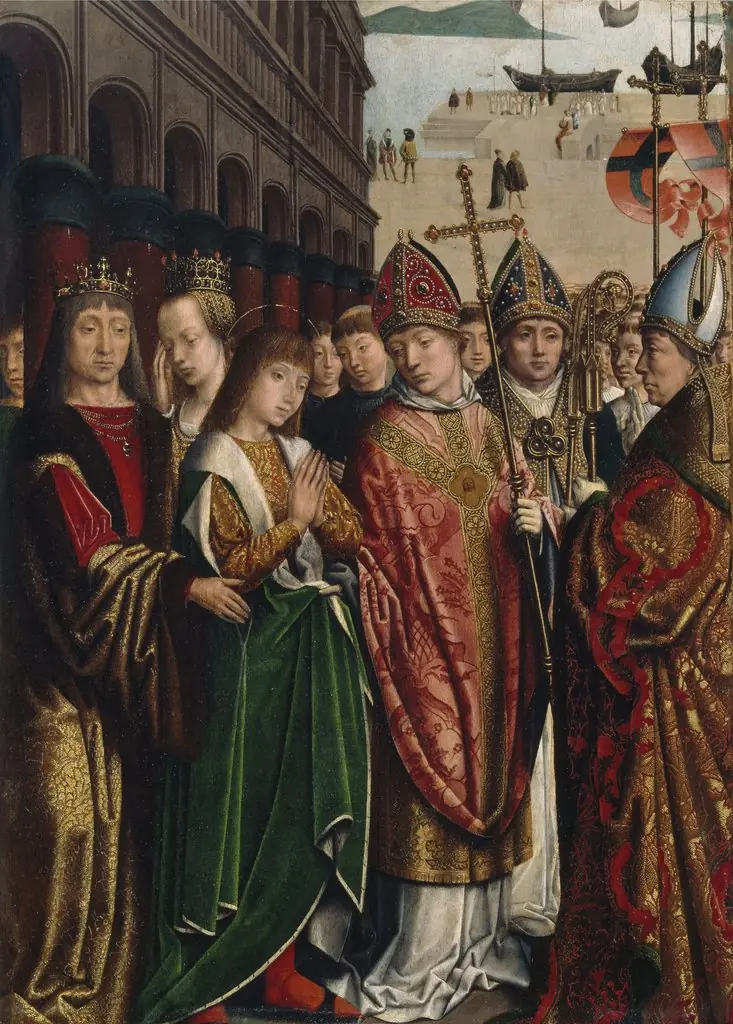 Saint Rumbold Taking Leave of his Parents
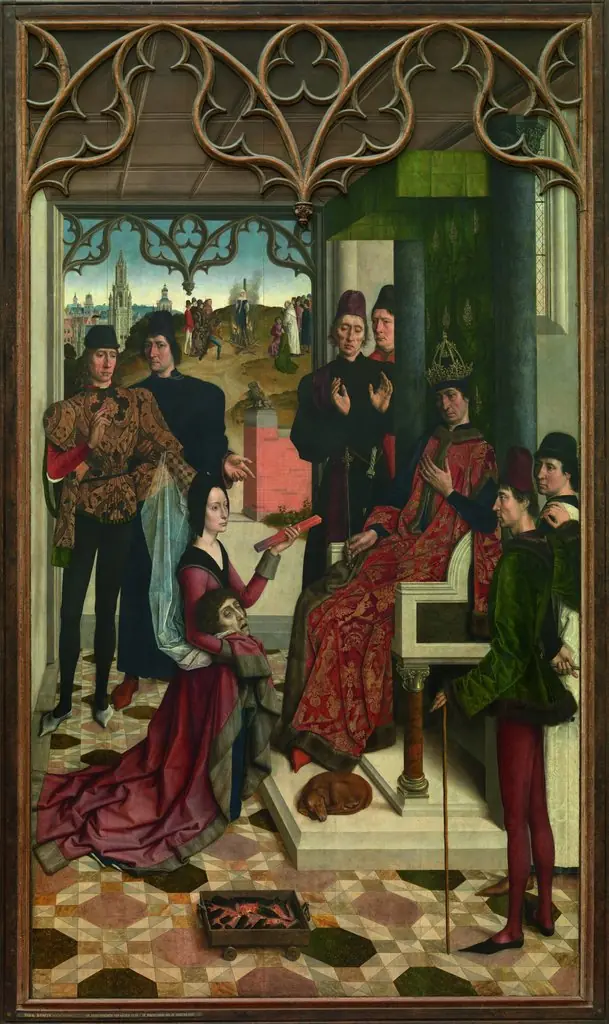 Justice of Emperor Otto III: The Trial by Fire
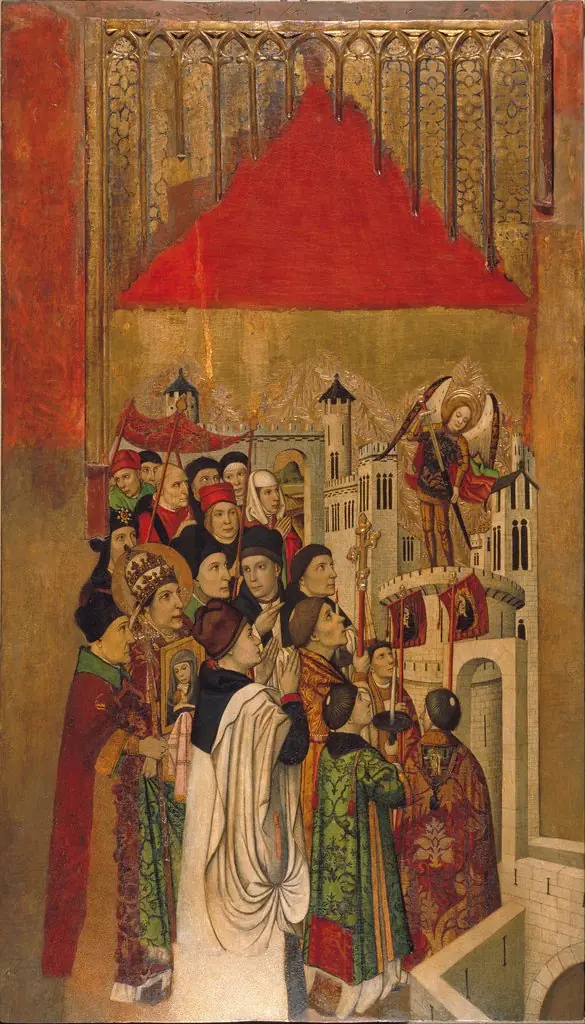 Apparition of Saint Michael at the Castle of Sant'Angelo
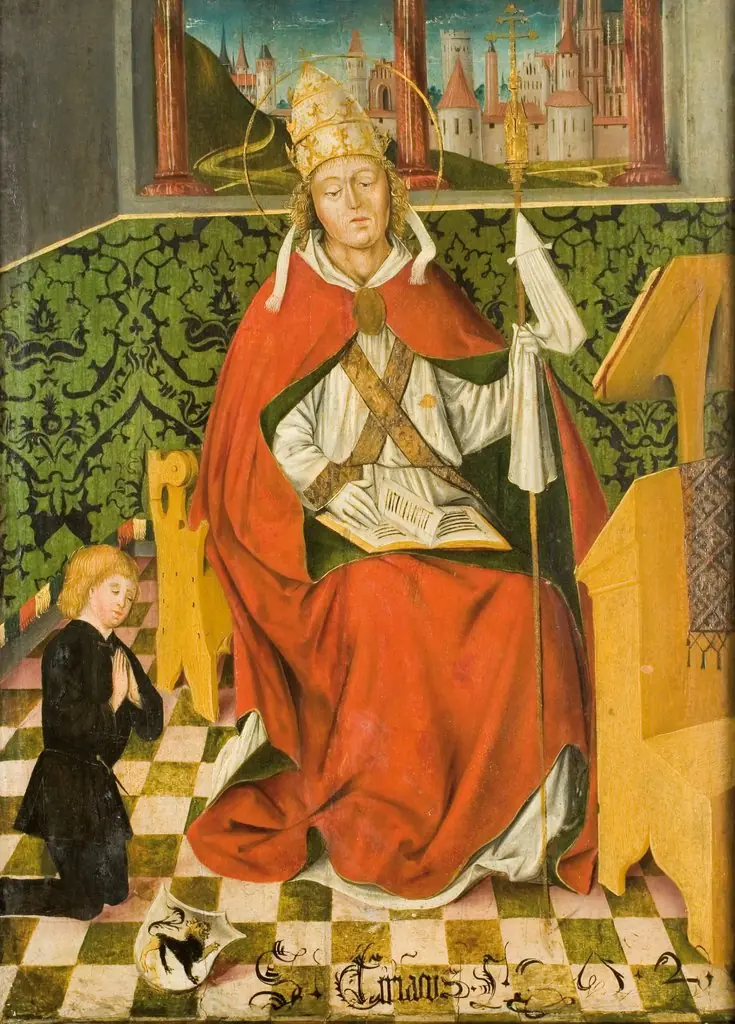 Hl. Cyriakus mit Stifter
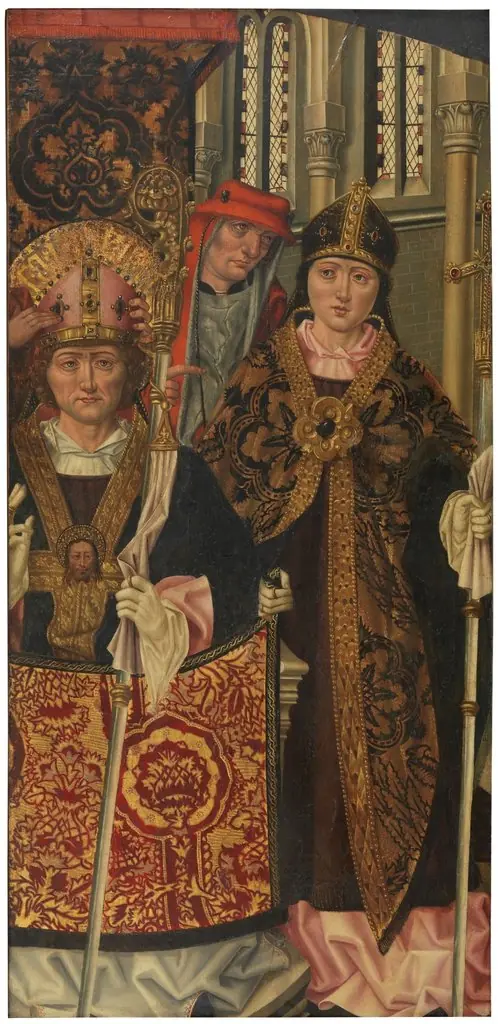 San Agustín de pontifical
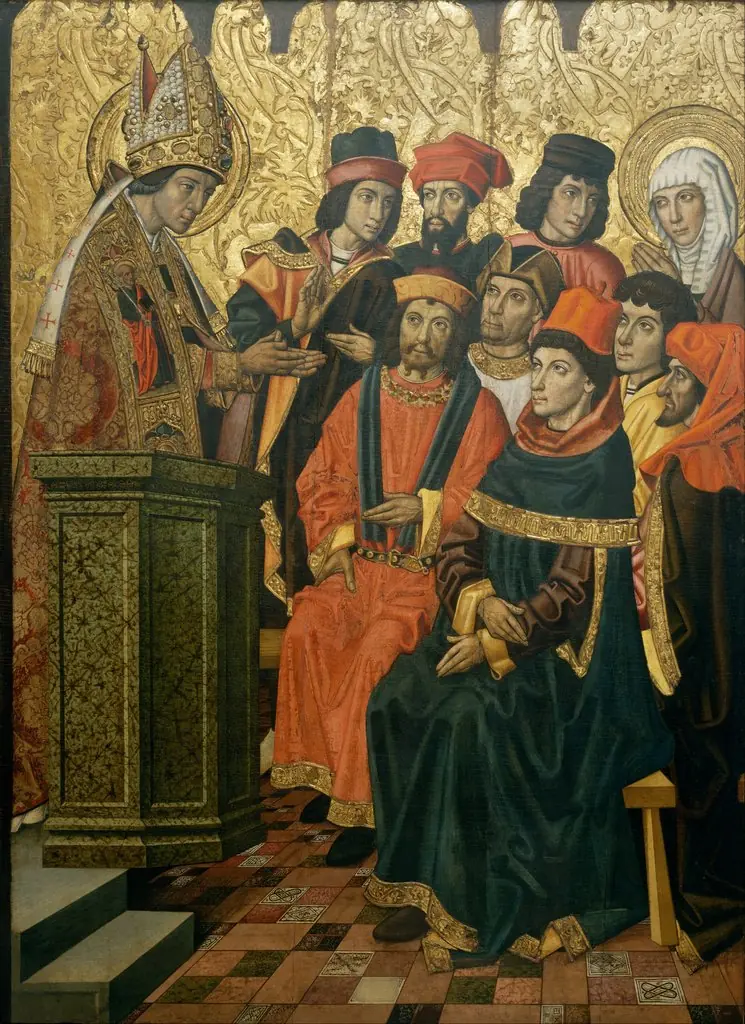 Saint Augustine and Saint Monica in a Sermon by Saint Ambrose
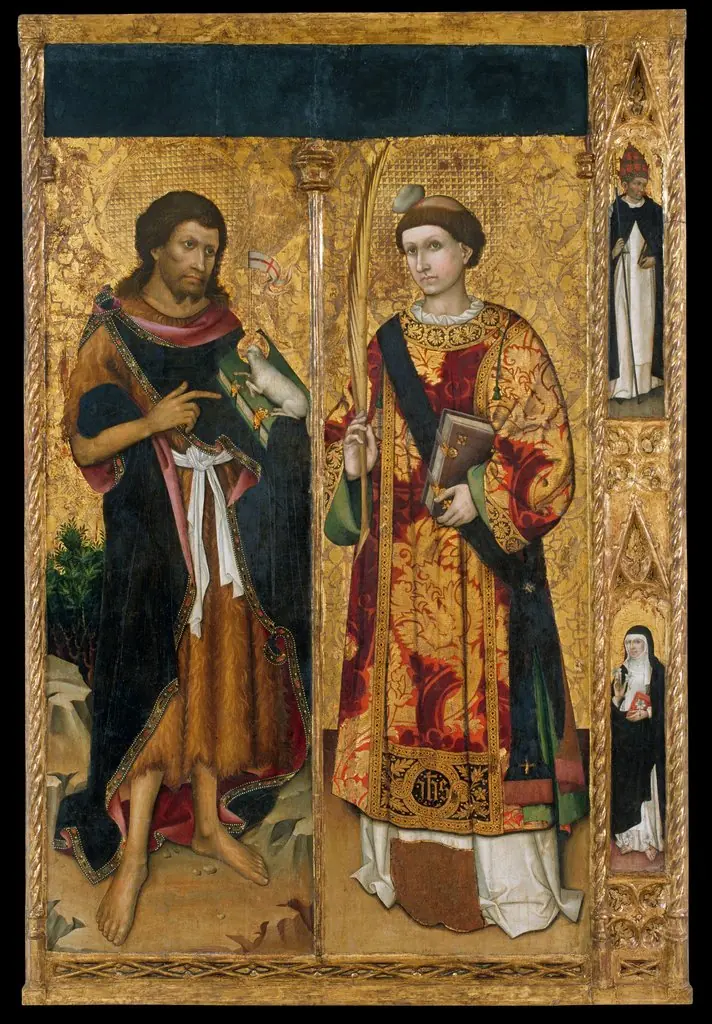 Saint John the Baptist and Saint Stephen
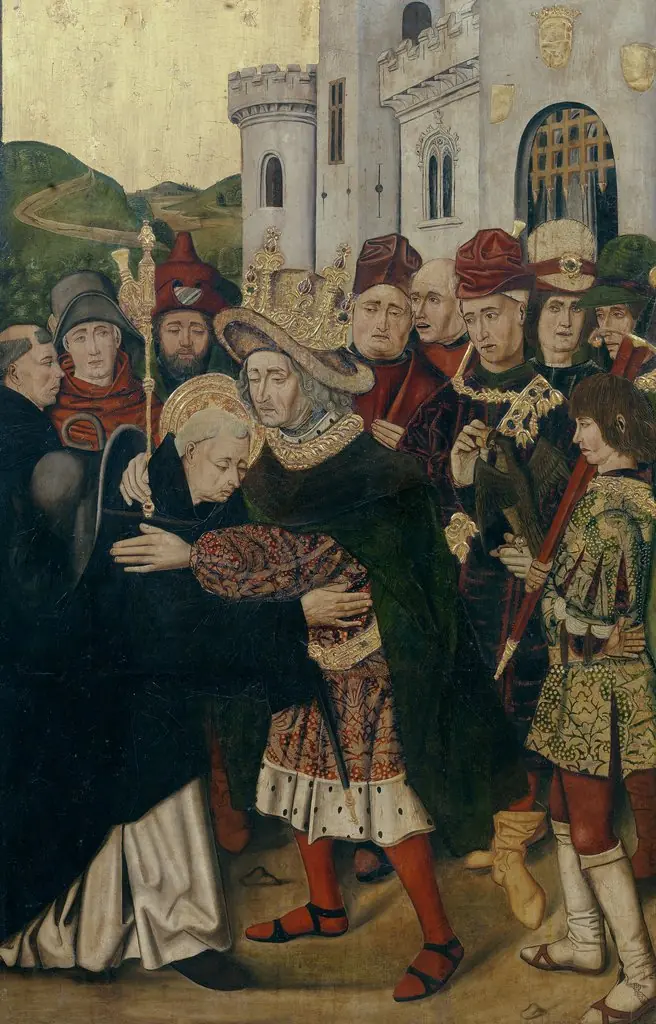 Ferdinand I of Castile welcoming Saint Dominic of Silos
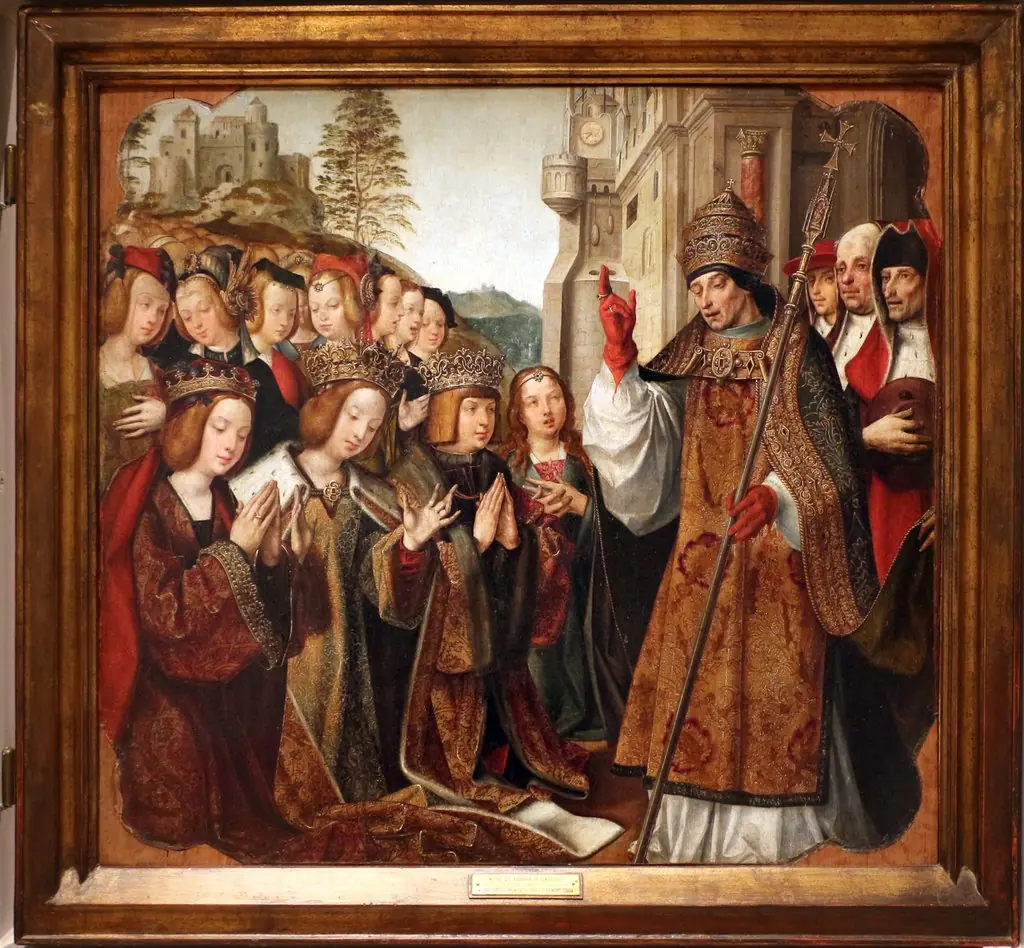 Blessing of Saint Auta by Pope Siricius