Artwork
Lot and his daughters
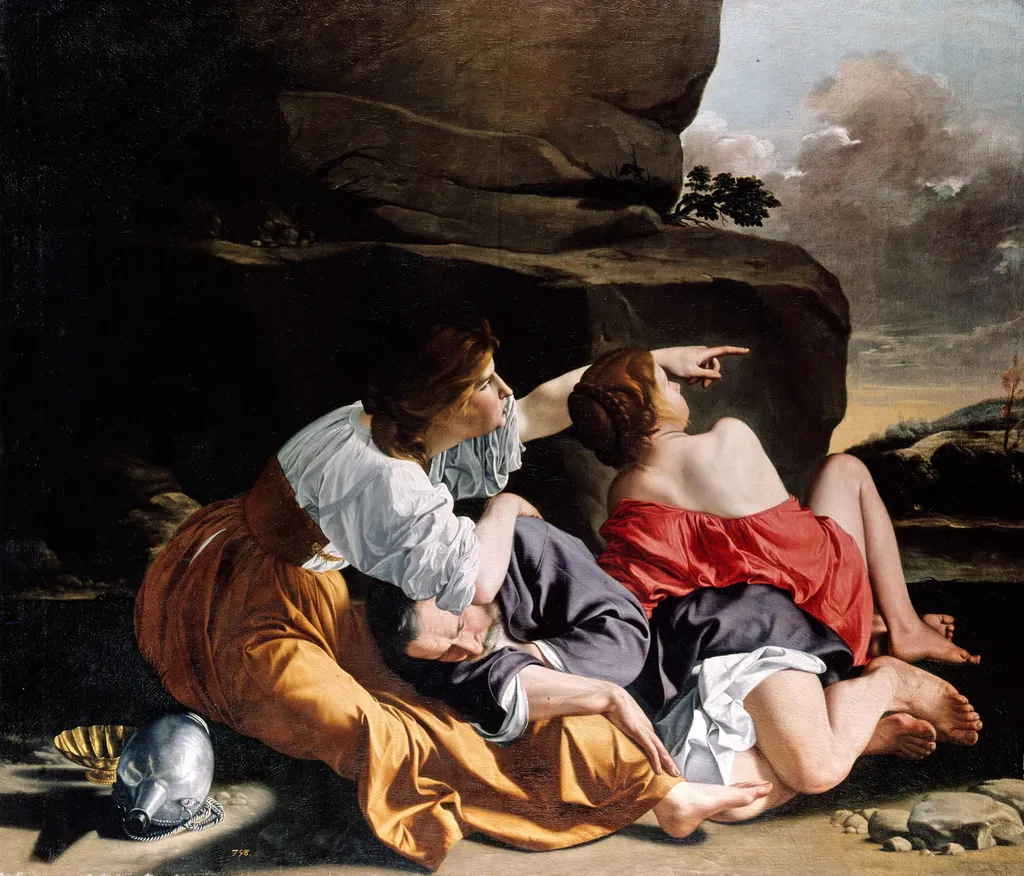
Lot and his daughters is an oil painting by the Early Baroque Italian artist Orazio Gentileschi. It dates from 1622 and is held in the collection of the Gemäldegalerie Berlin.
About this work
Lot and his daughters is a 1622 oil painting by Orazio Gentileschi. The work is done in oil on canvas and is fairly large in size.
It shows the Biblical story of Lot and his two daughters after the destruction of Sodom. The scene comes from a well‑known episode in the Old Testament, where the family escapes the burning city.
You can see this painting at the Gemäldegalerie Berlin.
Overview
Lot and His Daughters is a 1622 oil on canvas painting by the Italian Baroque artist Orazio Gentileschi, now held in the Gemäldegalerie in Berlin.
Lot and His Daughters is a 1622 oil on canvas painting by the Italian Baroque artist Orazio Gentileschi, now held in the Gemäldegalerie in Berlin. Measuring 164 by 193 centimeters, this large religious work depicts the biblical aftermath of Sodom's destruction, showing Lot reclining between his two daughters in a rocky cave setting. The painting belongs to a significant moment in Gentileschi's career when, after absorbing the influence of Caravaggio, he developed a refined style that balanced dramatic naturalism with classical elegance. It is one of multiple versions of this composition that Gentileschi produced, a common practice for him, with related variants in Los Angeles, Bilbao, and Madrid reflecting the popularity of the subject among his patrons.
Subject & Meaning
The painting illustrates the Old Testament narrative from Genesis 19, in which Lot and his daughters flee the destruction of Sodom and Gomorrah. Lot's wife has already been transformed into a pillar of salt for looking back at the burning cities. In Gentileschi's treatment, the three figures take refuge in a cave-like shelter, with the daughters tending their exhausted or intoxicated father. One daughter cradles Lot's head in her lap while pointing toward the distant destruction, her gesture directing attention to the unseen catastrophe; the second daughter, draped in red with her back partially exposed, leans against her sister and follows the pointing finger. In the lower left corner, a silver flask and golden cup allude to the wine that will facilitate the daughters' subsequent plan to preserve their lineage through incest with their father. The composition thus captures a moment of suspended narrative tension, poised between rescue and the morally ambiguous events to follow. The pointing gesture carries particular weight, evoking comparisons to Michelangelo's Creation of Adam while serving here to connect the intimate family group to the larger divine judgment unfolding beyond the frame.
Technique & Style
Gentileschi executed the work in oil on canvas, employing the tenebrist technique he adopted from Caravaggio, with strong chiaroscuro illuminating the figures against the dark interior of the cave. The palette is dominated by warm golds and browns, deep reds, creamy whites, and muted blues and grays. His brushwork is smooth and polished, with particular attention to the textures of fabric and flesh. The composition creates a diagonal movement from the lower left objects through the reclining Lot to the pointing gesture and the landscape beyond, where dark rock formations open onto distant hills and cloudy skies. The figures are clothed in contemporary seventeenth-century garments rather than historical or biblical costume, a characteristic Gentileschi device that grounds the sacred narrative in everyday reality. The artist's handling of drapery demonstrates both naturalistic observation and deliberate artifice, as in the complex folds of Lot's garment, which at times seem arranged to showcase the painter's skill rather than strictly follow the logic of a reclining figure Yarborough.
History & Provenance
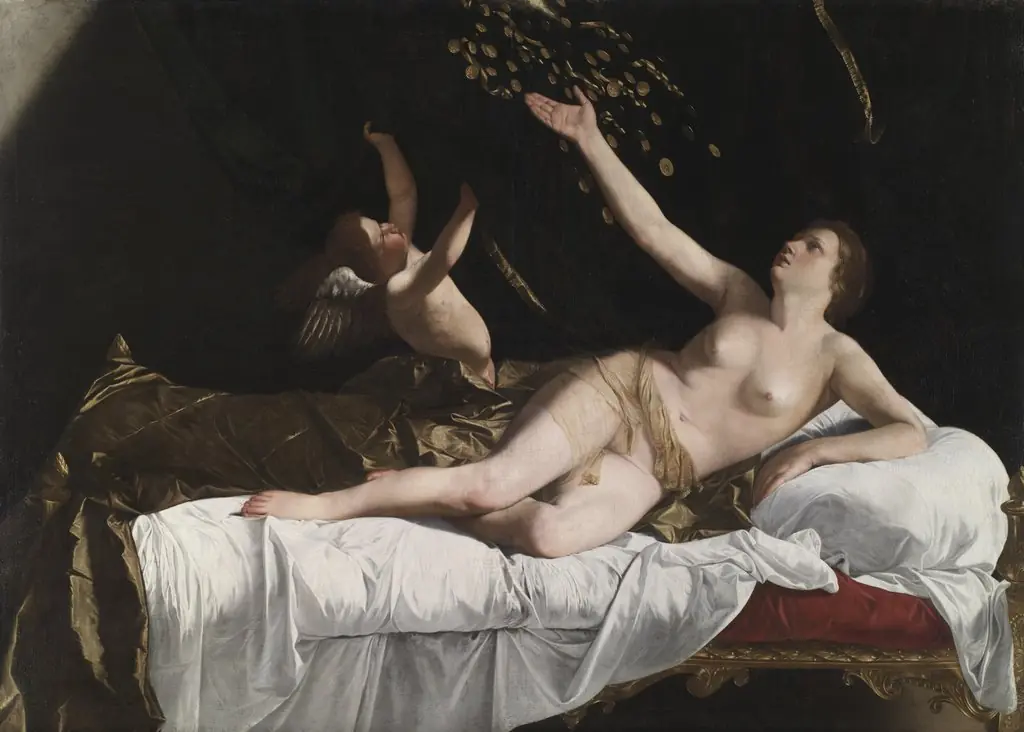
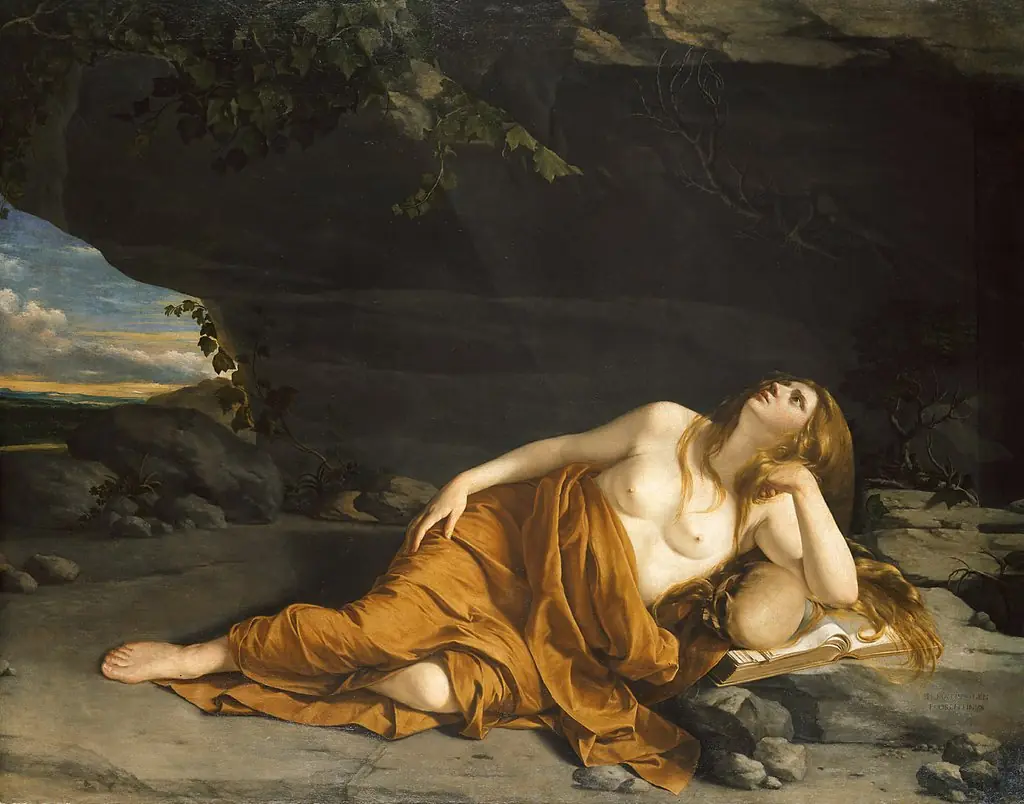
The Berlin version of Lot and His Daughters was painted in 1622, during Gentileschi's residence in Genoa at the invitation of the nobleman Giovanni Antonio Sauli. Sauli had commissioned a series of three works from Gentileschi, including Danaë and the Shower of Gold and Penitent Magdalene, intended to be displayed together in the palace of Domenico Sauli according to a statement by Carlo Giuseppe Ratti. The Berlin painting entered the collection of the Gemäldegalerie Berlin, where it remains today. Another version, now in the J. Paul Getty Museum in Los Angeles and acquired in 1998, has been identified through X-ray examination as the prime version of the composition, traced back to a Genoese collection. Additional versions include one acquired by the Museo de Bellas Artes de Bilbao in 1924 and a workshop version in the Museo Thyssen-Bornemisza in Madrid. A further version, dated 1622 and painted as a gift for the Duke of Savoy in an attempt to win patronage, is held by the National Gallery of Canada in Ottawa.
Context
Gentileschi's move to Genoa in 1621 marked a pivotal phase in his international career. Having begun as a Mannerist painter in Rome, he underwent a profound transformation through contact with Caravaggio around 1600, adopting tenebrism and naturalism while developing a more refined and elegant manner than his model. The Sauli commissions allowed him to demonstrate his range across different subjects and scales, from the reclining single figures of Danaë and Penitent Magdalene to the multi-figure narrative of Lot and His Daughters. The thematic triad commissioned by Sauli, Old Testament, New Testament, and classical mythology, has been interpreted variously as erotic, moral, and devotional, with Lot and His Daughters occupying an ambiguous position between moral caution and sensual appeal. Gentileschi's practice of creating multiple versions of successful compositions reflected both market demand and the workshop practices of the period. His daughter Artemisia Gentileschi, whom he trained, would go on to her own celebrated career, though their relationship was complicated by the circumstances of her adolescence.
Legacy
The multiple versions of Lot and His Daughters testify to the composition's success and the demand it generated among collectors. The dispersal of the original Sauli triad, with the Penitent Magdalene passing to a private collection while Danaë and the Getty Lot remained together, illustrates the fragmentation of such ensembles over time. Gentileschi's treatment of the subject contributed to the Baroque visual tradition of biblical narratives that balanced religious instruction with human drama and sensual appeal. The painting continues to prompt scholarly and public engagement with its complex moral dimensions, its treatment of gender and power, and its place within the artist's oeuvre and family history. The identification of the Getty version as the prime composition, established through technical examination, has refined understanding of Gentileschi's working methods and the relationships among his various versions.
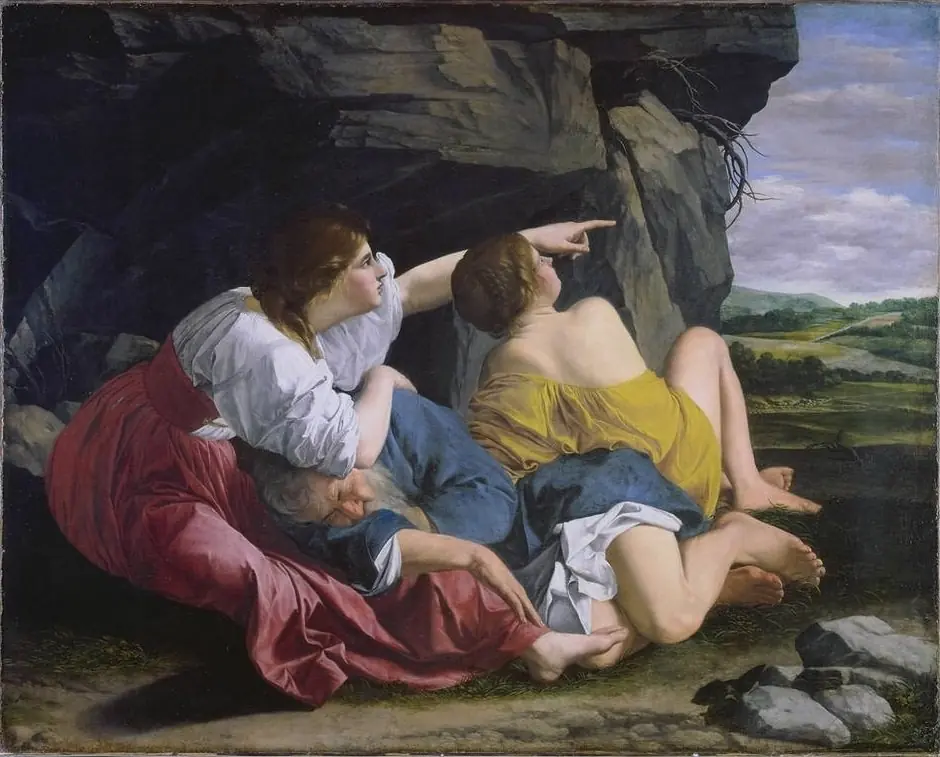
Own this work as a print
Artist & collection

Artist
Orazio Lomi Gentileschi (Italian pronunciation: ; 1563 – 7 February 1639) was an Italian painter.

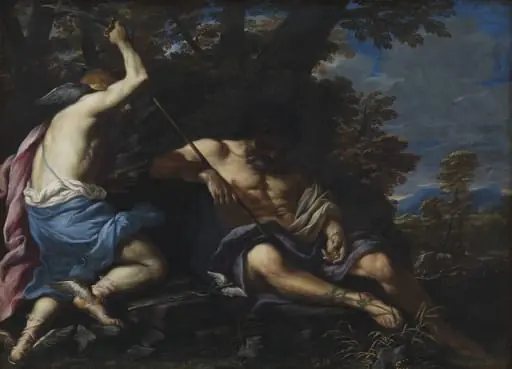 Mercury Killing Argus
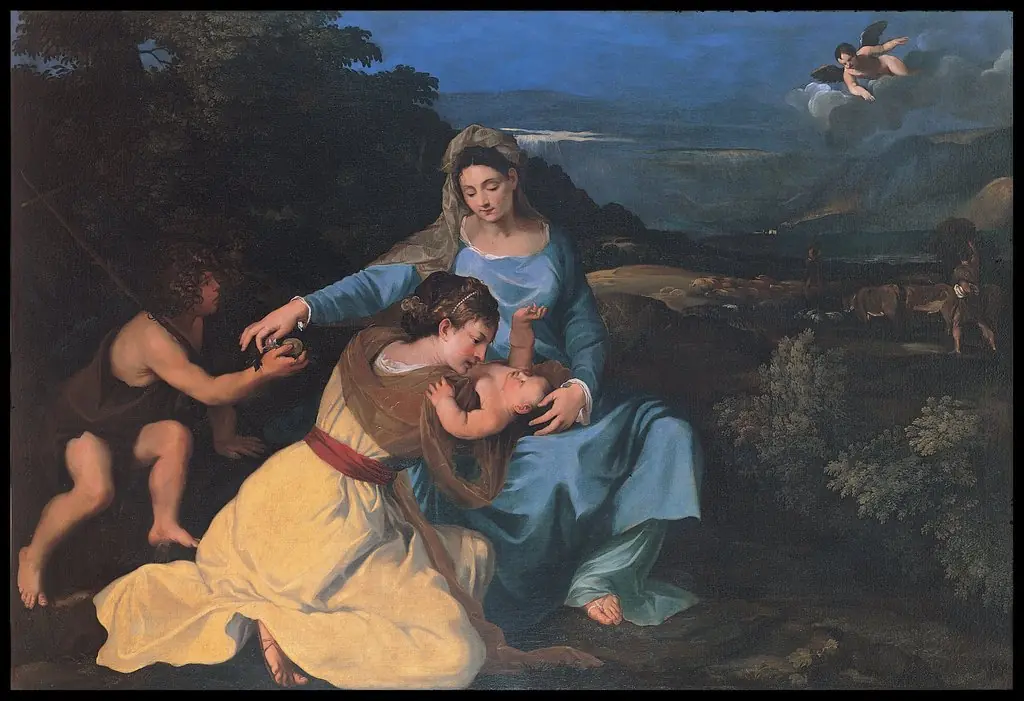 Madonna with the Child, Saint Catherine and Saint John
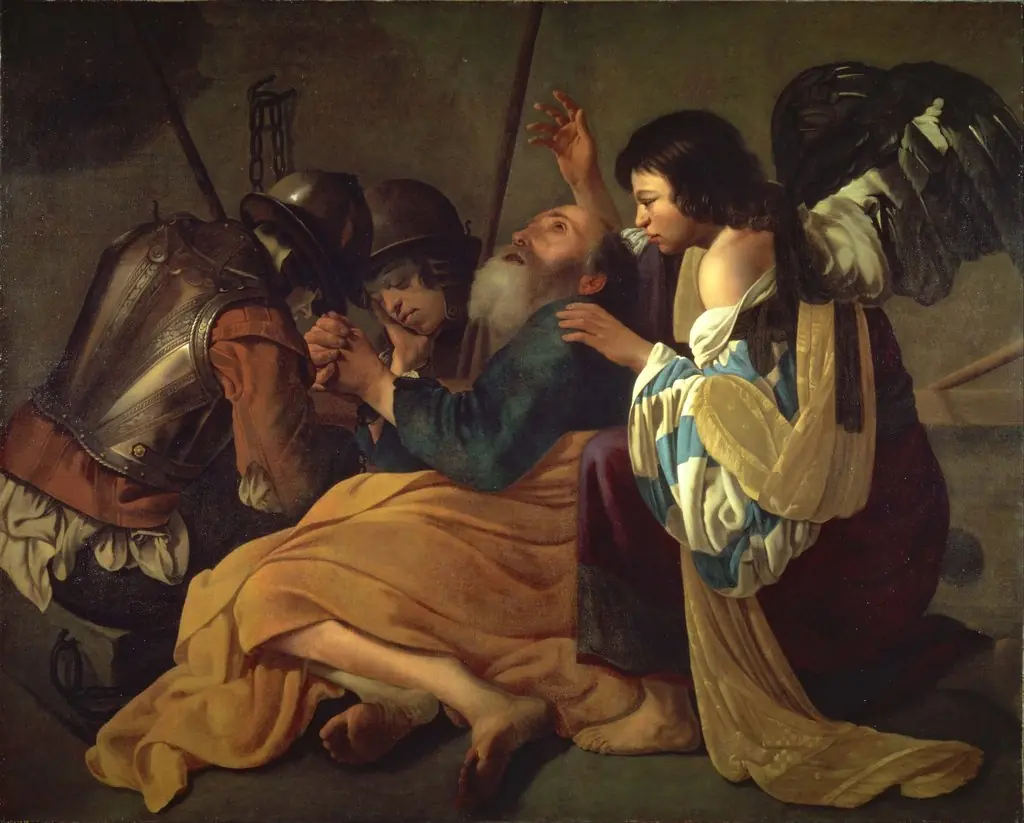 The Liberation of St. Peter
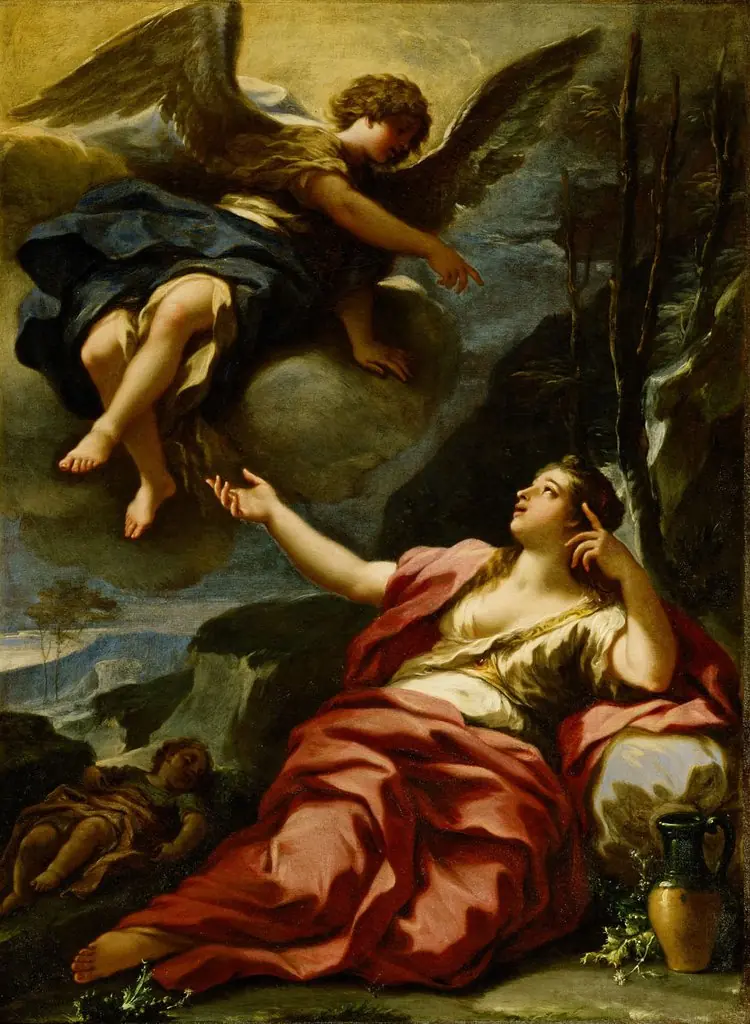 The angel appears to Hagar in the desert
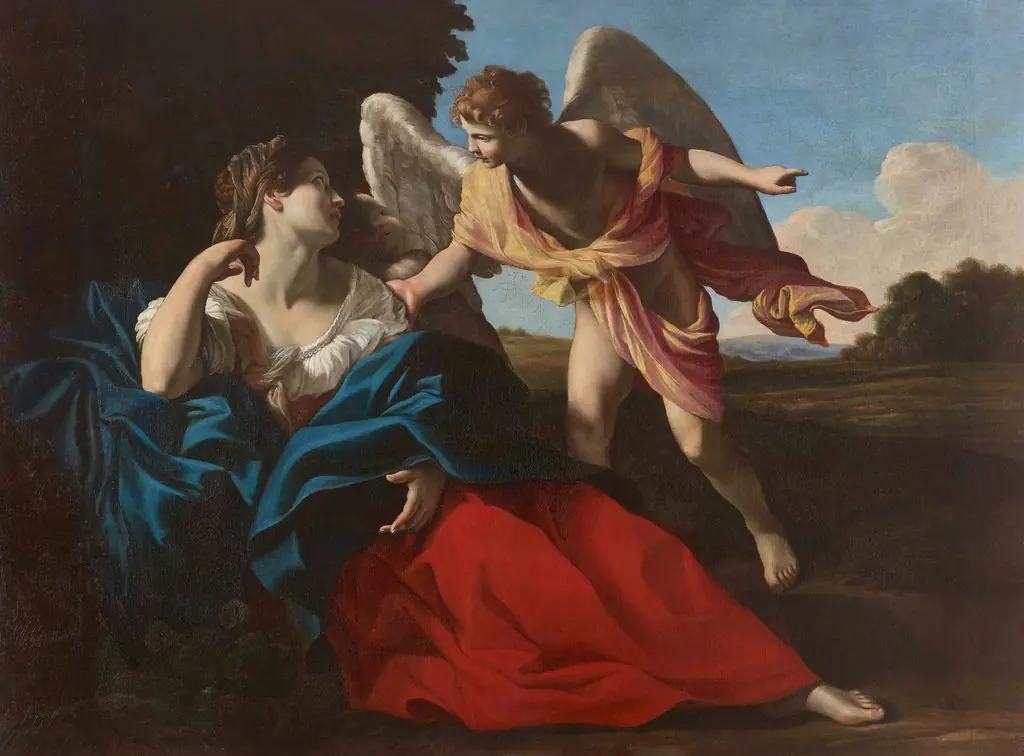 Hagar and the angel in the desert
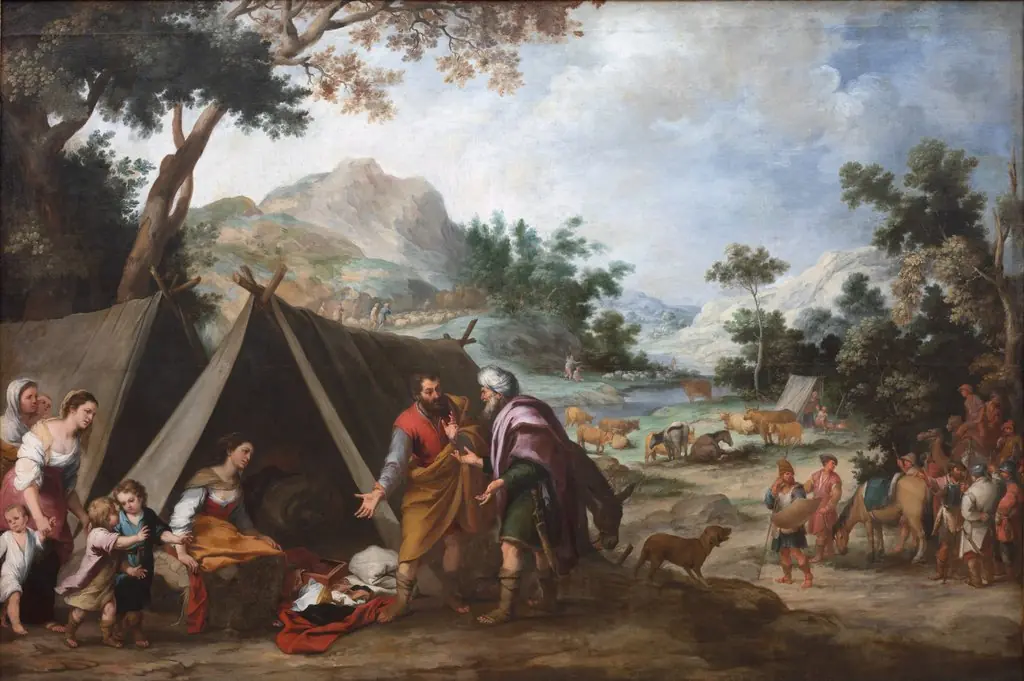 Laban Searching for his Stolen Household Gods
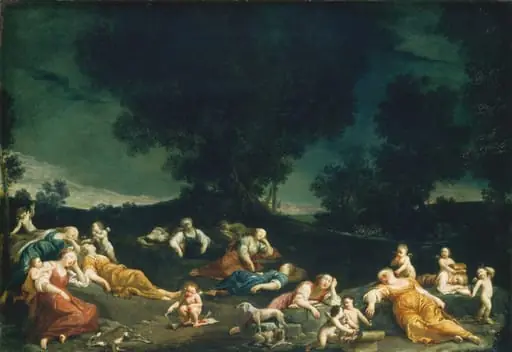 Cupids Disarming Sleeping Nymphs
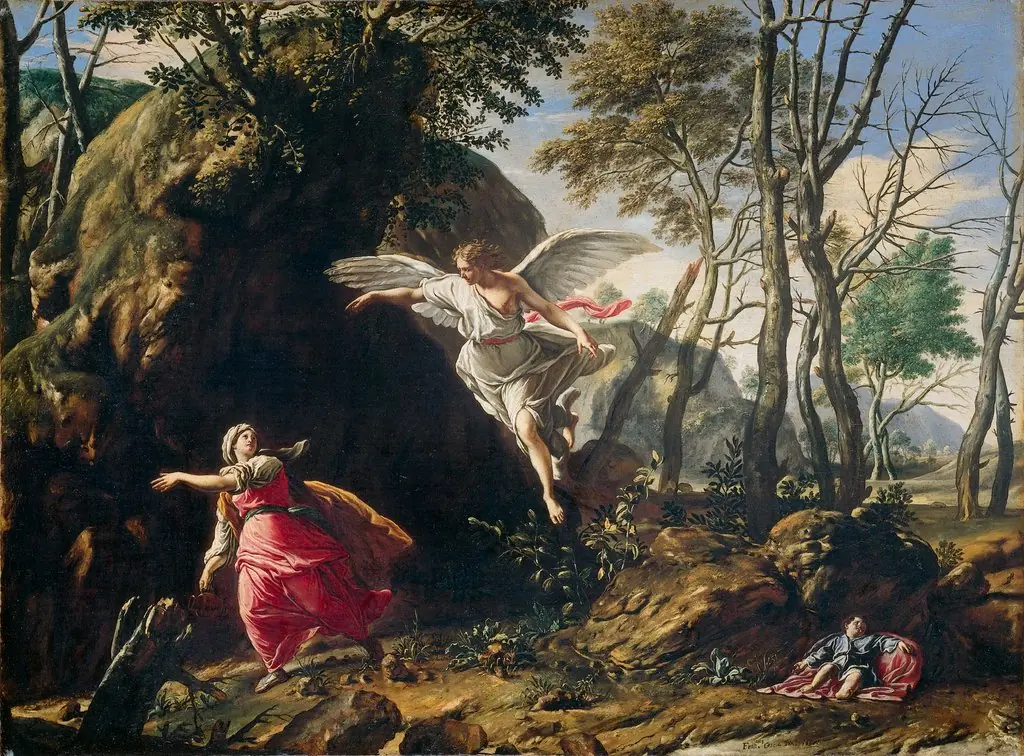 Hagar and Ishmael in the Desert
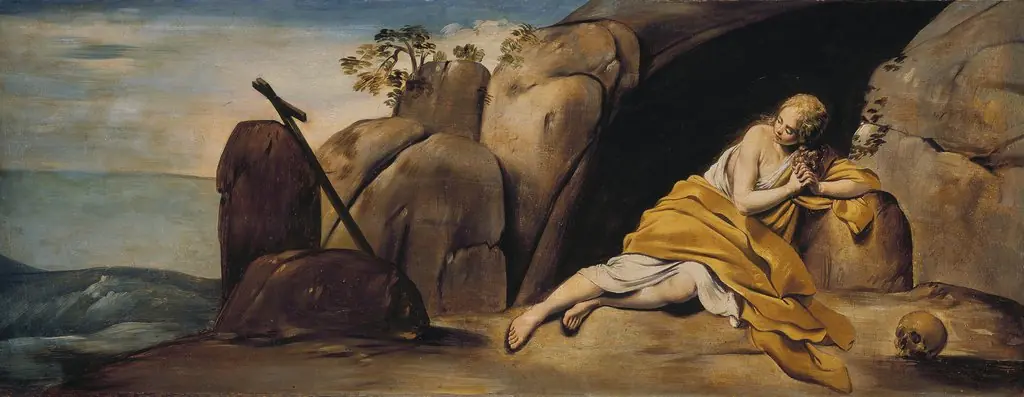 Magdalena penitente en la gruta de Sainte-Baume
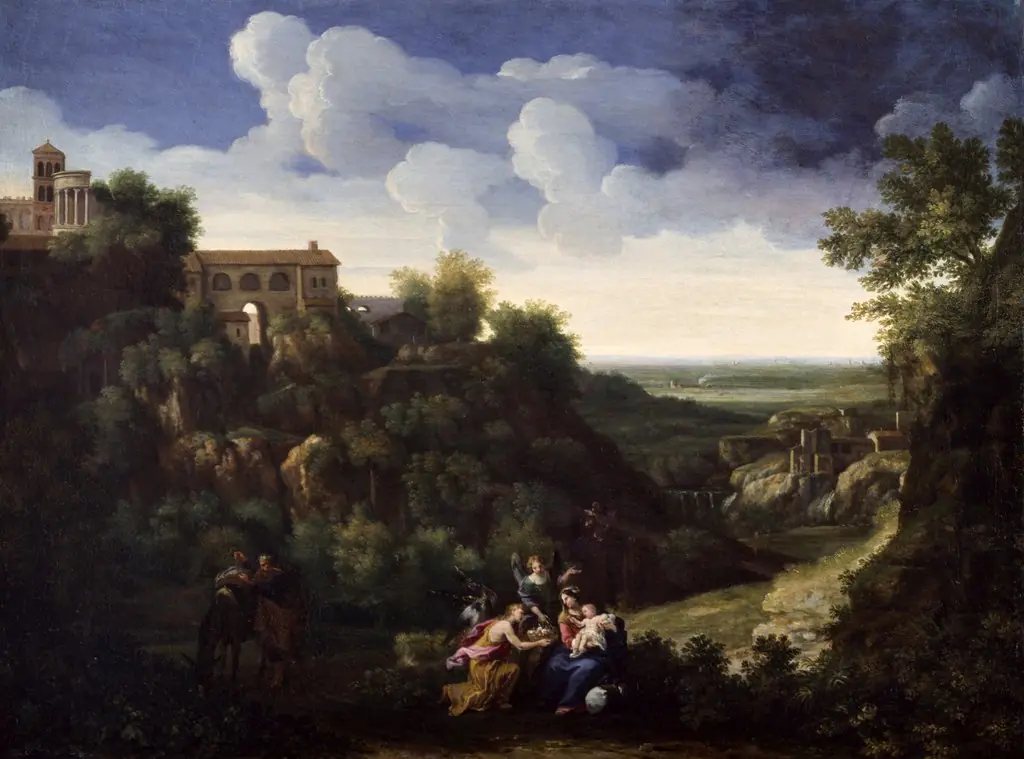 View of Tivoli with the Flight into Egypt