Artwork
Henri Camille, Chevalier de Beringhen
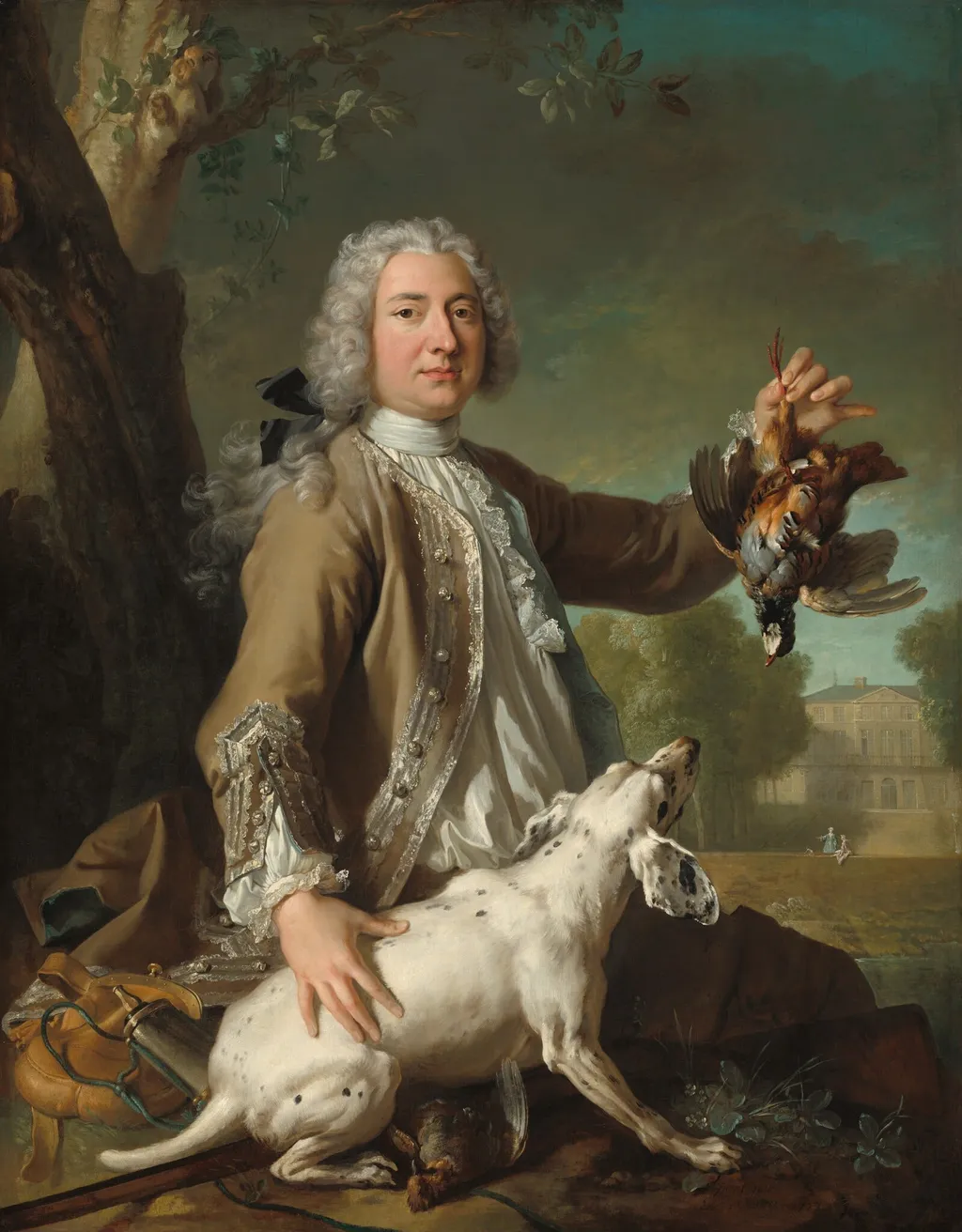
Henri Camille, Chevalier de Beringhen is an oil painting by the Baroque artist Jean-Baptiste Oudry. It dates from 1722 and is held in the collection of the National Gallery of Art.
- Inscription
- Inscribed:lower right: peint par / JB. Oudry 1722
About this work
Subject & Meaning
The portrait shows Henri-Camille de Beringhen, a French aristocrat and court official, rendered as a dignified figure in 18th-century attire.
The portrait shows Henri-Camille de Beringhen, a French aristocrat and court official, rendered as a dignified figure in 18th-century attire. The work functions as a formal portrait that emphasizes his rank and official duties within the French administration.
Symbolically, the composition conveys stability and authority through its balanced pose and restrained palette. The portrait is by Jean-Baptiste Oudry, an 18th-century French painter best known for his hunting scenes and animal subjects, who also produced portraits; his work combines meticulous detail with the decorative elegance characteristic of the Rococo period.
The painting is part of the National Gallery of Art's collection in Washington, D.C., which acquired it in 1994 through a sale by Wildenstein & Co.
Technique & Style
The work is an oil painting executed on canvas, measuring 147 centimeters in height and 114 centimeters in width. It depicts Henri-Camille de Beringhen and was created in 1722. The composition is characteristic of early 18th-century French portraiture, featuring a restrained palette and careful attention to drapery and facial detail.
The handling of light emphasizes the sitter's status, while the stylistic treatment reflects Oudry's command of realism within the Rococo tradition.
History & Provenance
The painting was created in 1722 by Jean-Baptiste Oudry. It entered the collection of the Moustier family through successive inheritances beginning around 1860 with Léonel-Rémi-François, marquis de Moustier, and passing to his sons René, Léonel-Marie-Ghislain-Alfred, and finally Roland, marquis de Moustier, at the Château de Bournel, Rougemont. The work remained with the family until its sale in 1993 through Eric Turquin of Paris to Wildenstein & Co., Inc., of New York, which sold it to the National Gallery of Art in Washington, D.C., on 7 March 1994. No exhibition history is documented in the available sources.
Overview
Jean-Baptiste Oudry’s 1722 oil on canvas presents Henri Camille, Chevalier de Beringhen, in a composed outdoor setting. The work combines portraiture with a fleeting hunting scene, illustrating the aristocratic subject amid elements of nature and game.
Context
During the early eighteenth century, French aristocracy often commissioned portraits that combined personal likeness with symbols of leisure pursuits such as hunting. Oudry’s approach aligns with the Rococo’s preference for lightness and ornamental detail while retaining a naturalistic rendering of animals and foliage.
Legacy
The painting exemplifies Oudry’s dual talent for portraiture and animal study, foreshadowing his later specialization in hunting scenes. It continues to be cited in discussions of Rococo portraiture for its integration of genre elements and its skillful manipulation of light and shadow.
Own this work as a print
Artist & collection

Artist
Jean-Baptiste Oudry was a French Rococo painter, engraver, and tapestry designer. He is particularly well known for his naturalistic pictures of animals and his hunt pieces depicting game. His son, Jacques-Charles Oudry, was also a painter.

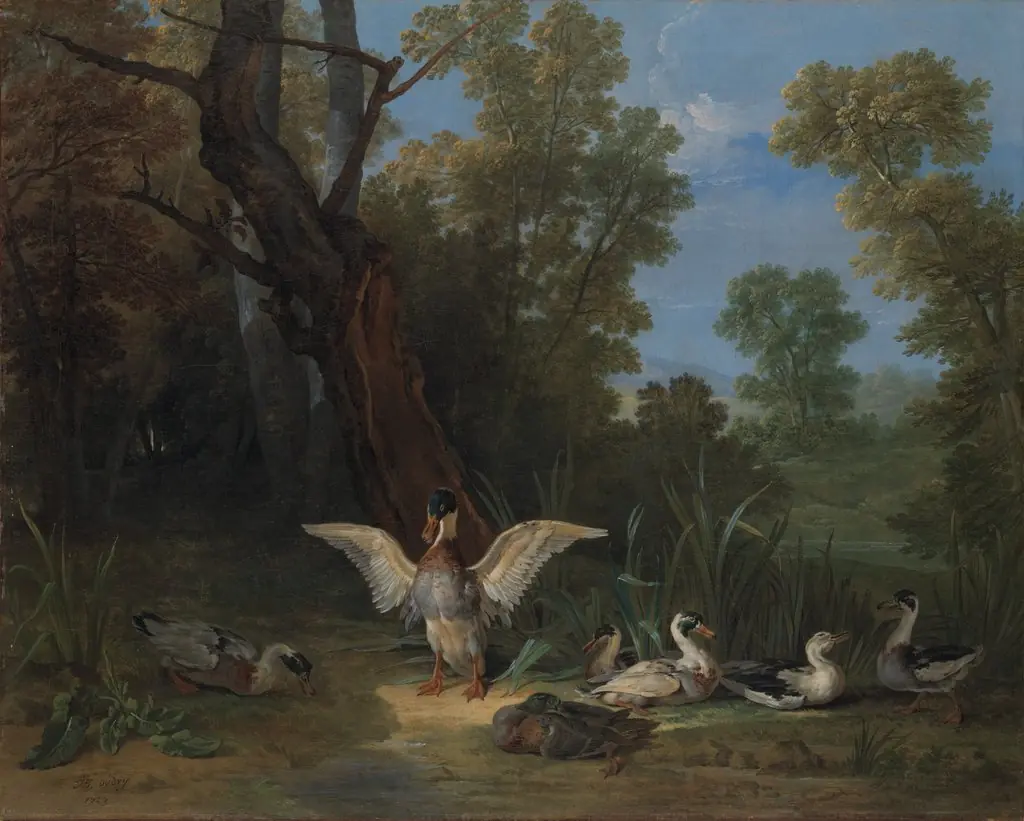
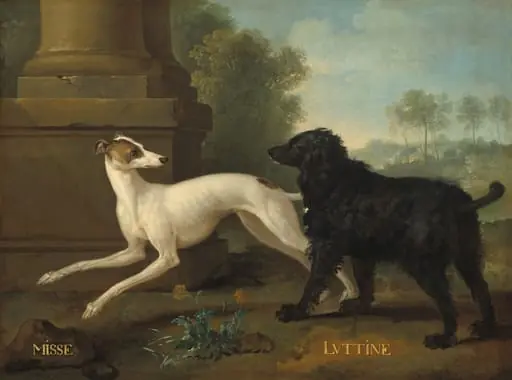
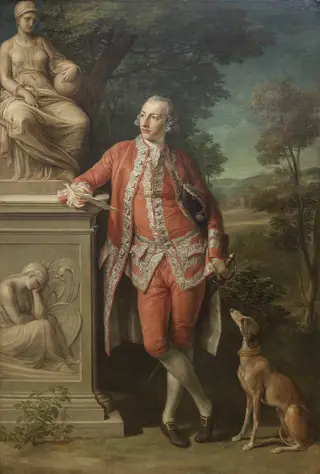
- Peter Beckford (1740-1811), godsejer, Dorset.
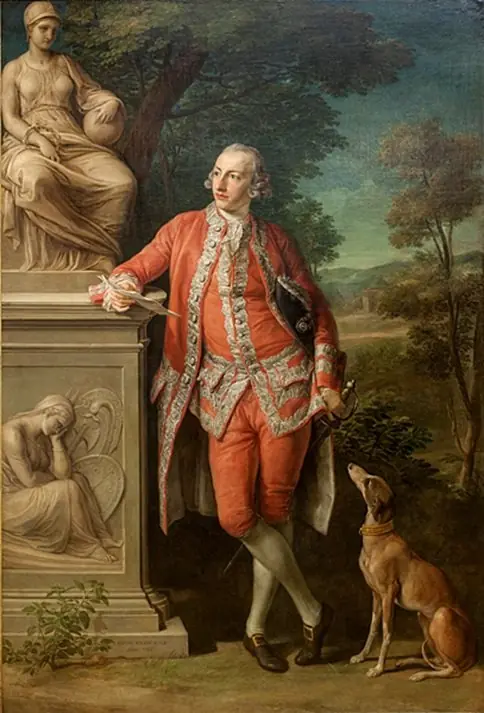 Peter Beckford (1740-1811), godsejer, Dorset.
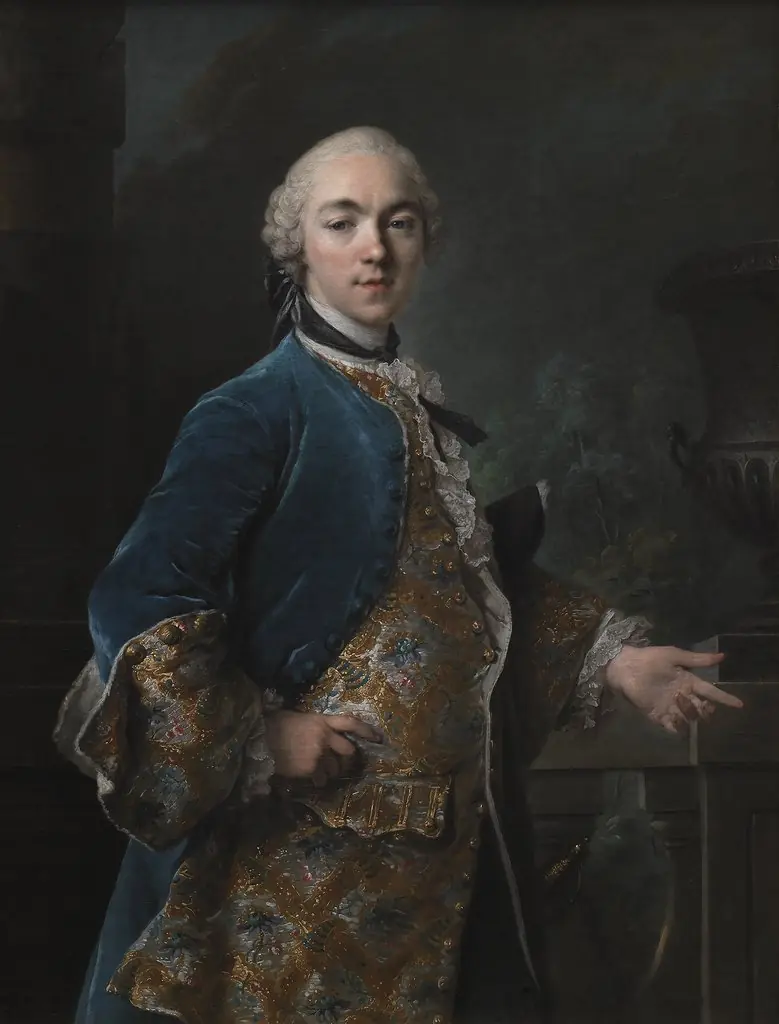 Portrait of Frederik Christian Krag (1726-1763)
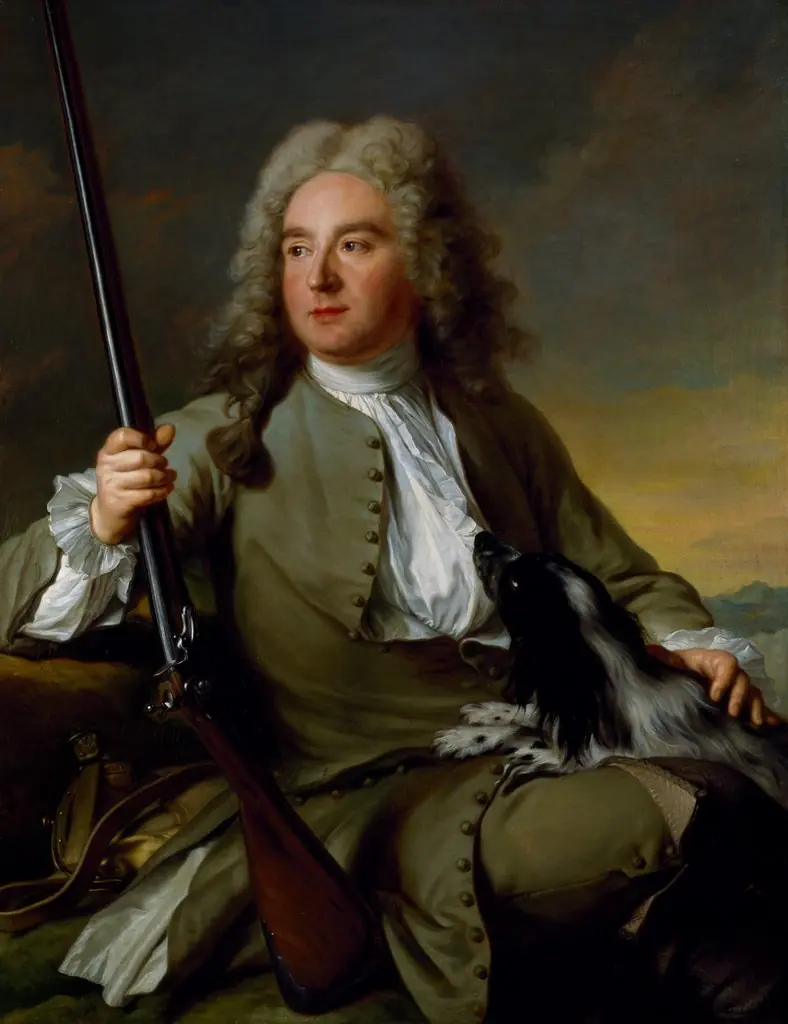 Portrait of a Gentleman as a Hunter
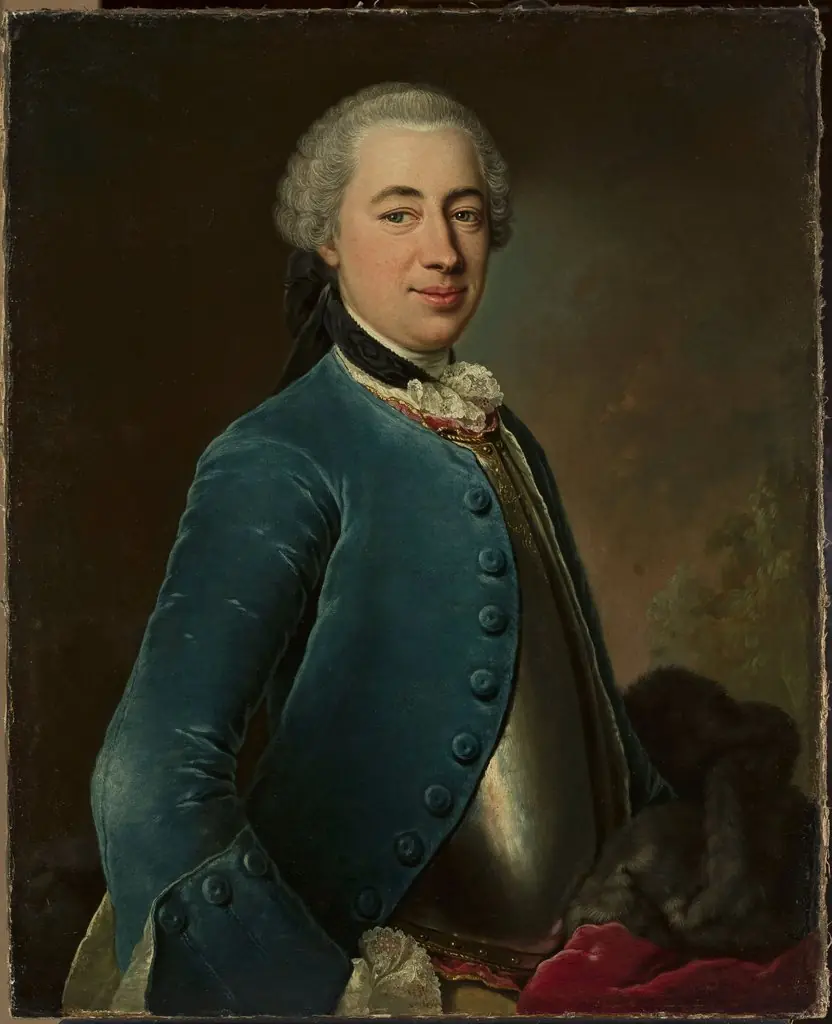 Portrait of a man in armour
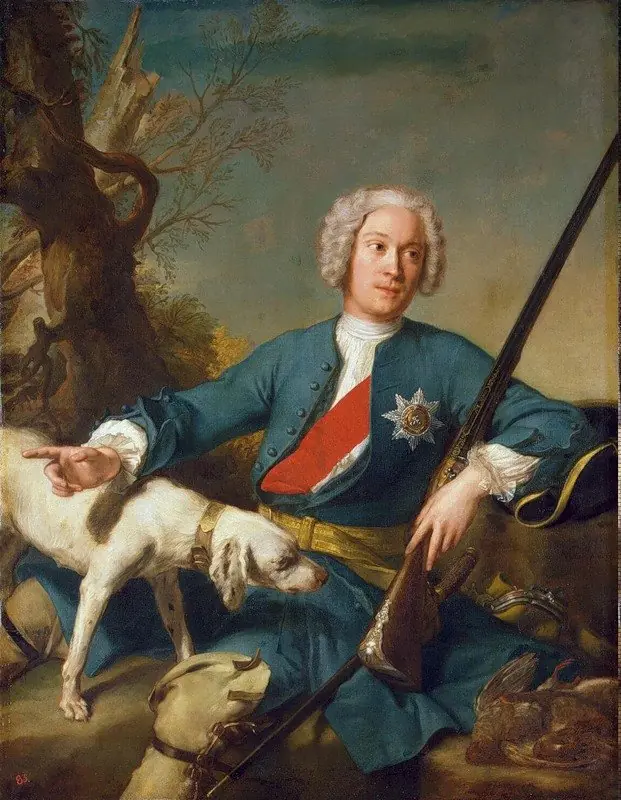 Portrait of Alexander Kurakin
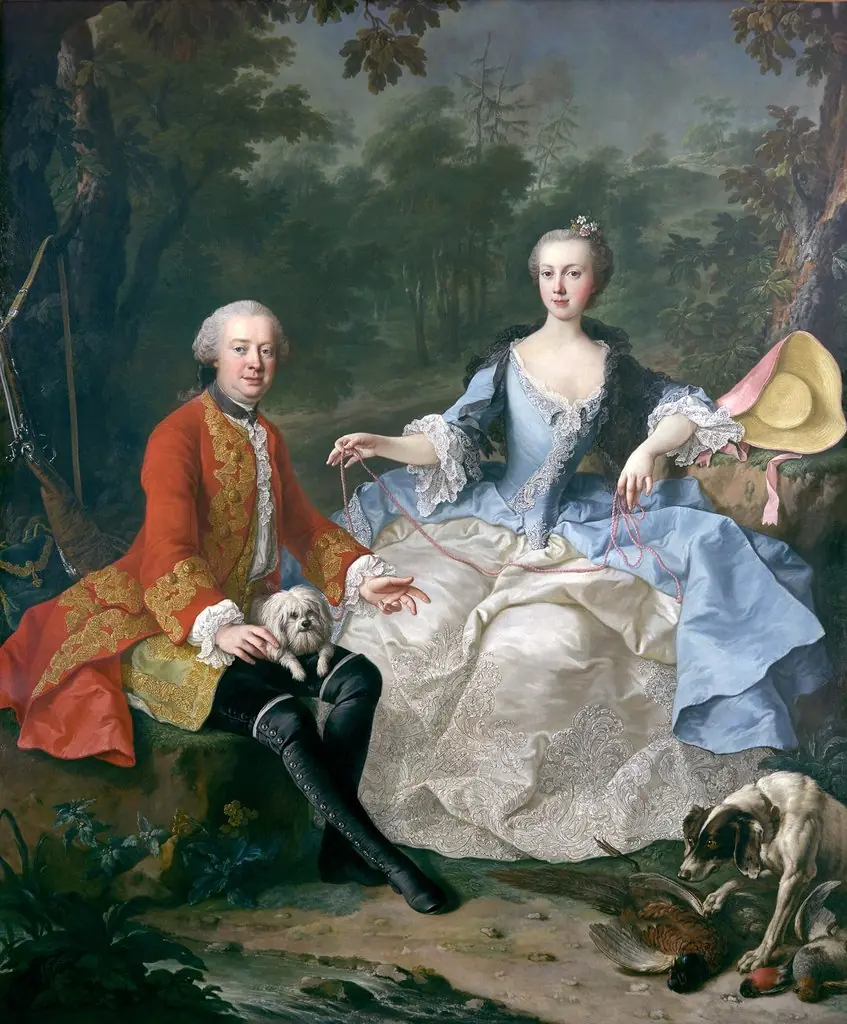 Count Giacomo Durazzo in the Guise of a Huntsman with His Wife
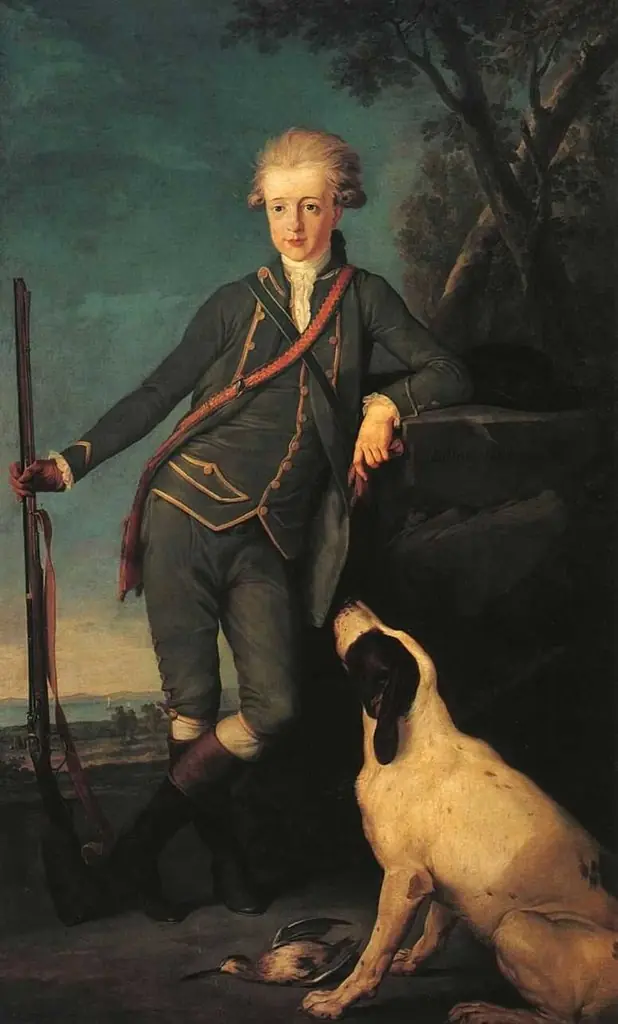 Portrait of Nikita Petrovich Panin (1770-1837)
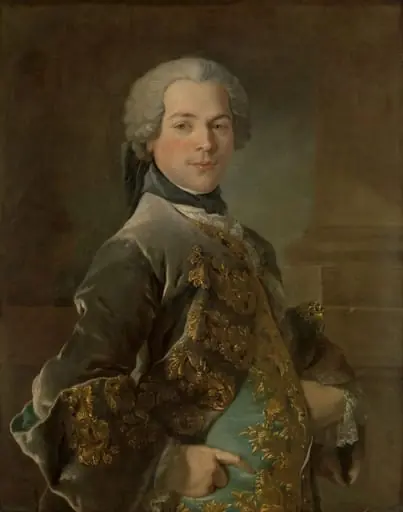 Portrait of Isaac van Rijneveld
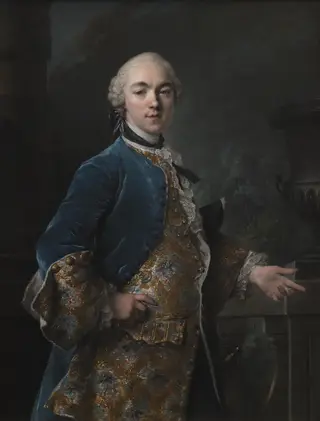 Portrait of Frederik Christian Krag (1726-1763)
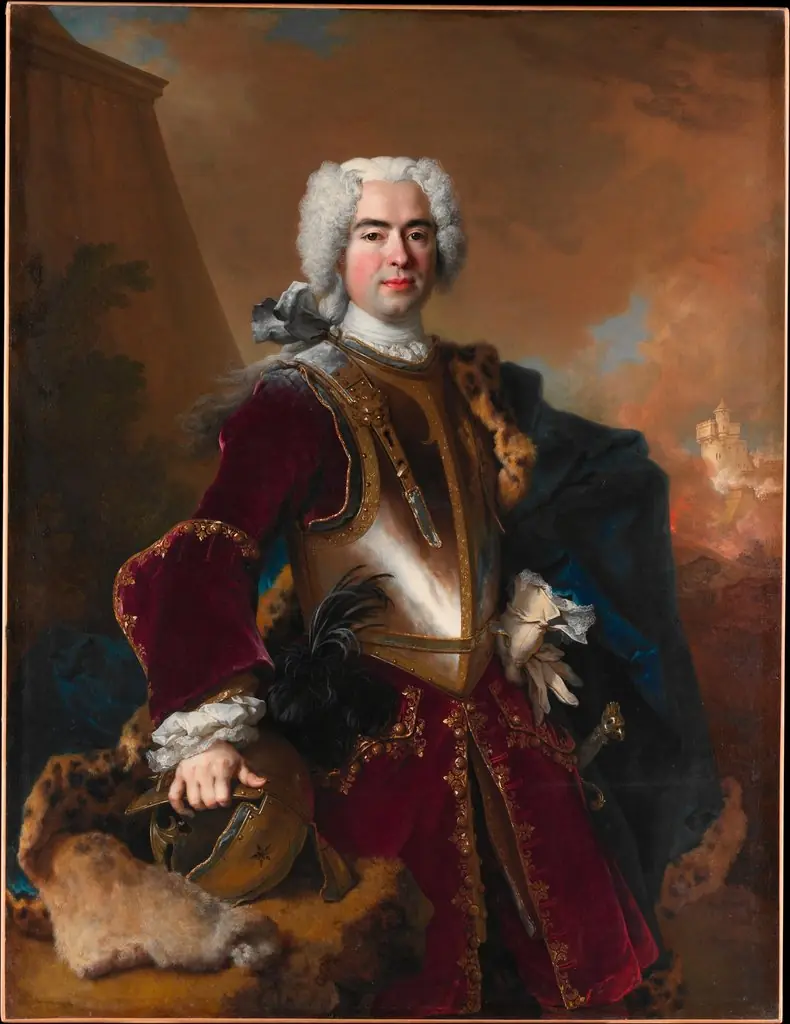 André François Alloys de Theys d'Herculais (1692–1779)
 Portrait of John Talbot, later 1st Earl Talbot