Artwork
The Large Tree
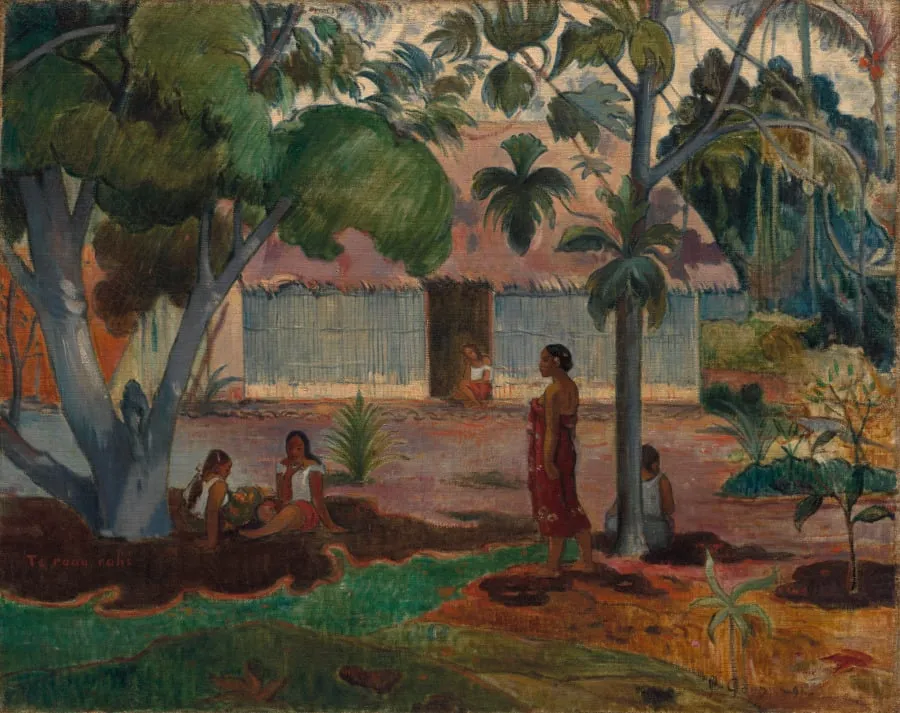
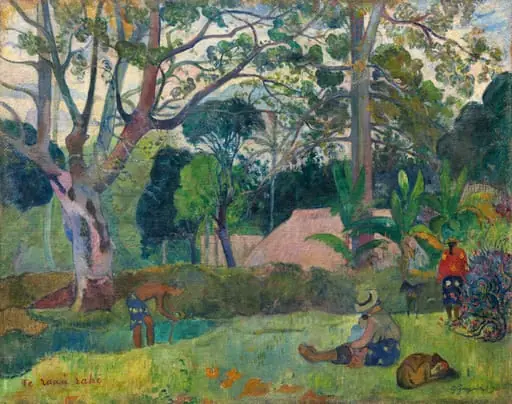
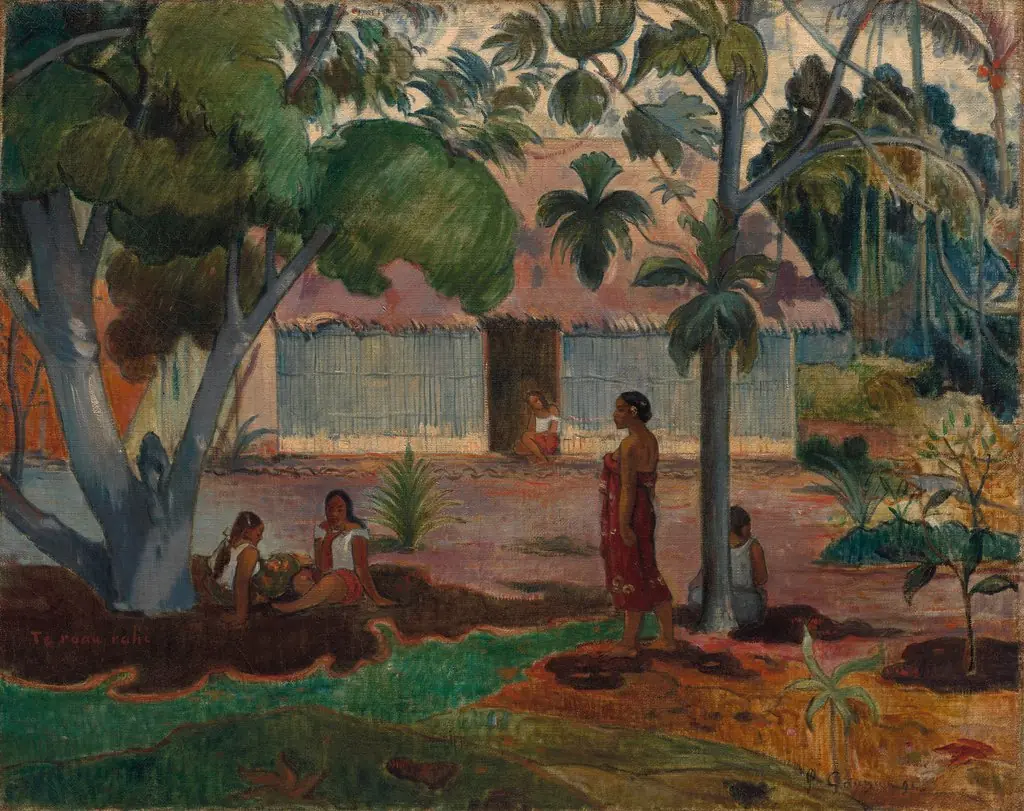
The Large Tree is an unspecified painting by the Impressionist artist Paul Gauguin. It dates from 1891 and is held in the collection of the Cleveland Museum of Art.
- Accession no.
- 1975.263
- Credit line
- Gift of Barbara Ginn Griesinger
About this work
The tree isn’t just a tree; it’s supposed to mean something, but he left it open for you to decide.
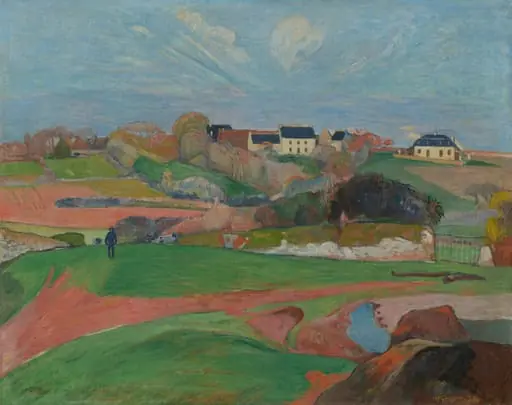
You see a big tree in the middle of a bright, flat field. The colors are bold, deep greens, reds, and blues, with no shadows to make it look real.
Gauguin painted this right after he left France for Tahiti. He wanted the colors and shapes to feel like music, not like a photo. The tree isn’t just a tree; it’s supposed to mean something, but he left it open for you to decide.
If you like this, check out more of Paul Gauguin (French, 1848–1903).
Overview
The Large Tree is a painting by Paul Gauguin, created shortly after his arrival in Tahiti in 1891.
Subject & Meaning
The painting features a prominent tree in a flat, bright landscape. The tree and its surroundings are rendered in bold, vibrant colors and stylized forms, intended to evoke emotions and private thoughts rather than represent reality.
Technique & Style
Gauguin's use of deep greens, reds, and blues eschews realistic shading, instead emphasizing a musical quality, with colors and shapes harmonizing to create a non-representational effect.
History & Provenance
Gauguin produced this work early in his Tahitian period, following his departure from Europe and a significant change in his personal and professional life.
Context
Gauguin's move to Tahiti was motivated by his disillusionment with European society, and his art from this period reflects his desire to explore new modes of expression.
Artist & collection
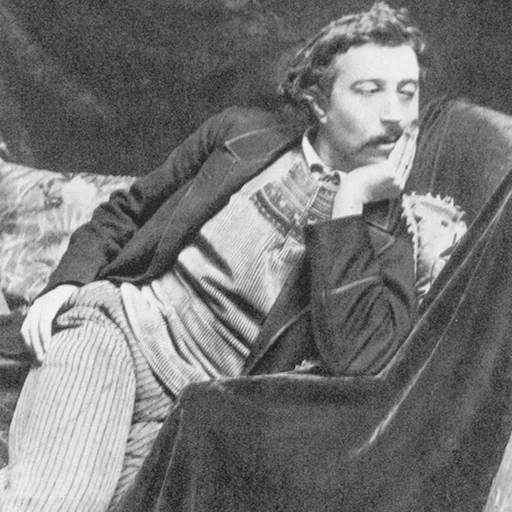
Artist
Eugène Henri Paul Gauguin (; French:; 7 June 1848 – 8 May 1903) was a French painter, sculptor, printmaker, ceramist, and writer, whose work has been primarily associated with the Post-Impressionist and Symbolist movements.