Artwork
Mette Gauguin
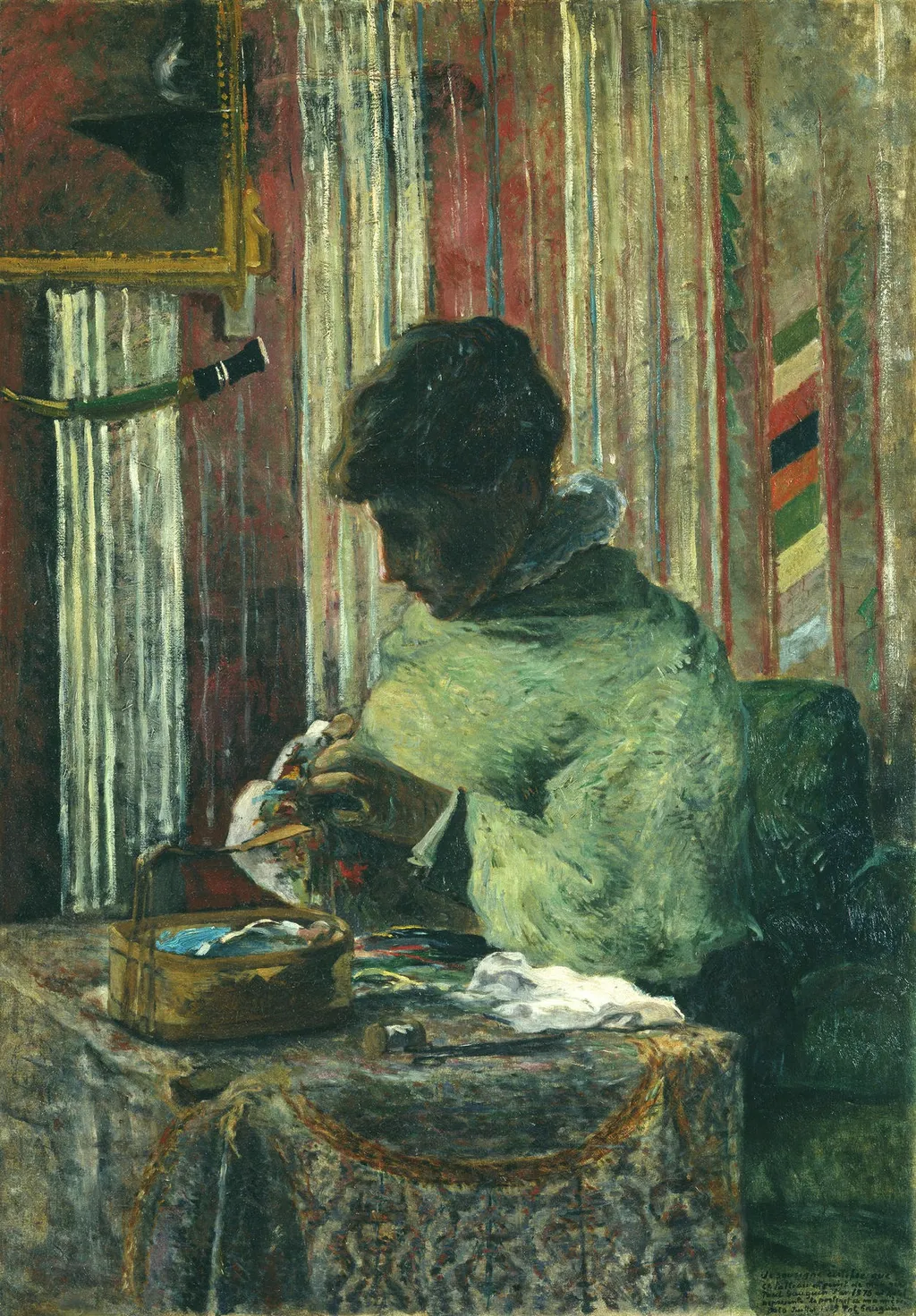
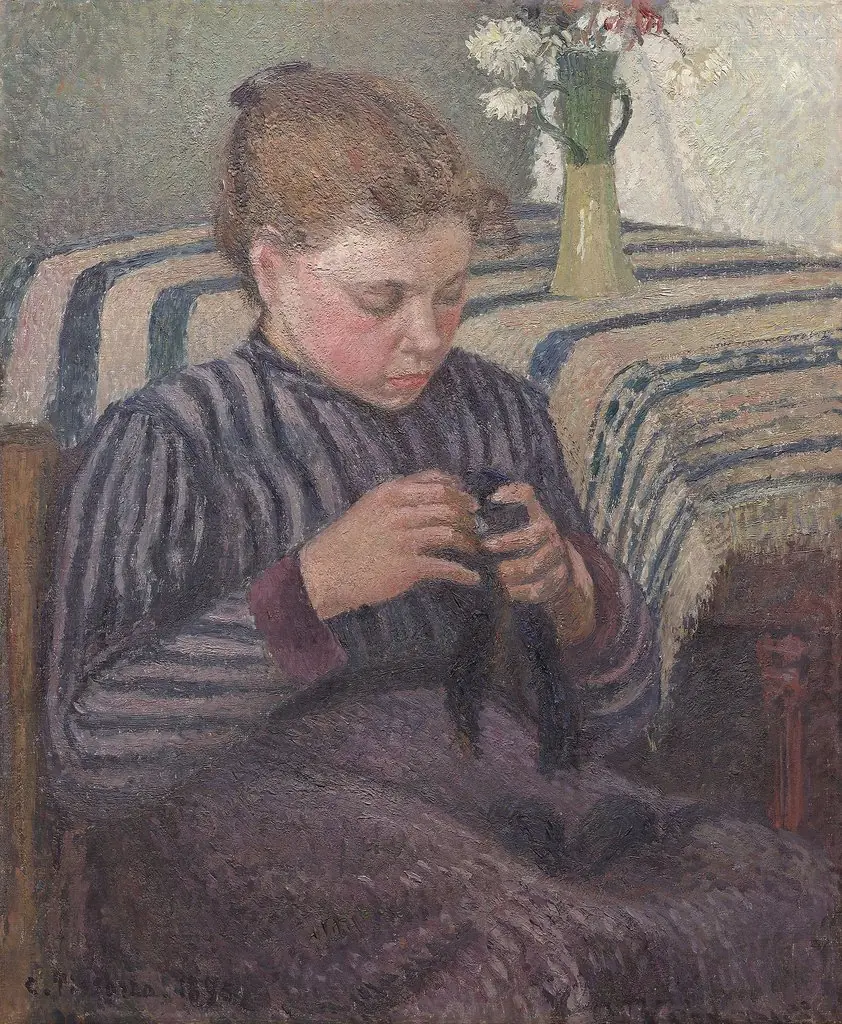
Mette Gauguin is an oil painting by the Impressionist artist Paul Gauguin. It dates from 1890 and is held in the collection of the Foundation E.G. Bührle Collection.
About this work
Overview
It is currently held in the collection of Kunsthaus Zürich, where it remains a quiet testament to domestic intimacy in his oeuvre.
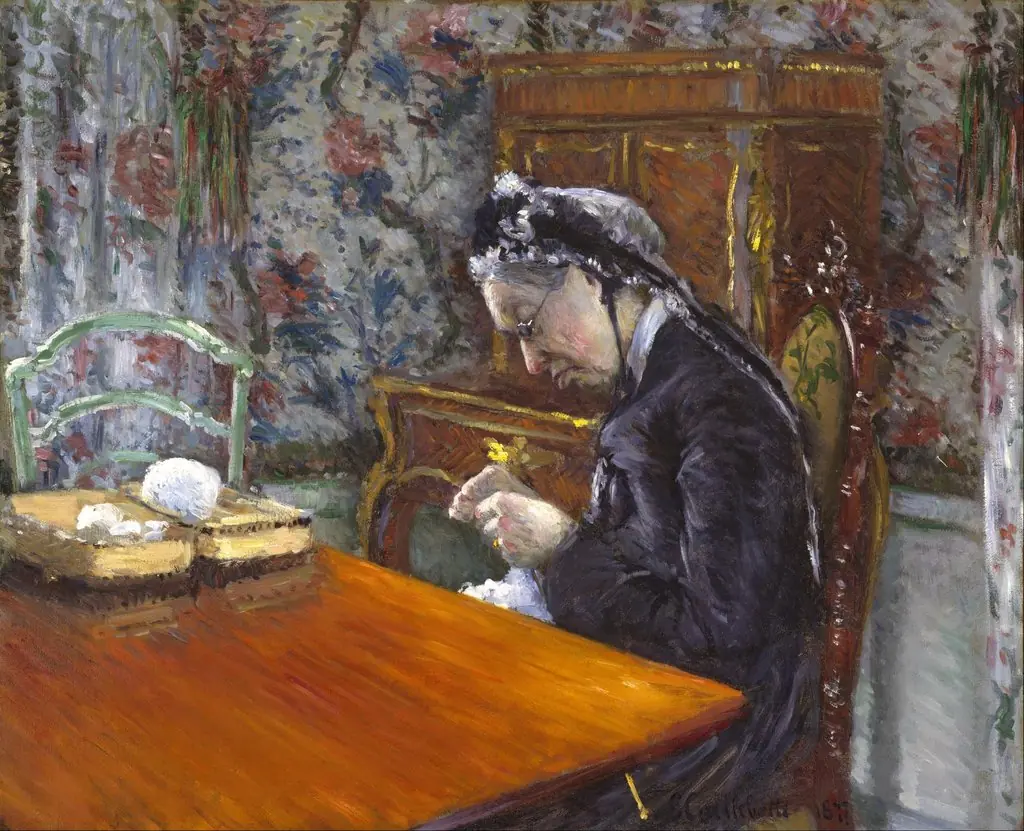
Painted in 1890, this oil work by Paul Gauguin portrays his wife, Mette Sophie Gad, engaged in the quiet act of sewing. Executed during a transitional phase in Gauguin’s career, the painting reflects his shift away from Impressionist conventions toward more personal, structured compositions. It is currently held in the collection of Kunsthaus Zürich, where it remains a quiet testament to domestic intimacy in his oeuvre.
Subject & Meaning
The subject, Mette Gauguin, is depicted in a moment of focused labor, her posture and expression conveying stillness rather than narrative. The act of sewing, a private, repetitive task, suggests domestic routine and emotional restraint. Gauguin’s choice to portray his wife in this unadorned setting avoids idealization, instead emphasizing presence and solitude within the home environment.
Technique & Style
Gauguin applied oil paint with deliberate, visible brushwork, building form through flat planes of color rather than subtle gradations. The red-striped wall and simplified interior elements reflect a move toward decorative abstraction. Light falls evenly, minimizing shadows, and the composition is deliberately contained, focusing attention on the figure and her task without spatial depth or distraction.
History & Provenance
Created during Gauguin’s time in Denmark and France, the painting was likely made shortly before his departure for Tahiti. It remained in family hands for decades before entering the Kunsthaus Zürich collection. Its preservation there has allowed consistent scholarly access, offering insight into Gauguin’s early domestic scenes before his more exoticized works emerged.
Context
In 1890, Gauguin was navigating financial hardship and artistic uncertainty, increasingly dissatisfied with Impressionist approaches. This painting reflects his search for emotional authenticity over optical realism. While still rooted in European domestic life, its simplified forms and muted palette foreshadow the symbolic and stylized direction his art would take in the coming years.
Legacy
Though less known than his Polynesian works, this portrait contributes to understanding Gauguin’s evolution as an artist. It demonstrates his early interest in psychological presence and formal economy, influencing later Symbolist and modernist tendencies. The painting remains a quiet but significant record of personal life before his radical artistic departure.
Own this work as a print
Artist & collection
Artist
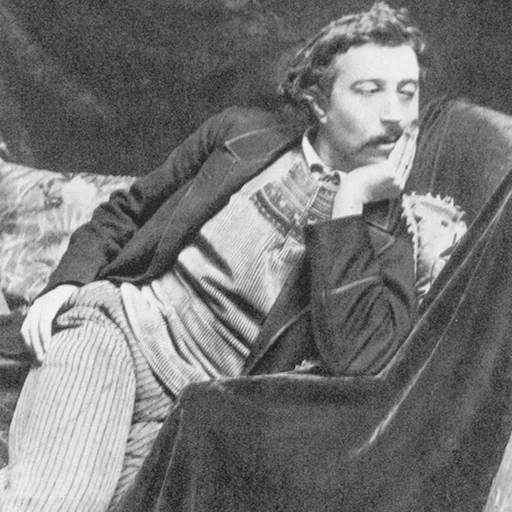
Eugène Henri Paul Gauguin (; French:; 7 June 1848 – 8 May 1903) was a French painter, sculptor, printmaker, ceramist, and writer, whose work has been primarily associated with the Post-Impressionist and Symbolist movements.