Artwork
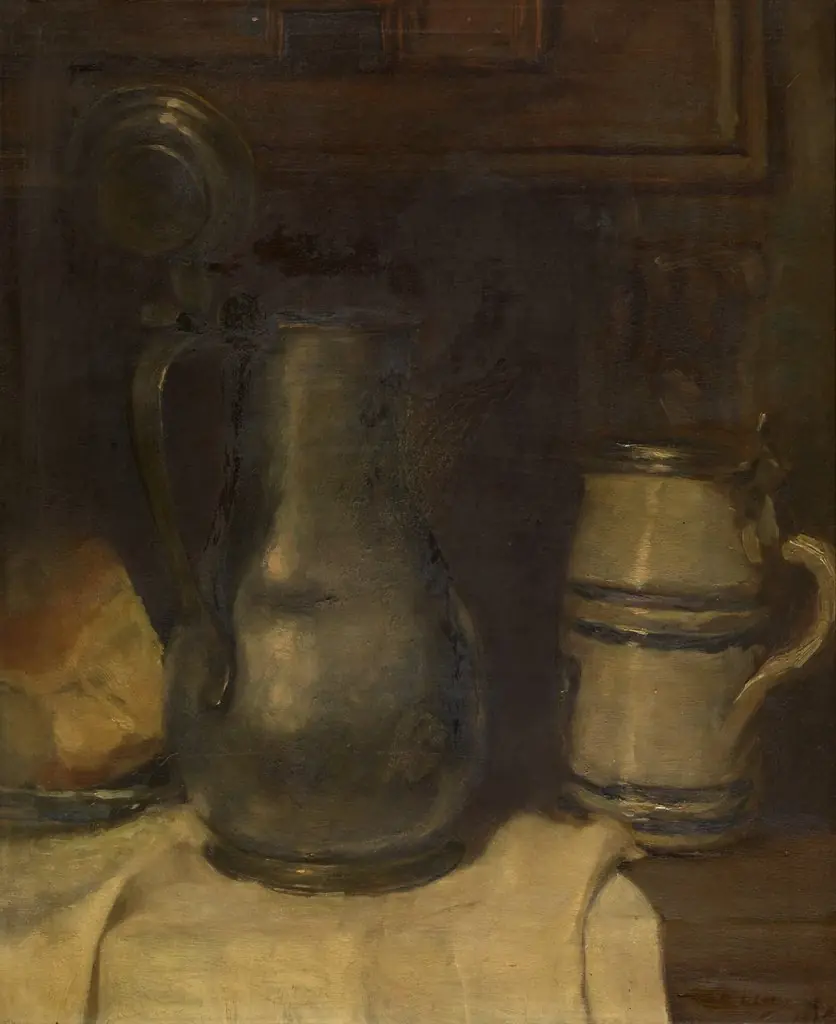
Wood Tankard and Metal Pitcher
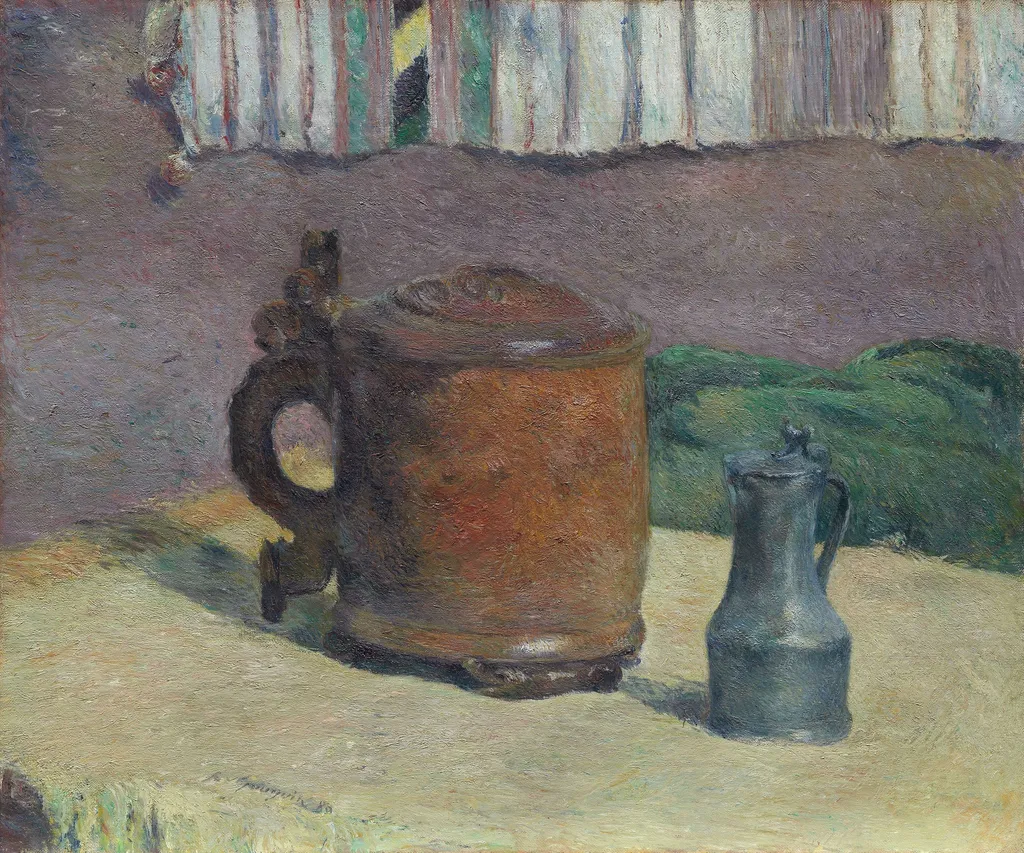
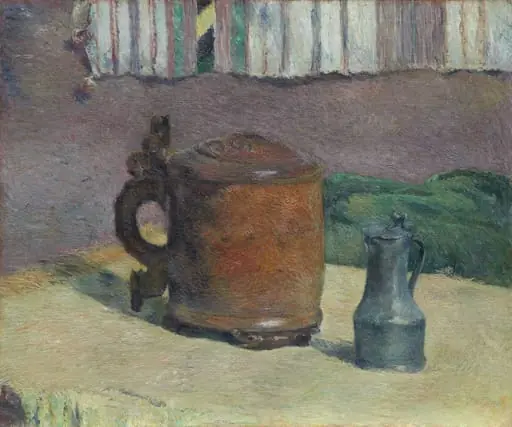
Wood Tankard and Metal Pitcher is an oil painting by the Impressionist artist Paul Gauguin. It dates from 1890 and is held in the collection of the Art Institute of Chicago.
About this work
Subject & Meaning
The title itself confirms that the visual content is limited to these two items, emphasizing their material presence within the frame.
Paul Gauguin's 1880 oil painting, Wood Tankard and Metal Pitcher, is a still life composition that focuses exclusively on the depiction of two domestic vessels: a wooden tankard and a metal pitcher. The work presents these objects as the sole subjects, arranged without additional narrative elements or background figures. As a genre painting of this period, the piece derives its meaning from the formal study of the objects' textures and forms rather than illustrating a specific story or allegorical symbolism.
The title itself confirms that the visual content is limited to these two items, emphasizing their material presence within the frame.
Technique & Style
Wood Tankard and Metal Pitcher is an oil painting on canvas, executed by Paul Gauguin in 1880. The work is classified as a still life, depicting a tankard and a pitcher as its central subjects. According to the catalogue record, the painting measures 65 cm in height and 54 cm in width.
The medium is recorded as oil paint applied to canvas support. The subject matter, a wooden tankard paired with a metal pitcher, situates the composition within the still-life genre, focusing on the formal contrast between the two vessels.
No further details regarding handling, condition, or specific stylistic qualities are documented in the available sources.
History & Provenance
The painting Wood Tankard and Metal Pitcher was created by Paul Gauguin in 1880. Executed in oil on canvas, the work measures 65 cm in height and 54 cm in width. It depicts a still life arrangement featuring a tankard and a pitcher. The artwork is currently held in the collection of the Art Institute of Chicago.
Wood Tankard and Metal Pitcher is held in the collection of the Art Institute of Chicago. The institution serves as the current location for this 1880 oil painting on canvas. While the work is part of the museum's holdings, the provided records do not list a specific accession number or detail any past exhibitions in which the piece has been displayed.
Overview
Painted in 1890, Wood Tankard and Metal Pitcher exemplifies Paul Gauguin’s transitional phase between Impressionism and the more personal stylistic innovations that would define his later work. Executed in oil, the composition isolates two ordinary vessels, a carved wooden tankard and a polished metal pitcher, on a plain surface, stripping away narrative in favor of formal exploration. The restrained palette and deliberate brushwork signal Gauguin’s departure from fleeting optical effects toward a more structured, almost meditative approach to still life.
Context
This still life reflects Gauguin’s broader artistic concerns during the late 1880s and early 1890s, a time of transition marked by his search for authenticity beyond Western academic traditions. While still lifes were a staple of Impressionist practice, Gauguin’s approach here signals a shift toward simplification and emotional resonance. The painting predates his relocation to Tahiti but aligns with his growing rejection of naturalism in favor of a more subjective, expressive style.
Own this work as a print
Artist & collection
Artist
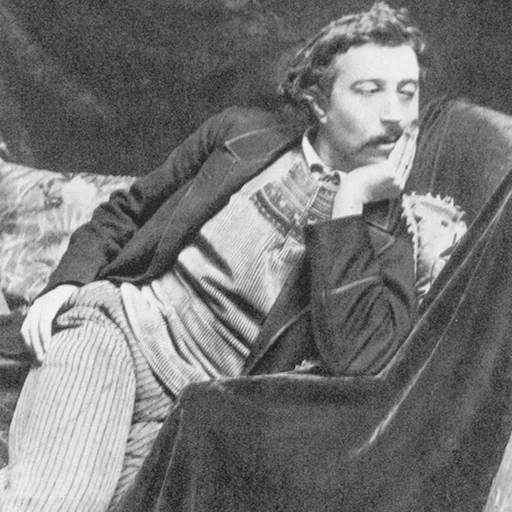
Eugène Henri Paul Gauguin (; French:; 7 June 1848 – 8 May 1903) was a French painter, sculptor, printmaker, ceramist, and writer, whose work has been primarily associated with the Post-Impressionist and Symbolist movements.