Artwork
Actor's Mask
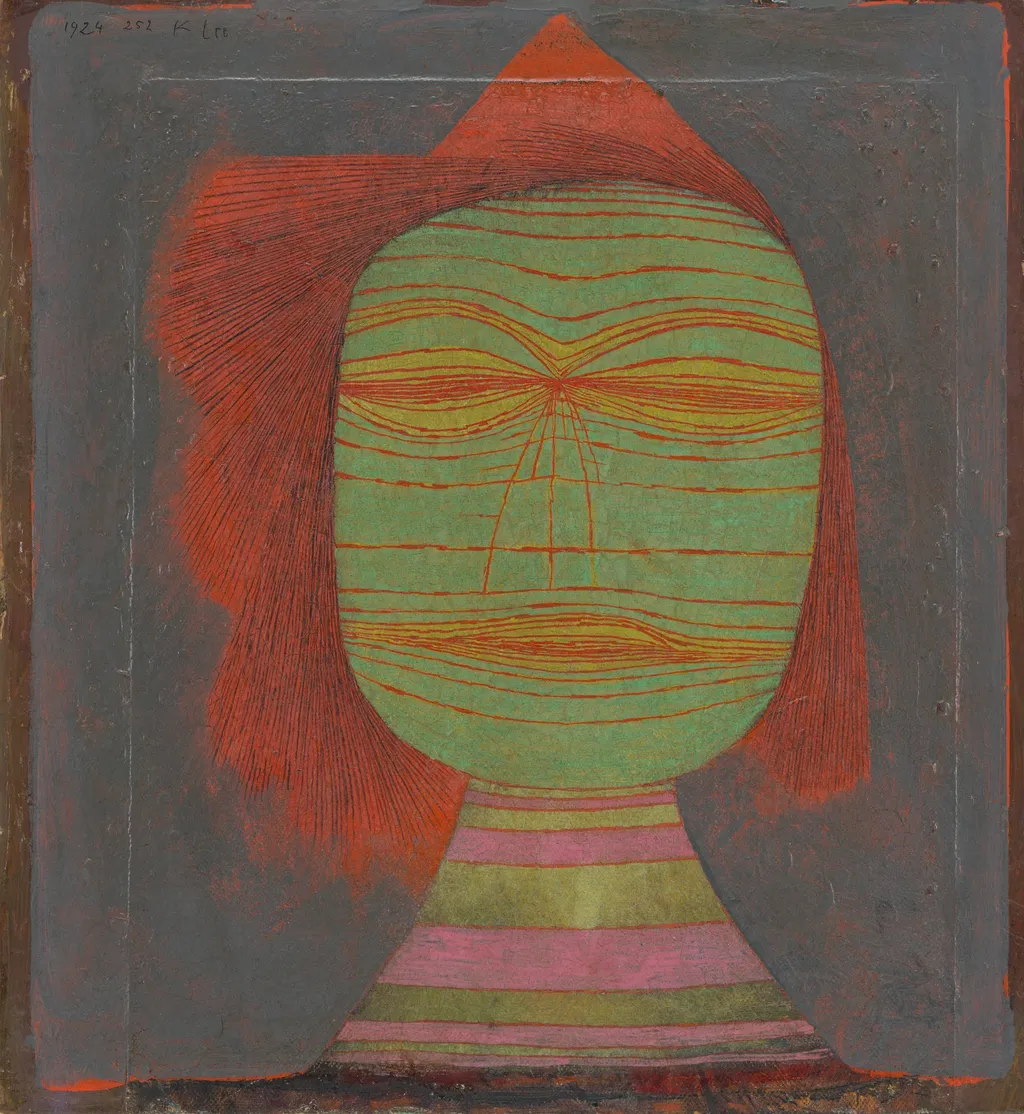
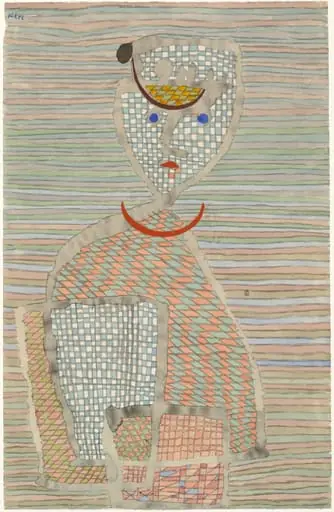
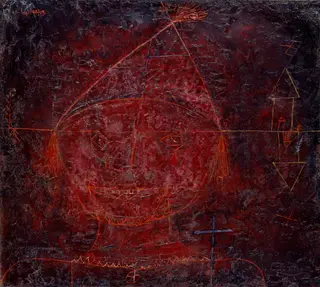
Actor's Mask is an oil painting by the Bauhaus artist Paul Klee. It dates from 1924 and is held in the collection of the Museum of Modern Art.
About this work
Overview
Actor's Mask is a 1924 oil painting by Paul Klee, characterized by a green-faced, red-lined mask set against a muted gray and brown background. The mask's wooden appearance is accentuated by a pointed top and wide base, with surrounding red lines adding depth.
Subject & Meaning
The subject, a mask with a discernible face, may symbolize the performative aspect of identity, a common theme in Klee's work. The contrast between the mask's expressive lines and subdued colors could reflect the tension between outward appearance and inner emotion.
Technique & Style
Klee's engagement with color theory is evident in the restrained yet expressive palette. The painting's style, blending geometric forms with organic lines, reflects Klee's unique synthesis of expressionist, cubist, and surrealist influences.
History & Provenance
Created during Klee's involvement with the Bauhaus movement, Actor's Mask embodies the school's interdisciplinary ethos. The work is now part of the Museum of Modern Art's collection.
Context
As a Bauhaus piece, Actor's Mask represents the movement's emphasis on experimental art and design. Klee's theoretical writings on color and design further contextualize the work within early 20th-century avant-garde practices.
Legacy
Actor's Mask contributes to Klee's legacy as a pioneering figure in 20th-century art, illustrating his innovative approach to visual expression and color theory. Its presence in MoMA's collection ensures ongoing study and appreciation.
Own this work as a print
Artist & collection
Artist
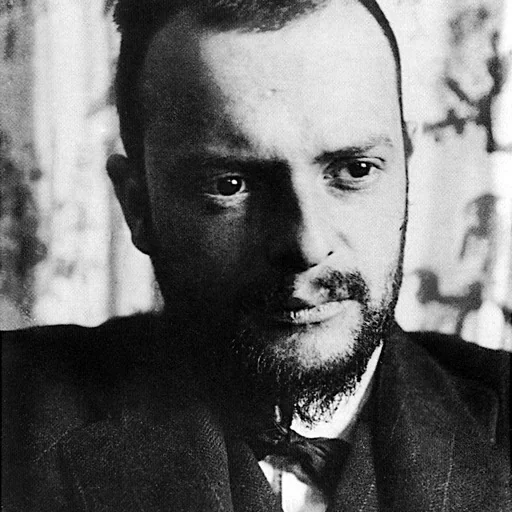
Paul Klee (German:; 18 December 1879 – 29 June 1940) was a Swiss-born German artist.