Artwork
Comblat-le-Château. Le Peuplier
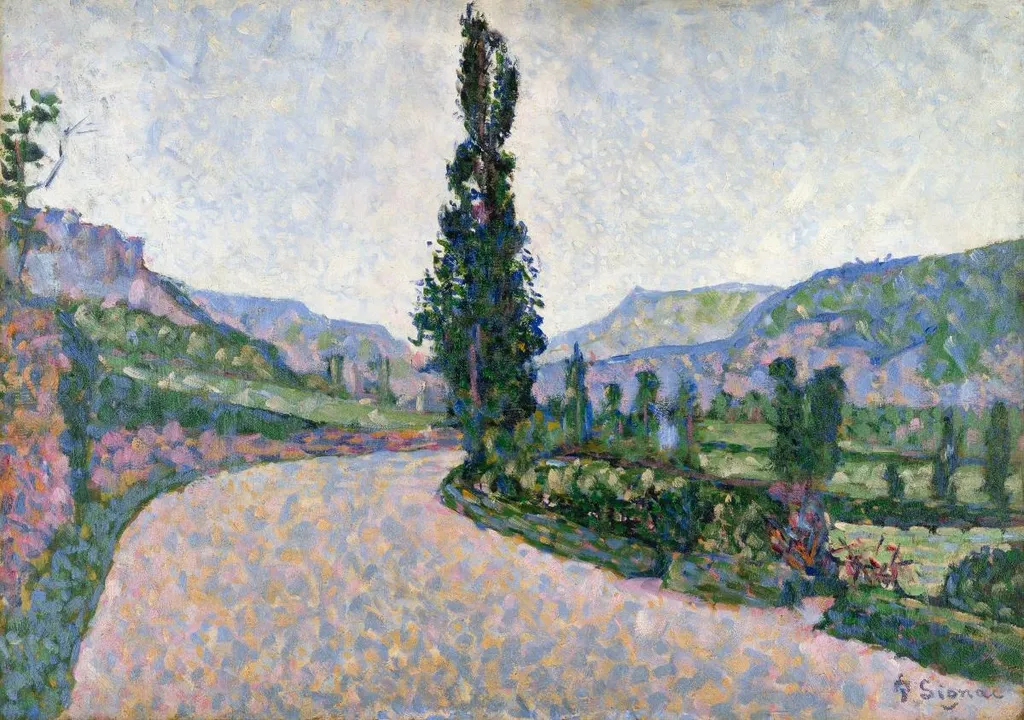
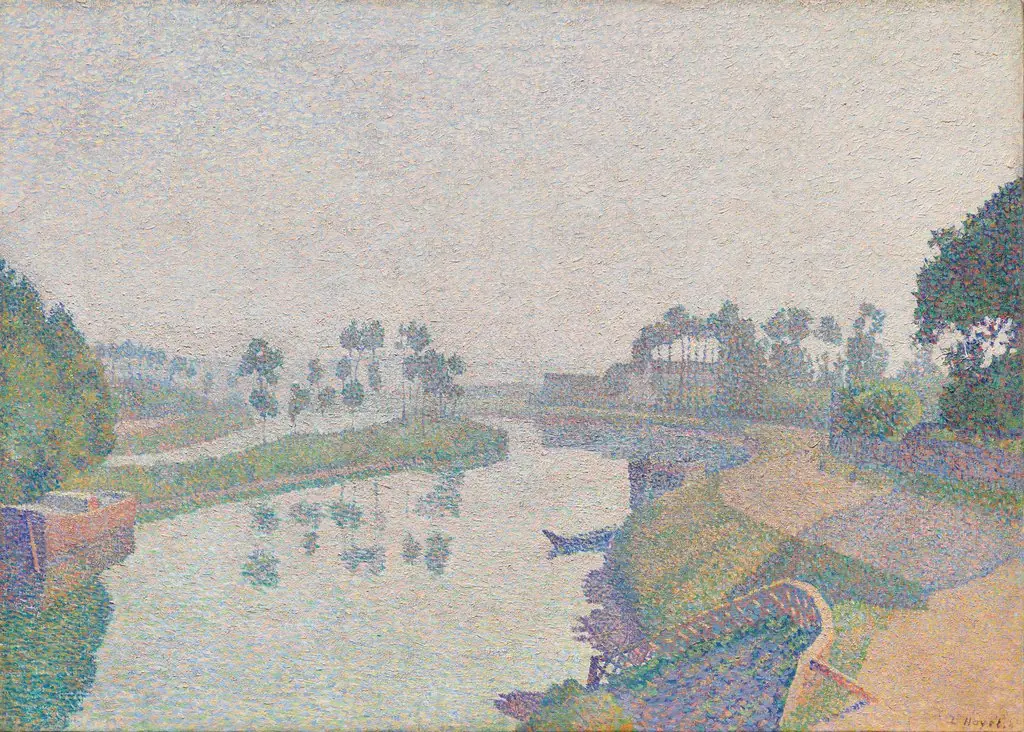
Comblat-le-Château. Le Peuplier is an oil painting by the Neo-Impressionist artist Paul Signac. It dates from 1894 and is held in the collection of the Kunsthaus Zürich. Painted in 1894, Comblat-le-Château.
About this work
Overview
Painted in 1894, Comblat-le-Château. Le Peuplier is an oil on canvas by Paul Signac, held in the Kunsthaus Zürich collection. It exemplifies his commitment to Neo-Impressionism, employing a methodical application of pigment dots to construct form and atmosphere.
Unlike his more familiar seascapes, this work turns inland, capturing a quiet rural road in central France under a soft, hazy sky.
Subject & Meaning
The painting depicts a winding path through a rural landscape, flanked by poplars and underbrush, with distant hills fading into a pale sky. The poplar tree, a recurring motif in Signac’s work, anchors the composition, symbolizing resilience and quiet continuity. There is no human presence, emphasizing the harmony between land and light, and inviting contemplation of nature’s subtle rhythms.
Technique & Style
Greens and browns dominate the foreground, while touches of blue and gray suggest atmospheric depth in the sky and hills.
Signac applies pigment in small, uniform dots of pure color, allowing optical mixing to occur in the viewer’s eye. Greens and browns dominate the foreground, while touches of blue and gray suggest atmospheric depth in the sky and hills. The dot-based brushwork creates a shimmering texture, conveying both stillness and the vibration of natural light, a hallmark of his scientific approach to color theory.
History & Provenance
The painting was completed during a period when Signac was deeply engaged with rural landscapes beyond the French coast. It entered the Kunsthaus Zürich collection in the early 20th century, likely through the museum’s growing interest in Neo-Impressionist works. Its provenance remains largely unbroken since its creation, preserving its original context within Signac’s oeuvre.
Context
Created in the mid-1890s, the work reflects Signac’s shift from coastal scenes to inland French countryside, influenced by his travels and the broader Symbolist interest in nature as a spiritual refuge. His technique, developed with Seurat, was part of a larger movement seeking to systematize perception through color science, aligning art with contemporary optical and physiological research.
Legacy
Though less celebrated than his maritime works, Comblat-le-Château. Le Peuplier illustrates the adaptability of Pointillism to non-maritime subjects. It contributed to the broader acceptance of systematic color application in landscape painting and influenced later modernists exploring structure and perception. The painting remains a quiet testament to Signac’s disciplined exploration of light and form.
Artist & collection

Artist
Paul Victor Jules Signac ( seen-YAHK, French:; 11 November 1863 – 15 August 1935) was a French Neo-Impressionist painter who, with Georges Seurat, helped develop the artistic technique Pointillism.

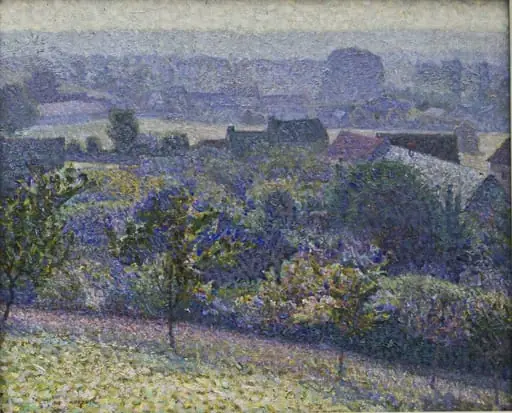 Vedere din Giverny (dimineața)
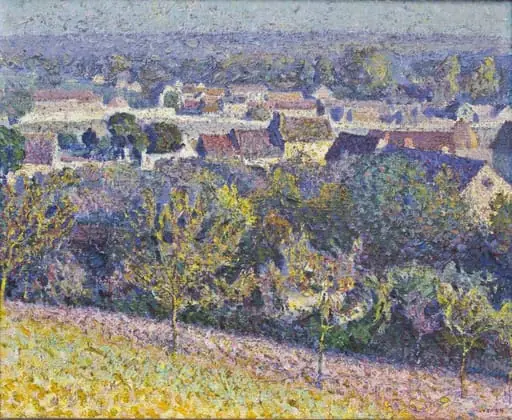 Vedere din Giverny (seara)
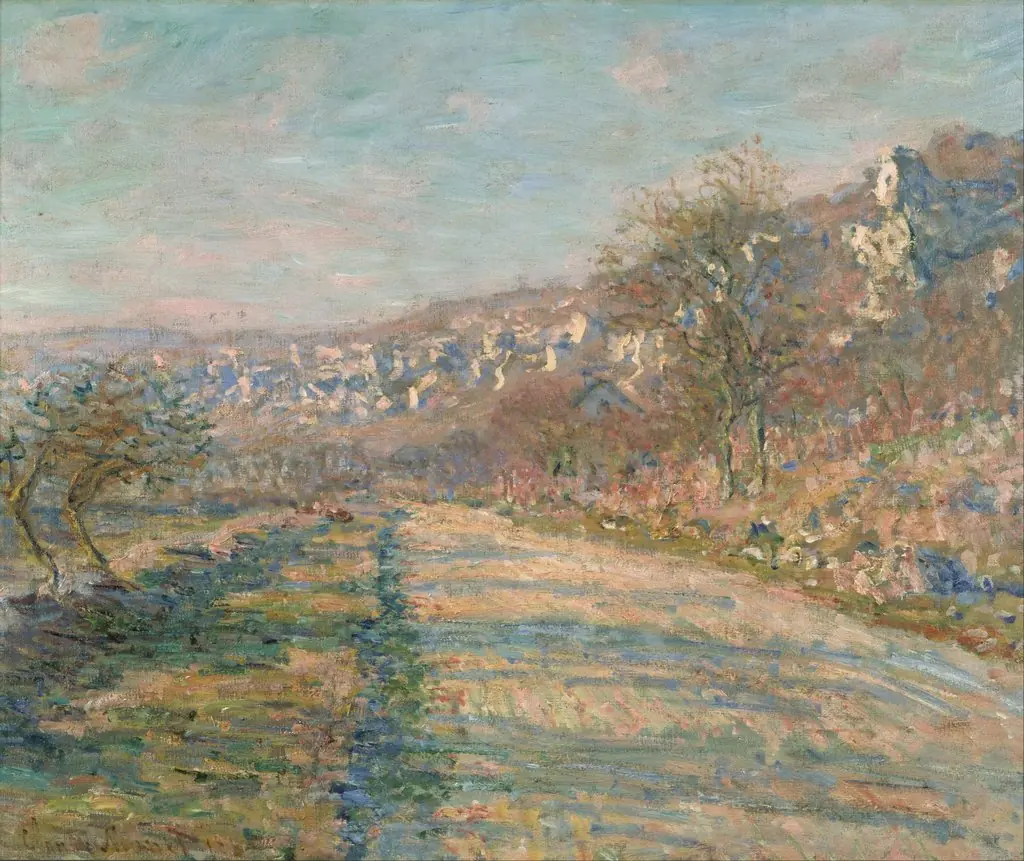 Road of La Roche-Guyon
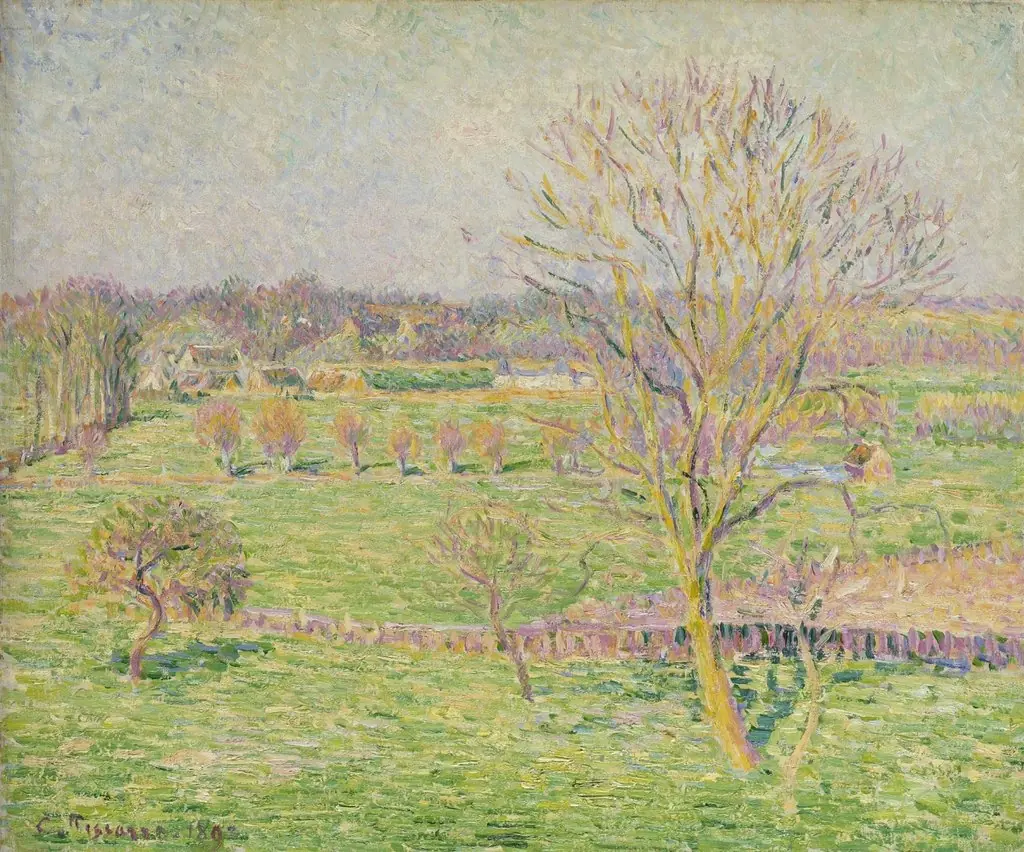 Le pré et le grand noyer, printemps, Eragny
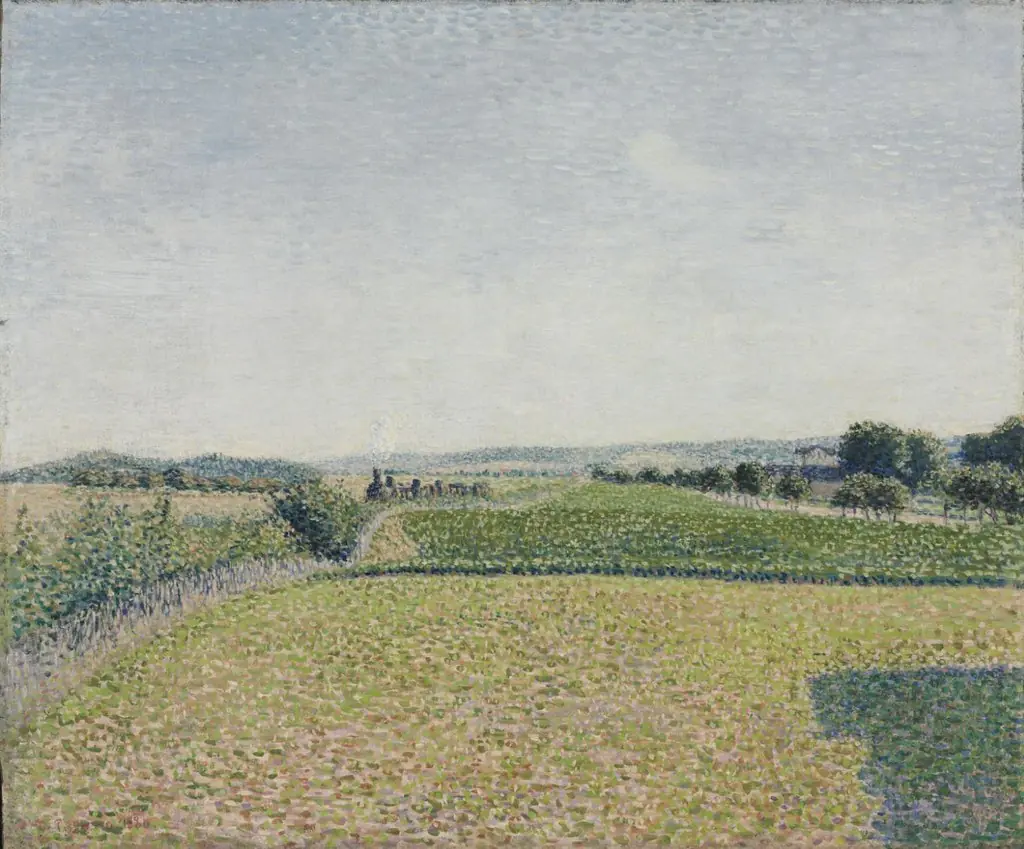 Railroad to Dieppe
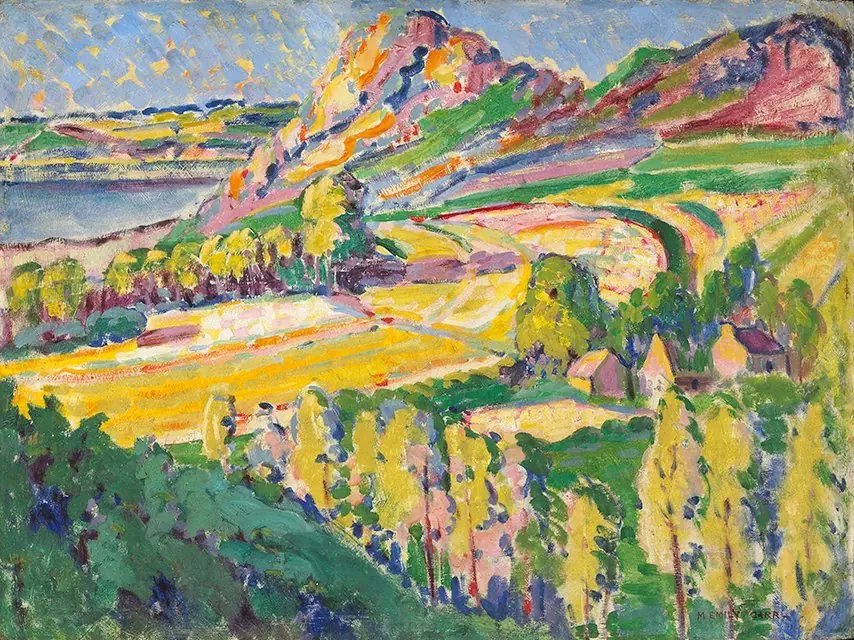 Autumn in France
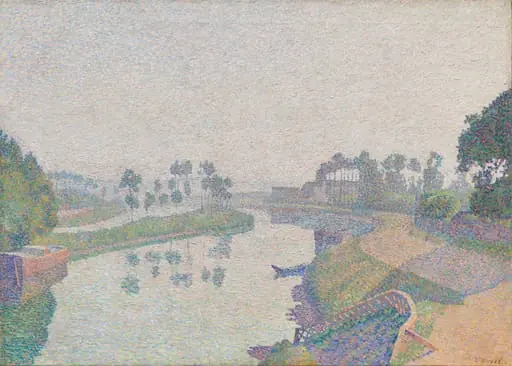 Banks of the Oise at Dawn
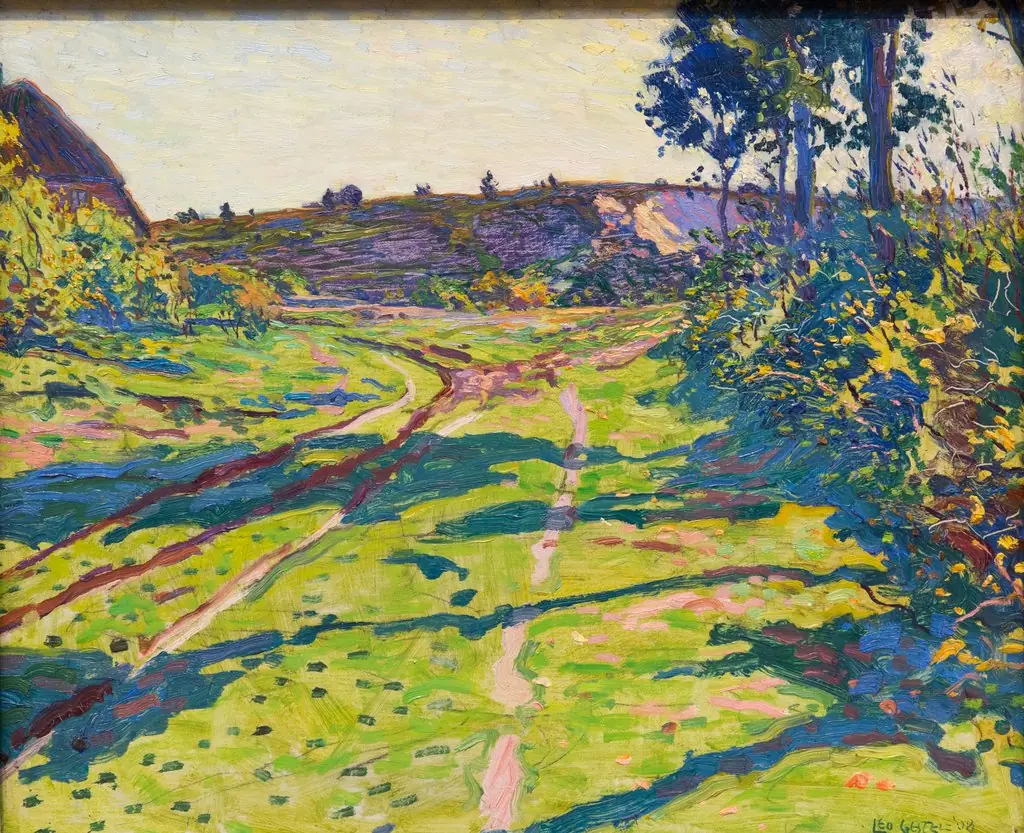 Afternoon Sun
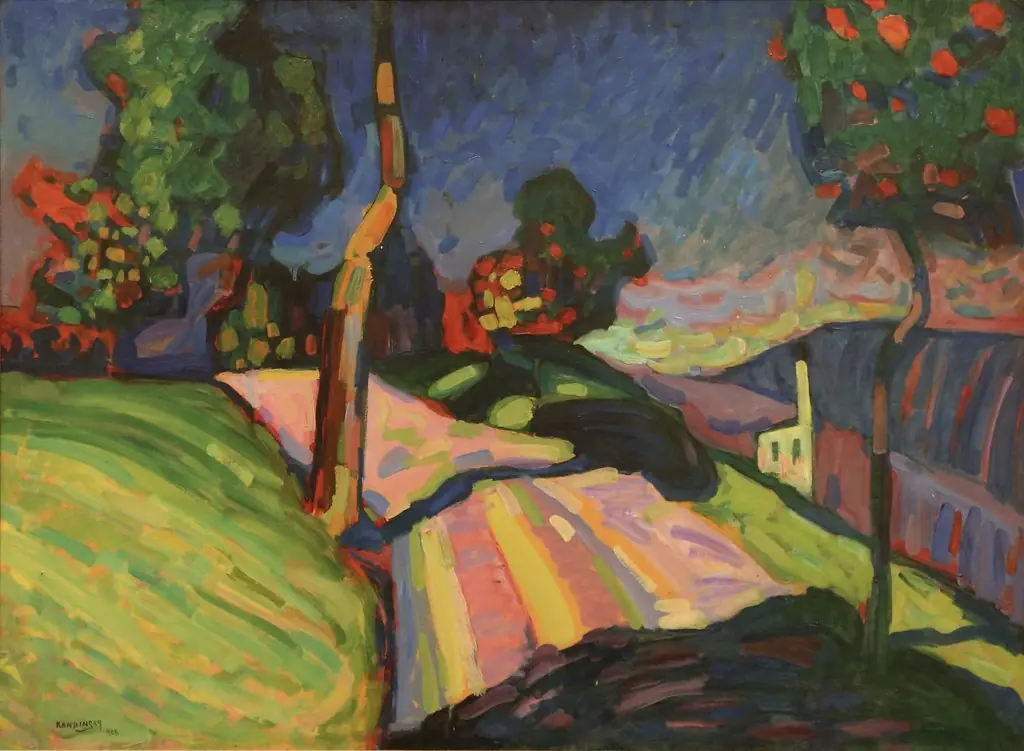 Murnau - Kohlgruberstrasse
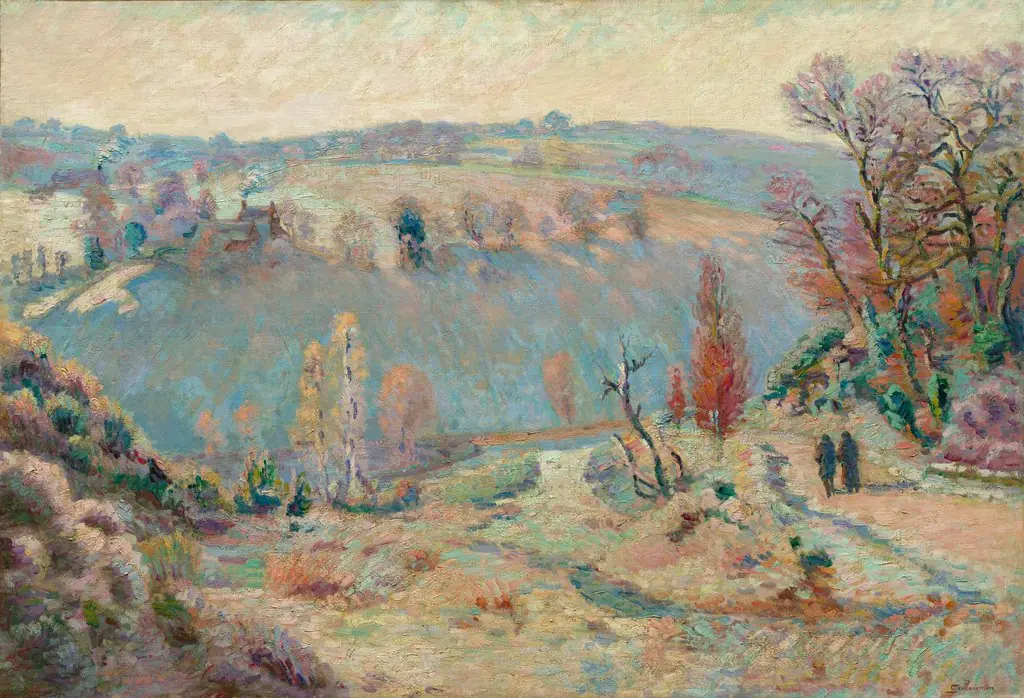 Valley of the Sédelle at Pont Charraud: White Frost
- La Route
 Banks of the Oise at Dawn