Artwork
Selbstbildnis in Phantasietracht
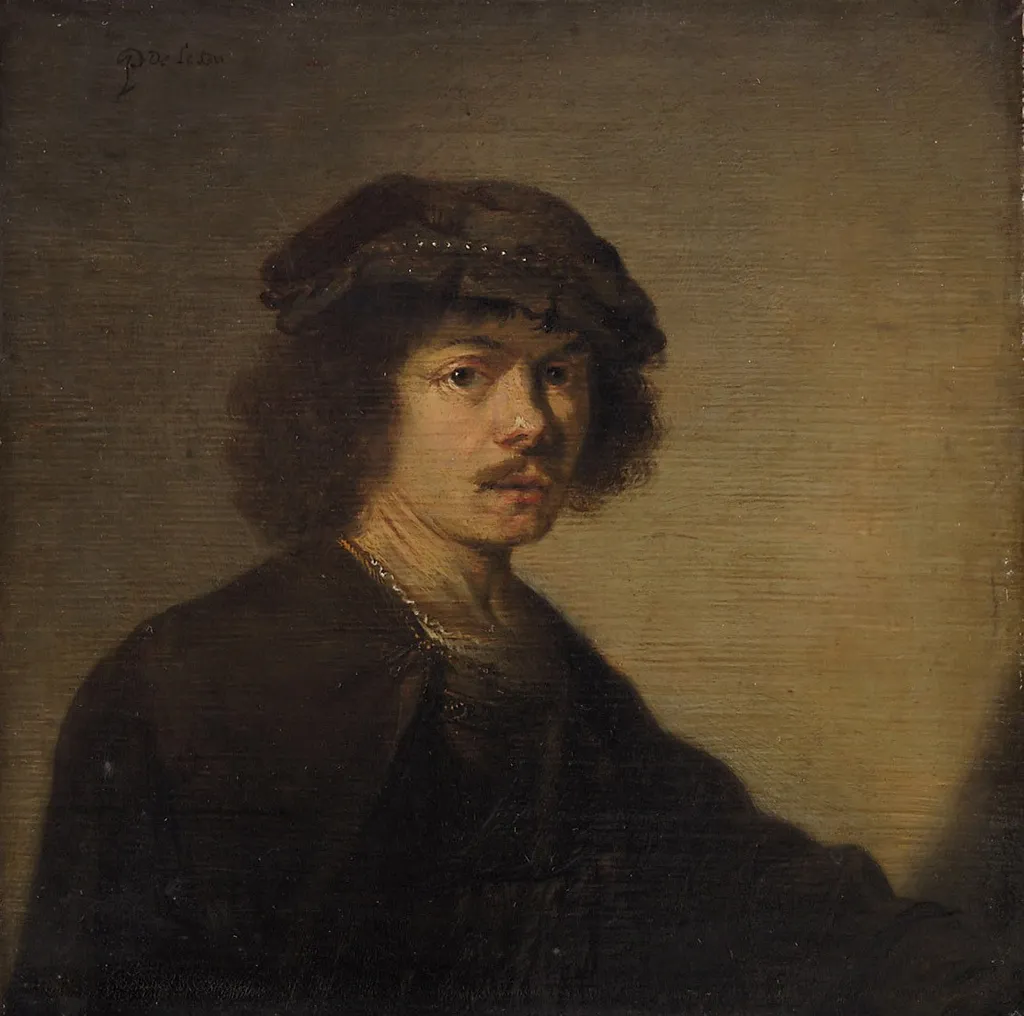
Selbstbildnis in Phantasietracht is an unspecified painting by the Flemish Baroque painting artist Paulus Lesire. It dates from 1632 and is held in the collection of the Kunsthistorisches Museum. Created in 1632, this oil on canvas presents the artist’s own likeness dressed in an elaborate, fanciful costume.
About this work
Subject & Meaning
The work, painted in 1632, reflects the Baroque fascination with allegorical attire and the artist's self‑examination within the genre of self‑portraiture.
Paulus Lesire portrays himself in a fantastical costume, a symbolic self-portrait that emphasizes artistic identity over literal representation. The work, painted in 1632, reflects the Baroque fascination with allegorical attire and the artist's self‑examination within the genre of self‑portraiture. Its dimensions of 22.5 cm by 22.5 cm underscore the intimate scale typical of early Dutch portraiture, while the fantastical dress serves as a visual metaphor for creative imagination and intellectual aspiration.
Technique & Style
The work is recorded as a painting created by Paulus Lesire in 1632 and is classified as a self-portrait portrait. It was produced using traditional oil painting methods on a wooden support of modest size, measuring 22.5 cm by 22.5 cm, and retains its original handling and surface integrity as documented in museum records. The composition presents the artist in imagined attire, a stylistic choice that underscores the portrait’s allegorical character while maintaining a restrained realism characteristic of early Dutch portraiture.
Formal analysis highlights precise rendering of facial features and drapery, balanced compositional symmetry, and a muted palette that emphasizes psychological presence over decorative flourish.
History & Provenance
Selbstbildnis in Phantasietracht was created by Paulus Lesire in 1632, as recorded in both the internal catalogue entry and the Wikidata record for the work. The painting is held in the collection of the Kunsthistorisksches Museum, where it remains located, with no intervening ownership or provenance chain documented in the available sources. No commission details, prior owners, or intermediate custodial history are recorded for the work.
The sources do not provide information on a specific creation circumstance, patron, or transfer history beyond the initial dating and the work's presence in the Kunsthistorisches Museum collection.
The painting Selbstbildnis in Phantasietracht (1632) by Paulus Lesire is held in the Kunsthistorisches Museum, Vienna. It forms part of the museum’s permanent collection, though its specific inventory or accession number is not documented in available sources.
There is no verifiable exhibition history for this work in the provided sources.
Overview
Created in 1632, this oil on canvas presents the artist’s own likeness dressed in an elaborate, fanciful costume. The figure stands before a muted, light‑brown backdrop, his gaze meeting the viewer with a calm, direct stare. The composition balances a darkly clad subject with subtle tonal contrasts, emphasizing the individuality of the portrait while hinting at theatricality.
Artist & collection

Artist
Paulus Lesire (1611–1654) was a Dutch painter who specialised in history paintings and portraits.

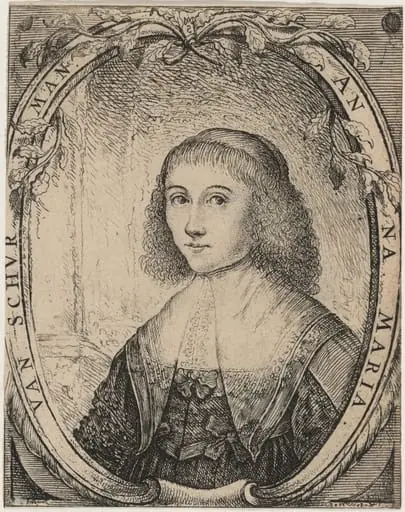
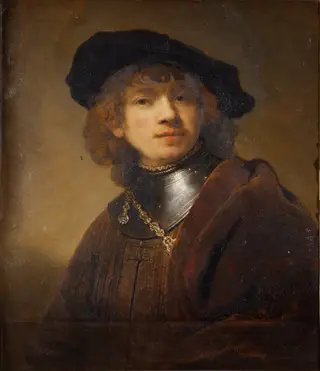
- Tronie of a Young Man with Gorget and Beret
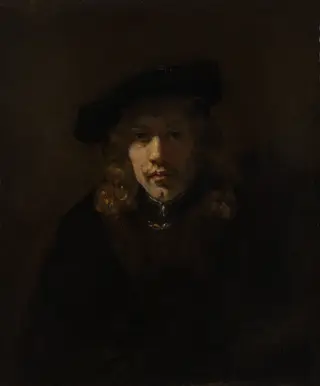 Man in a Beret
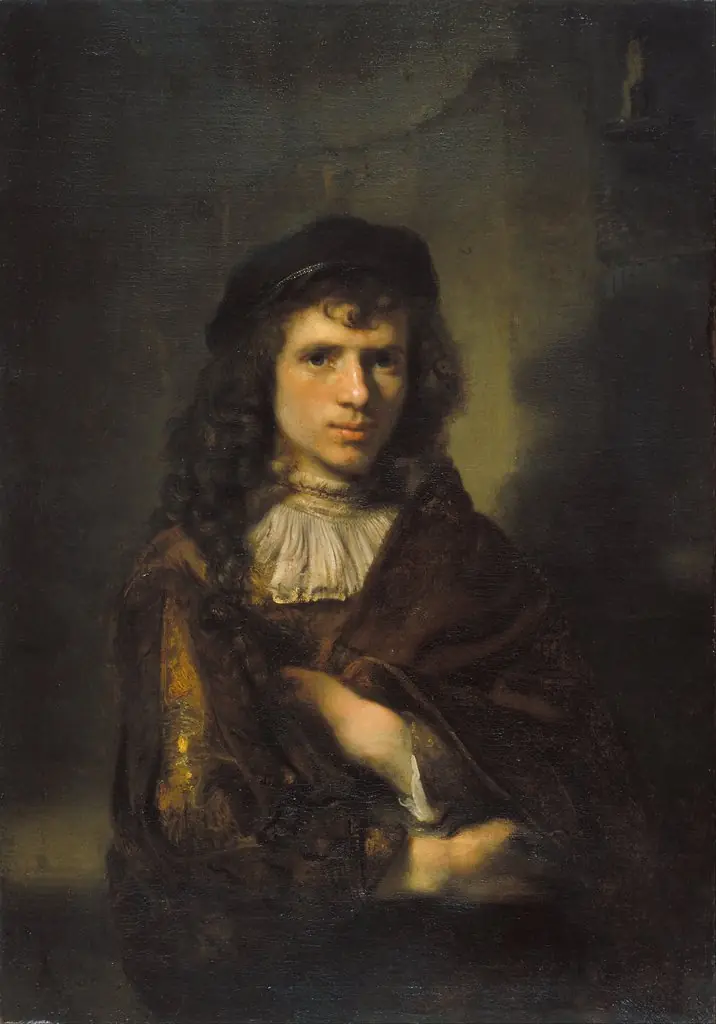 Portrait of a Young Man
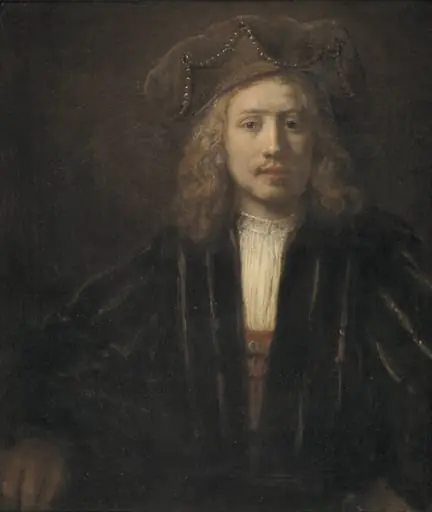 Young Man in a Pearl-trimmed Cap
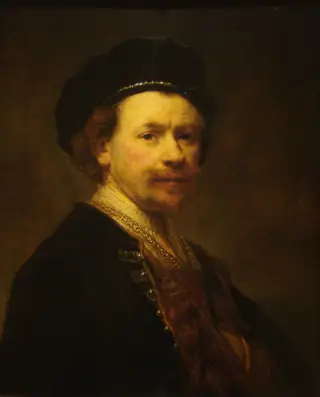 Self-portrait wearing a beret
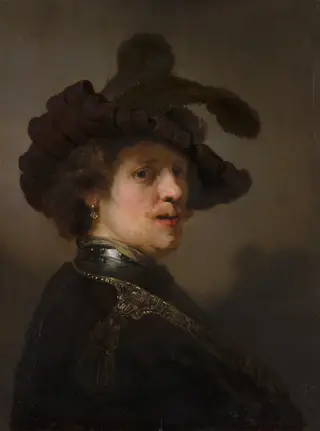 Portrait of a man in a plumed hat
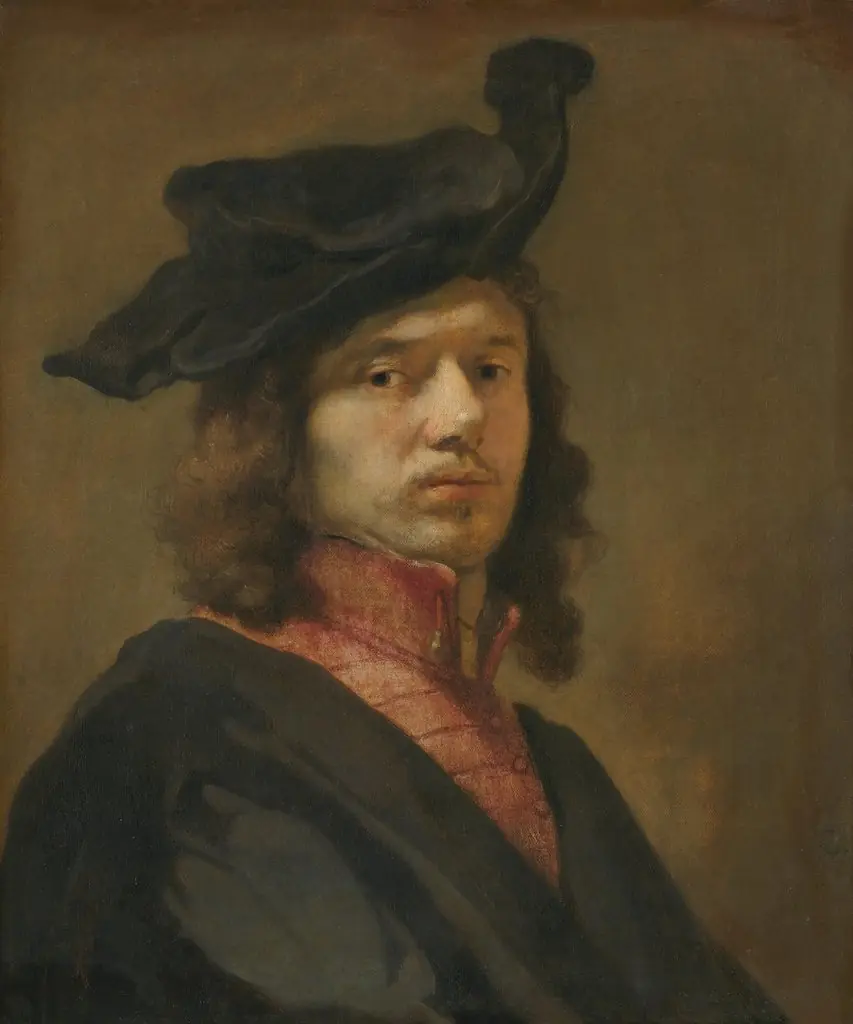 Self-portrait
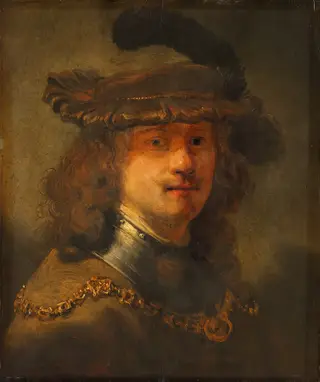 Self portrait with a velvet beret and gold chain
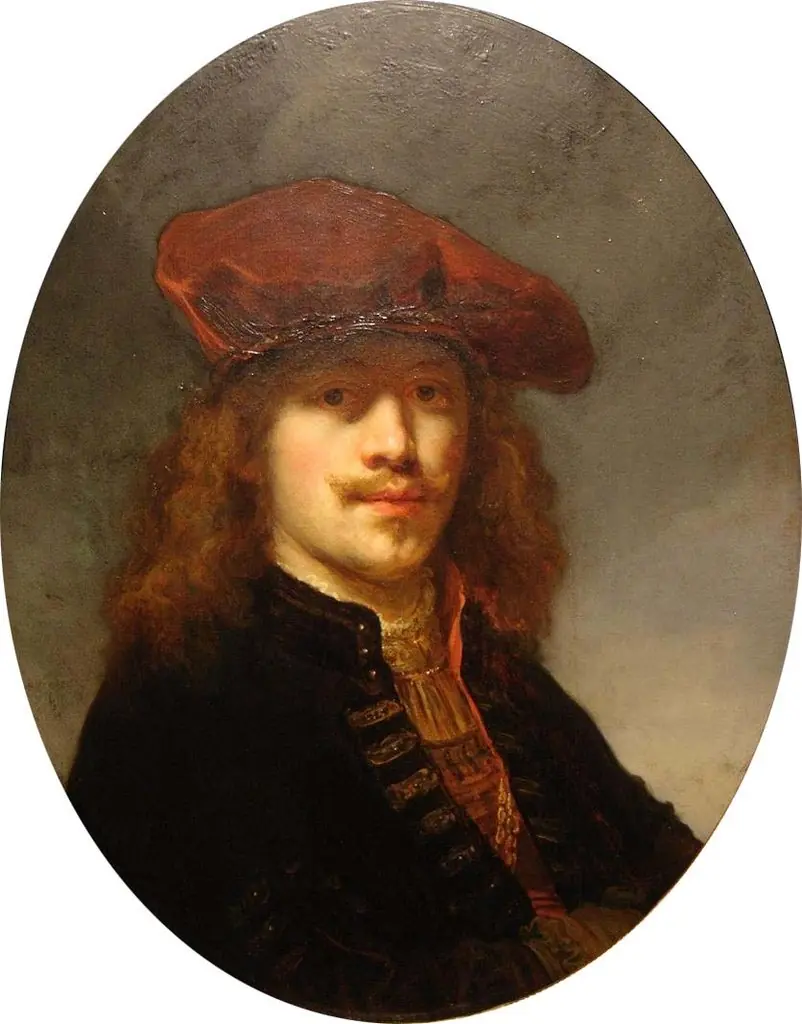 Self-portrait
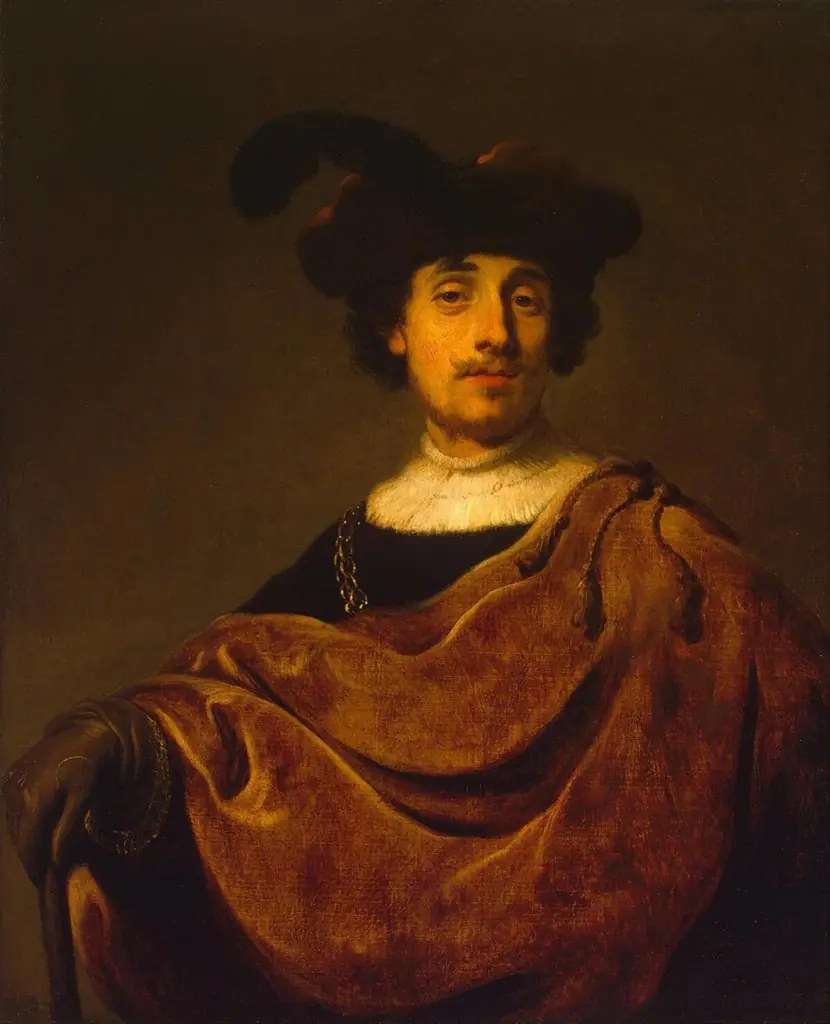 Portrait of a Young Man in a Fancy Dress
 Rembrandt (1606–1669) as a Young Man
 Self-portrait