Artwork
Portrait of a Young Man in a Fancy Dress
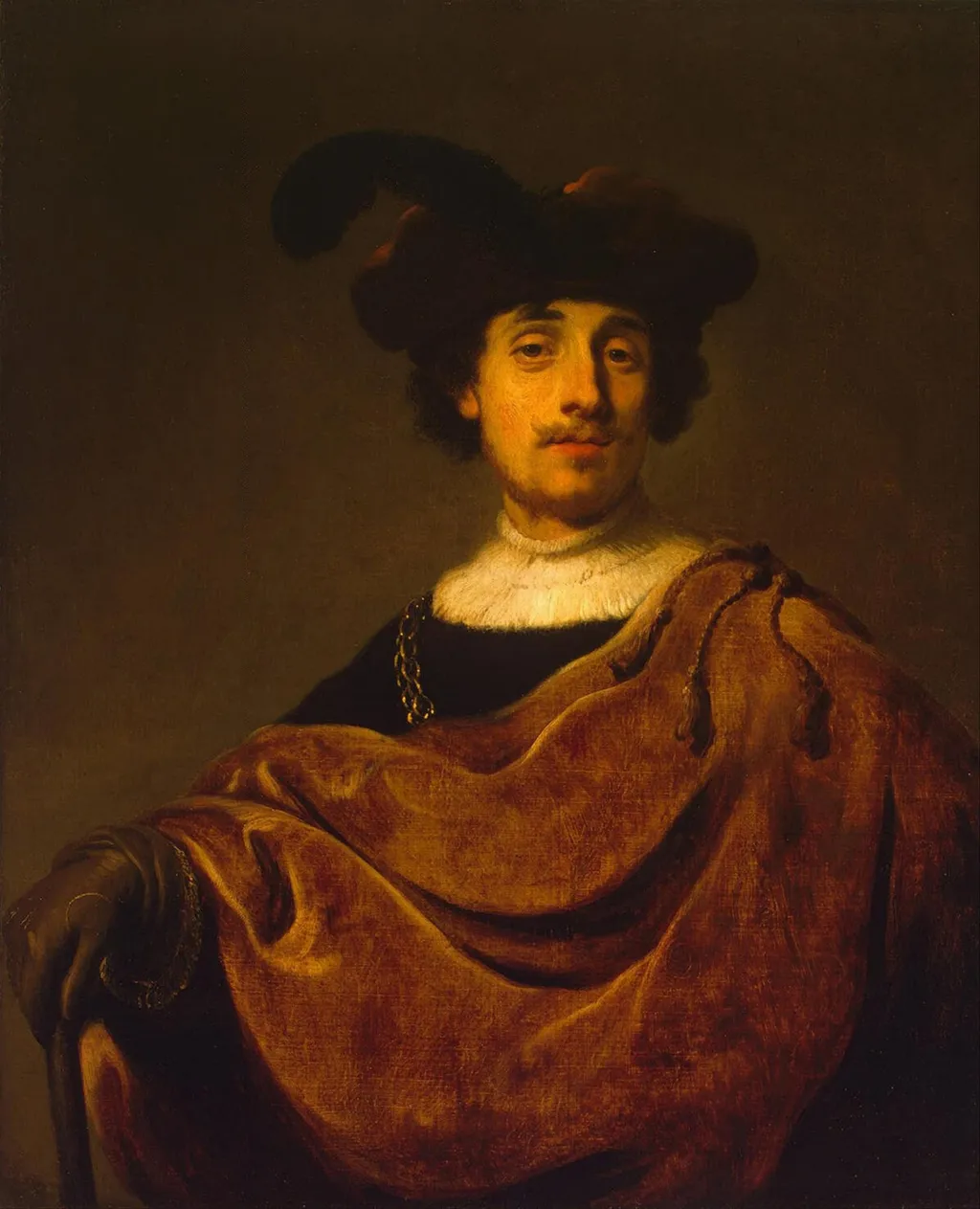
Portrait of a Young Man in a Fancy Dress is an oil painting by the Dutch Golden Age artist Jacob Adriaensz Backer. It dates from 1634 and is held in the collection of the Hermitage Museum.
About this work
Overview
Portrait of a Young Man in a Fancy Dress is a half-length portrait painted by the Dutch Golden Age artist Jacob Adriaensz Backer in 1634.
Portrait of a Young Man in a Fancy Dress is a half-length portrait painted by the Dutch Golden Age artist Jacob Adriaensz Backer in 1634. Executed in oil on canvas, the painting measures 95 by 79 centimeters and was created in the Netherlands. The work is currently held in the Hermitage Museum. Backer, an Amsterdam portraitist and history painter active during the first half of the seventeenth century, produced the painting during a period when he was establishing himself as a leading independent artist in the city.
Subject & Meaning
The artwork depicts an unidentified young man positioned slightly off-center against a muted brown background. He faces forward with his head turned three-quarters toward the viewer. His attire signals status and fashion, featuring a large dark velvet beret adorned with an upward-curving plumed feather, a white ruffled collar, and a voluminous golden-brown cloak draped heavily over his shoulders. Beneath the cloak, a dark garment with a gold chain is partially visible on his left shoulder, while his right hand, clad in a dark leather glove, rests at the lower left edge of the composition. The fancy dress and accessories serve to communicate the sitter's social standing and wealth.
Technique & Style
Backer executed the work in oil on canvas, employing a palette dominated by warm browns, golds, and deep shadows. Strong directional light illuminates the face, collar, and the folds of the cloak, creating pronounced chiaroscuro effects that reflect the influence of Rembrandt, with whom Backer studied between 1632 and 1634. The brushwork varies across the composition, utilizing smooth blending for the flesh tones and thicker, more textured strokes to render the heavy fabric of the cloak. The background is handled loosely, remaining indistinct and atmospheric to provide no specific setting, which contrasts with the precise detail applied to the sitter's face.
History & Provenance
Created in 1634, the painting was made in the Netherlands during Backer's early years in Amsterdam following his return from Leeuwarden. The canvas eventually entered the collection of the Hermitage Museum, where it remains today. The specific details of the commission, the identity of the sitter, and the chain of ownership prior to the museum's acquisition are not documented in the available sources.
Context
Jacob Adriaensz Backer was born in Harlingen in 1608 and moved to Amsterdam in 1611. Between 1627 and 1633, he studied under the Mennonite painter Lambert Jacobsz in Leeuwarden alongside Govert Flinck. After returning to Amsterdam in 1633, he likely worked for Hendrick Uylenburgh and studied with Rembrandt. Backer became highly regarded for his speed in portrait painting, famously completing a life-sized half-length portrait of a woman in a single day. Although he absorbed Rembrandt's stylistic spirit, he was noted as one of his most independent pupils. Beyond portraiture, Backer produced religious, mythological, and pastoral scenes until his premature death in 1651. A major exhibition of his work was held at the Rembrandthuis from late 2008 to early 2009.
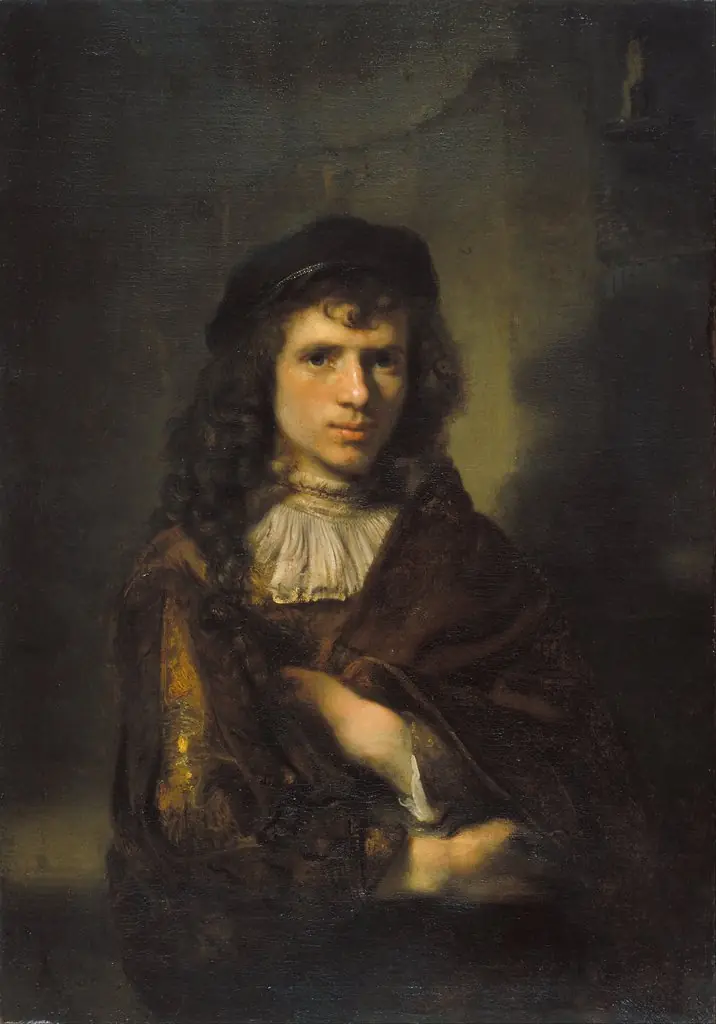
Own this work as a print
Artist & collection
Artist
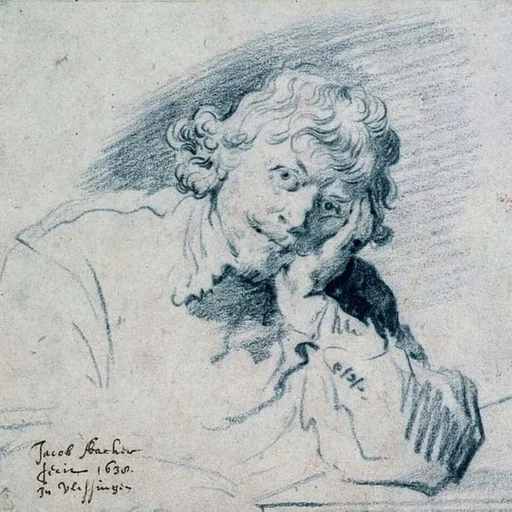
Jacob Adriaensz Backer (1608 – 27 August 1651) was a Dutch Golden Age painter. He produced about 140 paintings in twenty years, including portraits, religious subjects, and mythological paintings. In his style, he was…

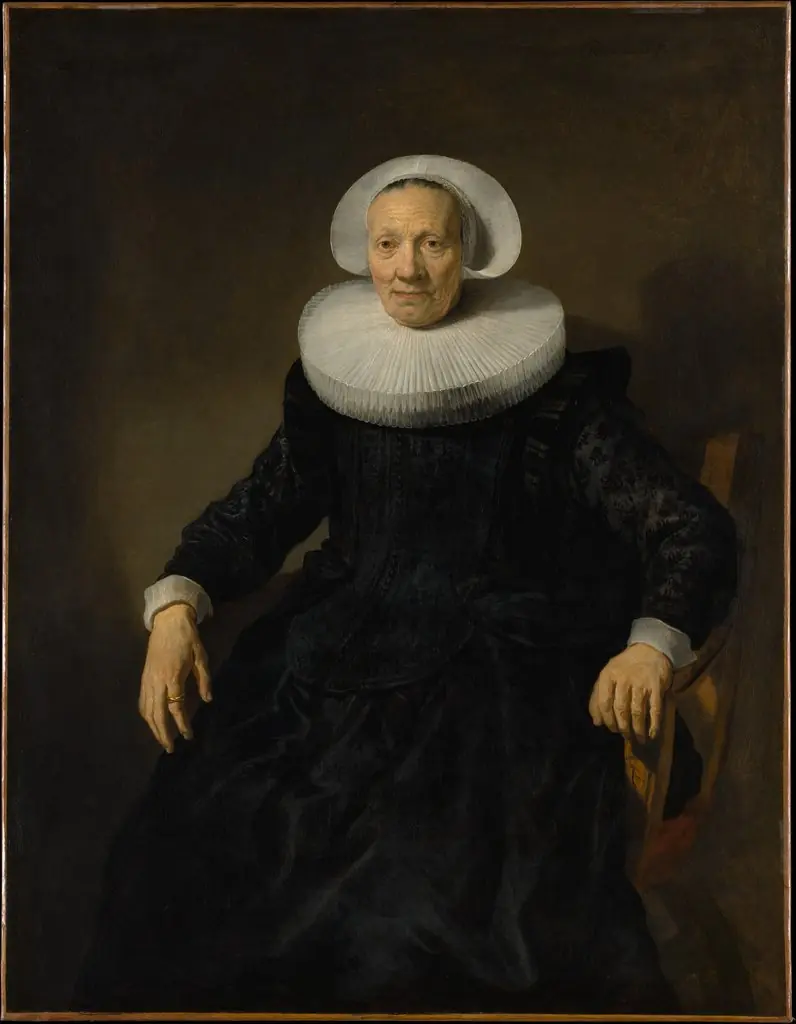 Old Woman in an Armchair
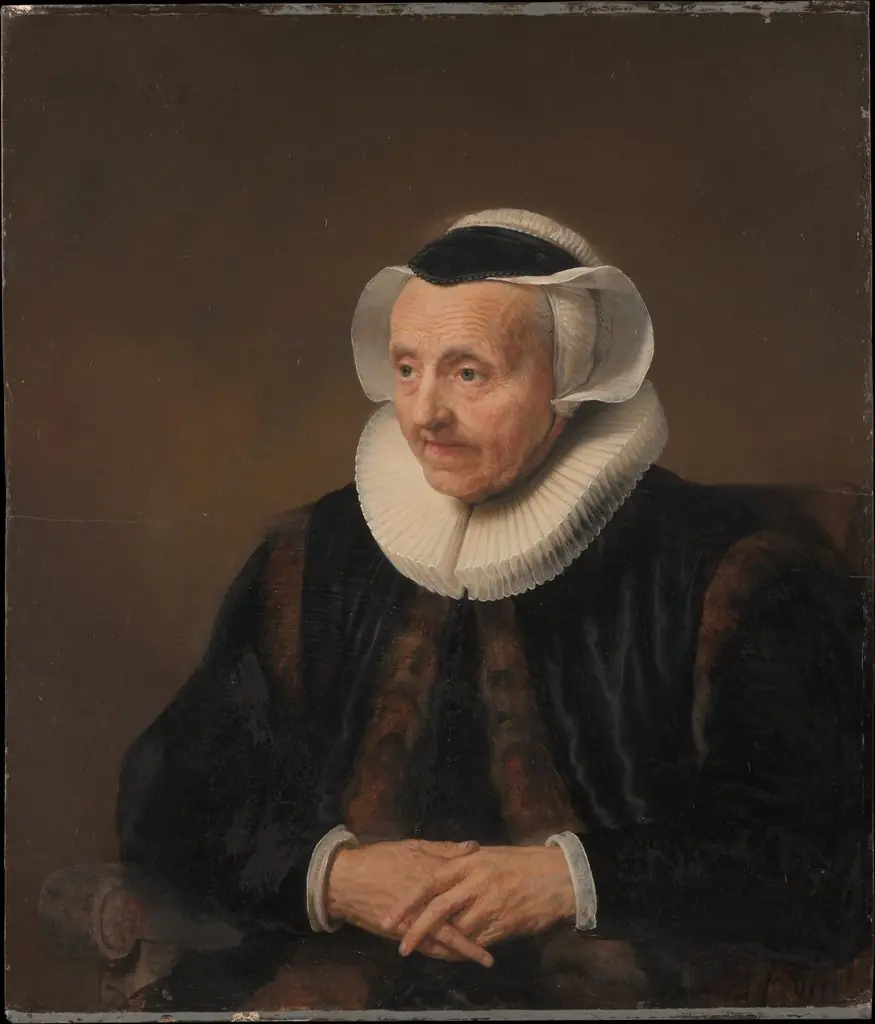 Portrait of an Old Woman
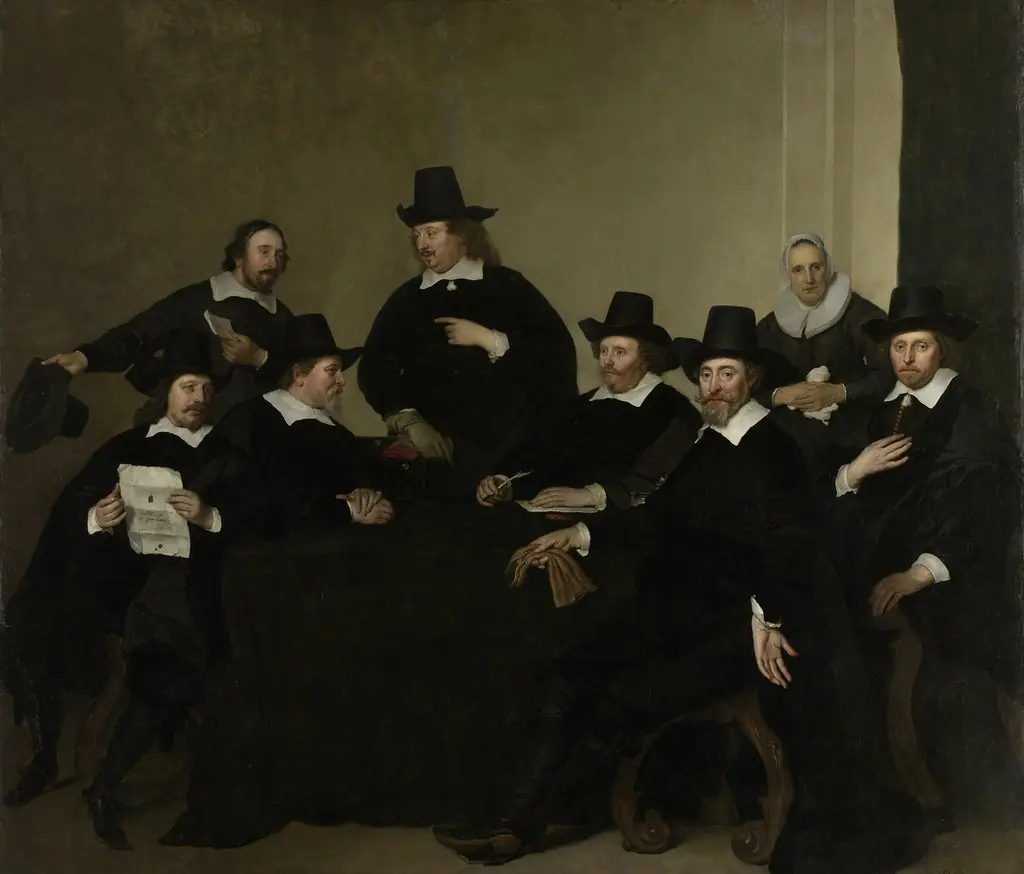 The regents of the Nieuwe Zijds institute for the outdoor relief of the poor, Amsterdam, ca 1650
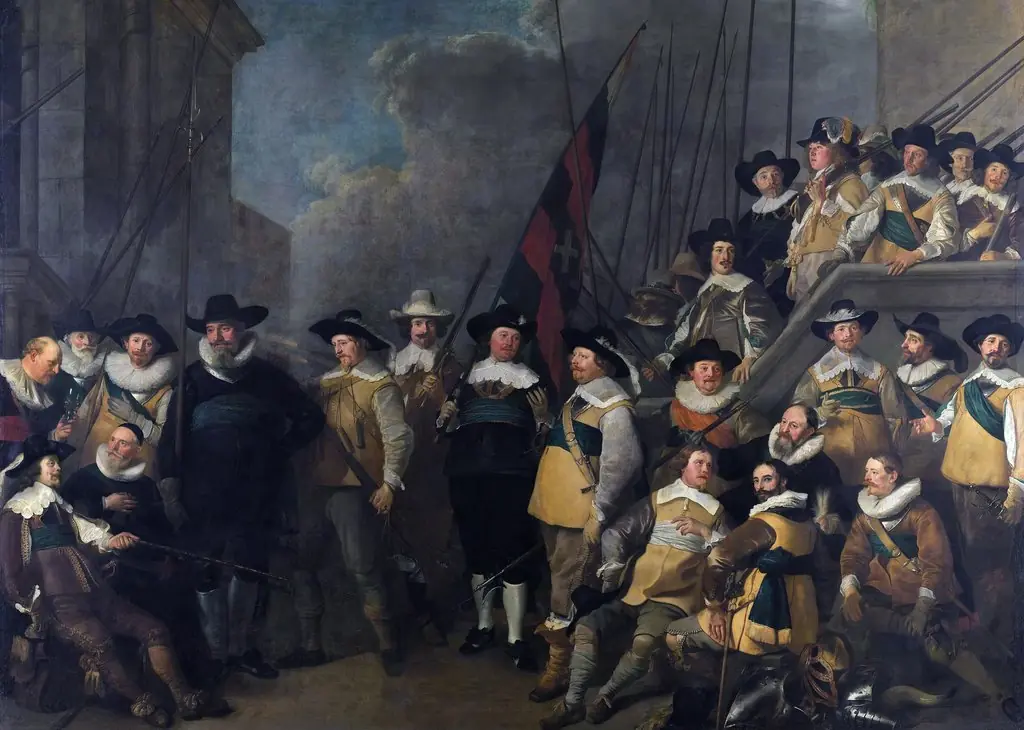 Officers and other Civic Guardsmen of the V District in Amsterdam under the command of Captain Cornelis de Graeff and Lieutenant Hendrick Lauwrensz
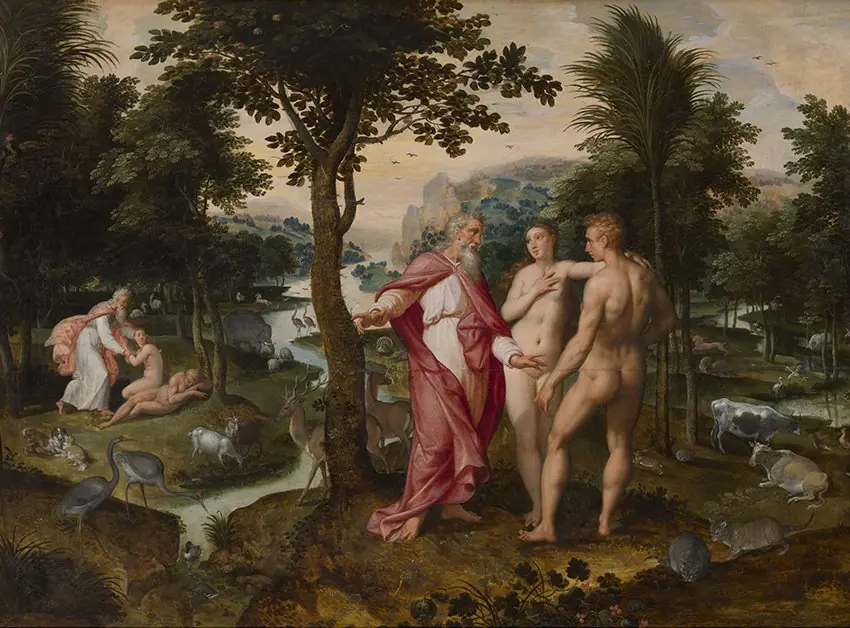 The Garden of Eden
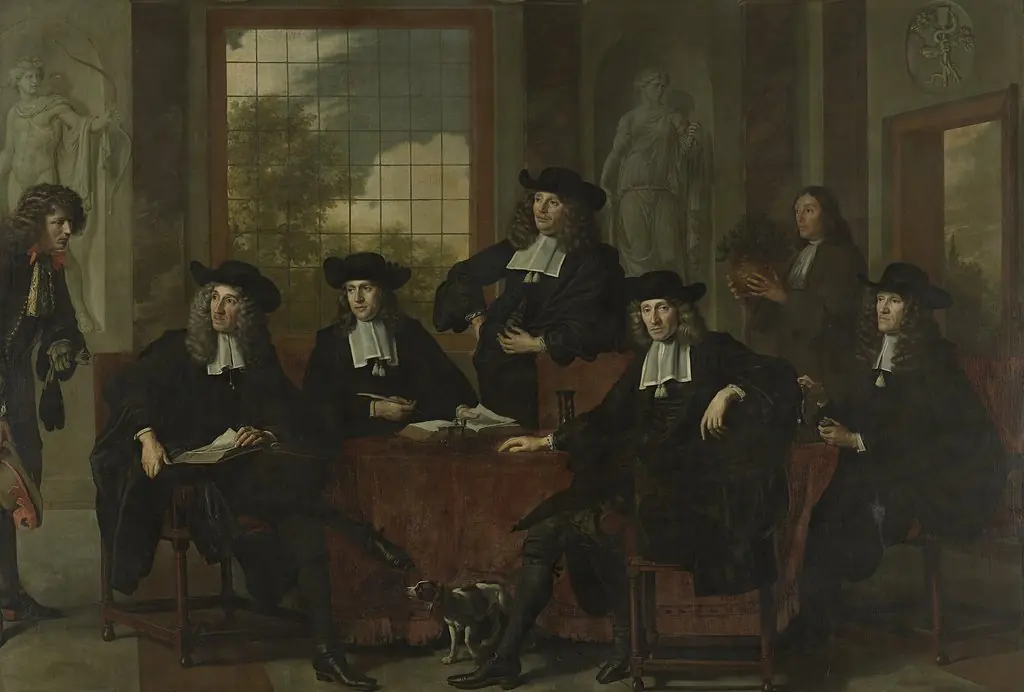 The superintendents of the Collegium Medicum in Amsterdam
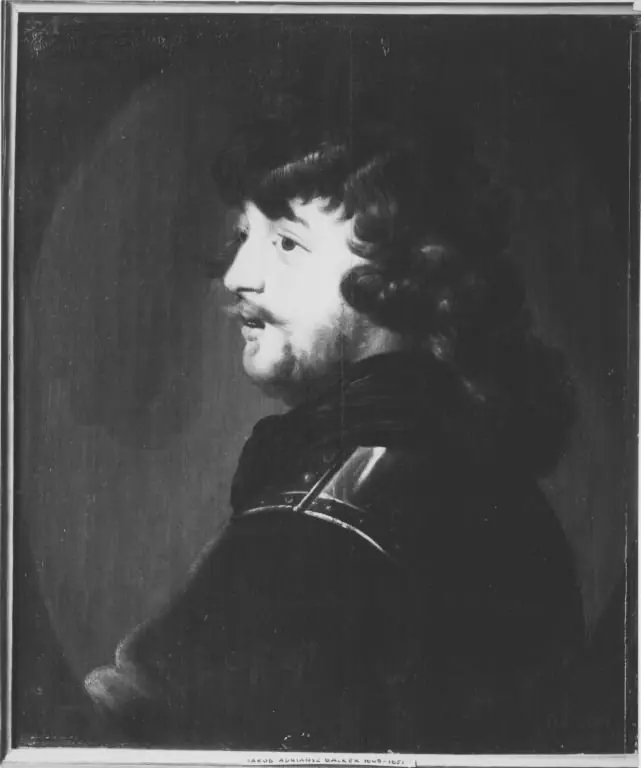 Portrait of a man in armor (self-portrait)
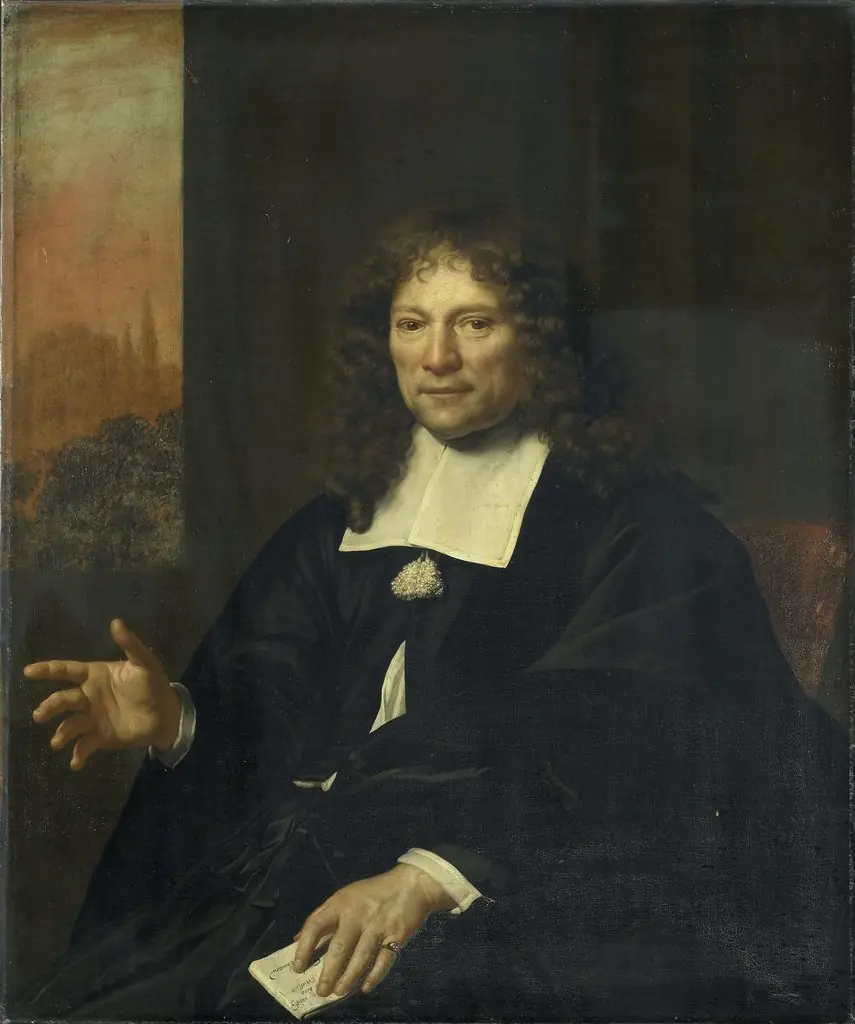 Portrait of Daniel Nellius, elder of the Remonstrant church and sampling official of Alkmaar
- Portrait of a Young Man
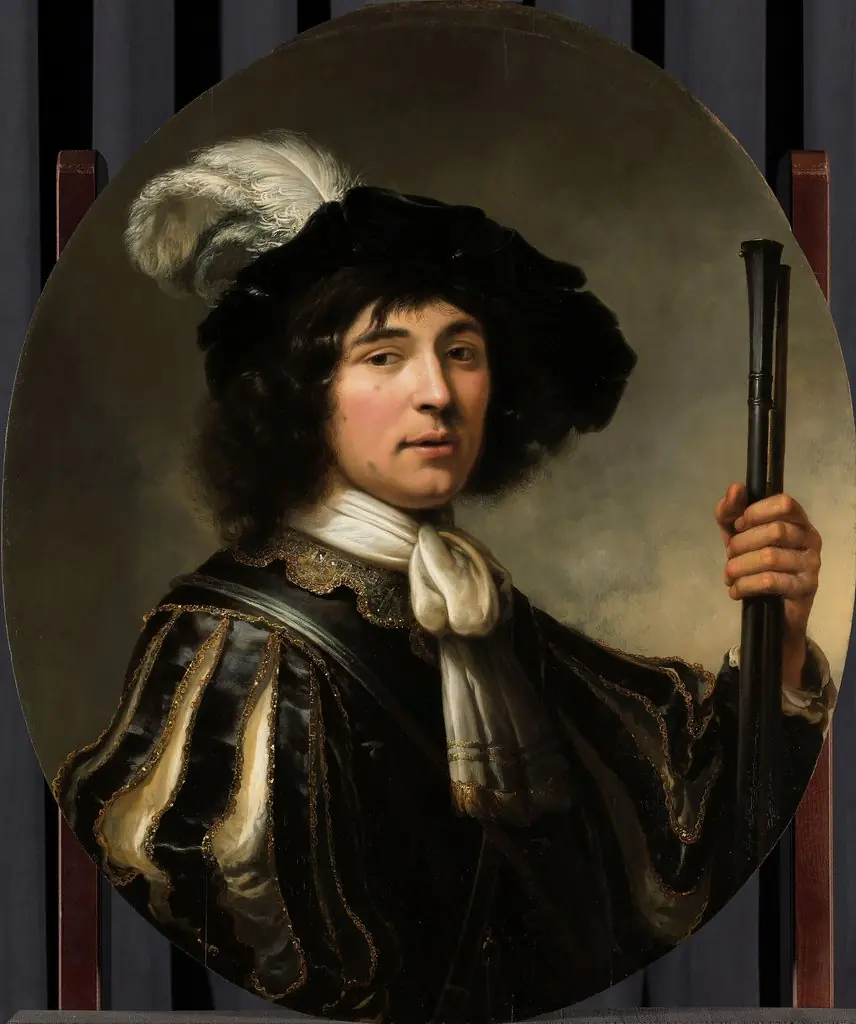 Portrait of a Young Man
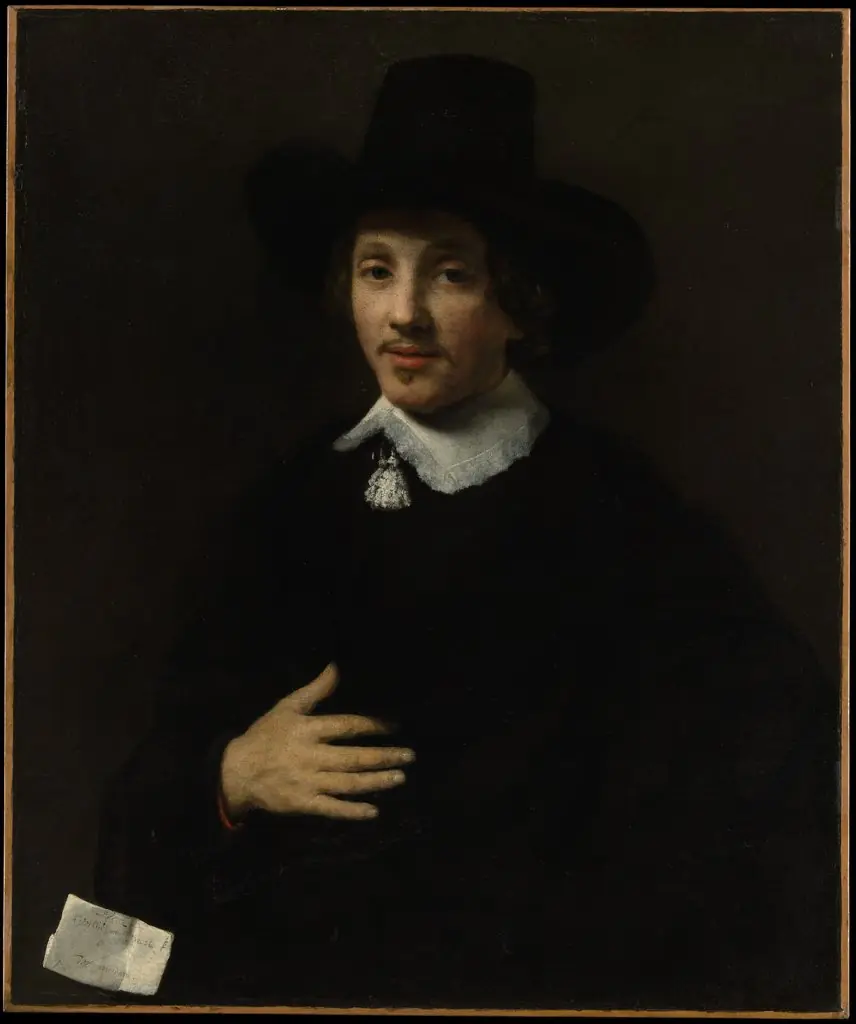 Portrait of a Man (Self-Portrait?)
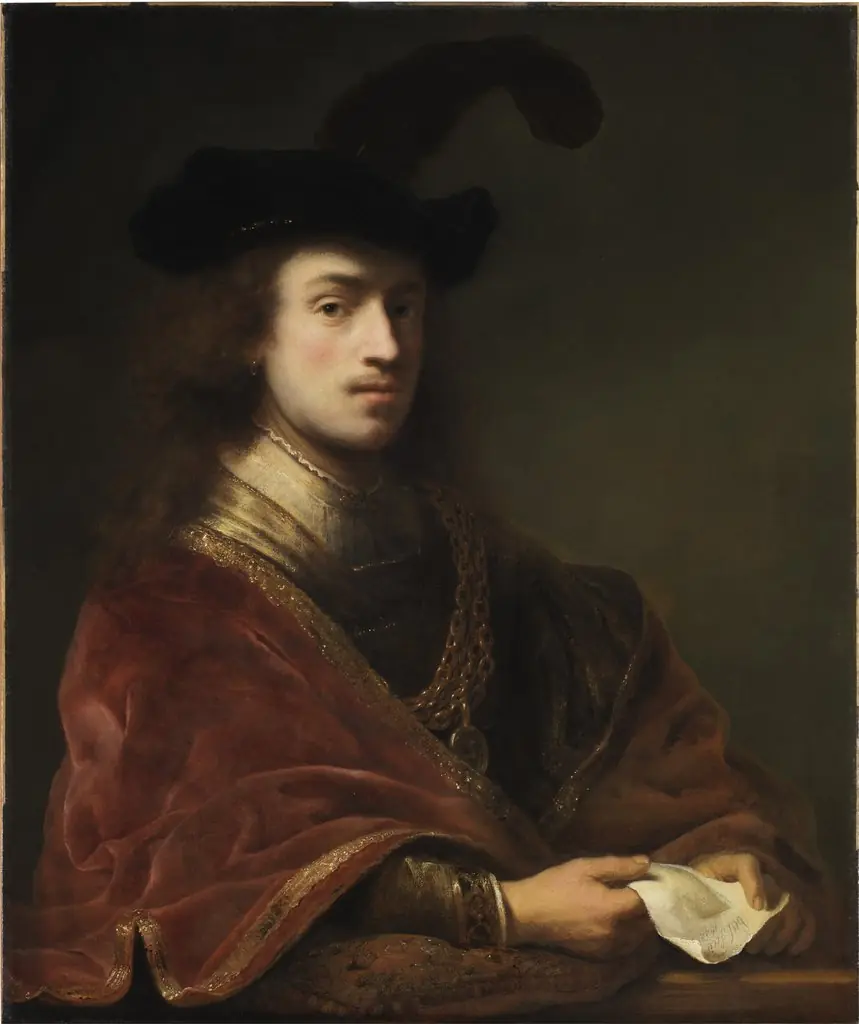 Self-Portrait, Behind a Parapet
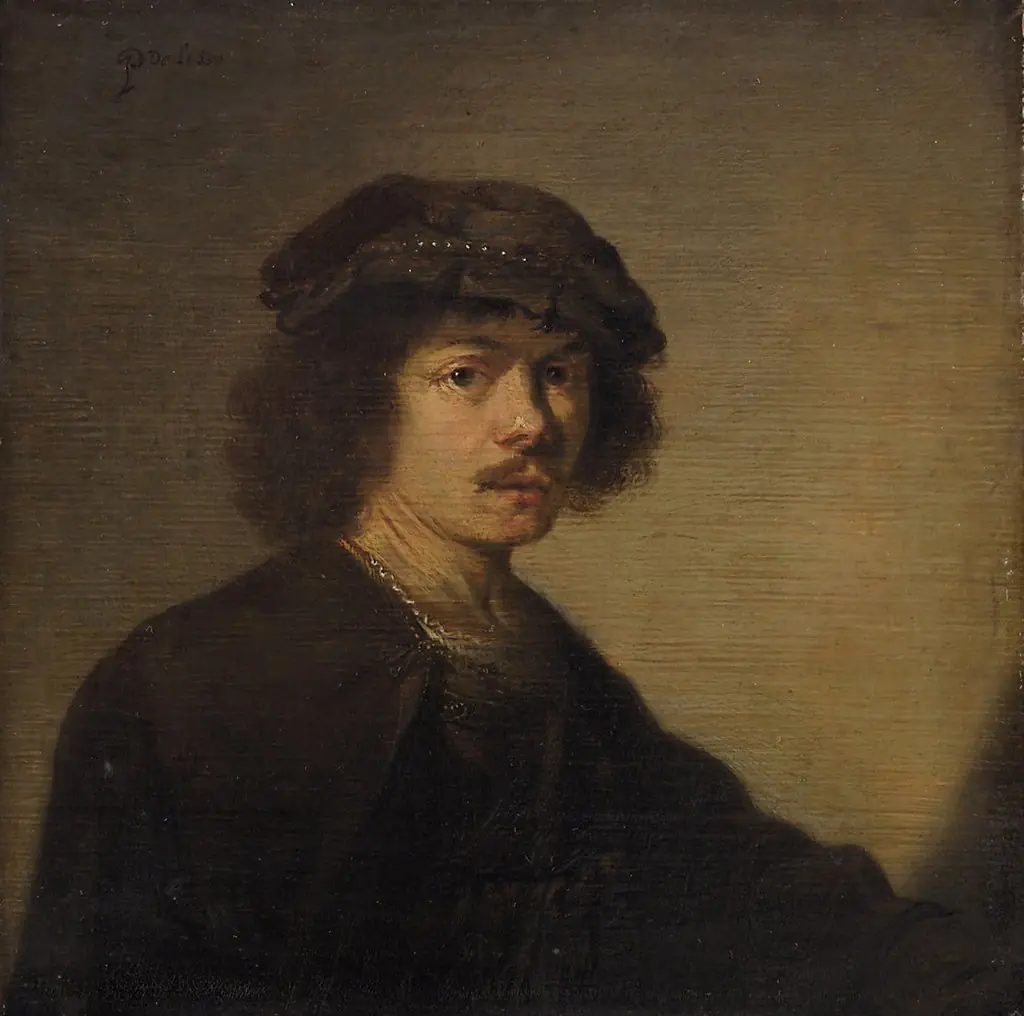 Selbstbildnis in Phantasietracht
 Man with a Steel Gorget
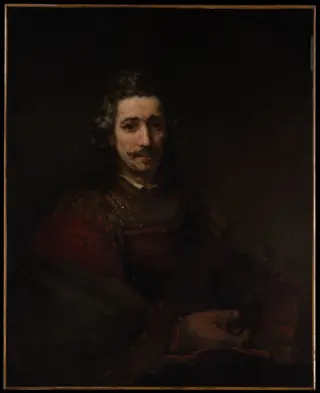 Man with a Magnifying Glass
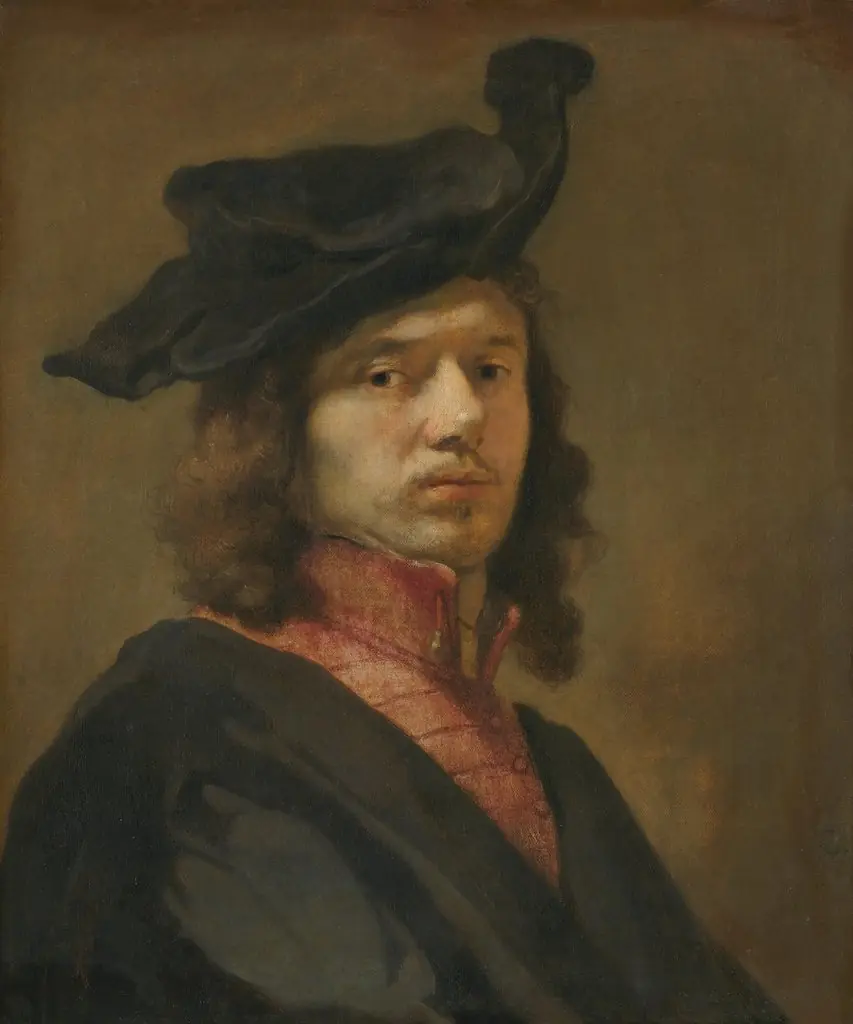 Self-portrait
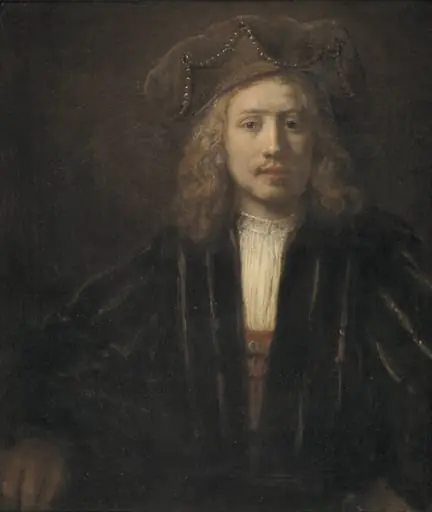 Young Man in a Pearl-trimmed Cap
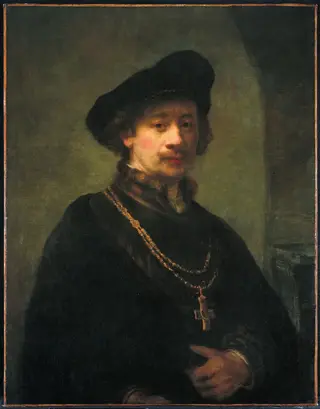 Self-portrait with beret, gold chain, and cross
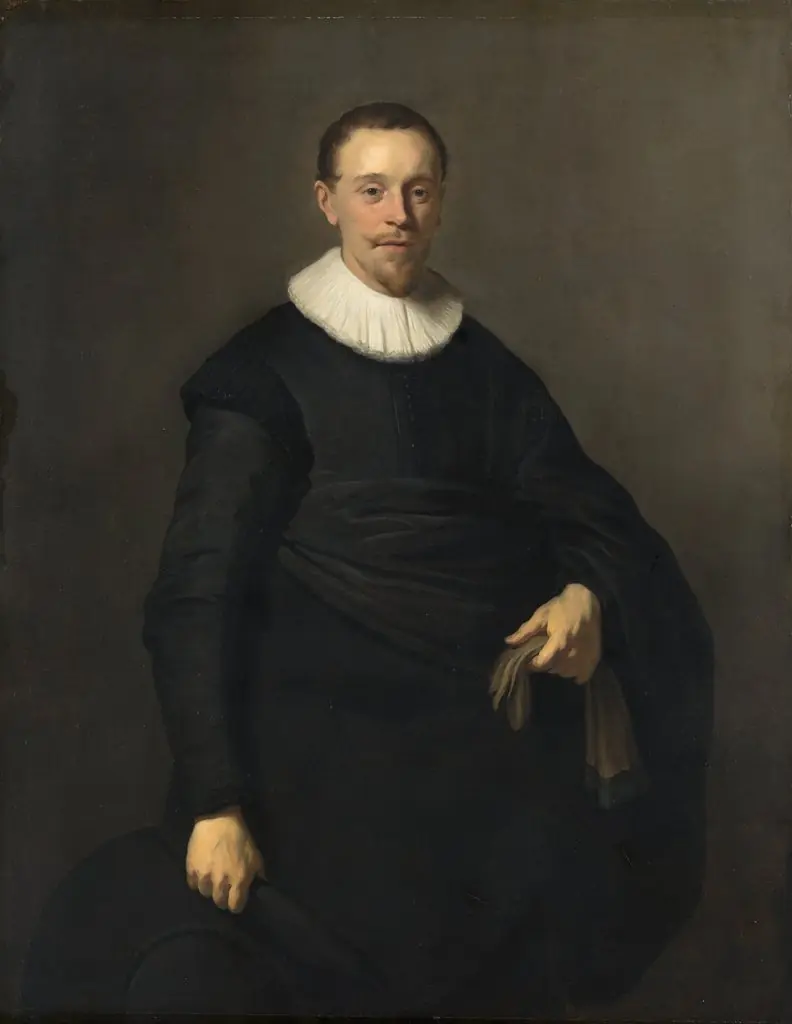 Portrait of a Man
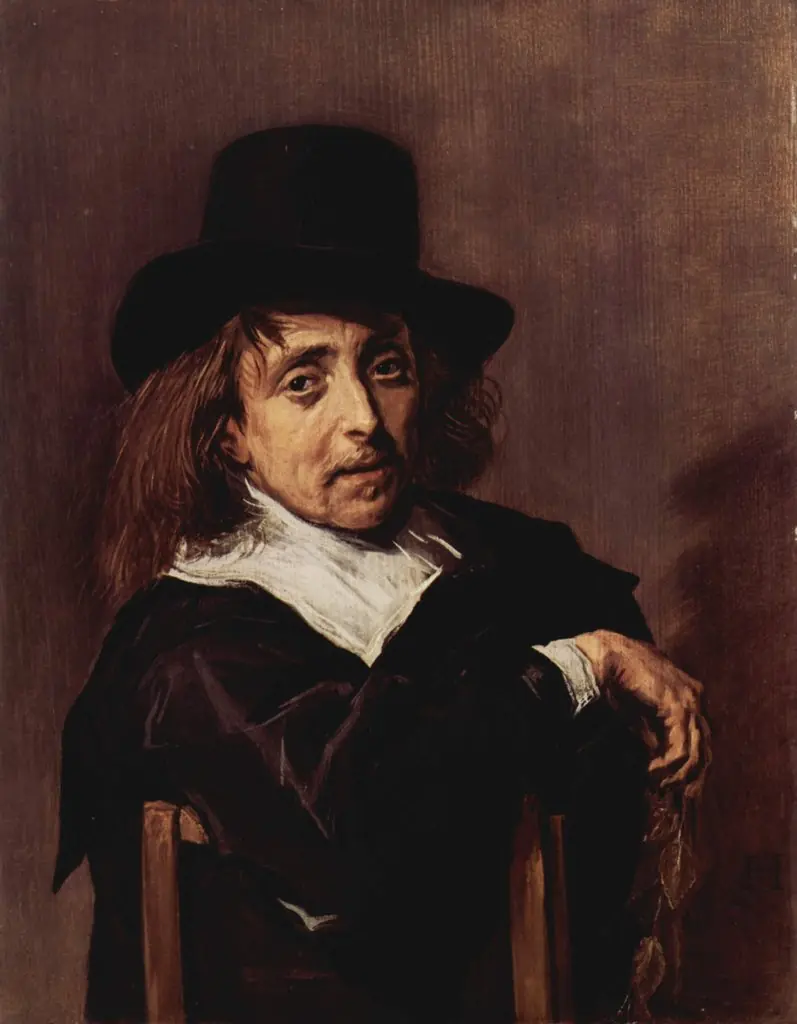 Portrait of a man