Artwork
Nicholas Leate, London Merchant
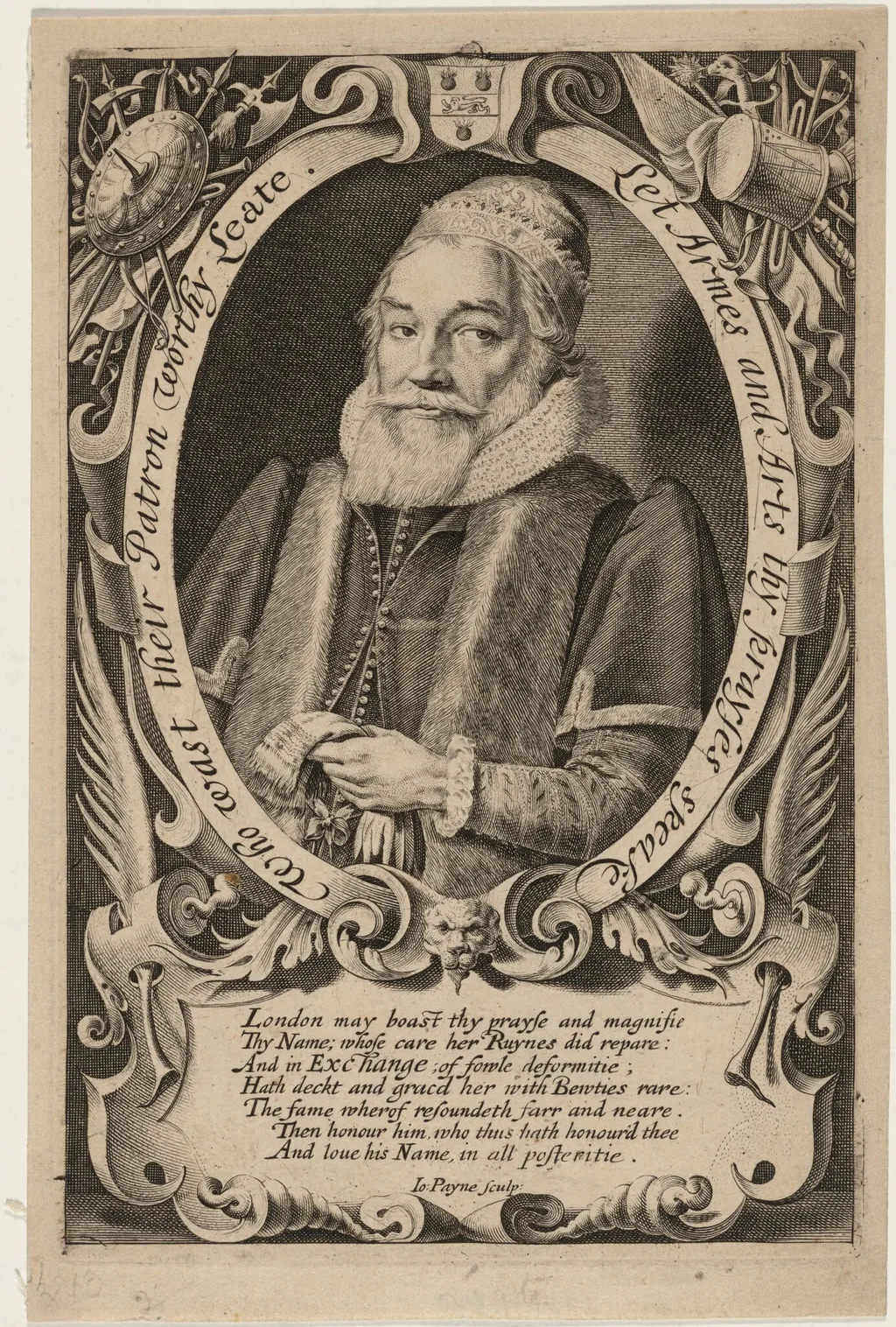
Nicholas Leate, London Merchant is an ink print by the Baroque artist John Payne. It dates from 1627 and is held in the collection of the National Gallery of Art.
About this work
Overview
An engraved portrait from 1627 by John Payne captures Nicholas Leate, a London merchant, in full-length three-quarter view. Executed in black and white, the print relies on fine linear techniques to render form and texture. The image is framed by ornamental scrollwork, with inscribed text above and below, integrating visual and literary elements common in early 17th-century portraiture.
Subject & Meaning
The accompanying poem reinforces his virtues, aligning his professional identity with ideals of honor and patronage in Jacobean London.
Nicholas Leate is portrayed as a man of commerce and civic standing, his right hand resting on his chest and a scroll held in the left, suggesting integrity and record-keeping. The Latin phrase above, 'Just thy Patron Courtly Leate,' elevates his moral and social reputation. The accompanying poem reinforces his virtues, aligning his professional identity with ideals of honor and patronage in Jacobean London.
Technique & Style
Payne employed metal engraving, carving precise lines into a copper plate to create the image. Cross-hatching builds volume in the fur-lined coat and facial features, while delicate parallel lines define fabric folds and the texture of the scroll. The composition is formal and restrained, typical of English portraiture of the period, emphasizing clarity and detail over dramatic flair.
History & Provenance
John Payne, an English engraver active under Charles I, was known for his technical precision in portraiture. This print was likely commissioned by Leate or his associates to commemorate his status. Surviving examples are rare, and the work remains among Payne’s most documented engravings, reflecting the growing market for printed likenesses among London’s merchant class.
Context
In early 17th-century London, merchants like Leate increasingly sought visual recognition to affirm their social ascent. Engravings served as affordable alternatives to painted portraits, circulating among families and professional networks. The inclusion of poetic text reflects a broader cultural trend of blending visual art with literary praise to construct public identity.
Legacy
Payne’s engraving exemplifies the skill of native English printmakers before the influx of continental artists. Though not widely reproduced today, the work contributes to the historical record of merchant class representation and the evolution of print culture in England. It remains a key example of how line and text were combined to convey status in pre-modern society.
Own this work as a print
Artist & collection
Artist
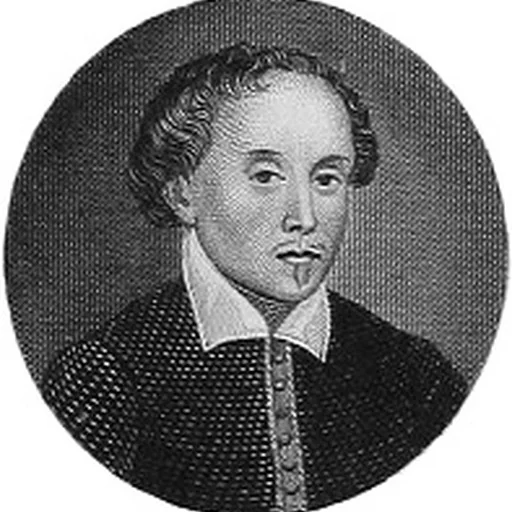
John Payne (1607–1647) was an English engraver, who was one of the earliest exponents of the art of engraving in England. His best work was the finest produced by a native-born engraver working during the reign of Charles I.

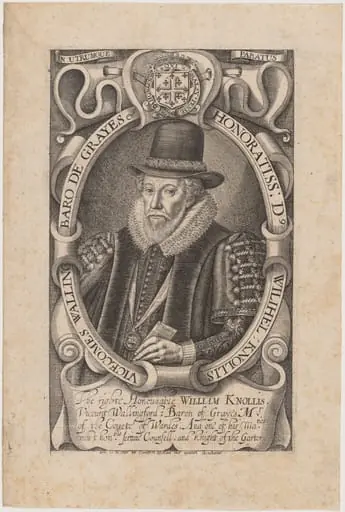 William Knollys, Earl of Banbury, When Viscount Wallingford
 William Camden
 Francis White, Bishop of Ely
 Tobias Matthew, D.D., Archbishop of York
 Sir Julius Caesar, Master of the Roules
 Jan Uytenbogaert
 John Speed
 Richardi Brownlowe Armigeri
 Thomas Howard, First Earl of Suffolk
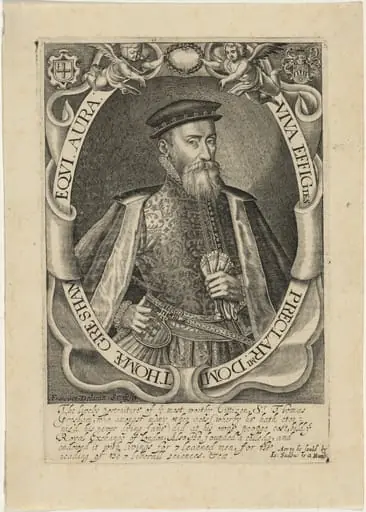 Sir Thomas Grisham
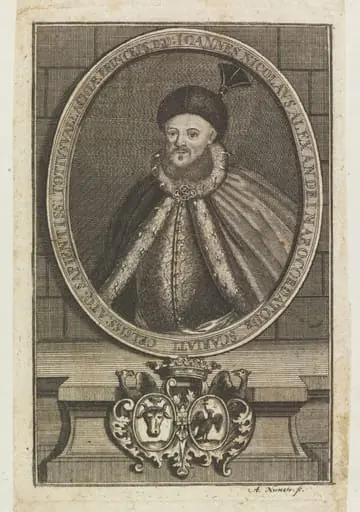 Ioannes Nicolaus Alexandri Maroc ordato de Scariati Celsiss: Atq: Sapientiss: Totius vallachiae Princeps
- Andrew Willet, D.D., Controversionalist