Artwork
Resurrection of Christ
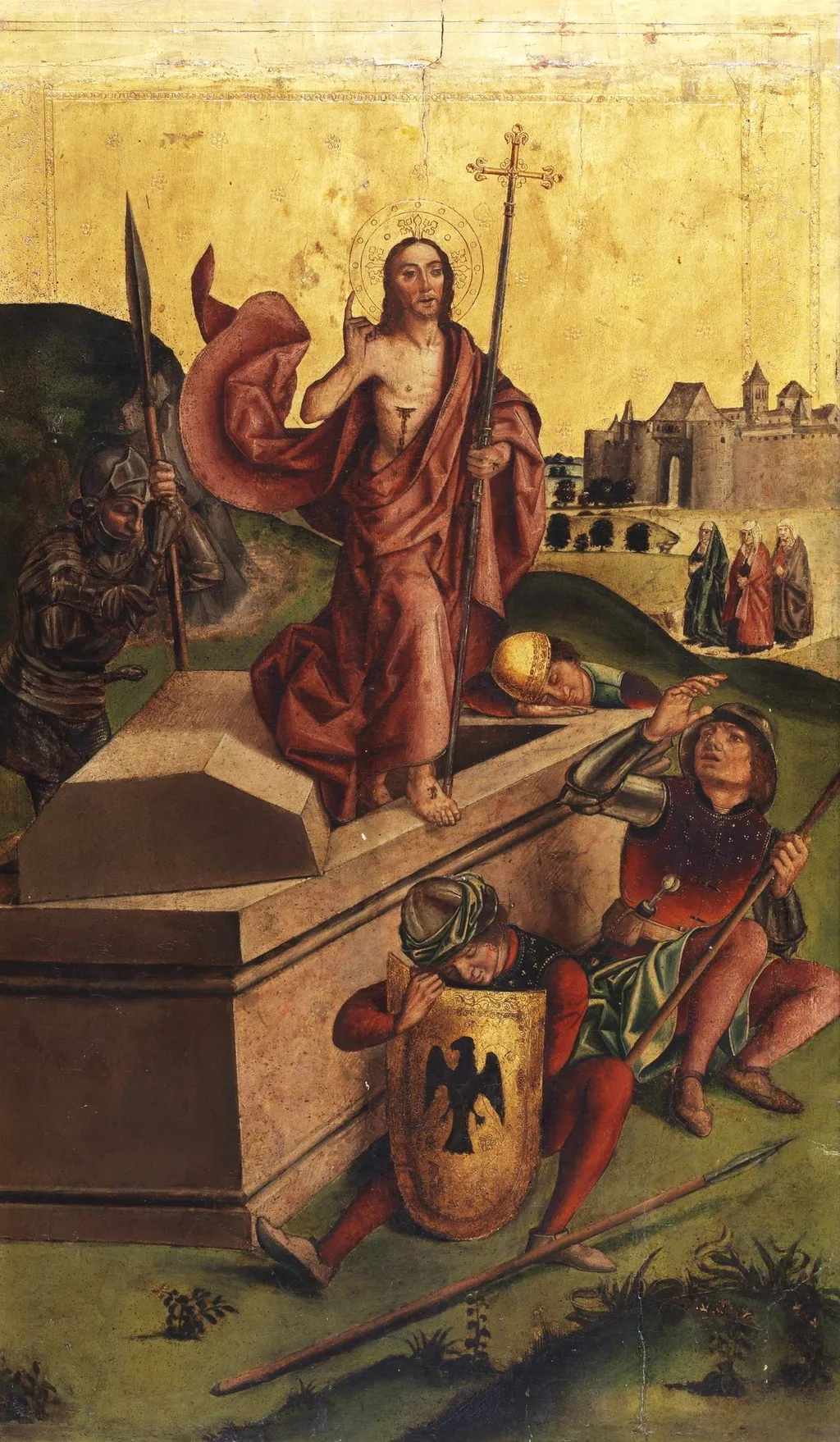
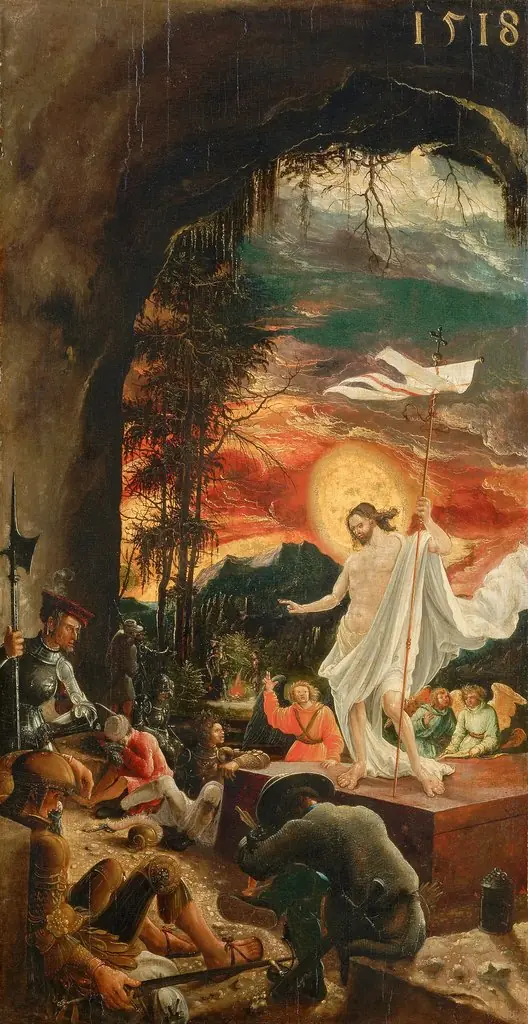
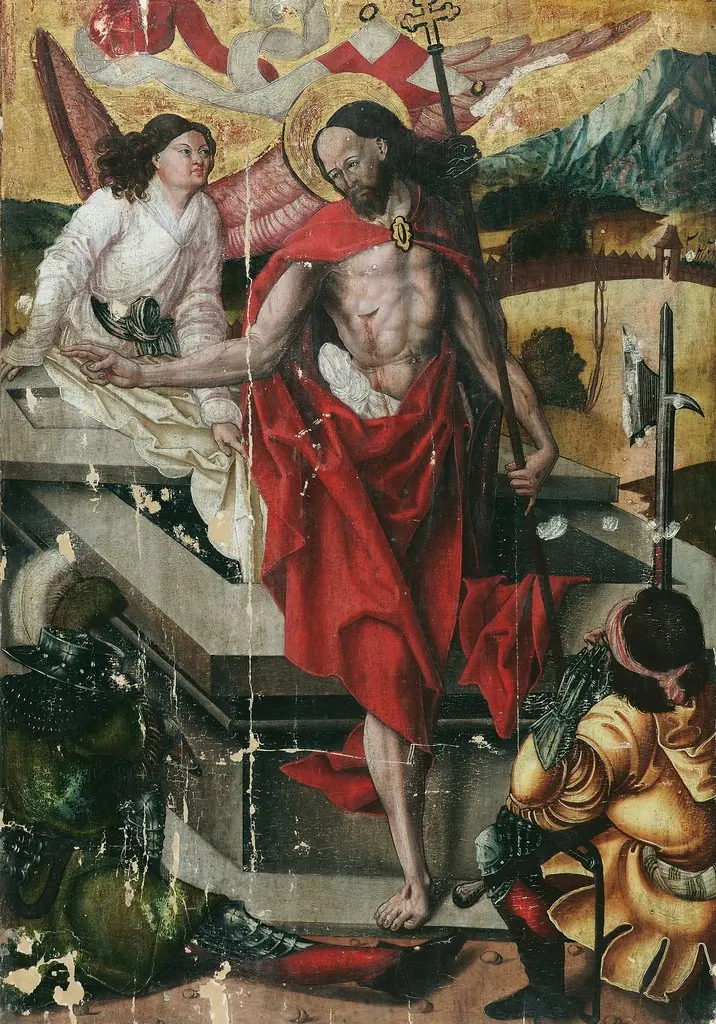
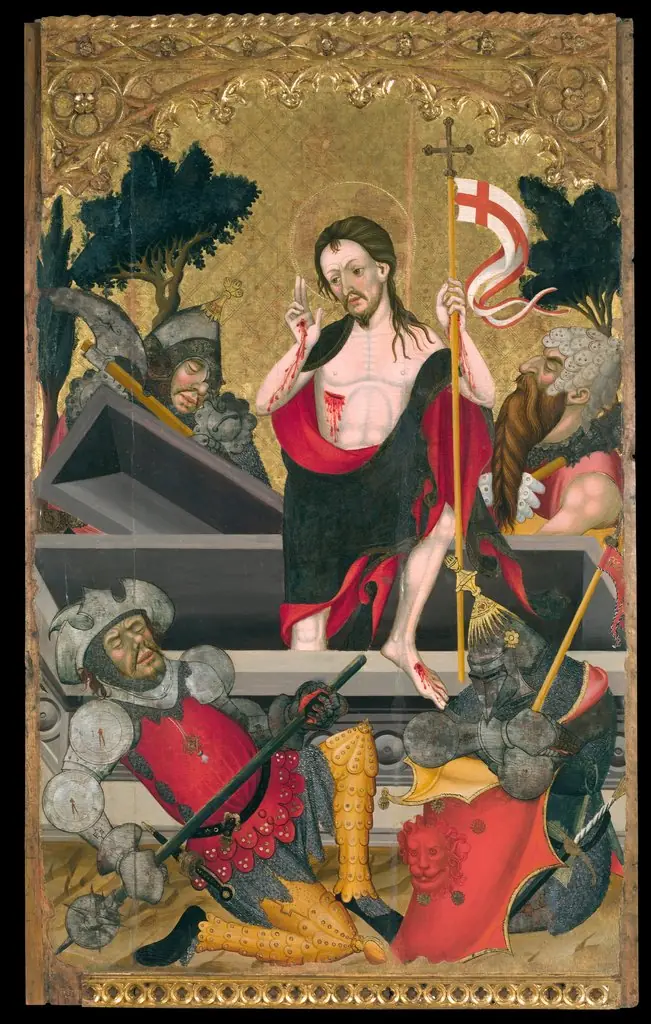
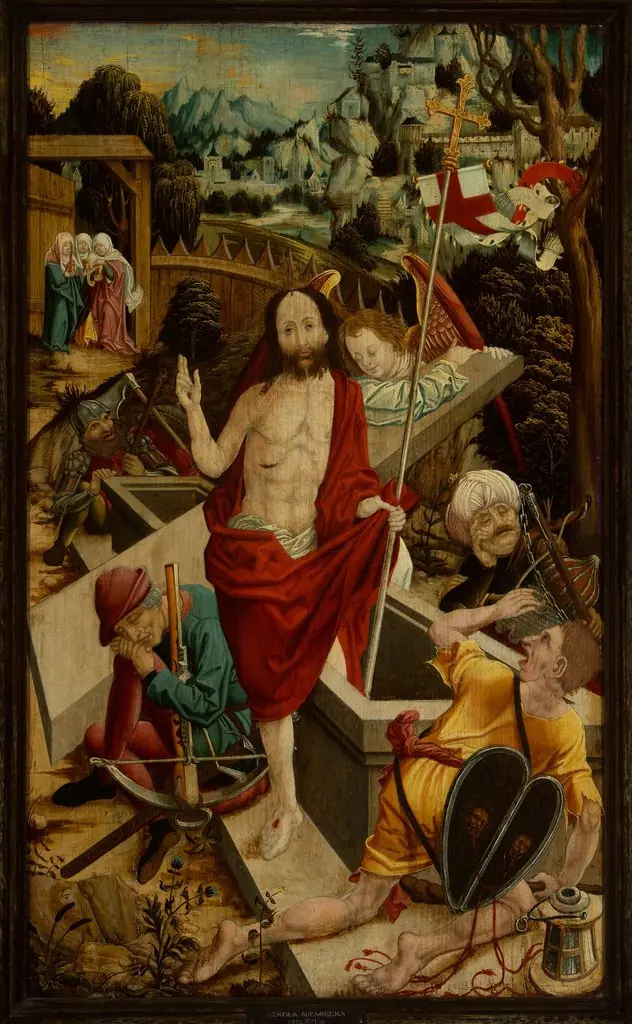
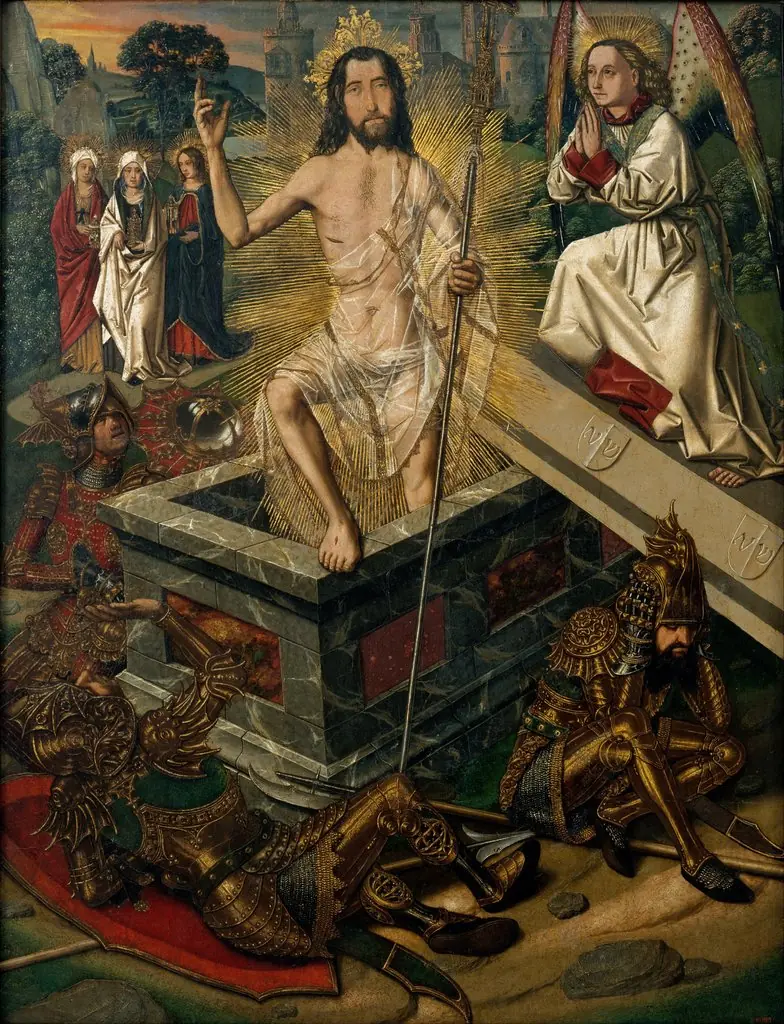
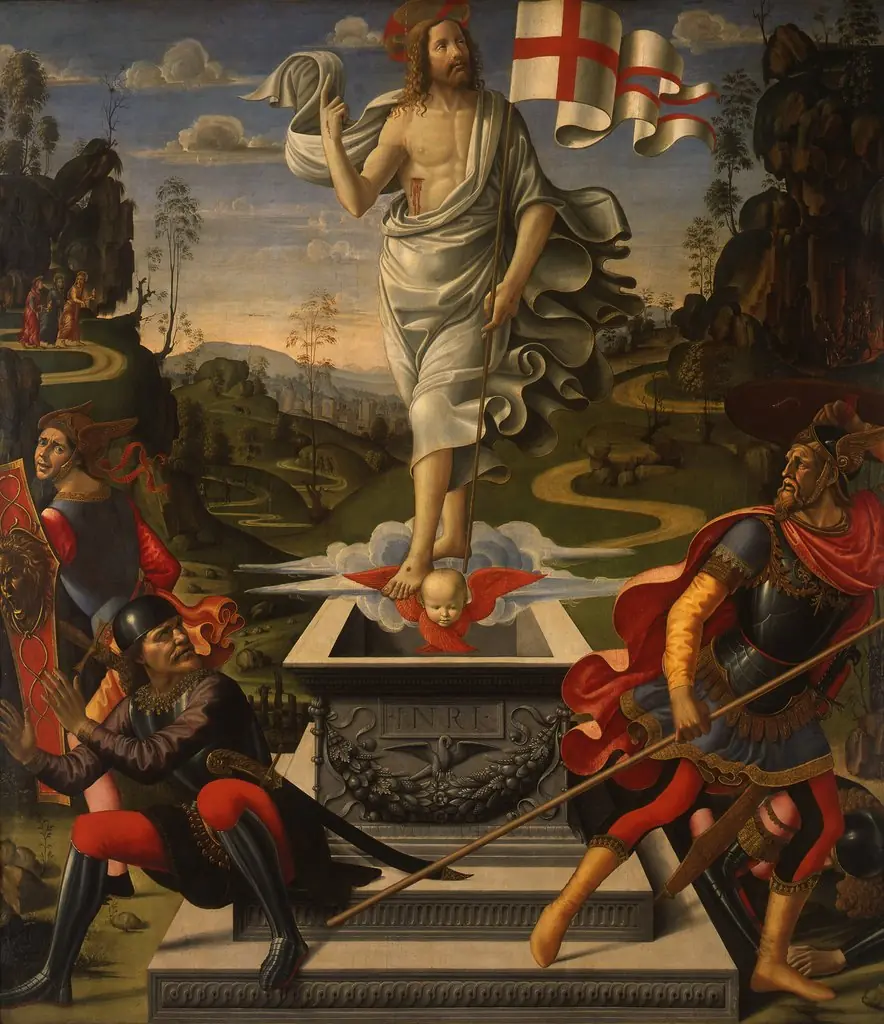
Resurrection of Christ is an oil painting by the Early Renaissance artist Pedro Berruguete. It dates from 1451 and is held in the collection of the Museo del Prado.
About this work
Subject & Meaning
Executed in oil on panel, the composition adheres to the conventions of religious genre painting established during the mid-15th century.
Pedro Berruguete's work depicts the Resurrection of Jesus, a central event in Christian theology where Christ rises from the dead. As a piece of religious art, the painting focuses on the figure of Jesus Christ as its main subject. The imagery serves to represent the core tenet of Christian faith regarding victory over death and divine redemption.
Executed in oil on panel, the composition adheres to the conventions of religious genre painting established during the mid-15th century.
Technique & Style
The work is executed in oil paint on a wooden panel, a format typical of 15th‑century Spanish religious art. The composition centers on the risen Christ, rendered with clear modeling and a restrained palette that emphasizes spiritual triumph rather than dramatic narrative. Brushwork remains relatively smooth, reflecting the influence of early Netherlandish techniques while preserving a distinctly Iberian devotional sensibility.
The painting’s surface condition is stable, with only minor craquelure along the edges of the panel, and it is currently displayed in the Museo del Prado’s collection.
History & Provenance
The painting was created in 1451 by Pedro Berruguete as an oil on panel work originally displayed in a religious context. It entered the collection of the Museo del Prado, where it remains on view today. Its dimensions are 96 cm in height and 57 cm in width.
The painting is held in the Museo del Prado collection. According to Wikidata, its location is the Museo del Prado, and the work is catalogued as part of that institution's holdings.
No specific inventory or accession number is provided in the available sources, and no exhibition history is documented.
Context
Pedro Berruguete's Resurrection of Christ, painted in 1451, exemplifies early Spanish Renaissance religious art through its focus on the biblical moment of Christ's triumph over death. The work, created in oil on panel, measures 96 cm by 57 cm and is housed in the Museo del Prado, where it remains part of their collection of 15th-century devotional paintings. Scholarship highlights its significance within Berruguete's oeuvre as an influential precursor to later Spanish artists, situating the piece within broader discussions of devotional imagery in early European art.
Its reception during the 15th century likely reflected contemporary theological emphases on resurrection, while modern scholarship continues to analyze its stylistic and symbolic contributions to Renaissance painting.
Overview
The Resurrection of Christ is a painting created by Pedro Berruguete in 1451 using oil paint. It is an early Renaissance work held in the Museo del Prado.
Artist & collection
Artist
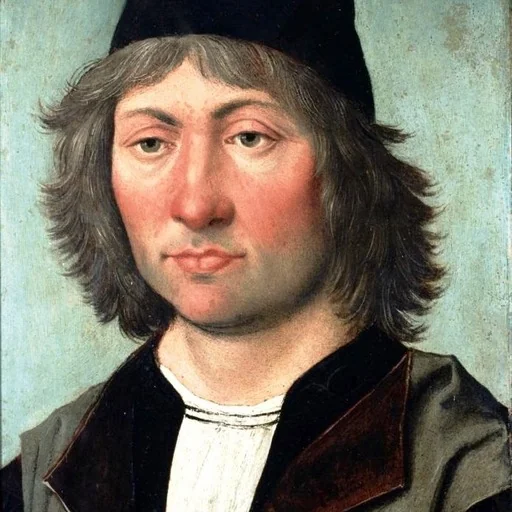
Pedro Berruguete (c. 1450 – 1504) was a Spanish painter who adopted Flemish techniques and conventions and so is part of the Hispano-Flemish style. Berruguete most famously created paintings of the first few years of…