Artwork
Noli me Tangere
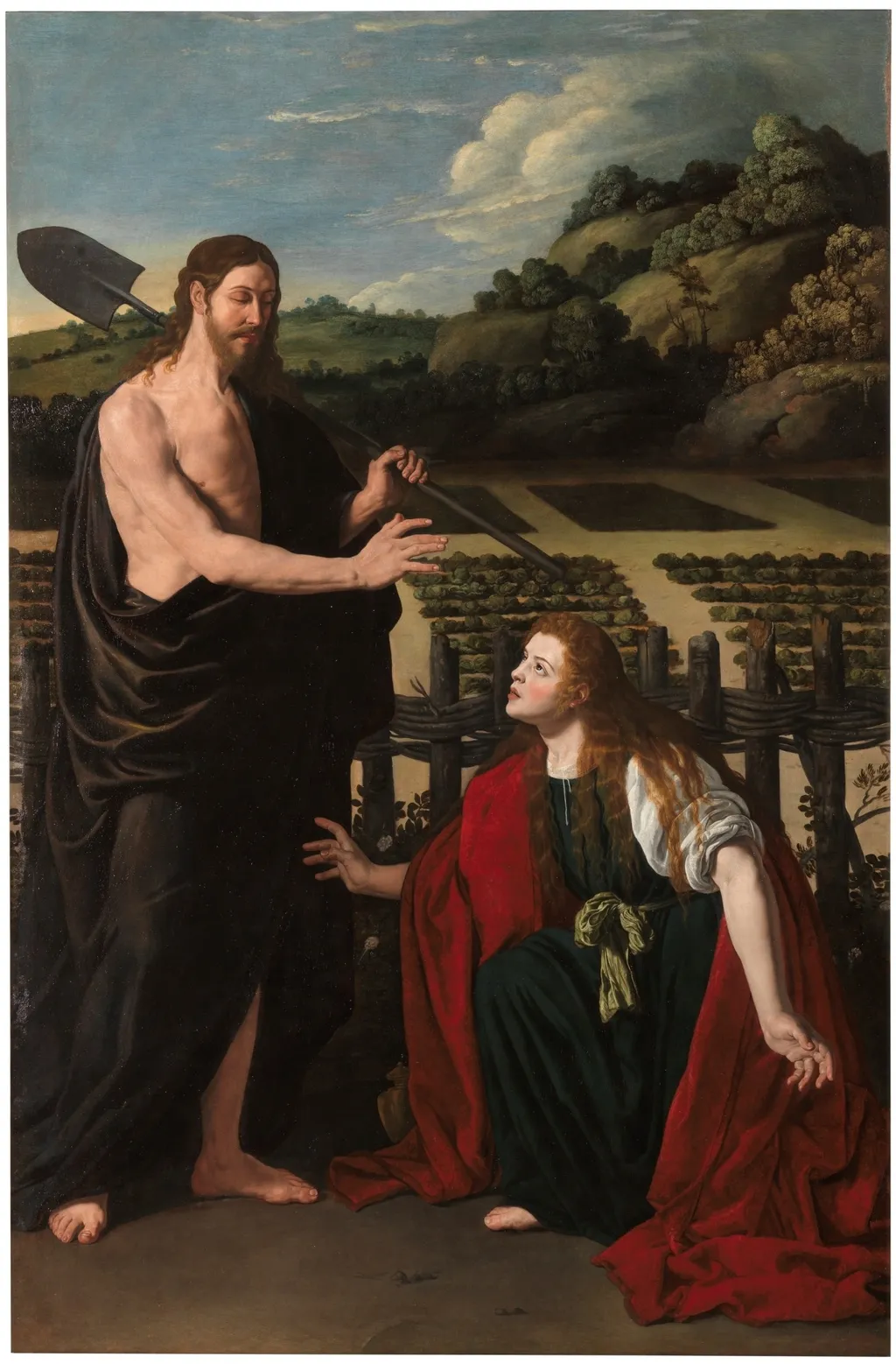
Noli me Tangere is an oil painting by the Spanish Baroque Tenebrist artist Pedro Núñez del Valle. It dates from 1630 and is held in the collection of the Museo del Prado.
About this work
Subject & Meaning
As a piece of religious art, the composition focuses on this specific narrative interaction, which serves as the central iconographic element.
Pedro Núñez del Valle's 1630 oil painting illustrates the biblical episode known as Noli me tangere (Touch me not). The work's primary subject is Mary Magdalene, depicted at the moment she encounters the resurrected Christ. As a piece of religious art, the composition focuses on this specific narrative interaction, which serves as the central iconographic element.
The title and subject matter refer to Christ's instruction to Magdalene not to touch him, representing the theological transition between his earthly presence and ascension.
Technique & Style
Painted in 1630 by Pedro Núñez del Valle, this religious work is executed in oil on canvas. The painting measures 235 by 156 cm, indicating a substantial, large-scale format typical of Baroque altarpiece commissions. As a depiction of the N rooted in the Noli me tangere theme, the work centers on the figure of Mary Magdalene, a subject drawn from the Gospel of John.
The choice of oil paint on canvas support would have allowed for the rich color saturation and detailed figural rendering characteristic of Spanish Baroque painting of this period.
History & Provenance
Pedro Núñez del Valle executed the oil painting Noli me Tangere in 1630. Created on canvas, the work depicts the biblical encounter between Mary Magdalene and the resurrected Christ. The painting currently resides in the collection of the Museo del Prado, where it is classified as a piece of religious art.
No specific details regarding the original commission or the intermediate ownership chain prior to its arrival at the museum are provided in the available records.
The painting Noli me Tangere by Pedro Núñez del Valle is held in the collection of the Museo del Prado in Madrid. Created in 1630, the work measures 235 cm in height and 156 cm in width. The provided sources confirm its current location and classification as a religious oil painting on canvas within the museum's holdings. No specific inventory number or details regarding past exhibitions are available in the referenced materials.
Legacy
Noli me Tangere by Pedro Núñez del Valle exerted lasting influence through its devotional intensity and technical mastery, becoming a benchmark for 17th-century religious painting in Spain. Its presence at the Museo del Prado cemented its reputation as a key example of Spanish Baroque art, studied for its nuanced portrayal of Mary Magdalene and its innovative use of oil on canvas. The work's legacy endures in scholarly discourse on Spanish ecclesiastical art and continues to inform exhibitions on the era's spiritual narratives.
Overview
Noli me Tangere is a 1630 oil painting by Spanish Baroque artist Pedro Núñez del Valle, featuring a religious scene in the tenebrist style. It is part of the Museo del Prado's collection.
Context
Núñez del Valle's career included decorative projects in Madrid, such as royal portraits in the Salón de Comedias, reflecting his role in Spanish Baroque art.
Own this work as a print
Artist & collection
Artist
Pedro Núñez del Valle (Madrid, c. 1597 – 1649) was a Spanish painter of the Baroque era. According to Antonio Palomino he was born in Madrid where he lived and worked for the rest of his life after studying in Rome. He…

- Noli me tangere
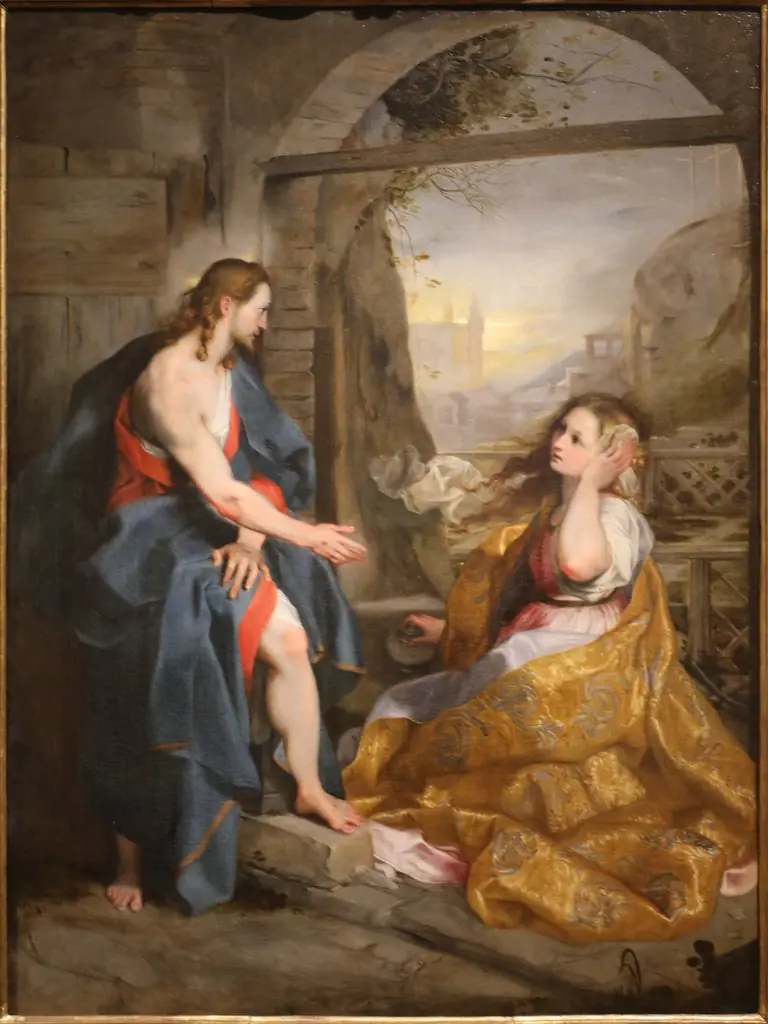 Noli me tangere
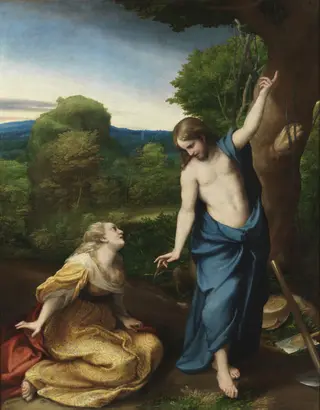 Noli me tangere
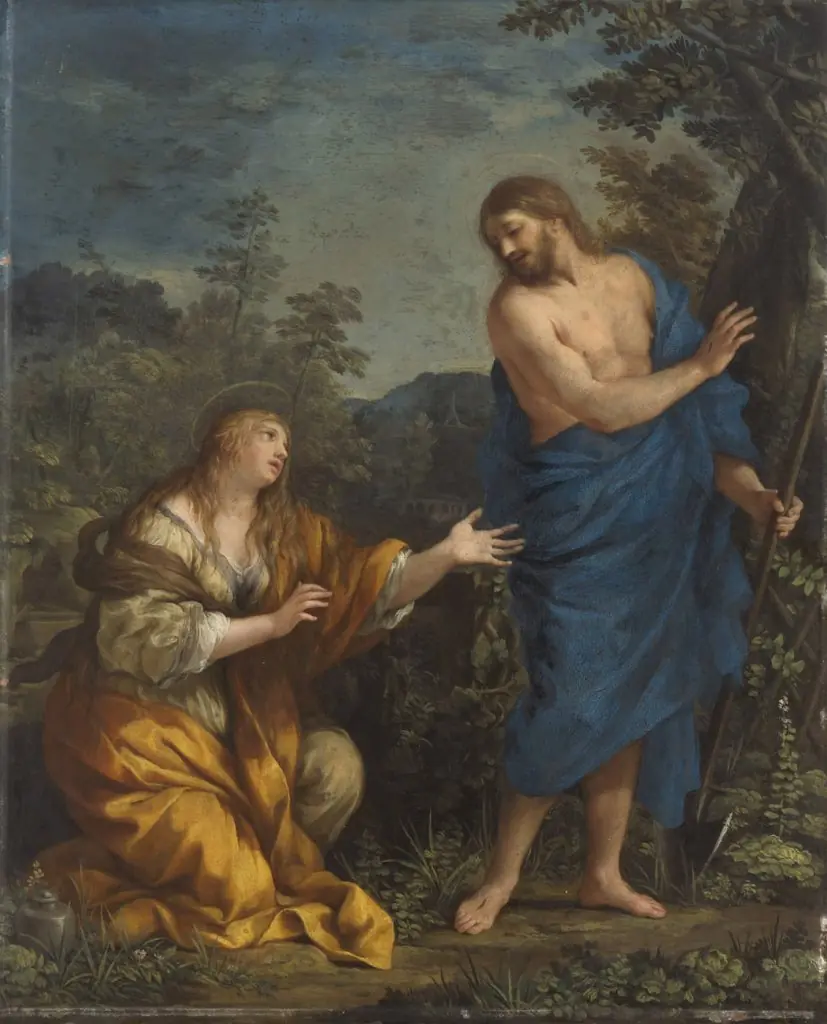 Noli me tangere
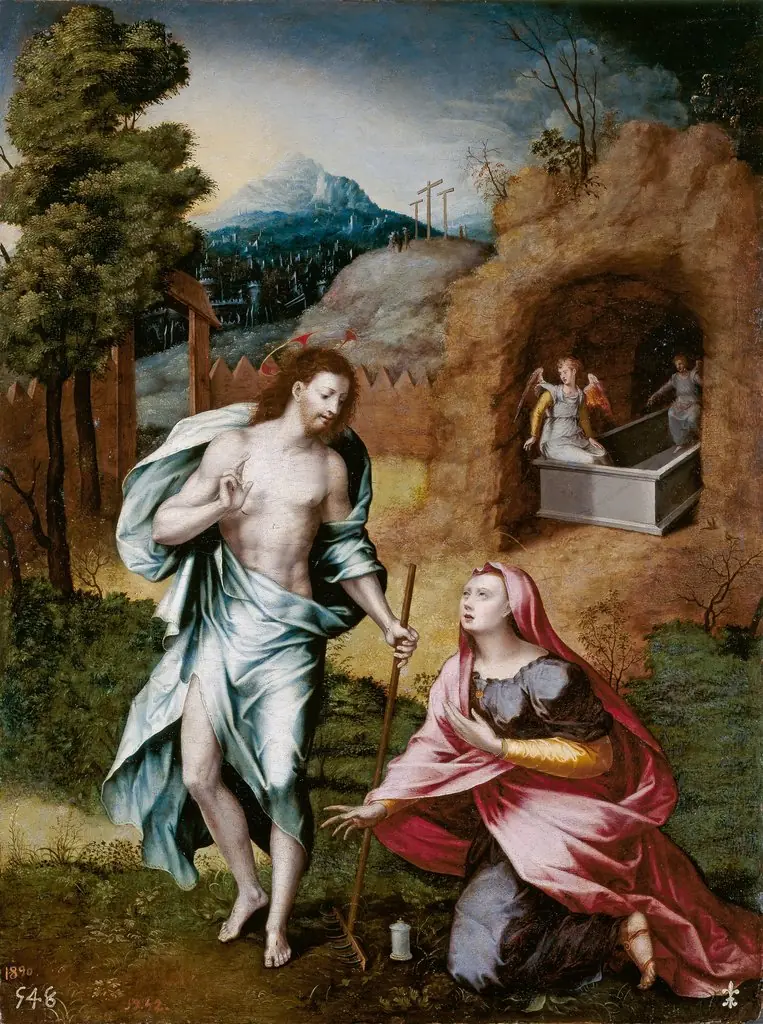 Noli Me Tangere
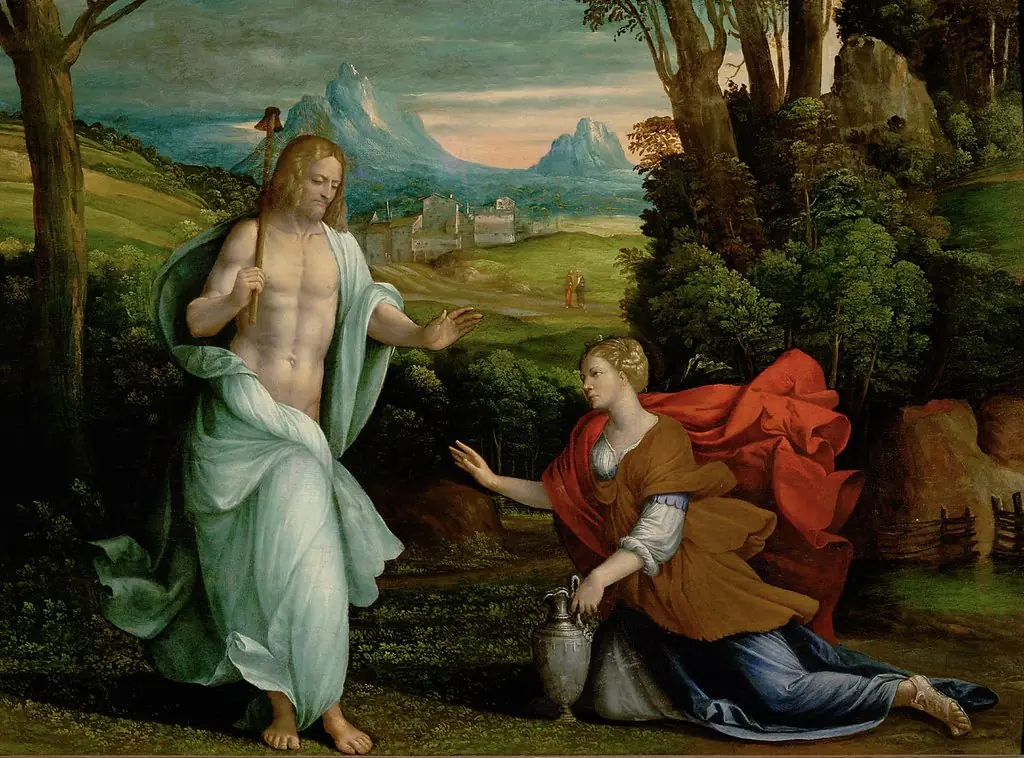 Noli me tangere
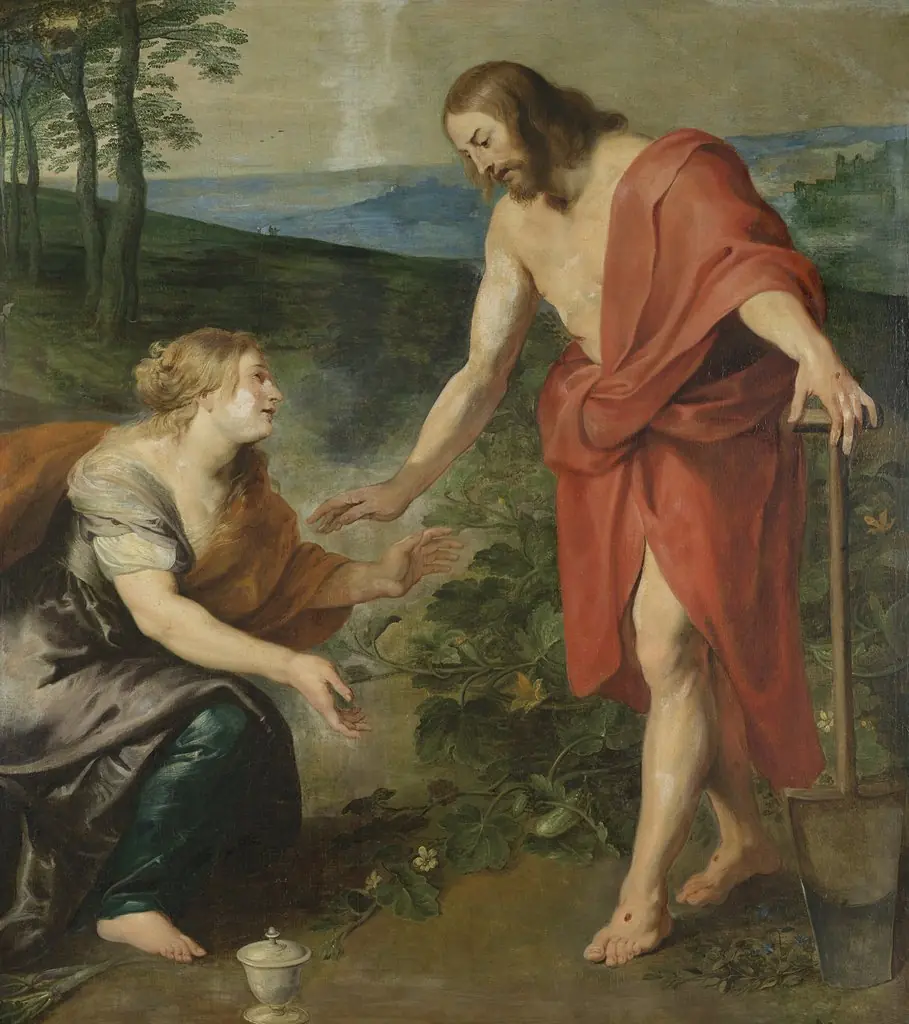 'Noli me tangere': the meeting of Christ and Mary Magdalene
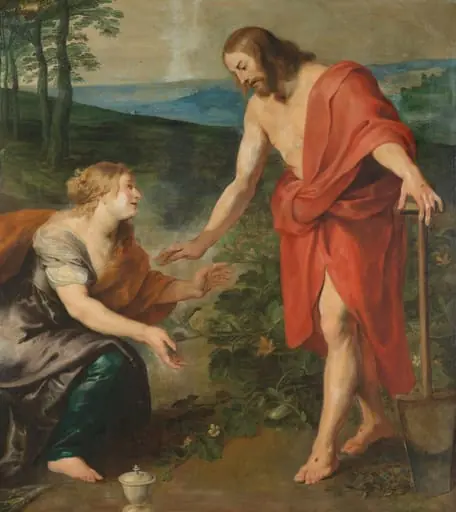 Christ Appearing to Mary Magdalen as a Gardener (Noli me Tangere)
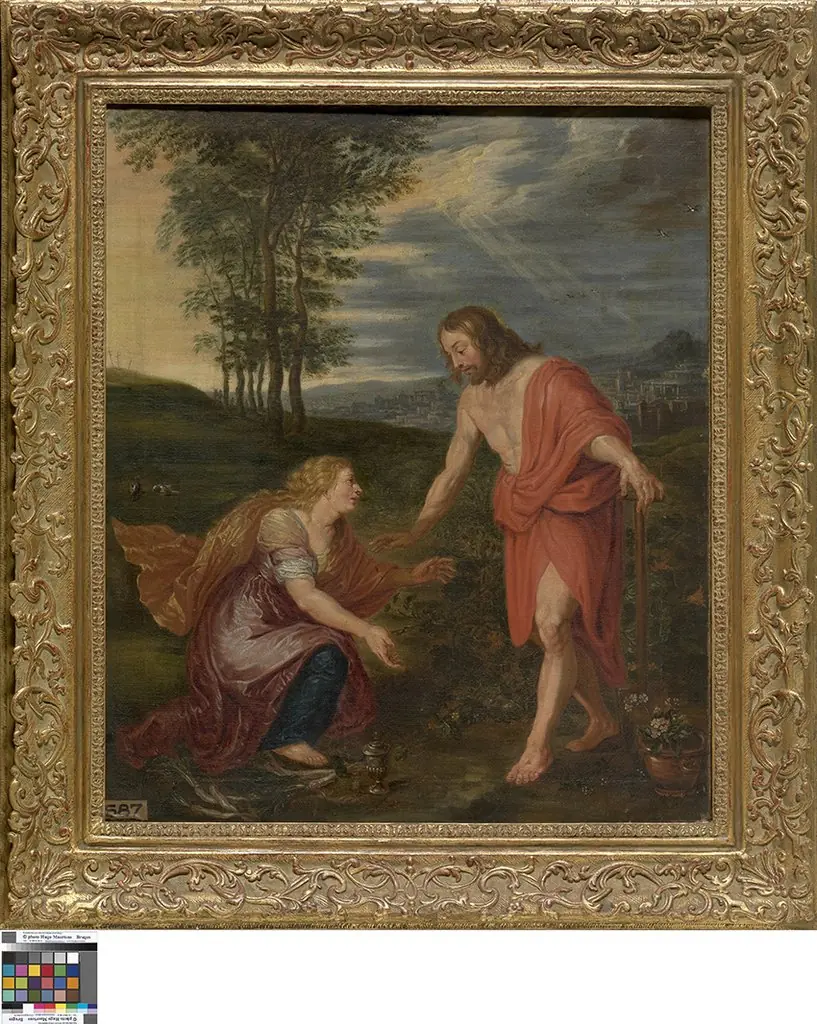 Noli me tangere
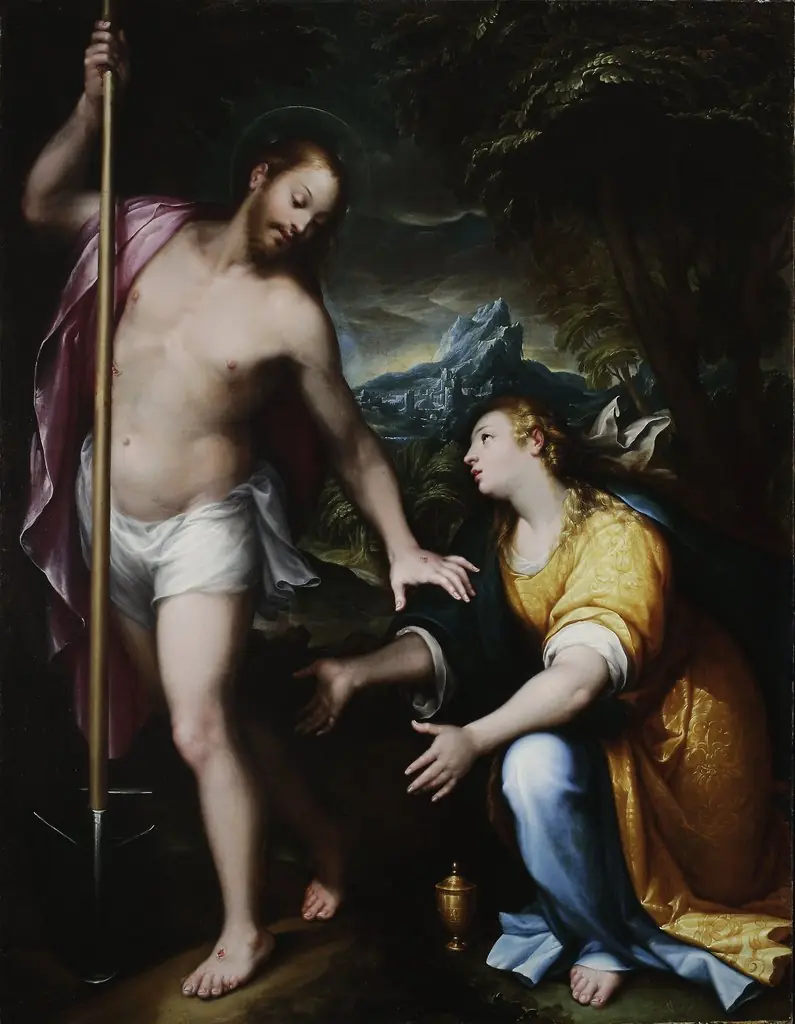 “Noli me tangere” – Resurrected Christ appearing to Mary Magdalene (John 20:14-17)
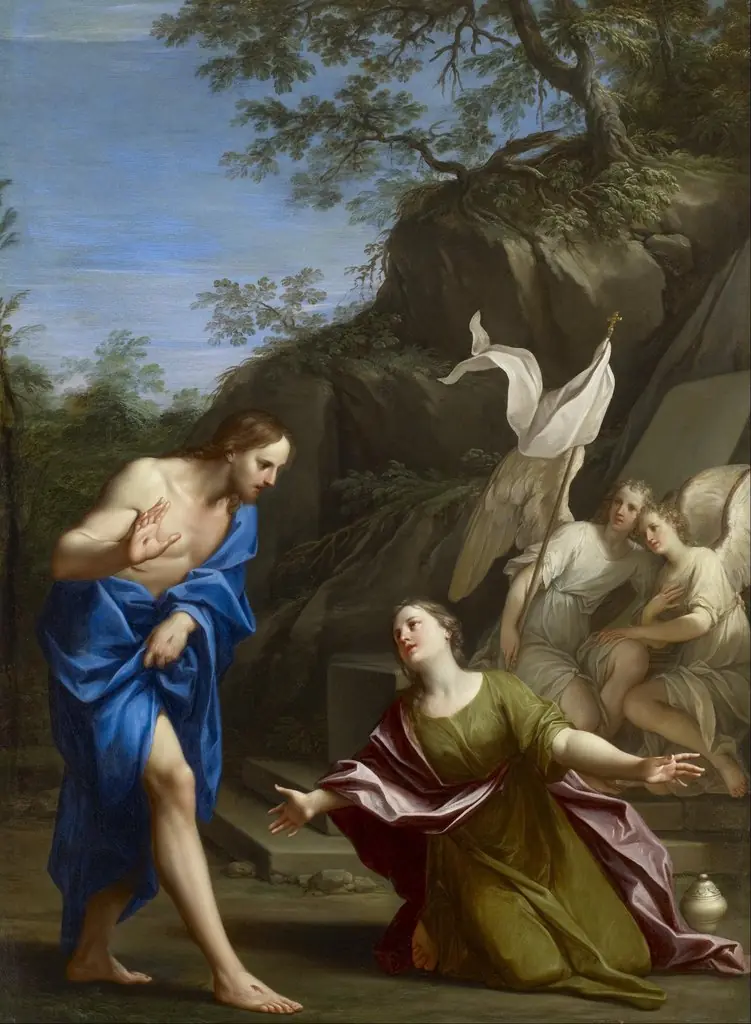 Noli Me Tangere ("Touch me not")
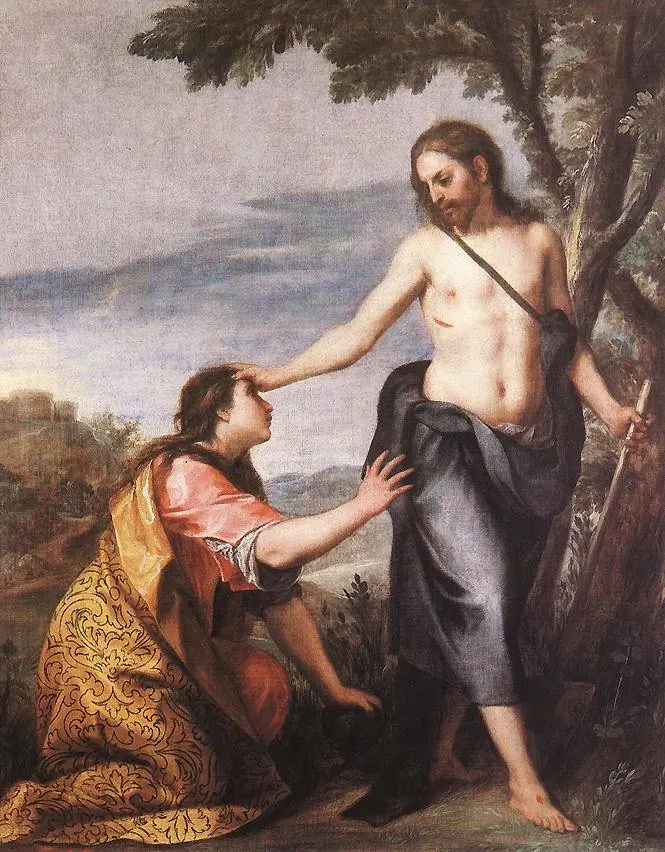 Noli me Tangere (Christ Appearing as a Gardener to Mary Magdalene)