Artwork
Noli me tangere
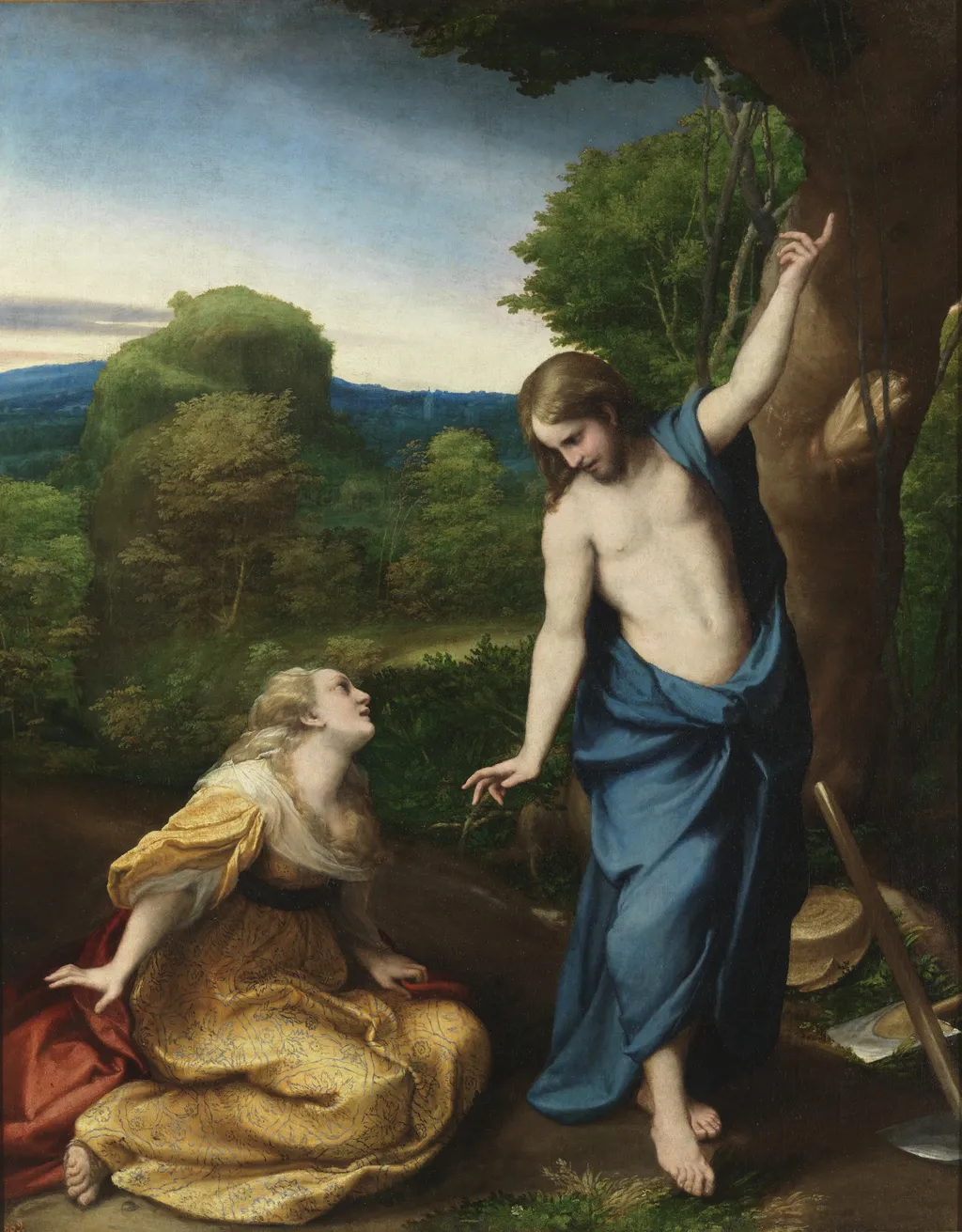
Noli me tangere is an oil painting by the Mannerist artist Antonio da Correggio. It dates from 1523 and is held in the collection of the Museo del Prado.
About this work
A quiet garden scene from the Bible: a woman meets a man who has risen from the dead. Correggio painted it in oil around 1525. The title, Noli me tangere, is Latin for 'Don't touch me,' the words Jesus speaks to Mary Magdalene just after the Resurrection.
Technique & Style
Light plays a key role, a warm, auroral glow suffuses the landscape (5) and the evening light described in the Spanish account (6) unifies the figures.
Correggio’s Noli me tangere is executed in oil paint on a canvas support. The handling of the paint is delicate: the drapery of Mary’s brocade dress is rendered with an empathetic, flowing quality (5), while Christ’s torso shows the soft, sculptural modeling derived from Greek antiquity (3). Light plays a key role, a warm, auroral glow suffuses the landscape (5) and the evening light described in the Spanish account (6) unifies the figures.
Compositionally, the painting is built on a strong diagonal created by Christ’s raised arm and the landscape tree (3,5,6), a hallmark of the artist’s mature phase (5). The absence of crucifixion wounds emphasizes the joyful, ascendant theme (3).
History & Provenance
The Noli me tangere by Correggio is first documented in Pietro Lamo’s manuscript Graticola di Bologna (c. 1560), where it is recorded in the collection of the Ercolani counts in Bologna, likely commissioned for their private oratory by a family member such as Vincenzo Ercolani. By 1598 the painting belonged to Cardinal Pietro Aldobrandini, who acquired it for a high price, and by 1621 it was in the Ludovisi collection, as noted in a postscript to Vasari’s Lives. After passing to Ludovico Ludovisi and then to his nephew Niccolò Ludovisi, the work was given to Philip IV of Spain in the late 1630s or early 1640s as a diplomatic gesture, arriving in Madrid by the end of 1643 after a stop in Naples. It entered the Real Monasterio de El Escorial and later the Museo del Prado in 1839.
Noli me tangere is housed in the Museo del Prado, Madrid. The sources do not provide a specific inventory or accession number for the work. Its provenance traces back to the 16th‑century collections of the Ercolani counts and the Aldobrandini family, and in the 1630s–40s it was acquired by Philip IV of Spain through the Ludovisi prince Niccolò Ludovisi.
The painting was first exhibited in the Royal Monastery of San Lorenzo de El Escorial, later moved to the Real Academia de Bellas Artes de San Fernando, and entered the Prado collection in 1839, where it remains on public display.
Context
The Noli me tangere, painted by Antonio da Correggio around 1525, depicts the risen Christ’s encounter with Mary Magdalene in the garden, a scene drawn from John’s Gospel. Its first documented appearance is in a 16th‑century Bologna inventory, later praised by Vasari and acquired by the Aldobrandini family before entering the Ludovisi collection and being sold to Philip IV of Spain in the 1630s; the work reached the Prado by 1643. Contemporary scholarship highlights Correggio’s mature synthesis of High Renaissance composition and naturalistic gesture, notably his departure from traditional cruciform emphasis and his use of a diagonal thrust created by Christ’s outstretched arm.
Critics such as Estelle May Hurll have noted the painting’s joyous tone and its innovative treatment of light, space, and the “touch me not” gesture as a marker of the work’s pivotal place in early Mannerist narrative.
Legacy
Correggio's Noli me tangere achieved immediate acclaim, being praised by Giorgio Vasari in his 1568 Lives of the Artists and documented by Pietro Lamo around 1560 as a prized possession of the Ercolani family in Bologna. Its reputation as a masterpiece was solidified when Cardinal Pietro Aldobrandini acquired it for a high price, later passing to the Ludovisi collection. The work's significance is further evidenced by the copies produced before its transfer to the Spanish crown in the 1640s, including versions by Ridolfo Parenti and Pietro da Cortona.
Historically, it is recognized as a pivotal mature work that marked Correggio's first commission for a client outside his immediate region. In modern times, the painting remains a celebrated highlight of the Museo del Prado and is notably included in the French historian Paul Veyne's "imaginary museum," underscoring its enduring legacy in art history.
Overview
Correggio's painting, Noli me tangere, created around 1525, captures a pivotal biblical encounter. Executed in oil, the work illustrates the moment Christ reveals himself to Mary Magdalene following his resurrection. This quiet garden scene is also known as Christ Appearing to Mary Magdalene in the Garden, referencing the specific interaction depicted. The artwork is housed in the Museo del Prado in Madrid.
Subject & Meaning
The painting's title, Noli me tangere, is Latin for "Don't touch me," directly quoting Jesus's words to Mary Magdalene. This encounter, described in the Gospel of John, occurs outside the tomb after the Resurrection. Mary Magdalene initially mistakes Christ for a gardener, only recognizing him when he speaks her name. The command signifies a sacred boundary, indicating Christ's transformed state before his ascension.
Own this work as a print
Artist & collection

Artist
Antonio Allegri da Correggio, usually known as just Correggio, was an Italian Renaissance painter who was the foremost painter of the Parma school of the High Renaissance, who was responsible for some of the most…



- Noli me tangere
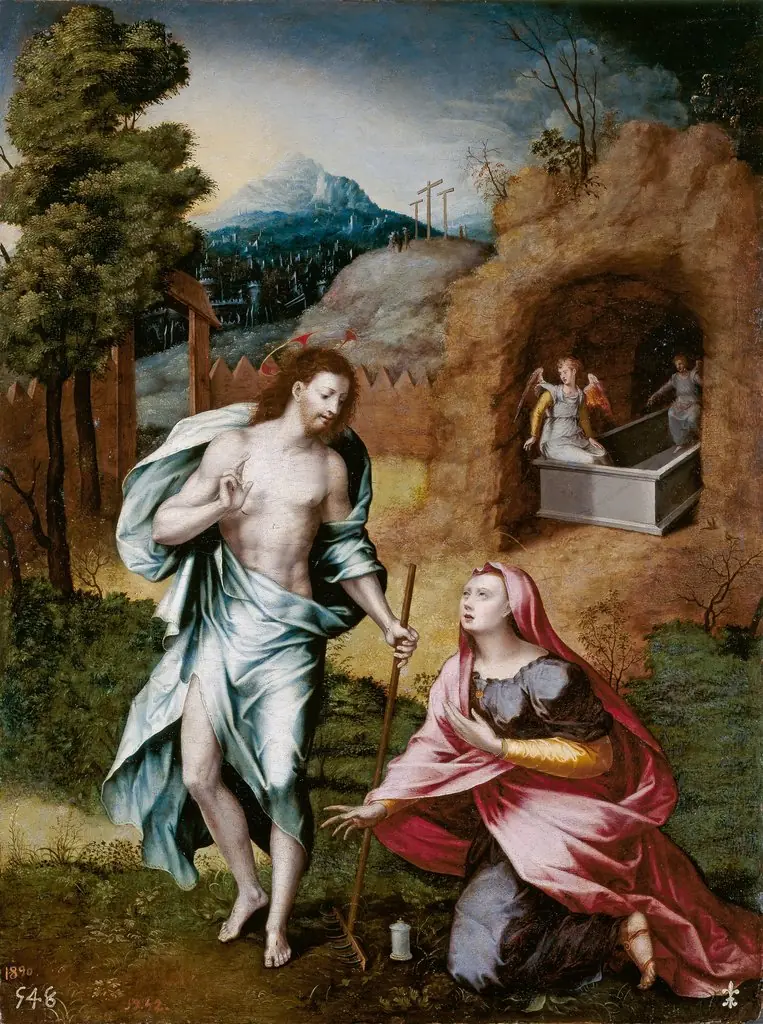 Noli Me Tangere
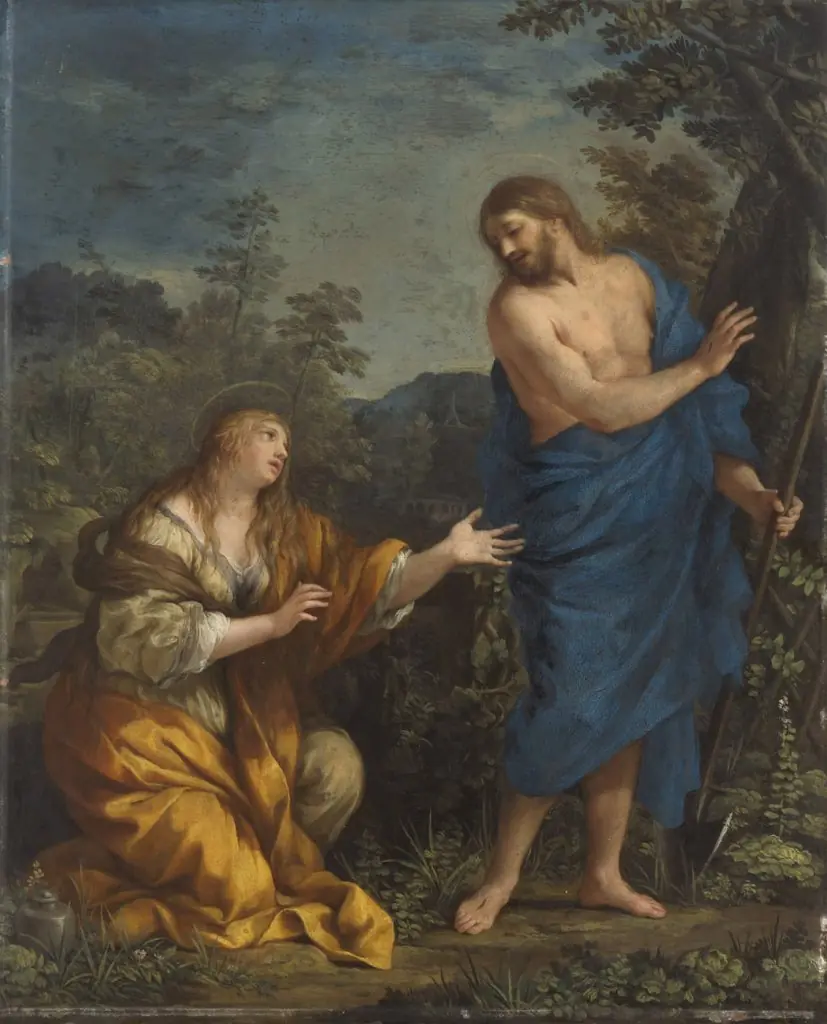 Noli me tangere
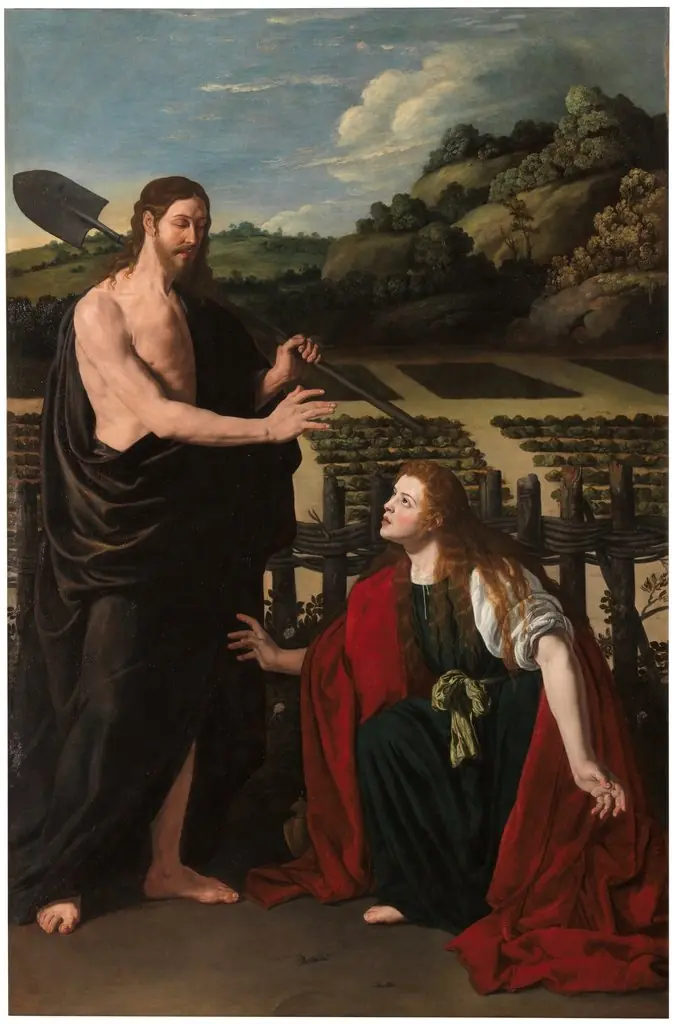 Noli me Tangere
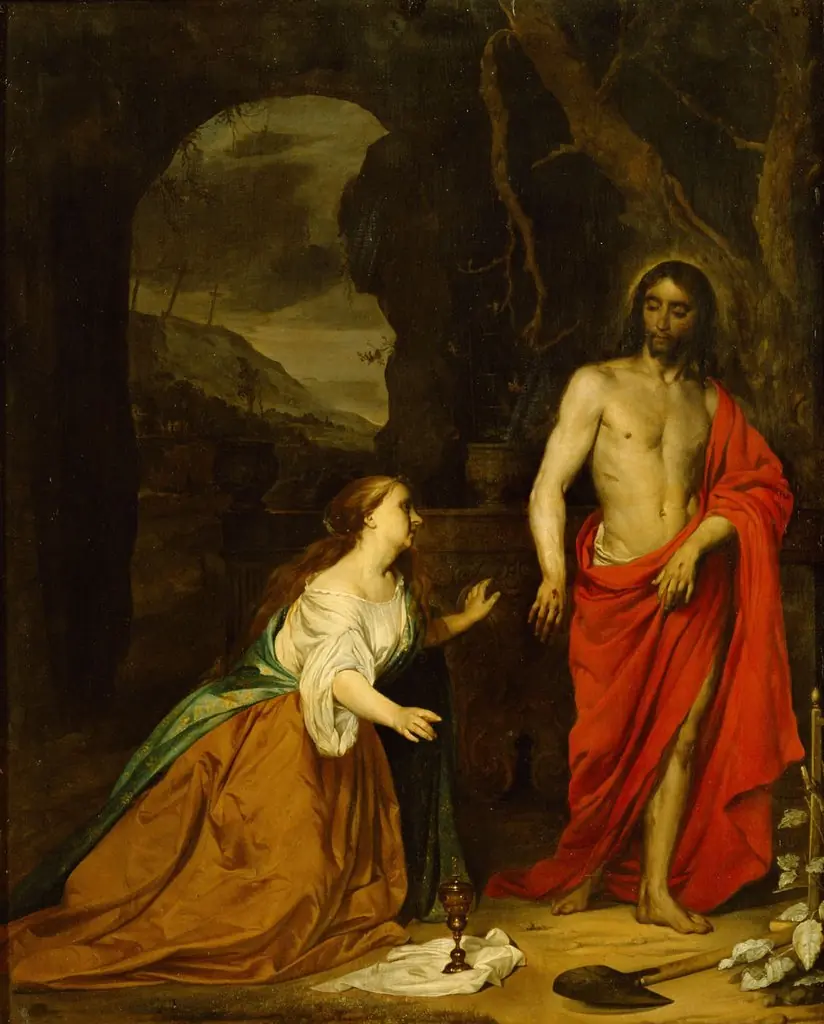 Noli me tangere
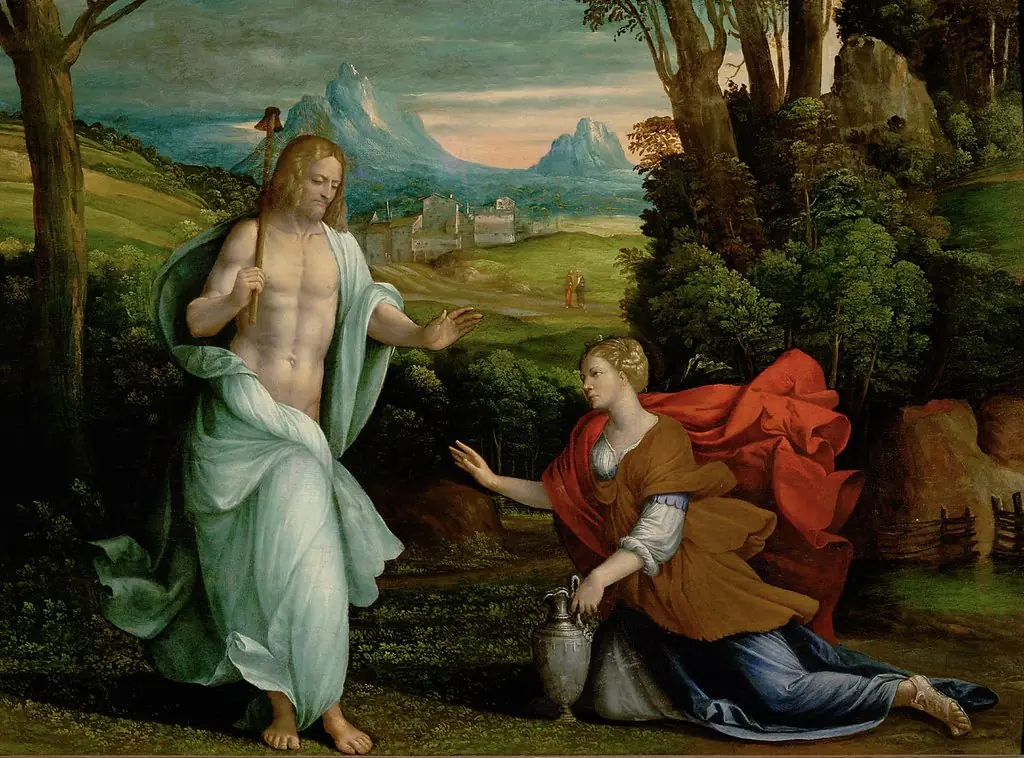 Noli me tangere
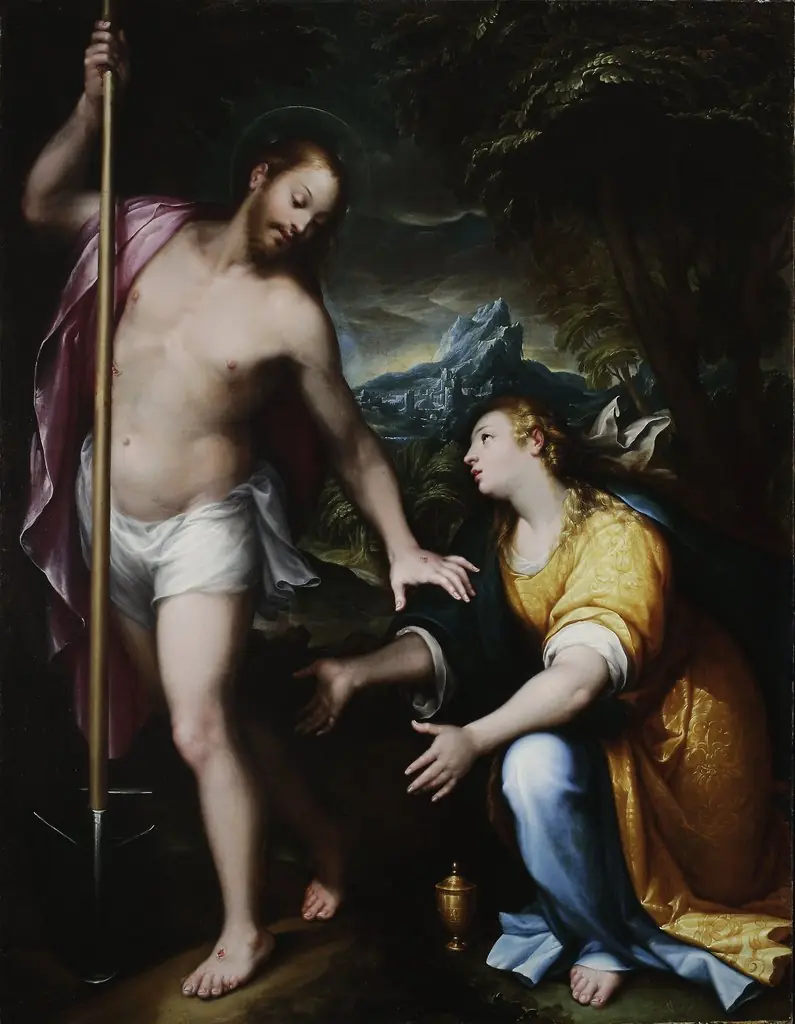 “Noli me tangere” – Resurrected Christ appearing to Mary Magdalene (John 20:14-17)
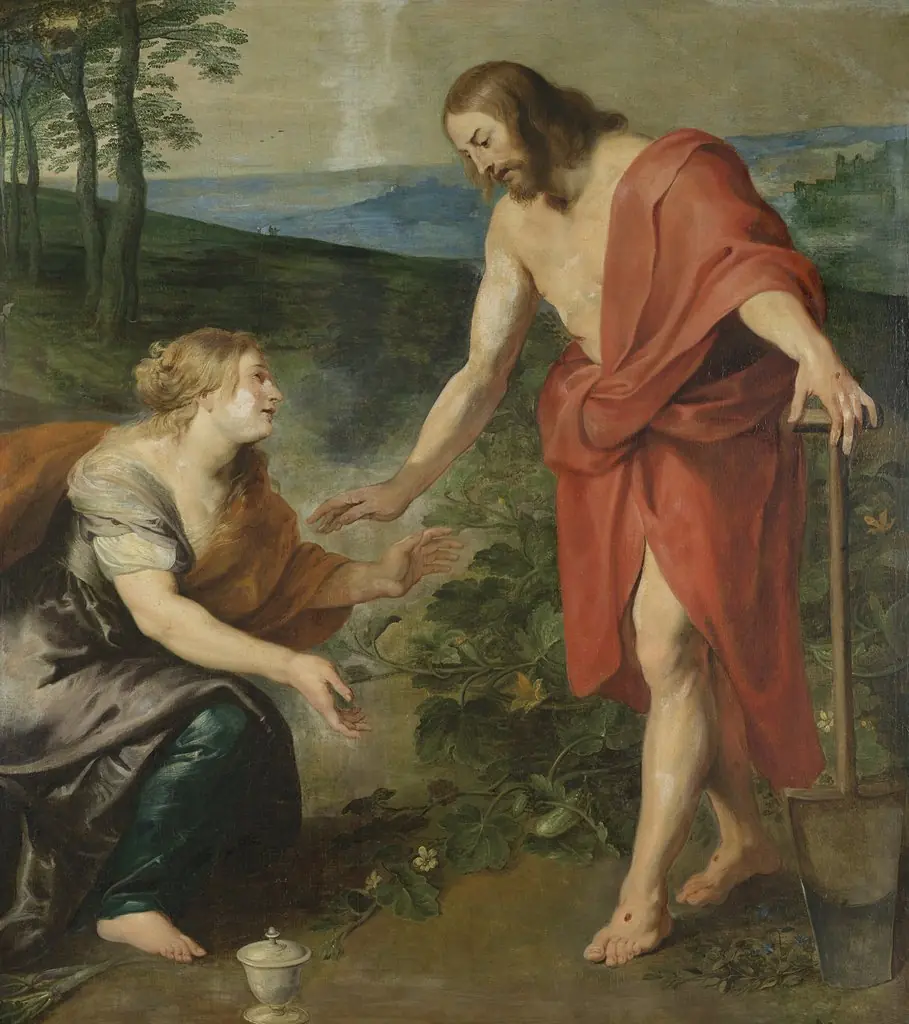 'Noli me tangere': the meeting of Christ and Mary Magdalene
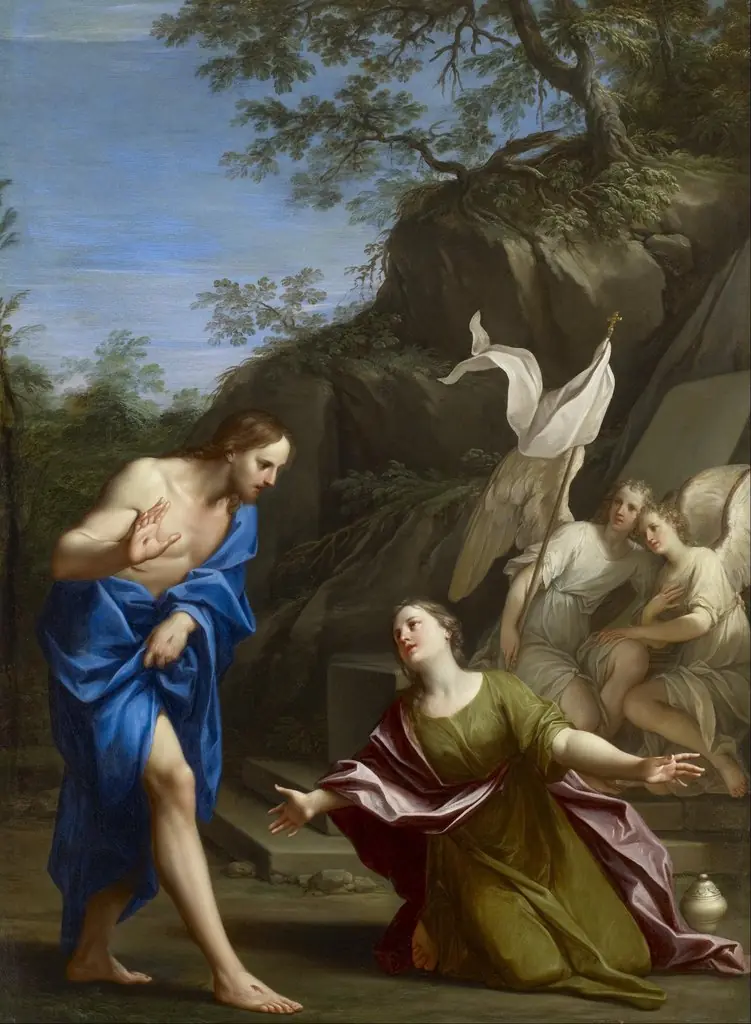 Noli Me Tangere ("Touch me not")
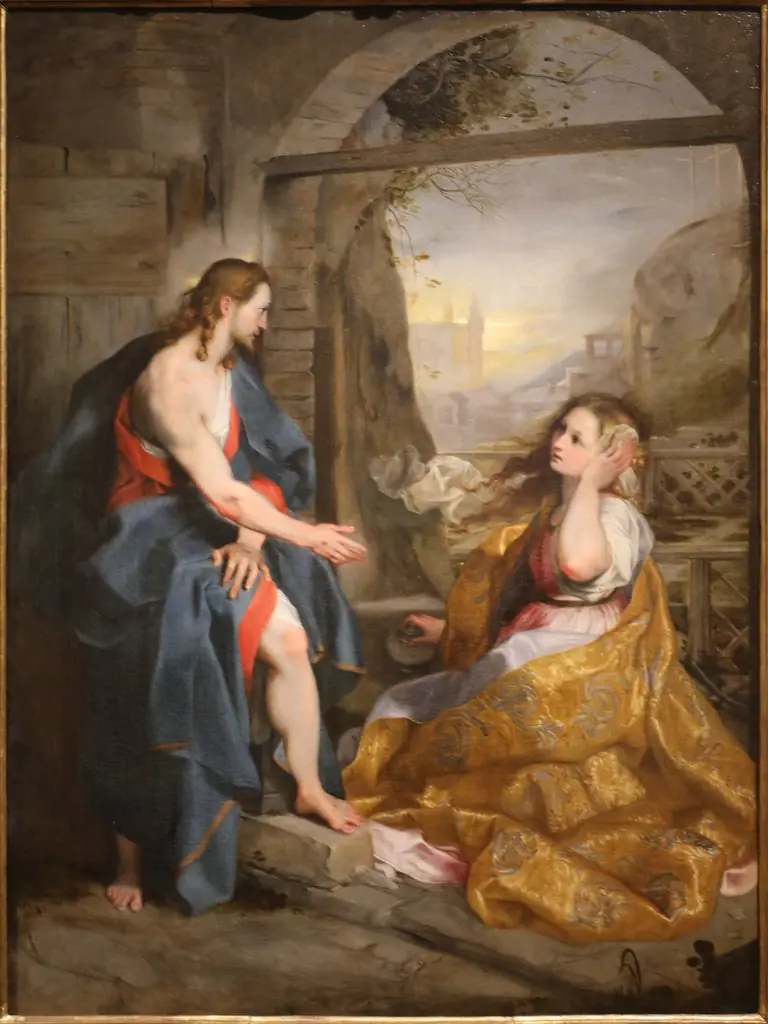 Noli me tangere
 Christ Appearing to Mary Magdalen as a Gardener (Noli me Tangere)
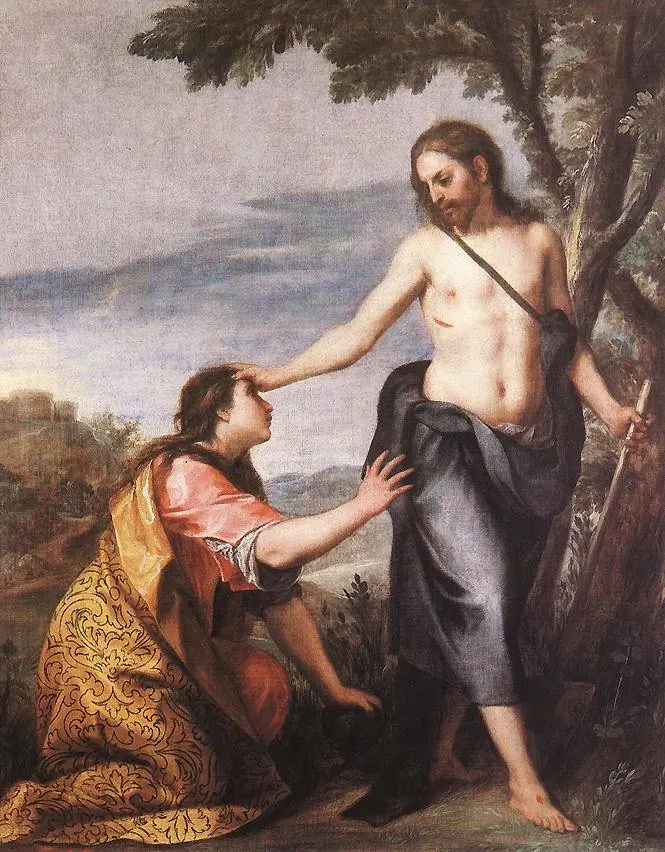 Noli me Tangere (Christ Appearing as a Gardener to Mary Magdalene)