Artwork
Noli me tangere
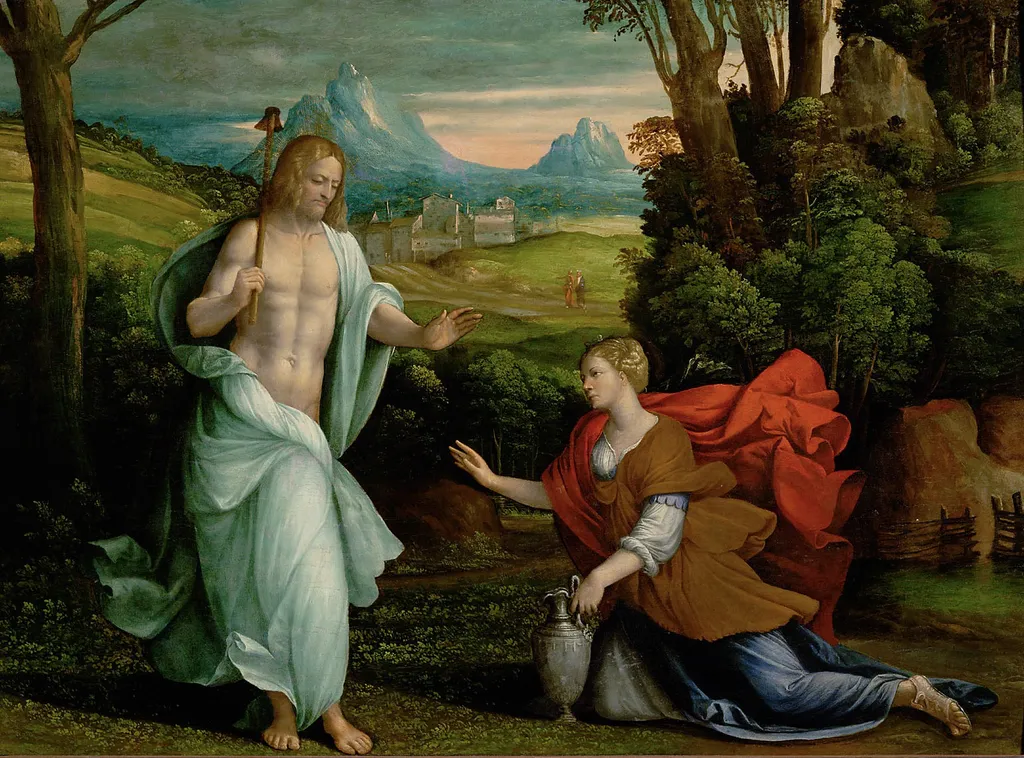
Noli me tangere is an unspecified painting by the Tosa School artist Benvenuto Tisi. It dates from 1527 and is held in the collection of the Kunsthistorisches Museum.
About this work
Subject & Meaning
The painting depicts the biblical episode known as the Noli me tangere ("Do not touch me"), in which the resurrected Jesus Christ appears to Mary Magdalene.
The painting depicts the biblical episode known as the Noli me tangere ("Do not touch me"), in which the resurrected Jesus Christ appears to Mary Magdalene. According to the Gospel of John, Mary Magdalene, mistaking Christ for a gardener at the empty tomb, reaches toward him and is told not to touch him because he has not yet ascended to the Father. The scene is a devotional subject drawn from the post-Resurrection narrative, emphasizing Christ's risen body and the moment of recognition between the risen Lord and his follower.
The work is classified as religious art and is identified by its main subject, the Noli me tangere encounter, with Jesus Christ and Mary Magdalene named as the figures depicted. As a 1527 panel by Benvenuto Tisi, it belongs to a long tradition of Italian Renaissance devotional imagery treating this tender, charged exchange as a meditation on faith, recognition, and the mystery of the Resurrection.
Technique & Style
The painting is executed in oil on canvas, measuring 56 cm in height and 73.3 cm in width. The handling reflects the refined, linear grace associated with Garofalo’s mature style, characterized by delicate modeling and a restrained palette dominated by earth tones and muted highlights. The composition centers on the moment of Christ’s appearance to Mary Magdalene, with the figures positioned in a shallow, balanced space that emphasizes clarity and symmetry.
The drapery folds are rendered with careful precision, while the landscape background is softly atmospheric, contributing to a restrained yet emotionally charged narrative.
History & Provenance
The Noli me tangere by Benvenuto Tisi, known as Il Garofalo, was completed in 1527, as indicated by the artist’s dated inscription on the work. The painting entered the collection of the Kunsthistorisches Museum in Vienna, where it remains housed today. No documented commission records or earlier provenance details beyond its creation have been identified in the available sources.
Legacy
The 1527 canvas by Benvenuto Tisi, known by its Latin title, has been recognized as an influential religious composition within the Italian Renaissance, shaping subsequent depictions of the Magdalene encounter. Its formal qualities and iconographic treatment were cited by 19th-century art historians as a model for narrative clarity, and the work's presence in the Kunsthistorisches Museum collection has contributed to ongoing scholarly discussion of its stylistic impact.
Overview
Created in 1527, this religious canvas by Benvenuto Tisi portrays the biblical encounter between the risen Christ and Mary Magdalene. The work is part of the collection of the Kunsthistorisches Museum in Vienna and exemplifies early‑Renaissance narrative painting.
Context
The work reflects the period’s interest in dramatizing biblical narratives through naturalistic settings. Tisi, active in Ferrara, often blended Northern Italian colorism with the compositional clarity of the High Renaissance, situating this scene within a gently rolling landscape that includes a distant village.
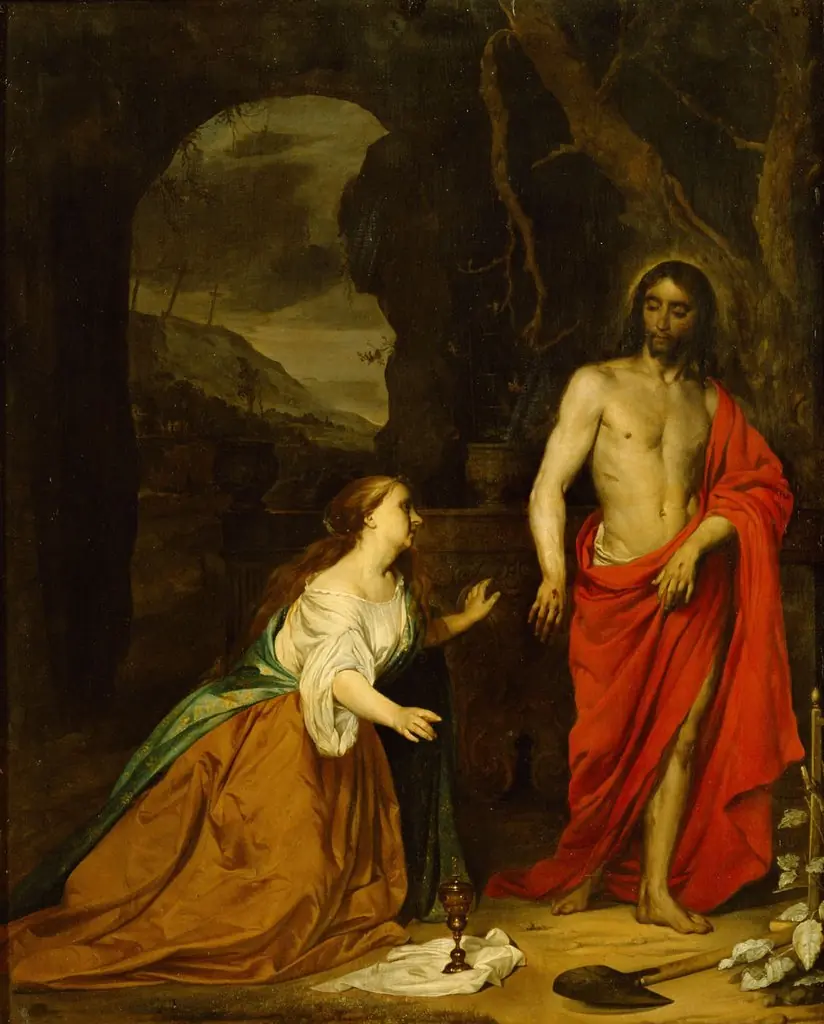
Artist & collection
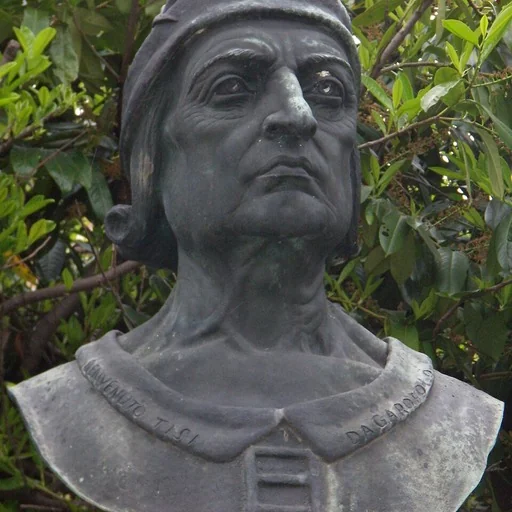
Artist
Benvenuto Tisi (Italian:; 1481 – September 6, 1559), also known as Il Garofalo (Italian: ), was a Late-Renaissance-Mannerist Italian painter of the School of Ferrara.

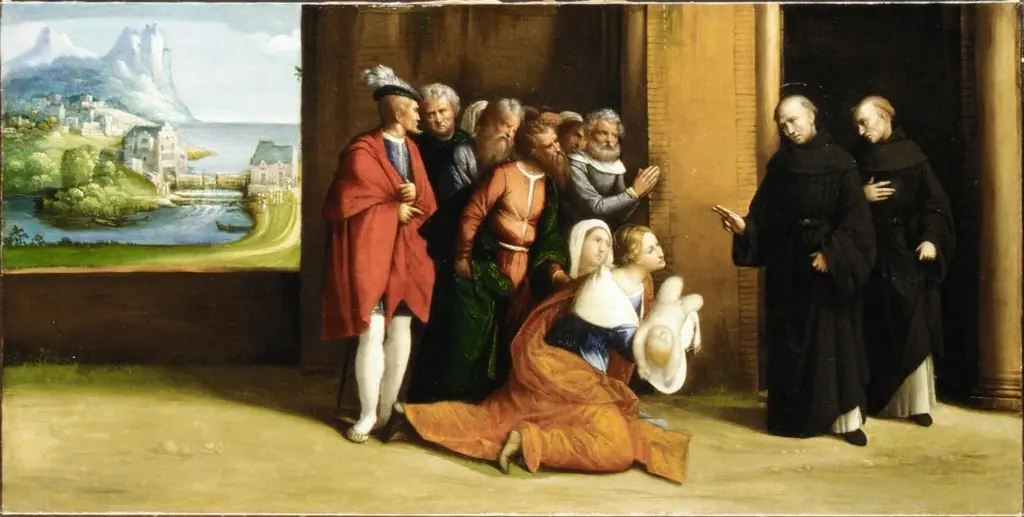
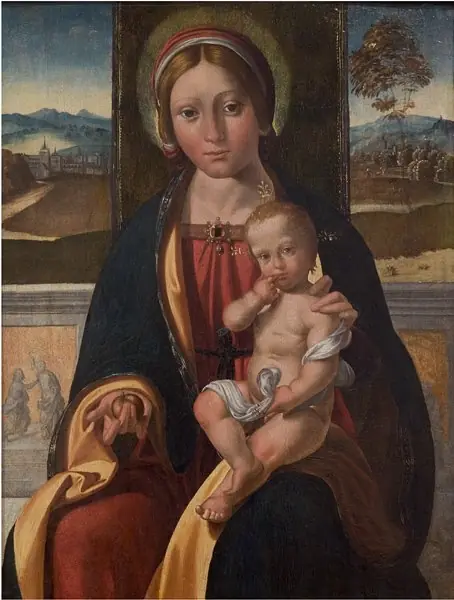
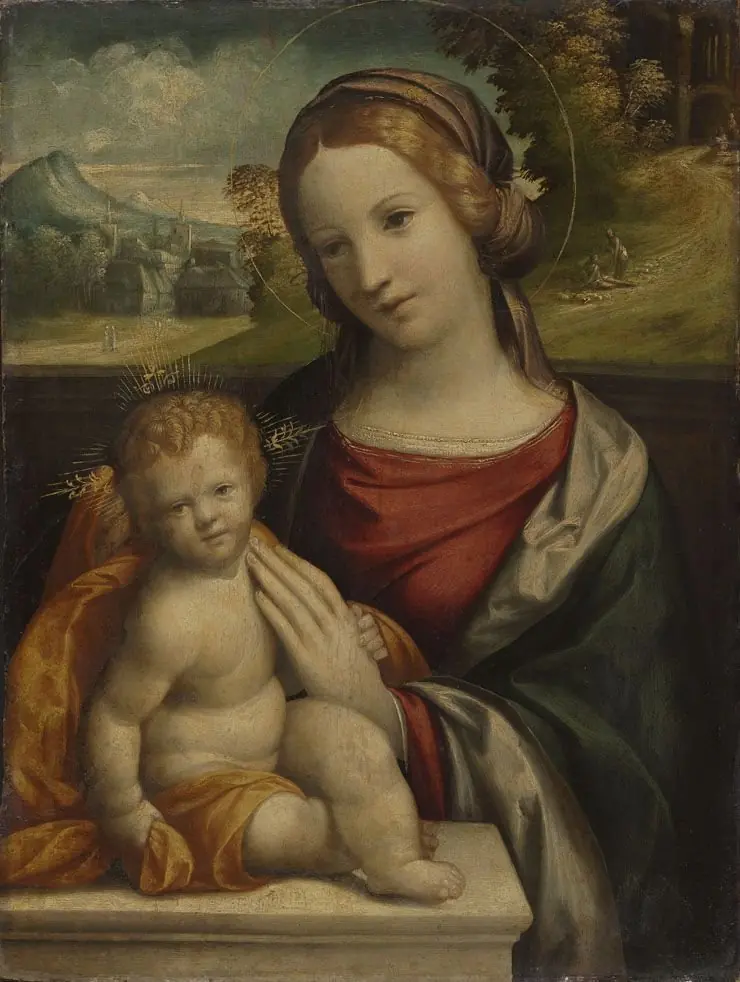
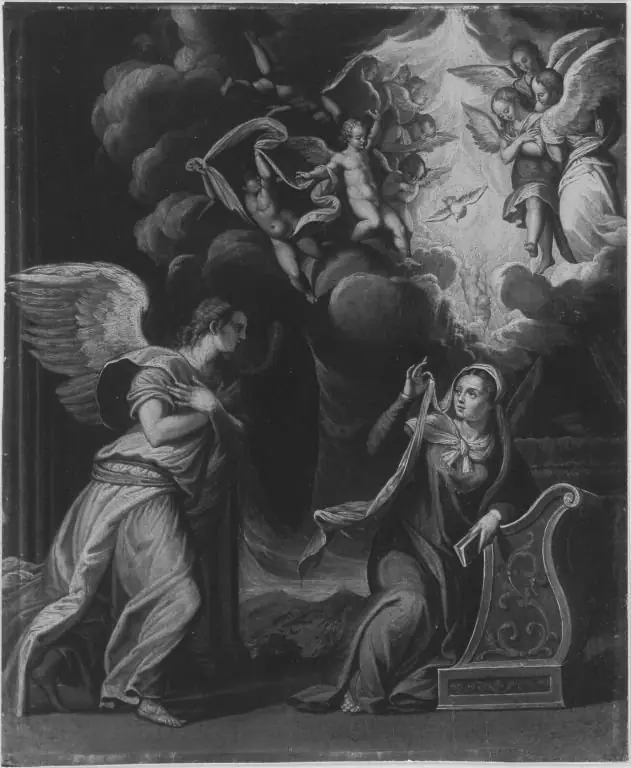
- Noli me tangere
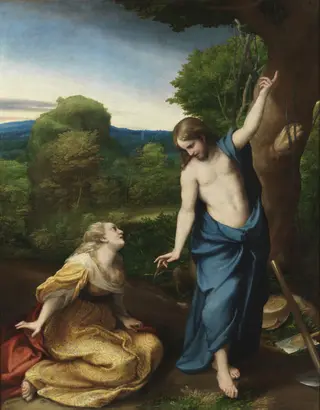 Noli me tangere
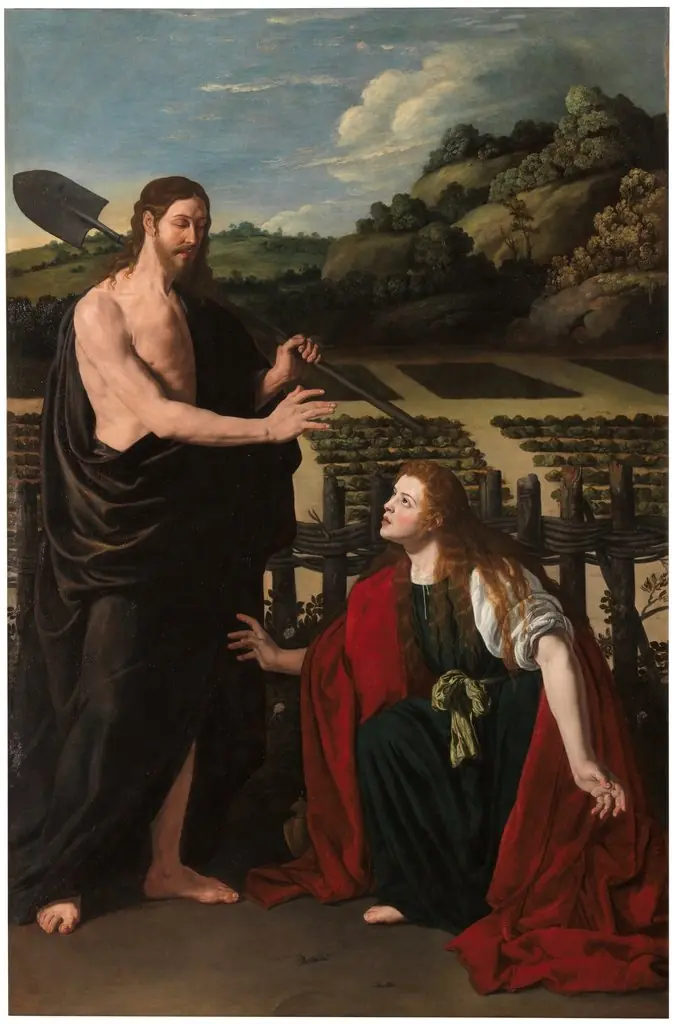 Noli me Tangere
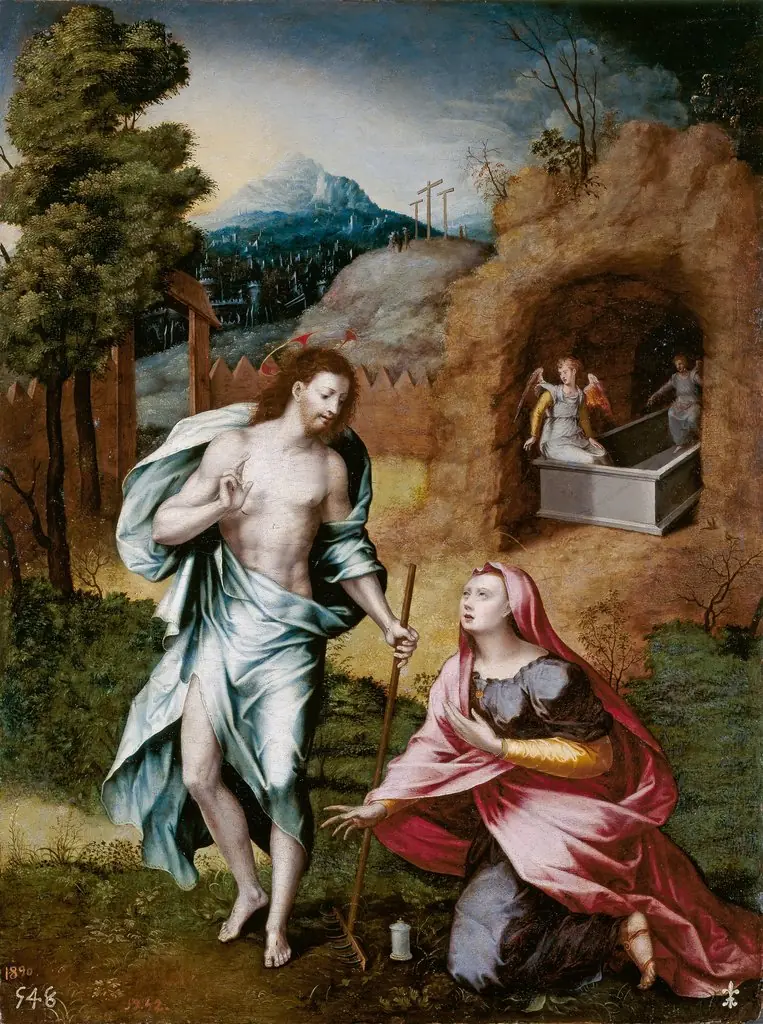 Noli Me Tangere
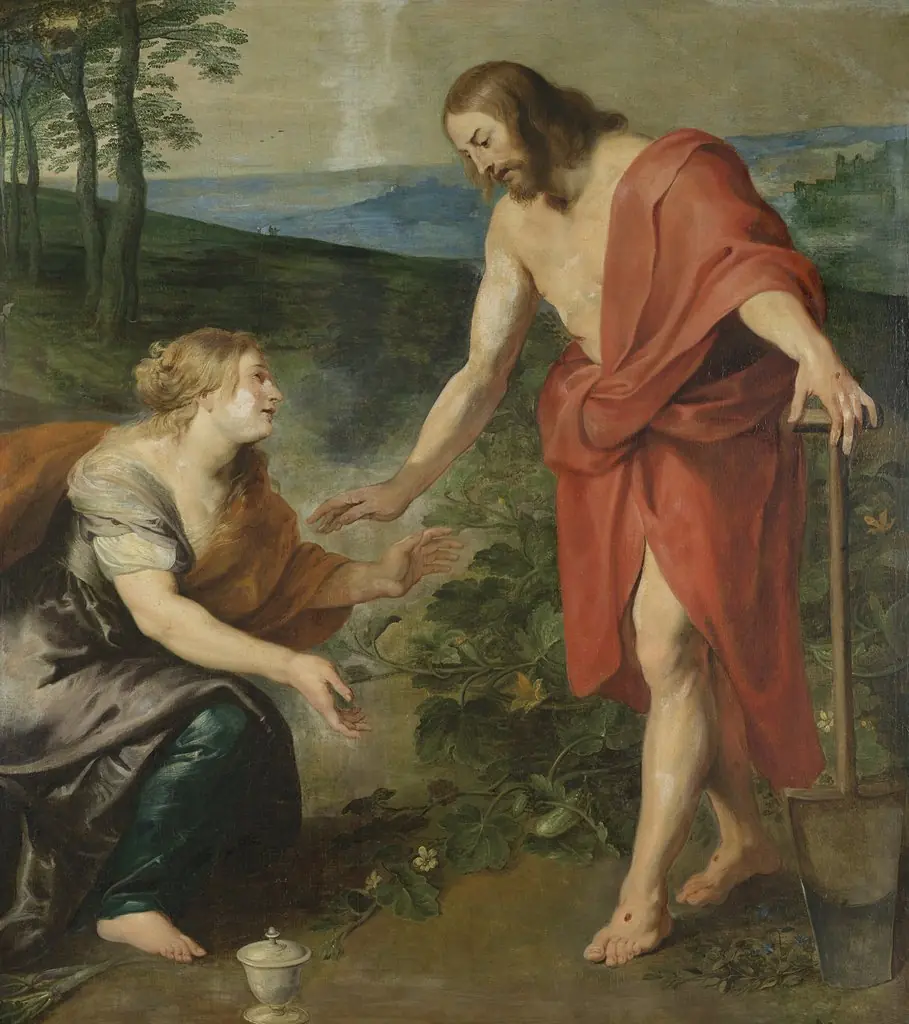 'Noli me tangere': the meeting of Christ and Mary Magdalene
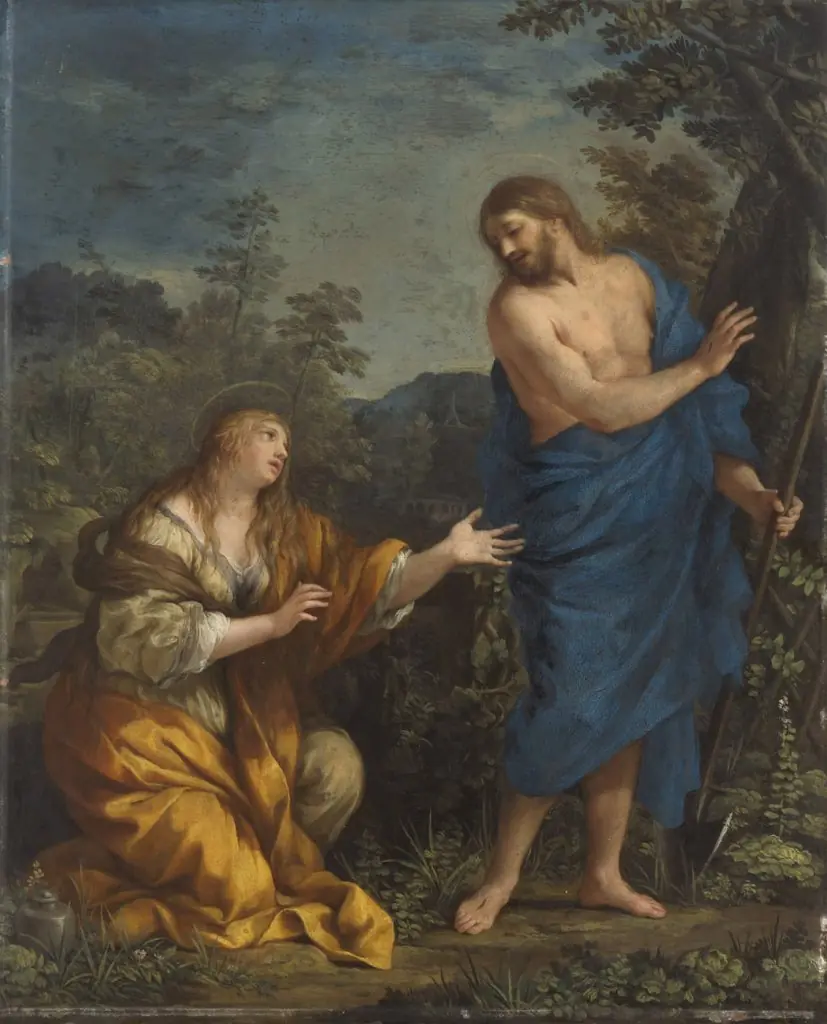 Noli me tangere
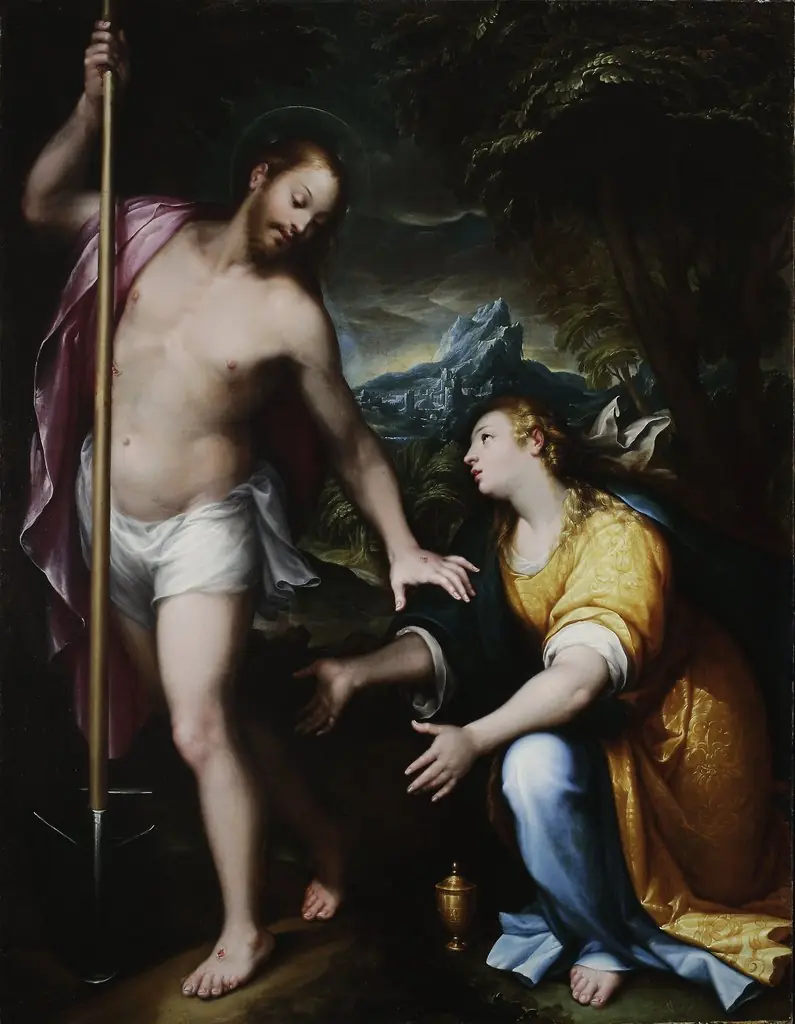 “Noli me tangere” – Resurrected Christ appearing to Mary Magdalene (John 20:14-17)
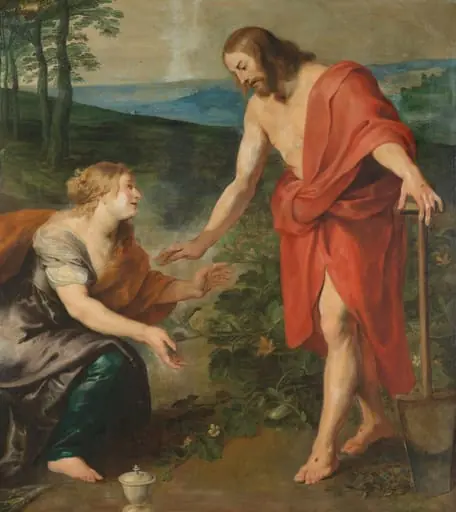 Christ Appearing to Mary Magdalen as a Gardener (Noli me Tangere)
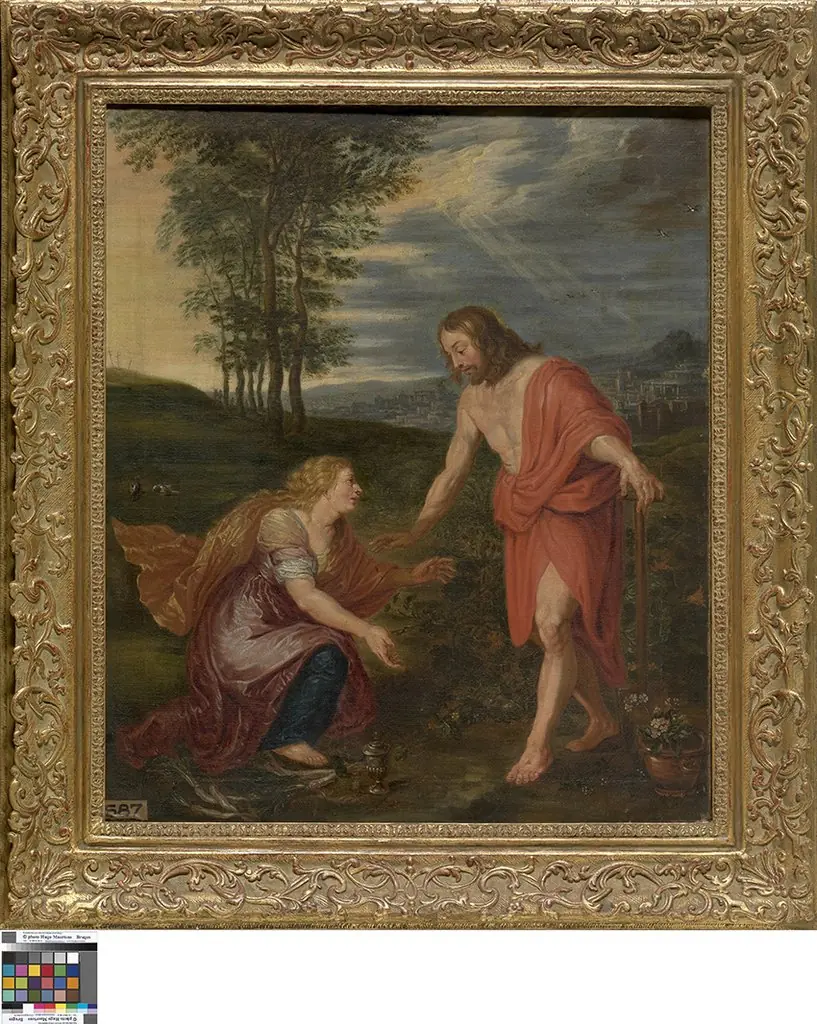 Noli me tangere
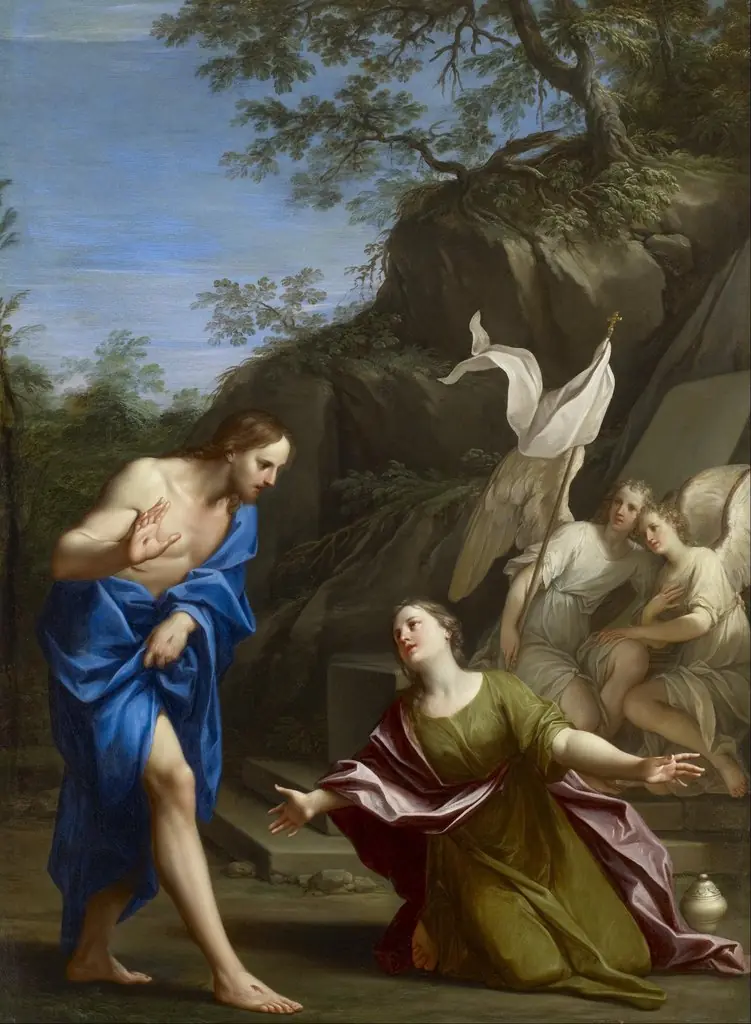 Noli Me Tangere ("Touch me not")
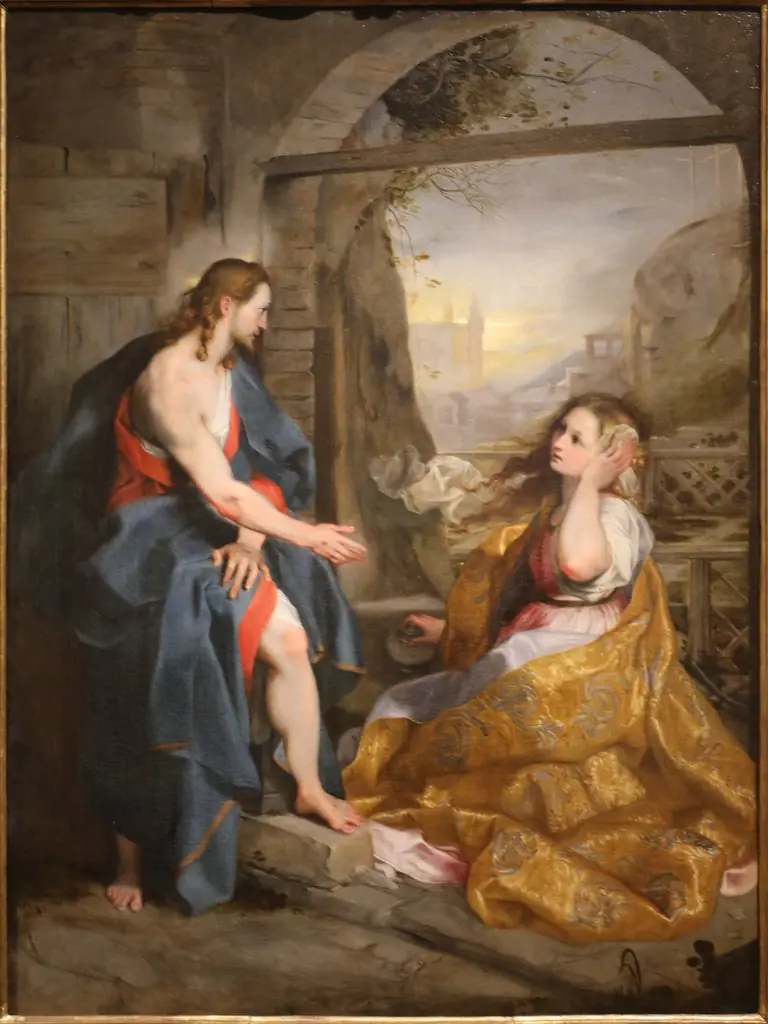 Noli me tangere
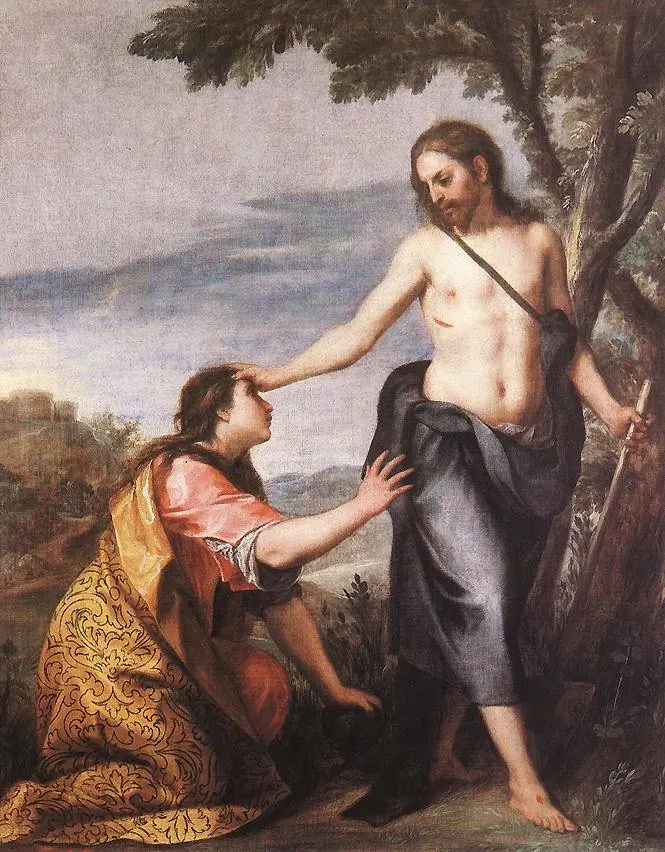 Noli me Tangere (Christ Appearing as a Gardener to Mary Magdalene)