Artwork
Cornelis van Ceters (1503-99)
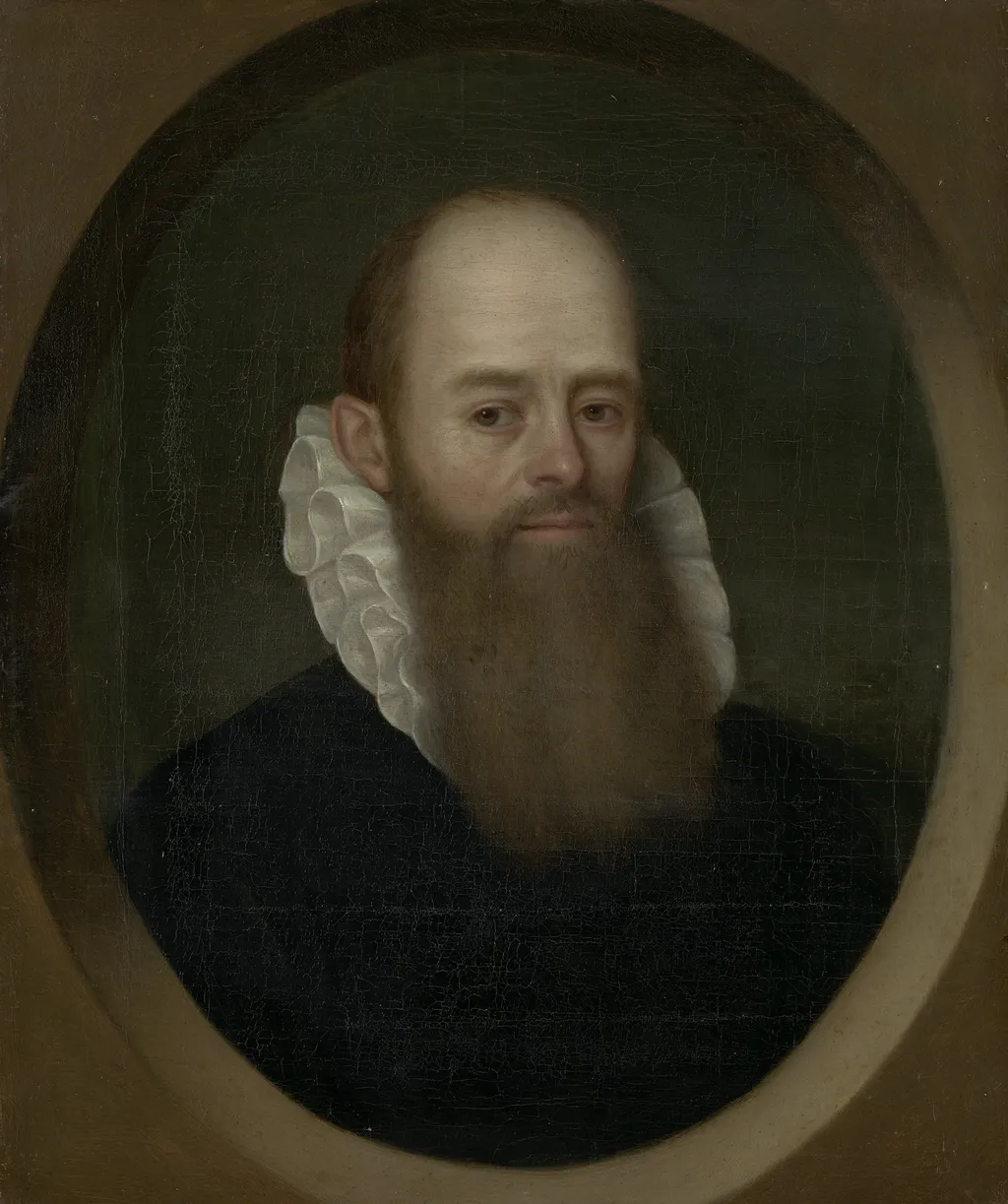
Cornelis van Ceters (1503-99) is an oil painting by the Rococo painting artist Philip van Dijk. It dates from 1750 and is held in the collection of the Rijksmuseum.
About this work
Technique & Style
The work is an oil painting executed on canvas, measuring 38 cm in height by 31 cm in width.
The work is an oil painting executed on canvas, measuring 38 cm in height by 31 cm in width. It portrays a subject in a conventional portrait format with restrained modeling and clear delineation of form characteristic of mid-eighteenth-century Dutch portraiture. The surface bears the handling marks of prolonged display, including fine craquelure across the paint layer and a yellowed varnish that has darkened the tonal range.
History & Provenance
The portrait of Cornelis van Ceters was created by Philip van Dijk in 1750. Executed in oil paint on canvas, the work measures 38 cm in height and 31 cm in width. Historical records indicate that the painting was owned by Jacob de Witte van Citters.
It is currently held in the collection of the Rijksmuseum, formerly known as the Nederlandsch Museum voor Geschiedenis en Kunst.
Overview
Philip van Dijk’s oil portrait, dated around 1750, depicts a middle‑aged man identified as Cornelis van Ceters (1503–1599). The work is part of the Rijksmuseum’s collection and measures a modest size, focusing tightly on the sitter’s face and upper torso. The composition is simple, with a dark, unadorned background that isolates the figure.
Subject & Meaning
The sitter is shown with a bald crown and a full, neatly trimmed beard, dressed in a white ruff that frames his neck. The direct gaze and solemn expression suggest a formal representation, likely intended to convey the status and dignity of the deceased merchant or civic figure whose name the portrait bears.
Context
Portraiture in the Dutch Republic often served to memorialise prominent citizens, and van Dijk’s approach aligns with the period’s emphasis on realism and restrained elegance. The white ruff, a fashion element from the late 16th century, underscores the sitter’s connection to an earlier era, bridging the gap between his lifetime and the artist’s contemporary style.
Own this work as a print
Artist & collection

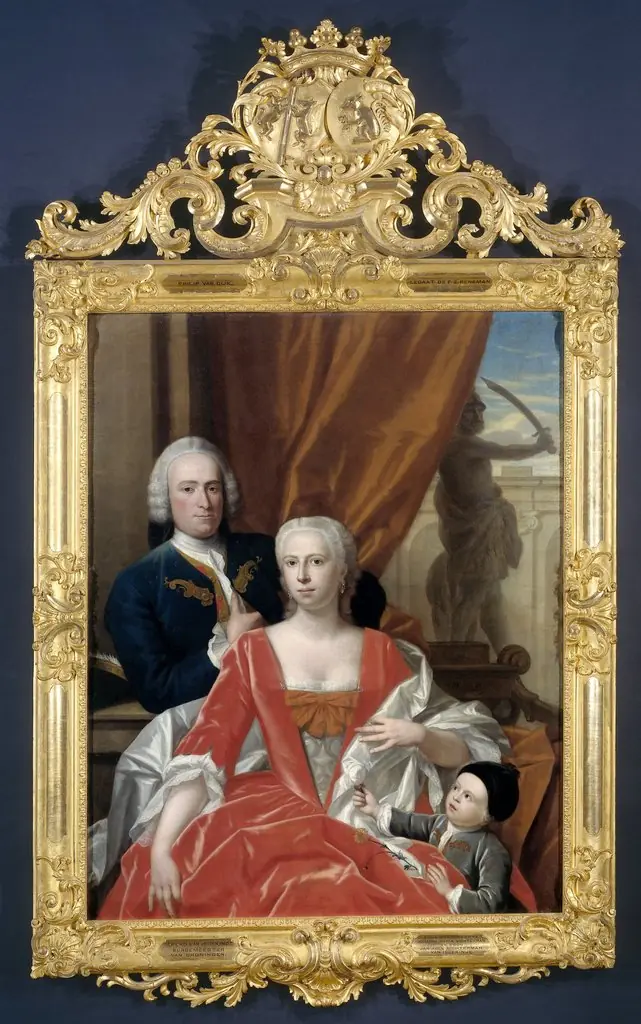 Berend van Iddekinge with his Wife and their Son
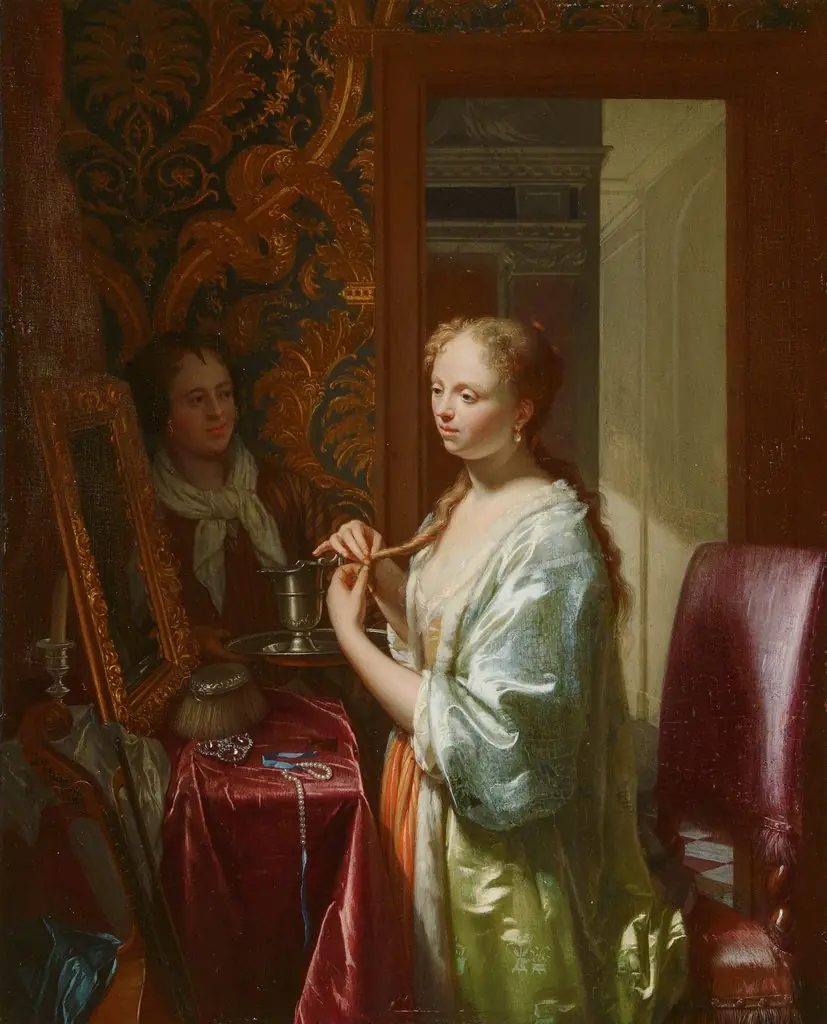 Lady attending to her toilet
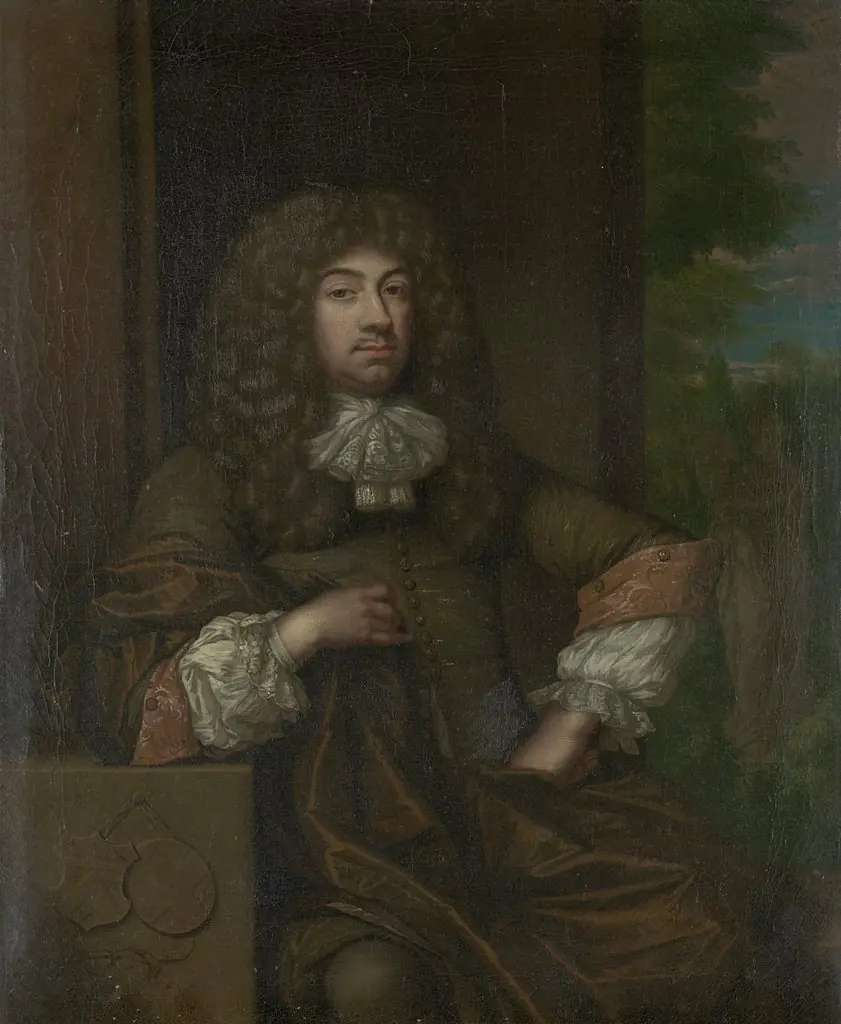 Portrait of Jan Boudaen Courten (1635-1716), lord of St. Laurens, Schellach and Popkensburg, Judge and alderman of Middelburg
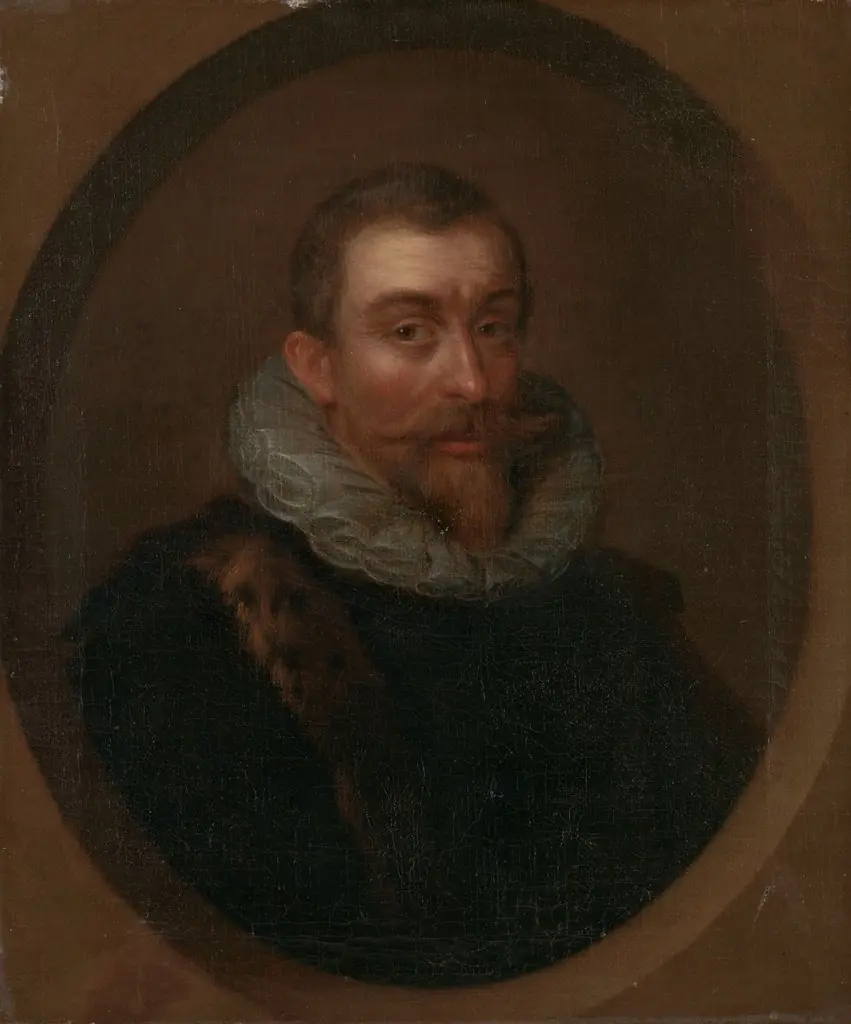 Portrait of Aernout van Citters, Lord of Gapinge
- Cornelis van Ceters (1503-99)
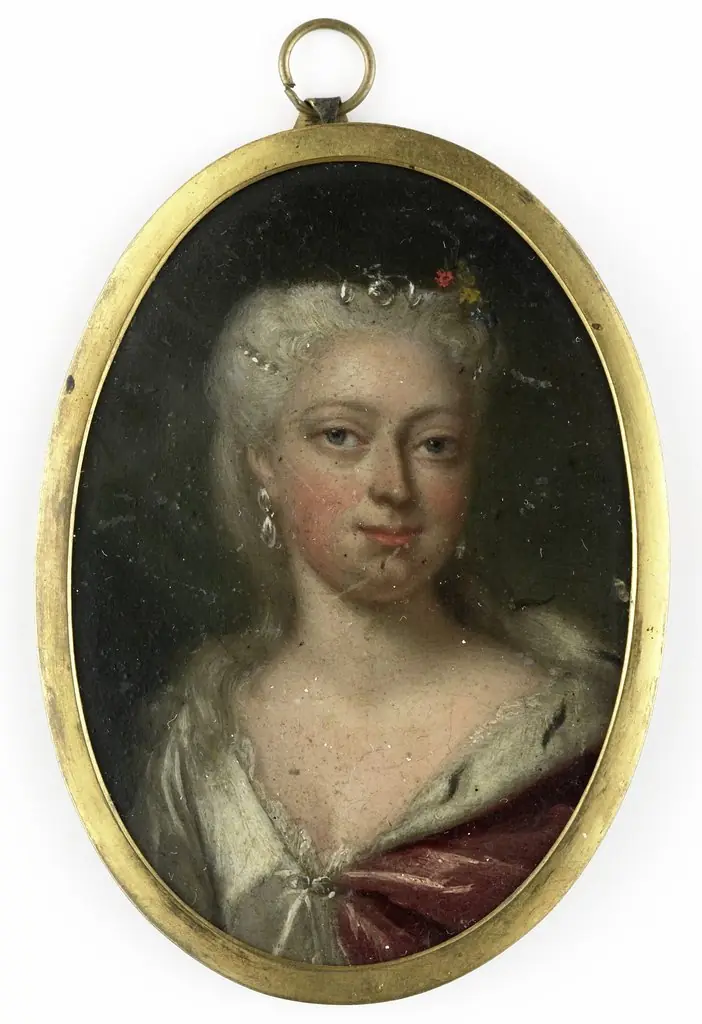 Anna van Hannover (1709-59). wife of Prince Willem IV
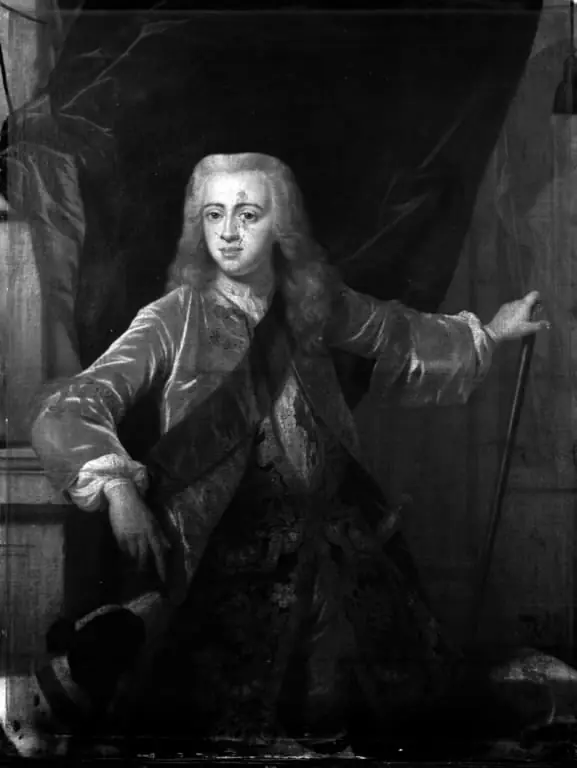 William IV of Orange
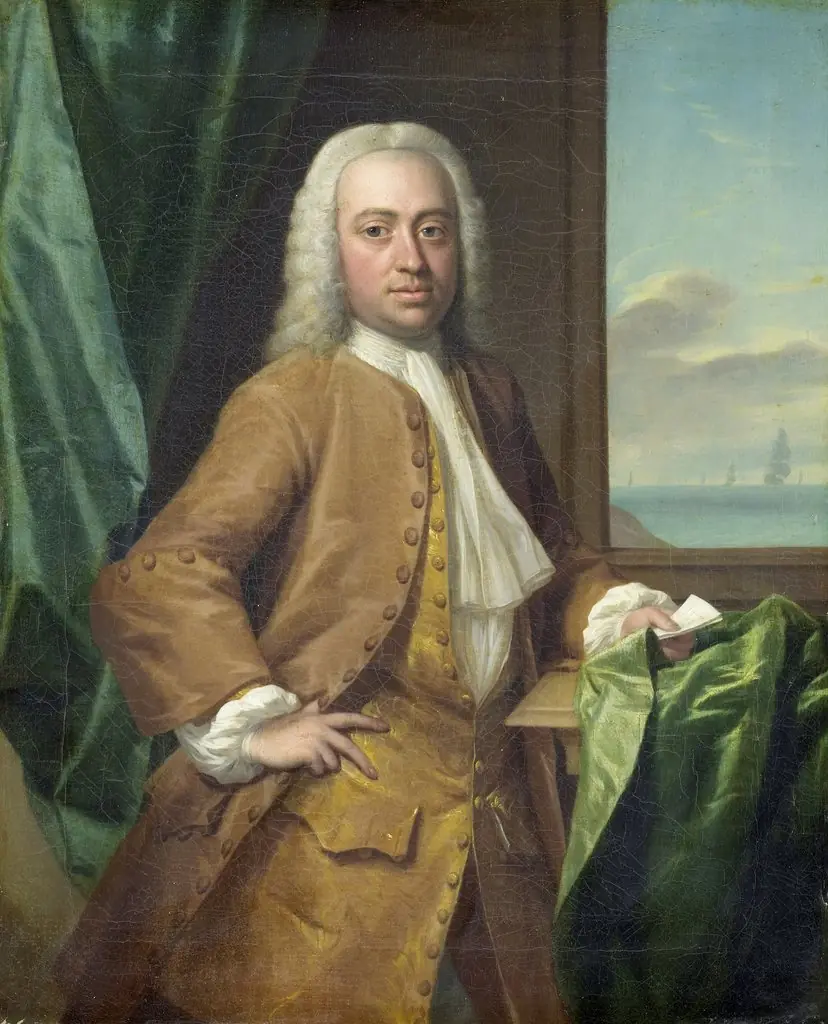 Portrait of Isaac Parker, Merchant from Middelburg
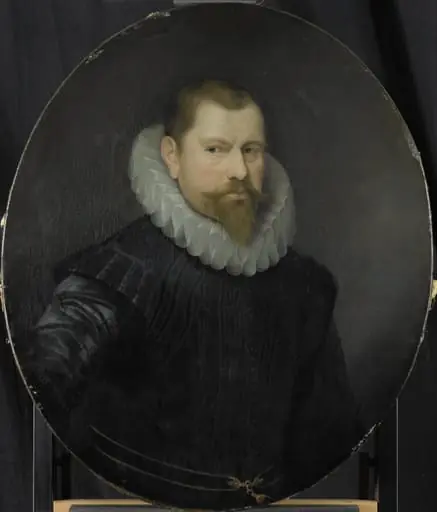 Portrait of Cornelis Matelieff the Younger, Director of the Rotterdam Chamber of the Dutch East India Company, elected 1602
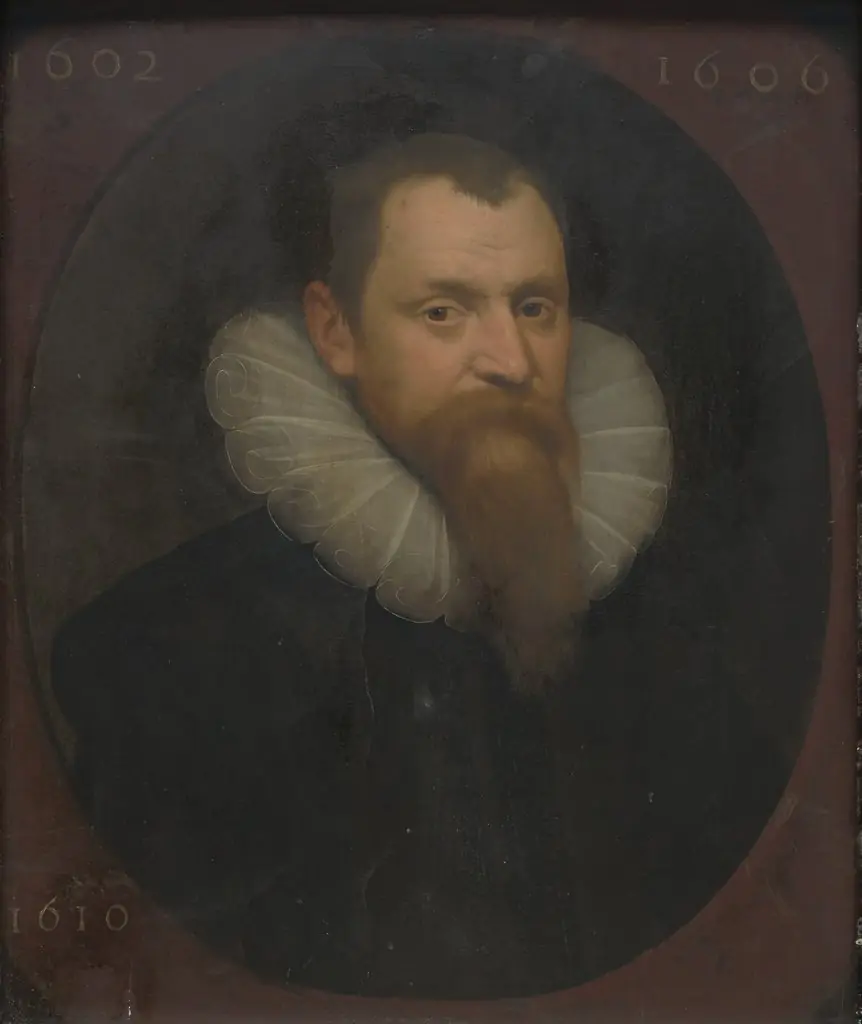 Portrait of a Man
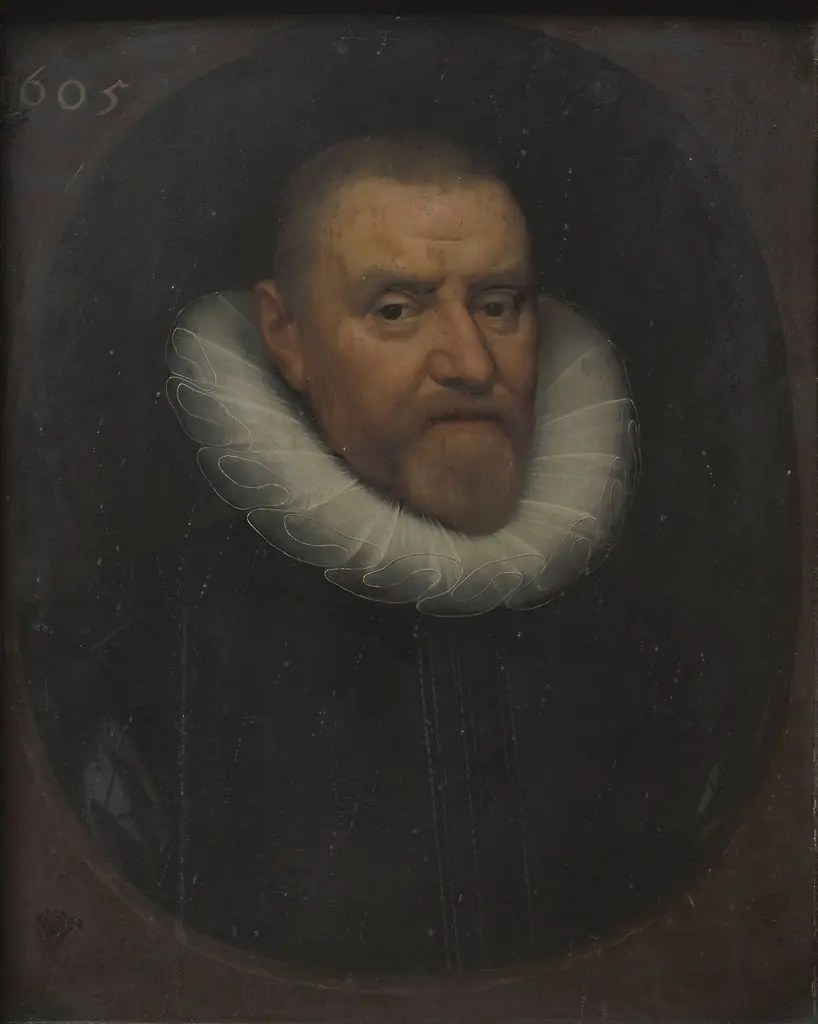 Portrait of a Man
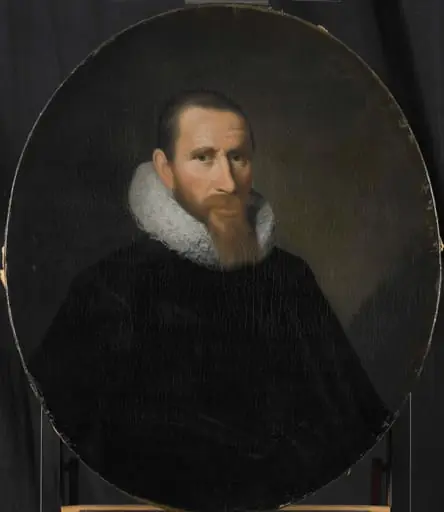 Portrait of Joost van Coulster, Director of the Rotterdam Chamber of the Dutch East India Company, elected 1630
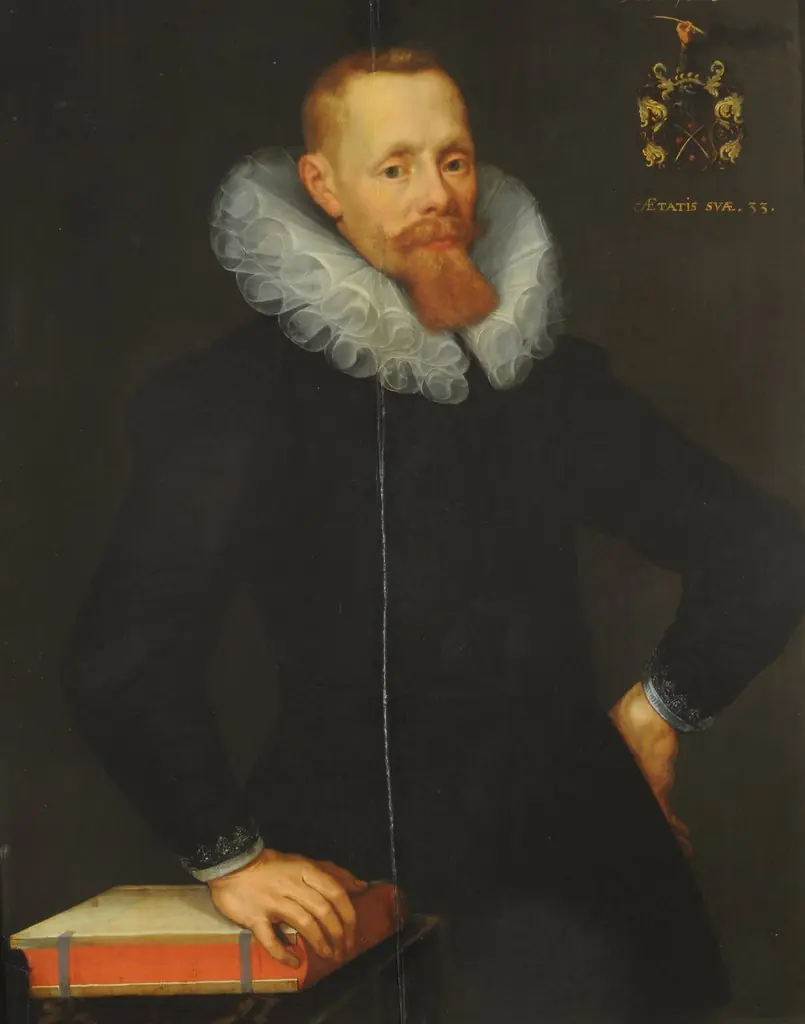 Male portrait
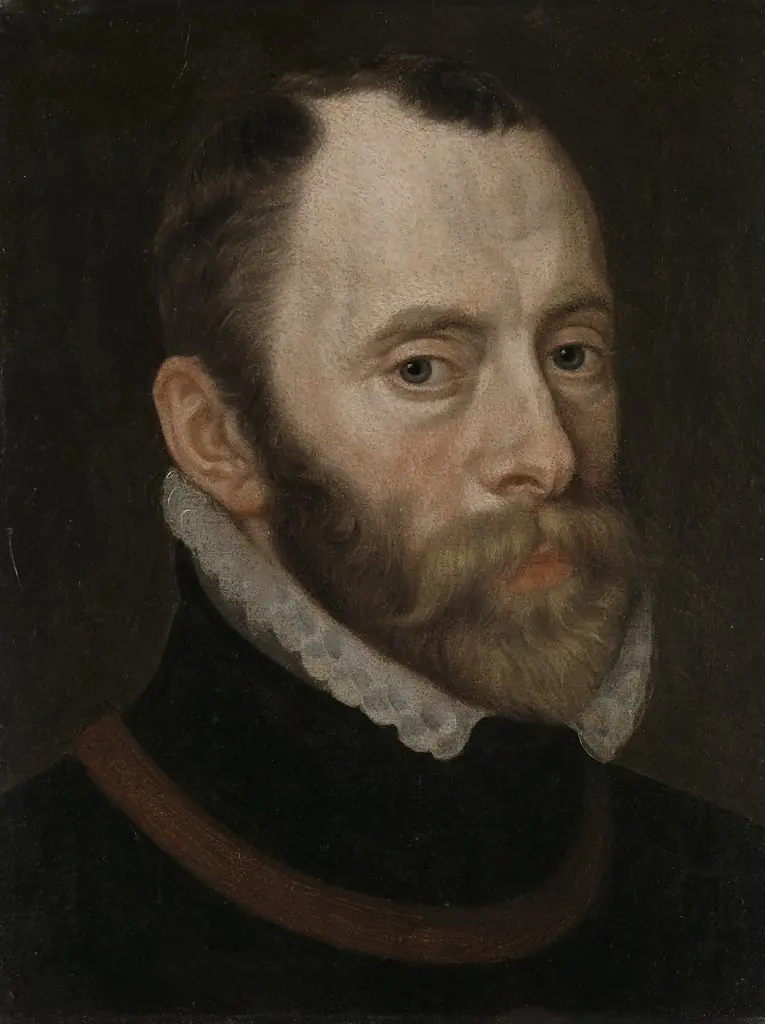 Portrait of Philippe de Montmorency, Count of Hoorne, Admiral of the Netherlands, Member of the Council of State
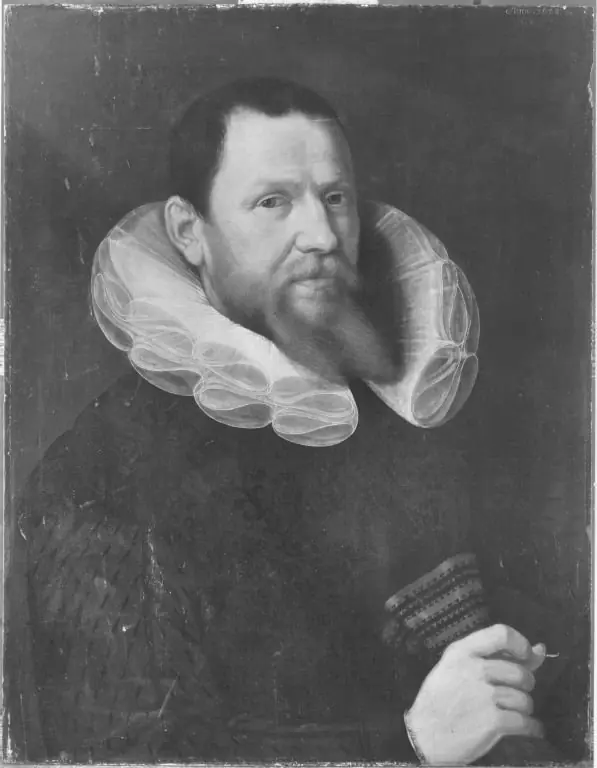 Bildnis eines Mannes
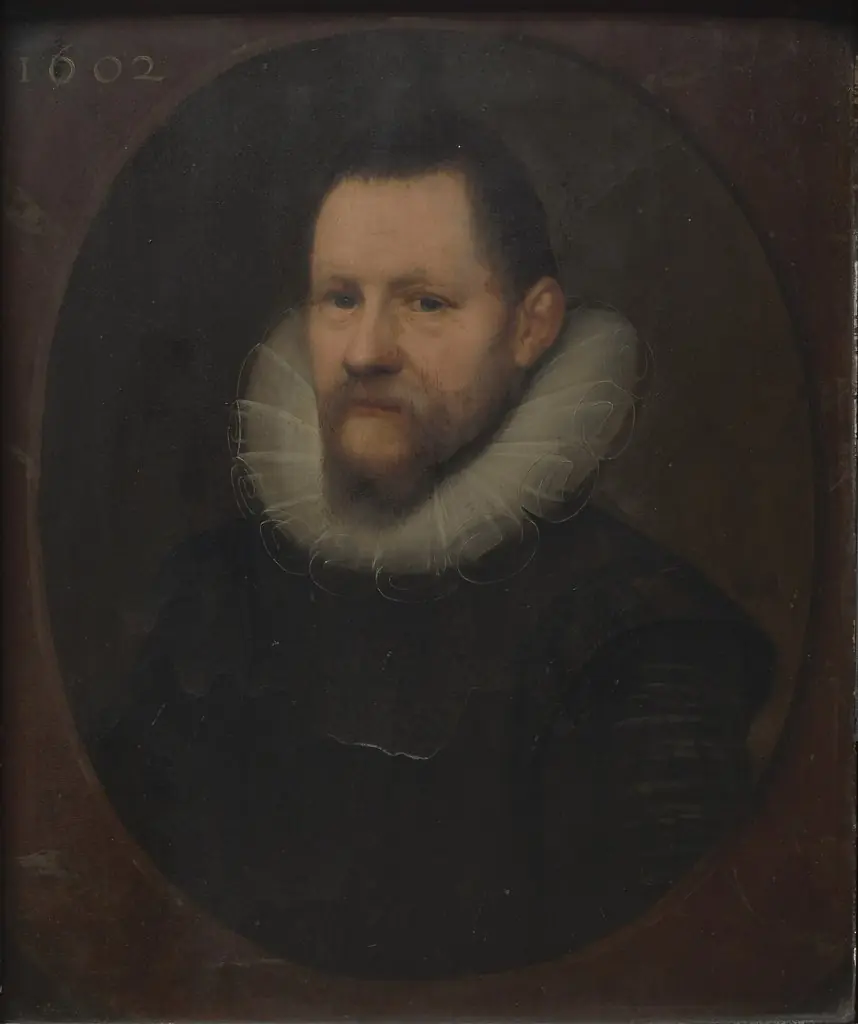 Portrait of a Man
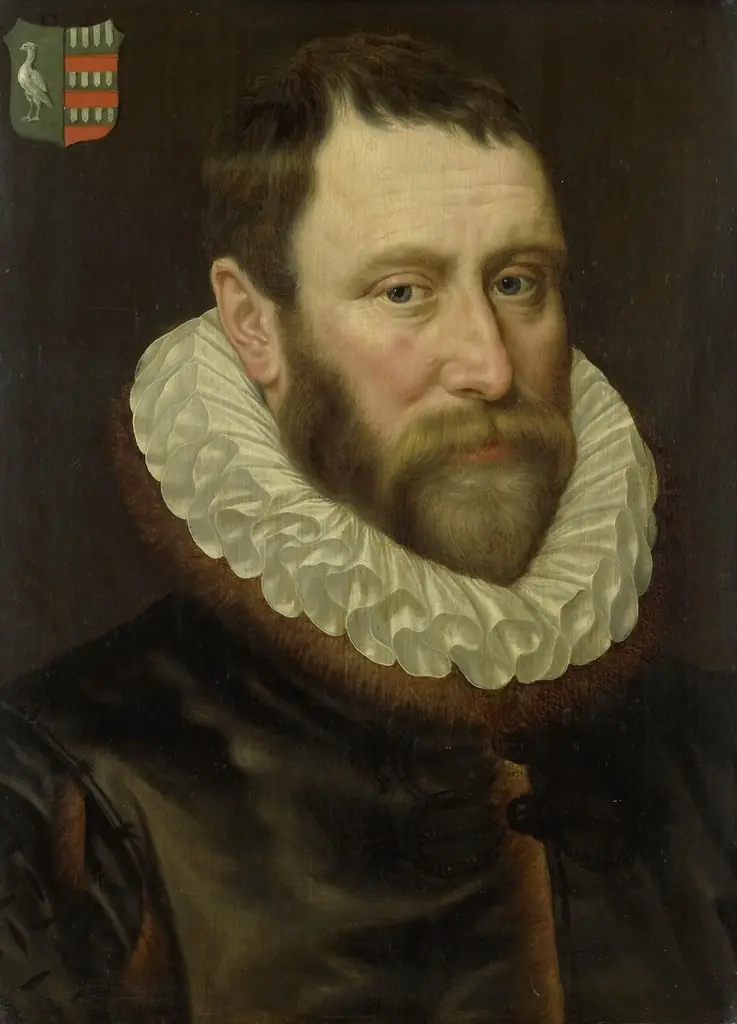 Portrait of Jacob Bas Claesz (1536-89), mayor of Amsterdam
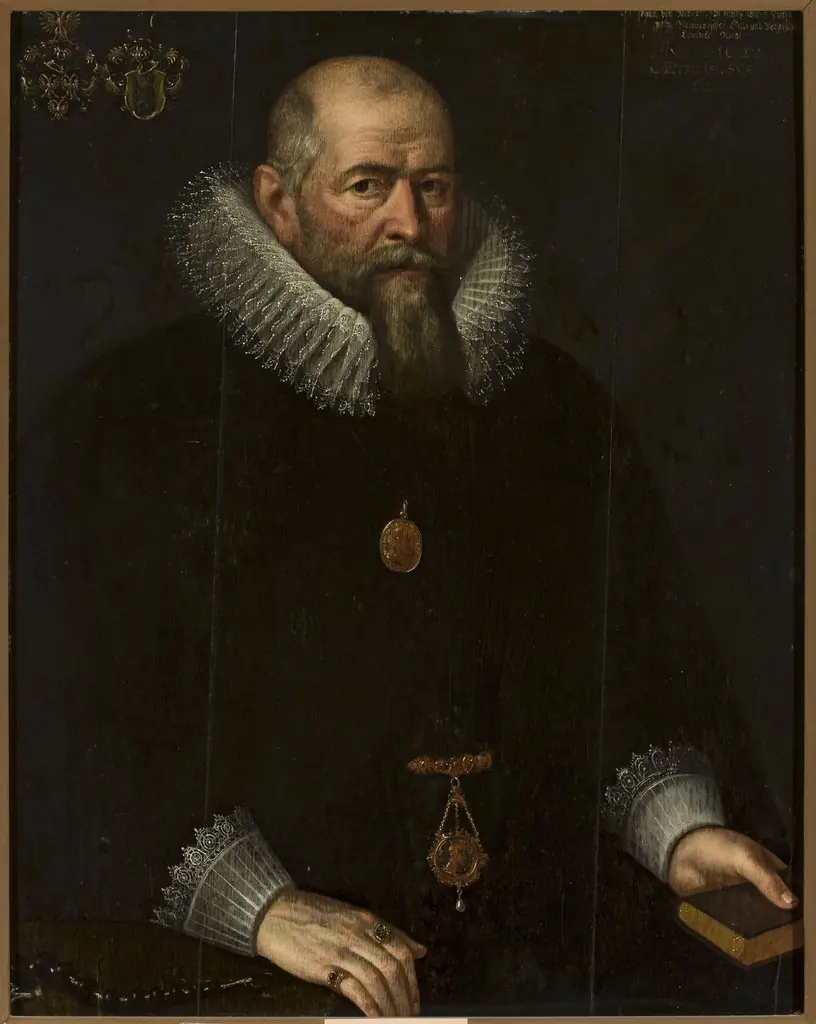 Portrait of Johan von Megen