Artwork
The Young Saint John the Baptist
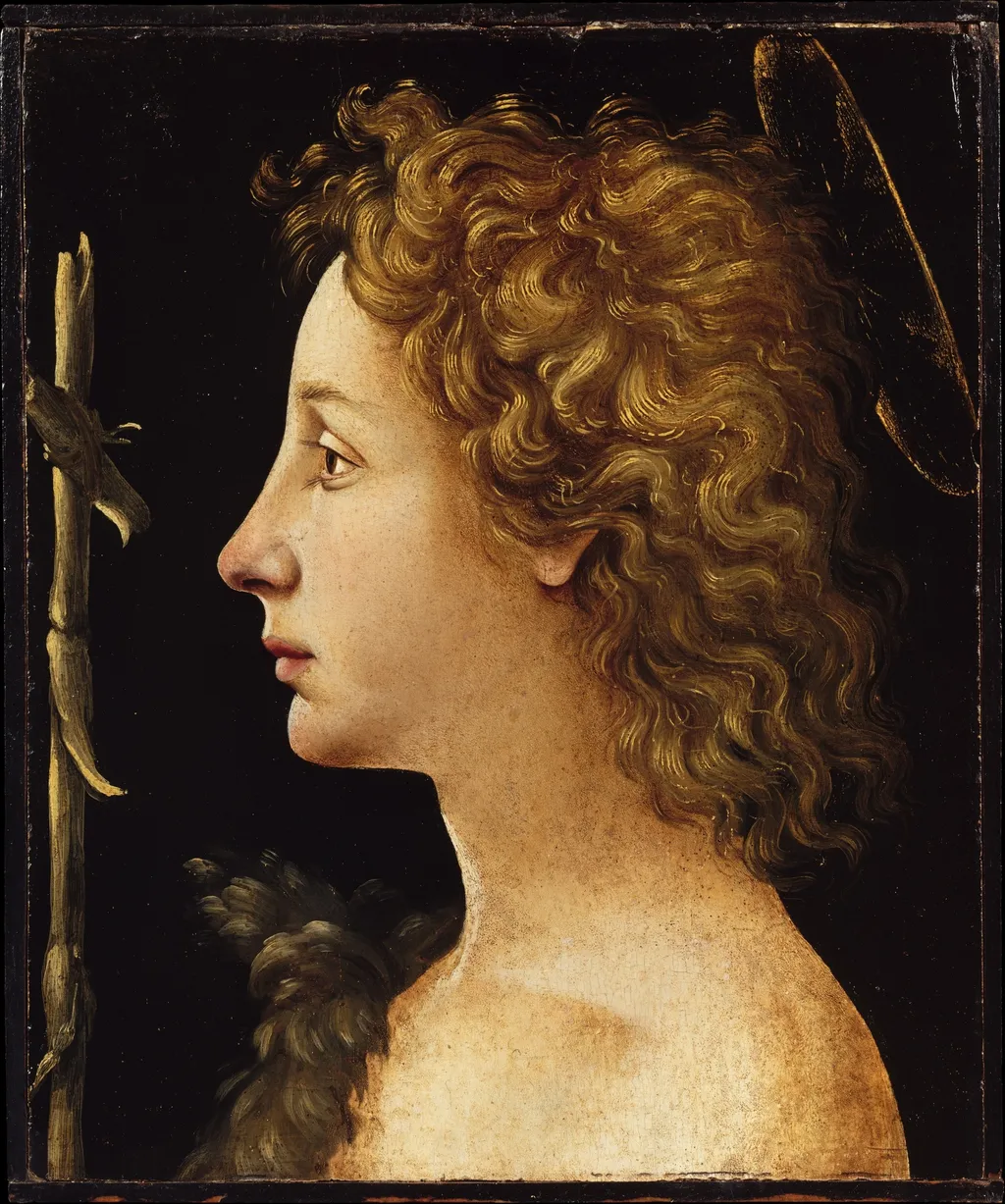
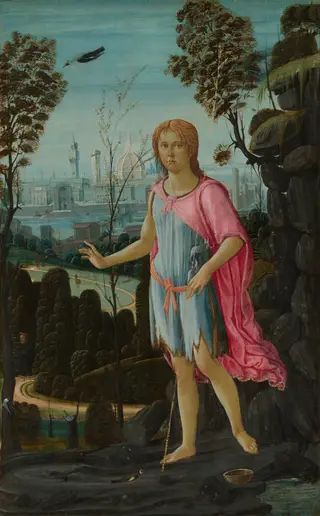
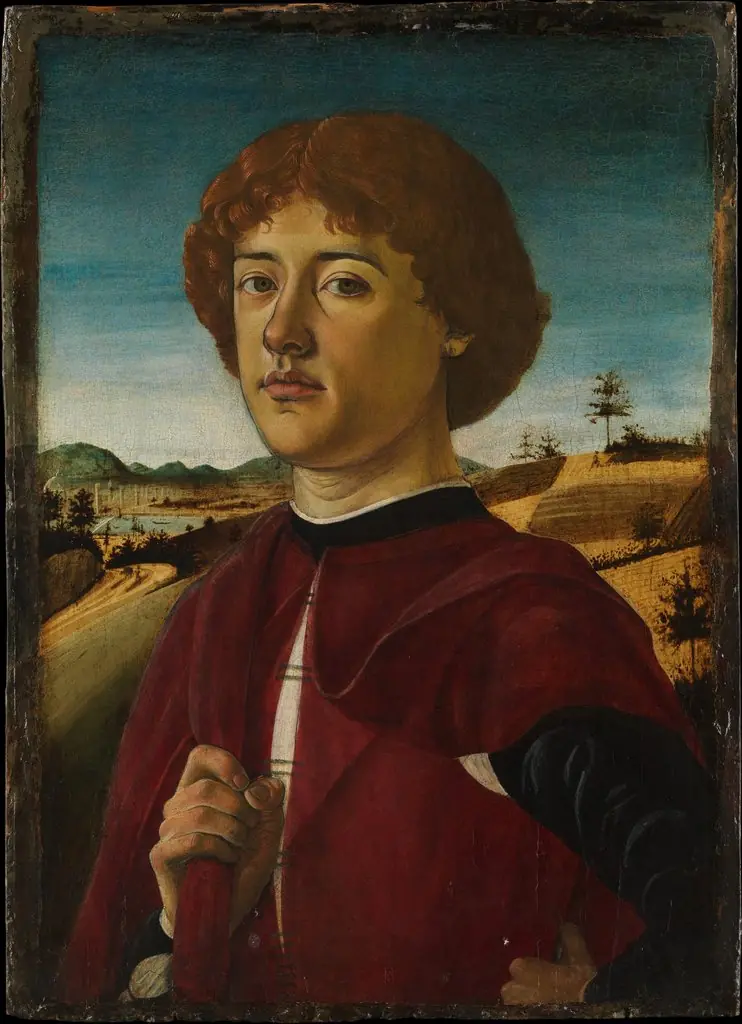
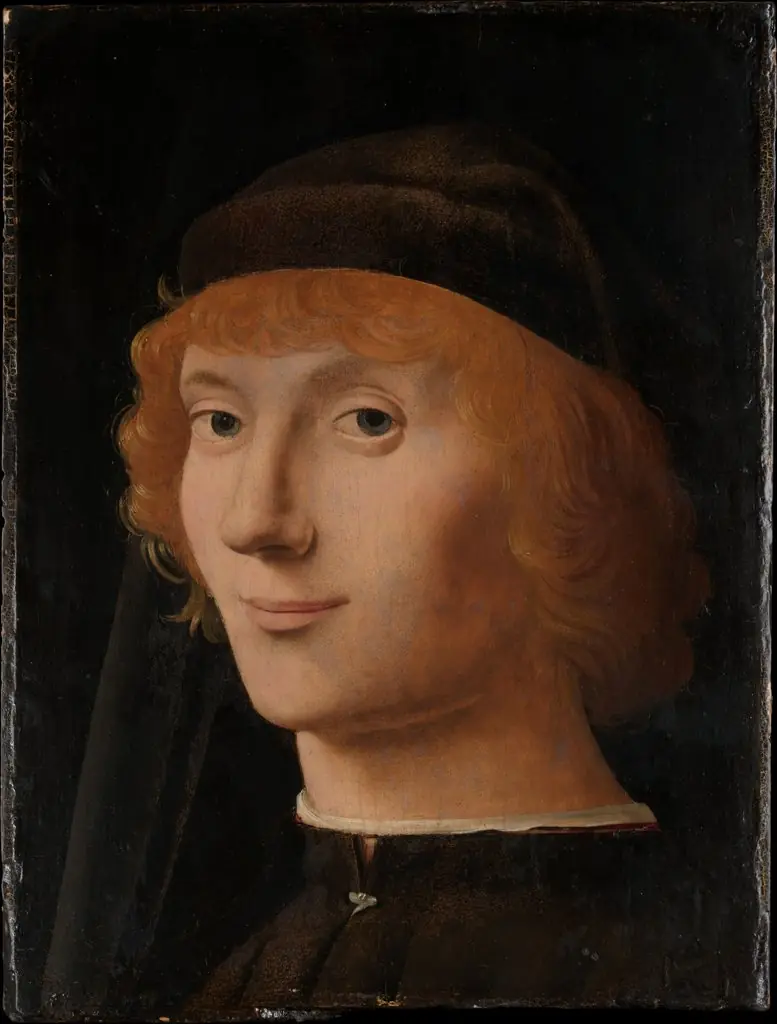
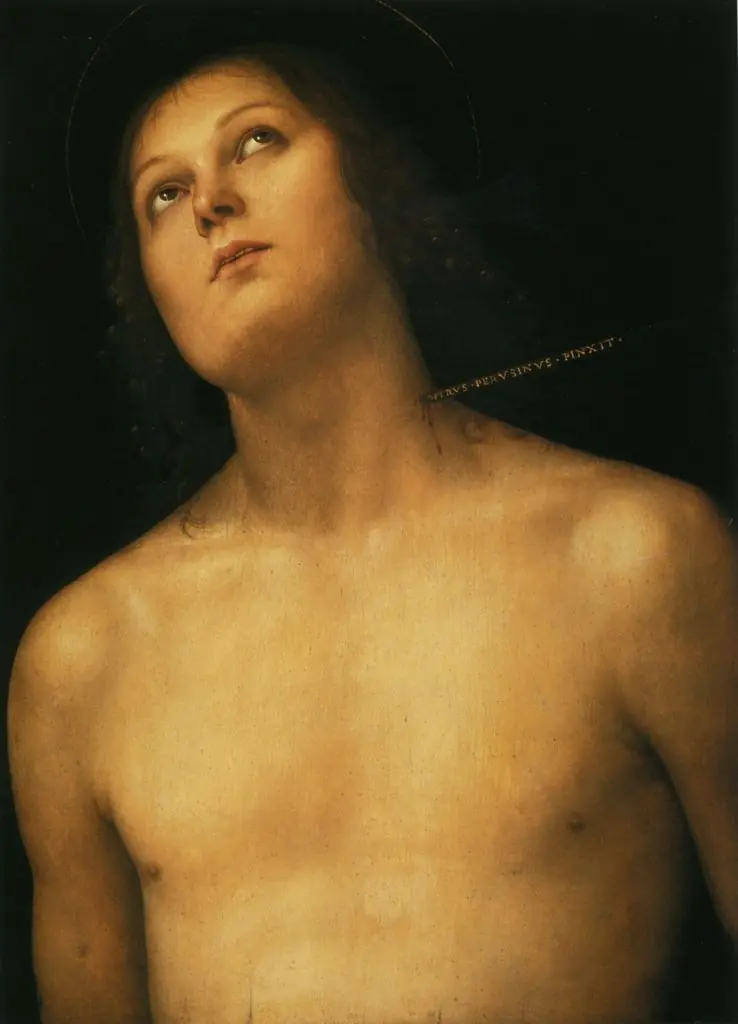
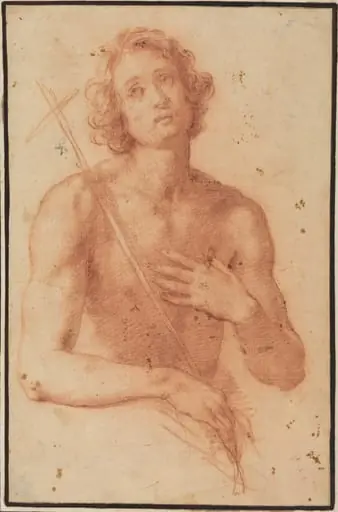
The Young Saint John the Baptist is a tempera painting by the Early Renaissance artist Piero di Cosimo. It dates from 1490 and is held in the collection of the Metropolitan Museum of Art.
About this work
Subject & Meaning
Its subject aligns with the iconographic tradition of depicting Saint John as a child, underscoring his role as the forerunner of Christ.
The painting portrays the youthful John the Baptist in profile, identified as a child saint within a devotional context. Executed in tempera on panel around 1480 by Piero di Cosimo, the work exemplifies early Renaissance religious art that emphasizes the purity and prophetic anticipation associated with the saint’s early years. Its subject aligns with the iconographic tradition of depicting Saint John as a child, underscoring his role as the forerunner of Christ. The composition reflects the devotional focus on saintly narratives prevalent in 15th‑century Italian painting.
Technique & Style
Executed around 1480, this religious work by Piero di Cosimo is a tempera painting on a wood panel. The composition features the Child Saint John the Baptist rendered in profile, a formal choice that emphasizes the subject's contemplative nature within the small-scale format. The piece measures approximately 29.2 by 23.5 centimeters, indicating an intimate handling of the medium suited for private devotion.
While primarily attributed to Piero di Cosimo, some records also associate Antonio del Pollaiuolo with its creation. The application of tempera on panel was a standard technique for Florentine artists of this period, allowing for the precise detail observed in the depiction of the young saint.
History & Provenance
Created circa 1480, this tempera panel depicting the Child Saint John is attributed primarily to Piero di Cosimo, though some records also associate Antonio del Pollaiuolo with its creation. The work's documented ownership history begins with John Sanford, followed by Charles Sackville Bale. After passing through Christie's auction house, the painting was acquired by the dealer Martin Colnaghi.
Subsequent owners included Édouard Aynard and Georges Petit, before moving to Galerie Trotti and eventually entering the collection of Michael Dreicer. The piece is currently held by the Metropolitan Museum of Art.
Context
The Young Saint John the Baptist, executed by Piero di Cosimo circa 1480, is an early Renaissance devotional panel painted in tempera. The work portrays the infant Baptist in profile, a subject typical of contemporary religious imagery, and was originally recorded in a series of private collections before entering the Metropolitan Museum of Art. Scholars view it as illustrative of Piero di Cosimo’s synthesis of Florentine compositional conventions with influences from Antonio del Pollaiuolo, situating the piece within the evolution of devotional painting in the late 15th century.
Its provenance, documented through several European collectors, underscores its circulation among elite patrons before its acquisition by a public institution.
Legacy
The Young Saint John the Baptist, painted by Piero di Cosimo circa 1480, entered the Metropolitan Museum of Art and has remained in its collection, a fact that underscores its scholarly recognition. Attribution to the artist is documented in contemporary references, contributing to its standing in Renaissance art studies. The work’s provenance, recorded through sales at Christie's and ownership by collectors such as John Sanford and Édouard Aynard, reflects its enduring reputation and influence on subsequent attributions of the period.
Overview
Piero di Cosimo's painting, The Young Saint John the Baptist, dates to approximately 1490. Executed in tempera, this religious work portrays the youthful saint. It is currently housed in the collection of The Metropolitan Museum of Art, where it represents a facet of Italian Renaissance art. The composition focuses on a single figure, rendered with characteristic detail.
Own this work as a print
Artist & collection

Artist
Piero di Cosimo, also known as Piero di Lorenzo, was an Italian Renaissance painter, who continued to use an essentially Early Renaissance style into the 16th century.

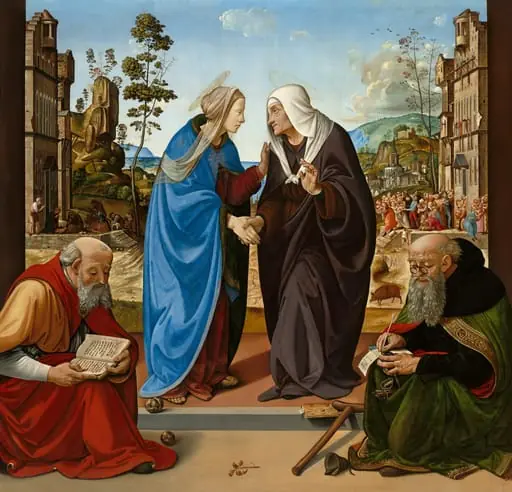 The Visitation with Saint Nicholas and Saint Anthony Abbot
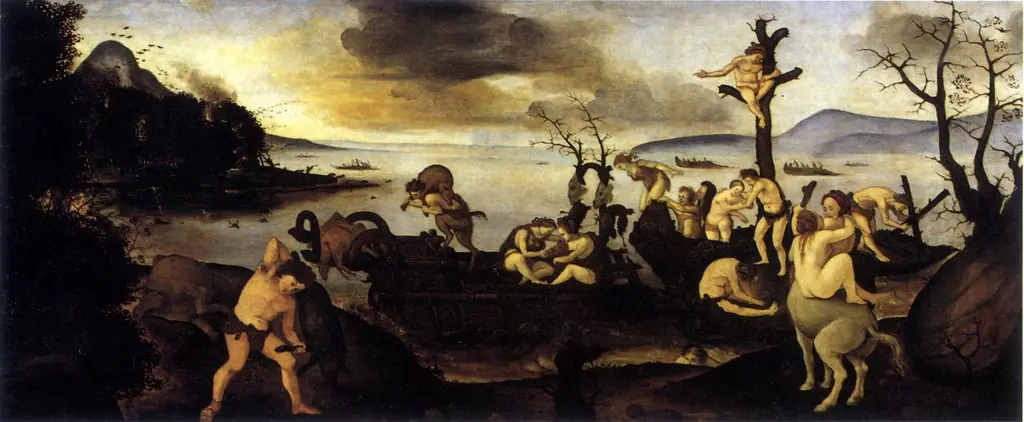 Return from the Hunt by Piero di Cosimo
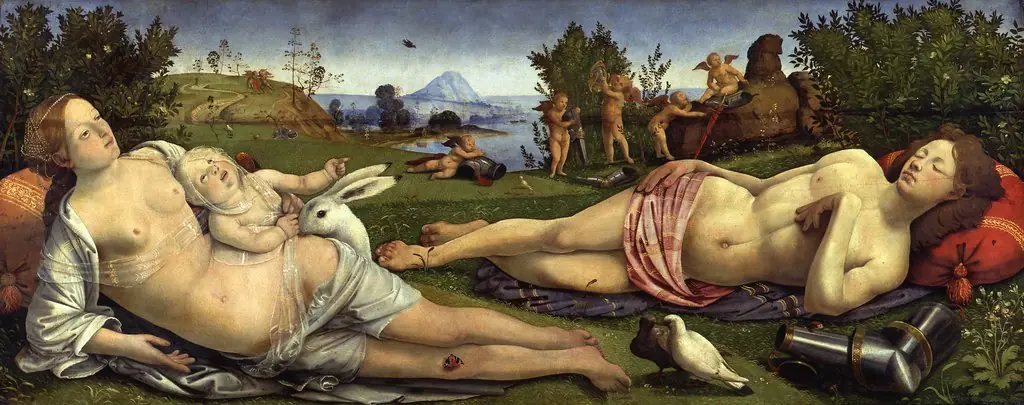 Venus, Mars and Cupid
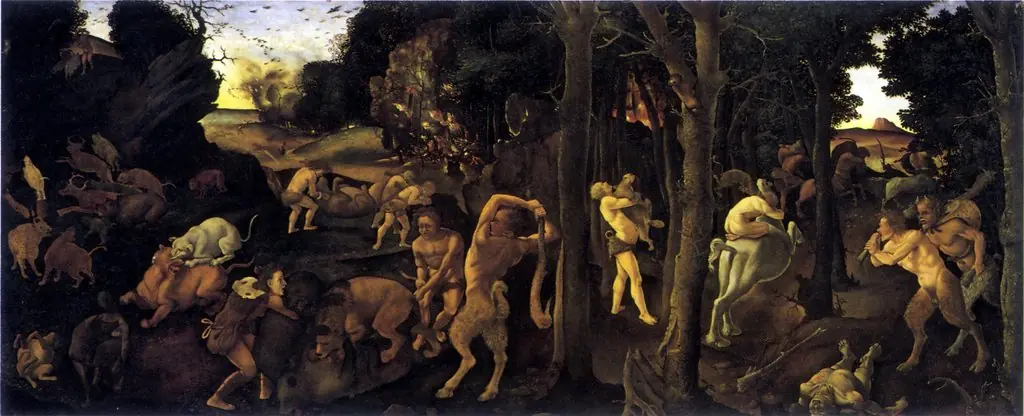 A Hunting Scene
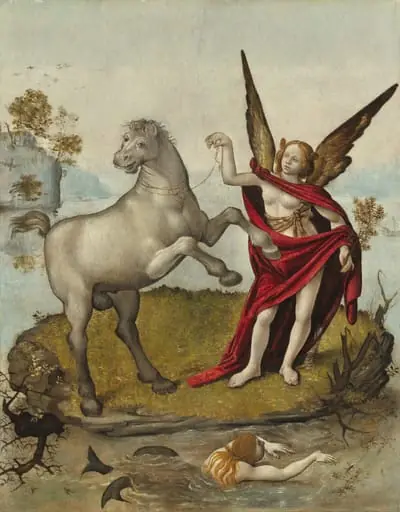 Allegory
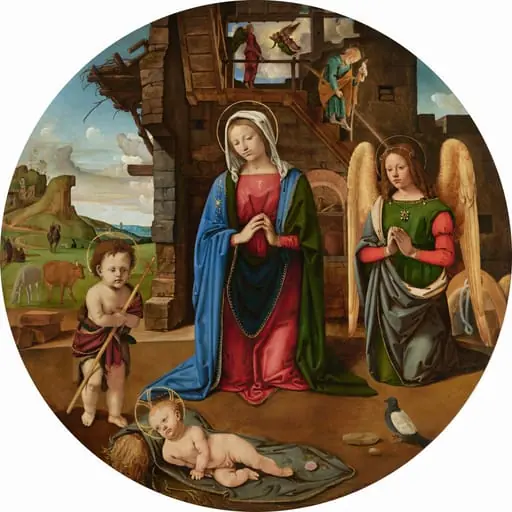 The Nativity with the Infant Saint John
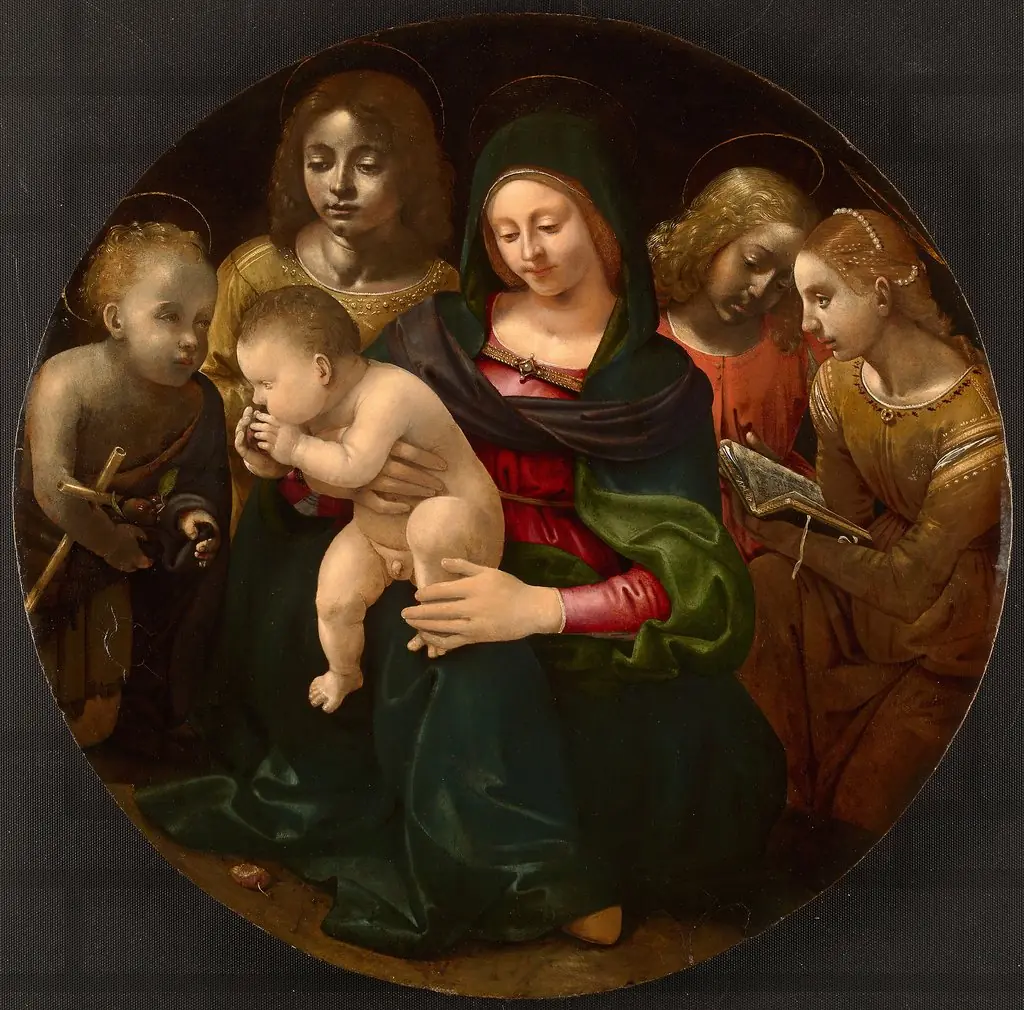 Virgin and Child with the Young Saint John the Baptist, Saint Cecilia, and Angels
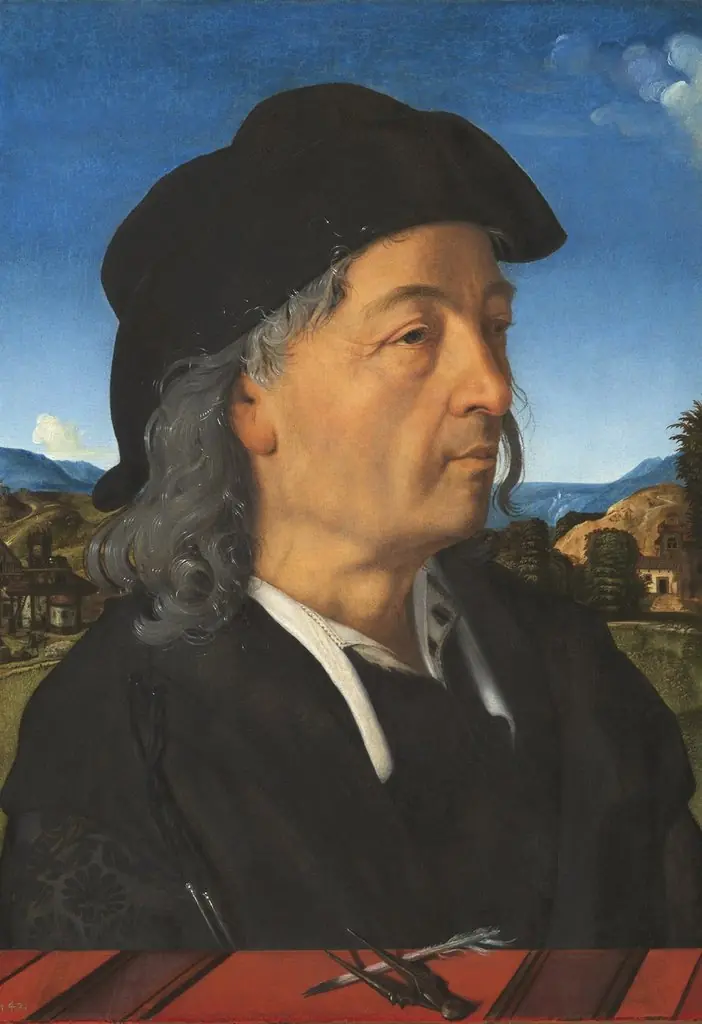 Portrait of Giuliano Giamberti da Sangallo