Artwork
Odysseus and Nausicaa
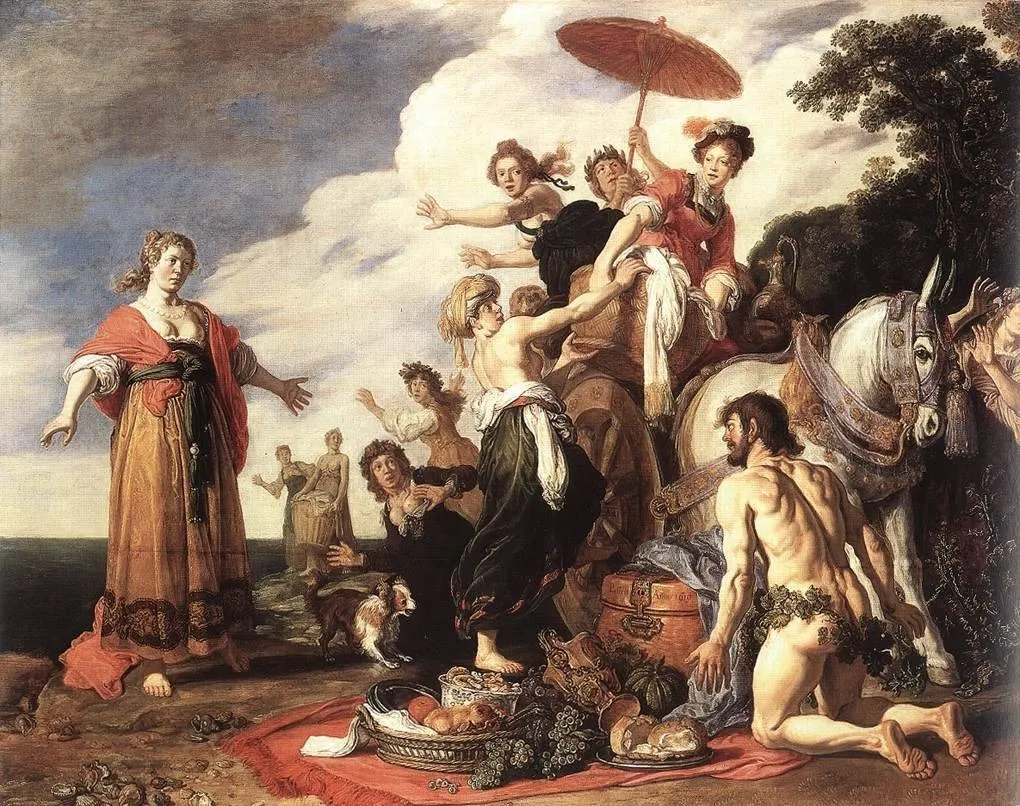
Odysseus and Nausicaa is an oil painting by the Early Baroque Italian artist Pieter Lastman. It dates from 1619 and is held in the collection of the Bavarian State Painting Collections.
About this work
Subject & Meaning
A prominent still life of picnic provisions, including bread, fruit, and vessels, sits in the foreground, emphasizing the hospitality central to the myth.
Pieter Lastman's 1619 painting illustrates an episode from Book V of Homer's Odyssey, depicting the moment Princess Nausicaa encounters the shipwrecked Odysseus on the shore. The composition places a statuesque Nausicaa on the left, her arms spread in a gesture of welcome and surprise, contrasting with Odysseus who kneels on the right in a supplicant pose, partially draped in foliage.
The scene is crowded with narrative details: startled maidservants react to the naked stranger emerging from the bushes, while a horse and cart provide a backdrop that isolates the hero. A prominent still life of picnic provisions, including bread, fruit, and vessels, sits in the foreground, emphasizing the hospitality central to the myth.
Lastman employs a clear, legible Baroque style where every figure and object serves the story without ambiguity. The work prioritizes a straightforward, realistic presentation of the classical tale, using distinct gestures and a compact arrangement to ensure the narrative is immediately understandable to the viewer.
Technique & Style
Pieter Lastman’s Odysseus and Nausicaa (1619) is an oil painting on panel measuring 91.5 cm in height and 117.2 cm in width.
The composition is tightly organized around two principal figures: Nausicaä stands on the left, her arms outstretched in a gesture of surprise and welcome, while Odysseus kneels on the right, his arms raised in supplication. The space between them is filled with narrative details, washing baskets, a picnic still life, a horse and cart, and a small dog, arranged to guide the viewer’s eye across the scene. The landscape is rendered with flat, planar handling, emphasizing clarity over atmospheric depth.
Foliage and clouds are depicted with careful, naturalistic detail, while the sea and sky form a restrained backdrop. The palette contrasts warm figures against cool greens and blues, with strong local color and sharp, legible gestures that eliminate ambiguity.
History & Provenance
Pieter Lastman's Odysseus and Nausicaa was created in 1619 as an oil painting on panel, depicting a scene from the fifth book of Homer's Odyssey in which the shipwrecked Odysseus awakens to encounter Princess Nausicaa and her attendants on the seashore. The work is held by the Bavarian State Painting Collections and is on view at the Alte Pinakothek in Munich, where it measures 91.5 by 117.2 cm.
The sources do not document a specific commissioner, patron, or sequence of prior owners for the painting, nor do they describe any intermediate provenance between Lastman's completion of the work in 1619 and its present placement in the Alte Pinakothek. No information is provided about a documented creation history beyond the year of inception and the artist's name.
Pieter Lastman's 1619 painting Odysseus and Nausicaa is held by the Bavarian State Painting Collections in Munich. The work is part of the permanent collection at the Alte Pinakothek, where it remains on display. The piece is executed in oil on panel and depicts the mythological encounter between Odysseus and Princess Nausicaa from Homer's Odyssey.
While the sources confirm its current institutional home and location within the Alte Pinakothek, no specific inventory or accession numbers are provided in the available documentation. Furthermore, the provided texts do not contain information regarding a history of exhibitions for this work, limiting the record to its established placement within the museum.
Context
Pieter Lastman's 1619 painting Odysseus and Nausicaa exemplifies his specific approach to narrative clarity and baroque realism. The work interprets a scene from Homer's Odyssey by organizing figures into a legible, efficient composition where every gesture and object serves the story without ambiguity. Lastman prioritizes a dense arrangement of details, such as the picnic still life and the reacting attendants, to create a vivid, compact tableau intended for the new Dutch Republic.
Art-historical analysis notes that Lastman constructed the image as a flat, decorative plane rather than utilizing the deep, studied spatial recession later mastered by his pupil, Rembrandt. This stylistic choice emphasizes the immediate readability of the mythological event over atmospheric depth. The painting, now held in the Alte Pinakothek, stands as a testament to Lastman's influence on Dutch history painting, demonstrating his preference for clear, unambiguous storytelling over humanistic complexity.
Overview
Pieter Lastman’s 1619 oil painting presents a mythic episode from Homer’s Odyssey, showing the meeting of the wandering hero Odysseus with the Phaeacian princess Nausicaa. Executed in the early Baroque idiom, the work combines a lively outdoor setting with a carefully arranged group of figures, each rendered with distinct gestures and attire.
Artist & collection
Artist
Pieter Lastman (1583–1633) was a Dutch painter. Lastman is considered important because of his work as a painter of history pieces and because his pupils included Rembrandt and Jan Lievens. In his paintings Lastman paid…

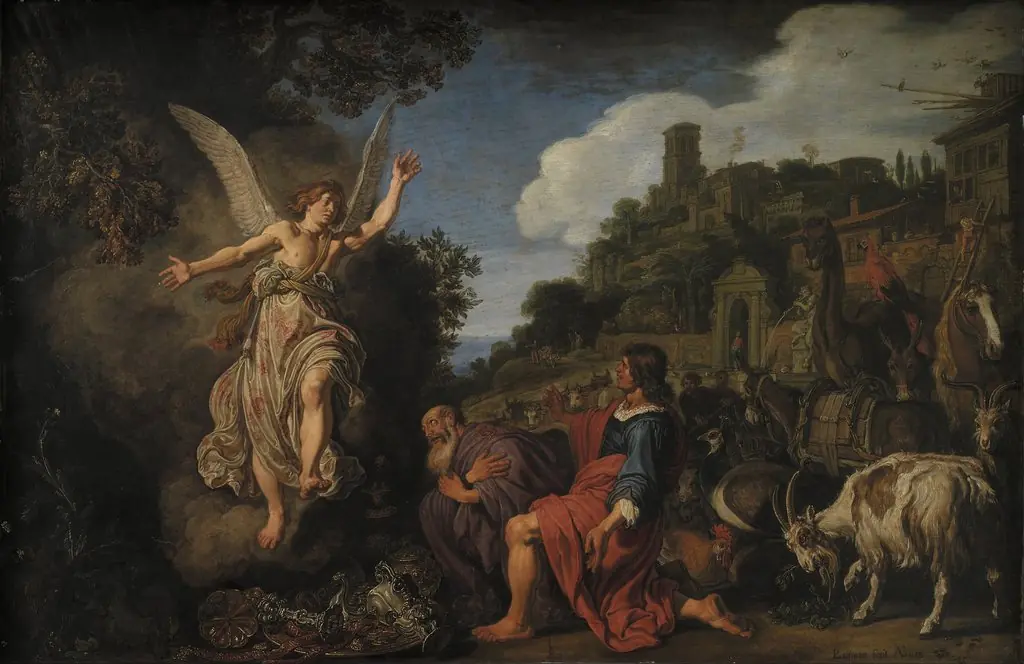
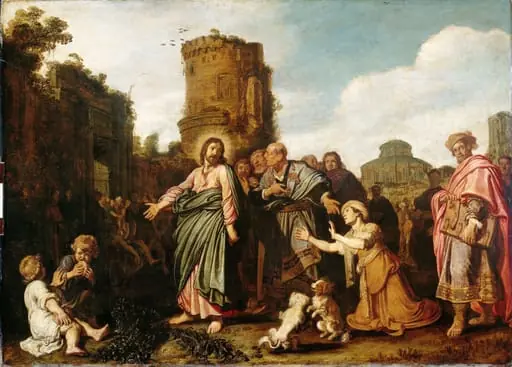
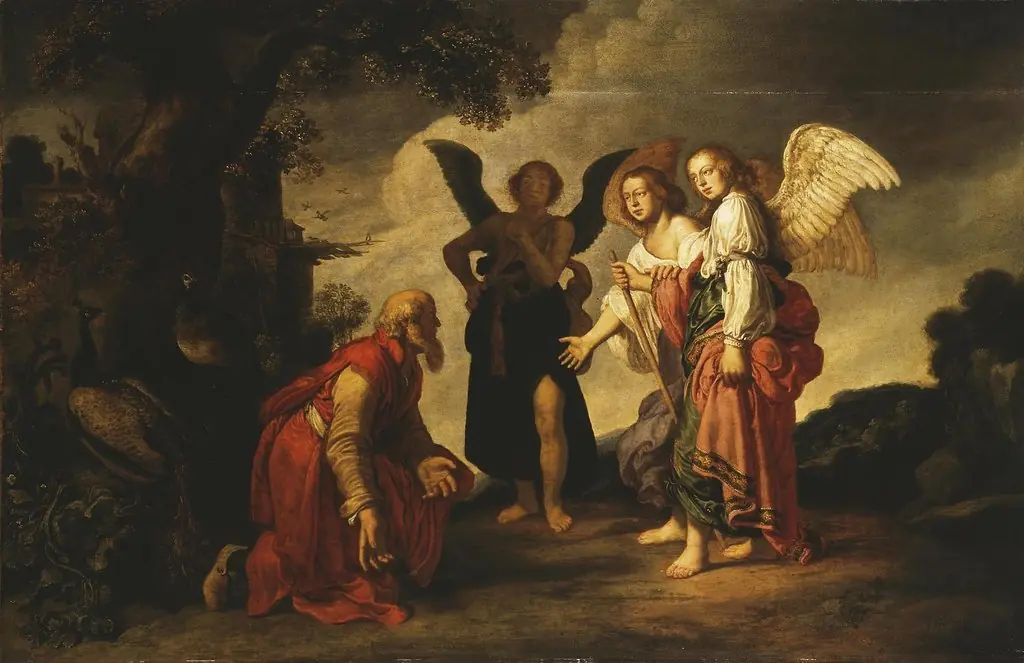
- Abduction of Europa
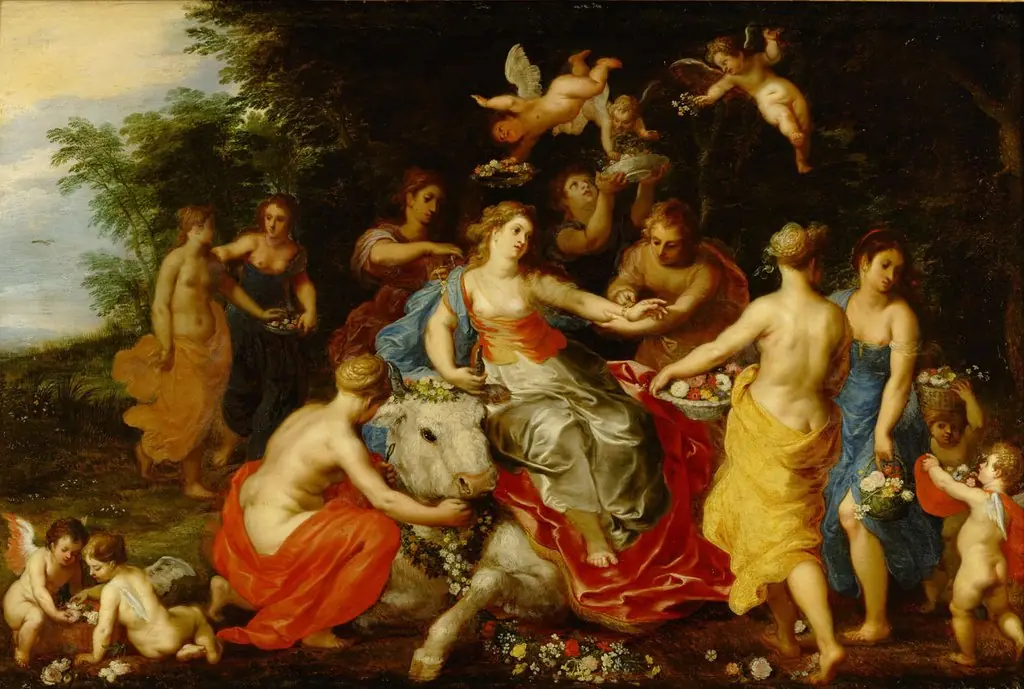 Europa riding the bull
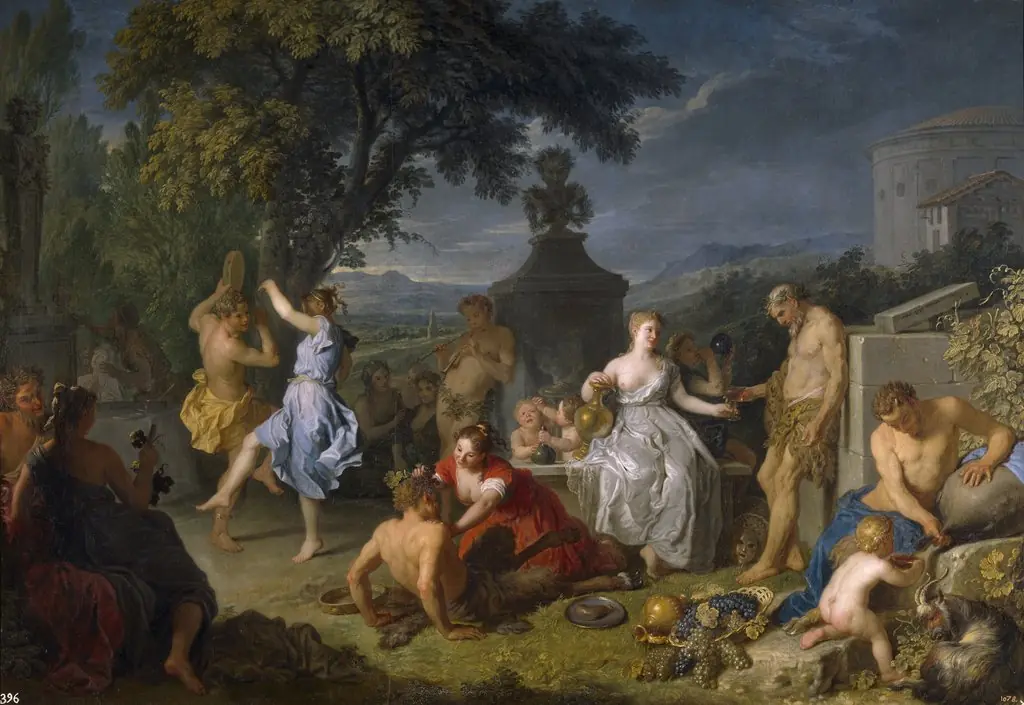 Bacchanal
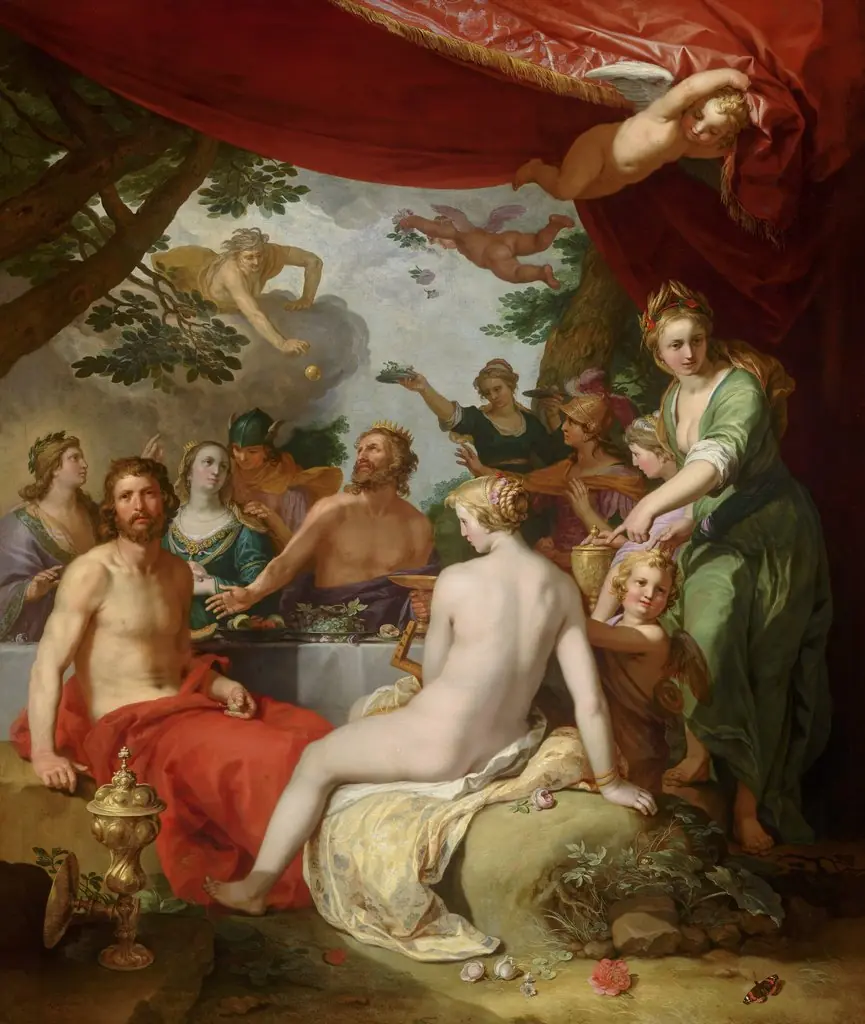 The feast of the gods at the wedding of Peleus and Thetis
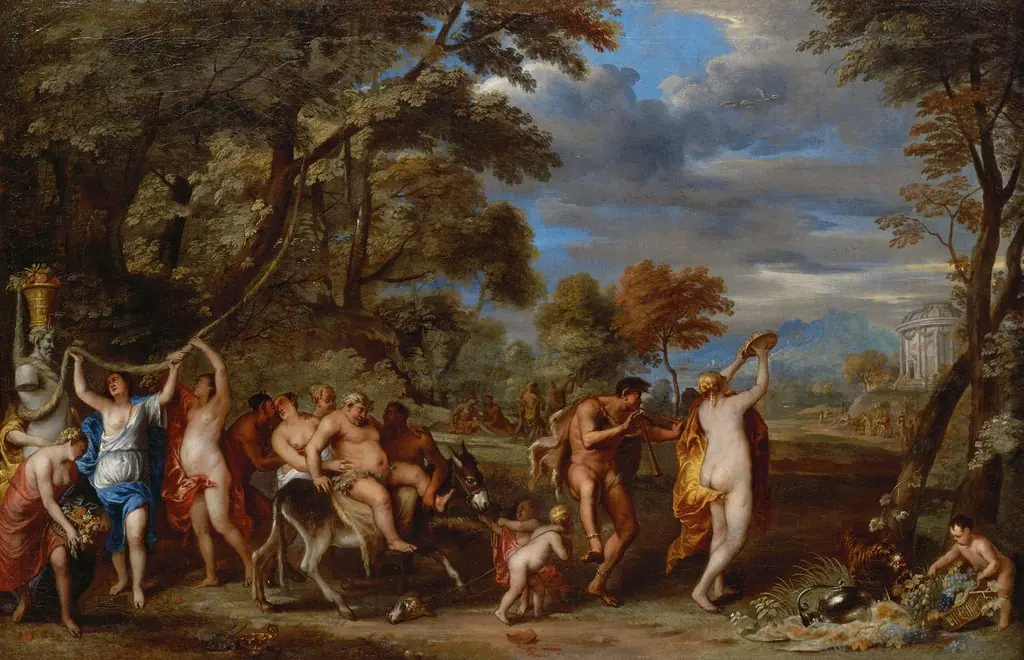 Bacchanal
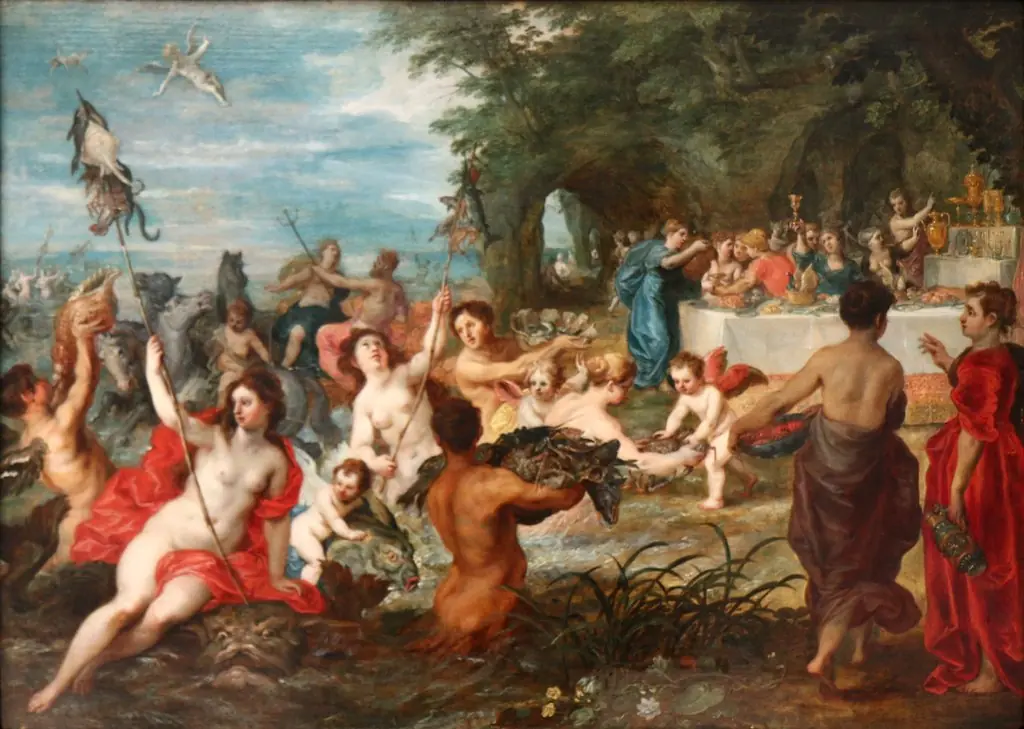 The wedding of Thetis and Peleus
 Neptun și Amphitrita
 Răpirea Proserpinei
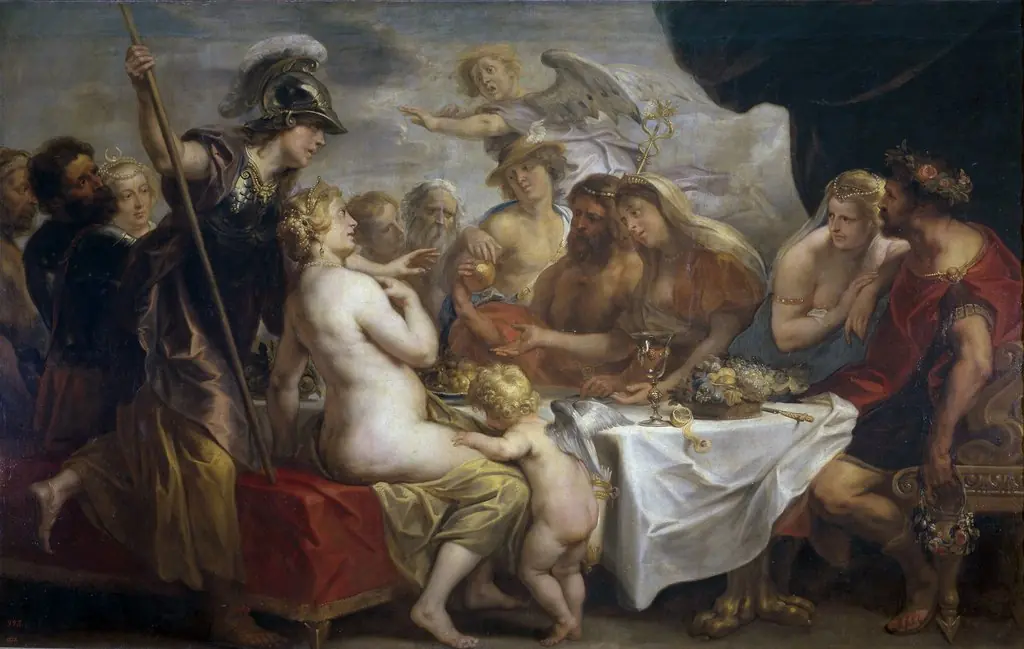 The wedding of Thetis and Peleus
 Feast of the Gods (The Marriage of Peleus and Thetis)
 Return of Jephtae
 The Flight of Cloelia