Artwork
Bathsheba at her Toilette
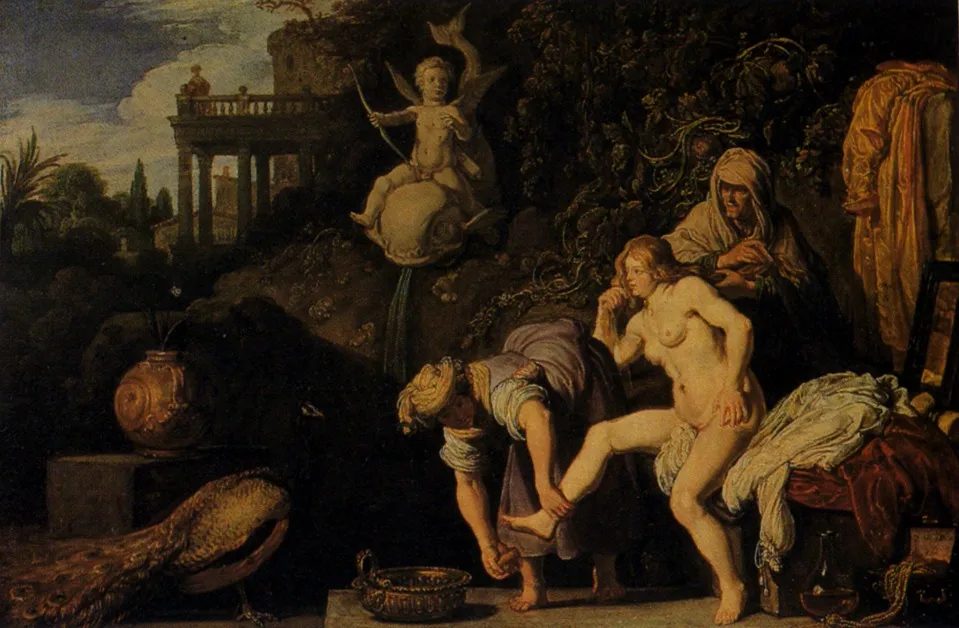
Bathsheba at her Toilette is an oil painting by the Dutch Golden Age artist Pieter Lastman. It dates from 1619 and is held in the collection of the Hermitage Museum.
About this work
Subject & Meaning
The painting depicts the biblical Bathsheba preparing for her bath, a moment narrated in 2 Samuel 11.
The painting depicts the biblical Bathsheba preparing for her bath, a moment narrated in 2 Samuel 11. Lastman’s composition centers Bathsheba seated at an ornate balustrade, attended by a servant who attends to her foot, underscoring themes of beauty, vanity, and the inevitability of fate. The inclusion of palace architecture and classical columns situates the scene in a luxurious, elevated context, while the fountain and sky evoke a serene, timeless atmosphere.
The exposed breast and navel, rendered with naturalistic detail, emphasize Bathsheba’s physical allure, a motif often tied to the tension between desire and moral consequence in Netherlandish religious art of the period.
Technique & Style
Created in 1619, Bathsheba at her Toilette is an oil painting executed on a wooden panel support. The work measures 42 centimeters in height and 62 centimeters in width. As a product of Pieter Lastman's Dutch practice, the piece employs oil paint to render a religious and genre scene depicting a nude woman engaged in washing and pedicure.
The composition features detailed formal elements including architectural structures such as a palace, fountain, balustrade, and columns, set against a sky with clouds. The artist's handling of the medium captures specific anatomical details like the female breast and navel, alongside drapery and a group of figures within the setting. The painting remains part of the Hermitage Museum collection, preserving its material integrity as a panel work from the Netherlands.
History & Provenance
The painting was created in 1619 in the Netherlands by Pieter Lastman, who executed it in oil on panel as a religious genre work depicting Bathsheba at her toilet. Its early history is tied to its creation in the Dutch Republic, and it later entered the collection of the Hermitage Museum, where it has been housed and displayed. The work’s dating is confirmed by contemporary records and the Hermitage’s cataloging, which list the inception date as 1619‑01‑01.
The painting’s material composition, oil paint on panel, aligns with Lastman’s technique of the period, and its subject matter follows the biblical narrative of Bathsheba’s bathing.
Bathsheba at her Toilette, painted by Pieter Lastman in 1619, is held by the Hermitage Museum, where it forms part of the institution's collection. The work is catalogued as an oil-on-panel painting measuring 42 by 62 centimeters. According to Wikidata records, its current location is the Hermitage Museum, and the collection attribution confirms this holding institution. No additional exhibition history beyond its presence in the Hermitage collection is documented in the available sources.
Overview
Pieter Lastman's 'Bathsheba at her Toilette' (1619) is an oil painting depicting the biblical narrative of Bathsheba before her encounter with King David. The composition centers on a nude Bathsheba standing while an attendant bends to assist her with a sandal, illustrating a moment of intimate preparation. A young child holds a pitcher nearby, and another female figure in a headscarf observes the scene.
The background features a rocky landscape where a cherub floats above, aiming an arrow at a target, a symbolic element often interpreted as foreshadowing the divine intervention or the consequences of the impending adultery. A half-empty tub rests on the ground, emphasizing the bathing context. Created in 1619, this work exemplifies Lastman's role as a pivotal figure in the development of Dutch history painting, bridging the gap between late Mannerism and the emerging Baroque style.
His detailed narrative approach and use of vibrant color directly influenced his most famous pupil, Rembrandt van Rijn. The painting reflects the artist's commitment to complex storytelling and the integration of allegorical details within a religious framework, characteristic of his mature period in Amsterdam.
Artist & collection
Artist
Pieter Lastman (1583–1633) was a Dutch painter. Lastman is considered important because of his work as a painter of history pieces and because his pupils included Rembrandt and Jan Lievens. In his paintings Lastman paid…

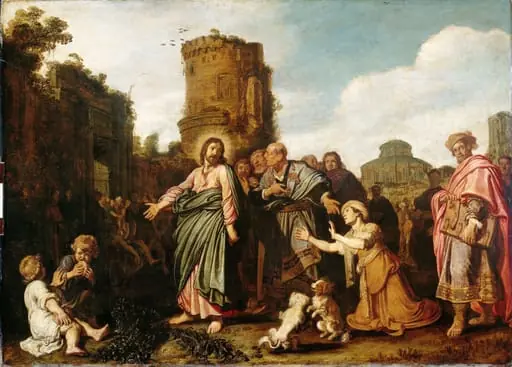
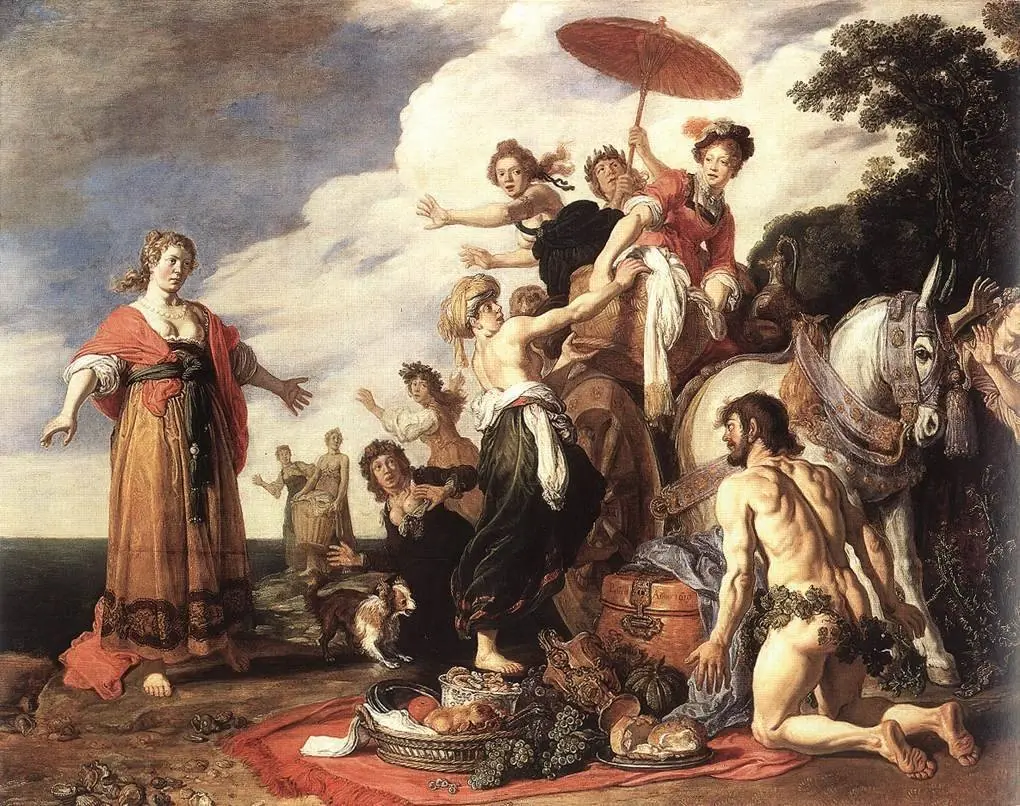
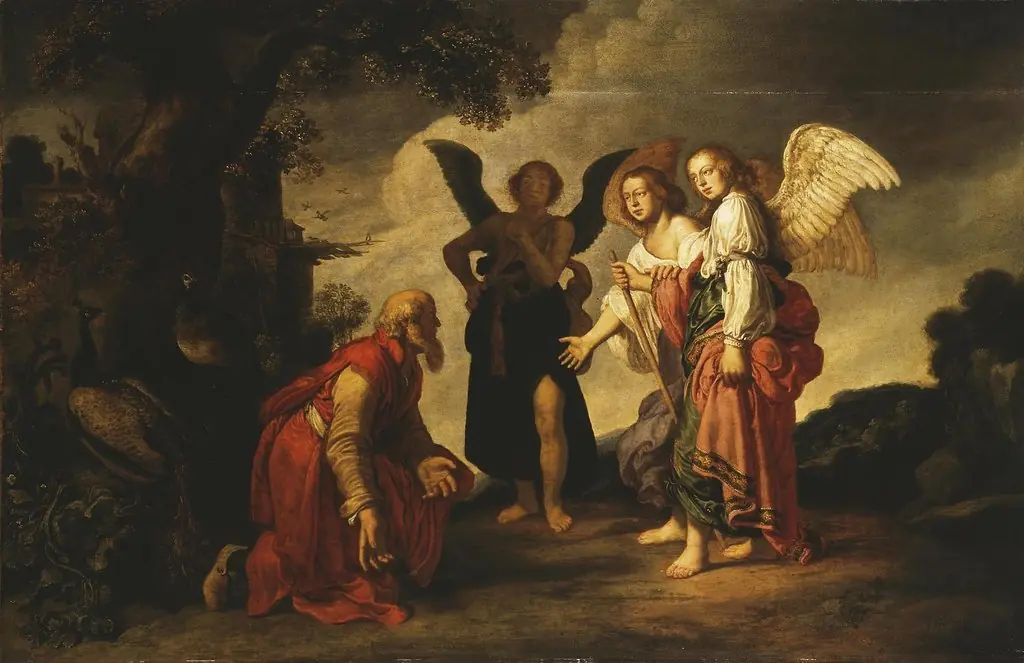
- Meleager and Atalanta
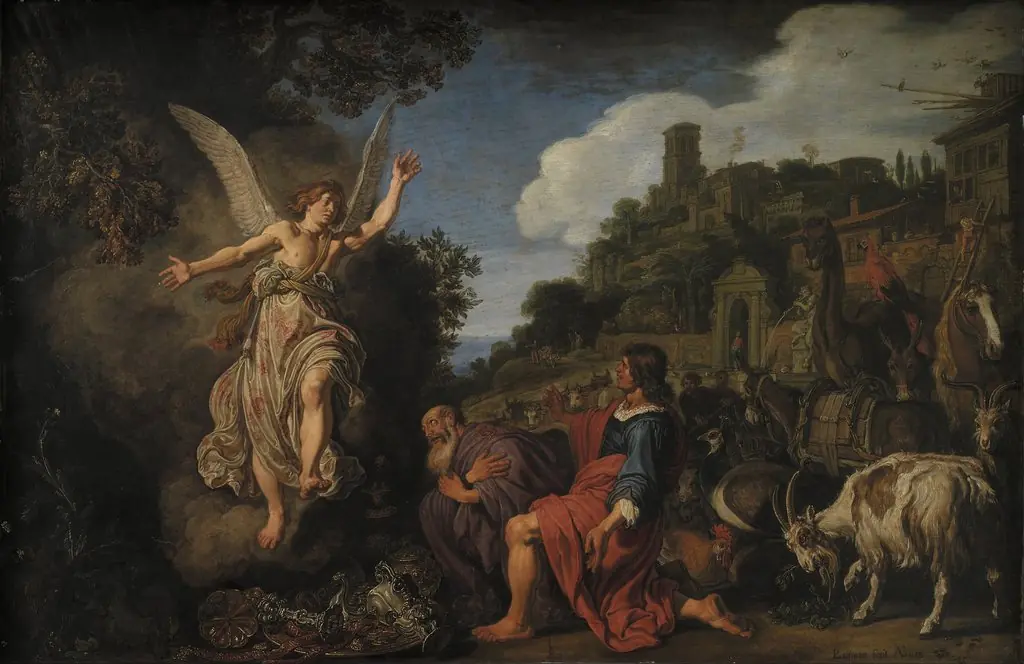
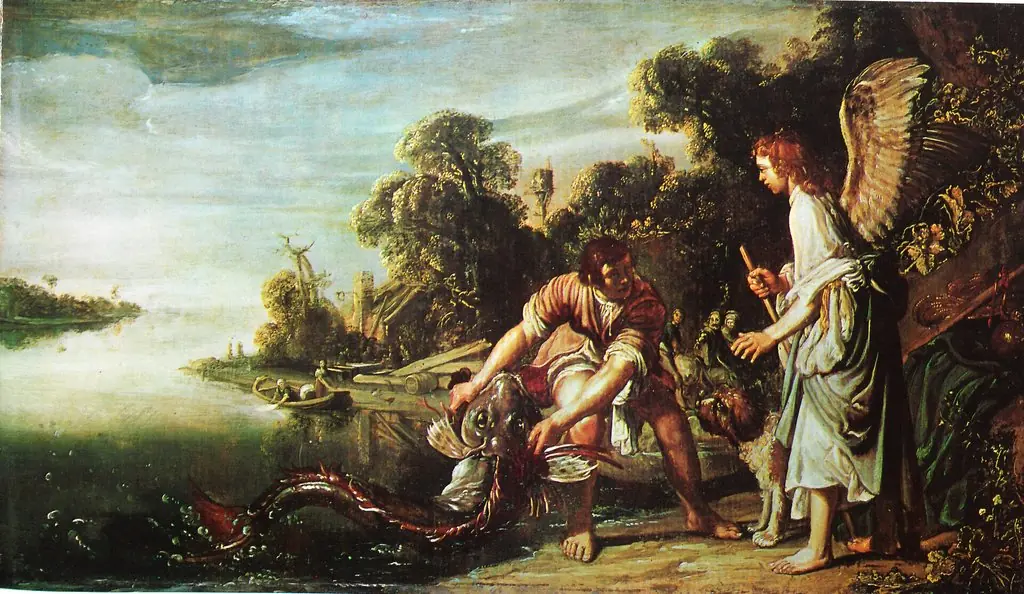 The Angel and the Young Tobit with the Fish
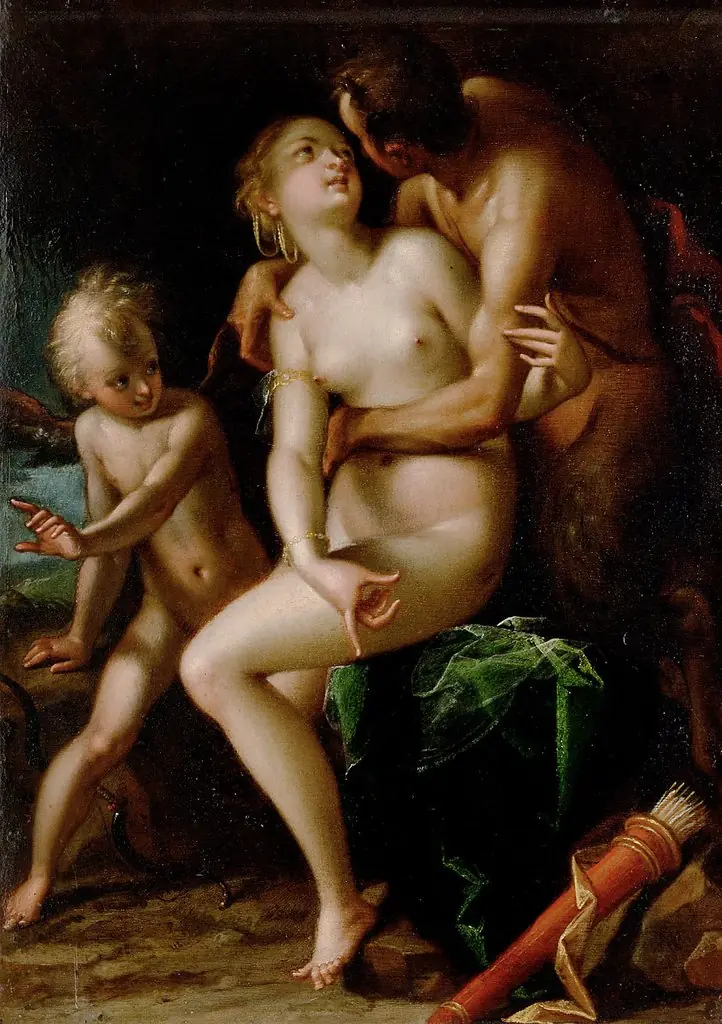 Jupiter, Antiope and Cupid
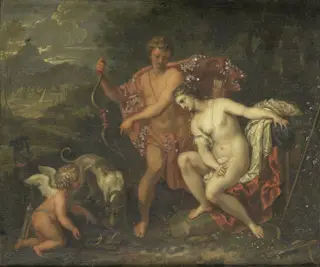
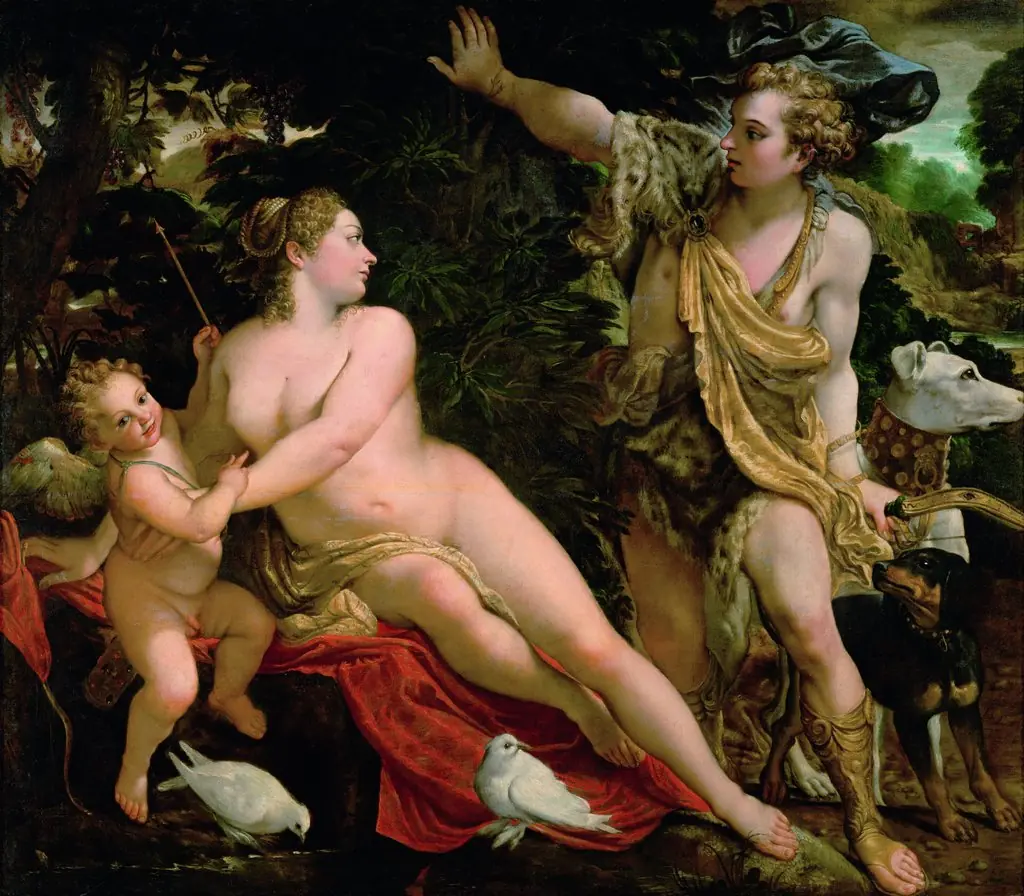 Venus, Adonis and Cupid
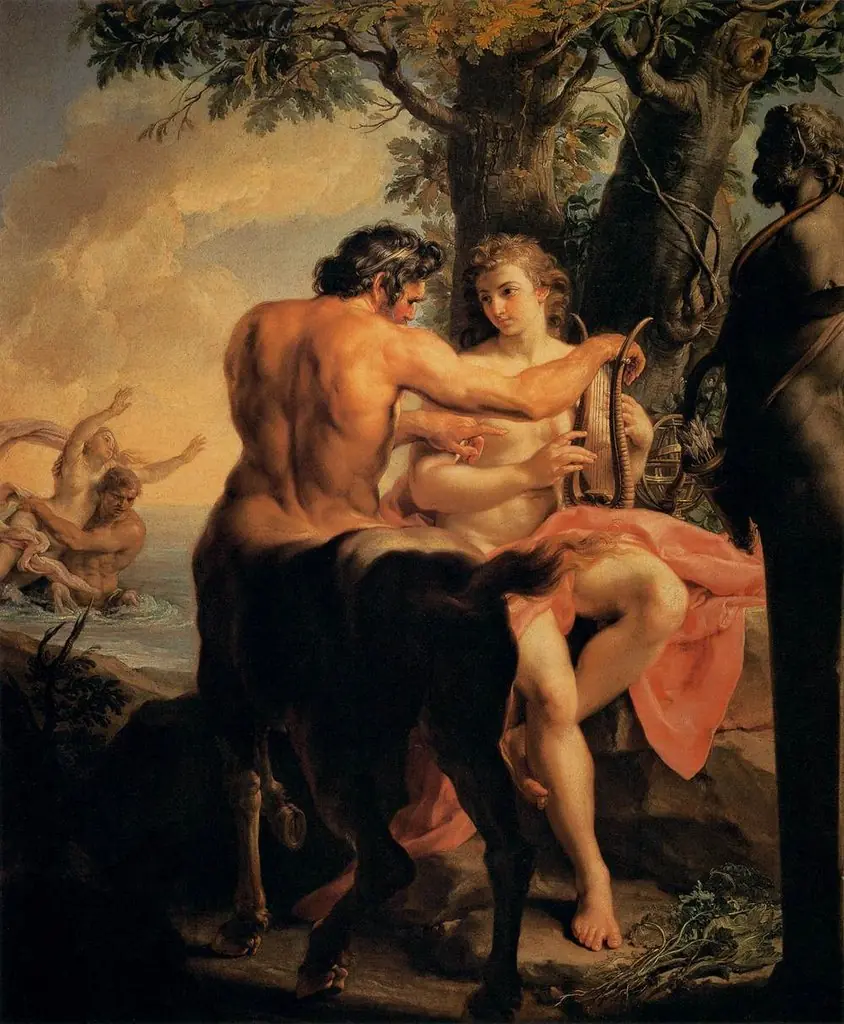 Achilles and the Centaur Chiron
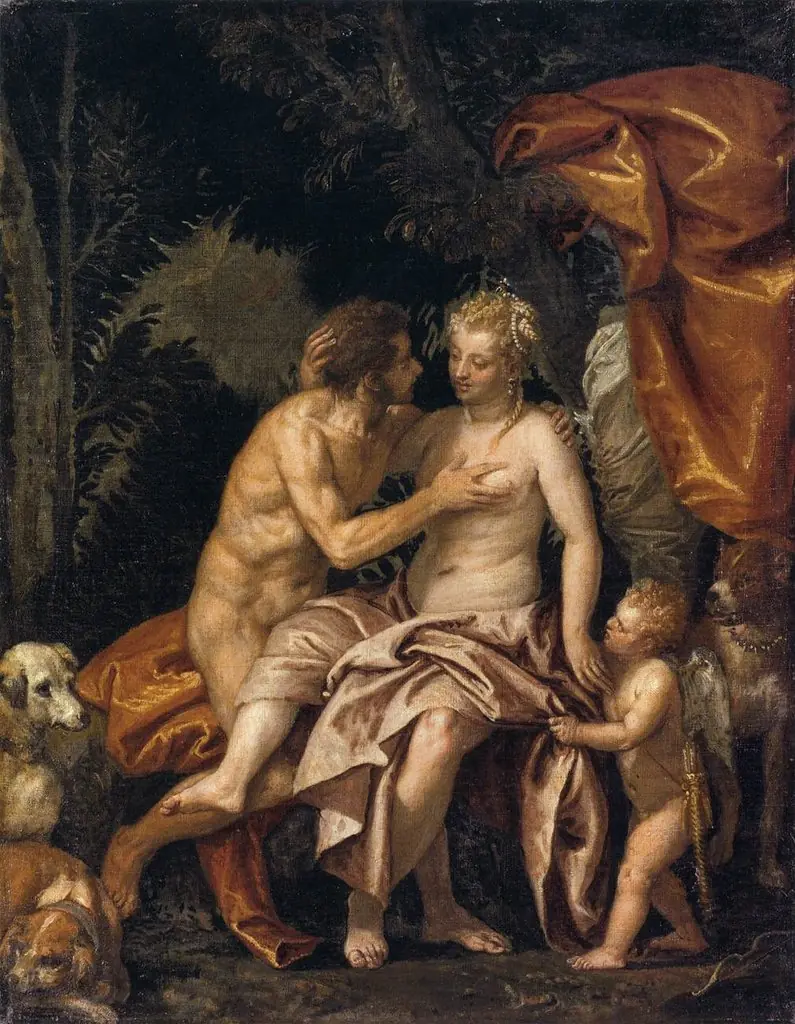 Venus and Adonis
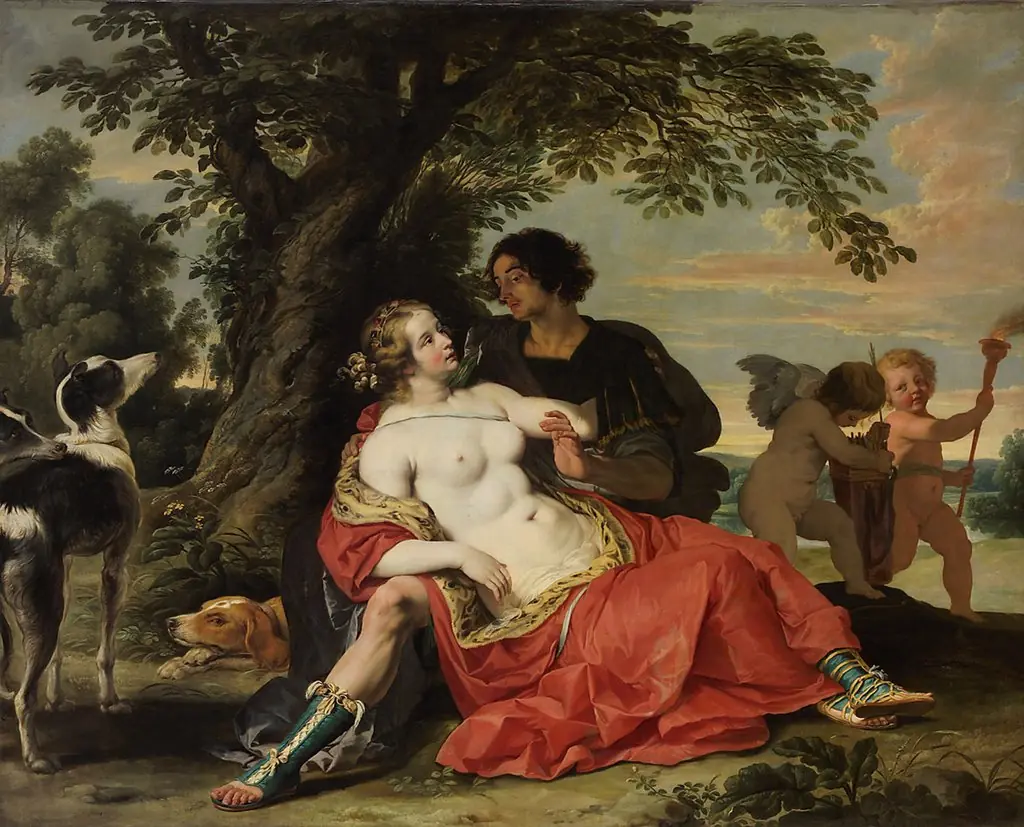 Venus   and  Adonis
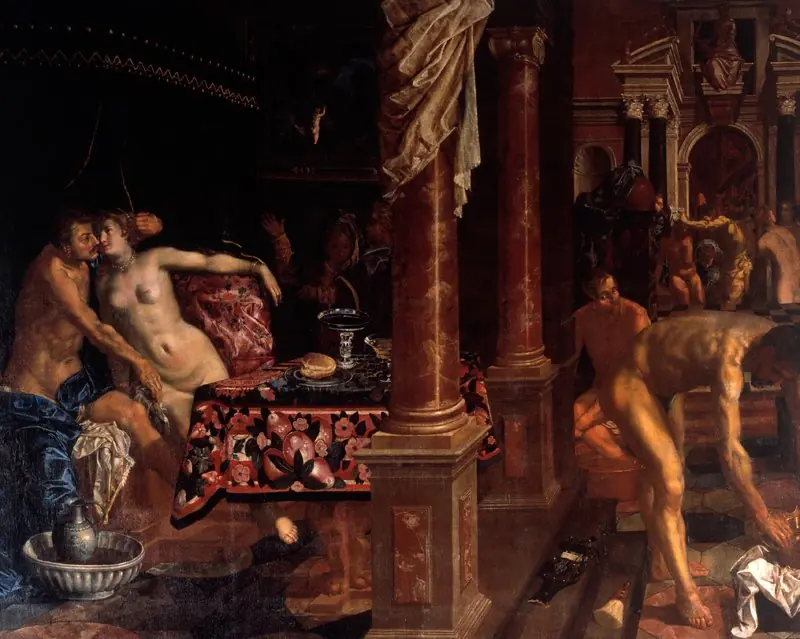 A Bathhouse
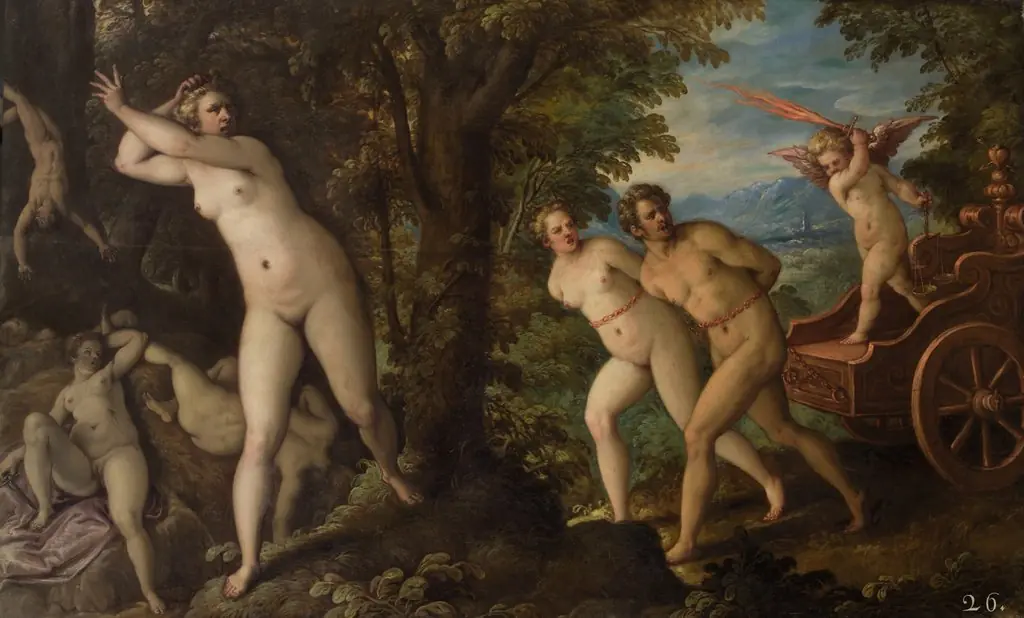 Punishment of Love
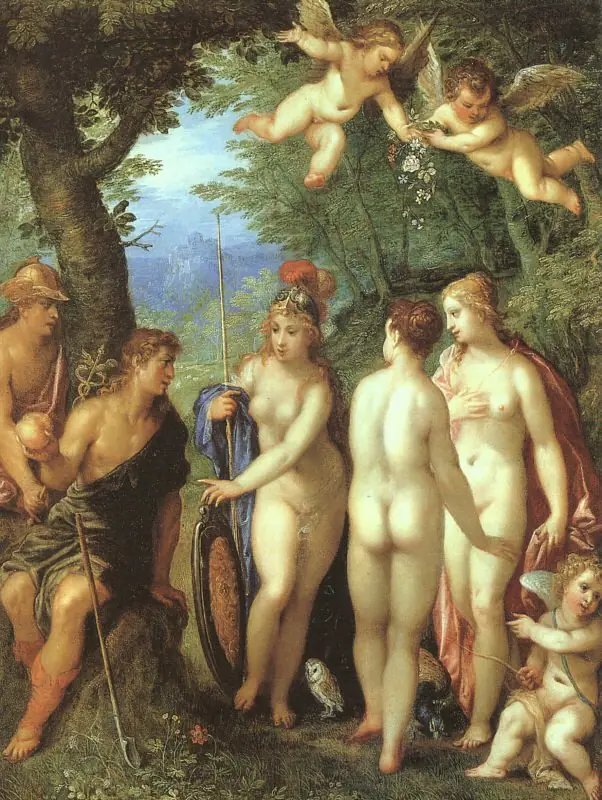 The Judgement of Paris by Hendrick van Balen
 Hercules at the Crossroads
 Eleazar and Rebekah at the Well