Artwork
Stephen Whitney Phoenix
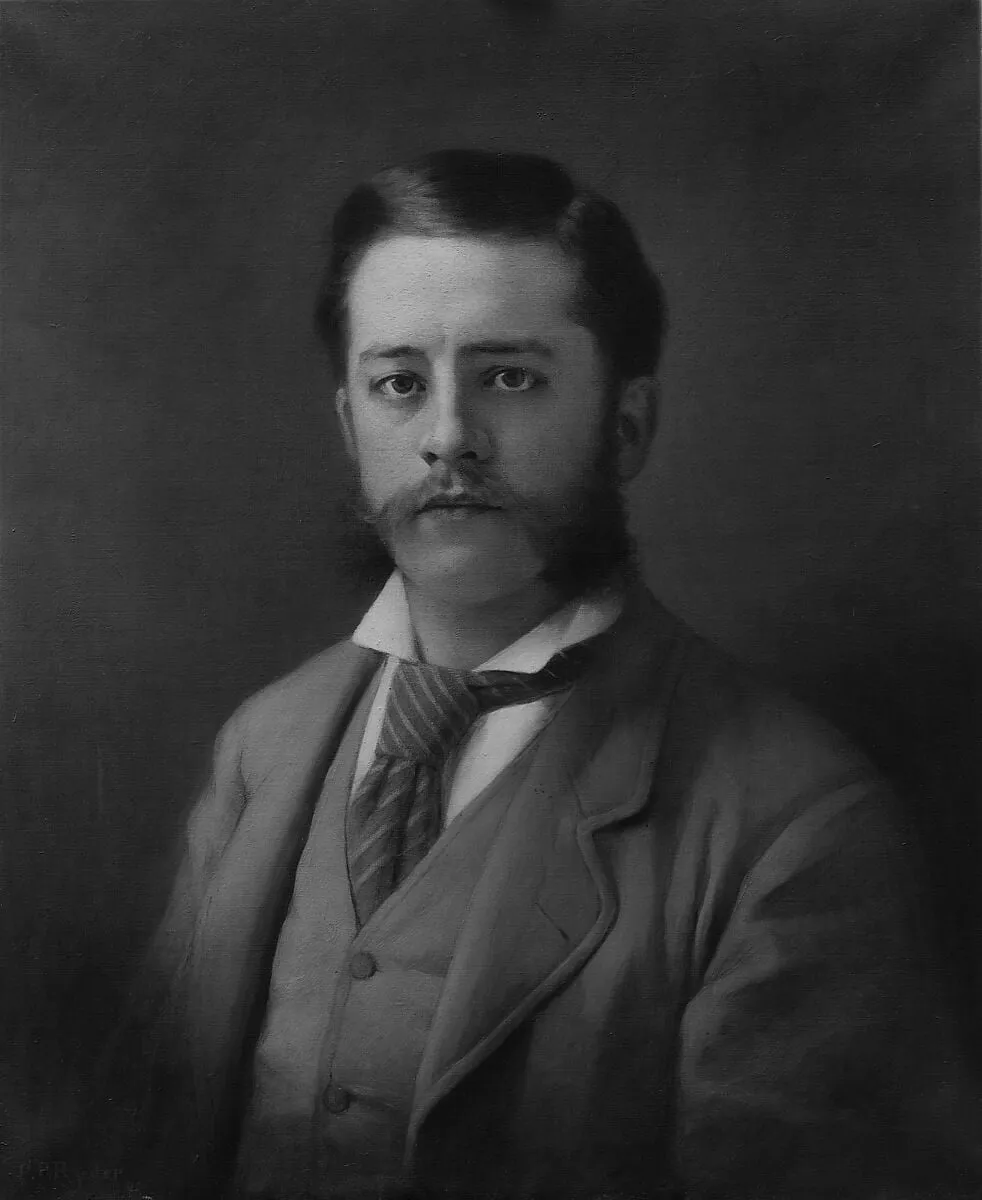
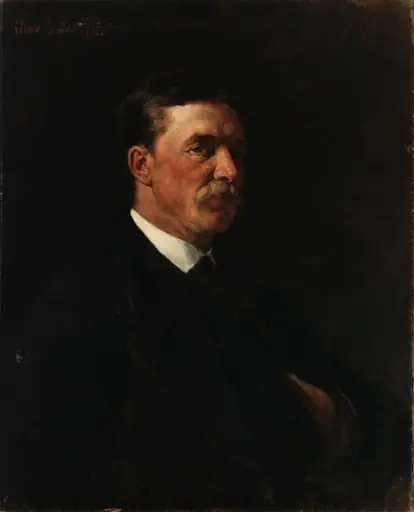
Stephen Whitney Phoenix is an oil painting by the American Impressionist artist Platt Powell Ryder. It dates from 1892 and is held in the collection of the Metropolitan Museum of Art.
About this work
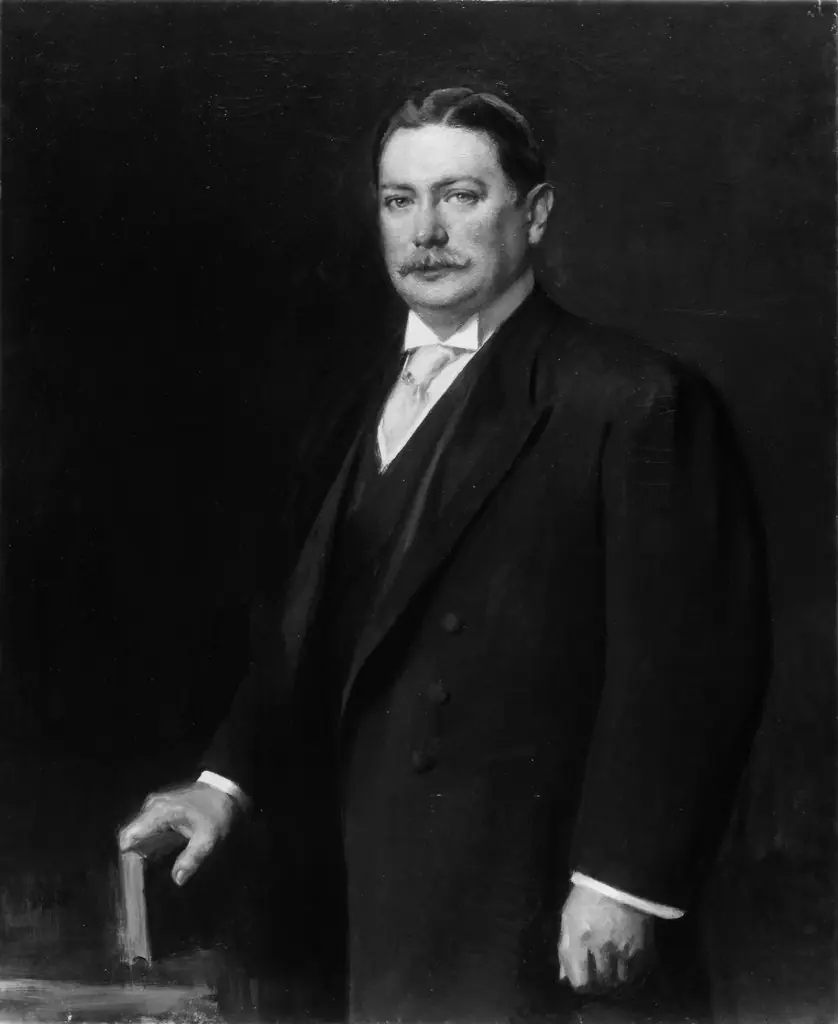
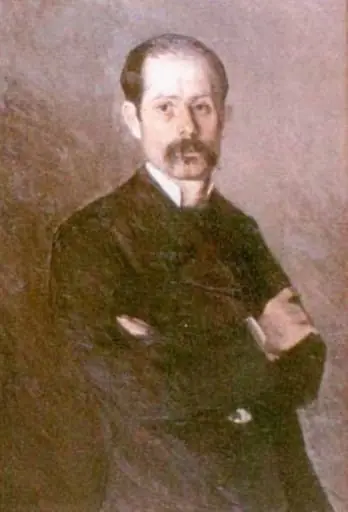
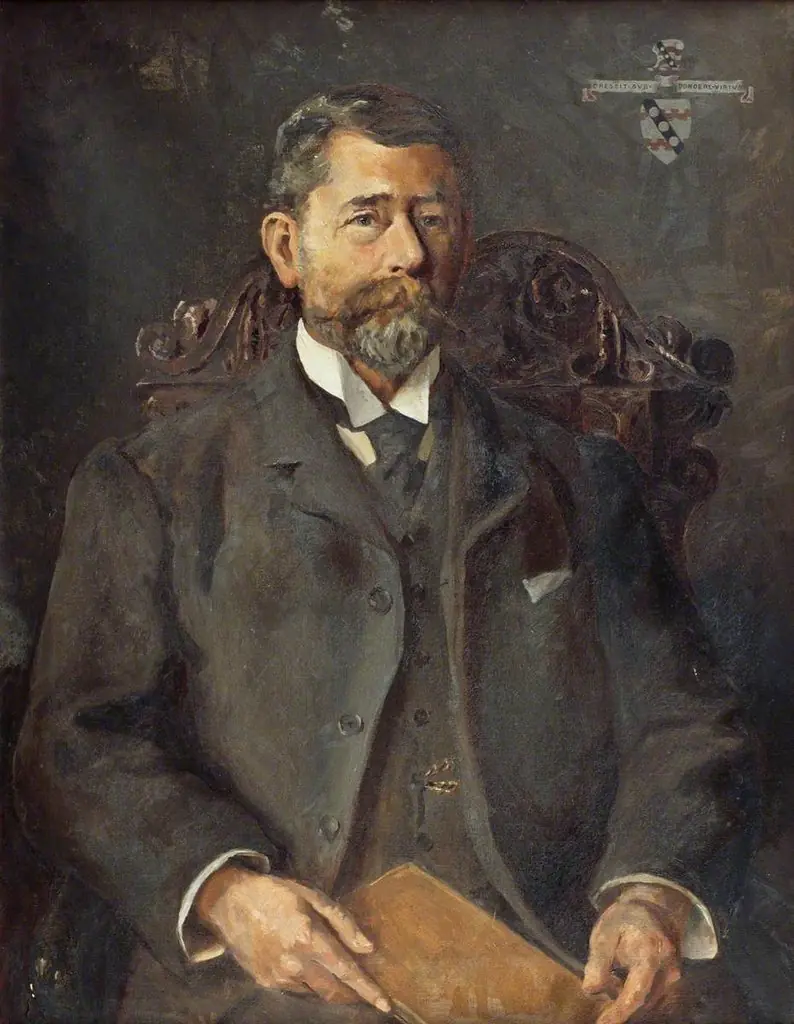
A man in a dark suit sits in a wooden chair, one hand on his knee, his face half in light and half in shadow, serious and thoughtful. Painted in 1892, when photography was already common, Ryder still chose oil, a sign of how traditional portraiture held its ground. The play of light and shadow keeps the face alive.
Subject & Meaning
The work's iconography is centered entirely on the likeness of the sitter, a man identified specifically as Phoenix, who serves as the primary subject.
Executed in 1892 by Platt Powell Ryder, this oil on canvas functions as a formal portrait depicting Stephen Whitney Phoenix. The work's iconography is centered entirely on the likeness of the sitter, a man identified specifically as Phoenix, who serves as the primary subject. As a piece within the portrait genre, the painting represents a documentary record of the individual's appearance.
The composition focuses on the physical presence of Phoenix, utilizing the traditional medium of oil paint on canvas to capture his features for the collection of the Metropolitan Museum of Art.
Technique & Style
The portrait Stephen Whitney Phoenix, painted by Platt Powell Ryder in 1892, is executed in oil on canvas and measures 68.6 cm by 55.9 cm, as recorded in the Metropolitan Museum of Art's cataloging data. The work belongs to the American Wing's portrait genre and depicts the sitter identified as S. Whitney Phoenix. Its formal presentation follows a conventional, realistic rendering typical of late-nineteenth-century American portraiture, with the subject positioned centrally against a muted background.
History & Provenance
The portrait of Stephen Whitney Phoenix was created by artist Platt Powell Ryder in 1892. Executed in oil on canvas, the work measures 68.6 cm in height and 55.9 cm in width. The painting entered the collection of the Metropolitan Museum of Art, where it is currently housed and classified within The American Wing.
The specific commission details and the chain of ownership prior to its acquisition by the museum are not detailed in the available records.
Overview
Painted in 1892, Stephen Whitney Phoenix is an oil-on-canvas portrait by the American artist Platt Powell Ryder. The work depicts the subject seated in a wooden chair, dressed in a dark suit, with one hand resting on his knee. Ryder employs a dramatic chiaroscuro effect, illuminating half of Phoenix's face while leaving the other in deep shadow to convey a serious, contemplative demeanor.
Executed late in Ryder's career, the painting reflects his continued commitment to traditional oil portraiture despite the widespread adoption of photography during the late nineteenth century. The composition focuses tightly on the figure, utilizing the contrast between light and dark to model the subject's features and suggest psychological depth. This piece stands as a representative example of Ryder's mature style, characterized by its somber palette and introspective mood, maintaining the dignity and formal presence associated with high-status portraiture of the era.
Context
Created at a time when photographic portraiture was increasingly accessible, this painting by Ryder underscores the continued significance of painted likenesses. The choice of oil on canvas in 1892 highlights a preference for the nuanced interpretive possibilities offered by traditional artistry over mechanical reproduction. Its inclusion in The American Wing suggests its recognition as an important example within the nation's artistic heritage.
Artist & collection