Artwork
Påskemorgen. Kristi opstandelse
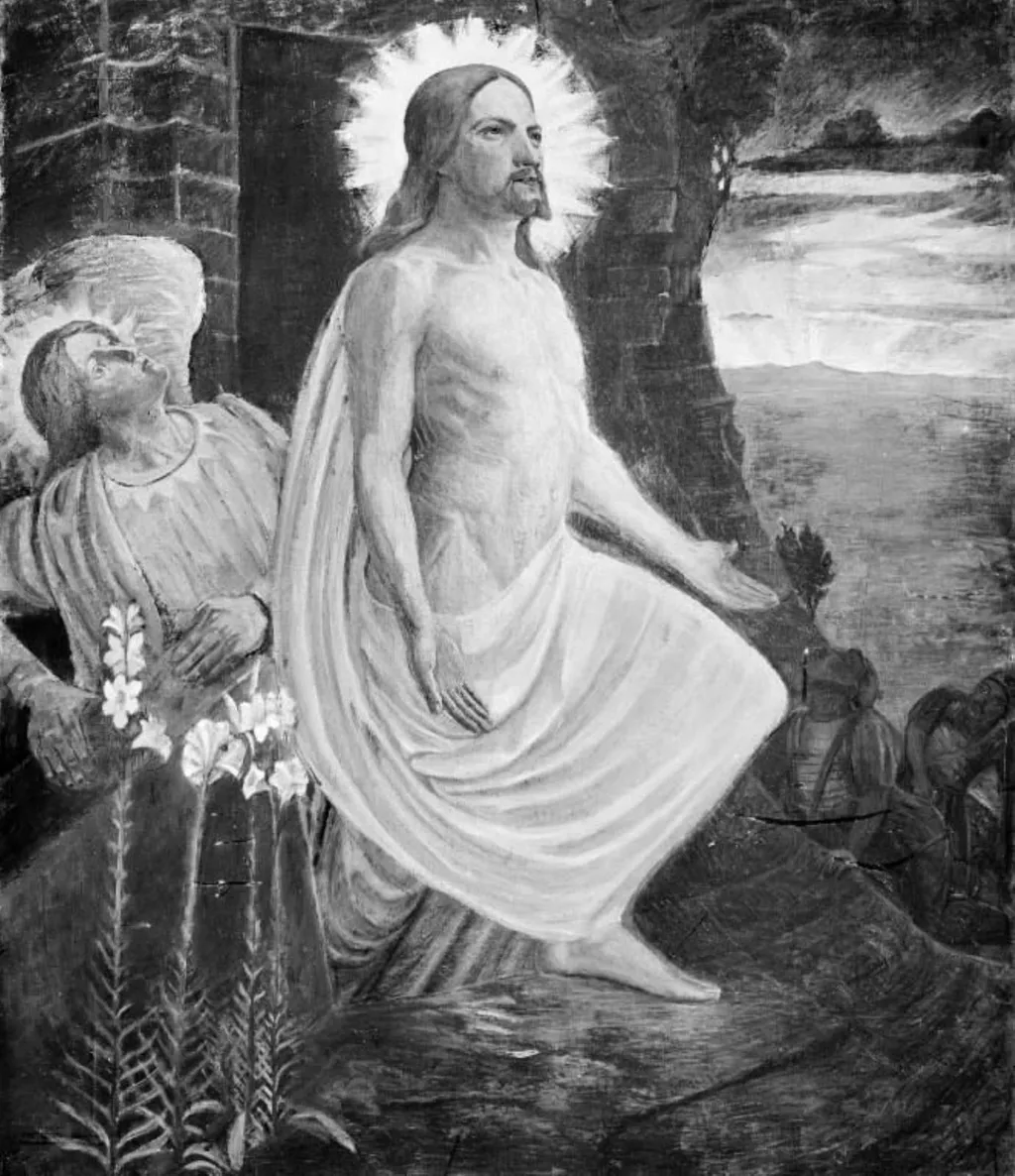
Påskemorgen. Kristi opstandelse is an oil painting by the Symbolist artist Poul Simon Christiansen. It dates from 1899 and is held in the collection of the Statens Museum for Kunst.
About this work
Overview
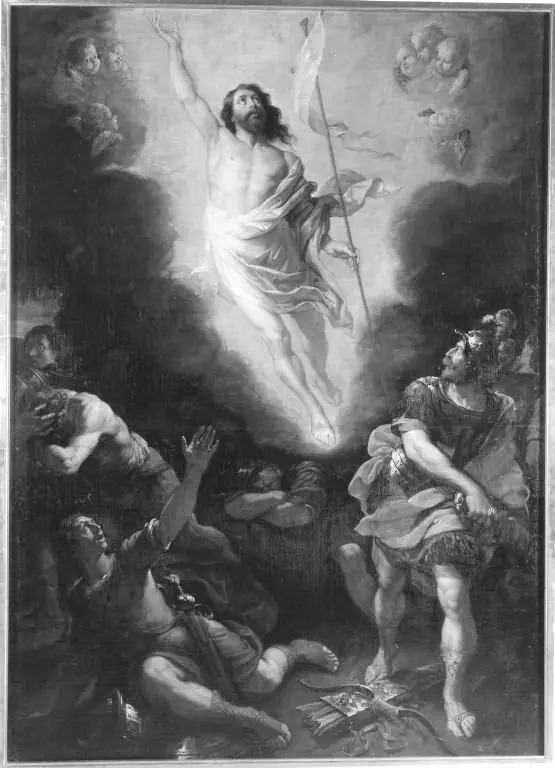
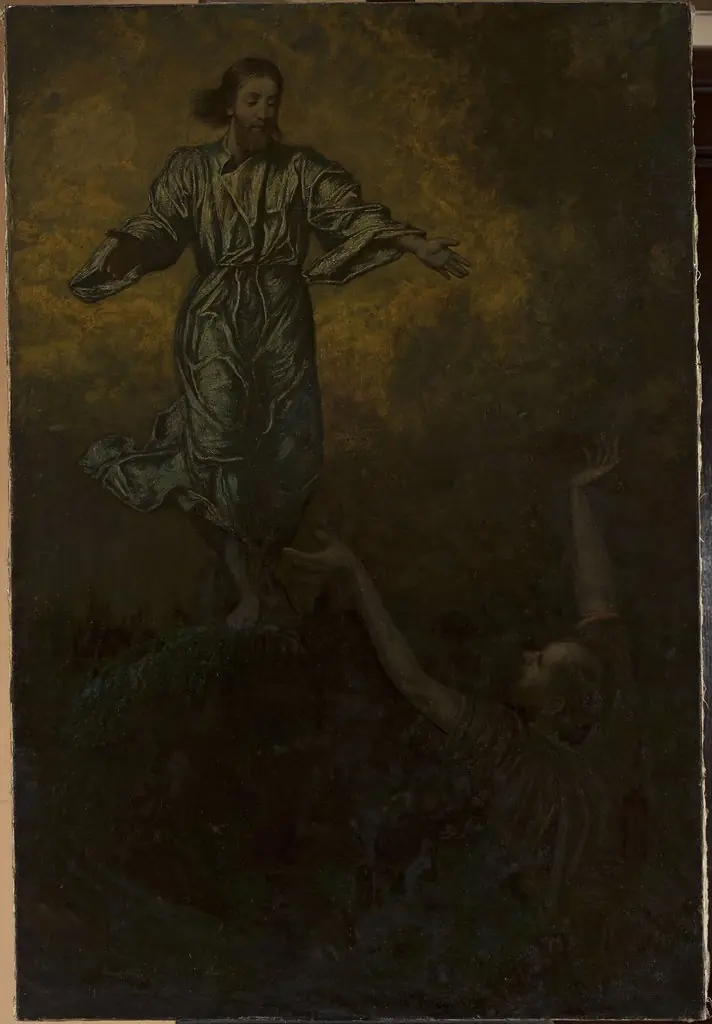
Kristi opstandelse depicts the resurrection of Christ within a quiet, contemplative landscape.
Poul Simon Christiansen’s 1899 oil painting Påskemorgen. Kristi opstandelse depicts the resurrection of Christ within a quiet, contemplative landscape. Created during a period when Christiansen focused on religious subjects, the work reflects his engagement with Symbolist ideals, emphasizing inner spiritual experience over literal narrative.
It resides in the collection of Statens Museum for Kunst in Copenhagen, where it represents a key example of Danish religious painting from the late 19th century.
Subject & Meaning
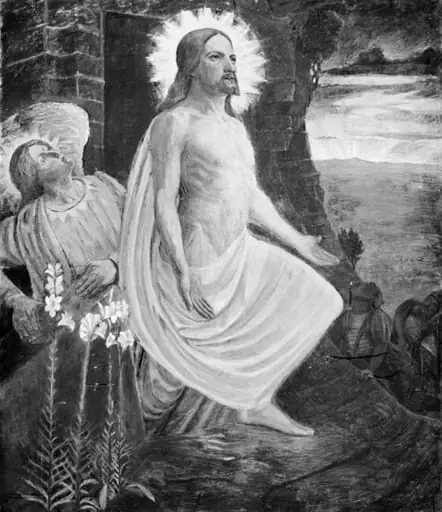
The painting portrays Christ standing calmly after his resurrection, clad in a white robe, with a soft halo of light surrounding his head. A second figure, likely a disciple, gazes upward in quiet awe. The absence of dramatic action or celestial intervention shifts focus to a moment of stillness and personal revelation.
The scene suggests a private encounter with the divine, aligning with Symbolist tendencies to convey spiritual truths through mood rather than doctrinal illustration.
Technique & Style
Christiansen employs a Colourist approach, using broad, flattened areas of tone and muted hues to evoke emotional resonance. Light is rendered diffusely, without sharp contrasts, creating an ethereal glow around Christ rather than a dramatic chiaroscuro effect. Brushwork is deliberate but not overly detailed, favoring atmospheric harmony over realism.
The composition’s simplicity and emphasis on color relationships reflect influences from Gauguin and van Gogh, filtered through his Danish training under Zahrtmann.
History & Provenance
Painted in 1899, Påskemorgen. Kristi opstandelse emerged during a phase when Christiansen’s religious works gained wider recognition through printed reproductions. It entered the collection of Statens Museum for Kunst shortly after its completion, underscoring its acceptance within Denmark’s institutional art circles.
Unlike many contemporaneous religious paintings, it avoided sensationalism, instead appealing to a growing interest in introspective spirituality among Nordic audiences at the turn of the century.
Context
In late 19th-century Denmark, religious art was undergoing a quiet transformation, moving away from academic rigidity toward more personal, symbolic expressions. Christiansen’s work responded to this shift, drawing from international Symbolist currents while remaining rooted in Scandinavian landscape traditions. His integration of natural settings with sacred figures mirrored broader cultural efforts to reconcile faith with modern sensibilities, particularly in a society increasingly shaped by secular thought.
Legacy
Though not widely exhibited internationally, Påskemorgen. Kristi opstandelse remains a significant example of Danish Symbolist painting. It exemplifies how local artists adapted global artistic trends to express domestic spiritual concerns.
Its enduring presence in the national collection highlights its role in shaping Denmark’s understanding of religious imagery in the modern era, influencing later generations who sought to depict faith through atmosphere and emotion rather than narrative spectacle.
Own this work as a print
Artist & collection
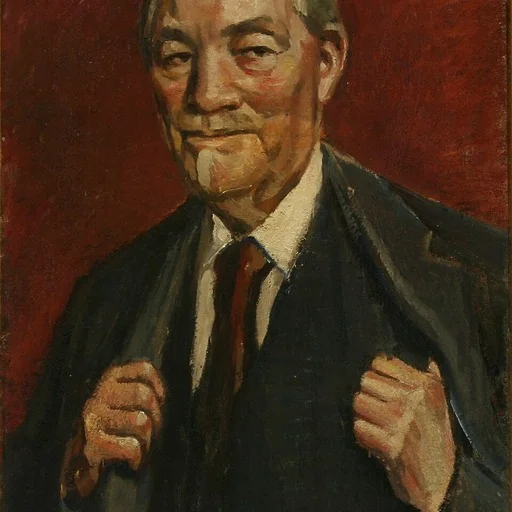
Artist
Poul Simon Christiansen, frequently referred to as Poul S. Christiansen (20 October 1855, Rolfsted, Funen – 14 November 1933, Copenhagen) was a Danish painter who developed a Colourist style under Kristian Zahrtmann and…