Artwork
Bacchic Scene
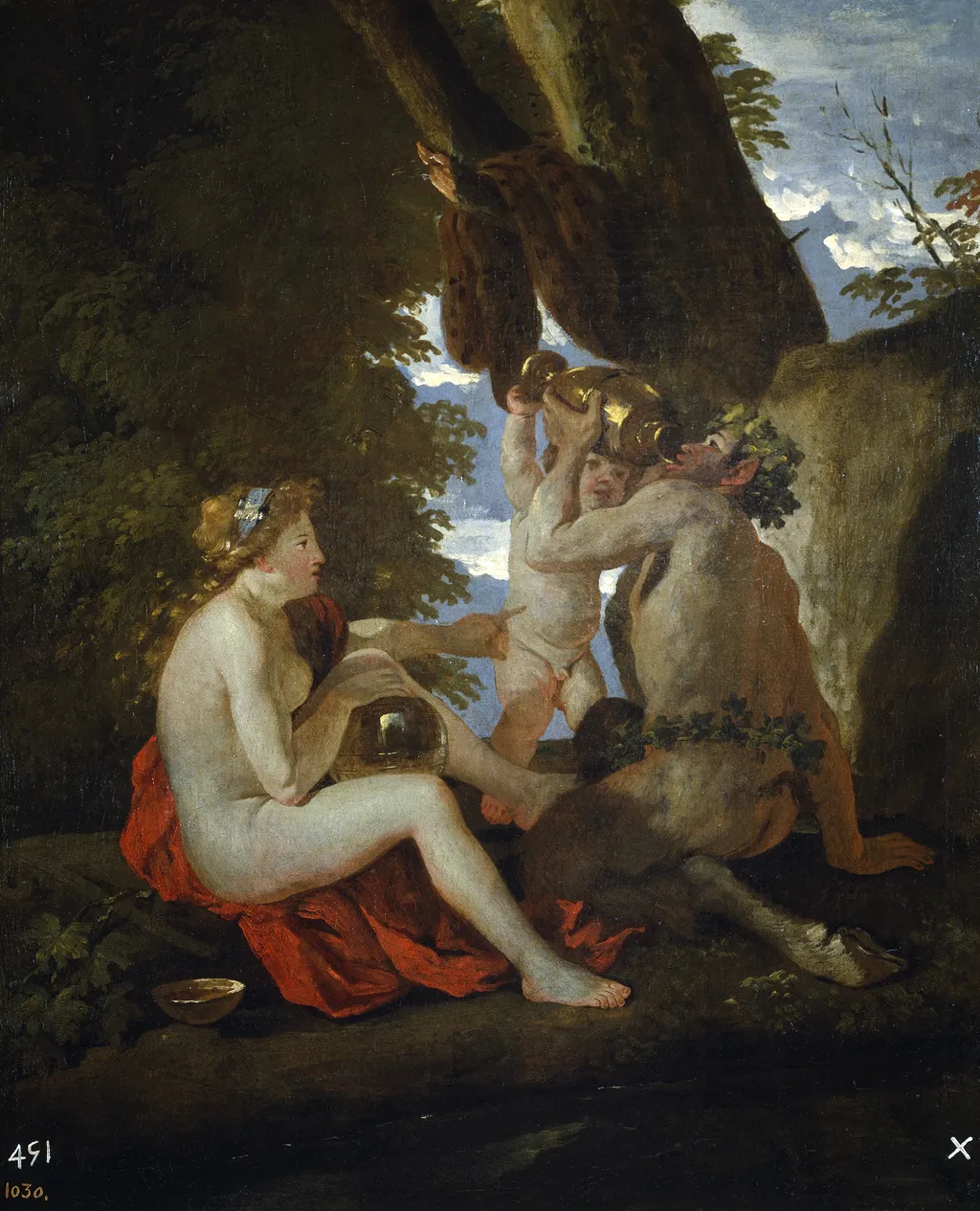
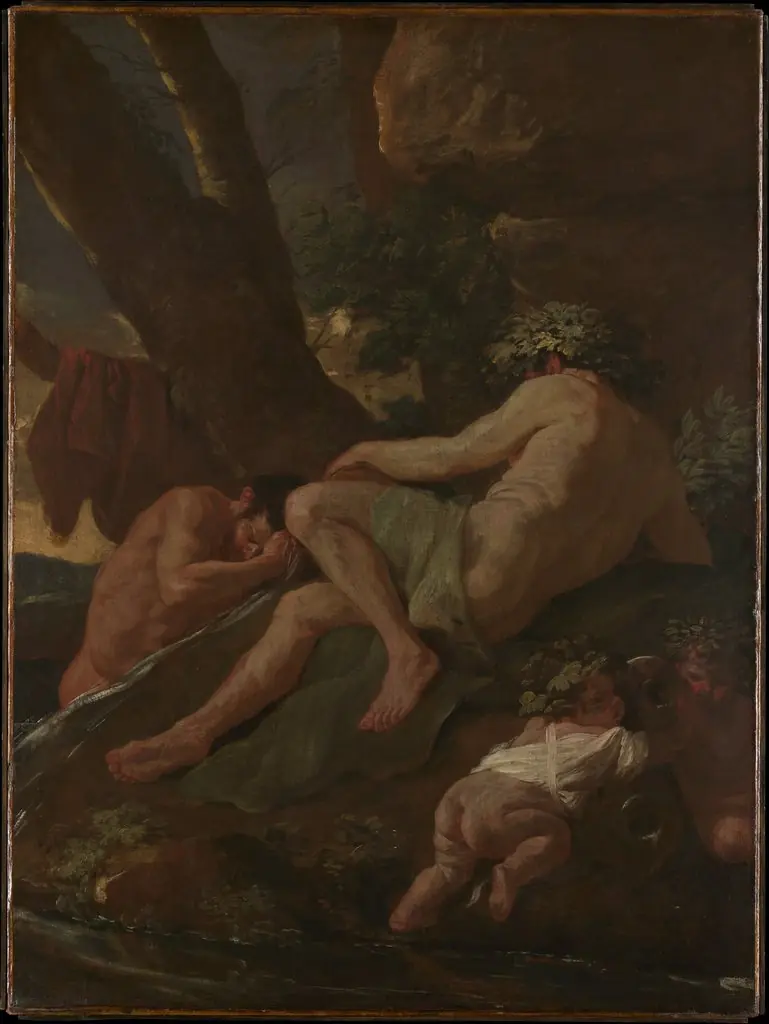
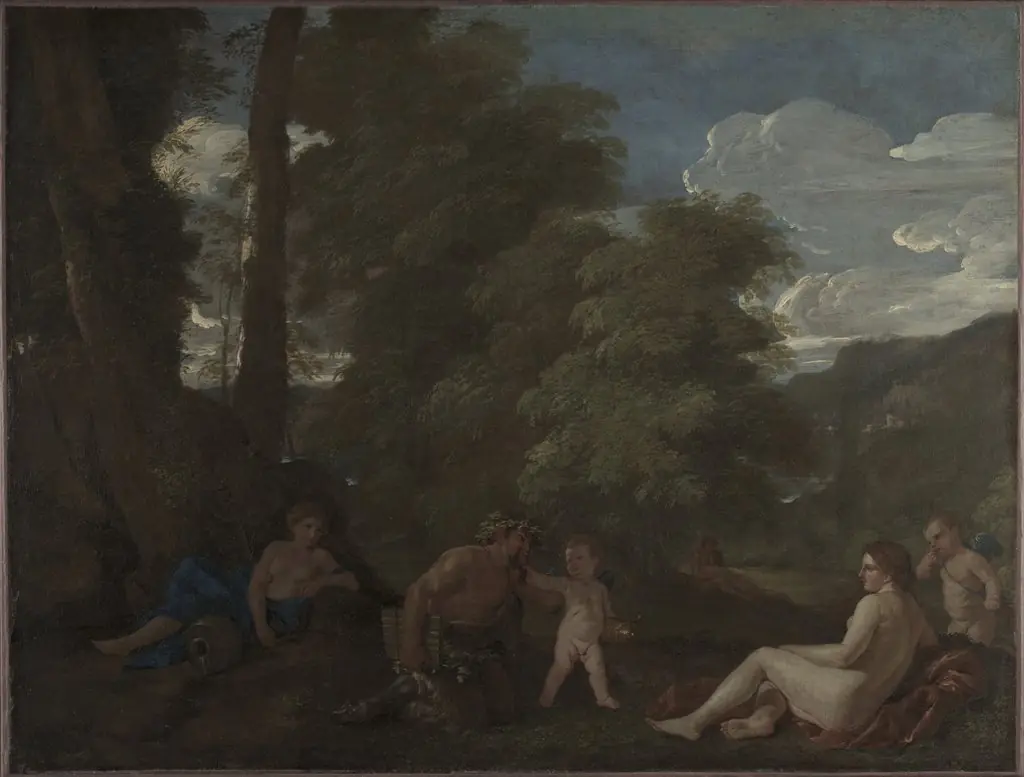
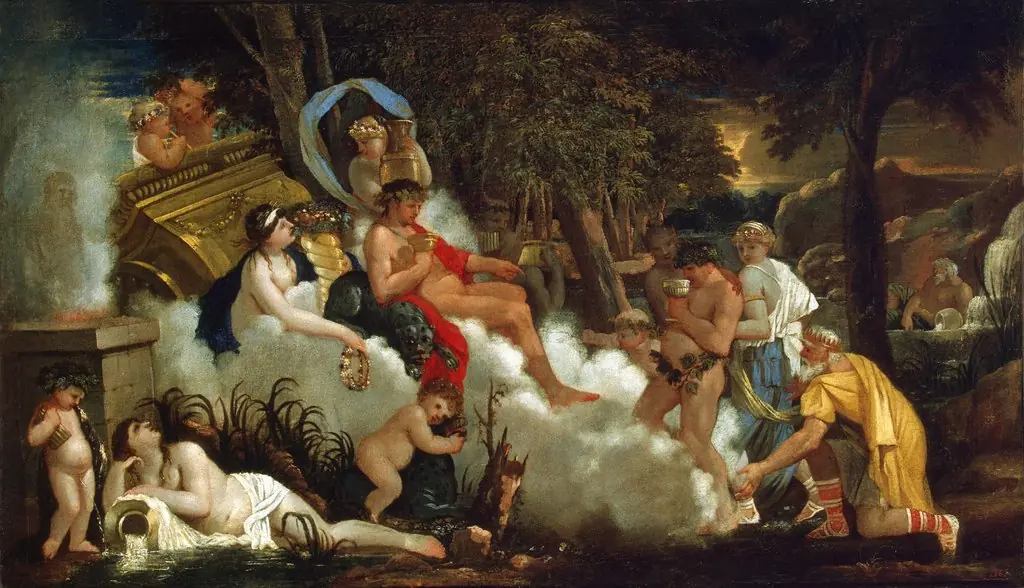
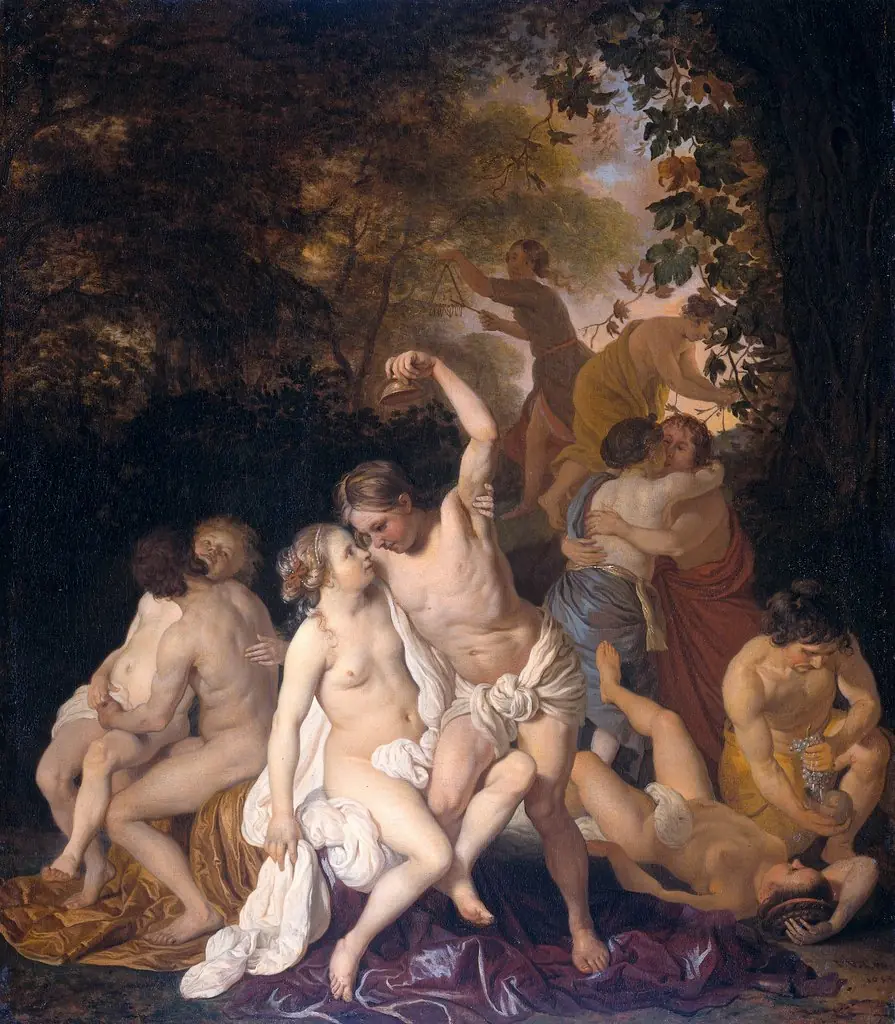
Bacchic Scene is an oil painting by the Early Baroque Italian artist Nicolas Poussin. It dates from 1626 and is held in the collection of the Museo del Prado.
About this work
Technique & Style
The painting measures 74 cm in height by 60 cm in width, a modest vertical format suited to its intimate figural grouping of a woman, a child, and a jug.
Bacchic Scene is executed in oil paint on canvas, a standard support combination for Nicolas Poussin's early Roman-period work. The painting measures 74 cm in height by 60 cm in width, a modest vertical format suited to its intimate figural grouping of a woman, a child, and a jug.
Stylistically, the work belongs to Poussin's 1626 output, a phase in which he was absorbing influences from Venetian colorism and the classical-Bacchic imagery circulating among his Roman patrons. The small scale and tightly arranged figures suggest a cabinet-picture handling rather than a large decorative commission, with the canvas support allowing for the layered glazes characteristic of oil technique.
History & Provenance
The Bacchic Scene was painted by Nicolas Poussin in 1626 as an oil on canvas work (74 cm × 60 cm) depicting a woman, child, and jug. It entered the Spanish royal collection through Charles III, later passing to Philip V and Ferdinand VII. The painting has been part of the Museo del Prado’s holdings since its acquisition.
Bacchic Scene by Nicolas Poussin is held in the collection of the Museo del Prado in Madrid. The painting, executed in oil on canvas in 1626, entered the Spanish royal collection and was owned successively by Philip V of Spain, Charles III of Spain, and Ferdinand VII of Spain before passing into the museum's holdings.
No specific inventory or accession number is recorded in the available sources, and no exhibition history beyond its long-term residence at the Prado is documented.
Overview
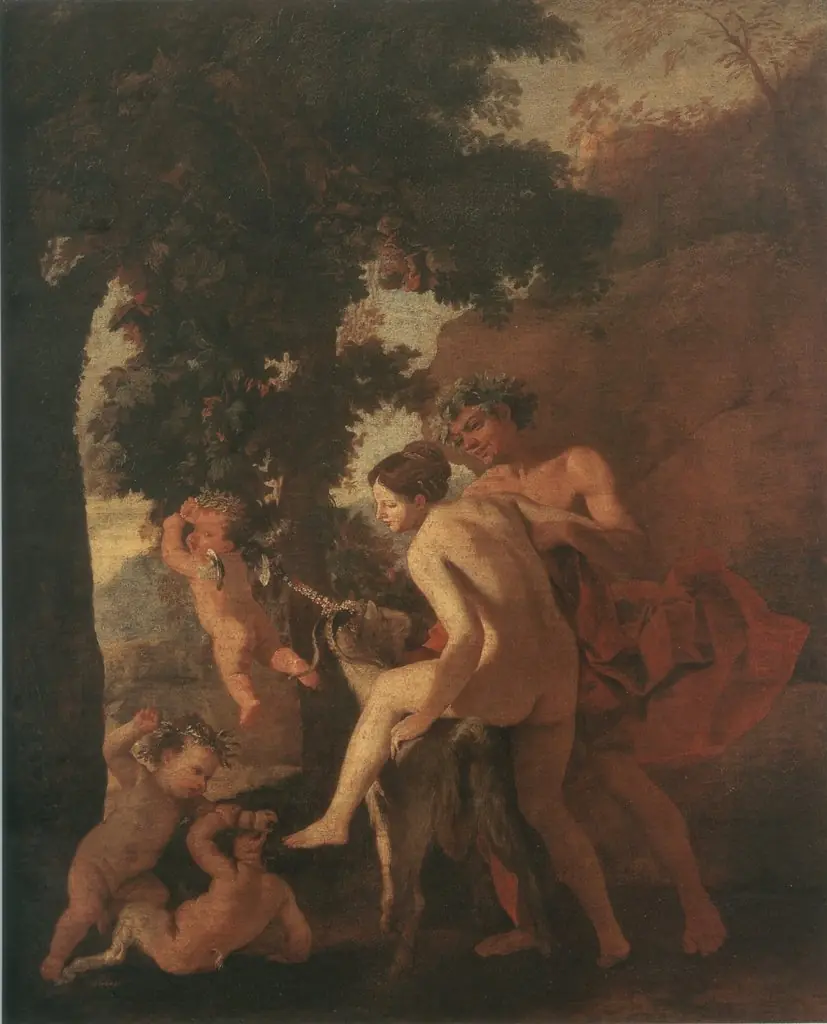
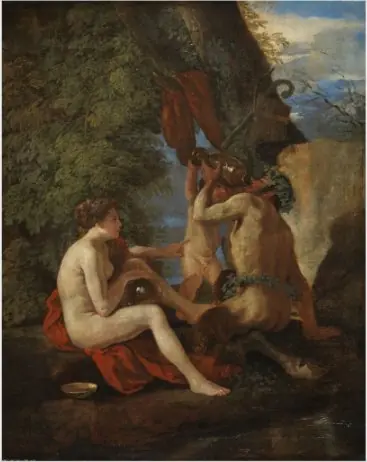
Nicolas Poussin’s oil painting titled Bacchic Scene dates from 1626 and is part of the collection at the Museo del Prado. The work presents a tranquil forest clearing where a woman in a vivid red mantle sits on the ground, cradling a small jug, while a child reaches toward a horned, goat‑like animal beneath a tree. The composition balances muted greens with splashes of brighter colour.
Subject & Meaning
The central figure, a woman holding a jug, evokes themes of libation and celebration associated with Bacchus, the Roman god of wine. The presence of a child and a horned beast suggests a narrative of youthful curiosity and rustic festivity, situating the scene within a mythological framework that blends domestic ritual with natural surroundings.
Context
The work belongs to a period when Pousnin explored mythological subjects within natural settings, integrating classical iconography with a landscape tradition that appealed to contemporary collectors. The inclusion of a jug and a horned animal aligns with the artist’s interest in allegorical representations of wine, fertility, and the pastoral ideal prevalent in early Baroque art.
Own this work as a print
Artist & collection
Artist
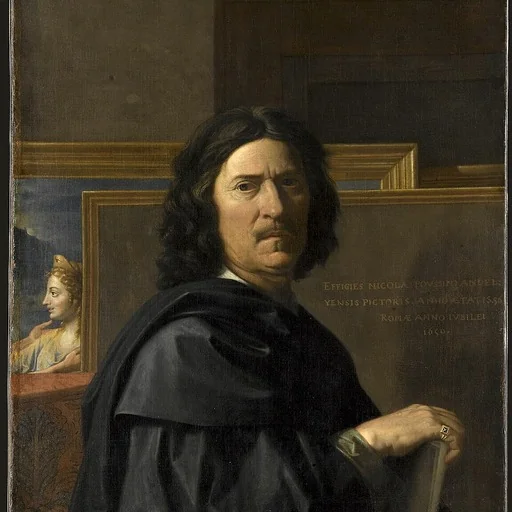
Nicolas Poussin (UK: US: French:; June 1594 – 19 November 1665) was a leading painter of the classical French Baroque style, although he spent most of his working life in Rome.