Artwork
Venus, Adonis and Cupid
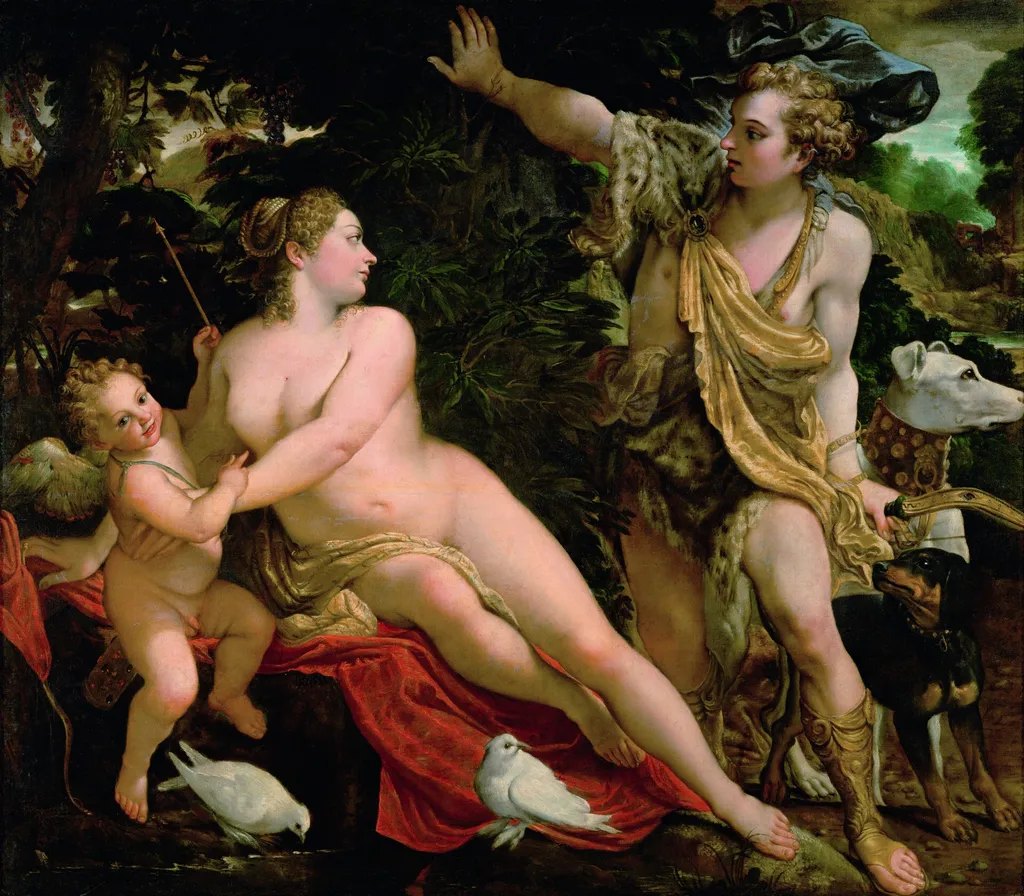
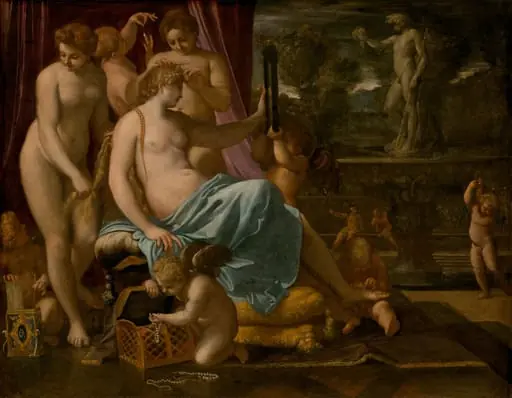
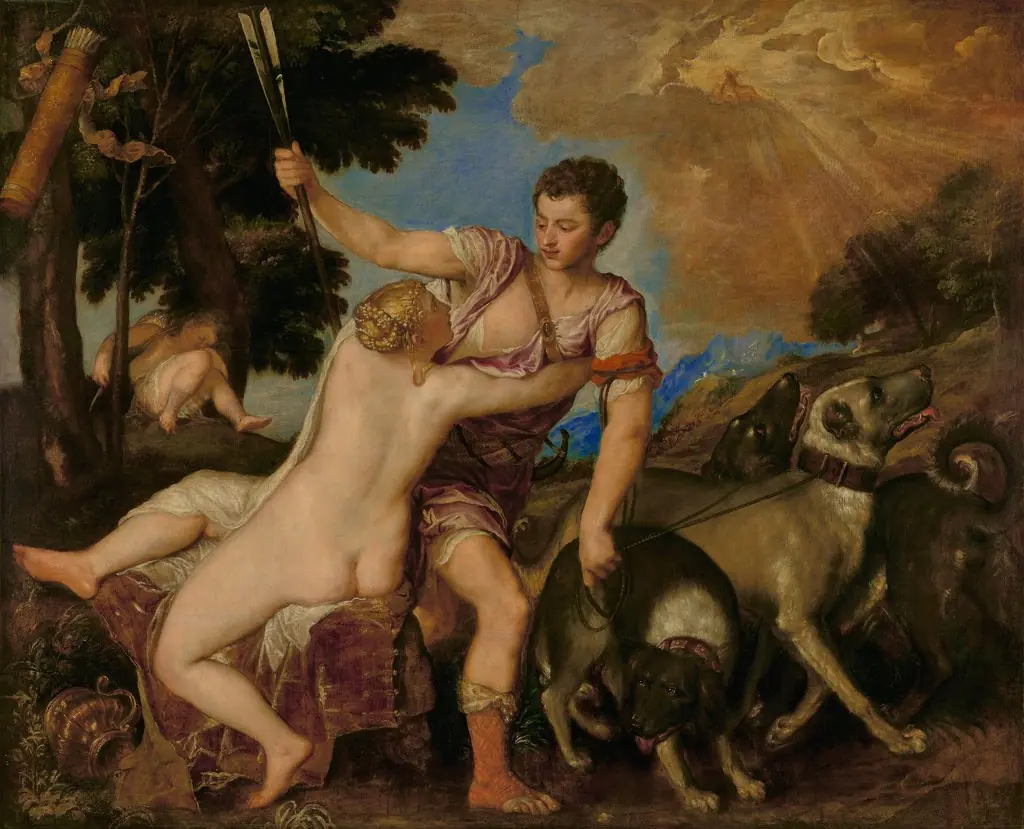
Venus, Adonis and Cupid is an oil painting by the Early Baroque Italian artist Annibale Carracci. It dates from 1598 and is held in the collection of the Kunsthistorisches Museum.
About this work
Technique & Style
Venus, Adonis and Cupid is executed in oil paint on a canvas support, a technique typical of late‑sixteenth‑century Italian painting.
Venus, Adonis and Cupid is executed in oil paint on a canvas support, a technique typical of late‑sixteenth‑century Italian painting. The work, dated to 1595, employs a layered oil medium to model the mythological figures, though the sources do not provide details about the artist’s handling, the painting’s current condition, or specific stylistic characteristics beyond its mythological genre. The canvas measures approximately 217 cm in height and 246 cm in overall width.
History & Provenance
The painting Venus, Adonis and Cupid is dated to 1595 and attributed to Annibale Carracci. It entered the collection of the Kunsthistorisches Museum in Vienna, where it remains in its holdings. The work’s subject derives from classical mythology, depicting the figures of Venus, Adonis, and Cupid.
Its dimensions are recorded as 217 cm in height and 246 cm in width, executed in oil on canvas.
The painting is held in the Kunsthistorisches Museum, Vienna, where it is inventoried as GG_94. It was painted circa 1595 and measures 217 cm in height and 246 cm in width. The work was included in the exhibition “The Age of Carracci: Baroque in Rome, 1590–1610,” held at the Museo di Capodimonte, Naples, and the Pinacoteca Nazionale, Bologna, in 2010–2011.
Overview
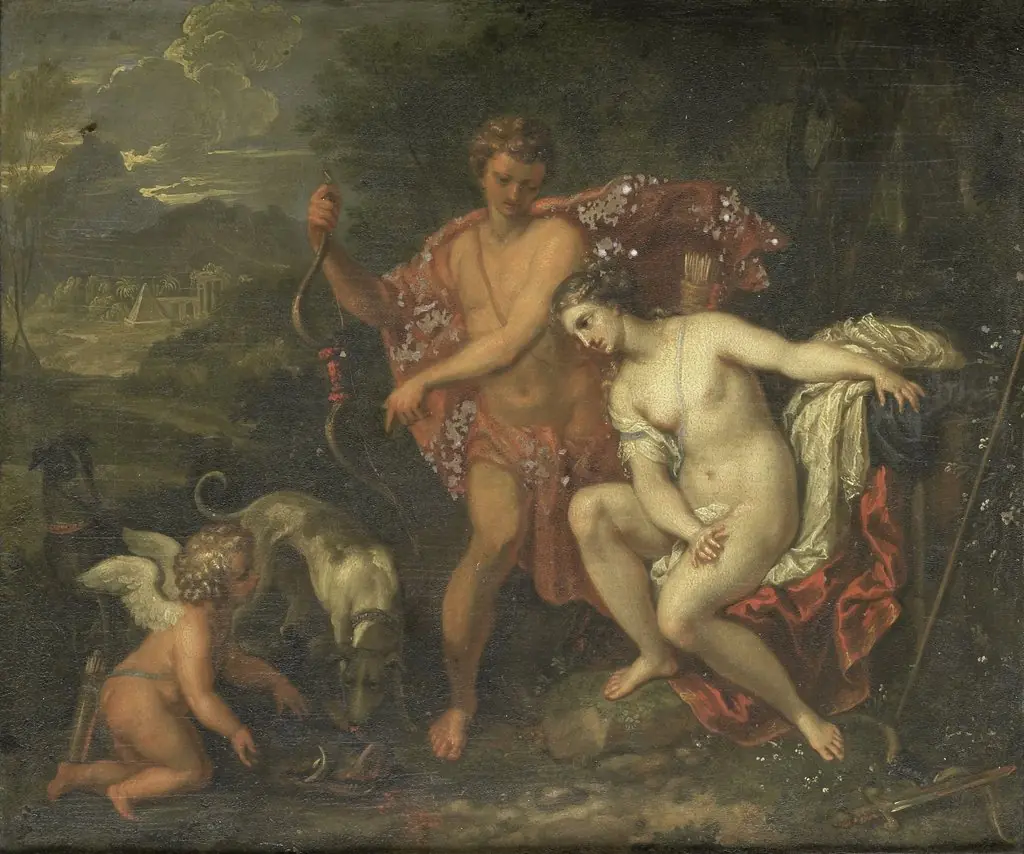
Annibale Carracci’s oil painting Venus, Adonis and Cupid dates to 1598. Executed during the early Baroque period, the work brings together the mythological lovers Venus and Adonis with the winged child Cupid, set within a tranquil landscape of trees, water and distant foliage.
Subject & Meaning
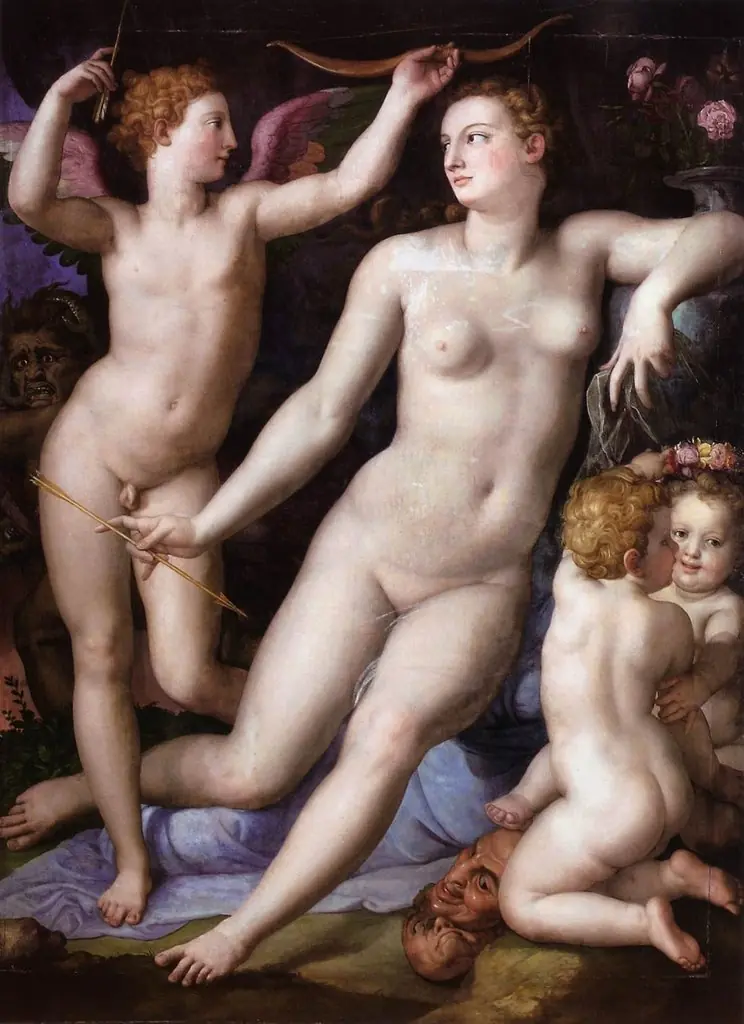
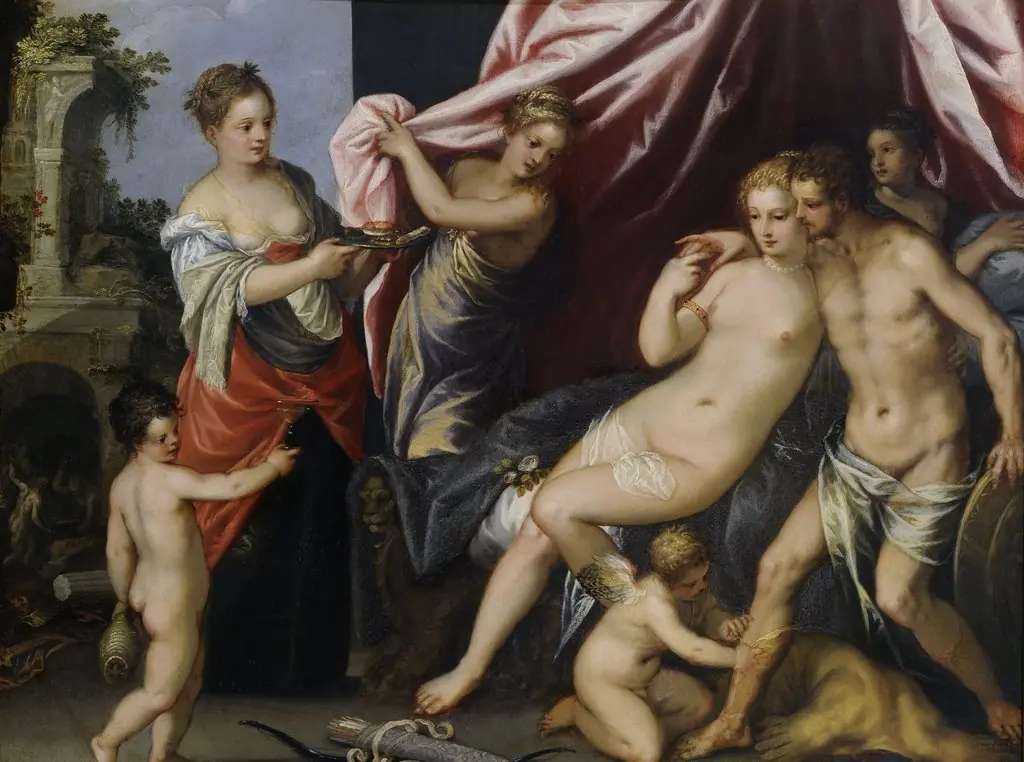
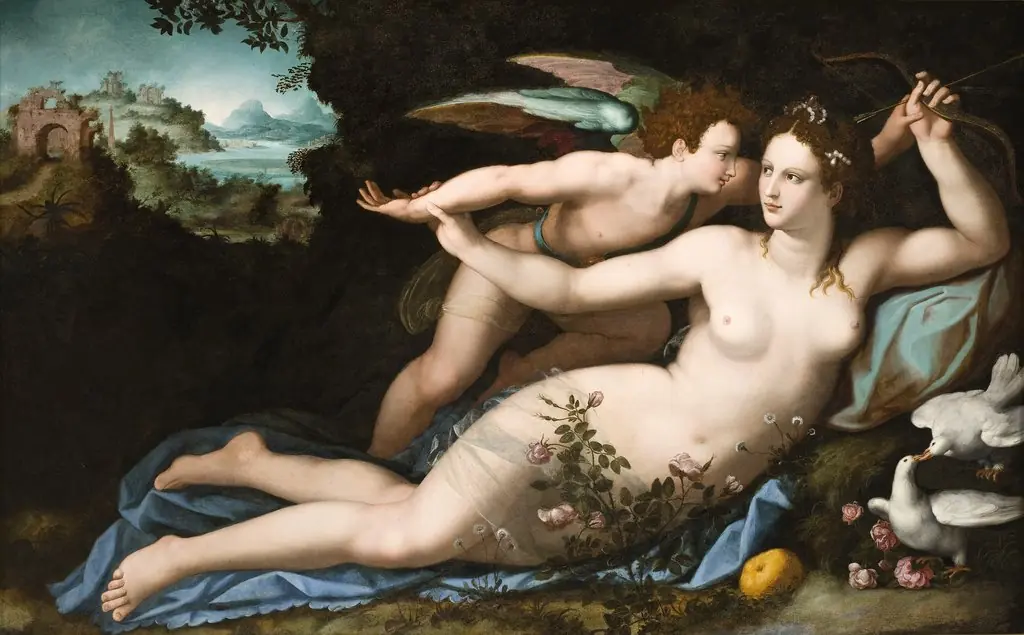
The composition presents a nude Venus on the left, holding a bow and arrow, accompanied by a small, also nude, winged Cupid. To the right stands a clothed Adonis, grasping a spear, while a dog appears behind him. The scene reflects the classical narrative of love and desire, emphasizing the interplay between divine attraction and mortal vulnerability.
Context
Created at the close of the 16th century, the work aligns with the period’s renewed fascination with antiquity and mythological subjects. Carracci’s approach merges the compositional balance of the High Renaissance with the emerging vigor of Baroque art, reflecting the transitional aesthetic of his workshop’s output.
Own this work as a print
Artist & collection
Artist
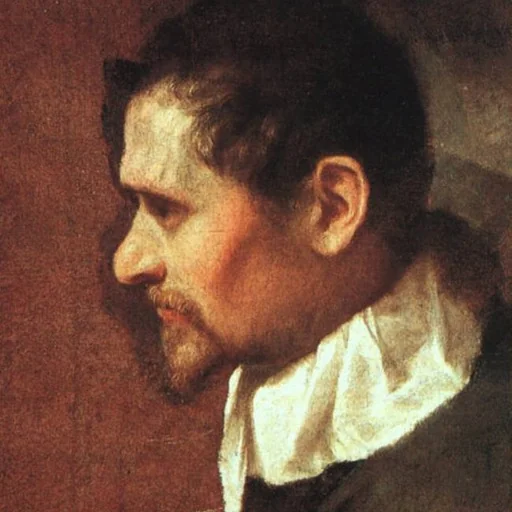
Annibale Carracci ( kə-RAH-chee, UK also kə-RATCH-ee, Italian:; November 3, 1560 – July 15, 1609) was an Italian painter and instructor, active in Bologna and later in Rome.