Artwork
Garden for Solitary Enjoyment

Garden for Solitary Enjoyment is an unspecified painting by the Chinese Orthodox School artist Qiu Ying. It dates from 1533 and is held in the collection of the Cleveland Museum of Art.
About this work
Subject & Meaning
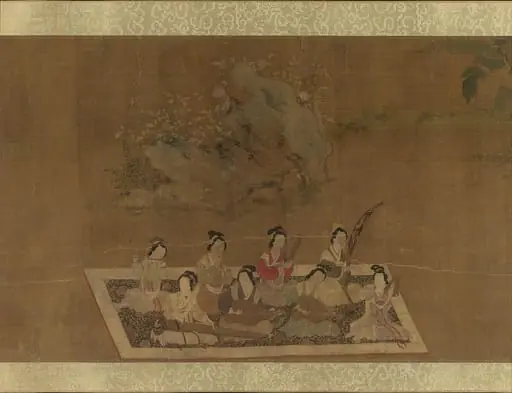
The painting depicts a tranquil private garden scene meant for personal contemplation, embodying the Daoist ideal of solitary retreat and scholarly refinement.
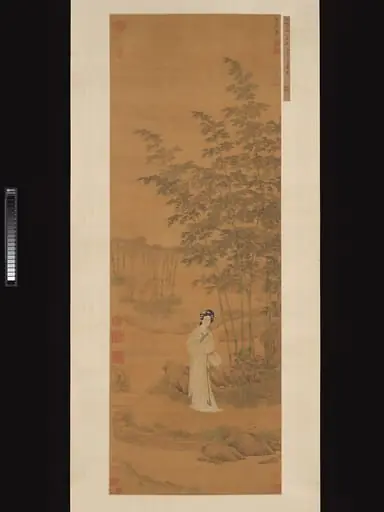
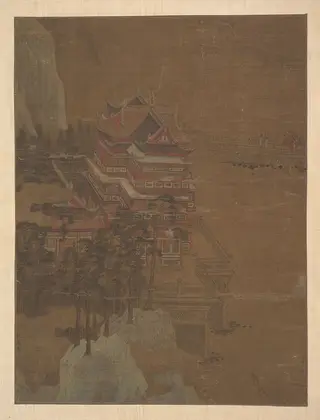
The painting depicts a tranquil private garden scene meant for personal contemplation, embodying the Daoist ideal of solitary retreat and scholarly refinement. It shows a winding path, a pavilion, and delicate flora arranged to invite quiet reflection, symbolizing harmony between humanity and nature. The composition reflects the literati practice of creating intimate spaces for self-cultivation, where the artist invites the viewer to share in a meditative escape from worldly concerns.
This work offers insight into Ming‑dynasty elite culture, illustrating how gardens served as personal sanctuaries for artistic and philosophical pursuits.
The subject is a secluded garden setting that embodies Daoist principles of harmony, balance, and the pursuit of inner peace, representing a symbolic retreat from public life into contemplative solitude. The winding path and pavilion are visual metaphors for the journey toward spiritual clarity, while the carefully placed rocks and water features signify the interplay of natural elements in creating an idealized, harmonious environment. Together, these motifs convey themes of renewal, introspection, and the unity of humanity with the natural world.
History & Provenance
Garden for Solitary Enjoyment is a painting created by the Ming dynasty artist Qiu Ying in 1533, likely in China. The work entered the Cleveland Museum of Art in 1978, receiving the accession number 1978.67, and remains part of the museum’s permanent collection. Qiu Ying, active from 1494 to 1552, produced the piece during his mature period. No earlier ownership records, commission details, or subsequent provenance information are documented in the available sources.
Garden for Solitary Enjoyment is held in the collection of the Cleveland Museum of Art, where it is identified by the inventory number 1978.67. Painted by Qiu Ying in 1533, the work was created in China and entered the museum's holdings as part of its collection of Chinese paintings. The Cleveland Museum of Art is the institution of record for this piece.
No specific exhibition history is documented in the available sources beyond its presence in the Cleveland Museum of Art's collection.
Context
Garden for Solitary Enjoyment (1533) by Ming dynasty painter Qiu Ying exemplifies literati sensibilities through its intimate depiction of private contemplation, reflecting broader scholarly traditions while establishing a distinct contribution to Chinese painting.
The work's reception within Ming artistic discourse emphasized its refined composition and subtle symbolism, positioning it within contemporaneous debates about scholarly versus courtly aesthetics. Contemporary scholarship situates this painting within Qiu Ying's oeuvre as a representative example of literati-inflected landscape tradition, distinct from imperial patronage models yet deeply embedded in Ming dynasty cultural discourse.
Its placement in the Cleveland Museum of Art collection since 1978 provides modern scholarly access to examine how Ming painting traditions influenced later developments in Chinese art, though specific exhibition histories remain undocumented in available sources.
Overview
Garden for Solitary Enjoyment, painted by the Ming‑period artist Qiu Ying in 1533, is a small landscape executed on silk. The work is part of the collection of the Cleveland Museum of Art, where it is displayed among other examples of Chinese court painting.
Technique & Style
Qiu Ying employs a refined palette of muted greens, browns and blues to model atmospheric depth. Fine, controlled brushstrokes render foliage and stone with delicate texture, while subtle washes suggest misty distance. The balance of line and color exemplifies the literati aesthetic that prized elegance and restraint.

Artist & collection



- Ten Thousand Li of the Yangzi
 Garden for Solitary Enjoyment
 Sketch Copy of Natural Disasters, from the Seven Fortunes and Misfortunes
 Sketch Copy of Natural Disasters, from the Seven Fortunes and Misfortunes
 The Illustrated Miraculous Origins of the Yūzū Nenbutsu School
 Untitled
 Portrait of a Man
 Ehrenbreitstein to Coblenz, No. 1
 The Killing of Three Warriors with Two Peaches
 Untitled
 Untitled
 The Illustrated Tale of Oishi Hyōroku