Artwork
Rem-Altar: Der hl. Rochus mit dem Engel (Rückseite: Hl. Anna Selbdritt)
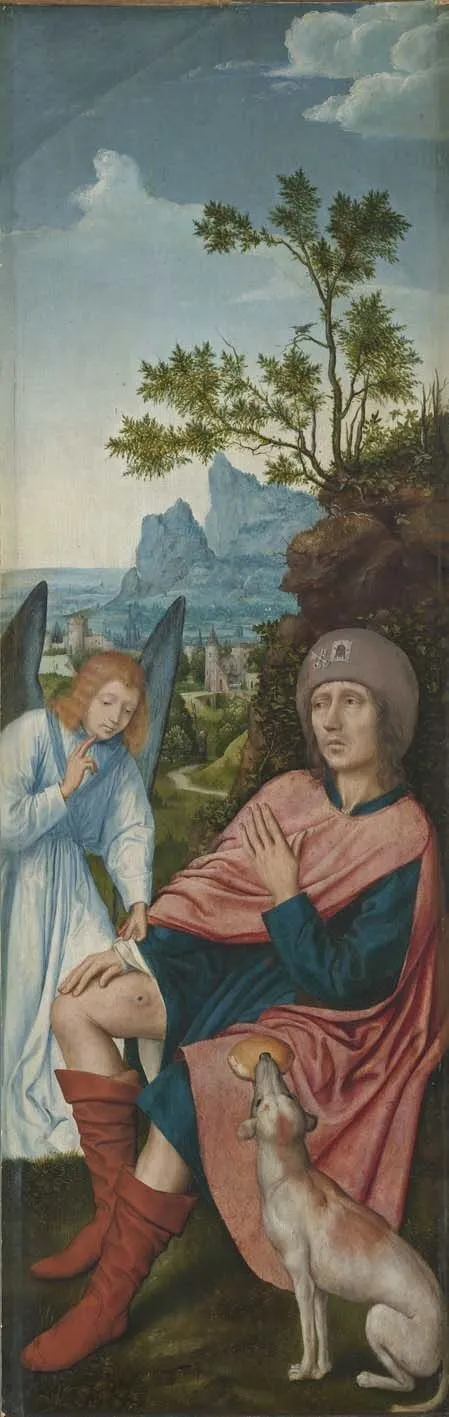
Rem-Altar: Der hl. Rochus mit dem Engel (Rückseite: Hl. Anna Selbdritt) is an oil painting by the Northern Renaissance artist Quinten Metsys. It dates from 1518 and is held in the collection of the Bavarian State Painting Collections. Rem-Altar: Der hl.
About this work
Subject & Meaning
The work portrays Saint Roch accompanied by an angel, while the reverse side depicts Saint Anna with the Virgin and Child, creating a dual devotional program centered on intercessory saints. The iconography emphasizes Roch's role as a protector against plague and Anna's association with maternal lineage, reflecting late medieval devotional practices focused on familial and communal protection. This pairing underscores theological themes of divine mercy and earthly intercession, aligning with early 16th-century Netherlandish religious art intended for private contemplation.
Technique & Style
Anna Selbdritt, indicating that the panel was painted on both sides, a common practice for movable altarpiece wings designed to be viewed from multiple angles.
The work is executed in oil paint on panel, a support combination characteristic of early sixteenth-century Netherlandish devotional painting. The narrow vertical format, measuring 89.9 cm in height by 28.7 cm in width, is consistent with a wing panel intended for a small altarpiece or shrine. The reverse carries a secondary devotional image, Hl.
Anna Selbdritt, indicating that the panel was painted on both sides, a common practice for movable altarpiece wings designed to be viewed from multiple angles.
Stylistically, the religious genre treatment and the inclusion of Saint Rochus accompanied by an angel reflect the iconographic conventions of early Netherlandish sacred imagery, with the elongated panel proportions supporting a single standing figure composition.
History & Provenance
The painting Rem-Altar: Der hl. Rochus mit dem Engel (Rückseite: Hl. Anna Selbdritt) is held in the Bavarian State Painting Collections, where it is catalogued under the inventory number 2862. It has been displayed in the permanent exhibition of the Alte Pinakothek in Munich, forming part of the museum’s early Netherlandish religious works presentation.
Context
Quinten Metsys created this work in 1518 as part of his mature period, when he specialized in large-scale religious panels for devotional settings. The double-sided altarpiece combines the front depiction of Saint Roch with the reverse showing Saint Anna Selbdritt, reflecting late medieval iconographic programs focused on familial holiness and protective intercession. Art historians view it as a significant example of early Netherlandish naturalism, particularly in its rendering of drapery and facial expression, while its technical execution demonstrates the growing sophistication of oil painting in Antwerp around 1500-1520.
The composition situates Metsys within the broader transition from Gothic stylization toward more naturalistic observation characteristic of Northern Renaissance art, though scholarly debate continues regarding the precise influence of Italian Renaissance elements in his work during this timeframe.
Overview
Rem-Altar: Der hl. Rochus mit dem Engel (Rückseite: Hl. Anna Selbdritt) is a dual-panel oil painting created in 1518 by Quentin Matsys, a prominent figure in the Early Netherlandish tradition and founder of the Antwerp school of painting.
Legacy
Rem-Altar contributes to Matsys' legacy as a founder of the Antwerp school, impacting subsequent generations of Flemish painters with its blend of religious narrative and detailed realism.
Artist & collection
Artist
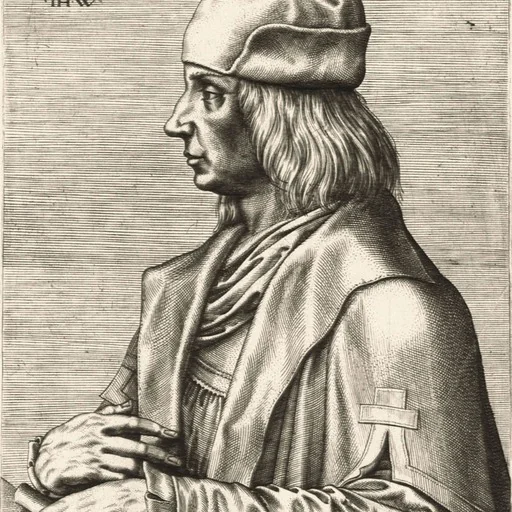
Quentin Matsys (UK: MAT-sysse, US: MAHT-sysse; also Massys or Metsys; Flemish: Quinten Matsijs; 1466–1530) was a Flemish painter in the Early Netherlandish tradition.

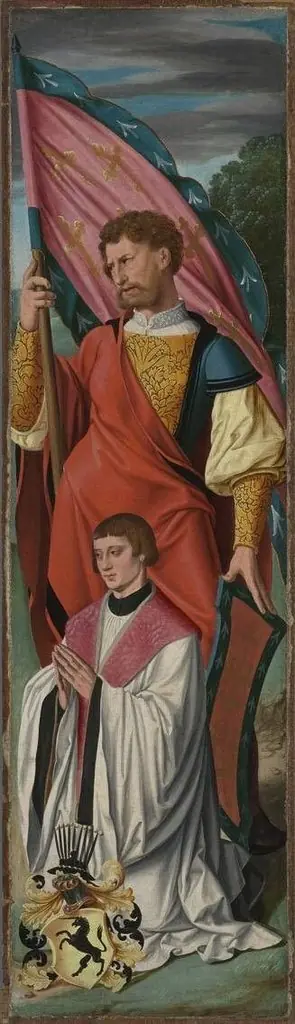
- Beweinungsaltar: Ein Heiliger mit dem Stifter Bernhard (?) von Huchtenbroich
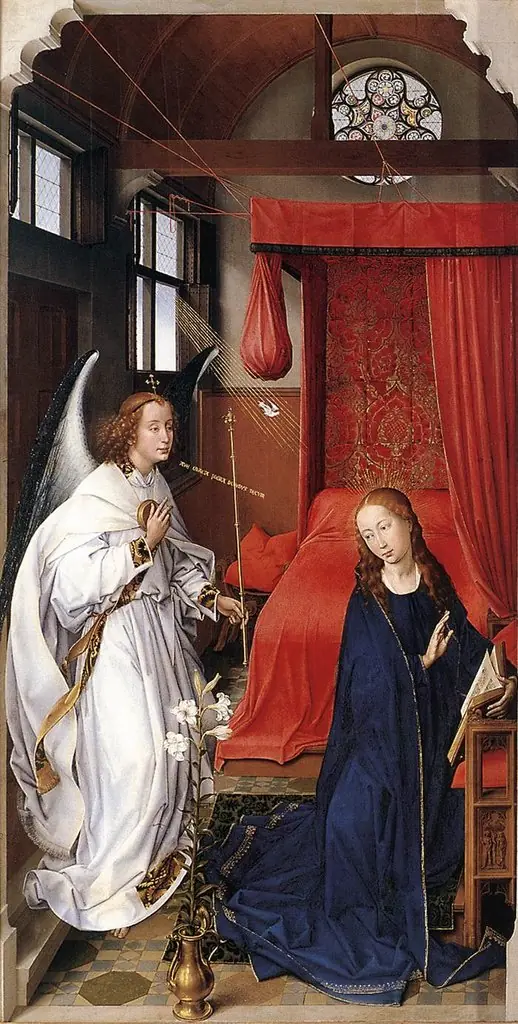 St Columba altarpiece: Annunciation
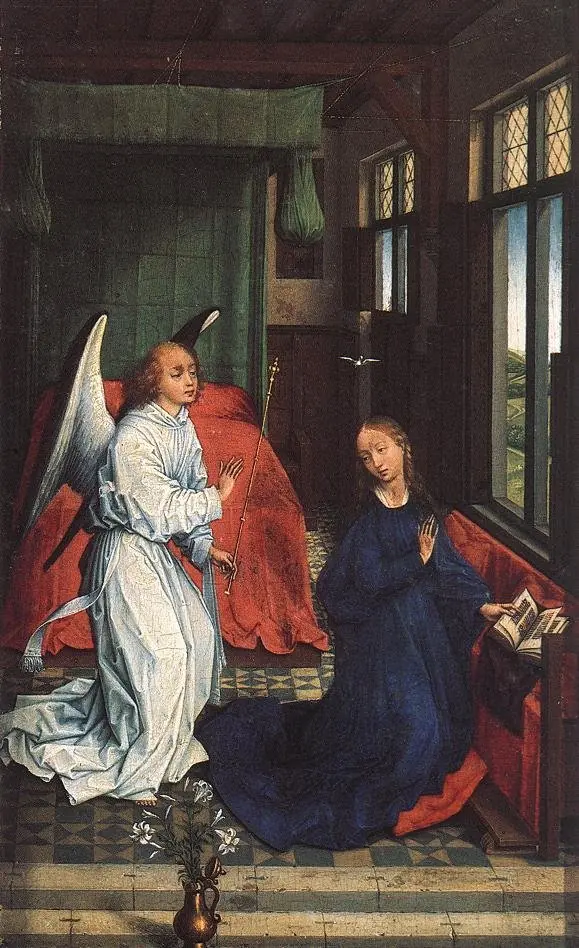 The Annunciation
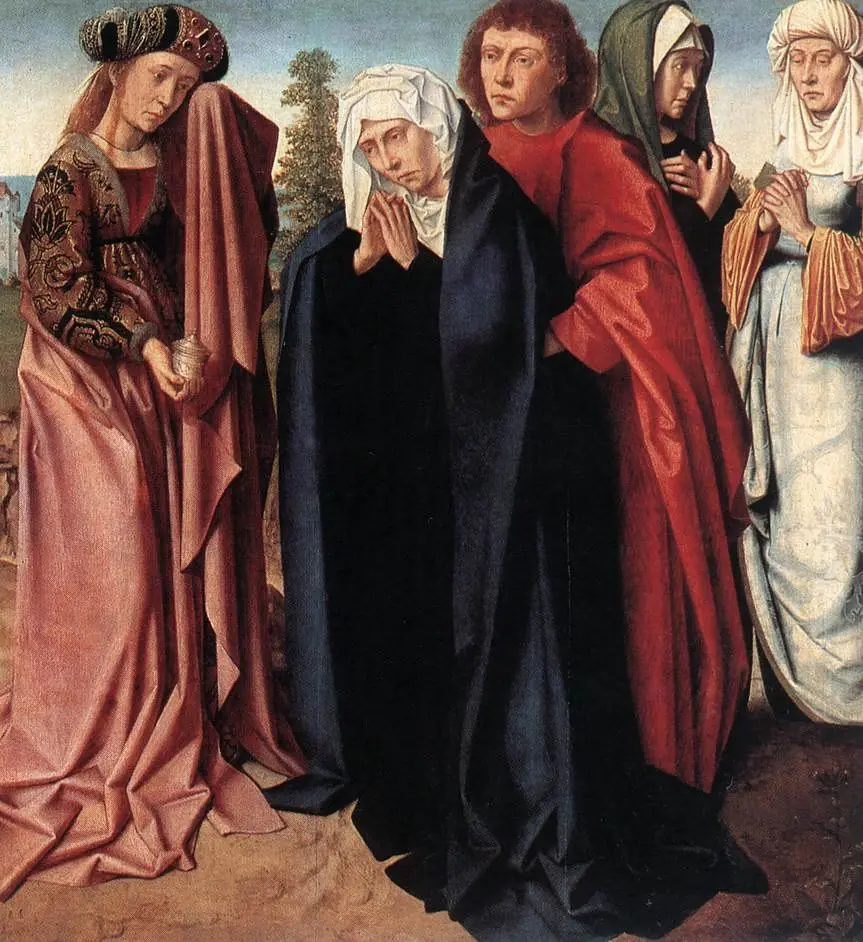 The Holy Women and Saint John at Golgotha
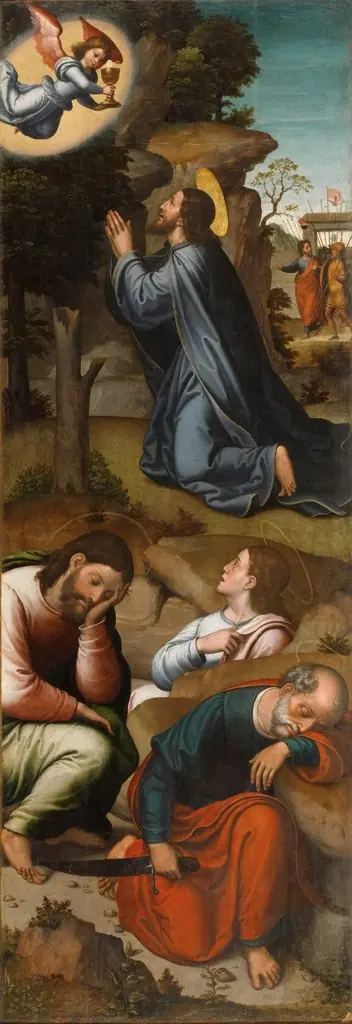 The Agony in the Garden
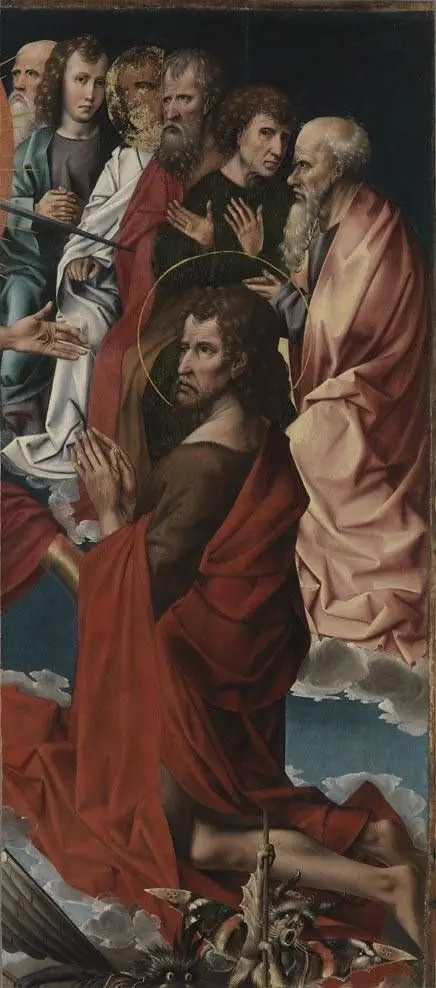 Last Judgement: Saint John the Baptist with six apostles
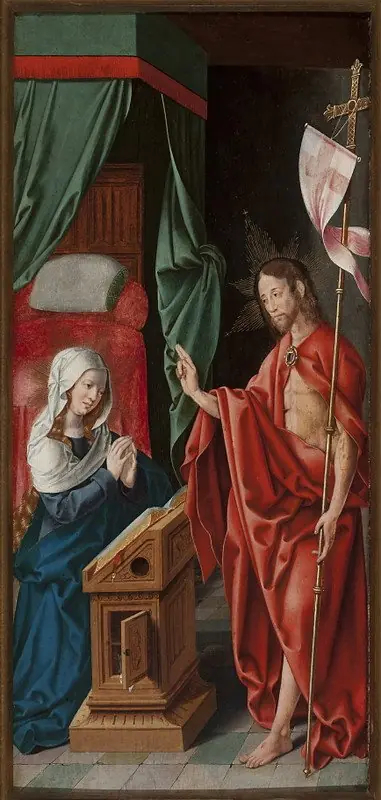 Christ appearing before Mary
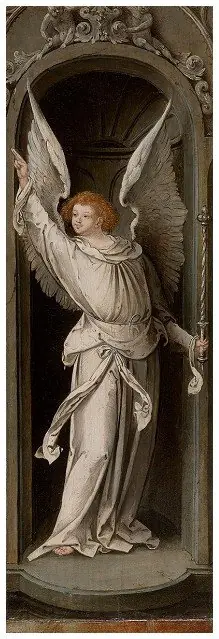 Annunciation (Angel)
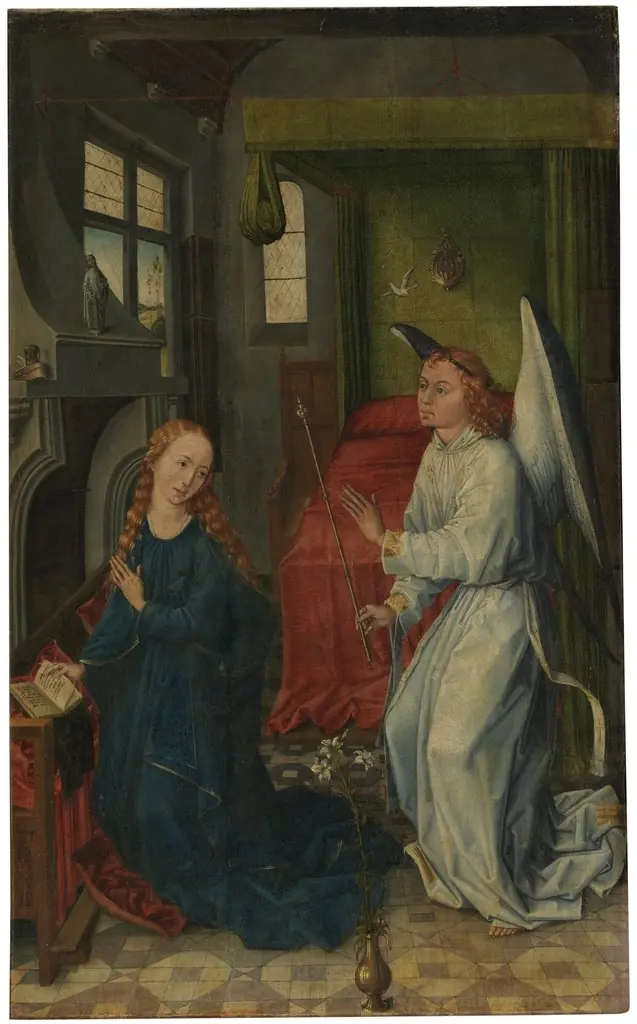 The Annunciation
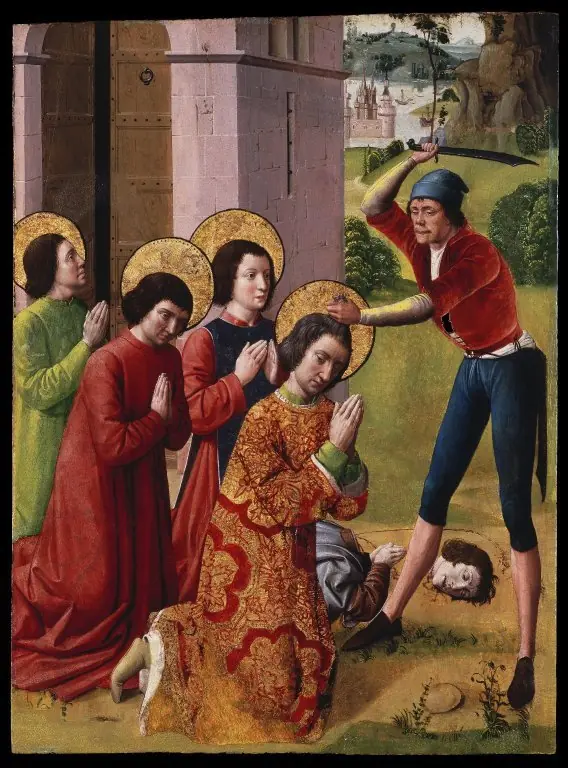 Martyrdom of Saints Cosmas and Damian with their Three Brothers, part of an altarpiece
 The Transfiguration
 The Rest on the Flight into Egypt