Artwork
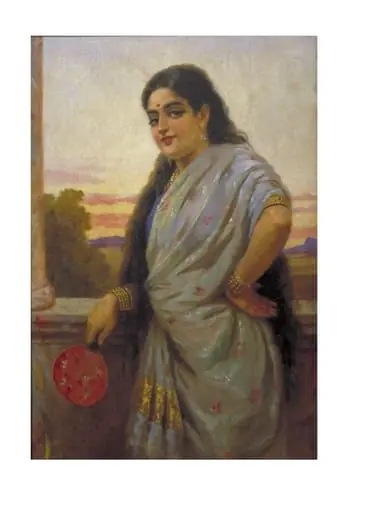
Woman Holding a Fan
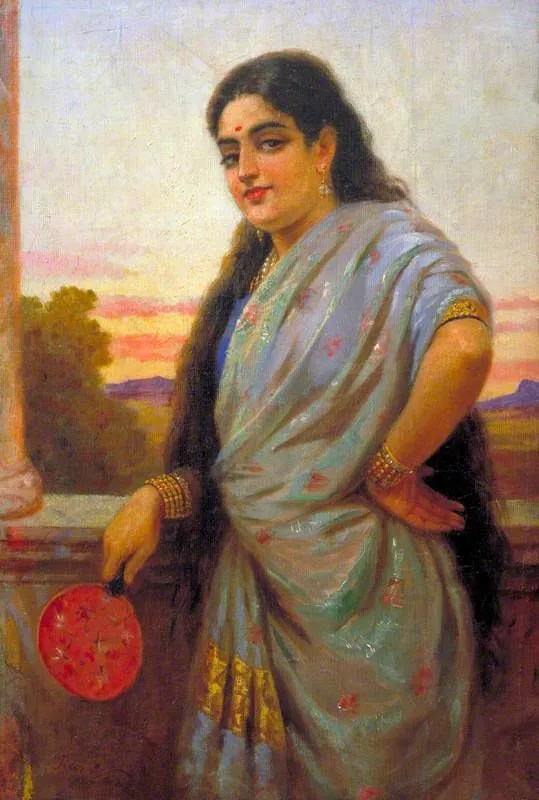
Woman Holding a Fan is an oil painting by the Realist artist Raja Ravi Varma. It dates from 1898 and is held in the collection of the Victoria and Albert Museum.
About this work
Overview
The painting is held in the Victoria and Albert Museum, London, where it was acquired in 1978 under accession number IS.
Woman Holding a Fan is an oil-on-canvas portrait painted by Raja Ravi Varma in 1895. Measuring 53.5 by 35.9 cm, the work depicts an Indian woman in a pale blue sari standing at a balustrade with a landscape behind her. The painting is held in the Victoria and Albert Museum, London, where it was acquired in 1978 under accession number IS.59-1978. The work exemplifies Varma's synthesis of European academic technique with Indian subject matter, a combination that established him as a pivotal figure in the development of modern Indian art and made him the first prominent Indian artist to work in oils.
Subject & Meaning
The central figure stands in three-quarter pose facing left, her body turned slightly toward the viewer. She wears a pale blue sari adorned with small red floral motifs and a gold border, with multiple gold bangles on both wrists, pendant earrings, a necklace, and a red bindi on her forehead. Her left hand holds a round red fan decorated with patterns, while her right hand rests on a carved stone balustrade. Behind her, a landscape stretches toward a horizon with pink and orange sky suggesting sunset, with a dark tree mass on the left and hazy purple hills in the distance. The fan she holds serves both as a practical accessory and a symbolic element, while the sunset landscape evokes a contemplative, perhaps melancholic mood. The overall composition positions the figure between interior and exterior spaces, suggesting themes of observation, waiting, or quiet introspection characteristic of Varma's portrayal of Indian womanhood.
Technique & Style
The painting is executed in oil on canvas, a medium Varma pioneered among Indian artists. The paint surface shows visible canvas weave, with smooth blended brushwork particularly evident in the flesh tones and drapery. Light falls from the upper left, illuminating her face and the folds of the sari, demonstrating Varma's mastery of European academic chiaroscuro. The overall palette combines warm ochres and cool blues with touches of gold and red, creating a harmonious balance between the figure and her surroundings. This technical approach reflects Varma's training in Western academic traditions, which he applied to Indian subjects. The handling of the sari's folds, the jewelry's metallic sheen, and the atmospheric perspective of the distant hills all demonstrate his skill in oil painting techniques learned through study of European masters.
History & Provenance
The work was painted circa 1895, with some sources suggesting a possible range of 1895-1900. The Victoria and Albert Museum purchased the painting in 1978, and it entered the collection under accession number IS.59-1978. The painting's provenance before this acquisition is not recorded in the available sources. As a public domain work, it has been reproduced photographically and made available through digital platforms including Google Arts & Culture and Wikimedia Commons. The work has been catalogued on Art UK, the online home for art in UK public collections, indicating its status as part of Britain's publicly accessible art heritage.
Context
Raja Ravi Varma, often called the Father of Modern Indian Art, was the first prominent Indian artist to use oil paints and to marry European techniques with Indian sensibilities. Working in the late nineteenth century, he created portraits of contemporary Indian life as well as figures from Indian epics and folklore. This portrait belongs to his body of work depicting Indian women in contemporary or idealized settings, rendered with the technical polish of European academic painting. The Victoria and Albert Museum's acquisition of this work reflects the international recognition of Varma's significance in art history. The painting's presence in a major British museum also speaks to the complex colonial context in which Varma worked, as an Indian artist trained in and working with European methods whose work was subsequently collected by imperial institutions.
Legacy
Woman Holding a Fan has become one of Varma's widely recognized images, circulating through commercial reproductions that attest to its enduring popular appeal. The painting is reproduced as prints and posters by commercial vendors, indicating its function as a canonical image of Indian art in popular visual culture. These reproductions, often marketed for home decoration, demonstrate how Varma's work has been absorbed into contemporary Indian visual culture as a marker of aesthetic refinement and cultural identity. The work's reproduction and circulation through digital platforms and commercial print markets has extended its reach far beyond museum walls, making it a touchstone image for understanding both Varma's individual achievement and the broader trajectory of Indian painting in the modern period.
Artist & collection
Artist
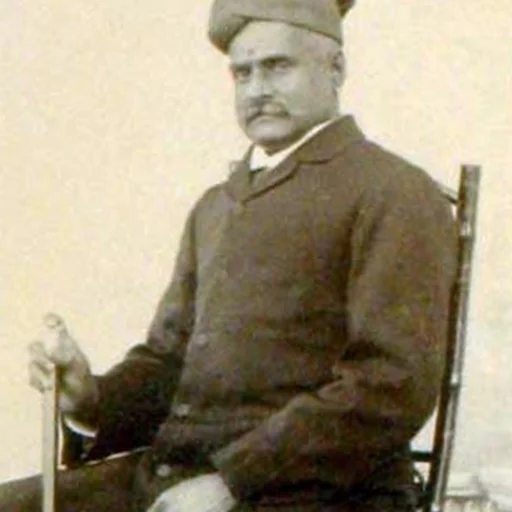
Raja Ravi Varma (Malayalam: ) (29 April 1848 – 2 October 1906) was an Indian painter.

- Untitled
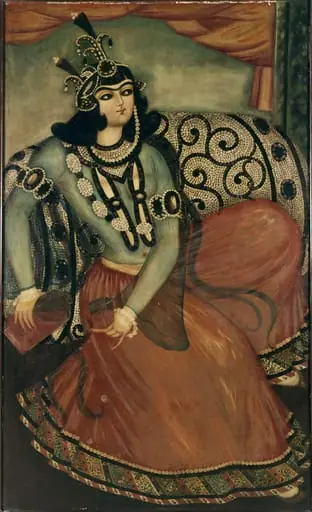 Seated Woman Pouring Wine
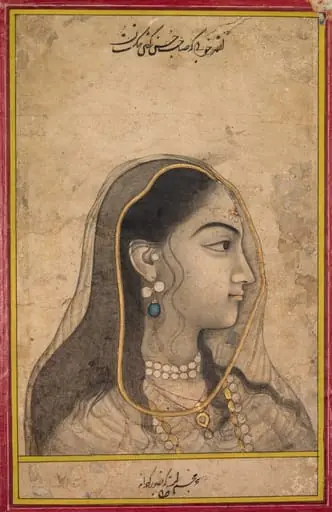 Head of a Beauty
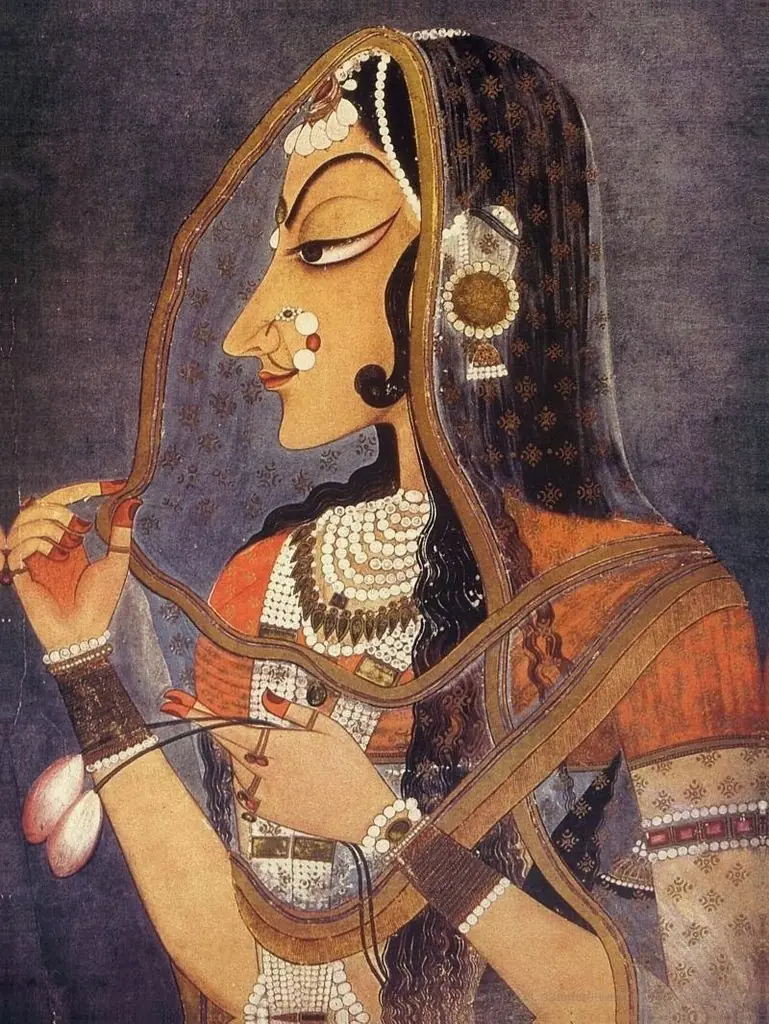 Bani Thani
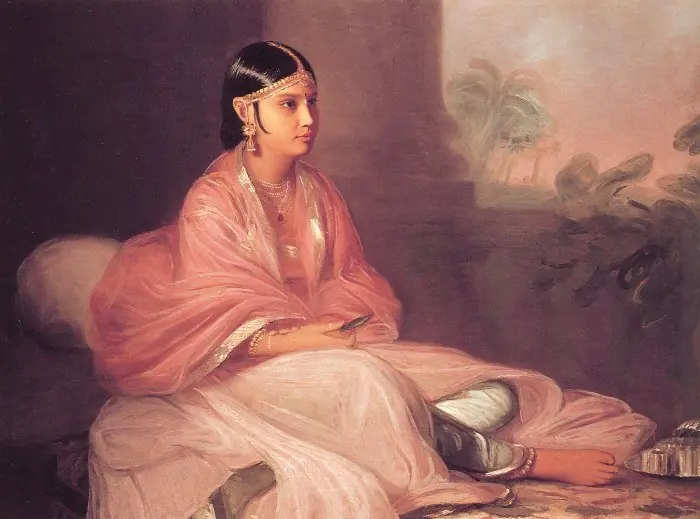 An Indian Lady, perhaps 'Jemdanee', Bibi of William Hickey
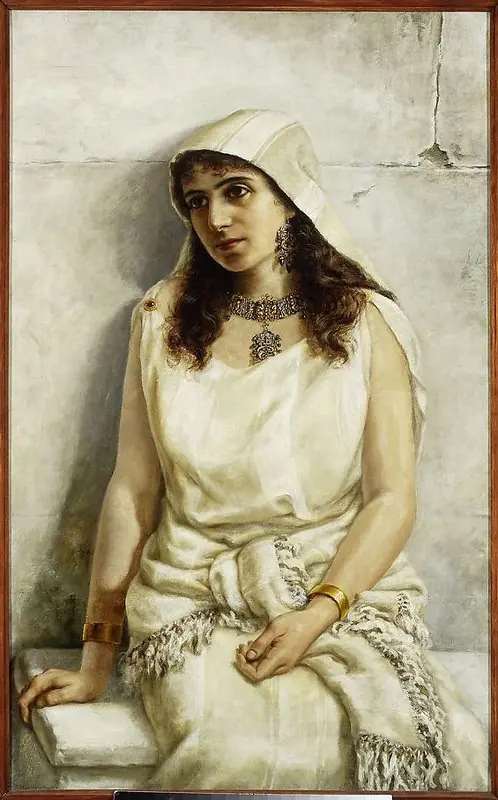 Portrait of a woman
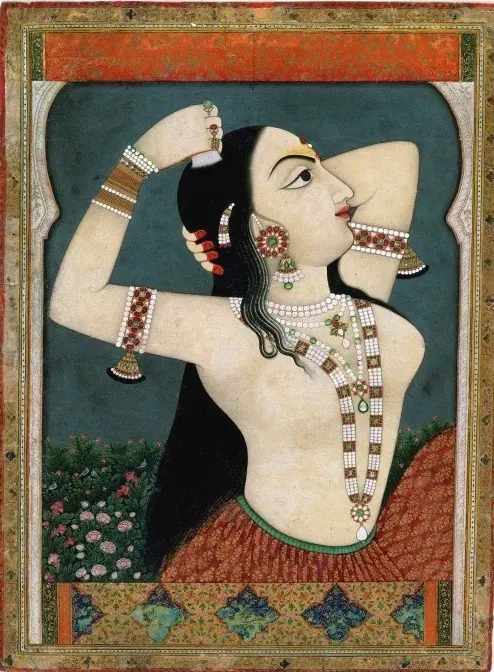 A lady combing her hair
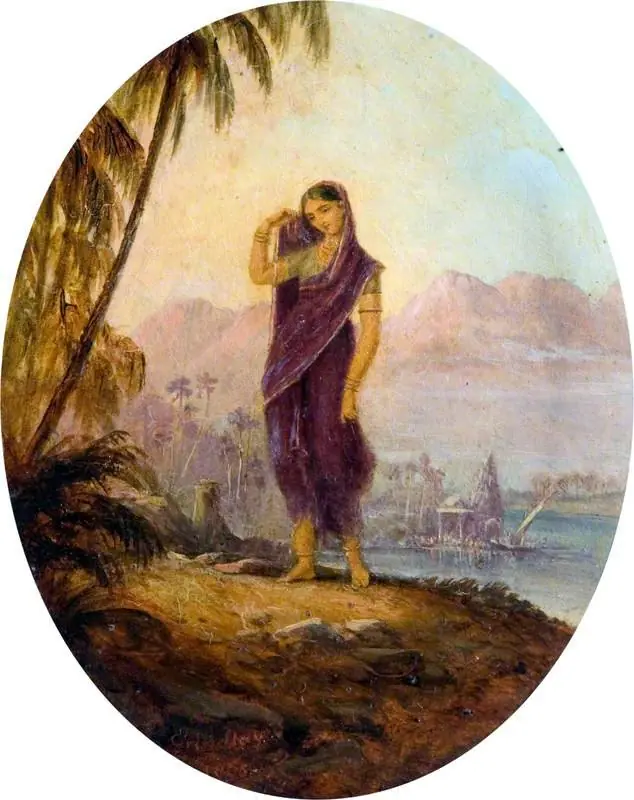 A Hindoo Female of the Deccan and Concane
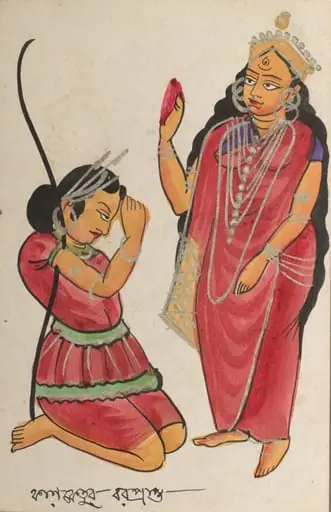 Kalaketu Receiving a Boon from the Goddess Chandi
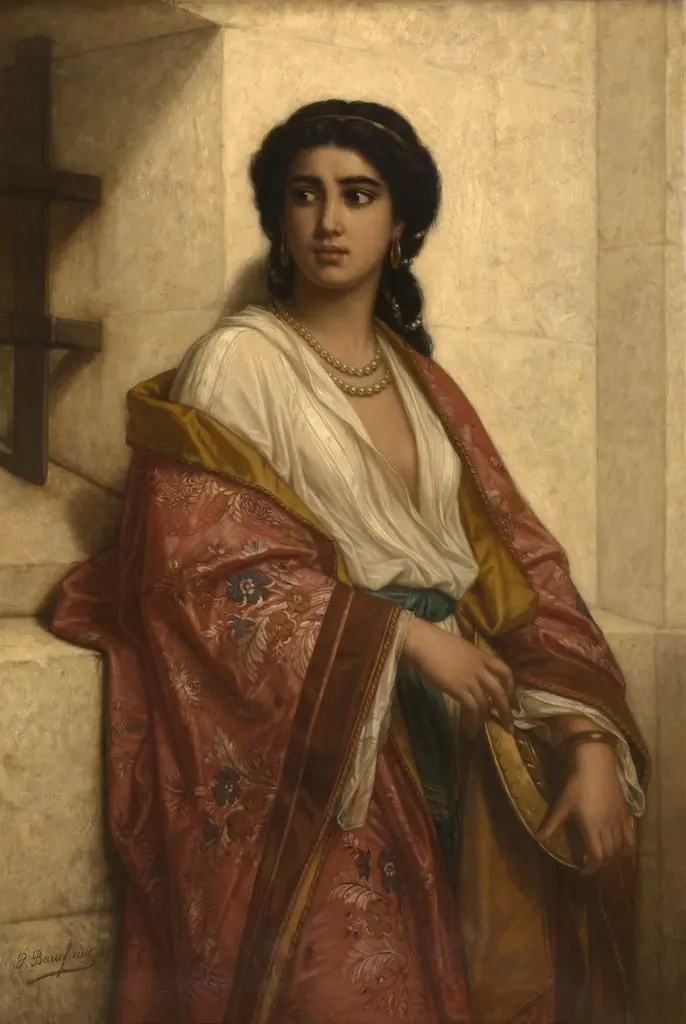 Salome Watching the Beheading of John the Bapitist
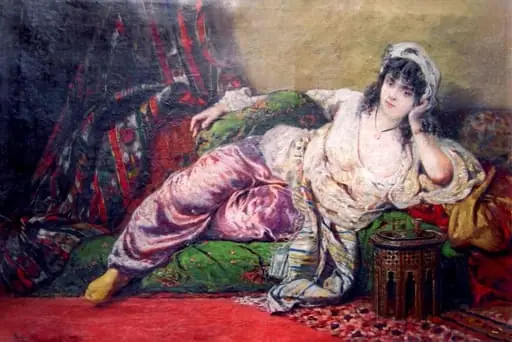 Odaliscă
 Woman playing a <i>kamānchah</i>