Artwork
A Young Woman as a Shepherdess ("Saskia as Flora")
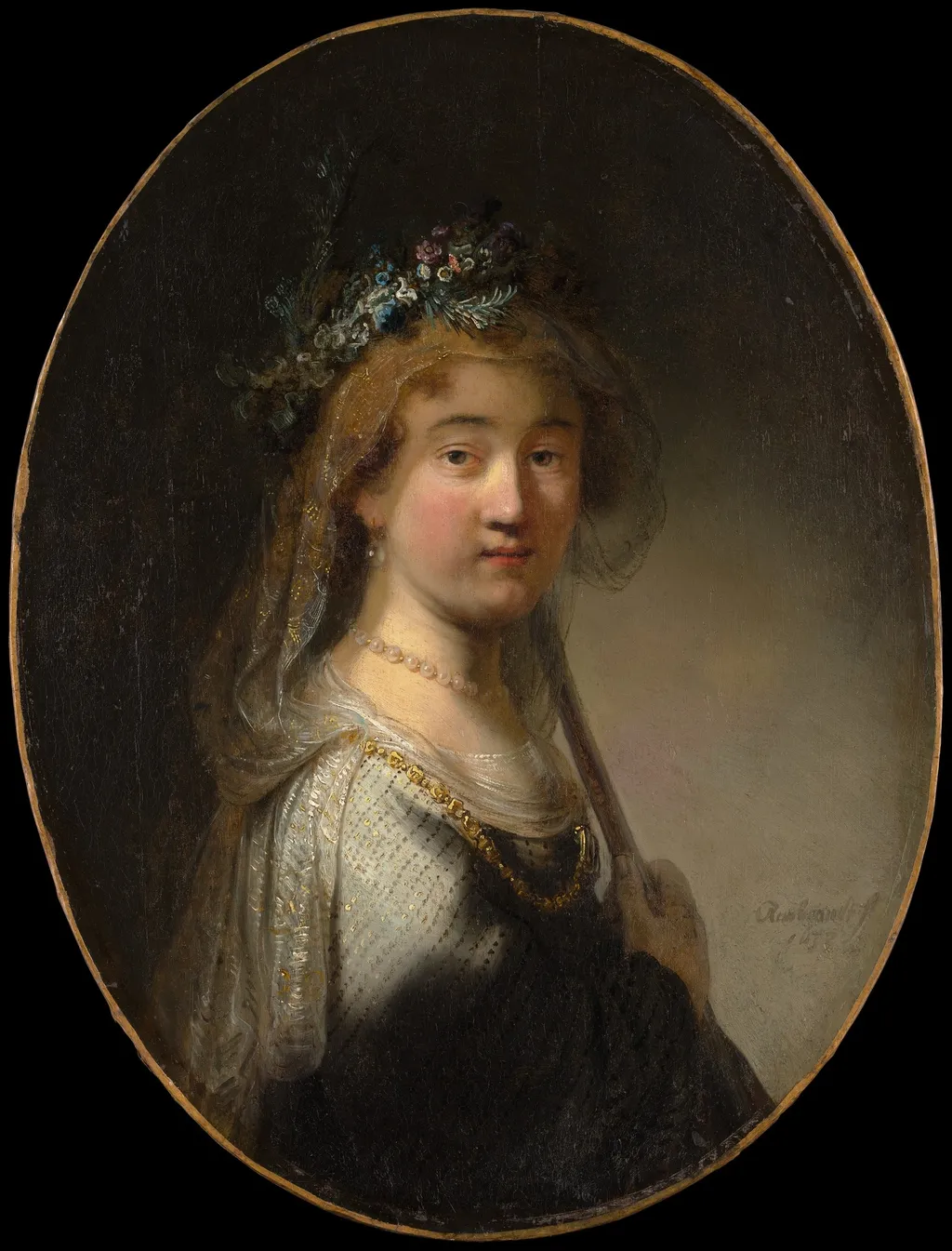
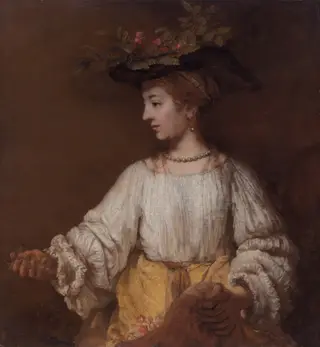
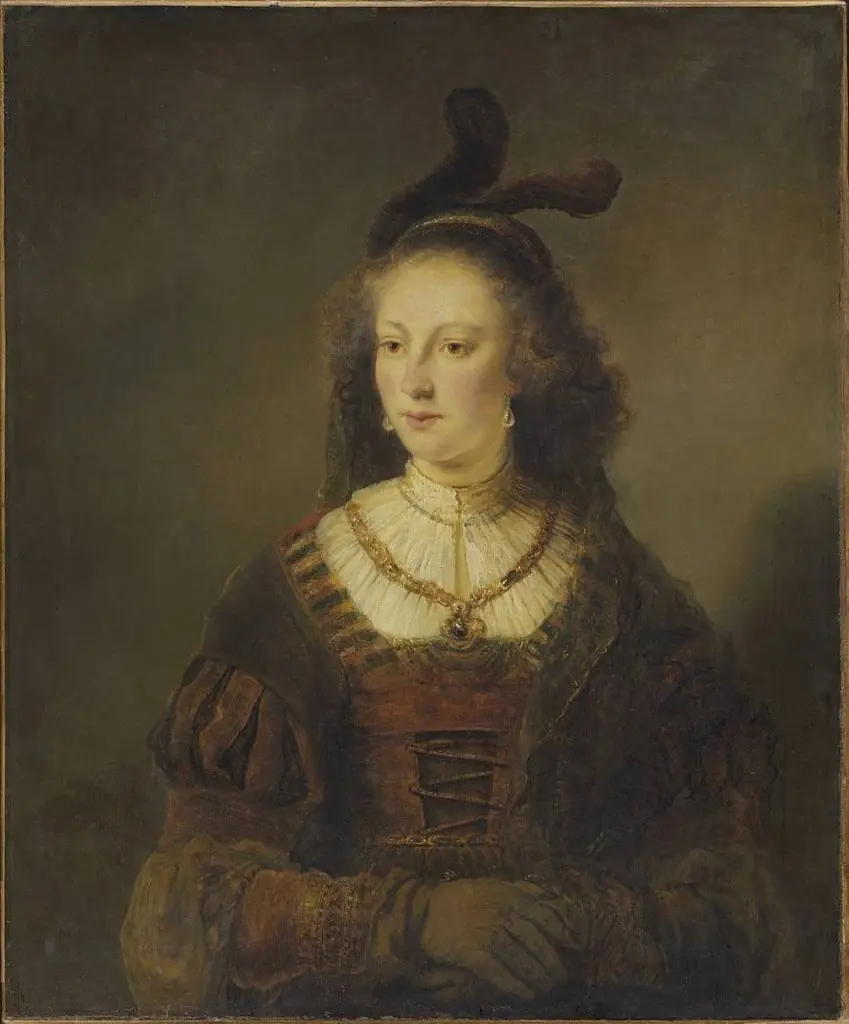
A Young Woman as a Shepherdess ("Saskia as Flora") is an oil painting by the Dutch Golden Age artist Rembrandt van Rijn. It dates from 1650 and is held in the collection of the Metropolitan Museum of Art.
About this work
Subject & Meaning
The painting functions as a tronie, a genre focusing on character study or exaggerated expression, yet it retains the intimate qualities of a formal portrait.
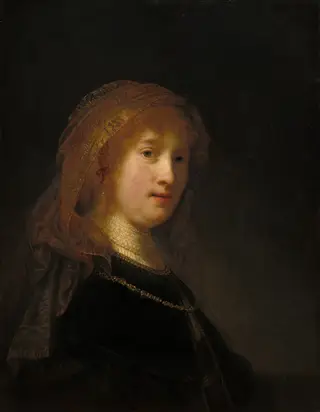
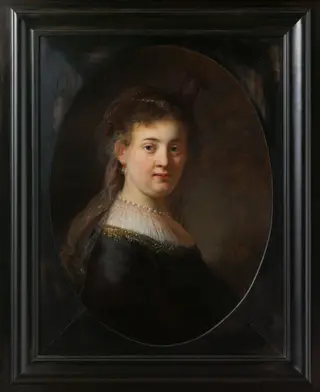
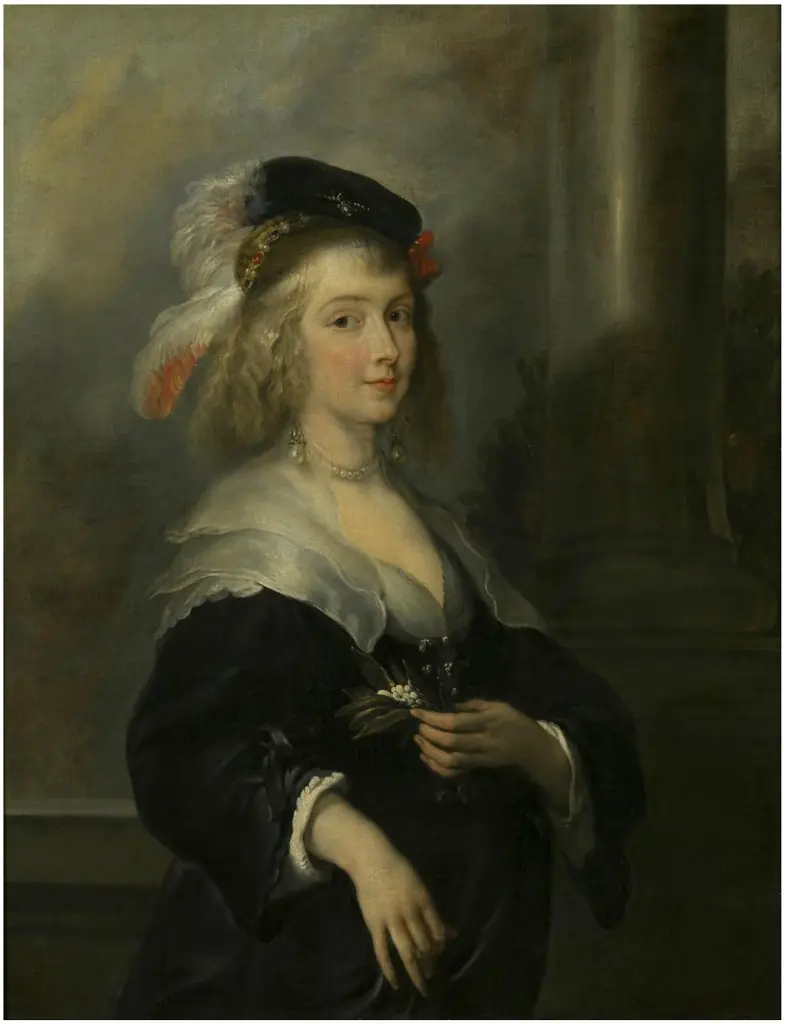
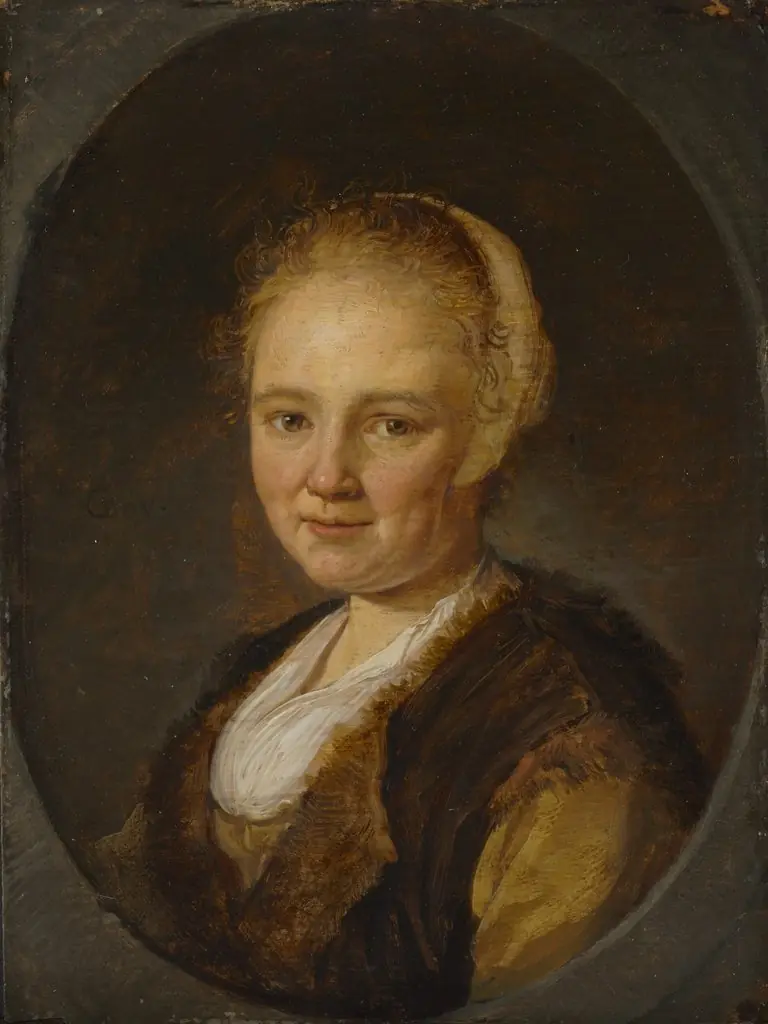
The work depicts a woman identified as Saskia van Uylenburgh, Rembrandt's wife, portrayed in the guise of Flora, the Roman goddess of spring and flowers. This representation merges a specific portrait with mythological iconography, presenting the sitter not merely as a shepherdess but as a divine figure associated with fertility and renewal. The painting functions as a tronie, a genre focusing on character study or exaggerated expression, yet it retains the intimate qualities of a formal portrait.
By casting Saskia as Flora, the artist imbues the image with symbolic meaning regarding beauty, vitality, and perhaps a memorialization of the sitter within a classical framework. The visual narrative relies on the viewer's recognition of the allegorical costume to elevate the domestic subject into a timeless mythological context.
Technique & Style
Executed in 1650, this work is an oil painting on canvas support. The piece measures 66.7 cm in height and 50.5 cm in width. Stylistically, it functions as a tronie, a genre study focusing on facial expression and character rather than a formal commissioned portrait.
The composition depicts a young woman costumed as the mythological figure Flora, identified in tradition as Saskia van Uylenburgh. Attribution for the work varies between Rembrandt and his pupil Govert Flinck, reflecting shared stylistic approaches within the workshop during this period. The handling of the oil medium allows for the textural rendering of the shepherdess attire and floral attributes characteristic of the Flora iconography.
History & Provenance
A Young Woman as a Shepherdess ("Saskia as Flora") is an oil on canvas painting dated to 1650. The work is attributed to Rembrandt van Rijn, with some records noting collaboration or influence from Govert Flinck. It portrays Saskia van Uylenburgh as the personified Flora and belongs to the tronie genre.
The painting measures 66.7 × 50.5 cm and has been part of the Metropolitan Museum of Art's collection since its acquisition, remaining on display in New York. Its early provenance is not detailed in the available documentation.
A Young Woman as a Shepherdess ("Saskia as Flora") is held in the collection of the Metropolitan Museum of Art. The painting, executed in oil on canvas and dated 1650, is part of that institution's holdings as documented in Wikidata records. Beyond its current location at the Metropolitan Museum of Art, no specific accession number or prior exhibition history is documented in the available sources.
Context
The 1650 oil on canvas titled A Young Woman as a Shepherdess, also known as Saskia as Flora, is recorded in the Metropolitan Museum of Art collection and is classified both as a portrait and as a tronie, a genre emphasizing character study over specific likeness. Rembrandt’s depiction of Saskia in idealized shepherdess attire reflects his late interest in theatrical costume and psychological presence, situating the work within his broader exploration of portraiture that blends realism with allegorical suggestion. Scholars have highlighted the painting’s role in illustrating Rembrandt’s synthesis of portrait tradition and inventive composition, marking a transitional phase toward more intimate, study‑oriented works.
Overview
Rembrandt Harmenszoon van Rijn's A Young Woman as a Shepherdess ("Saskia as Flora"), an oil painting created around 1650, portrays his wife, Saskia van Uylenburgh. She is depicted in the guise of Flora, the Roman goddess of spring. This work exemplifies the artist's engagement with diverse themes and technical approaches during the Dutch Golden Age. The painting is currently housed in the collection of The Metropolitan Museum of Art.
Own this work as a print
Artist & collection

Artist
Rembrandt Harmenszoon van Rijn, known mononymously as Rembrandt, was a Dutch Golden Age painter, printmaker, and draughtsman.