Artwork
Portrait of a Woman with Gloves
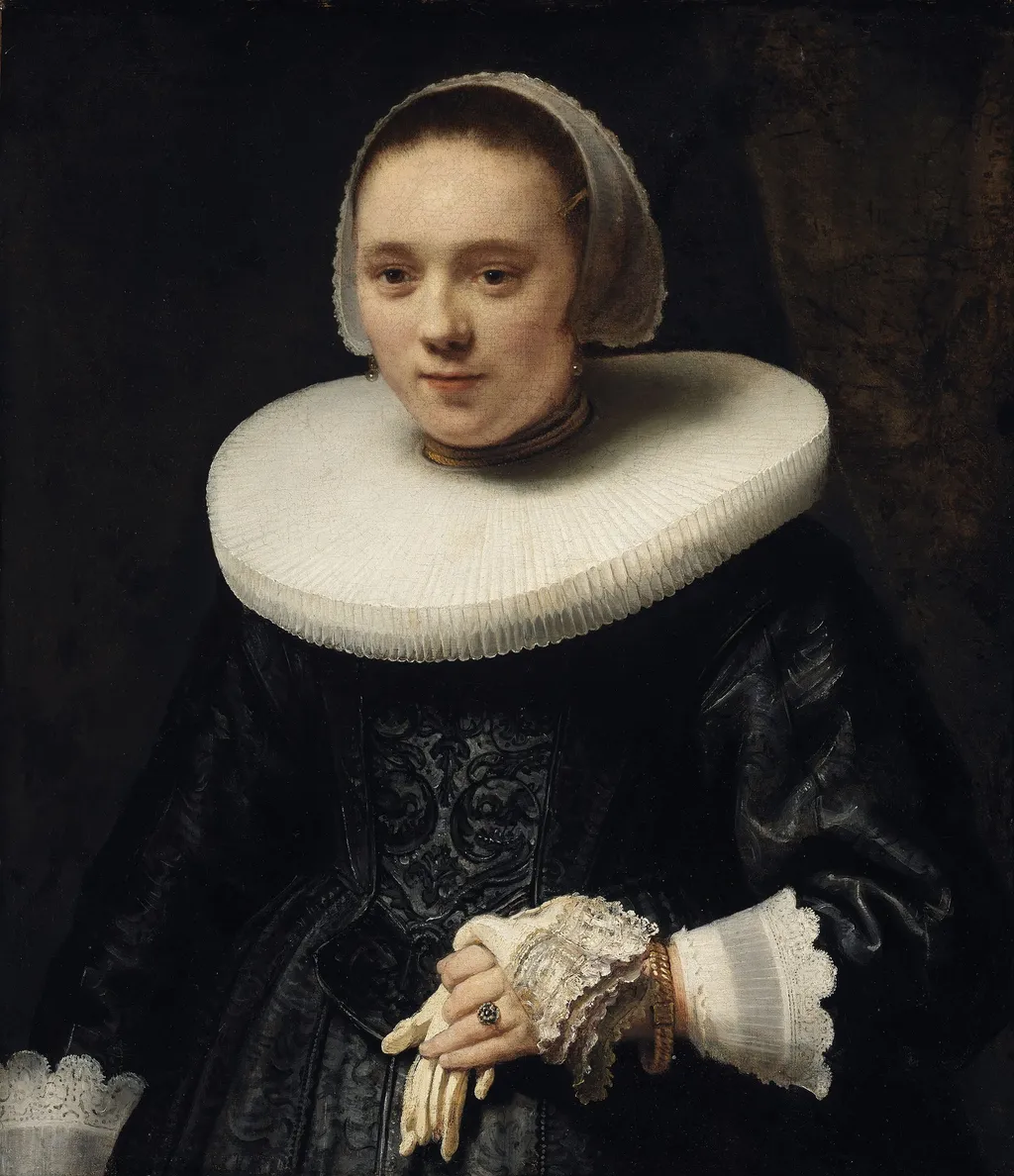
Portrait of a Woman with Gloves is an oil painting by the Dutch Golden Age artist Rembrandt van Rijn. It dates from 1630 and is held in the collection of the National Gallery of Ireland.
About this work
Subject & Meaning
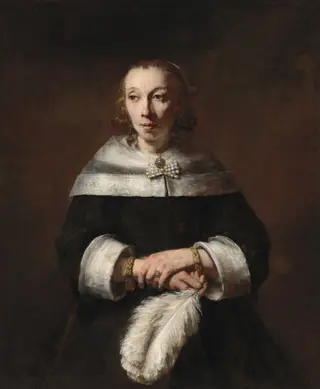
The painting shows a woman wearing a diadem cap and a millstone collar while holding a glove, symbols that may indicate marital status or social position.
The painting shows a woman wearing a diadem cap and a millstone collar while holding a glove, symbols that may indicate marital status or social position. The glove itself functions as a conventional emblem of engagement or fidelity in 17th‑century portraiture. Rendered in oil on canvas, the work measures 72 cm by 62 cm and belongs to the portrait genre.
It was created in 1630 by Rembrandt and is part of the National Gallery of Ireland’s collection, having passed through the holdings of Hugh Lane and Max Michaelis.
Technique & Style
Created in 1630, Portrait of a Woman with Gloves is an oil painting executed on canvas. The work measures 72 cm in height and 62 cm in width. Stylistically, it depicts a female subject adorned with specific accessories, including gloves, a diadem cap, and a millstone collar.
The composition is classified as a portrait, focusing on the detailed rendering of the sitter and her attire.
History & Provenance
The painting was created in 1630 by Rembrandt as an oil portrait. It entered the collection of Hugh Lane and later Max Michaelis before being acquired by the National Gallery of Ireland, where it remains part of the Demidov collection.
Portrait of a Woman with Gloves, painted by Rembrandt in 1630, is an oil on canvas work measuring 72 cm by 62 cm. It entered the collection of Hugh Lane and Max Michaelis before being acquired by the National Gallery of Ireland as part of the Demidov collection and Villa San Donato holdings. The painting was exhibited in the National Gallery of Ireland in 1919 and subsequently featured in the 1932 exhibition "Rembrandt and His Circle" at the Rijksmuseum, Amsterdam.
Legacy
The portrait has been cited as an early example of Rembrandt's nuanced treatment of drapery and psychological presence, influencing later portraitists who emphasized subtle costume detail. Its inclusion in the Hugh Lane collection and subsequent exhibitions contributed to renewed scholarly interest in Rembrandt's role as a portraitist in the 19th century, shaping narratives around the development of modern portraiture.
The work's provenance with Max Michaelis and its display at the National Gallery of Ireland have reinforced its status as a representative piece in discussions of Dutch Golden Age portraiture, often referenced in academic literature on European painting traditions.
Overview
Created in 1630, this oil painting by Rembrandt van Rijn portrays a seated woman in elaborate attire. The composition places her against a deep, muted backdrop, allowing the illuminated figure to dominate the visual field. The work is part of the National Gallery of Ireland’s collection and exemplifies the artist’s mature portraiture during the Dutch Golden Age.
Own this work as a print
Artist & collection

Artist
Rembrandt Harmenszoon van Rijn, known mononymously as Rembrandt, was a Dutch Golden Age painter, printmaker, and draughtsman.


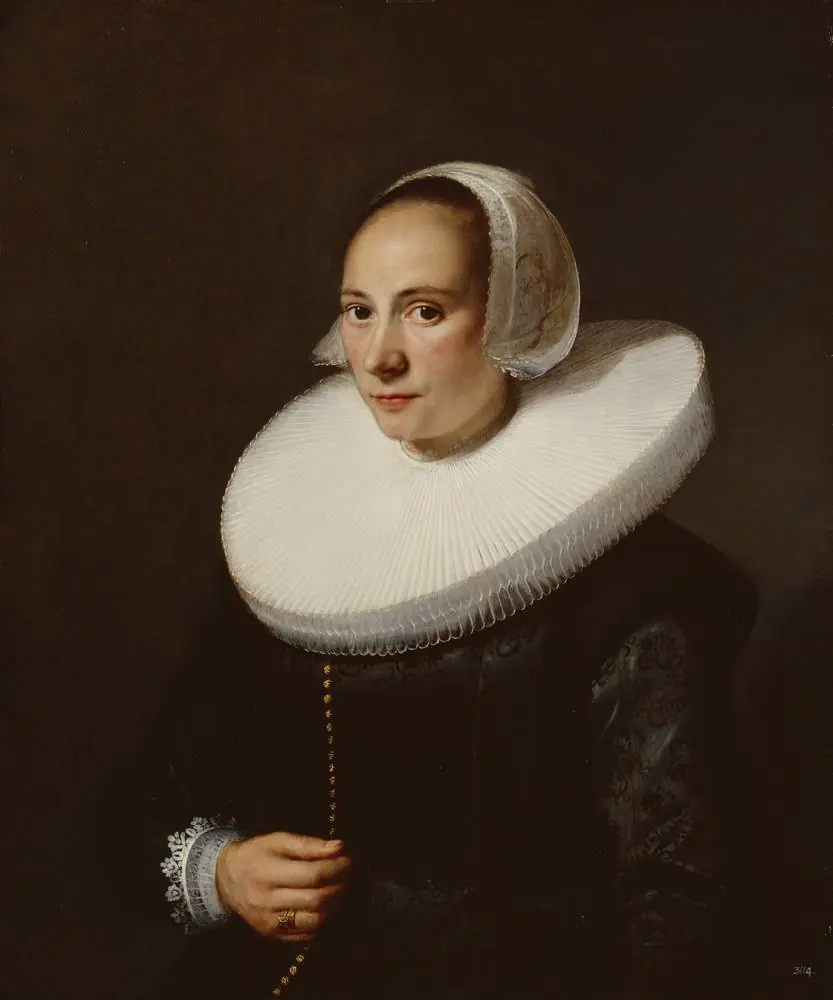 Portrait of a Woman
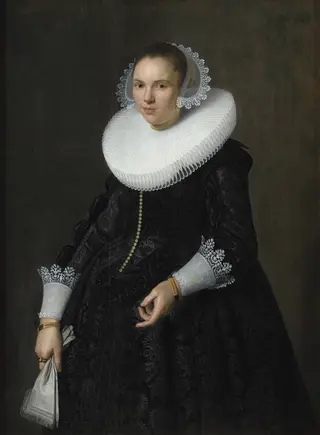 Portrait of a Lady
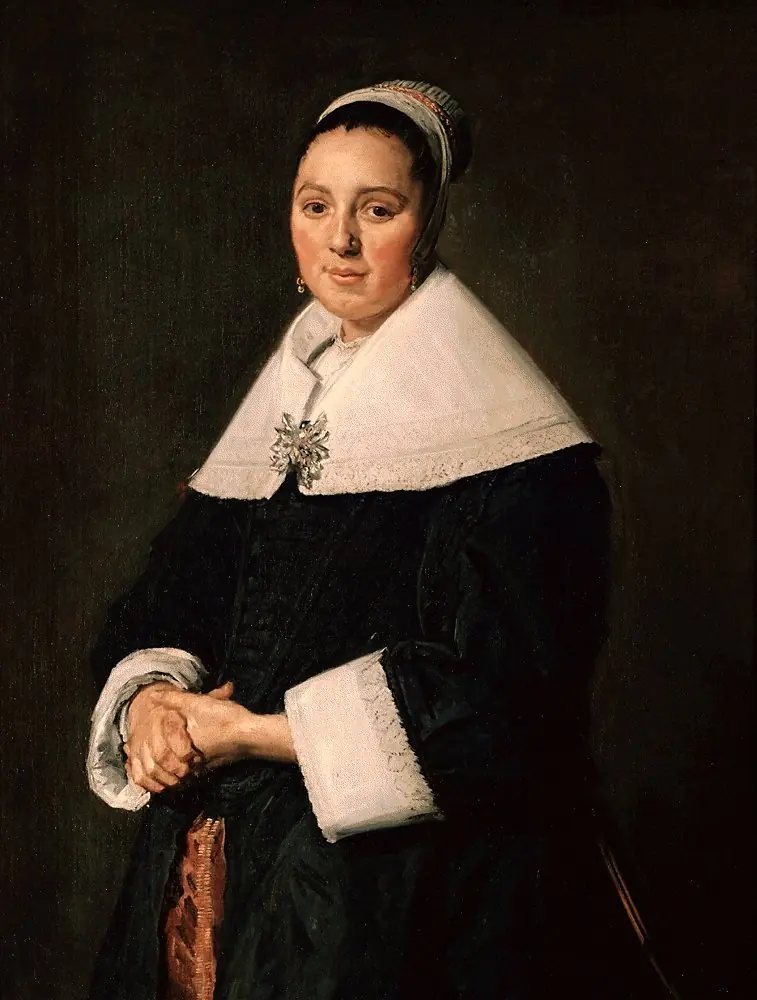 Portrait of a Woman
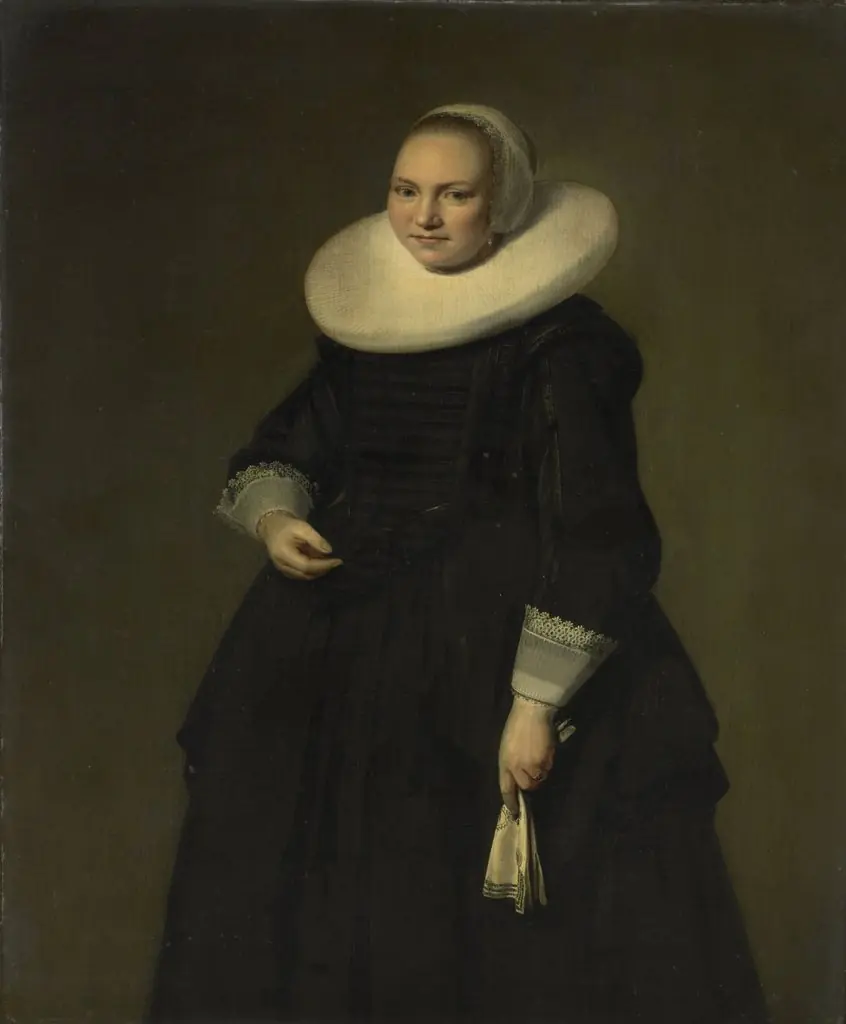 Portrait of a woman
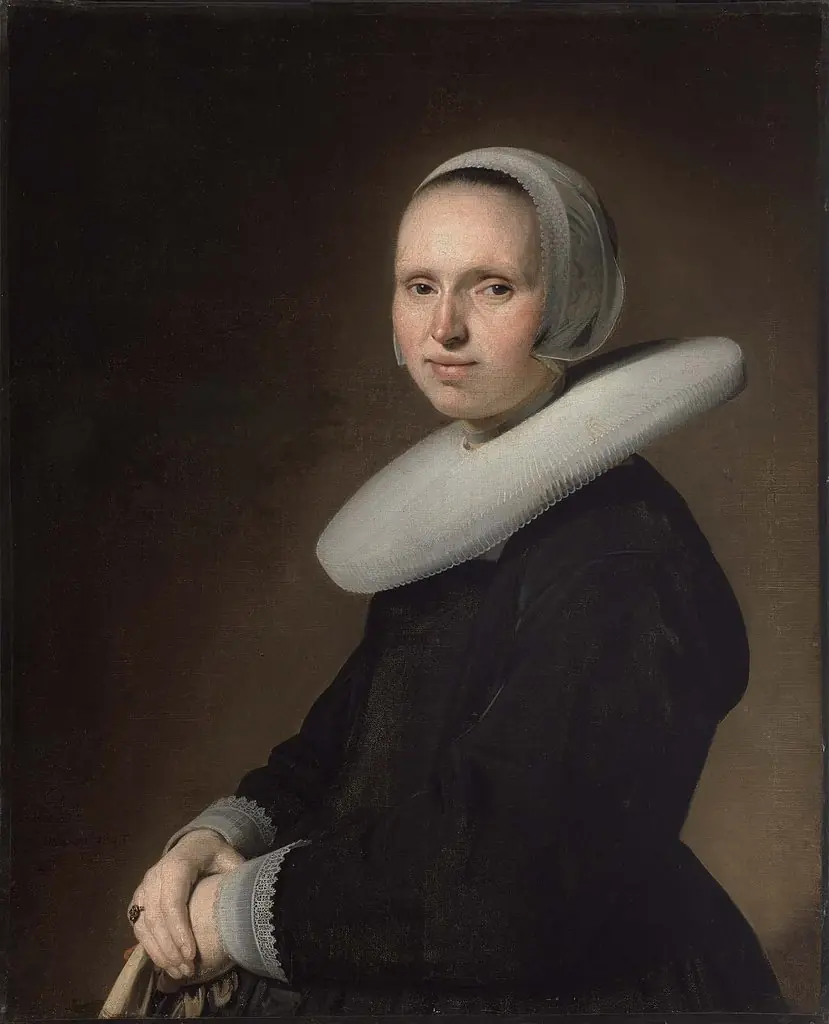 Portrait of a Woman in Black
 Portrait of a woman
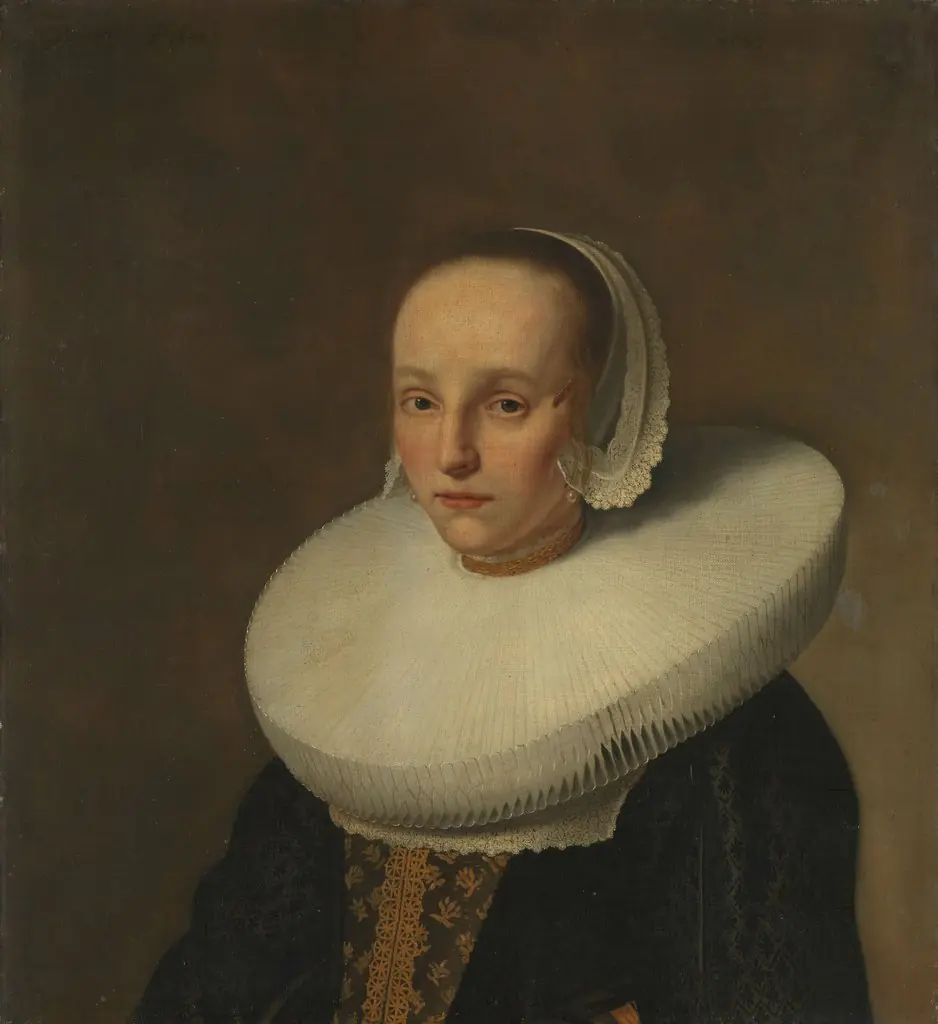 Anna van der Does (1609-50). Wife of Jan de Hooghe
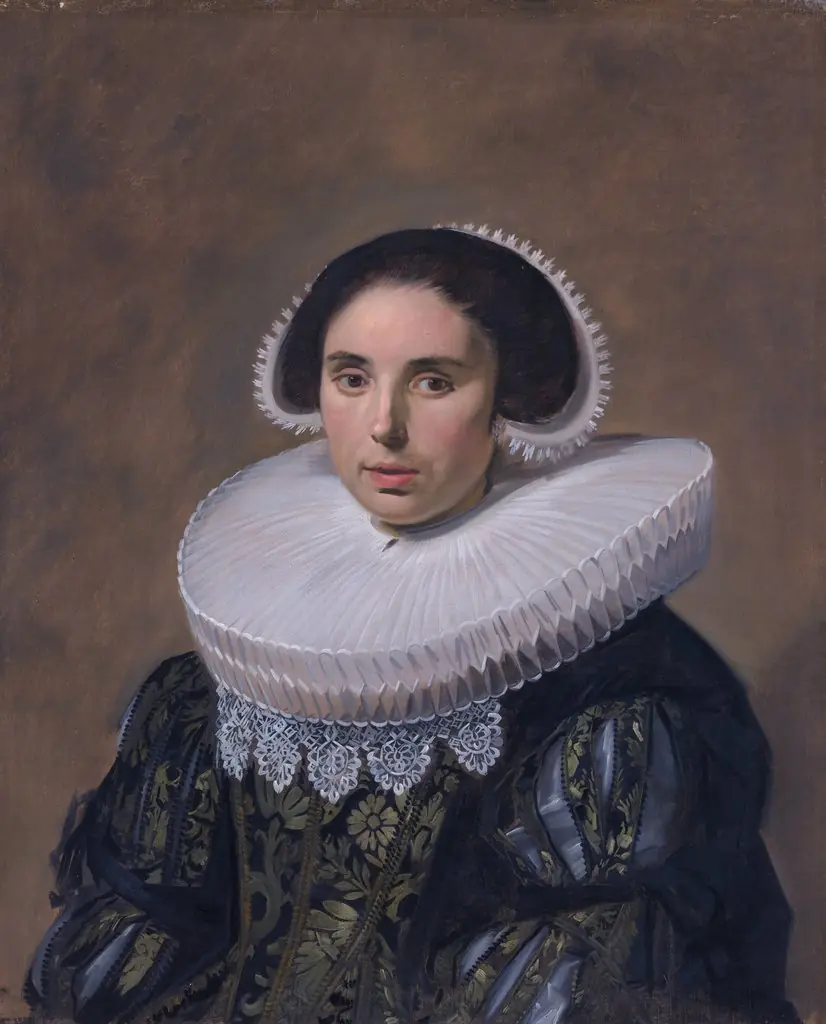 Portrait of Sara Wolphaerts van Diemen
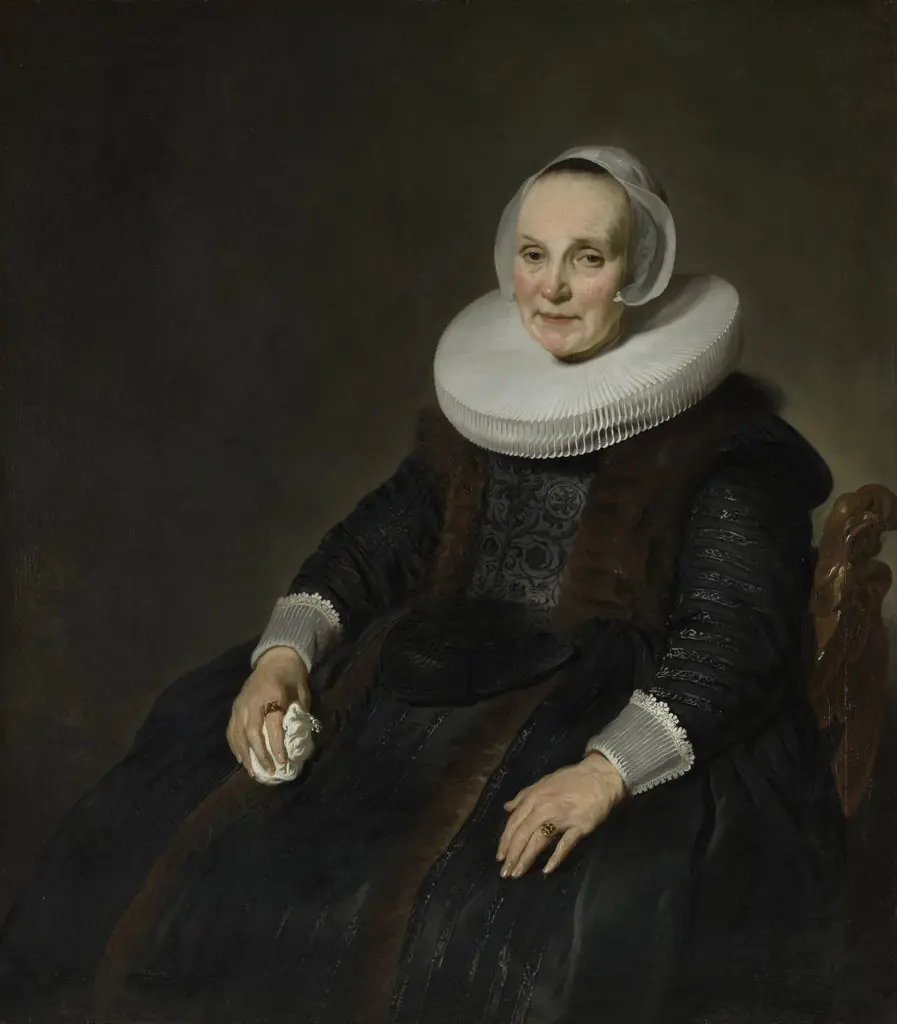 Portret van een vrouw
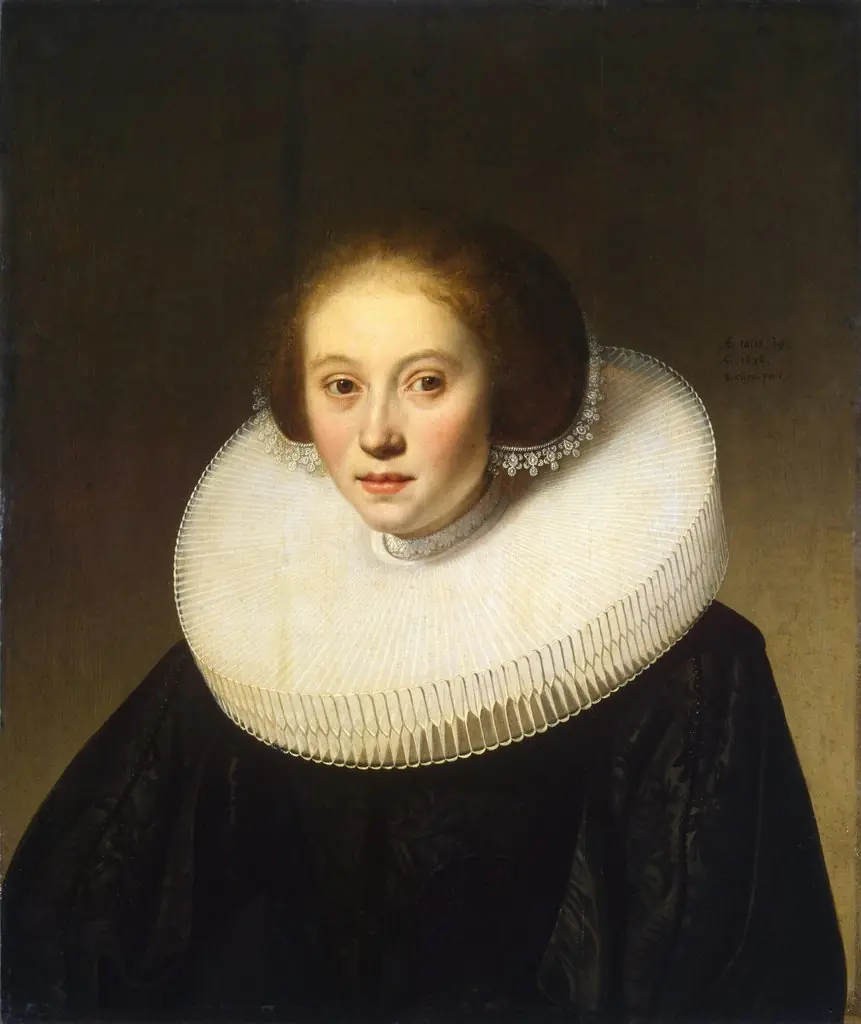 Portrait of a Young Girl
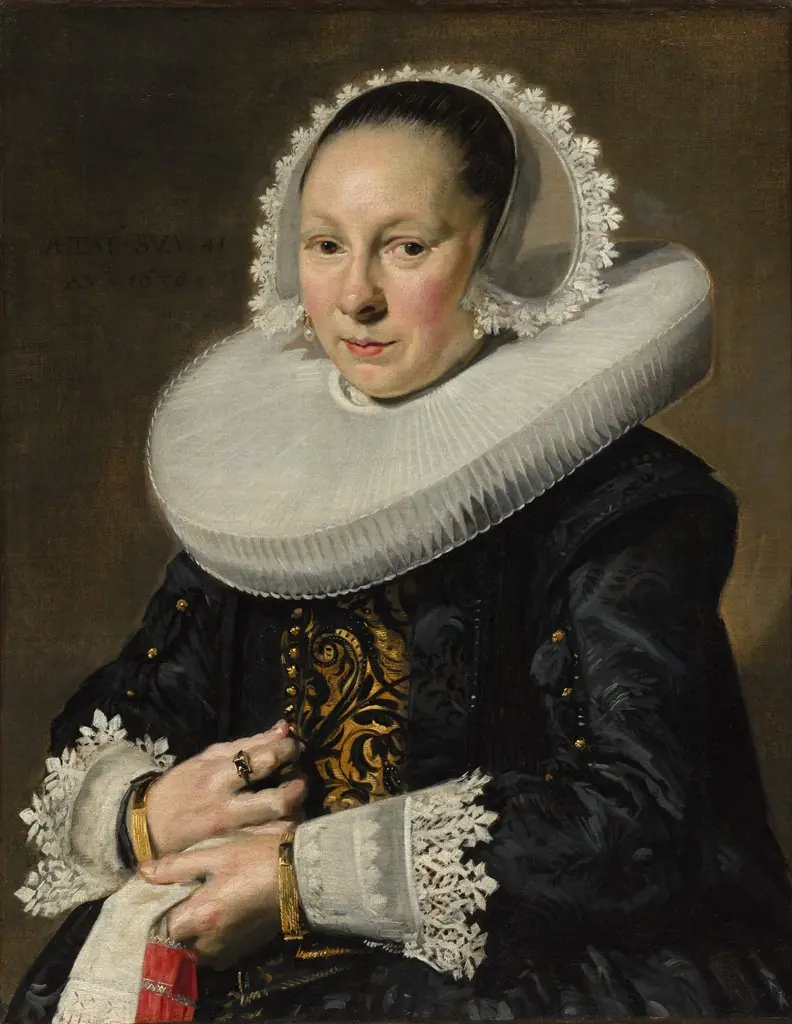 Portrait of a Woman, probably Aeltje Dircksdr. Pater
- Portrait of a Woman holding Gloves