Artwork
Allegory
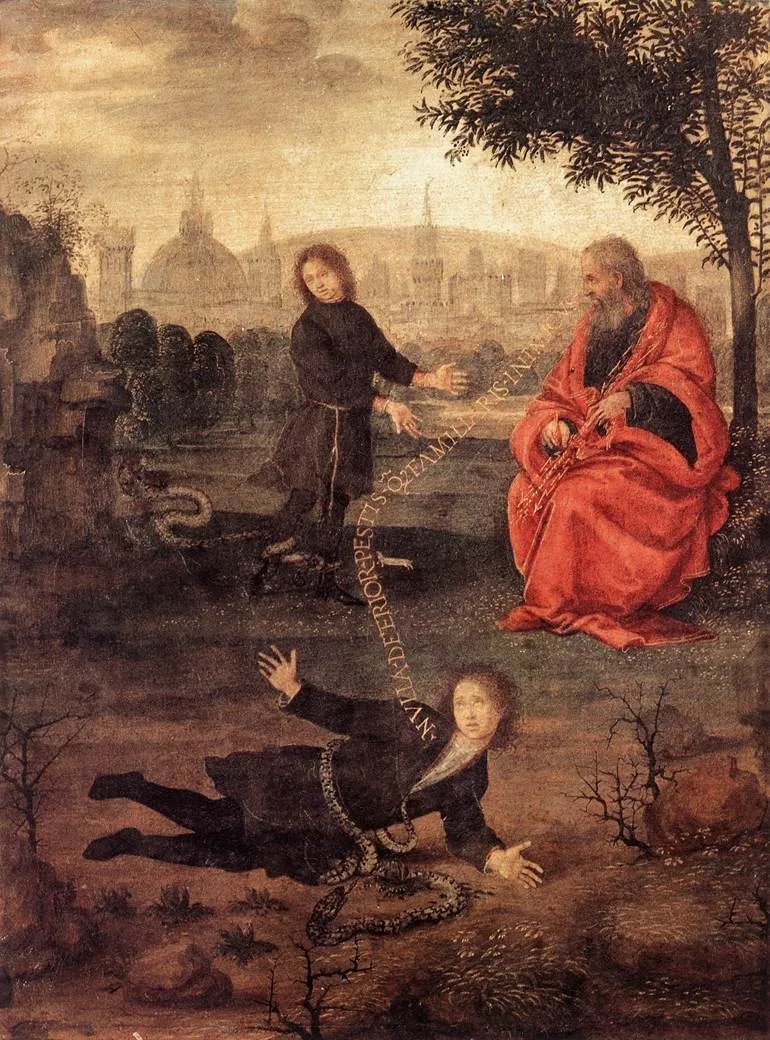
Allegory is an oil painting by the Early Renaissance artist Ridolfo del Ghirlandaio. It dates from 1496 and is held in the collection of the Uffizi Gallery.
About this work
Overview
The composition centers on three male figures arranged against a modest urban backdrop, with a tree and distant architecture framing the scene.
Allegory is an oil painting from the late 15th century, presently displayed in Florence’s Uffizi Gallery. The composition centers on three male figures arranged against a modest urban backdrop, with a tree and distant architecture framing the scene. The work’s attribution has shifted over time, but current scholarship most often links it to Ridolfo del Ghirlandaio, a member of the prominent Ghirlandaio workshop.
Subject & Meaning
The central motif features an elderly bearded man in a red robe seated beneath a tree, a youthful figure in black extending his arms, and another young man lying on the ground, his hand reaching outward. A serpent coils around the leg of the prone figure, a symbolic element that may allude to temptation, mortality, or moral instruction, typical of allegorical narratives in Renaissance art.
Technique & Style
Executed in oil on panel, the painting demonstrates a restrained use of chiaroscuro, modeling the figures with soft transitions between light and shadow. The palette is dominated by deep reds, blacks, and earth tones, while the background architecture is rendered with linear clarity. The handling of drapery and the delicate rendering of the snake reveal a careful observation of texture and form.
History & Provenance
Originally assigned to Filippino Lippi and, at various points, to Leonardo da Vinci or an anonymous 15th‑century hand, the work’s authorship has been reassessed through stylistic comparison and archival research. By the early 19th century it entered the Uffizi’s collection, where it has remained, providing scholars with a reference point for the evolving attributions within the Ghirlandaio workshop.
Context
The painting emerges from a period when Florentine artists frequently employed allegorical subjects to convey moral or philosophical ideas to educated patrons. Its urban setting, combined with the presence of a serpent, reflects contemporary interests in classical symbolism and the didactic potential of visual art, aligning it with other late‑Quattrocento works that blend narrative and instruction.
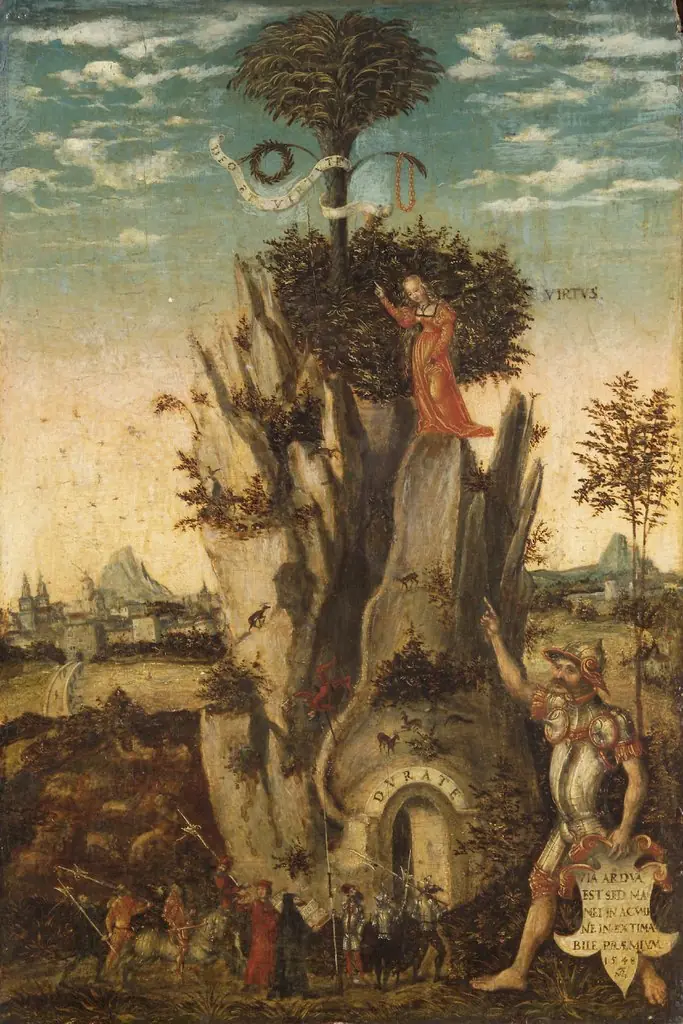
Artist & collection
Artist
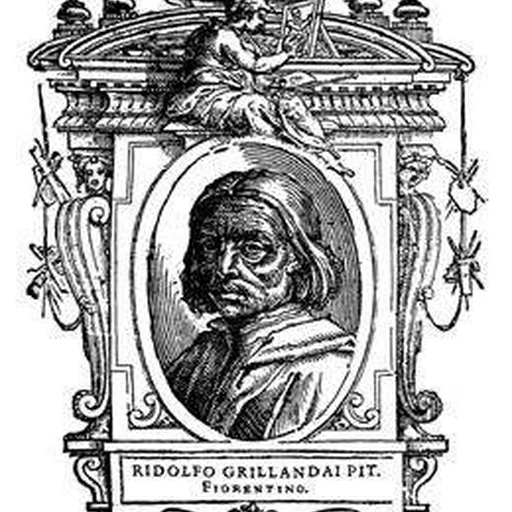
Ridolfo di Domenico Bigordi, better known as Ridolfo Ghirlandaio (14 February 1483 – 6 June 1561) was an Italian Renaissance painter active mainly in Florence. He was the son of Domenico Ghirlandaio.

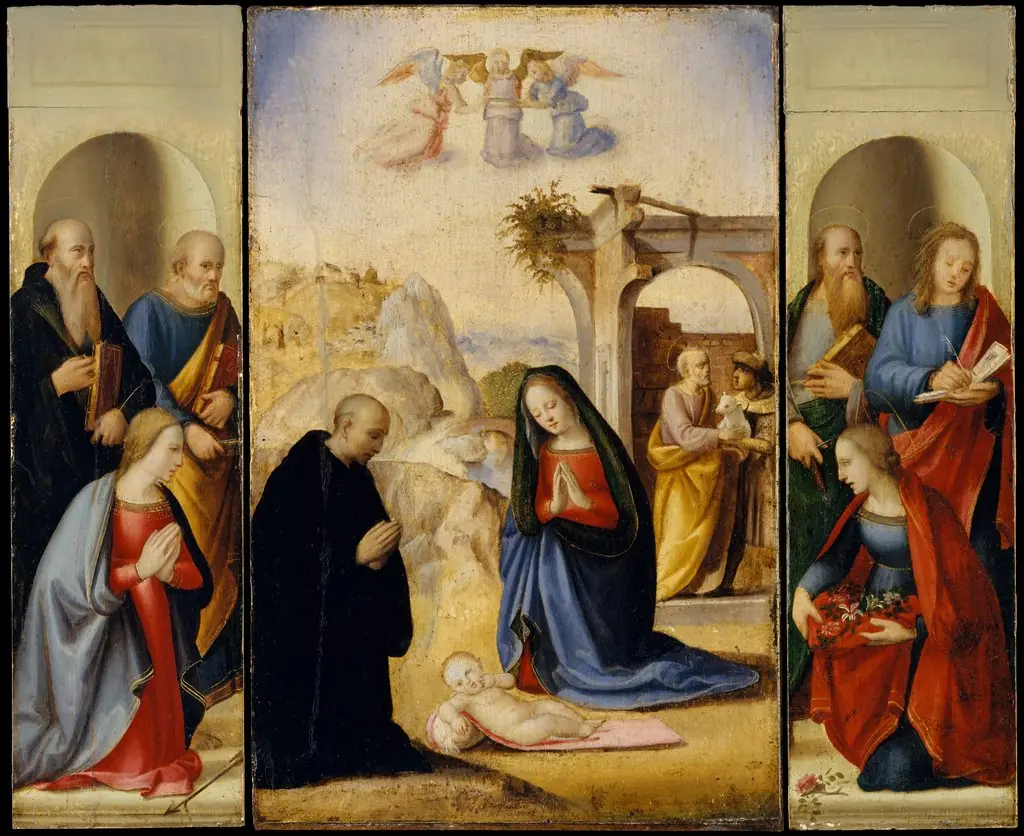
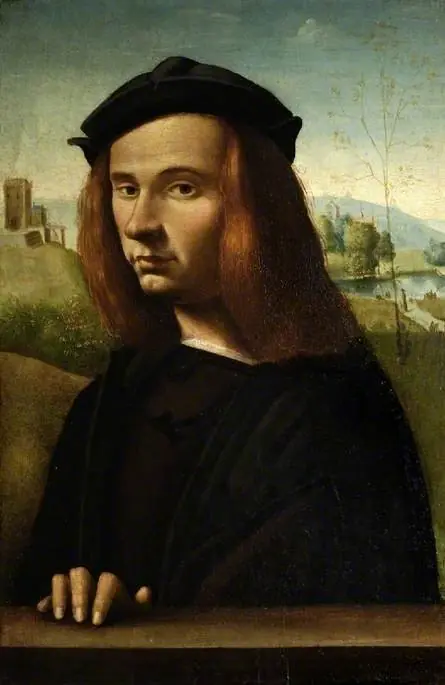
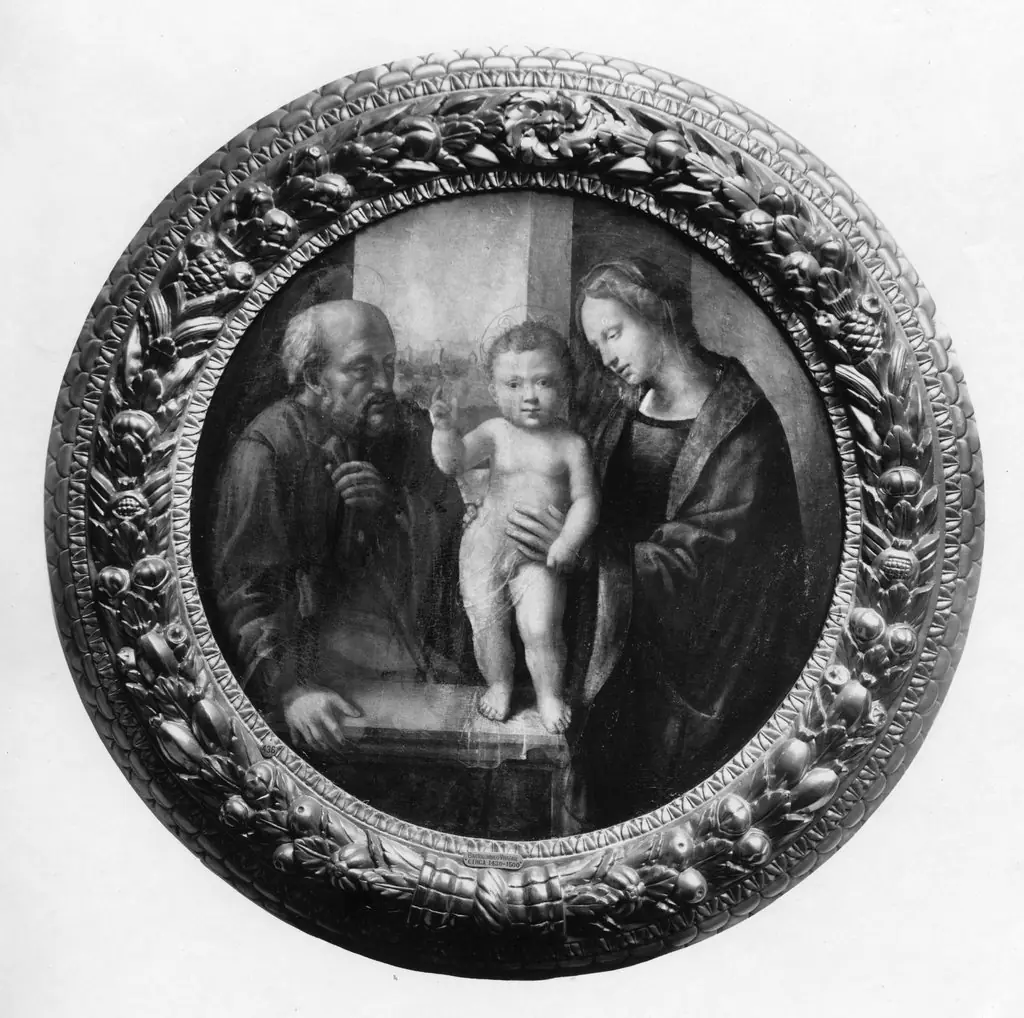
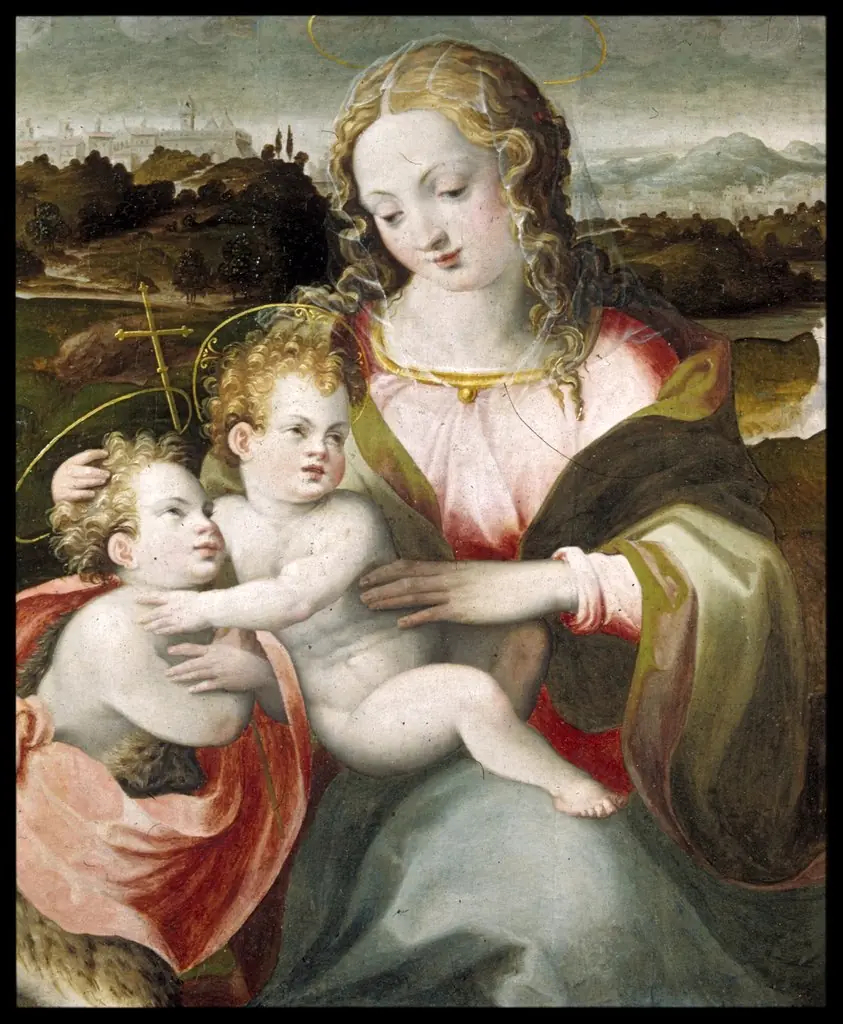
- Allegory of Virtue
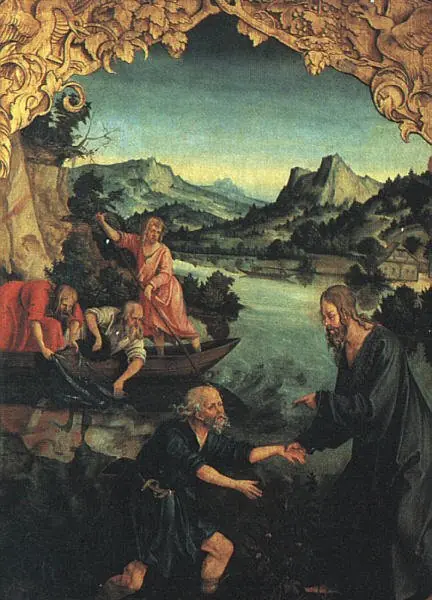 The Calling of St Peter
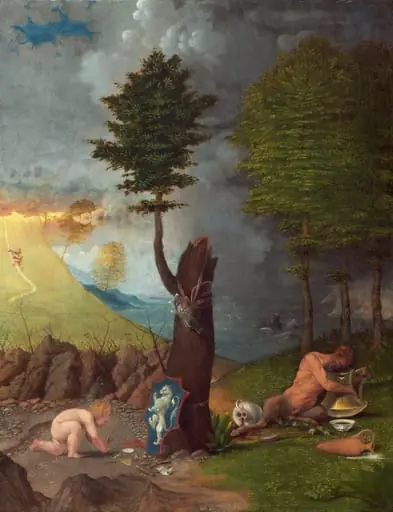 Allegory of Virtue and Vice
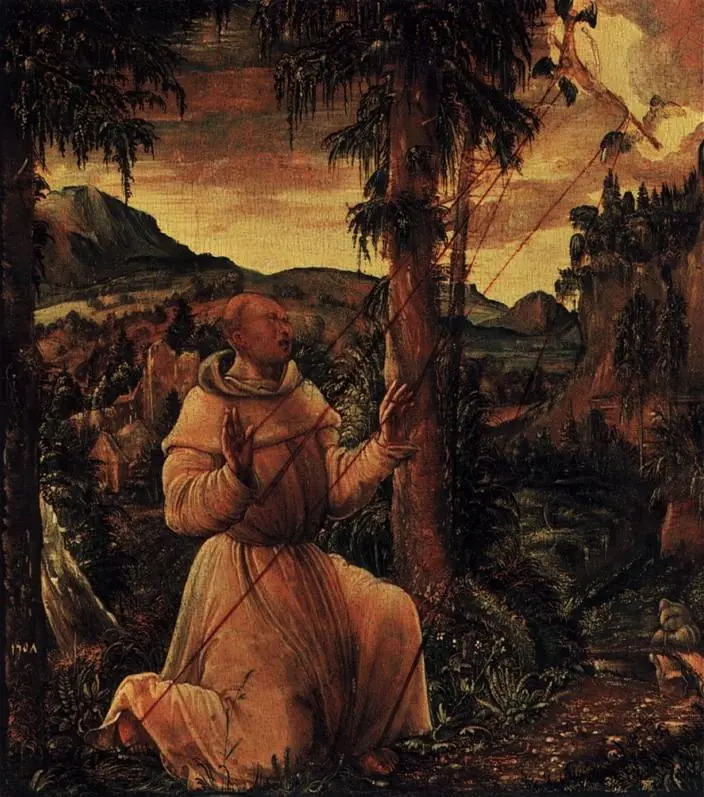 Stigmatization of Saint Francis
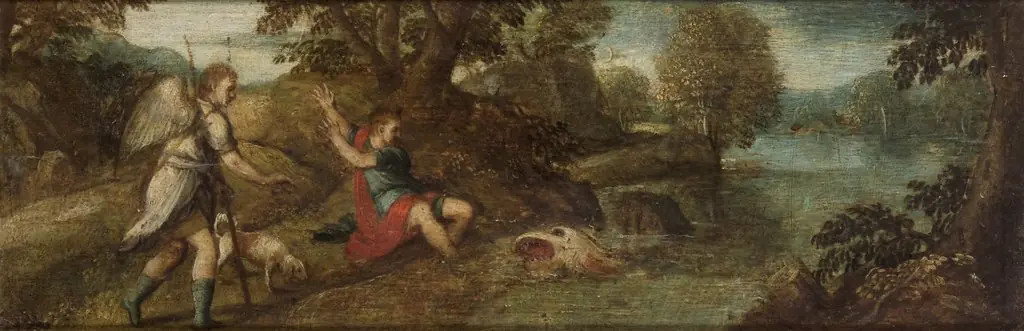 Tobias is threatened by the fish
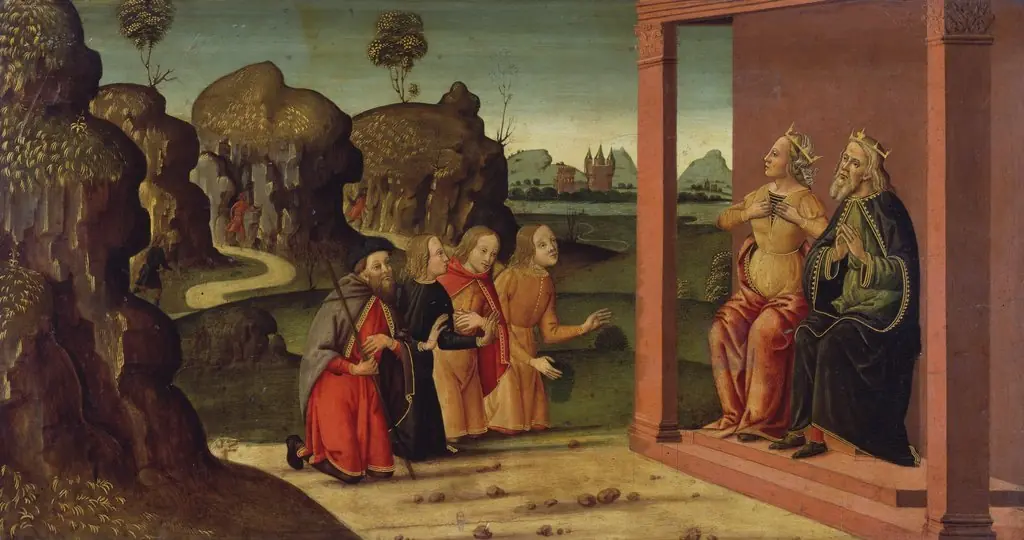 Job Story: Message of Misfortune
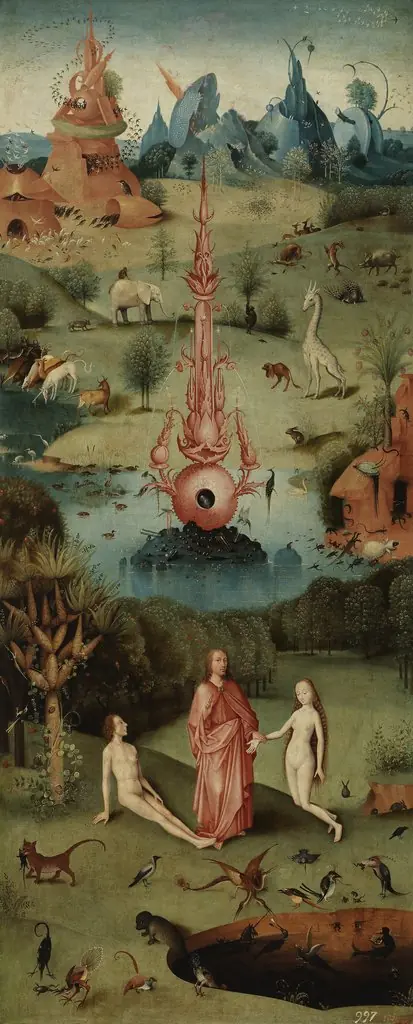 The Creation
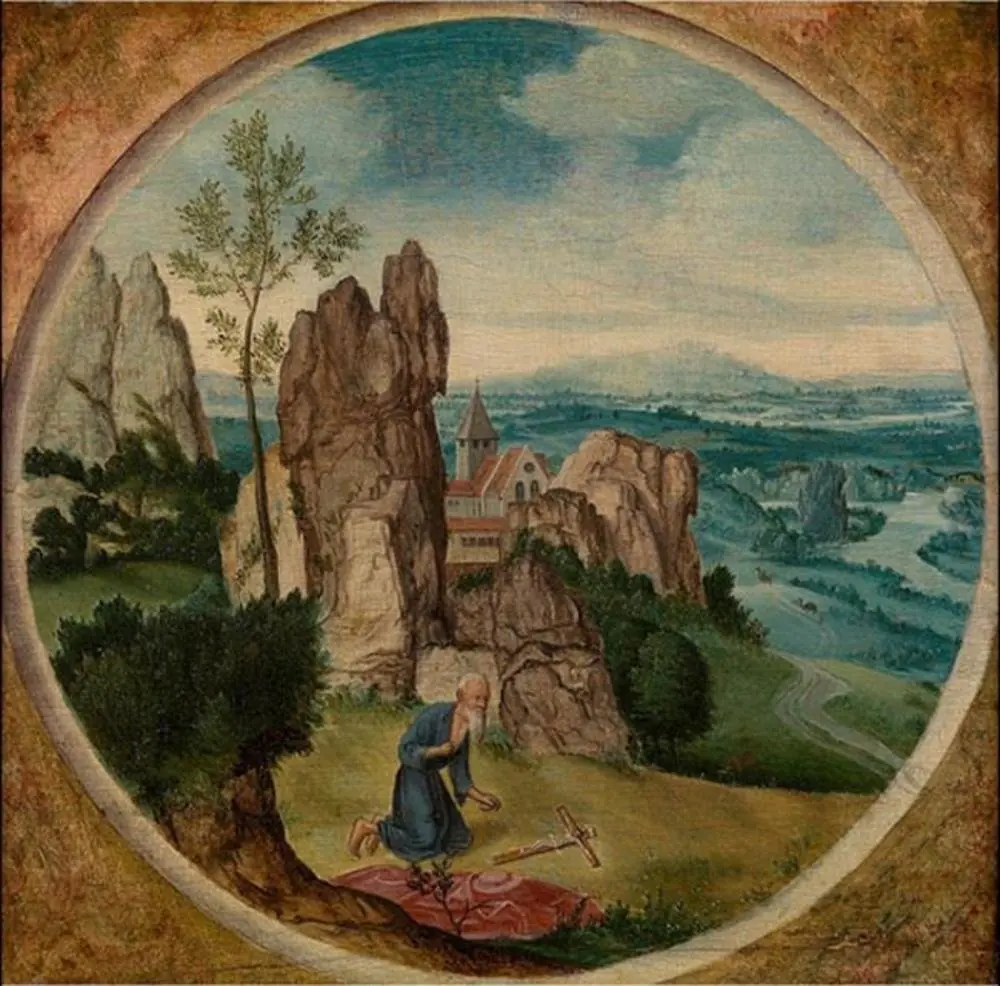 Saint Jerome in a Landscape
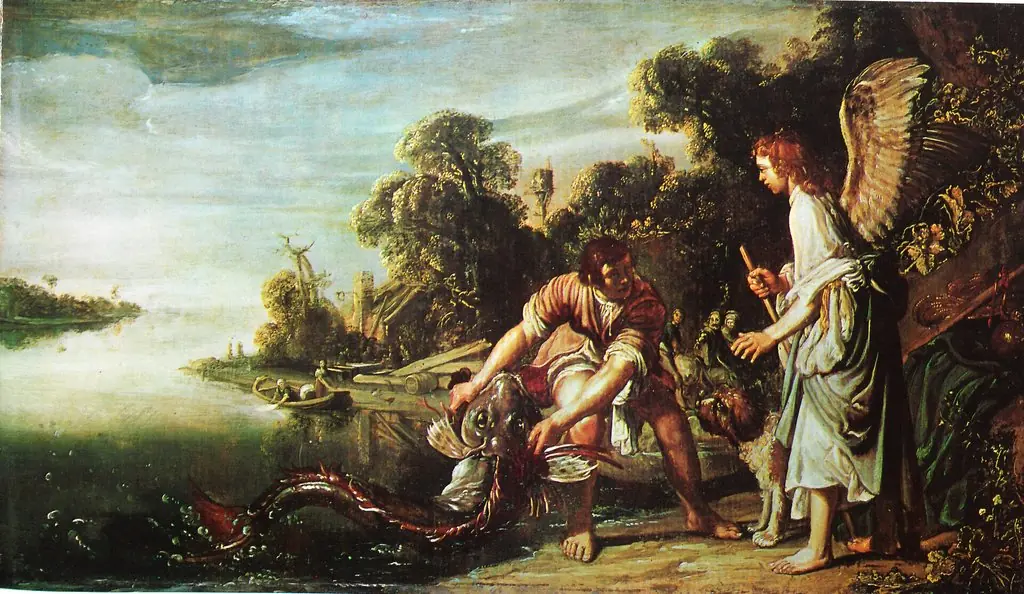 The Angel and the Young Tobit with the Fish
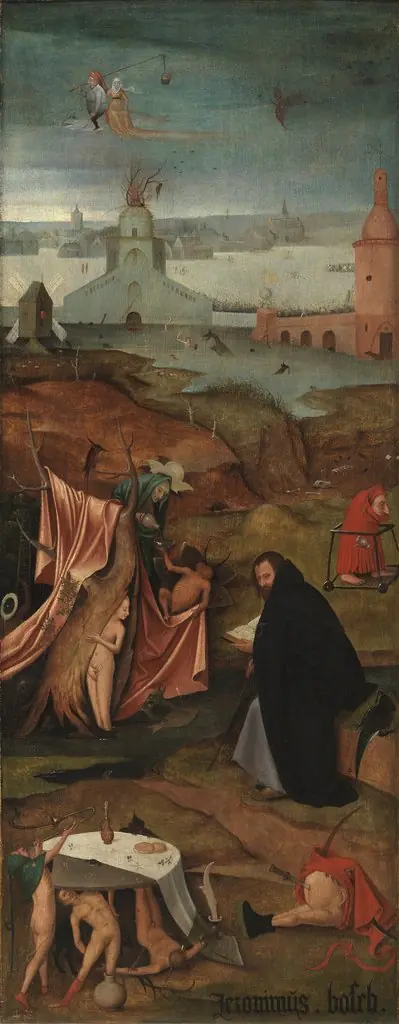 The Temptations of Saint Anthony
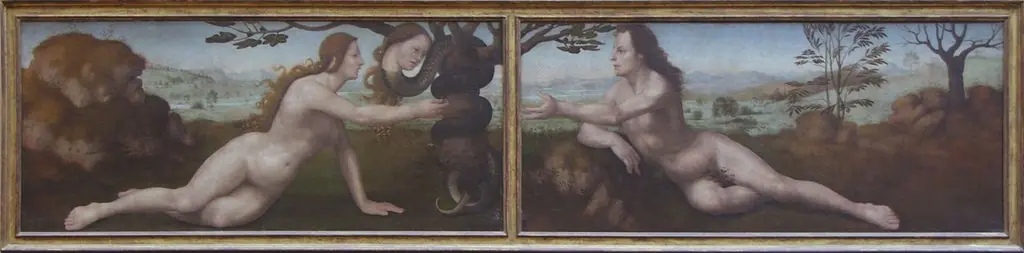 Adam; Eve
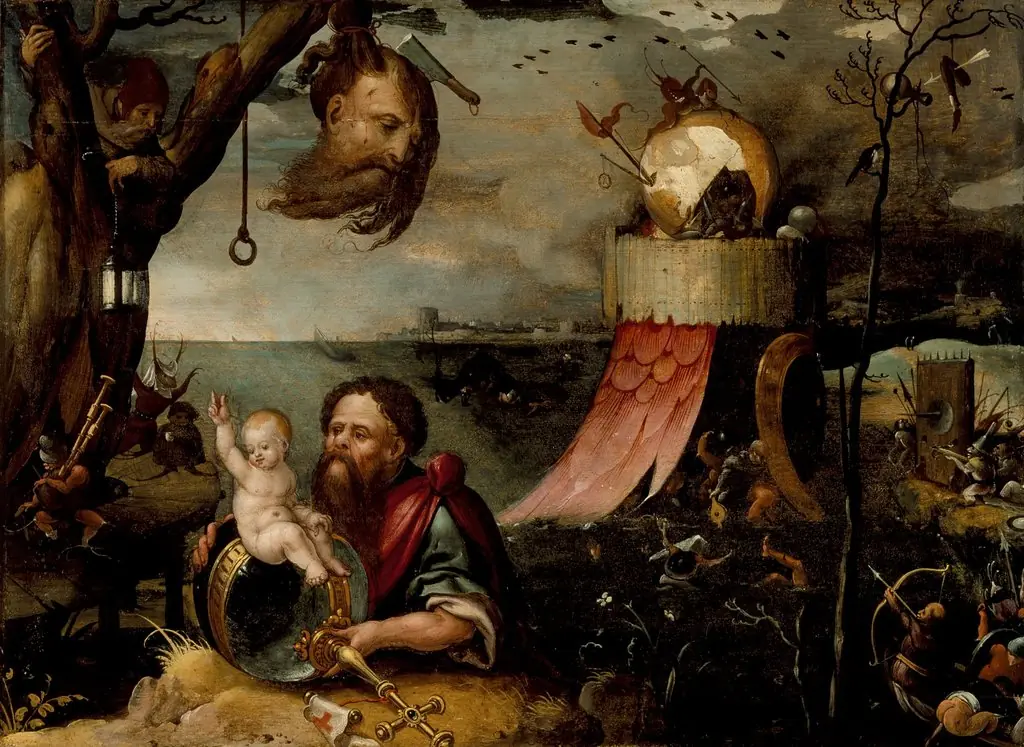 Saint Christopher and the Christ Child