Artwork
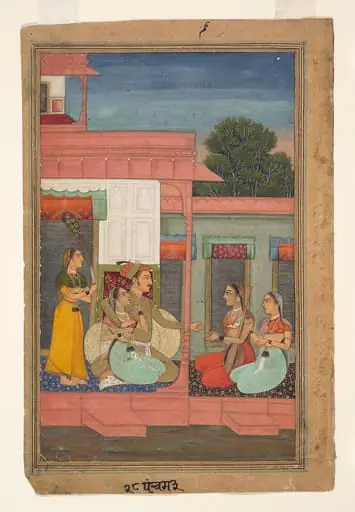
Maharaja Anup Singh of Bikaner (reigned 1669–98) Receives a Courtier
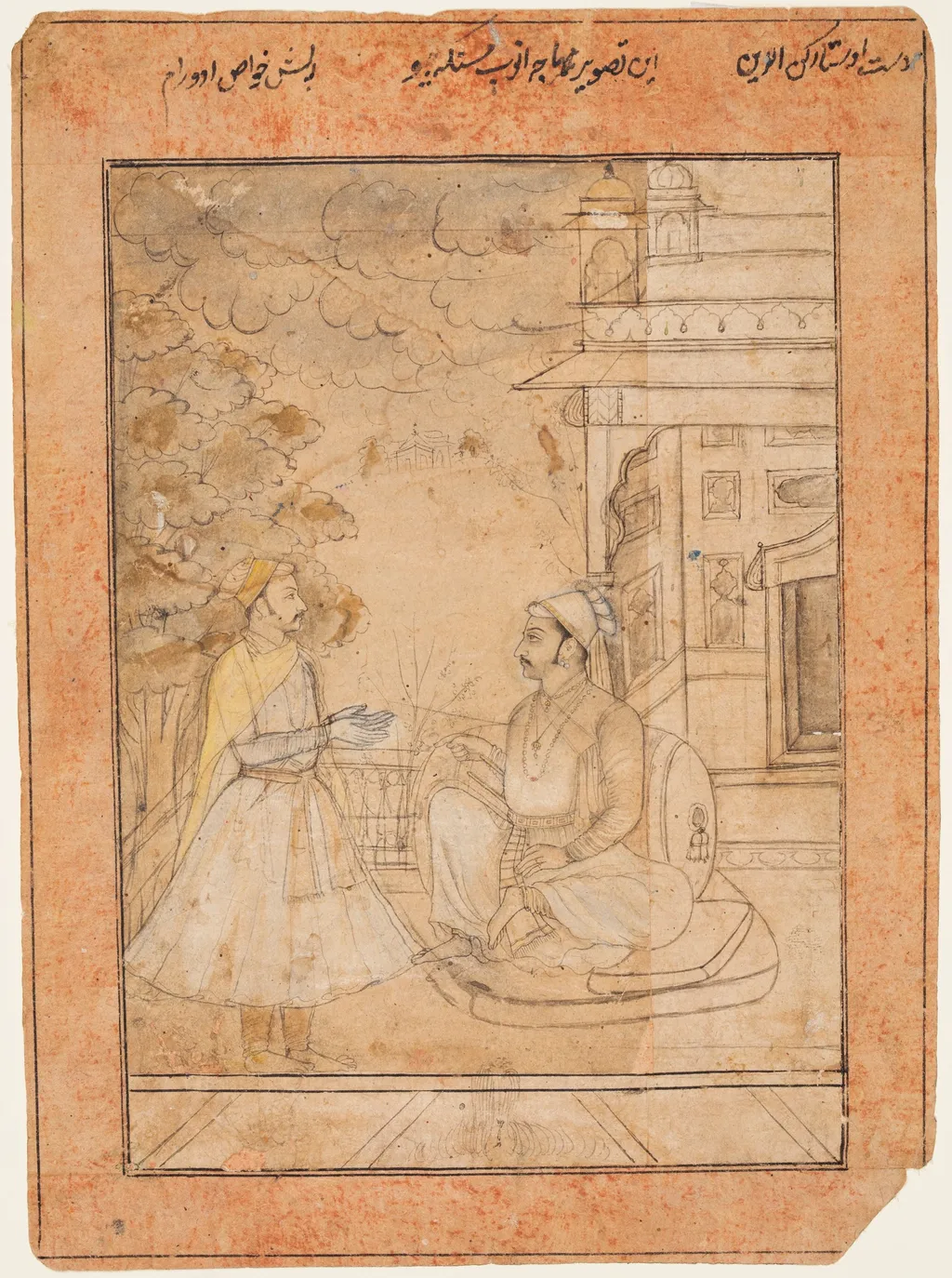
Maharaja Anup Singh of Bikaner (reigned 1669–98) Receives a Courtier is an unspecified painting by the Mughal Painting artist Ruknuddin. It dates from 1696 and is held in the collection of the Cleveland Museum of Art.
About this work
Subject & Meaning
The interaction highlights themes of loyalty, patronage, and royal presence, reflecting the political and cultural environment of Anup Singh’s reign (1669–98).
The painting shows Maharaja Anup Singh of Bikaner seated in court as he receives a visiting courtier, a scene that underscores the ruler’s authority and the hierarchical nature of the Bikaner court. The interaction highlights themes of loyalty, patronage, and royal presence, reflecting the political and cultural environment of Anup Singh’s reign (1669–98). As a work produced in Bikaner State around 1690, it exemplifies the courtly portraiture commissioned by the Maharaja to affirm his status and the values of his reign.
History & Provenance
Ruknuddin created this painting in Bikaner State around 1690 for the court of Maharaja Anup Singh of Bikaner (reigned 1669–98), depicting the ruler receiving a courtier. The work entered the collection of the Cleveland Museum of Art, where it remains on view as part of their Indian miniature painting holdings.
Overview
The painting, executed in 1696 by the court artist Ruknuddin, depicts Maharaja Anup Singh of Bikaner, who ruled from 1669 to 1698, receiving a courtier. The work is part of the collection of the Cleveland Museum of Art and illustrates a formal encounter in an open courtyard.
Technique & Style
Ruknuddin employs a balanced palette, contrasting the warm hues of the figures’ garments with cooler background tones. The composition uses linear perspective to suggest depth, while the detailed rendering of textiles and architectural elements conveys a sense of realism typical of late‑17th‑century Rajput court painting.
Own this work as a print
Artist & collection


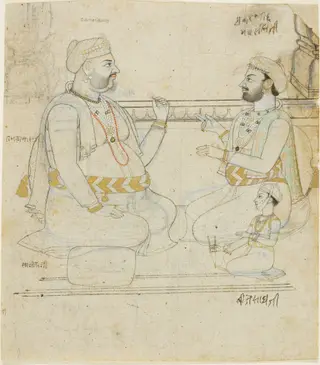 Two Rajput Noblemen with a Child
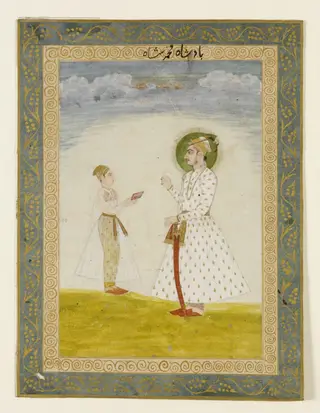 Muhammad Shah
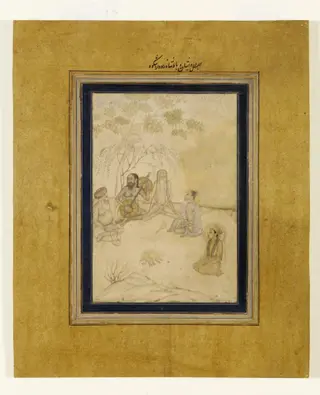 The gathering of dervishes with Prince Dara Shikuh
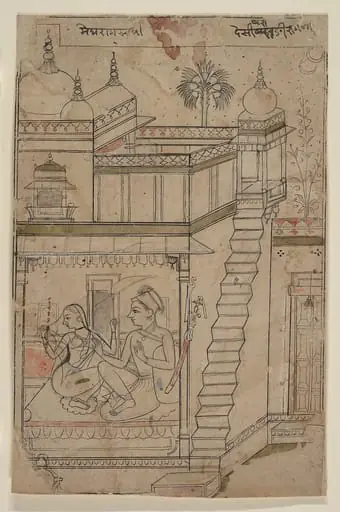 Untitled
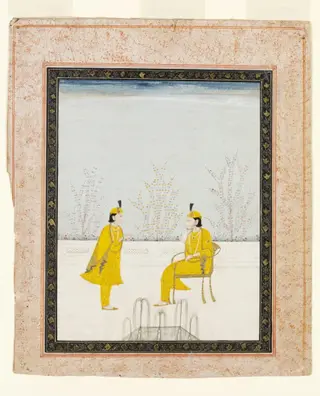 Untitled
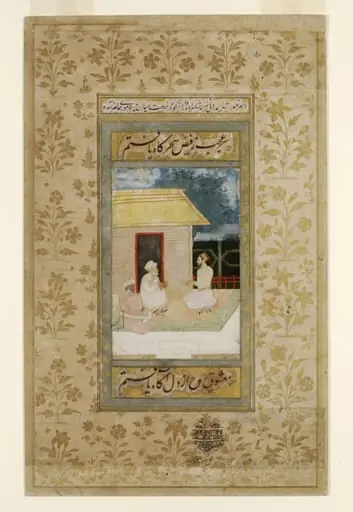 Dara Shikoh
 Krishna Abhisarika Nayika, from a Rasikapriya manuscript
 Sri Raga
 Krishna and Kansa
 Ajit Singh Sandhawalia
 Untitled
- Maharaja Anup Singh of Bikaner (reigned 1669–98) Receives a Courtier