Artwork
Charles N. D. Gervais
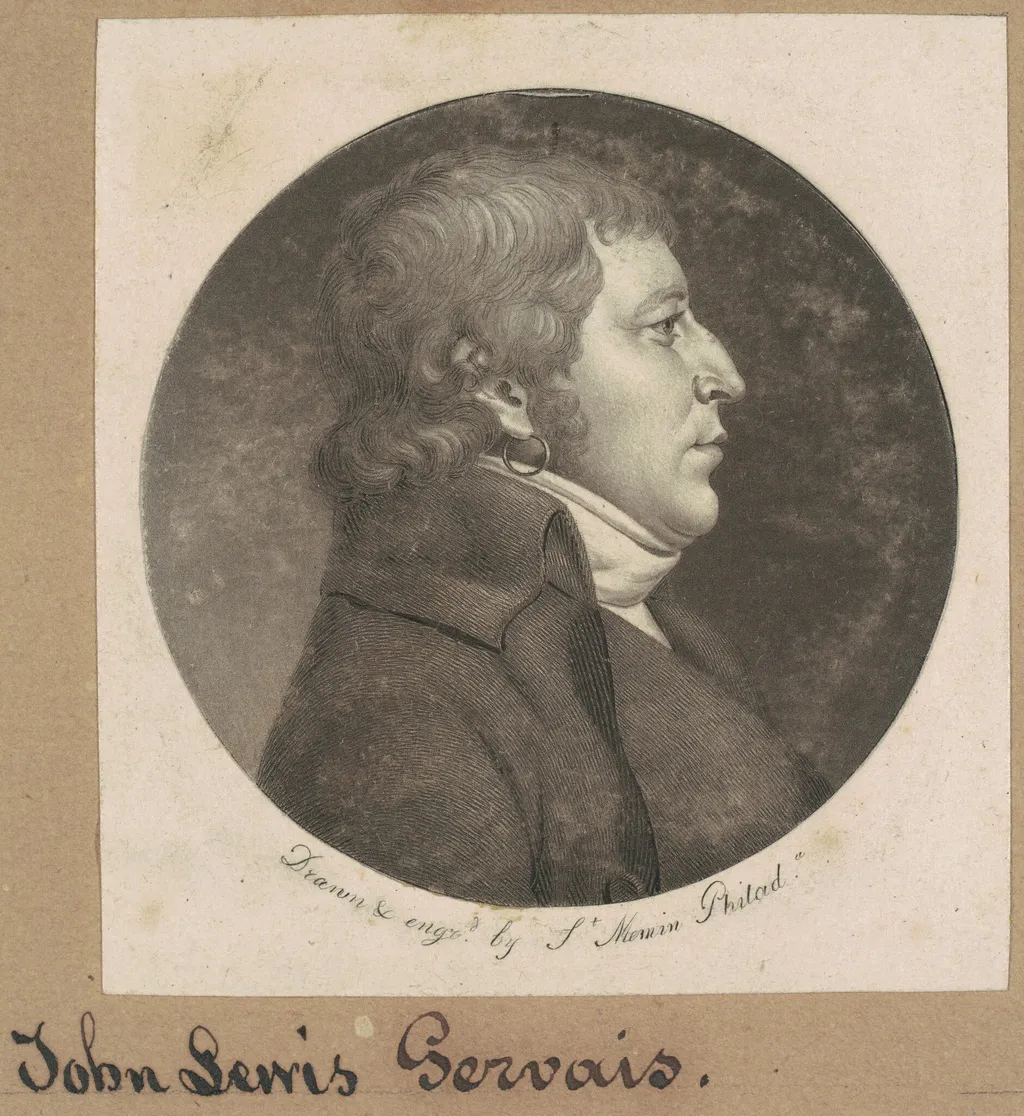
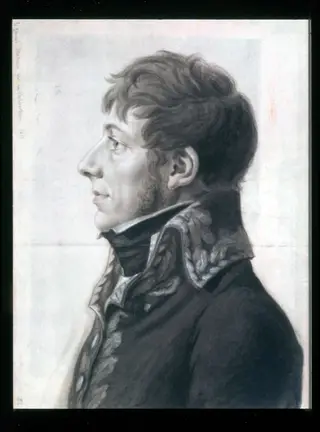
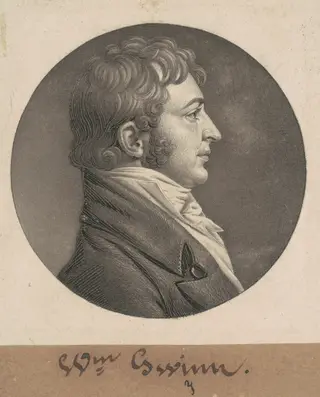
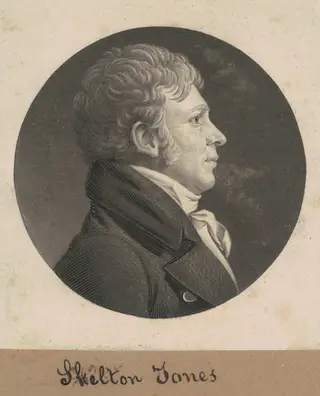
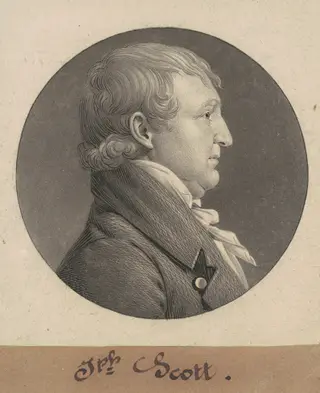
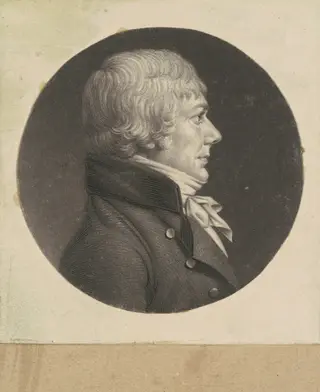
Charles N. D. Gervais is an ink print by the Romanticist artist Charles B. J. Févret de Saint-Mémin. It dates from 1800 and is held in the collection of the National Gallery of Art. Created in 1800 by the French printmaker Charles B.
- Inscription
- Inscribed:lower center in plate: Drawn & engrd. by St. Memin Philada.; lower center mount in black ink by unknown hand: John Lewis Gervais.
About this work
Overview
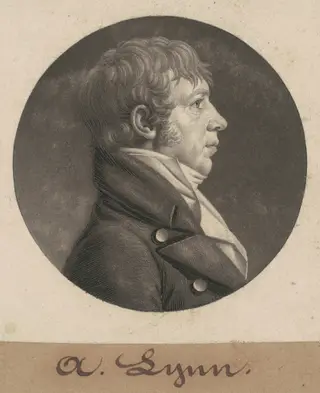
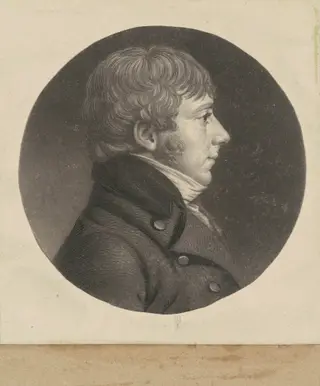
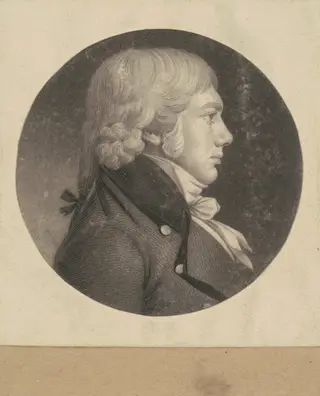
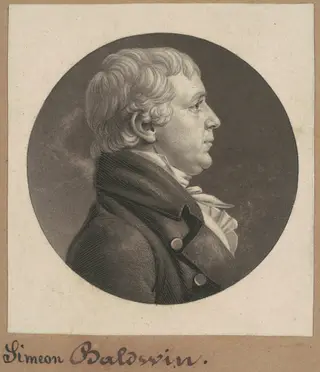
Created in 1800 by the French printmaker Charles B. J. Févret de Saint‑Mémin, this small black‑and‑white work measures just over five centimeters square. Executed as a mezzotint combined with engraving, the image is printed on wove paper that has been affixed to a brown‑toned backing, giving it a modest, archival presentation. It is catalogued within the Corcoran Collection.
Subject & Meaning
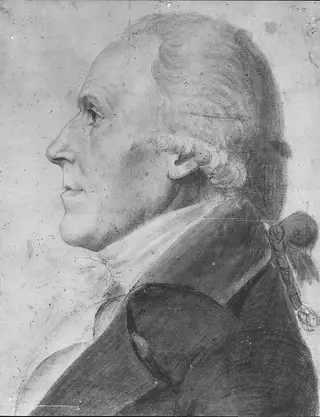
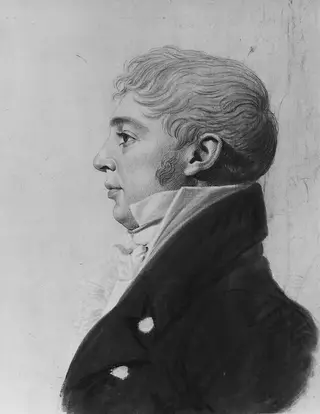
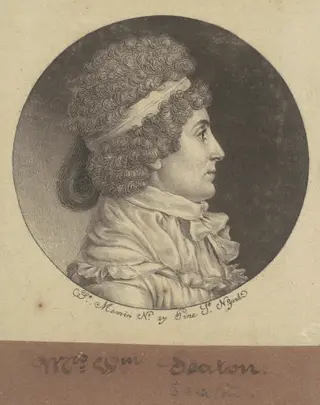
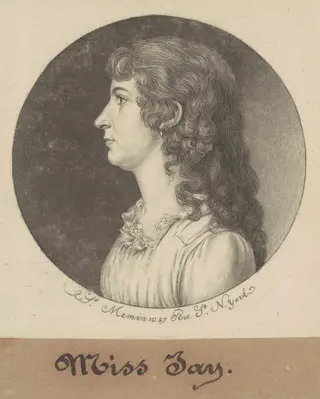
The print portrays a gentleman dressed in a dark, high‑collared coat. Illumination arrives from the viewer’s left, casting pronounced shadows beneath his nose and chin, which accentuates the facial features and suggests a contemplative demeanor. While no explicit narrative accompanies the image, the dignified attire and chiaroscuro treatment imply a formal portrait intended to convey status.
Technique & Style
Saint‑Mémin employed the mezzotint process, a labor‑intensive method that begins with a uniformly roughened metal plate. By smoothing selected areas, he achieved a gradation of tones that render soft transitions between light and dark. The addition of engraved lines sharpens details, producing a near‑photographic quality that was prized for its ability to model volume and texture in black ink.
History & Provenance
The work entered the Corcoran Collection, a major American institution, where it has been preserved as part of its print and drawing holdings. Its acquisition date is not recorded in the provided data, but its inclusion reflects the museum’s interest in early 19th‑century French printmaking and the technical innovations of mezzotint.
Context
At the turn of the 19th century, mezzotint was valued for reproducing the tonal richness of paintings before the advent of photography. Saint‑Mémin, active in both France and the United States, contributed to this tradition by creating intimate portrait prints that could be widely disseminated, catering to a market of collectors seeking affordable yet refined likenesses.
Own this work as a print
Artist & collection
Artist
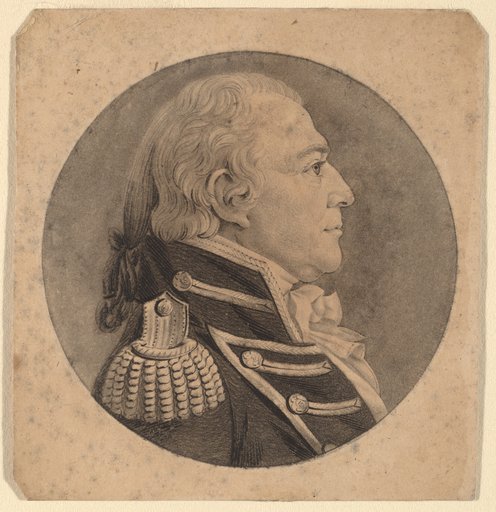
Charles B. J. Févret de Saint-Mémin
Charles Balthazar Julien Févret de Saint-Mémin (French pronunciation: ; 1770–1852) was a French portrait painter and museum director.