Artwork
John Carlyle Herbert
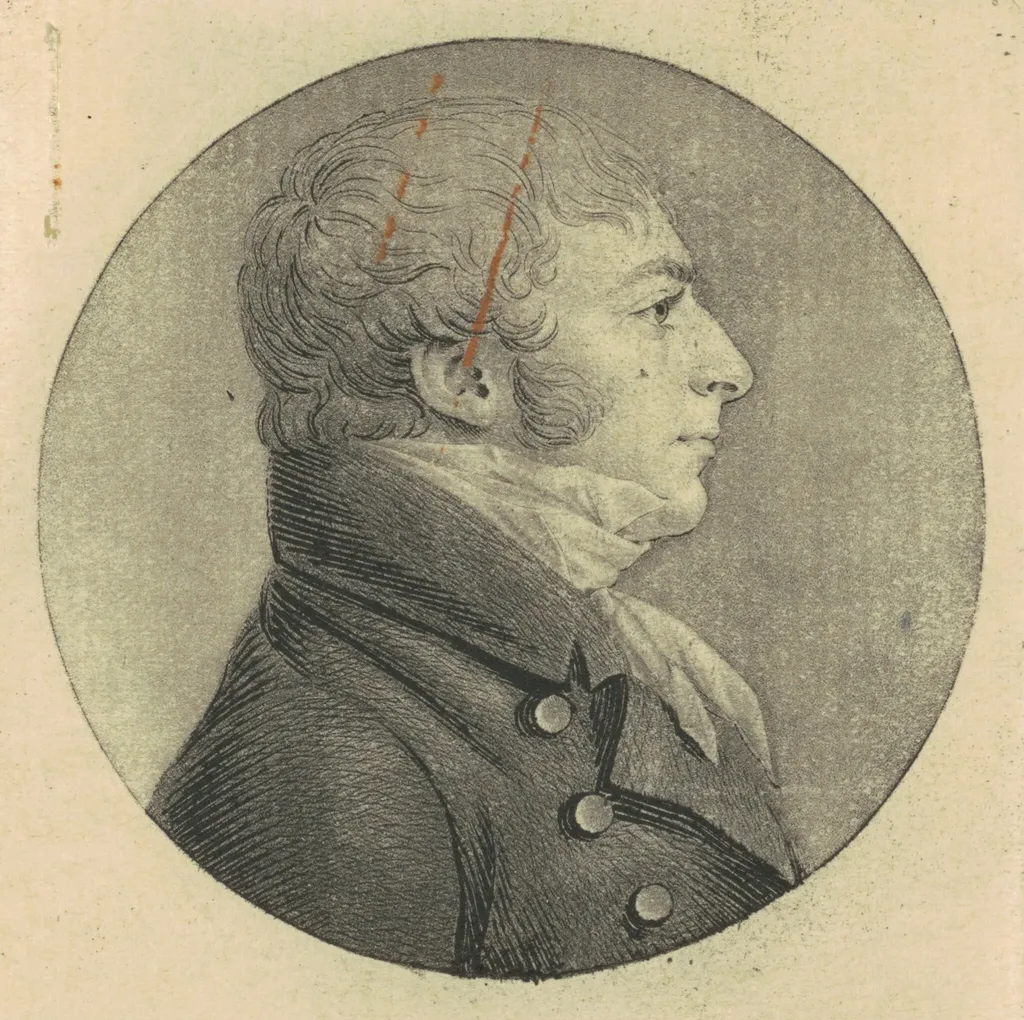
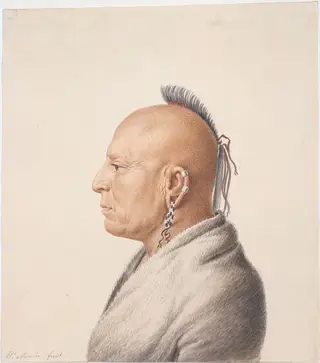
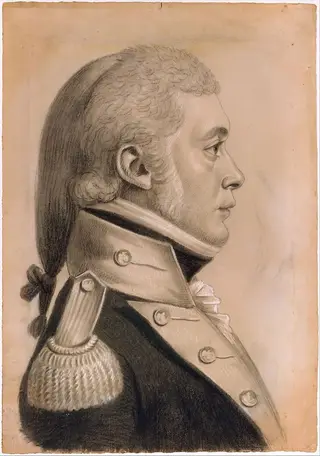
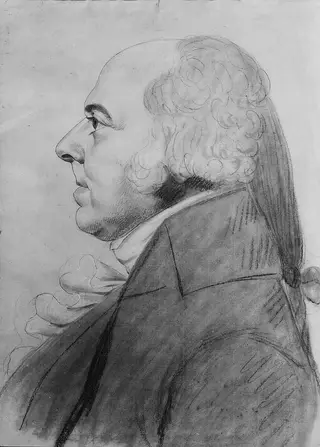
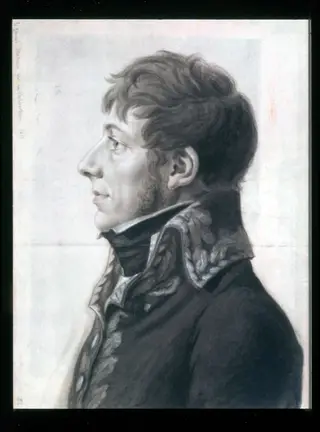
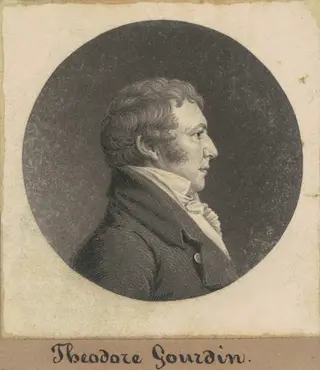
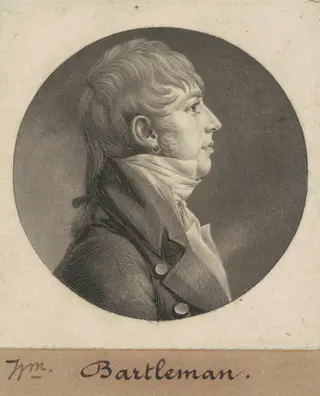
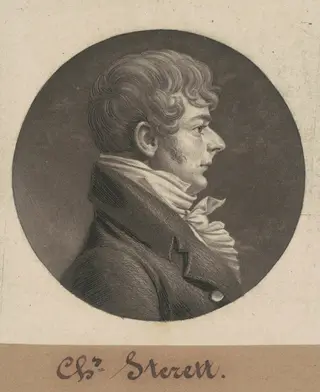
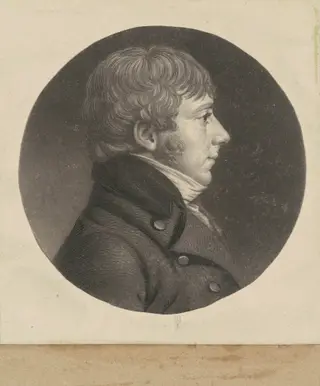
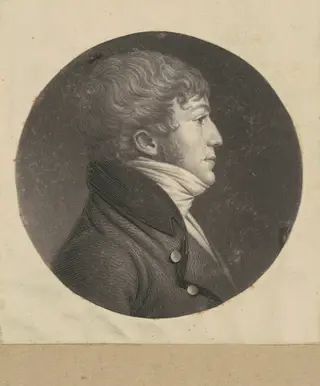
John Carlyle Herbert is an ink print by the Romanticist artist Charles B. J. Févret de Saint-Mémin. It dates from 1807 and is held in the collection of the National Gallery of Art. The work is a monochrome portrait print created through a combination of etching and engraving, with roulette texturing on laid paper.
About this work
Overview
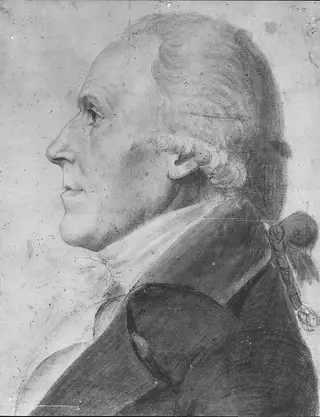
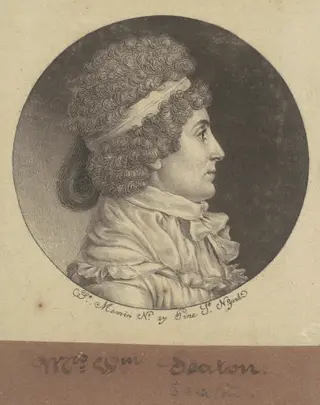
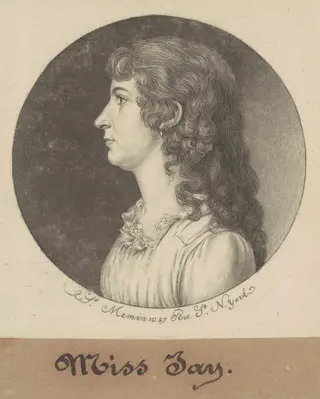
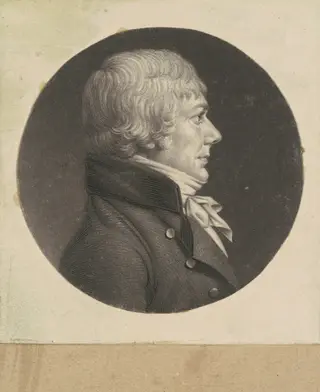
The work is a monochrome portrait print created through a combination of etching and engraving, with roulette texturing on laid paper. It presents John Carlyl Herbert in profile, his wavy hair and distinct facial features rendered against an unadorned circular field.
Subject & Meaning
The image focuses on the individual’s likeness, emphasizing the sitter’s profile as a conventional means of conveying character and status in the late eighteenth‑century. The plain background directs attention to Herbert’s expression and the subtle modeling of his features.
Technique & Style
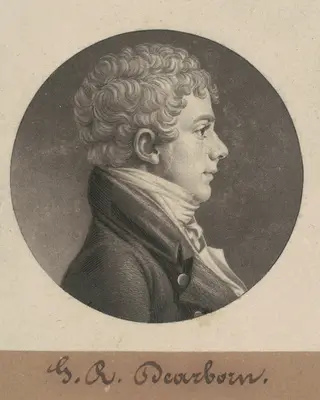
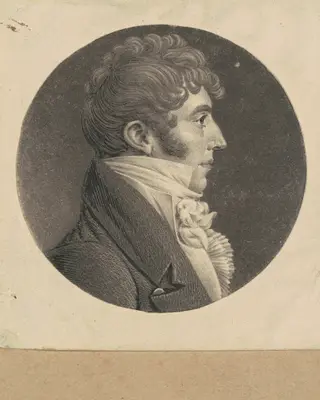
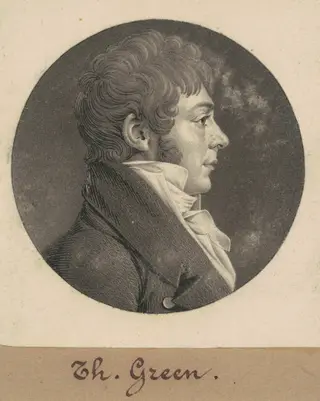
The artist employed both acid‑etched lines and hand‑engraved incisions, supplemented by roulette stippling to produce tonal variation. This hybrid approach yields fine detail and a smooth gradation of shadows typical of neoclassical portrait prints, allowing texture in hair and skin to emerge from the paper’s laid surface.
History & Provenance
Executed by Charles B. J. Févret de Saint‑Mémin, a French‑born printmaker active in the United States, the portrait was likely produced during his American period in the 1790s, when he documented prominent citizens. The print has since circulated among private collections and institutional holdings documenting early American portraiture.
Context
Portrait prints of this era served both as personal commemorations and as disseminated images of the emerging American elite. Saint‑Mémin’s work aligns with the broader neoclassical aesthetic, favoring restrained composition, clear lines, and an emphasis on rational representation.
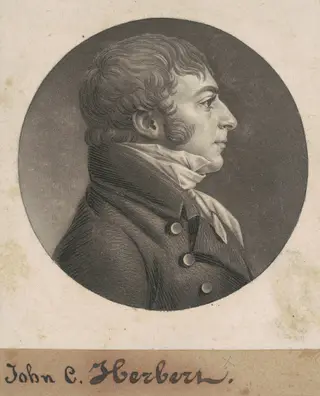
Own this work as a print
Artist & collection
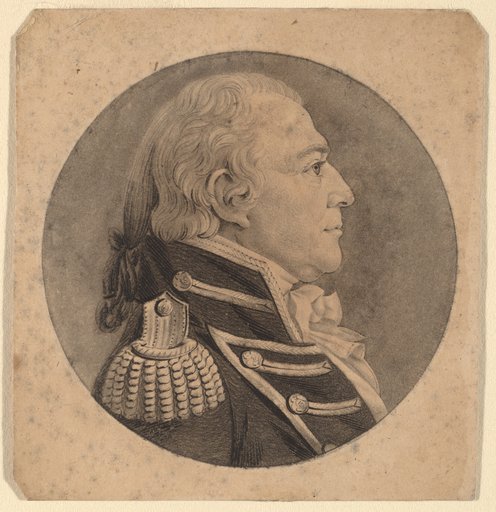
Artist
Charles B. J. Févret de Saint-Mémin
Charles Balthazar Julien Févret de Saint-Mémin (French pronunciation: ; 1770–1852) was a French portrait painter and museum director.