Artwork
John Navarre Macomb
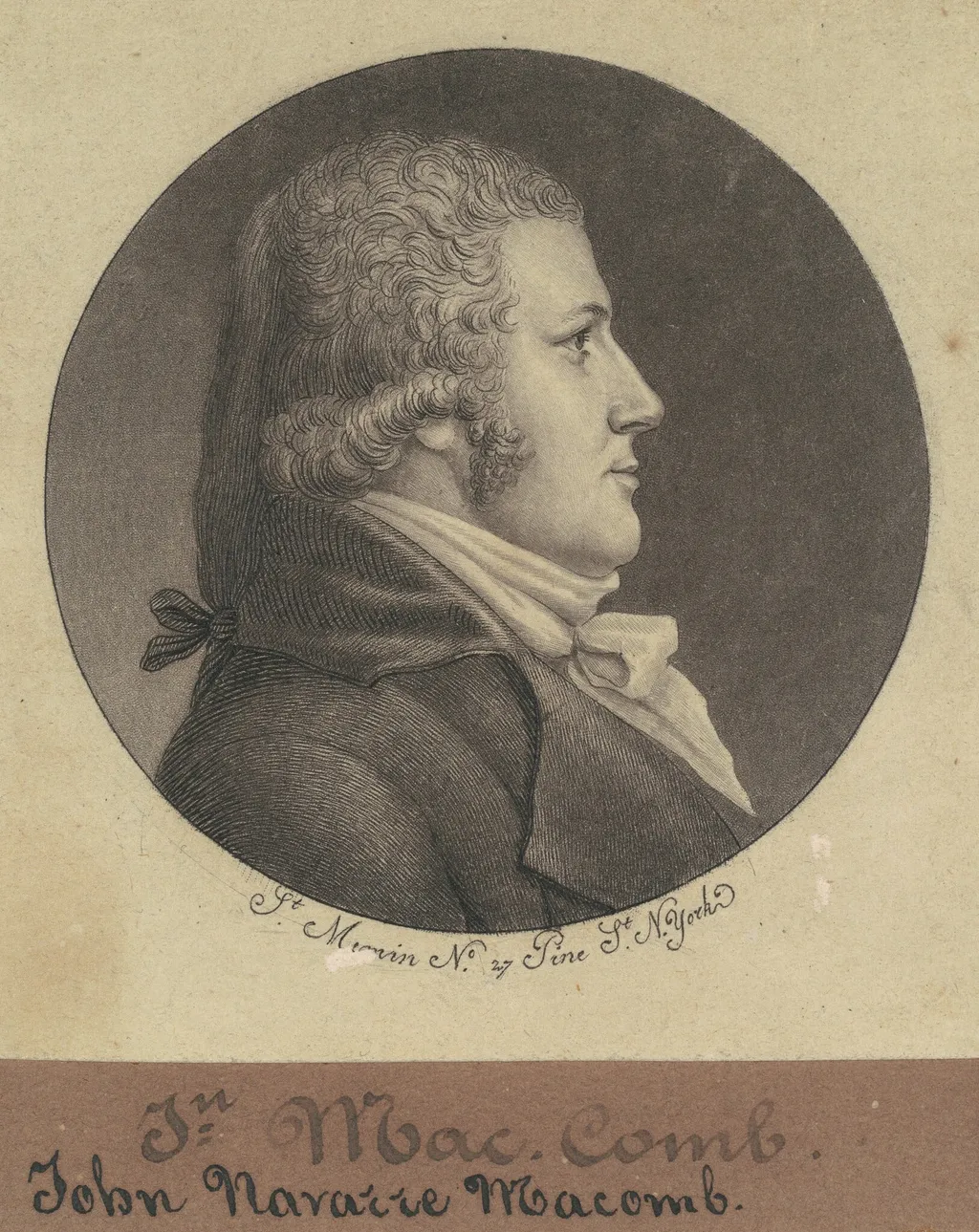
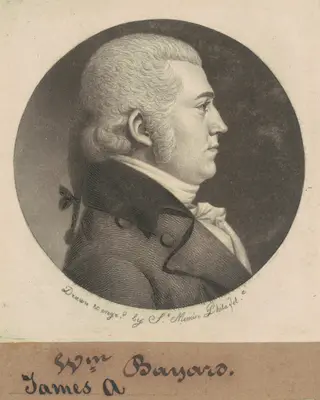
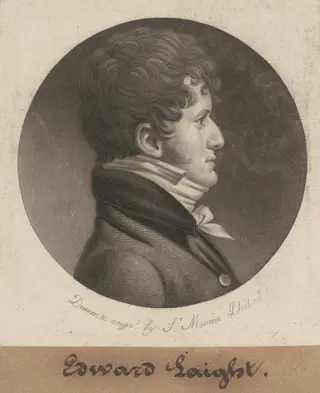
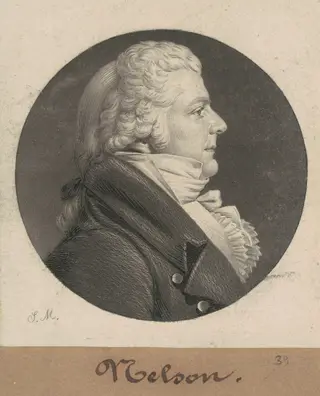
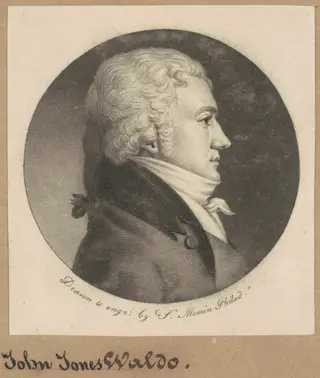
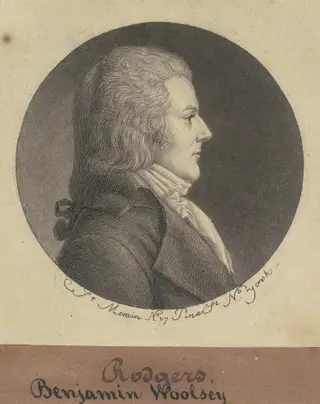
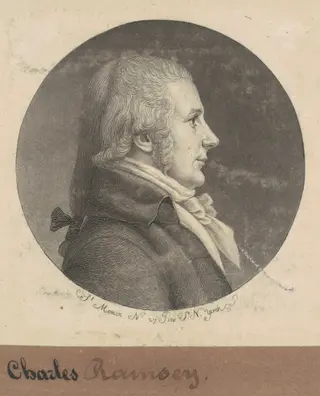
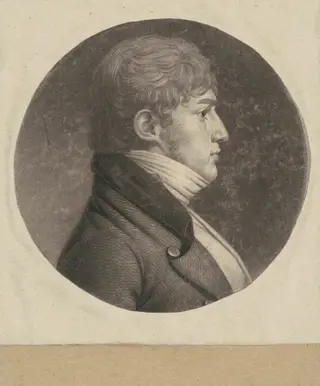
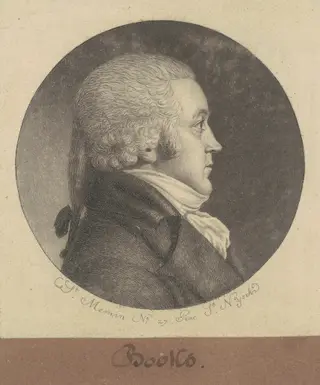
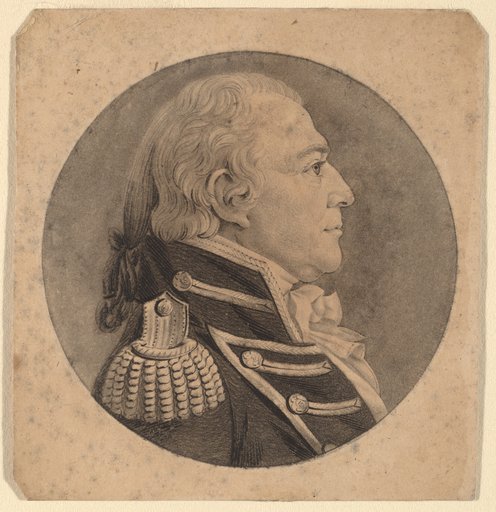
John Navarre Macomb is an ink print by the Romanticist artist Charles B. J. Févret de Saint-Mémin. It dates from 1796 and is held in the collection of the National Gallery of Art. Charles B.
- Inscription
- Inscribed:lower center in plate: St. Memin No. 27 Pine St. N. York; lower center mount in black ink by unknown hand: Jn. Mac. Comb. / John Navarre Macomb.
About this work
His face is lit from one side, giving sharp shadows under his nose and chin.
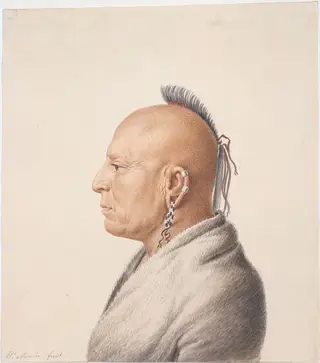
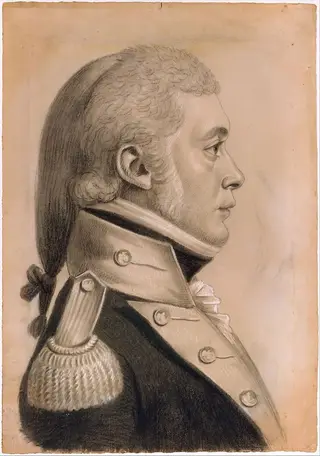
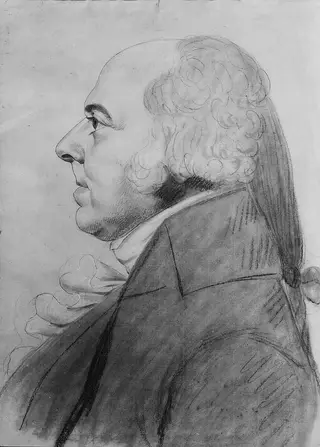
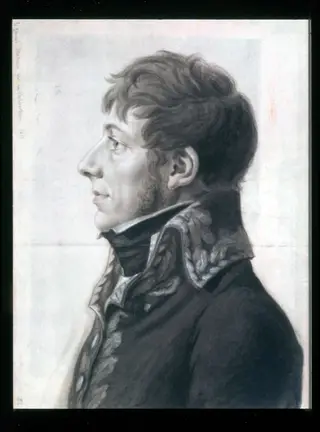
This small engraving shows a man with a high white collar and dark coat. His face is lit from one side, giving sharp shadows under his nose and chin. The artist used fine lines, not paint, to make the image.
Mechanical engraving was rare for portraits then. Most artists drew or painted. This print copies a painting Saint-Mémin made in 1797.
It’s easy to miss, but worth a look. Check out the National Gallery of Art, Washington.
Overview
Charles B. J. Févret de Saint‑Mémin’s portrait of John Navarre Macomb is a diminutive mezzotint and engraving executed between 1796 and 1797. Measuring just over five and a half centimeters square, the work presents a tightly cropped head and shoulders rendered in black ink on wove paper, later mounted on a brown backing sheet. It resides in the Corcoran Collection of the National Gallery of Art in Washington, D.C.
Subject & Meaning
The image depicts John Navarre Machom, a gentleman distinguished by a high white collar and a dark coat. Light falls across his face from the left, casting pronounced shadows beneath his nose and chin, which emphasize the contours of his features and suggest a sober, introspective demeanor typical of late‑eighteenth‑century portraiture.
Technique & Style
Saint‑Mémin employed the mezzotint process, a labor‑intensive method that creates tonal gradations through a finely textured plate. The artist’s hand is evident in the delicate, closely spaced lines that build up the shadows and highlights, achieving a painterly effect without the use of pigment. This approach was uncommon for portraiture at the time, which usually relied on drawing or oil painting.
History & Provenance
The engraving was produced as a print reproduction of a painted portrait Saint‑Mémin completed in 1797. Over the centuries it entered the Corcoran Collection, which was later incorporated into the National Gallery of Art’s holdings, ensuring its preservation and public accessibility.
Context
In the late 1790s, the United States was emerging as a new nation, and portrait prints served as a means to disseminate images of notable individuals beyond elite circles. Saint‑Mémin, a French émigré artist, brought European engraving techniques to America, contributing to the transatlantic exchange of artistic practices during this formative period.
Own this work as a print
Artist & collection
Artist
Charles B. J. Févret de Saint-Mémin
Charles Balthazar Julien Févret de Saint-Mémin (French pronunciation: ; 1770–1852) was a French portrait painter and museum director.