Artwork
Joseph Mosely
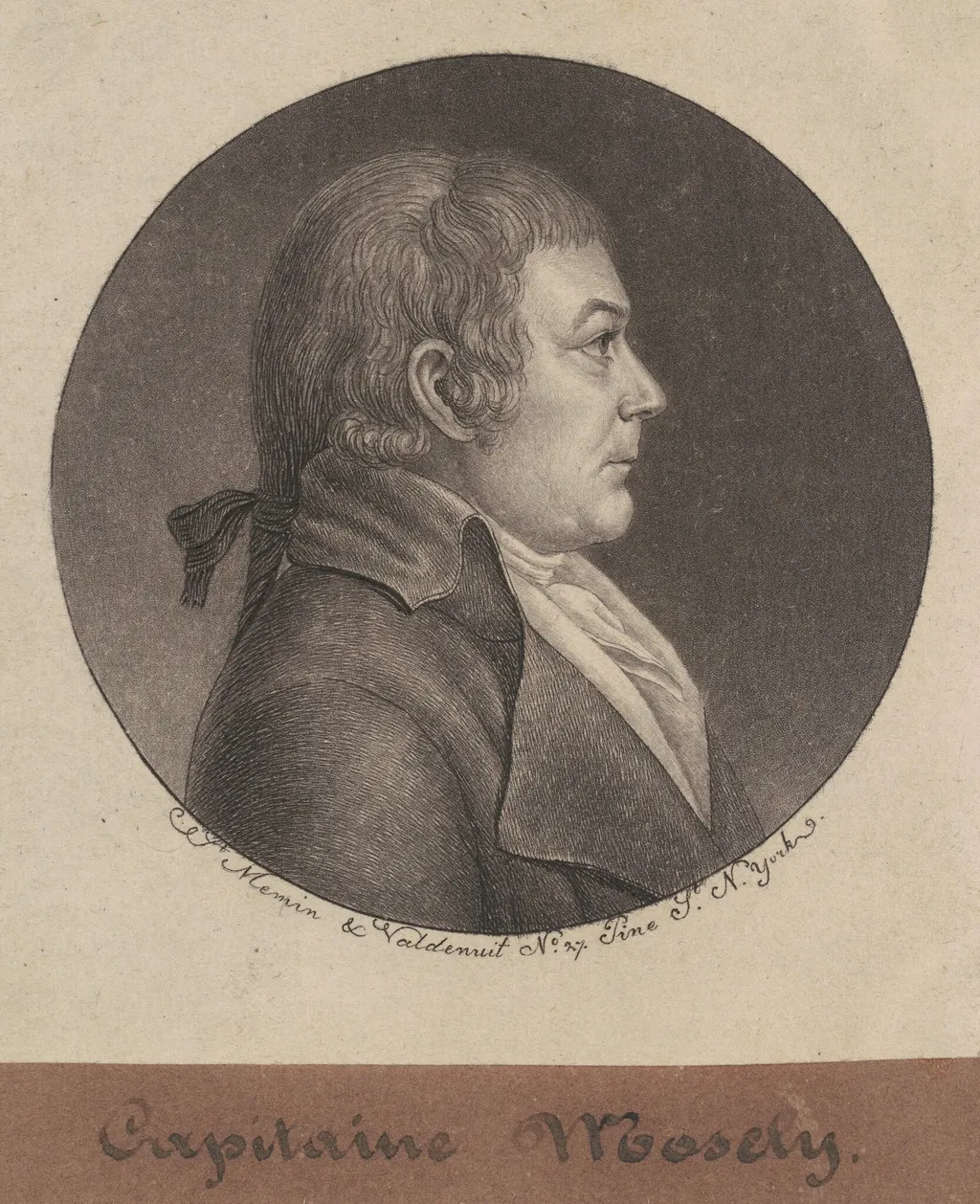
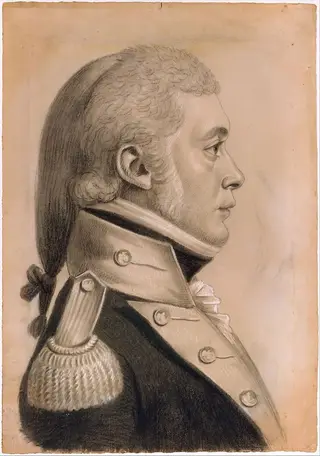
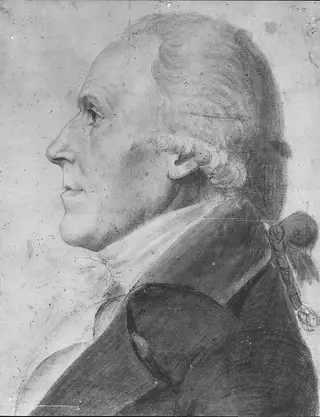
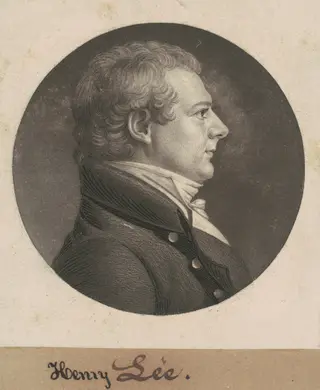
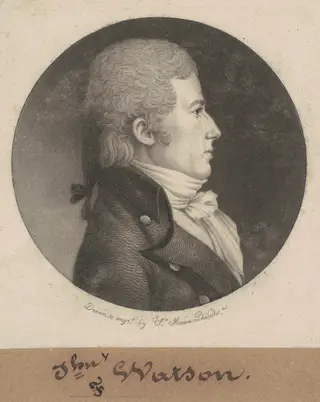
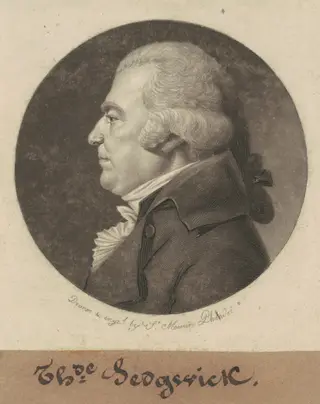
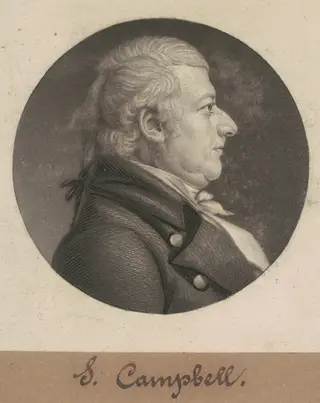
Joseph Mosely is an ink print by the Romanticist artist Charles B. J. Févret de Saint-Mémin. It dates from 1796 and is held in the collection of the National Gallery of Art.
- Inscription
- Inscribed:lower center in plate: St. Memin & Valdenuit No 27. Pine St. N. York.; lower center mount in black ink by unknown hand: Capitaine Mosely.
About this work
Overview
Févret de Saint-Mémin, the work is a portrait study focused on the upper torso and head, emphasizing precision and tonal gradation.
This print depicts Joseph Mosely in profile, rendered in mezzotint and engraving on wove paper, mounted to a brown wove support. Created between 1796 and 1797 by Charles B. J. Févret de Saint-Mémin, the work is a portrait study focused on the upper torso and head, emphasizing precision and tonal gradation. The medium’s capacity for subtle shadow and texture made it ideal for capturing the likeness and social bearing of its subject.
Subject & Meaning
Joseph Mosely, a figure of modest prominence in early American society, is portrayed with dignified stillness. His profile, turned left, conveys quiet composure rather than theatricality. The emphasis on facial structure and refined clothing suggests an intent to document personal identity and social status, aligning with the era’s preference for restrained, factual portraiture over idealized representation.
Technique & Style
Saint-Mémin employed mezzotint to achieve rich tonal transitions, particularly in the folds of Mosely’s collar and the contours of his face, while fine engraving defined crisp edges and hair texture. The composition avoids ornamentation, favoring clarity and balance, hallmarks of neoclassical portraiture. The monochrome palette enhances the sculptural quality of the subject, echoing classical busts in its economy of form.
History & Provenance
The print was produced during Saint-Mémin’s time in the United States, when he specialized in portrait miniatures and prints for the American elite. This work likely originated as part of a series documenting notable individuals, a project supported by patrons seeking to preserve their likenesses through emerging reproductive techniques. Its mounting on brown paper reflects period conservation practices.
Context
In late 18th-century America, portraiture served both personal and cultural functions, often bridging European artistic traditions with local tastes. Saint-Mémin’s method, rooted in French academic training, offered a refined alternative to folk portraiture. His prints circulated among educated circles, contributing to a visual record of civic leaders and professionals during the nation’s formative years.
Legacy
Saint-Mémin’s mezzotints, including this portrait, remain significant for their technical rigor and historical documentation. They provide insight into how early Americans represented themselves visually, blending European techniques with domestic subjects. The work is now studied as part of a broader corpus that shaped the development of American printmaking in the post-Revolutionary period.
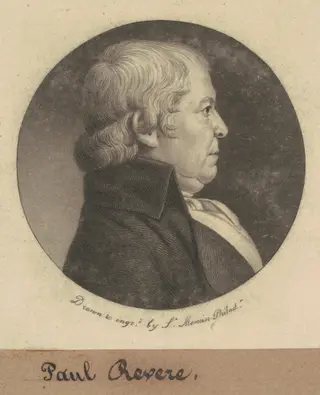
Own this work as a print
Artist & collection
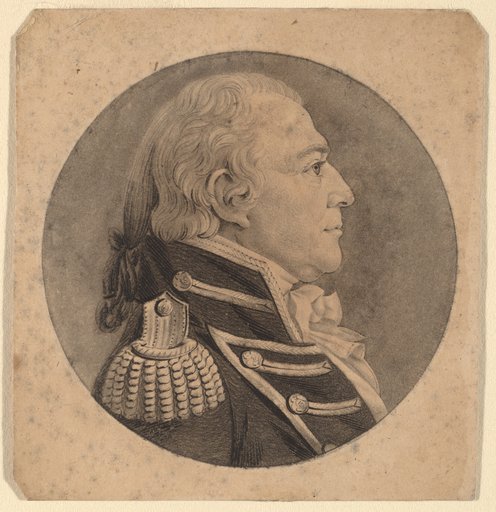
Artist
Charles B. J. Févret de Saint-Mémin
Charles Balthazar Julien Févret de Saint-Mémin (French pronunciation: ; 1770–1852) was a French portrait painter and museum director.