Artwork
Roddey
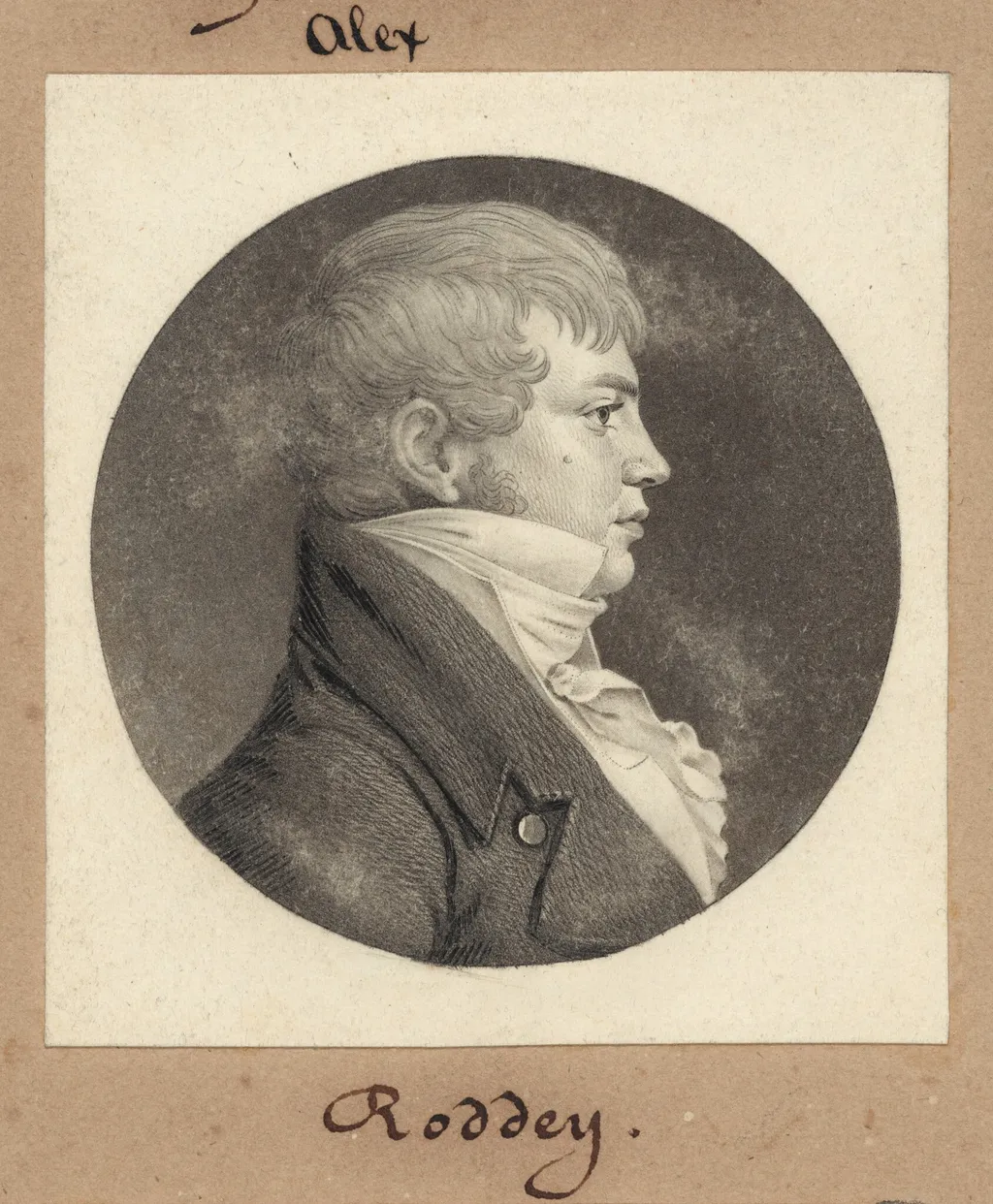
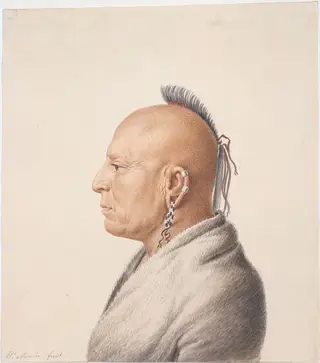
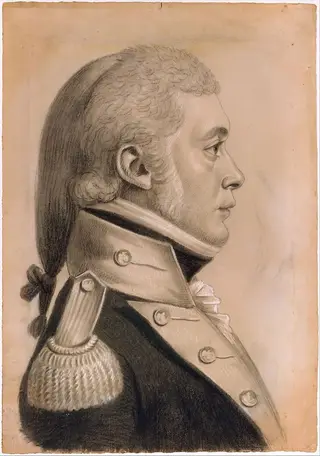
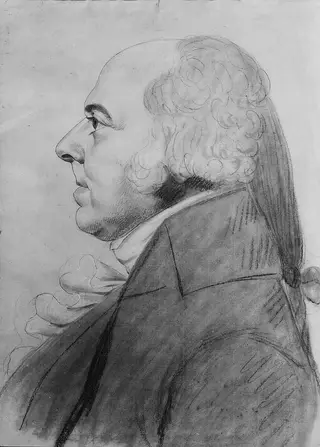
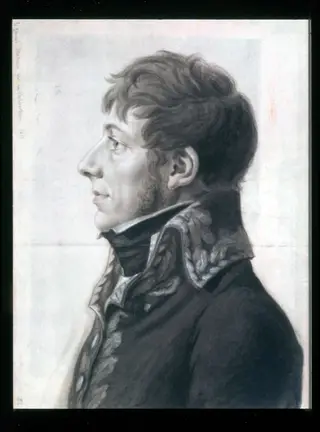
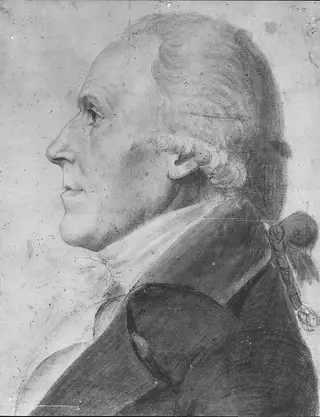
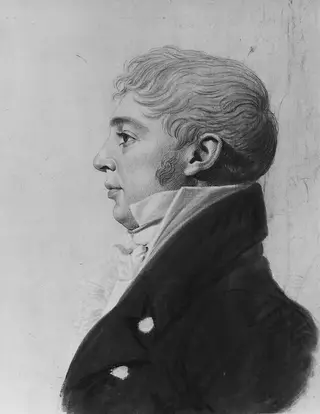
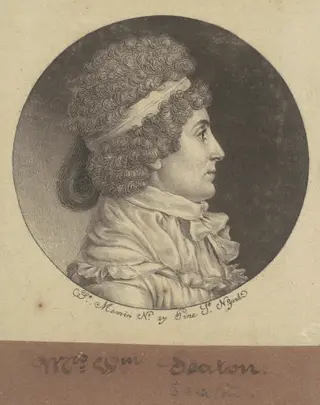
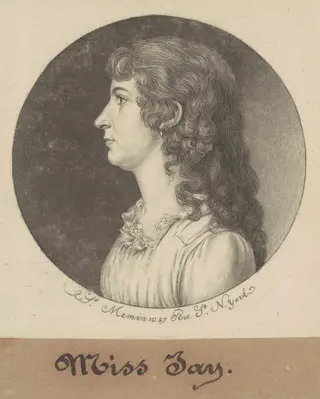
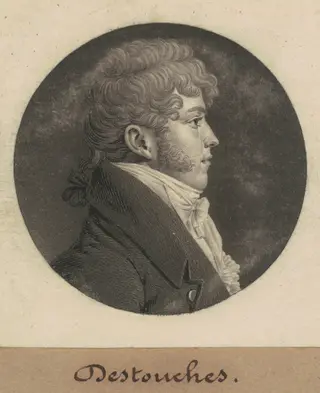
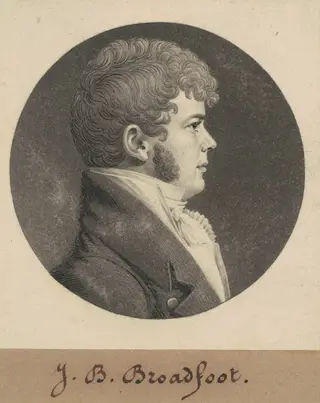
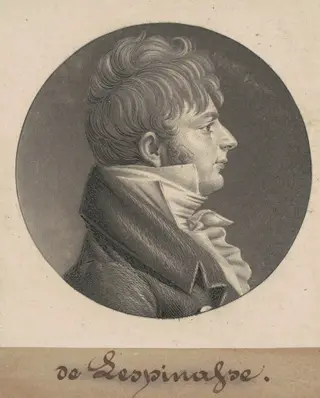
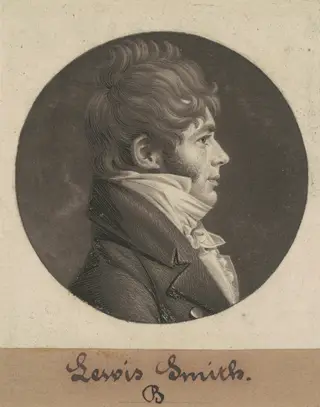
Roddey is an ink print by the Romanticist artist Charles B. J. Févret de Saint-Mémin. It dates from 1810 and is held in the collection of the National Gallery of Art. This small black-and-white print, created in 1810, depicts a man’s portrait in mezzotint and engraving on wove paper.
- Inscription
- Inscribed:lower center mount in black ink by unknown hand: Roddey.
About this work
Overview
Its compact size and精细 technique reflect the precision expected in portrait miniatures of the era, adapted for print reproduction.
This small black-and-white print, created in 1810, depicts a man’s portrait in mezzotint and engraving on wove paper. Mounted on a brown wove support, it measures just over five centimeters square. The work is part of the Corcoran Collection, now held by the National Gallery of Art.
Its compact size and精细 technique reflect the precision expected in portrait miniatures of the era, adapted for print reproduction.
Subject & Meaning
The sitter, identified as Roddey, is rendered in profile with a high-collared coat and subdued expression. His face is partially obscured by shadow, suggesting introspection or restraint. No attributes or symbols accompany him, emphasizing the focus on individual presence rather than status or occupation. The quiet intensity of the portrait aligns with early 19th-century ideals of dignified self-possession.
Technique & Style
The artist employed mezzotint, a method that textures a metal plate with fine pits to hold ink, enabling smooth transitions from deep black to delicate gray. Engraving lines define finer details like the collar and hair. The result is a tonal richness uncommon in small-scale prints, with the background left light to isolate the figure. Saint-Mémin’s skill lies in extracting depth and volume from minimal space.
History & Provenance
Created during Charles B. J. Févret de Saint-Mémin’s American period, the print was likely made for private circulation or as part of a series of portraits. It entered the Corcoran Gallery’s collection in the 19th century and was transferred to the National Gallery of Art in 1990. Its survival in good condition reflects careful handling and the enduring interest in early American portraiture.
Context
Saint-Mémin, a French émigré, became a leading portraitist in the United States, adapting European print techniques for a growing American clientele. His mezzotints were valued for their fidelity and intimacy, often serving as alternatives to painted miniatures. This work reflects the period’s demand for personal likenesses among the educated and affluent, produced with technical rigor despite modest scale.
Legacy
Though not widely exhibited, this print exemplifies Saint-Mémin’s contribution to American print culture. His ability to render subtle tonal gradations in miniature formats influenced later portrait engravers. The work remains a quiet testament to the precision and restraint characteristic of early 19th-century American portraiture, preserved as a record of individual identity in an age of emerging visual documentation.
Own this work as a print
Artist & collection
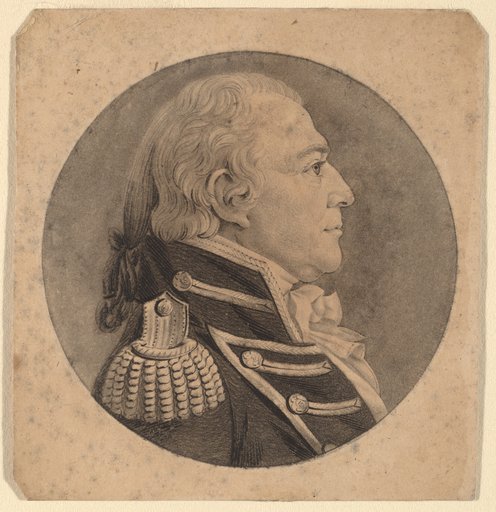
Artist
Charles B. J. Févret de Saint-Mémin
Charles Balthazar Julien Févret de Saint-Mémin (French pronunciation: ; 1770–1852) was a French portrait painter and museum director.